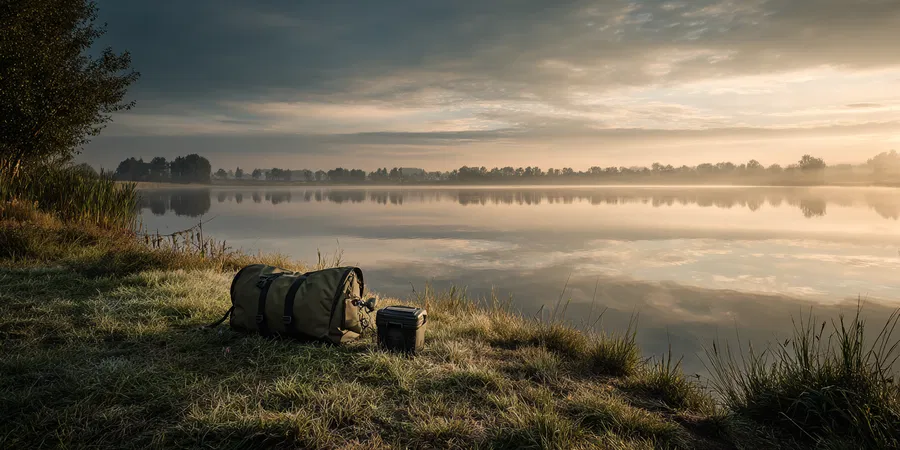
Starting fishing may look complicated from the outside — there are rods, reels, knots, lures, licenses, and dozens of opinions from every direction. But the truth is simpler: fishing is one of the easiest outdoor hobbies to begin when you approach it step by step.
You don’t need expensive gear, advanced techniques, or deep knowledge of fish behavior to enjoy your first day on the water. What you do need is a clear plan, a simple setup, and a calm place to practice the basics.
This guide breaks the entire process into small, manageable steps designed specifically for beginners. By the end, you’ll know exactly what to buy, where to go, how to set up your line, and how to make your first casts with confidence.
Fishing is not about being perfect — it’s about learning at your own pace, staying patient, and enjoying the peace that comes with the water. With the right mindset and a bit of preparation, anyone can start fishing successfully.
Why Starting Fishing Is Simpler Than You Think#
Many beginners assume fishing requires special skills or technical knowledge, but most of what makes fishing work is surprisingly straightforward. Fish behave in predictable ways, beginner gear is designed to be easy to use, and the basic techniques haven’t changed for decades.
The steps you learn today — casting, watching the line, recognizing a bite — are the same skills used by experienced anglers everywhere.
You don’t need to memorize complex rigs or understand every species. A single beginner-friendly setup can catch fish in ponds, lakes, rivers, and off docks or piers. A simple bobber rig or bottom rig handles most situations. And picking a good fishing spot often comes down to just two things: calm water and easy access.
The biggest advantage beginners have is that they can start small. One rod, one rig, one location — that’s enough to get results. Fishing rewards patience and consistency more than experience or equipment.
With each trip, your instincts grow naturally: you notice how the line moves, how the wind affects the water, where fish might be hiding, and when the bite feels different.
Once you realize how approachable fishing really is, the whole process becomes far less intimidating. If you’d like to see how all these pieces fit together, the complete Fishing Basics Guide for beginners brings the entire process into one clear overview. The first steps are simple, and everything else builds slowly and naturally from there.
Step 1: Choose a Beginner-Friendly Fishing Style#
Before you buy gear or choose a location, the easiest way to begin is by deciding what type of fishing you want to start with. Fishing has many forms, but only a few are truly beginner-friendly. Your first choice should focus on simplicity, safety, and easy access — not complexity or long-distance travel.
Freshwater (best starting point)#
Freshwater is the ideal place for beginners to learn. Lakes, ponds, and slow-moving rivers offer calm environments, predictable fish behavior, and plenty of space to practice casting without pressure.
Most freshwater species are also less demanding on gear, which keeps your first setup simple and affordable.
Freshwater advantages for beginners:
- Easier access from parks, public lakes, and urban ponds
- Calm water that helps you feel bites and control your line
- Smaller fish species that are perfect for learning
- Beginner gear works extremely well here
- No need for strong saltwater equipment or advanced techniques
If you want the smoothest, most stress-free introduction to fishing, freshwater is the clear starting point.
Shore, dock, or pier vs more advanced options#
Your next decision is where you’ll physically stand when you start fishing. Some locations require more skill or equipment, while others make learning effortless.
Beginner-friendly choices:
- Shore fishing: The simplest option. Easy access, plenty of space, and no special requirements. Great for practicing casting.
- Fishing from a dock: Perfect for deeper water without needing a boat. Stable footing and reliable spots where fish often gather.
- Pier fishing: Excellent in coastal areas. You get deeper water, structure, and consistent opportunities without stepping onto a boat.
All three options let you learn the basics comfortably, without balancing on rocks or handling complex gear.
Advanced options to avoid at the beginning:
- Boat fishing: Requires more equipment, safety knowledge, and navigation skills. Great later — not ideal for your very first attempts.
- Wading in rivers: Can be rewarding, but moving water adds difficulty and requires understanding currents and footing safety.
- Surf fishing: Fun and powerful, but waves, wind, and open beaches challenge beginners more than calm freshwater spots.
Starting from stable ground with calm water gives you a better foundation and lets you focus on learning — not on fighting the environment.
Step 2: Get a Simple, Affordable Fishing Setup#
You don’t need expensive gear to start fishing. In fact, most beginners catch their first fish with simple, budget-friendly equipment. The goal is to choose gear that is easy to use, versatile, and forgiving while you learn the basics. A clean, uncomplicated setup gives you more control and helps you build confidence on every trip.
The rod and reel combo#
The best option for beginners is a spinning rod and reel combo. Spinning gear is easy to cast, easy to control, and works well in almost any freshwater situation. Most sporting goods stores sell beginner-friendly combos that include both pieces already matched together.
What to look for:
- Rod length: 6'6" to 7'0"
- Rod power: Medium or Medium-Light
- Rod action: Fast or Moderate-Fast
- Reel size: 2500–3000 (perfect balance for freshwater)
Why this setup works:
- Light enough to feel bites
- Strong enough for common freshwater species
- Easy for beginners to cast accurately
- Forgiving when learning drag control and hooksets
A simple spinning combo can take you from ponds to lakes to slow rivers without needing upgrades right away.
Line, hooks, weights, and basic tools#
These small items — known as terminal tackle — are what actually make your fishing setup complete. Fortunately, beginners only need a few essentials to get started.
Fishing line
- Start with 6–10 lb monofilament
- Affordable, easy to tie, and more forgiving than braided line
Hooks
- A small pack of hooks in sizes 4–6 is perfect for most freshwater fish
- Choose simple bait-holder or all-purpose hooks
Weights (sinkers)
- A pack of split-shot weights
- Or one small egg sinker + swivel for a basic bottom rig
Swivels
- Prevent frustrating line twist
- Also help with quick rig adjustments
Basic tools you should always carry:
- Pliers or a multi-tool — for removing hooks safely
- Small line cutters or nail clippers — quicker than using a knife
- A compact tackle box — to keep everything organized
- Optional: a small net (helpful for beginners, not mandatory)
This small, affordable collection of gear covers 95% of what you need for your early trips. With a simple rod, a handful of hooks, and a bit of line, you’re fully equipped to learn the fundamentals without getting overwhelmed by unnecessary gear.
Step 3: Learn One Beginner-Friendly Rig#
Before diving into complex knots or advanced presentations, every beginner should start with one simple rig. A basic rig keeps your setup predictable and helps you understand how your bait behaves in the water.
Once you master a single, reliable rig, you can easily expand to others later. For now, the goal is consistency, not variety.
Below are the two easiest and most effective rigs for beginners. Each one works in ponds, lakes, and slow-moving rivers, and both can catch a wide range of freshwater species.
Bobber (float) rig#
The bobber rig is the classic beginner setup — simple, visual, and incredibly effective. It helps you learn bite detection because you can see the moment something interacts with your bait. If the bobber dips, twitches, or slides, a fish is testing your line.
What you need:
- A small bobber (round or pencil-type)
- Size 4–6 hook
- One or two small split-shot weights
- Six to twenty inches of line between the hook and bobber placement
Why it works for beginners:
- Easy to cast and control
- Perfect for shallow or mid-depth water
- Teaches you how to recognize bites
- Helps you understand how fish behave at different depths
The bobber rig is excellent for targeting bluegill, sunfish, perch, small bass, and many other freshwater species. It’s also great for practicing patience — cast, let the bobber settle, and watch the water come alive.
Simple bottom rig#
The simple bottom rig is just as beginner-friendly, especially when fish are feeding near or on the bottom. It keeps your bait stable and in the strike zone, even when the water has slight movement or when fish are less active near the surface.
What you need:
- Size 4–6 hook
- A small egg sinker or split-shot
- A swivel (optional, but helpful for reducing line twist)
- A short leader (6–12 inches)
How it works:
- The weight sits on the bottom
- Your bait rests just above it
- Fish find it easily while searching near the lakebed
Advantages for beginners:
- Very reliable in deeper or slightly murky water
- Simple to set up and adjust
- Great for larger beginner fish like catfish, carp, and bass
- Less affected by wind than a bobber rig
Learning these two rigs gives you everything you need for your first weeks of fishing. One covers the surface and mid-depths, the other covers the bottom — together they handle almost any freshwater situation a beginner will face.
Step 4: Pick a Safe and Easy Fishing Spot#
Choosing the right location is one of the most important decisions a beginner can make. A calm, predictable spot not only increases your chances of catching fish — it also makes the entire learning process smoother and more enjoyable.
You don’t need a famous lake or hidden “secret spot.” What you really need is a place where you can focus on technique instead of fighting tough conditions.
What makes a good beginner location#
A beginner-friendly fishing spot has a few simple but essential qualities:
Easy access
Look for places where you can walk right up to the water without climbing rocks, steep banks, or uneven terrain. Parks, community ponds, fishing piers, and public lake access points are ideal.
Calm water
Still or slow-moving water helps you feel bites, control your line, and understand how your rig behaves. Turbulent water adds unnecessary difficulty for a first-time angler.
Room to cast
Choose an open shoreline or dock where you won’t snag trees, bushes, or other people. Having a clear overhead space makes practicing casts much easier.
Visible signs of life
If you see small fish near the surface, birds hunting, insects on the water, or gentle ripples, you’re in a productive environment. Activity usually means opportunity.
Regularly visited spots
Places where other anglers go are often productive and safe. Beginners benefit from established areas with clearly marked access and consistent fish patterns.
Reading basic depth and structure#
Once you arrive at your spot, learning to “read” the water will help you place your bait where fish are naturally spending time. Even without experience, you can identify depth changes and underwater structure with a little observation.
Depth
Fish rarely stay at a single depth. Shallow areas warm quickly and attract small fish, while deeper pockets offer protection during bright or hot conditions. Look for areas where shallow water gently slopes into deeper sections — these transitions are reliable places to cast.
Structure
Fish are drawn to anything that breaks up the underwater landscape:
- Rocks
- Fallen branches
- Weed lines
- Dock pilings
- Drop-offs
You don’t have to see these features directly. Often, the shoreline gives clues. A rocky bank usually means rocks continue underwater. A shaded tree line often hides branches below the surface.
Shade and cover
On bright days, fish move toward shade or cover to feel secure. Overhanging trees, docks, bridge pillars, and even the shadow of a large object can hold fish.
Understanding basic depth and structure doesn’t require advanced knowledge or electronics. With time, your eyes naturally learn where fish prefer to feed and hide — and your cast placement becomes more intentional and effective.
Step 5: Plan a Short, Low-Stress First Trip#
Your first fishing trip should feel calm, simple, and enjoyable — not like a full-day expedition with a car packed to the roof. The goal is to learn the basics at your own pace, not to chase big fish or cover huge distances.
A short, well-planned trip helps you stay focused, avoid frustration, and build confidence for your next outings.
Time of day#
Fish are most active during periods of low light, which also happen to be the most comfortable times for beginners.
Best times:
- Early morning — cooler weather, softer light, active fish
- Late afternoon to sunset — feeding windows often reopen
- Overcast days — fish stay closer to shore and move more freely
Avoid fishing during the brightest mid-day hours, especially on hot days. Fish typically move deeper or become sluggish, making the learning process harder.
Weather basics#
Weather directly affects where fish are and how they behave — but beginners only need to know a few simple patterns.
Ideal beginner conditions:
- Light breeze (creates natural movement on the water)
- Mild temperatures
- Cloud cover or gentle sunlight
- Stable weather for the next few hours
Conditions to avoid early on:
- Strong winds (tangles, casting difficulty)
- Heavy rain or storm forecasts
- Extreme heat or cold
- Rapid weather changes (fish often become inactive)
Good weather helps you focus on technique instead of fighting uncomfortable conditions.
What to bring (and what NOT to bring)#
A beginner trip works best when you pack light. Everything you need should fit into one small bag — anything more just creates clutter.
Bring this:
- Your rod and reel
- Hooks, weights, bobber, and basic terminal tackle
- Extra line or leader
- Pliers and line cutters
- Small tackle box
- Water and a simple snack
- Sunscreen and bug spray (optional but helpful)
- A small towel or rag
Do NOT bring this (yet):
- Multiple rods
- Large tackle boxes with dozens of lures
- Complex rigs or advanced gear
- Coolers, buckets, chairs, or bulky accessories
- Expensive equipment you’re afraid to scratch or lose
The simpler your first trip is, the easier it becomes to focus on casting, detecting bites, and understanding how your gear behaves. If you want a more detailed checklist so you don’t forget anything important, this guide on what you need for your first fishing trip walks through it step by step. Once the basics feel natural, you can slowly add more tools and techniques — but for now, keep it clean and comfortable.
Step 6: Practice Casting the Easy Way#
Casting is one of the most important skills in fishing, but it doesn’t need to be complicated. A smooth, controlled cast places your bait where fish are more likely to see it, and helps you feel what your line is doing once it lands.
Beginners often think distance is the goal, but accuracy and consistency matter far more. With a simple motion and a few minutes of practice, you can learn the basics quickly.
A simple casting motion#
A clean cast uses timing, not strength. Follow this easy step-by-step motion:
- Hold the rod at a slight upward angle (about 45 degrees).
- Grip the line against the rod with your index finger.
- Open the bail on your spinning reel to allow the line to flow freely.
- Bring the rod back smoothly, stopping when the tip is just behind your shoulder.
- Swing the rod forward in one controlled motion.
- Release the line by lifting your finger when the rod tip moves past eye level.
If the lure drops behind you instead of flying forward, you released too early.
If it flies too low or slams into the water, you released too late.
A good cast should feel balanced — the rod does the work, not your arm.
Tips to improve quickly:
- Start with short casts before trying longer ones
- Aim at a specific point (a ripple, a leaf, or a buoy)
- Keep the rod grip relaxed, not rigid
- Practice on open shoreline or a dock with plenty of space
After a few sessions, your cast will become smooth, predictable, and accurate.
Common beginner mistakes#
Even simple casts can go wrong if you’re not aware of common pitfalls. Recognizing them early helps you avoid frustration.
Casting with too much force
Beginners often try to “muscle” the cast, which leads to tangles, inaccurate placement, or snapping the lure off the line. Let the rod’s flex do the work.
Not closing the bail manually
Relying on the reel to close the bail can cause line twist. Always close the bail by hand after the cast, then gently pull the line tight.
Reeling with the rod tip low
A low rod tip drags the line into the water, creating slack and reducing sensitivity. Keep the rod slightly elevated during retrieval.
Ignoring wind direction
Casting directly into strong wind can push your line back toward you. Begin by casting with the wind or at an angle to avoid resistance.
Poor grip or stance
A tight grip or awkward stance makes your cast jerky. Keep your body relaxed and aligned with your target.
Casting well comes with repetition. Focus on smooth motion, proper timing, and light control — the rest will come naturally with practice.
Step 7: Detecting Bites and Setting the Hook#
Once your bait is in the water, the next step is learning how to recognize when a fish is interacting with it. Bite detection is a skill that develops through experience, but beginners can learn the basics quickly by paying attention to how the line, bobber, or rod tip behaves.
After you recognize a bite, the goal is to set the hook with a calm, controlled motion — not a dramatic swing.
What a bite feels or looks like#
A bite doesn’t always look like a strong tug. In many cases, it’s subtle — especially from smaller or cautious fish. Pay attention to these common signs:
If you’re using a bobber (float):
- A quick dip downward
- A gentle side-to-side slide
- Small twitches or vibrations
- A slow, steady pull in one direction
Any movement that looks unnatural is worth investigating.
If you’re using a bottom rig:
- Light tapping on the rod tip
- Sudden tension on the line
- A slow, steady pull
- Brief vibrations that repeat every few seconds
Bottom bites often feel softer, like someone gently tapping the line.
With lures or jigs:
- Sudden “weight” on the line
- A small thump or bump
- Loss of tension or slack appearing unexpectedly
Even subtle signals can be fish — you’ll get better at recognizing them with every trip.
Gentle, controlled hookset#
Setting the hook doesn’t require force. Many beginners yank the rod aggressively, which often pulls the hook out or snaps the line. A good hookset is firm but controlled.
For bobber fishing:
- Wait for a solid dip or steady pull.
- Lift the rod quickly but smoothly.
- Keep the rod raised to maintain tension.
For bottom rigs:
- Feel steady pressure or repeated taps.
- Lift the rod tip in one clean motion.
- Begin reeling to keep consistent tension.
For lures or jigs:
- When you feel a thump or sudden weight, give a quick upward sweep.
- Don’t jerk — let the rod’s backbone secure the hook.
General tips for better hooksets:
- Keep some tension in the line while waiting.
- Don’t swing sideways — lift upward at a moderate angle.
- Once the hook is set, maintain steady pressure without over-pulling.
A controlled hookset lets the rod and line work together, making it easier to bring the fish in without losing it. Over time, you’ll instinctively know the difference between a snag, a nibble, and a confident bite.
Step 8: Landing and Releasing Your First Fish#
Hooking a fish is exciting, but what happens next is just as important. Landing a fish safely — and releasing it properly if you choose to let it go — requires calm movements, steady pressure, and a bit of awareness. This is where beginners often make mistakes, but with a simple approach, the process becomes smooth and controlled.
Keeping steady pressure#
Once a fish is hooked, the goal is to maintain consistent tension without pulling too hard. Sudden or uneven pressure can cause the hook to slip out or the line to break.
Key principles:
Keep the rod at a steady upward angle
A 45–60 degree angle gives you control without overstressing the rod.
Let the drag work for you
If the fish pulls hard, the reel should give a little line. This prevents break-offs and keeps the fight balanced.
Lift and reel in a rhythm
- Lift the rod upward to pull the fish closer
- Lower the rod while reeling in the slack
This “lift and reel” method gives you smooth, consistent pressure.
Avoid high sticking
Don’t raise the rod straight above your head — it weakens the rod tip and can cause it to snap.
Stay patient
Rushing the fish into shallow water often causes last-second escapes. Steady movements always win over force.
With these habits, even beginners can land fish reliably and without unnecessary strain.
Safe handling and release basics#
Once the fish is near you, safety — for both you and the fish — becomes the priority. Proper handling reduces stress on the fish and lowers the risk of injury.
Wet your hands first
A wet hand protects the fish’s slime coat, which helps prevent infection.
Avoid squeezing
Hold the fish gently but securely. Too much pressure can harm internal organs.
Keep fingers away from gills and hooks
Handle the fish by supporting it from underneath or lightly around the midsection.
Use pliers for hook removal
A slow, controlled motion reduces harm. If the hook is too deep or stuck, clip the line close to the hook — most fish can pass or dissolve small hooks over time.
For catch-and-release:
- Hold the fish upright in the water
- Gently support it until it kicks away on its own
- Never toss the fish back into the water
For keeping fish:
Follow local regulations for size and daily limits, and store your catch humanely and safely.
A calm, respectful approach makes the landing and release process smoother and helps ensure healthy fish populations for future trips. With practice, this part of fishing becomes second nature and one of the most rewarding moments in the entire experience.
Common Questions Beginners Ask#
New anglers often share the same concerns, and most of them come down to confidence and expectations. Fishing looks intimidating at first, but the learning curve is much gentler than people imagine. Here are clear, honest answers to the questions almost every beginner asks.
How long does it take to learn?#
Most people pick up the basics — casting, detecting bites, and setting the hook — within just a few short trips. In fact, many beginners catch their first fish on day one. What takes longer is developing instinct: recognizing subtle bites, understanding how fish behave, and placing casts exactly where you want them.
But the good news is this:
- You improve every time you go
- Progress comes naturally with repetition
- Even small wins (a clean cast or a detected bite) build skill
Fishing isn’t something you master immediately, but it’s absolutely something you can enjoy from the very start. Experience grows quietly over time, and that’s part of the charm.
Do I need expensive gear?#
Absolutely not. Beginners succeed most with simple, affordable equipment. A basic spinning combo, a few hooks, a couple of weights, and a bobber or bottom rig are more than enough to start catching fish.
Expensive gear doesn’t automatically make fishing easier — it only makes mistakes more costly. Beginner-friendly equipment is designed to be forgiving, durable, and versatile across many freshwater situations.
Once you understand your style and preferences, you can upgrade later if you want — but there’s no rush. Affordable gear can carry you through your entire first season with great results.
What if I don’t catch anything?#
Not catching fish is completely normal for beginners — and even experienced anglers have slow days. Fishing is influenced by many factors: weather, water temperature, time of day, fish mood, and sometimes pure chance.
What actually matters is this:
- You practiced your casting
- You learned how your rig behaves
- You recognized small signs of activity
- You gained experience with your gear and environment
Every trip teaches something useful, even when the fish aren’t cooperating.
If you’re not catching anything consistently, consider adjusting:
- Depth: move the bobber up or down
- Location: try structure, shade, or slight depth changes
- Bait: switch between worms, corn, bread, or simple plastics
- Time: mornings and evenings produce more bites
The key is not letting a slow day discourage you. Every angler — no matter how skilled — walks home empty-handed sometimes. What matters is that you’re learning the rhythm of the water, one trip at a time.
A Simple 3-Trip Starter Plan#
Learning to fish becomes much easier when you break it into small, focused steps. Instead of trying to master everything at once, use your first few outings to build skills one at a time. This simple three-trip plan helps you grow steadily without feeling overwhelmed, and each step prepares you for the next.
Trip 1: Practice casting#
Your first outing should be all about getting comfortable with your gear. Find an open area with calm water and plenty of room.
Focus on:
- Making smooth, controlled casts
- Aiming at the same target consistently
- Closing the bail by hand after each cast
- Managing slack and keeping light tension on the line
If you catch something on this trip — great. If not, you still made progress. Casting is the foundation of everything you’ll do later.
Trip 2: Learn bite detection#
Now that casting feels familiar, switch your attention to what happens after the bait lands. Use a simple bobber rig or bottom rig and watch closely.
Focus on:
- Recognizing taps, twitches, or line movement
- Keeping your rod at a steady angle
- Maintaining light tension
- Practicing gentle hooksets
This is usually the trip where beginners hook their first fish. Even if the fish get away, you’re building essential awareness of how bites feel.
Trip 3: Try a new rig or spot#
With basic casting and bite detection in place, you’re ready to explore something slightly different — either a new location or a simple new setup.
Ideas for this trip:
- Move from a pond to a small lake
- Try a shaded bank, a pier, or a dock
- Switch from a bobber rig to a bottom rig
- Cast at different depths or near structure
This small change introduces variety without adding difficulty. It also helps you see how fish behave in different environments, making you a more adaptable and confident angler.
Final Thoughts#
Starting fishing doesn’t require complicated gear, long hours, or expert knowledge. It requires patience, curiosity, and a willingness to learn the basics one step at a time. With a simple setup, a safe spot, and a few short trips, anyone can begin catching fish and enjoying the quiet rhythm of the water.
Every cast teaches something. Every bite — even the missed ones — helps you understand the fish a little better. And every trip builds the confidence that turns a beginner into a capable, relaxed angler.
Fishing is not about perfection. It’s about being present, slowing down, and letting the water show you something new each time. Once you experience that feeling, the rest of the journey unfolds naturally.