
Affiliate disclosure: As an Amazon Associate, we may earn from qualifying purchases made via links on this page — at no extra cost to you. See our Affiliate Disclosure.
Choosing the right Penn reel size is one of those decisions that seems simple — until you’re standing in a tackle shop staring at numbers like 2500, 4000, and 8000 wondering what they actually mean.
Most anglers assume bigger is stronger and smaller is weaker. That’s not wrong… but it’s also not the whole story.
Reel size affects balance, casting distance, drag performance, line capacity, fatigue, and even how enjoyable your day on the water feels. Pick the wrong size, and everything feels slightly off. Pick the right one, and suddenly your setup feels natural — almost effortless.
Let’s break it down properly.
What Penn Reel Sizes Actually Mean#
Penn uses a numeric sizing system that roughly indicates spool size and line capacity. The higher the number, the larger the reel body and spool.
But here’s where anglers often get confused: reel size is not just about strength. It’s about matching the reel to your rod, your line, and the fish you’re targeting.
A 4000 isn’t automatically “better” than a 3000. A 6000 doesn’t automatically mean offshore monster slayer. Context matters.
Penn Reel Size Classes at a Glance#
To quickly understand Penn’s numeric system, here is how the primary size classes break down by application:
- 1000–2500: Light freshwater, trout, panfish, and finesse bass setups.
- 3000–4000: Versatile all-around performers for inshore saltwater and heavy freshwater.
- 5000–6000: Heavy inshore, light offshore, big catfish, and coastal surf fishing.
- 8000–10500: Heavy surf, big-game offshore trolling, and deep-sea monster targets.
- 8000–14000+: Heavy surf, offshore casting, popping, jigging, and big-game targets.
Note: Spool depth, body design, and internal components vary by series. A Penn Battle 4000 won’t feel identical to a Penn Slammer 4000 due to sealing and frame differences.
The Difference Between Reel Size and Reel Power#
Bigger reel does not automatically equal more power.
True reel power comes from:
- Drag system design (like Penn’s HT-100 carbon fiber or Dura-Drag systems)
- Internal gearing strength (CNC gear technology vs die-cast gears)
- Frame rigidity (Full metal bodies vs graphite frames)
- Gear ratio (Lower ratios provide more cranking torque)
- Line choice (Mono vs braided line diameter)
You can fight surprisingly strong fish on a properly set 3000 reel with balanced gear. On the other hand, an oversized reel paired with the wrong rod feels clunky and inefficient.
Reel size determines capacity and balance. Reel power comes from engineering. Those two overlap — but they’re not the same thing.
Why Penn Sizes Feel Different From Other Brands#
Penn reels have a reputation for durability and slightly more robust construction compared to some lighter brands.
That means:
- A Penn 4000 may feel a bit more solid than another brand’s 4000.
- Some Penn models run slightly heavier due to full-metal frames.
- The drag systems often punch well above their size class.
This is important because many anglers compare numbers across brands and assume they translate directly. They don’t.
Always look at:
- Line capacity specs (Look for Penn’s line capacity rings on the spool)
- Max drag rating (Measured in pounds of sustained pressure)
- Reel weight (Ounce ratings matter for all-day casting)
- Intended application (Inshore vs pelagic offshore)
Numbers are a guide. Specs tell the real story.
Understanding Penn Reel Size Numbers#
At this point, you know the numbers aren’t random — but to really choose the right reel, you need to understand what those numbers affect in the real world.
Reel size changes three major things:
- How much line you can carry
- How efficiently you retrieve it
- How much sustained pressure you can safely apply
Let’s break those down the way they actually matter on the water.
Line Capacity and Why It Matters More Than You Think#
Line capacity is the first thing reel size controls.
A larger spool holds:
- More total line yardage
- Thicker monofilament line
- Heavier braid capacities
- Longer casting reserve lines
But here’s what beginners miss — capacity isn’t just about fighting giant fish. It also affects:
- Casting distance: Larger spools reduce line memory and friction against the lip.
- Line management: Wider spools prevent twists, especially with heavy braid.
- Safety margin: Crucial when target fish make long, unexpected runs.
If you’re bass fishing from a small lake, a 2500 or 3000 is usually more than enough. If you’re surf fishing where fish can run 100+ yards, suddenly a 5000 or 6000 makes sense.
Too little capacity limits you. Too much capacity adds unnecessary weight and fatigue. Balance wins.
Gear Ratio vs Size (A Common Angler Confusion)#
A lot of anglers assume:
Bigger reel = faster retrieve
That’s not how it works. Retrieve speed depends primarily on gear ratio and rotor or spool circumference—not simply on reel size.
On spinning reels, the gear ratio tells you how many times the rotor rotates with each full turn of the handle. On conventional reels, it indicates how many times the spool rotates per handle turn.
You can find:
- A fast 3000-size high-speed reel
- A slower 5000-size power reel
- A high-speed 4000 built specifically for jigging
For example, one Penn 4000 model may have a 6.2:1 gear ratio, while a larger 8000 model may use a slower 4.7:1 ratio to provide greater cranking power under heavy loads.
Here’s the important part:
- Reel size determines line capacity, spool dimensions, and overall balance.
- Gear ratio determines retrieve speed and cranking torque.
- Both work together, but they are completely separate specifications.
Choosing a reel based only on its size without checking the gear ratio is one of the most common mistakes anglers make.
Drag Power and When Bigger Really Helps#
Drag is where size starts to matter more seriously.
Larger reels typically offer:
- Higher max drag ratings
- Larger diameter drag washers
- Better heat dissipation under load
- More consistent pressure during long runs
But bigger drag numbers don’t automatically mean better fishing. You only need enough drag to:
- Protect your line breaking strength
- Control the fish away from structure
- Avoid over-stressing your rod blank
If you’re fishing 10 lb line, a 40 lb drag rating doesn’t help you — it just adds dead weight.
Where bigger reels do make sense:
- Surf fishing environments
- Offshore trolling spreads
- Heavy braid fishing applications
- Targeting tuna, mahi, and large stripers
Where they don’t:
- Light freshwater systems
- Finesse presentations
- All-day casting scenarios
Reel size should match your line class and target species — not your ego.
Penn Spinning Reel Size Chart (1000–14000)#
| Size | Typical Use & Species | Mono (lb) | Braid (lb) | Max Drag (approx.) | Popular Penn Models |
|---|---|---|---|---|---|
| 1000–2500 | Ultra-light / light freshwater: trout, panfish, perch; micro jigs and spoons. | 4–10 | 6–15 | ~7–12 lb | Battle 1000 · Battle 2500 · Fierce 2500 · Clash 2500 · Conflict 2500 |
| 3000 | All-round freshwater & light inshore: bass, walleye, light redfish. | 6–12 | 10–20 | ~12–15 lb | Spinfisher 3000 · Battle 3000 · Authority 3000 |
| 4000 | Inshore saltwater: snook, redfish, snapper; light surf applications. | 8–17 | 15–30 | ~15–20 lb | Battle 4000 · Clash 4000 · Conflict 4000 · Spinfisher 4500 |
| 5000 | Heavy inshore / light offshore: striped bass, small tarpon, jigging. | 10–20 | 20–40 | ~20–25 lb | Battle 5000 · Slammer 4500 · Spinfisher 5500 |
| 6000 | Surf fishing & small pelagics; heavier bottom fishing. | 12–25 | 30–50 | ~25–30 lb | Spinfisher 6500 · Slammer 6500 · Authority 6500 |
| 8000–10000 | Heavy surf / offshore: mahi, school tuna, live baiting. | 20–30+ | 50–80 | ~30–40 lb | Slammer 8500 · Slammer 9500 · Battle 10000 |
| 10500–14000+ | Serious offshore & big game: tuna, GT, popping, vertical jigging. | 30–40+ | 65–100 | ~40–50+ lb | Authority 10500 · Spinfisher 10500 |
Note: Penn 4500–5000 bodies often feel closer in spool volume to some brands’ 5000–6000 sizes. Always confirm exact line capacity metrics on the product page before spooling.
When to Choose 1000–2500 for Light Freshwater#
If you’re fishing small lakes, streams, or running finesse presentations, this compact range keeps your setup balanced and comfortable for all-day casting.
- Target Species: Trout, panfish, yellow perch, and light largemouth bass work.
- Best For: Micro jigs, inline spinners, drop-shots, and small spoons.
- Advantage: Reduces wrist fatigue during high-repetition casting days.
Why 3000–4000 Is the Most Versatile Range#
For most general anglers, the 3000–4000 size class represents the ultimate sweet spot. It handles heavy freshwater setups comfortably and transitions into light inshore saltwater without feeling oversized.
- Target Species: Inshore snook, redfish, walleye, and schoolie striped bass.
- Best For: Soft plastics, topwater lures, and live bait rigging.
- Advantage: If you could only own one Penn spinning reel to fish both fresh and salt environments, a 3000 or 4000 size is your safest choice.
When 5000–6000 Makes Sense for Heavy Inshore & Surf Casting#
Once you start targeting hard-fighting species or fishing in heavy coastal currents, line capacity and structural drag stability become your top priorities.
- Target Species: Large striped bass, bull redfish, small tarpon, and bluefish.
- Best For: Surf casting, jetty fishing, and heavy vertical jigging setups.
- Advantage: Provides the extra spool depth needed for heavy monofilament or thick braided lines.
Do You Really Need an 8000–10000+ Heavy-Duty Reel?#
Only if you’re stepping off the beach or boat onto serious offshore grounds. For everyday freshwater or inshore estuaries, these massive sizes are absolute overkill.
- Target Species: Yellowfin tuna, mahi-mahi, wahoo, king mackerel, and giant trevally (GT).
- Best For: Bluewater trolling spreads, deep-sea bottom fishing, and heavy popping.
- Disadvantage: They add immense dead weight to your rod setup, making them unusable for active, continuous casting.
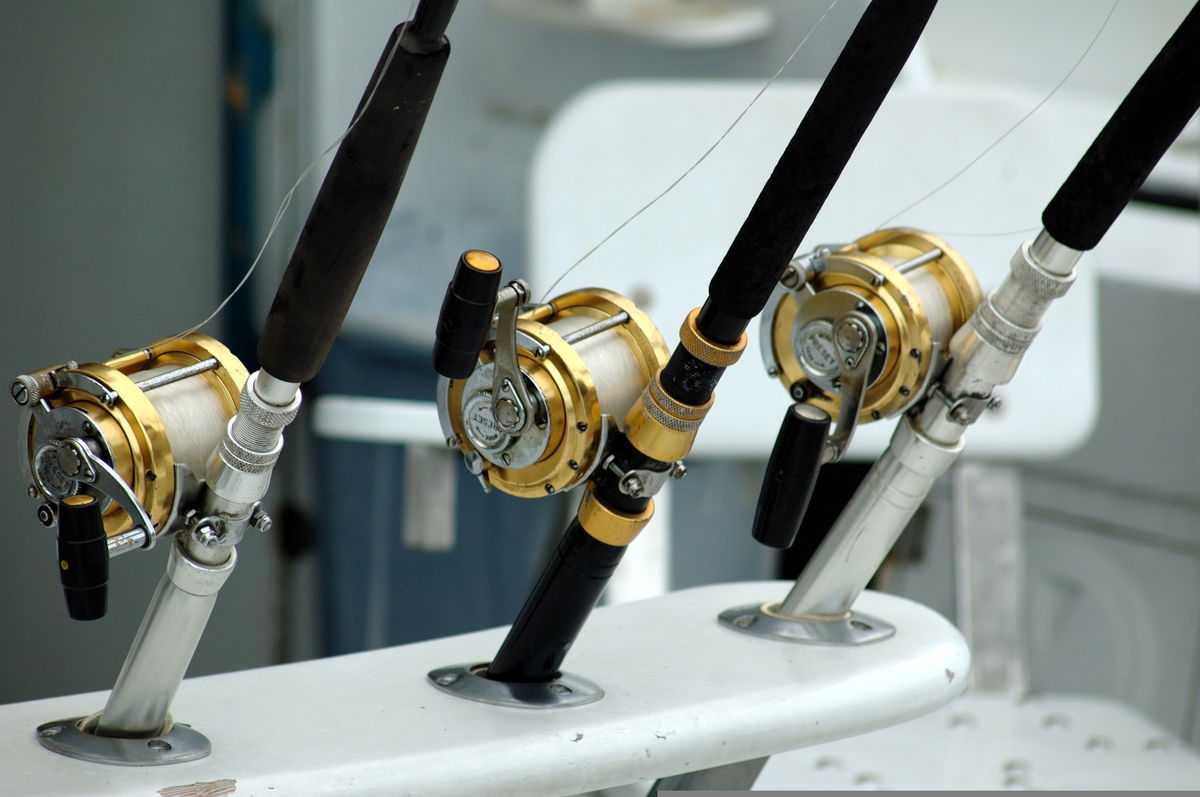
Penn Conventional Reel Size Guide (10–130 Class)#
| Size Class | Typical Use & Species | Mono (lb) | Braid (lb) | Drag (approx.) | Popular Penn Models |
|---|---|---|---|---|---|
| 10–12 | Light bottom / inshore trolling: snapper, schoolie mahi; some lake setups. | 10–20 | 20–40 | ~12–18 lb | Fathom 10XN · Fathom 12N · Squall 12 |
| 15–20 | Versatile coastal/offshore: kings, bigger snapper, bottom rigs. | 15–30 | 30–65 | ~18–25 lb | Squall 15 · Squall 20 · Fathom 15 · Warfare 20 |
| 25–30 | Heavier bottom / vertical jig; light tuna, mahi, wahoo trolling. | 20–40 | 50–80 | ~20–30 lb | Fathom 25N · Fathom 30 · Squall 30 · Fathom 25NLD2 |
| 40 | General offshore trolling: wahoo, mahi, school tuna; deep bottom fishing. | 30–50 | 65–100 | ~25–35 lb | Fathom 40 · Squall 40 · Senator 4/0 |
| 50–60 | Serious offshore: trolling spreads, chunking, deep jigging, heavy bottom. | 50–80 | 80–130 | ~30–45 lb | International 50VISX · Fathom 60LD2 · Squall 50 |
| 80–130 | Big game bluewater: large tuna, marlin; chair/stand-up setups. | 80–130 | 100–200 | ~40–60+ lb | International 80VISW · International 130 · Senator 12/0 |
Note: Conventional sizes vary by frame and spool width (for example, a 25N narrow spool vs a 30 standard spool) and by sub-family configuration (Star Drag, Lever Drag, or 2-Speed). Always confirm exact line capacity specs on the product page before buying.
Star Drag vs Lever Drag Sizes Explained#
If you’re new to conventional saltwater reels, choosing between these two systems determines how you manage your line power:
- Star Drag Reels: The classic, straightforward choice. They are highly durable, easy to operate, and excellent for bottom fishing, live bait presentation, and general offshore work.
- Lever Drag Reels: Give you ultimate fine control over your drag curve during heavy pressure fights. Essential when you are pushing high-speed pelagic species or managing heavy braid configurations.
Pro Tip: While size class doesn’t automatically dictate your drag style, high-capacity lever drag models become the standard once you cross into heavy offshore trolling spreads.
Choosing the Right Size for Bluewater Offshore Fishing#
Offshore setups are where line capacity reserve and consistent drag heat dissipation actually dictate whether you land the fish or break off.
- 10–20 Class: Light offshore applications, smaller coastal pelagics, and bottom rigs in moderate depths.
- 25–40 Class: The absolute “workhorse” range for the majority of weekend offshore anglers targeting mahi, wahoo, and kingfish.
- 50–60 Class: Built for serious bluewater trolling spreads, chunking, and deep heavy-sinker bottom fishing.
- 80–130 Class: True big-game tournament territory. These are massive reels designed for fighting chairs and heavy-standup marlin or giant tuna setups.
Summary: If you’re unsure where to start, the 25–40 class is the safest, most versatile entry point before investing in dedicated heavy bluewater gear.
Narrow vs Wide Spool: Line Management Differences#
When browsing Penn’s catalog, you’ll frequently see models marked with an “N” (e.g., Penn Fathom 25N). Spool width changes your real-world handling on the water:
- Line Level & Control: Narrow spools (“N”) require significantly less thumb guidance to lay the line evenly under heavy pressure.
- Fight Comfort: Reduces side-to-side rocking and uneven line stacking during long, fatiguing battles.
- The Trade-Off: Wide spools hold more total yardage, but require constant thumb management.
Recommendation: If you are spooling with high-capacity braided line, a narrow spool (N) design is much easier to fish with all day without risking line jams.
Decoding Penn Reel Letters & Suffixes (What the Letters Mean)#
When browsing Penn’s catalog, you will notice that two reels of the exact same size class (like a 4000 or a 25) often have different letters attached to their names. These suffixes completely change how the reel performs, its gear internals, and its intended fishing technique.
Understanding these codes prevents you from accidentally buying a specialized tool built for a completely different style of angling.
Spinning Reel Letter Codes#
If you are looking at Penn spinning series like the Battle, Spinfisher, Slammer, or Fierce, here is how to decode the most common suffixes:
- HS (High Speed): Indicates a higher gear ratio designed to retrieve more line with each handle turn. Ideal for burning topwater lures, working fast-moving baits, or quickly recovering slack line after a strike.
- DX (Dealer Exclusive): Dealer-exclusive premium versions available through selected tackle shops. Depending on the series, DX models may include upgraded gearing, additional bearings, or other premium refinements compared to the standard version.
- LL (Live Liner): Penn’s proprietary baitrunner-style system. Engaging the rear drag lets a fish take line freely with minimal resistance before you switch to the primary drag to set the hook.
- BLS (Bail-Less): Built without a traditional bail arm for maximum reliability in demanding surf conditions. Bail-Less models eliminate the risk of the bail accidentally closing during long power casts and are especially popular among dedicated surf anglers.
Conventional & Trolling Reel Letter Codes#
For Penn conventional series like the Fathom, Squall, International, or Senator, the lettering system dictates the entire architectural frame layout:
- LD (Lever Drag): Utilizes a linear sliding lever to control drag pressure accurately during intense bluewater battles. Preferred for tournament trolling spreads and pelagic species.
- SD (Star Drag): Features a classic star wheel design next to the handle. Offers rapid free-spool deployment and a lower price point, making it the standard choice for deep bottom fishing configurations.
- 2 (2-Speed): Features a dual-gear internal system. Pressing a button instantly switches the reel from a high-speed retrieve ratio to a low-speed, high-torque power ratio for mechanically winching giant tuna or marlin up from the depths.
- W (Wide Spool): Indicates an expanded frame design built specifically to maximize total line yardage capacity. Crucial for long-distance ocean trolling spreads.
- N / XN (Narrow / Extra Narrow): Indicates a compressed spool frame. These models hold less line but are significantly lighter, balance better on modern casting rods, and prevent line stacking without heavy manual thumb intervention.
- L (Level Wind): Equipped with a synchronized guide mechanism that mechanically lays the fishing line evenly across the spool during retrieval. Perfect for deep bottom dropping where you want to focus entirely on the fish rather than guiding your line back onto the spool.
How to Choose the Right Penn Reel Size for Your Fishing Style#
At this point, you’ve seen the numbers and the charts. Now let’s simplify the selection process. Reel size isn’t about buying the biggest thing you can afford. It’s about matching your reel system to:
- The specific target species
- The fishing environment
- Your fishing rod specifications
- Your line breaking strength
- Your active fishing technique
Here’s how it typically breaks down in the real world.
Bass, Walleye, and Trout (Freshwater Applications)#
For most freshwater anglers, you’ll live in the 2500–3000 size range.
- Trout & Panfish: 1000–2500 sizes.
- Bass & Walleye: 2500–3000 sizes.
- Heavy Bass Setups: 3000–4000 sizes (ideal for heavy frogs, dense cover, and thicker line diameters).
Why not bigger? Freshwater fishing is about balance and comfort. You’re casting all day long. Oversized reels add immense fatigue and throw off your rod balance. A properly matched 3000 reel with 10–15 lb braided line can handle almost any freshwater scenario without feeling bulky. Lighter and balanced gear wins here.
Inshore Saltwater (Redfish, Snook, Striped Bass)#
Now we step things up. Inshore saltwater environments introduce stronger fish, heavy currents, wind resistance, and longer runs. Most coastal anglers settle into the 3000–4000 size range.
- Light Inshore Flats: 3000 size for finesse soft plastics.
- Dock & Structure Fishing: 4000 size for pulling fish away from pilings.
- Heavy Current / Large Stripers: 4000–5000 sizes.
The goal here isn’t just brute drag power — it’s line capacity insurance. Saltwater species run harder and farther than freshwater fish. A Penn 4000 size frequently becomes the ultimate “do-it-all” inshore saltwater workhorse.
Surf Fishing and Heavy Coastal Casting#
Surf changes everything. You face long casting distances, strong crashing currents, sand exposure, and heavy wind. This is where the 5000–6000 size range becomes the standard, stretching up to 8000 for heavy bait setups.
- Why larger?: You need massive line capacity for long runs.
- Drag Stability: Larger spools offer better heat dissipation.
- Casting Distance: Wider spool lips drastically reduce line friction during heavy surf casting.
A 3000 size reel in the surf will feel underpowered instantly. A 6000 size, on the other hand, gives you the line reserve and structural stability you need when a big bull red decides to run parallel down the beach.
Tuna, Mahi, and Deep Offshore Bluewater#
This is where your reel size becomes absolutely critical for success.
For offshore spinning setups targeting pelagics:
- 6000–8000: Lighter offshore work and pitching baits to mahi.
- 8000–10000+: Serious pelagic casting and school tuna.
- 10000–14000+: Heavy popping and big-game bluefin spinning.
For conventional offshore reels:
- 25–40 Class: Common workhorse offshore trolling spreads.
- 50–60 Class: Heavy trolling, chunking, and shark fishing.
- 80–130 Class: True big game bluewater setups.
At this level, reel size dictates heat management under heavy drag pressure, long-run capacity, gear strength, and internal durability. This isn’t about comfort anymore — it’s about mechanical survival under extreme pressure. Match your reel size to your daily reality.
Common Penn Reel Size Mistakes Beginners Make#
Choosing the wrong reel size usually won’t ruin your fishing trip completely, but it makes everything slightly harder. Casting feels awkward, the setup feels bottom-heavy, your wrist gets fatigued, and your drag performance feels unbalanced.
Most of these performance issues stem from three common sizing mistakes:
1. Buying Too Large “Just in Case”#
This is easily the most common mistake. Anglers think: “I might hook something giant once this year.” That mindset pushes them to buy a heavy 6000 size when a light 3000 size would handle 95% of their actual fishing.
- The Reality: Bigger reels are heavy.
- Fatigue: Heavy setups cause rapid wrist and arm fatigue.
- Accuracy: Oversized reels destroy your casting accuracy on short targets.
- Dead Weight: Carrying excess line capacity you never deploy just adds dead weight.
Rule of Thumb: Buy for the fish you actually target every week — not for the mythical monster you might hook once a year.
2. Ignoring Rod Balance and System Weight#
Reel size cannot be judged in isolation. It is part of a complete fishing system.
- A 4000 size reel mounted on a light finesse rod feels front-heavy and clumsy.
- A 2500 size reel mounted on a heavy saltwater rod blank feels underpowered and weak.
When your reel and rod blank are properly matched, the entire setup balances perfectly near the reel seat. The rod tip feels weightless, casting feels natural, and your physical fatigue drops dramatically. Always check the recommended rod line rating and rod power before picking a reel size. Balance beats brute strength.
3. Confusing Max Drag Numbers With Real-World Power#
Seeing a “40 lb max drag” rating on a spec sheet looks incredibly impressive, but you rarely fish at maximum drag settings. Your real-world drag setting should usually equal about 25–30% of your line’s breaking strength.
- If you fish 20 lb braid, your drag should be set to around 5–6 lbs of pressure.
- A 40 lb max drag capacity is completely unnecessary for that line class.
- You are carrying extra internal weight and metal for power you will never use.
High maximum drag ratings matter for heavy braided lines, massive offshore pelagics, and long sustained battles. For everyday freshwater and inshore estuaries, smooth drag performance matters significantly more than big maximum numbers. Don’t shop by max drag stats alone.
Penn Reel Weight Comparison (The Ounce Factor)#
One of the most defining characteristics of Penn reels is their robust construction. Because Penn builds its core saltwater lineups with rigid, full-metal bodies and heavy-duty gear systems to withstand massive loads, they run significantly heavier than graphite competitors from other brands.
If you pick a size blindly based on line numbers alone, you might end up casting a heavy metal block all day.
To maintain proper rod balance and minimize physical wrist fatigue, you must track the weight jumps between key size classes.
Penn Spinning Reel Weight Chart (in Ounces & Grams)#
Here is how the actual physical weight changes across Penn’s three most popular heavy-duty spinning lineups:
| Size Class | Penn Battle Series | Penn Spinfisher Series | Penn Slammer Series |
|---|---|---|---|
| 2500 | 11.6 oz (329 g) | 11.0 oz (312 g) | 11.0 oz (312 g) |
| 3000 / 3500 | 12.1 oz (343 g) | 12.3 oz (349 g) | 13.9 oz (394 g) |
| 4000 / 4500 | 12.4 oz (352 g) | 12.5 oz (354 g) | 15.0 oz (425 g) |
| 5000 / 5500 | 19.3 oz (547 g) | 18.1 oz (513 g) | 22.2 oz (629 g) |
| 6000 / 6500 | 20.8 oz (590 g) | 22.3 oz (632 g) | 24.3 oz (689 g) |
*Note 1: Weights vary by generation and exact model variant. Always verify the current product spec sheet before buying.
Note 2: The Slammer series uses different size numbering (3500, 4500, 5500) because of its heavier offshore drag housing. Weights are approximate and may vary slightly by generation.
Analyzing the “Weight Trap” Shifts#
When looking closely at the data, you can spot two critical transitions that every angler must analyze before buying:
- The Finesse Baseline (2500 to 4000): Between the 2500 and 4000 size classes, the weight difference is incredibly minimal—usually less than one single ounce. This means if you want extra line capacity for light saltwater, moving from a 3000 to a 4000 won’t noticeably increase your arm fatigue.
- The 5000+ Weight Jump: Notice the substantial jump between the 4000 and 5000 size classes. Reel weight increases dramatically—from roughly 12 ounces to around 19–22 ounces, depending on the series.
This significant increase happens because Penn switches to much thicker metal frames, larger main gears, and heavier rotor assemblies designed to withstand the demands of surf fishing and offshore species. If you spend the day repeatedly casting a 24-ounce Penn 6500 for inshore bass or redfish, your wrist will likely feel the difference long before the fish do.
Match these heavier reels carefully to your rod’s recommended weight and power rating to maintain proper balance and reduce fatigue.
Spinning vs Conventional: Which Size System Is Easier to Understand?#
If you’re completely new to fishing reel sizing, spinning reels are significantly easier to understand. Their numeric system (2500, 3000, 4000) scales gradually and intuitively: as the size number goes up, the spool size, line capacity, and overall frame strength increase right along with it.
Conventional reels use traditional size classes (15, 30, 50, 80) that feel less intuitive at first. These numbers are deeply tied to historical offshore traditions and specific line classes rather than casual freshwater standards. Neither sizing system is inherently better — they are simply engineered for entirely different techniques.
When Spinning Reels Are the Smarter Choice#
Spinning reels represent the best configuration when:
- You are casting lures frequently throughout the day.
- You fish lighter lures and finesse presentations.
- You prioritize simplicity and ease of use.
- You fish primarily in freshwater or light inshore estuaries.
- You are still learning basic line management.
Spinning reels are highly forgiving. Line management is straightforward, birds-nest backlashes are not an issue, and setup takes minutes. For most everyday anglers, a 2500–4000 spinning reel comfortably covers nearly every situation they will ever encounter.
When Conventional Reels Make More Sense#
Conventional baitcasting and trolling reels outperform spinning systems when:
- You are actively trolling lures or live baits behind a boat.
- You are bottom fishing deep water with heavy lead sinkers.
- You are targeting large offshore pelagic species.
- You are fishing heavy monofilament or extreme braid line classes.
- You require absolute, maximum drag consistency under intense heat.
Conventional designs inherently offer greater mechanical leverage, vastly superior heavy-load durability, precise drag curve control (especially in lever-drag models), and flawless performance under sustained pressure. Once you step into serious offshore bluewater territory, conventional reels become the practical choice.
Frequently Asked Questions About Penn Reel Sizes#
Even after analyzing size and weight charts, a few specific technical doubts always come up when rigging your setup. Let’s clear up the most common real-world questions.
Can I Use a Saltwater Penn Reel in Freshwater?#
Yes, you can absolutely use a saltwater-rated Penn reel in freshwater environments. Penn’s saltwater series are built with corrosion-resistant materials and durable components, while many models also feature sealed bodies, sealed drag systems, or other water-resistant designs. These features make them more than capable of handling freshwater lakes and rivers.
The only minor trade-off is weight—saltwater Penn models generally run slightly heavier than freshwater-focused graphite reels. Always rinse your reel with fresh water after saltwater use to help maximize its service life.
What’s the Best Penn Reel Size for Beginners?#
The best overall Penn reel size for a beginner is a 3000 size spinning reel. This size offers the most versatile baseline line capacity without adding unnecessary wrist fatigue. If you target specific environments, follow this proven breakdown:
- Freshwater Beginners: Choose a 2500 or 3000 size spinning reel.
- Light Inshore Saltwater Beginners: Choose a 3000 or 4000 size spinning reel.
These specific size ranges offer a manageable physical weight and adapt flawlessly to dozens of different basic fishing techniques.
Penn 3000 vs 4000 Size: Which One Should I Pick?#
Choose the Penn 3000 size if you prioritize all-day casting comfort and finesse lures; choose the 4000 size if you need extra line capacity for heavy saltwater runs or thicker line diameters.
Both sizes share very similar drag systems and internal gear strength. However, the 4000 features a wider spool diameter. This wider spool adds slight casting distance and acts as an insurance policy when hooking fast-running inshore saltwater fish like snook or redfish.
How Does Braided Line Change My Penn Reel Size Choice?#
Using braided line allows you to downsize your Penn reel by one or two full size classes while maintaining the exact same line capacity. Because braid has a significantly thinner diameter than monofilament of the same pound test, a compact 2500 or 3000 reel spooled with braid can carry as much line yardage as a heavy 4000 or 5000 reel spooled with old-school mono. Downsizing your reel size saves weight and dramatically reduces arm fatigue.
How Do I Match Reel Size With Line Strength?#
To match your reel size with line strength properly, always cross-reference the manufacturer’s line capacity specs printed directly on the spool ring. As a general rule of thumb:
- 6–10 lb test line → Pairs best with a 1000–2500 size reel.
- 10–20 lb test line → Pairs best with a 2500–4000 size reel.
- 20–40 lb braided line → Pairs best with a 4000–6000 size reel.
- 50 lb+ braided line → Requires a 6000+ spinning or conventional reel.
Angler’s Note: Avoid using severely overfilled or underfilled spools, as both configurations destroy your casting distance and cause frustrating wind knots.
Does a Penn 4000 Battle Weigh the Same as a 4000 Slammer?#
No, Penn reel weights vary significantly between different model series even if they share the exact same size number. For example, a heavy-duty Penn Slammer IV 4500 weighs around 15 ounces due to its fully sealed brass gear box assembly, while a Penn Battle III 4000 weighs only 12.4 ounces. Always verify the actual weight in ounces on the product spec sheet rather than relying solely on the size number class.
Is a Higher Gear Ratio Always Better?#
No, a higher gear ratio is not always better; it depends entirely on your target fishing technique. High gear ratios (6.2:1 and above) retrieve line rapidly, which is excellent for burning topwater lures, covering open water quickly, and fast reaction techniques.
Conversely, lower gear ratios (4.9:1 to 5.3:1) provide significantly more cranking torque, less mechanical strain under heavy load, and vastly better control when winching large, hard-pulling fish away from deep structure.
Final Thoughts on Choosing the Right Penn Reel Size#
Choosing the right Penn reel size isn’t about memorizing numbers. It’s about understanding what those numbers affect in the real world: line capacity, rod balance, drag stability, physical comfort, and retrieval efficiency.
Once you stop thinking “bigger is better” and start thinking “balanced is better,” selecting your gear becomes much simpler.
Focus on Balance, Not Just Numbers#
A properly matched setup feels completely natural in your hand.
- The fishing rod doesn’t tip forward.
- The reel body doesn’t feel oversized.
- The drag works smoothly within your line class strength.
- Casting feels controlled instead of forced.
Most anglers fish significantly more effectively with a correctly balanced 3000–4000 size setup than with an oversized 6000 size system they rarely actually need.
The One Rule That Prevents Most Size Mistakes#
Buy for the fish you actually target every single week — not for the mythical monster you hope to catch once a year.
If 90% of your fishing revolves around freshwater bass and walleye, size your reel specifically for that. If you regularly fish surf coastlines or offshore bluewater, invest in sizes built for that environment.
Reel size is a tool. Like any specialized tool, it works best when it matches the exact job at hand. Choose wisely, balance your setup properly, and your reel won’t just perform better — your entire experience on the water will improve.
Tight lines.