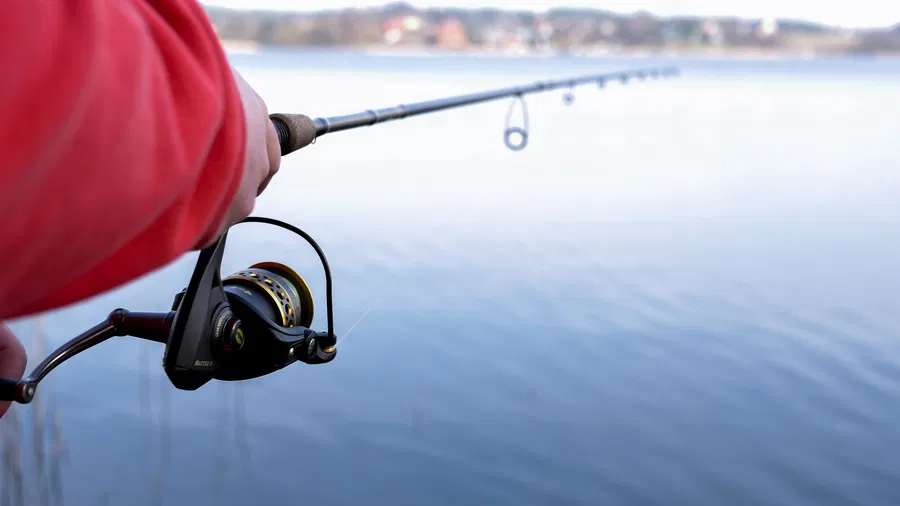

Learning to cast a fishing rod is one of the first real milestones in fishing. It looks simple from a distance. A smooth swing, a quiet splash, and the lure lands exactly where it should.
Then you try it.
The lure goes sideways. Or straight up. Or somehow behind you. For many beginners, casting feels awkward and mechanical at first.
The good news is this: casting is not about strength. It’s about timing and smooth motion. Once you understand what the rod is actually doing during a cast, everything starts to make more sense.
This guide breaks casting down into clear, practical steps so you can build confidence instead of guessing.
Why Casting Feels Harder Than It Actually Is#
Casting feels difficult because beginners try to control too many things at once. Grip, release timing, swing speed, body position — your brain is overloaded.
Most people assume they need more force. They swing harder. That usually makes the cast worse.
A fishing rod is designed to bend during the backward motion. That bend stores energy. When you move forward smoothly, the rod releases that energy and sends the lure forward. If the motion is rushed or jerky, the rod never loads properly.
Casting works best when it feels controlled, not aggressive.
Another reason it feels hard at first is simple: you don’t yet trust the rod to do its job. Once you allow the rod to bend and recover naturally, distance improves without extra effort.
Awkwardness is normal in the beginning. It fades quickly once timing replaces tension. If you want to see how casting fits into the full beginner progression — from gear setup to landing fish — the complete Fishing Basics Guide walks through each step in order.
Before You Cast: The Basic Position#
Before worrying about distance or accuracy, focus on position. A stable setup before the cast makes everything that follows easier.
Casting problems often start long before the rod even moves.
How to Hold the Rod Correctly#
Grip the rod firmly, but not tightly. Your dominant hand should hold the handle comfortably, with your index finger resting lightly on the line (for spinning reels) just above the reel.
Avoid squeezing the rod like you’re trying to control it through force. A relaxed grip allows smoother motion and better timing.
The rod should feel like an extension of your arm — steady, balanced, and under control.
Where Your Non-Dominant Hand Should Be#
If you’re using a spinning rod, your non-dominant hand usually operates the bail and supports the rod during setup.
Before casting, use your non-dominant hand to open the bail while your index finger holds the line securely against the rod.
During the cast itself, your non-dominant hand doesn’t need to move much. Its role is support and balance, not power.
On longer rods, placing the non-dominant hand near the lower grip can help stabilize the motion.
Why Your Stance Matters More Than Strength#
Your body position affects accuracy more than how hard you swing.
Stand with your feet shoulder-width apart. If you’re right-handed, place your left foot slightly forward. This creates a natural forward motion during the cast.
Keep your shoulders relaxed and your weight balanced. You’re not throwing a baseball — you’re guiding a controlled motion.
Good stance creates smooth movement. Smooth movement creates better casts.
How to Cast a Spinning Rod (Step-by-Step)#
Spinning rods are the easiest place to start. The mechanics are simple, and mistakes are easier to recover from. Focus on smooth motion, not speed.
Step 1: Grip the Line With Your Finger#
With the rod pointed slightly upward, place your index finger on the line just above the reel. Lightly press it against the rod.
You’re not pinching hard — just enough to hold the line in place before the cast.
This finger release is what controls the timing of your cast.
Step 2: Open the Bail#
Using your free hand, flip the bail open.
Keep your index finger holding the line the entire time. If you release too early, the lure will drop straight down.
Now the rod is ready to cast.
Step 3: Smooth Backward Motion#
Bring the rod tip back in a controlled motion.
Don’t jerk it. Don’t snap it. Let the rod bend slightly as the lure’s weight loads the blank. That bend is storing energy.
If you rush this part, the rod never loads properly — and the cast loses distance.
Step 4: Forward Cast and Release Timing#
Move the rod forward smoothly.
As the rod passes roughly the 10–11 o’clock position in front of you, release the line from your finger.
Release too early and the lure flies high. Release too late and it dives into the ground or water close to you.
The timing takes a few tries, but once it clicks, it feels natural.
Step 5: Close the Bail Properly#
After the lure lands, close the bail by hand — not by cranking the handle.
Closing it manually reduces line twist and gives you more control over the first few turns of the retrieve.
Then take up slack and begin fishing.
Smooth. Controlled. Repeatable.
That’s all casting really is.
How to Cast a Baitcasting Rod (Without Backlash)#
Baitcasting reels look precise and powerful. They are — but they’re also less forgiving. The spool spins freely during the cast, and if it spins faster than the line can leave it, you get backlash.
Backlash is just a fancy word for “why is my reel suddenly a bird’s nest?”
The key to avoiding it isn’t strength. It’s thumb control.
Thumb Control Basics#
Your thumb rests lightly on the spool before and during the cast.
Before casting, press the thumb bar to disengage the spool while keeping your thumb in contact with it. The spool is now free to spin, but your thumb is the brake.
Think of your thumb as a governor, not a clamp. Light pressure is usually enough.
Controlling the Spool During the Cast#
Make a smooth backward motion and then a controlled forward cast — just like with a spinning rod.
As the lure travels forward, reduce thumb pressure slightly so the spool can spin. Do not remove your thumb completely. Keep it hovering or lightly touching the spool.
If the spool starts spinning too fast, apply gentle pressure to slow it down.
Smooth motion reduces the need for heavy braking.
Stopping the Spool Before Impact#
This is the step that prevents most beginner backlashes.
Just before the lure hits the water or ground, press your thumb down firmly to stop the spool from spinning.
If you let the spool continue spinning after the lure stops, loose line builds up instantly — and that’s where backlash begins.
Stop the spool. Then engage the reel and begin your retrieve.
Baitcasting isn’t harder — it just demands attention. Once your thumb learns the rhythm, the reel feels controlled instead of unpredictable.
Common Beginner Casting Mistakes#
Every beginner makes casting mistakes. The key difference between frustration and progress is recognizing what went wrong instead of assuming you “just can’t cast.”
Most casting problems come from one of three simple issues.
Using Too Much Force#
Beginners often believe more power equals more distance.
In reality, forcing the cast usually reduces control and distance. The rod is designed to load and release energy. If you overpower the motion, the rod never bends properly.
A smooth, controlled cast almost always travels farther than a hard, rushed one.
Let the rod do the work. You’re guiding it, not launching a javelin.
Releasing the Line Too Late or Too Early#
Release timing determines trajectory.
Release too early and the lure flies high in an arc. Release too late and it shoots low, often straight into the water a few feet in front of you.
If your lure keeps going in the wrong direction, adjust timing — not strength.
Small timing changes make big differences.
Not Watching Where You’re Casting#
It sounds obvious, but beginners often focus on the rod instead of the target.
Look where you want the lure to land. Your body naturally aligns with your eyes. If you stare at your hands, your cast often follows that line.
Also, scan the area for obstacles before casting. Trees, dock posts, and boat rails are unforgiving teachers.
Accuracy starts with awareness.
How to Practice Casting Without Getting Frustrated#
Frustration usually doesn’t come from bad casts. It comes from repeating the same bad cast without understanding why.
Practice works best when it removes pressure.
You don’t need water. You don’t need fish. You just need repetition in a calm environment.
Practicing on Grass First#
One of the simplest ways to practice is in your yard or at a park.
Tie on a small weight instead of a hook. Stand 20–30 feet away from a target — a leaf, a small bucket, even a water bottle. Practice smooth motion and release timing.
Grass eliminates the fear of snagging something underwater. That alone reduces tension and improves control.
If you can land consistently on grass, water becomes much easier.
Short Casts Before Long Distance#
Distance is not the first skill to master.
Start with short casts. Ten feet. Then fifteen. Then twenty. Focus on clean motion and consistent landing spots.
Long casts exaggerate mistakes. Short casts help you feel timing.
When your short casts feel smooth, distance increases naturally.
Why Accuracy Matters More Than Distance#
Fish rarely sit in the middle of nowhere.
They hold near structure — edges, shade, drop-offs, cover. Being able to place your lure precisely matters more than launching it as far as possible.
Beginners often chase distance because it feels impressive. Experienced anglers chase placement.
If you can hit a small target repeatedly, you’re progressing in the right direction. And once your lure lands where you intend, the next skill is recognizing how to detect a bite and set the hook correctly so you don’t miss the moment when a fish actually commits.
When Casting Finally Starts to Feel Natural#
There’s a moment when casting stops feeling mechanical.
You don’t count steps anymore. You don’t think about when to release. Your body just moves — and the lure lands where you were looking.
That’s when it starts to feel like fishing instead of practice.
Signs You’re Improving#
You know you’re improving when:
- Your casts land closer to where you aim.
- You stop overcorrecting after every mistake.
- Distance increases without extra effort.
- You recover quickly from a bad cast instead of freezing.
Most importantly, you stop feeling tense before each cast.
Smooth repetition replaces hesitation.
What to Focus on Next#
Once basic casting feels natural, shift your focus to accuracy under different conditions.
Try adjusting for light wind. Practice casting at slight angles instead of straight ahead. Experiment with placing your lure near structure without hitting it.
Casting isn’t a single skill — it’s a foundation for everything that comes next.
Learning how to cast a fishing rod for the first time can feel awkward. It can even feel discouraging for a few attempts.
But casting is not about strength or speed. It’s about rhythm.
Once rhythm replaces force, control replaces frustration. And when control becomes consistent, confidence follows.
Smooth motion. Proper timing. Repeat.
That’s how casting turns from effort into instinct.