Fishing has a funny reputation. Some people picture it as one of the cheapest outdoor hobbies you can start — just a rod, a hook, and a quiet lake. Others assume you need hundreds of dollars in gear before you’re even ready to try.
The truth is somewhere in the middle.
You can absolutely start fishing on a tight budget. But you can also spend far more than necessary if you don’t separate essentials from upgrades. If you want the clean fundamentals path first (gear → simple setup → casting → bites → landing), the Fishing Basics Guide gives you the big picture so your purchases stay intentional.
The real cost depends on one simple question: are you just testing fishing for the first time, or are you building a full setup from day one?
The Real Cost of Getting Started With Fishing#
The starting cost of fishing isn’t fixed. It changes depending on your expectations and how disciplined you are when buying gear.
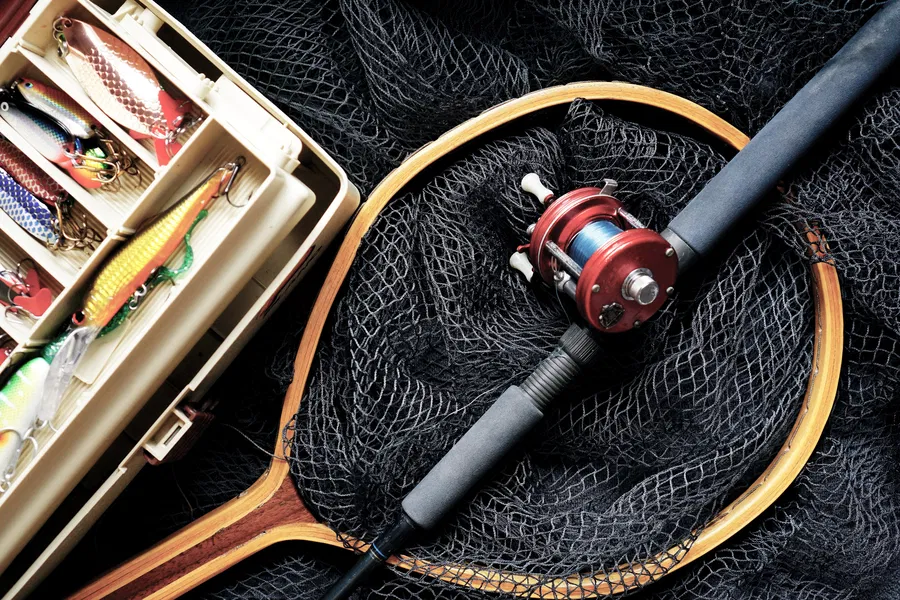
Fishing can be very affordable if you focus only on what you truly need. A basic rod-and-reel combo, simple line, a few hooks, some small weights, and a license are enough to catch fish in most beginner-friendly waters. Many new anglers are surprised at how minimal the core setup really is.
Where costs increase is in upgrades. A smoother reel feels nice. A lighter rod feels better. A bigger tackle box seems useful. None of these purchases are wrong — but they are optional at the beginning.
Fishing itself is not expensive.
Buying emotionally is.
Why Fishing Can Be Cheap — or Surprisingly Expensive#
Fishing is cheap when you stick to fundamentals. It becomes expensive when you chase comfort, variety, and specialization too early.
At its core, fish respond to bait presentation, depth, and timing. A simple setup can accomplish all three.
Costs rise when beginners start adding:
- Multiple rods for different techniques
- Extra spools of line
- Specialty lures for every condition
- Storage systems and accessories
Individually, each item seems reasonable. Together, they quietly expand your budget.
The difference isn’t the fish.
It’s the shopping strategy.
The Difference Between “Trying It” and “Getting Fully Equipped”#
There’s a meaningful difference between trying fishing and fully equipping yourself.
If you’re simply trying it, you realistically need:
- One balanced spinning combo
- Basic monofilament line
- A small pack of hooks and weights
- A fishing license
That’s enough to learn casting, bite detection, hook setting, and fish handling.
Getting fully equipped might include:
- Multiple rods and reels
- Expanded lure collections
- Landing nets, pliers, and storage gear
- Clothing and convenience accessories
None of that is wrong. But none of it is required on day one.
The smartest beginners start small, learn what they actually enjoy, and upgrade intentionally — not impulsively.
The Absolute Minimum Budget to Start Fishing#
If your goal is simple — “I just want to try fishing without wasting money” — the minimum budget is probably lower than you think.
You do not need premium gear. You do not need multiple setups. You do not need a suitcase full of lures.
You need functionality.
A beginner can realistically start fishing with a modest budget and still catch real fish in real conditions. The key is avoiding unnecessary upgrades before you even understand what you enjoy.
Let’s break down what truly belongs in the minimum category.
Basic Rod and Reel Combo#
The single most important purchase is a balanced rod-and-reel combo.
For beginners, a medium-light or medium spinning combo is usually the safest choice. It’s versatile enough for common freshwater species and easy to cast without backlash drama.
An affordable combo doesn’t have to be perfect — it just has to:
- Cast smoothly
- Feel balanced in your hand
- Handle basic 6–10 lb line
At the beginner stage, reliability matters more than refinement.
Line, Hooks, and Small Tackle#
Beyond the combo, you only need a few essentials:
- Monofilament fishing line
- A small pack of hooks
- Split-shot weights or basic sinkers
- Optional: a few simple bobbers
That’s it.
You don’t need dozens of lure colors. You don’t need specialty rigs. You need a simple setup that lets you focus on learning casting, depth control, and bite detection.
Fish are not impressed by tackle boxes.
They’re impressed by natural presentation.
License Costs Most Beginners Forget#
This is the cost many beginners overlook.
In most states and countries, you legally need a fishing license. Prices vary widely depending on location, residency, and whether you buy daily, weekly, or annual permits.
It may not be the most exciting purchase, but it’s part of the real starting cost.
Ignoring this expense doesn’t make fishing cheaper — it just makes it illegal.
A Simple Starter Budget Breakdown#
While exact numbers depend on location, a true minimum beginner setup usually includes:
- Basic spinning combo
- Line and terminal tackle
- Fishing license
That’s the core.
You can expand later.
But if your goal is simply to start learning and catch your first fish, the minimum budget is far more reasonable than most beginners expect.
Fishing doesn’t require luxury.
It requires intention.
A Comfortable Beginner Setup (Without Overspending)#
Once you’ve tried fishing a few times, you may realize that the absolute minimum works — but it doesn’t always feel great. The rod may feel a little stiff, the reel slightly rough, and the line memory annoying. This is the stage where upgrading makes sense, not because you need more gear, but because you now understand what actually improves your experience.
A comfortable beginner setup is still simple. It just removes the small frustrations that make learning harder than it needs to be.
Upgrading From the Cheapest Combo#
The cheapest combo will catch fish, but a small step up in quality can make casting smoother and fighting fish more enjoyable. A reel with a smoother drag system and a rod that feels balanced in your hand reduces fatigue and increases confidence.
You don’t need a premium brand. You need better consistency. When the reel turns smoothly and the rod loads predictably, you spend less time thinking about the gear and more time reading the water.
That shift alone makes fishing feel more controlled and less chaotic.
Adding Basic Tools and Accessories#
After a few trips, certain tools stop feeling optional. Needle-nose pliers for hook removal, small line cutters, and a compact tackle box help you stay organized and safe. These are not luxury items; they’re practical upgrades that reduce frustration.
A small landing net can also make a difference, especially when fish are larger than expected. Instead of scrambling at the shoreline and losing the fish at the last second, you land it cleanly and calmly.
Notice the pattern: comfort upgrades are about control, not collection.
Why Quality Line Is Worth the Extra Dollars#
If there is one place where spending slightly more pays off, it’s fishing line. Cheap line tends to twist easily, develop memory, and weaken faster. That leads to tangles, unexpected break-offs, and unnecessary frustration.
A quality monofilament or braid from a reputable manufacturer offers better consistency, strength, and manageability. The price difference is usually small, but the performance difference can be noticeable, especially for beginners who are still learning tension and casting mechanics.
You don’t need elite gear.
But investing a little more in reliability — especially in your line — often makes fishing smoother, more predictable, and far more enjoyable.
Ongoing Costs Beginners Don’t Think About#
Starting fishing has a clear entry cost. What surprises many beginners are the small, recurring expenses that show up quietly over time.
Fishing is not a one-time purchase hobby. Line wears out. Hooks dull. Lures get lost in trees with impressive precision. None of these costs are dramatic on their own, but together they shape your long-term budget.
Understanding them early helps you avoid the “why am I spending again?” feeling later.
Replacing Line and Terminal Tackle#
Fishing line degrades with use, sun exposure, and abrasion. Even if it doesn’t snap, it loses strength over time. Replacing line periodically is not optional if you want consistent performance.
Terminal tackle — hooks, weights, swivels — also disappears faster than beginners expect. Hooks bend or dull. Sinkers get snagged. Small components simply get lost.
These are inexpensive items individually, but they are recurring expenses. Planning for occasional restocking keeps you from being caught unprepared before a trip.
Lures That Slowly Multiply#
This is where many budgets quietly expand.
You buy one lure to try. Then another because conditions changed. Then one more because you saw someone online catch something impressive. Before long, your “small selection” becomes a collection.
Lures are not bad purchases. But beginners often accumulate more than they can realistically use. Fish respond more to presentation and depth than color variations in your third tackle box.
Buying slowly and intentionally keeps your costs under control.
Travel, Fuel, and Access Fees#
Fishing itself may be affordable, but getting to your fishing spot isn’t always free. Fuel, parking fees, boat ramp access, or private area permits can add up over time.
If you travel frequently to different lakes or coastal spots, transportation becomes part of the real hobby cost. This doesn’t mean you shouldn’t explore — just recognize that mobility has a price.
Fishing close to home is often the most budget-friendly way to build skill. And if you’re trying to maximize results without buying more gear, picking the right windows matters a lot — What Time Is Best for Fishing as a Beginner? breaks down the most beginner-friendly times and the conditions that override the clock.
Optional Costs: Nets, Storage, Clothing#
As you fish more, comfort items start to make sense. A better tackle storage system keeps gear organized. A landing net improves fish handling. Weather-appropriate clothing extends your fishing season.
These purchases are not required at the beginning, but they often appear naturally as your interest grows.
The key is recognizing the difference between gradual improvement and impulsive accumulation.
Fishing doesn’t demand constant spending.
But awareness keeps the hobby sustainable and enjoyable long term.
Freshwater vs Saltwater: Is There a Cost Difference?#
At first glance, fishing is just fishing. A rod, a reel, some line, and water. But the type of water you choose can influence your budget more than most beginners realize.
Freshwater fishing is generally the most affordable starting point. Saltwater fishing, while exciting, often requires slightly more durable gear and sometimes higher ongoing maintenance. That doesn’t mean saltwater is out of reach — it simply means the cost structure can look a little different.
Understanding those differences helps you plan instead of guessing.
Why Saltwater Gear Usually Costs More#
Saltwater is harder on equipment. Corrosion becomes a real factor, especially with reels and metal components. Because of this, saltwater-rated gear is often built with more protective materials or coatings, which increases price slightly.
In addition:
- Saltwater species are often larger and stronger
- Heavier rods and reels may be required
- Line strength tends to increase
- Maintenance becomes more important
Even basic saltwater setups may cost a bit more than comparable freshwater ones simply because durability matters more.
That said, beginners fishing from shore in light surf conditions can still start with reasonably priced spinning gear.
Saltwater isn’t automatically expensive — but it is less forgiving on cheap equipment.
What Can Be Shared Between Both#
The good news is that many beginner setups can work in both environments with minor adjustments.
A medium spinning rod, a reliable reel, and appropriate line can handle light freshwater fishing and certain saltwater situations, especially if you rinse your gear thoroughly after exposure to salt.
Terminal tackle and hooks may differ slightly in strength or corrosion resistance, but the core mechanics remain the same.
If you’re unsure which environment you’ll fish more often, starting with a versatile spinning setup keeps your options open without doubling your budget.
Water type changes the details.
It doesn’t have to double the cost.
How to Start Cheap Without Regretting It#
Starting cheap doesn’t mean starting poorly.
The biggest mistake beginners make isn’t spending too little — it’s spending too quickly. There’s a difference. If you begin with intention, you can keep costs low and still have a great first experience.
The goal is simple: spend just enough to learn properly, but not so much that you feel pressure to justify the investment.
Fishing should feel relaxed, not financially dramatic.
Borrowing Gear First#
If you have a friend or family member who fishes, borrowing gear for your first trip is one of the smartest moves you can make.
It lets you:
- Test whether you actually enjoy fishing
- Feel different rod lengths and reel types
- Avoid spending money before you understand preferences
You’ll quickly notice what feels comfortable and what doesn’t. That knowledge alone can save you from buying the wrong setup.
Trying before buying removes guesswork.
Buying Used Equipment#
Used fishing gear can be a solid option if you inspect it carefully. Rod blanks should be free of cracks. Reel handles should turn smoothly. Drag should feel consistent. Guides on the rod should not be chipped.
Fishing equipment doesn’t need to be brand new to work well.
Many anglers upgrade frequently, which means quality used gear often appears on resale platforms at reasonable prices.
Just avoid gear that looks heavily abused. Cheap is good. Damaged is not.
Avoiding Marketing Traps#
Fishing marketing is powerful. Words like “pro,” “elite,” “tournament-ready,” and “high-performance” sound impressive — especially when you’re new.
But beginner fishing does not require professional-level equipment.
Most fish do not care about:
- Advanced braking systems
- Exotic carbon fiber blends
- Ultra-specialized techniques
What beginners need is control, reliability, and balance.
Starting cheap works when you focus on fundamentals instead of features. Learn first. Upgrade second.
That order keeps fishing affordable — and enjoyable.
Where Beginners Waste Money#
Most beginner overspending doesn’t happen because fishing is expensive.
It happens because excitement takes over logic.
Fishing gear is addictive. It looks good, feels technical, and promises better results. But early on, many purchases solve problems you don’t actually have yet.
Understanding where money typically leaks helps you stay disciplined and focus on skill instead of accumulation.
Buying Too Many Lures Too Fast#
This is probably the most common budget trap.
You start with one lure. Then you see a different color. Then a different size. Then someone online catches a fish with something completely different — and suddenly your small collection multiplies.
Here’s the reality: beginners usually don’t need variety. They need consistency. Fishing one lure long enough to understand how it moves, sinks, and feels builds far more skill than constantly switching.
Fish care more about depth and presentation than owning fifteen nearly identical options.
Lure collections grow naturally over time. They don’t need to explode on week one.
Choosing “Pro” Gear Too Early#
Professional-level equipment is designed for very specific techniques and experienced control. It is not automatically easier to use.
In fact, some “advanced” gear makes things harder for beginners. Baitcasting reels, ultra-fast action rods, or heavy specialty setups can increase frustration instead of improving performance.
Upgrading too early often means paying more to struggle more.
Skill should lead gear decisions, not the other way around.
Ignoring Simple Setup Advice#
Sometimes beginners waste money not by buying too much, but by skipping fundamentals.
Buying extra gear instead of learning how to:
- Set drag properly
- Tie stronger knots
- Match rod, reel, and line correctly
When the basics aren’t mastered, gear upgrades feel like solutions. In reality, they often mask technique issues.
The cheapest improvement in fishing is usually better understanding.
Skill is free.
Equipment is not.
Is Fishing an Expensive Hobby in the Long Run?#
The honest answer is: it depends on how you approach it.
Fishing can become expensive if you chase constant upgrades, travel long distances every weekend, and collect gear faster than you gain experience. But it can also remain one of the most affordable outdoor hobbies available.
Unlike activities that require ongoing memberships, expensive equipment cycles, or high maintenance costs, fishing allows you to scale your spending according to your interest and discipline.
You control the budget more than the hobby does.
Comparing It to Other Outdoor Activities#
When compared to many outdoor pursuits, fishing often holds up well financially.
Boating, golfing, skiing, or off-road sports typically require significant upfront investment and ongoing expenses. Fishing, by contrast, can remain simple:
- One or two reliable setups
- Occasional line replacement
- License renewal
- Minimal maintenance
You can fish close to home, avoid expensive travel, and reuse much of your gear season after season.
Fishing doesn’t demand constant reinvestment.
It rewards consistency.
Why Smart Choices Keep It Affordable#
The difference between affordable fishing and expensive fishing isn’t luck — it’s restraint.
Smart beginners:
- Start with versatile gear
- Upgrade only when skill demands it
- Replace essentials instead of chasing trends
- Focus on learning water instead of buying equipment
Fishing becomes expensive when buying replaces practicing.
If you prioritize experience over accumulation, the hobby remains manageable long term.
Starting fishing does not require a large budget. It requires clarity.
You need enough gear to function, not enough gear to impress. The minimum setup gets you casting, learning, and catching. Upgrades come later, guided by experience rather than excitement.
Fishing can grow with you — or overwhelm your wallet — depending on how you approach it.
Start small. Learn intentionally. Spend thoughtfully.
The fish won’t know the difference.
But your budget will.