Affiliate disclosure: As an Amazon Associate, we may earn from qualifying purchases made via links on this page - at no extra cost to you. See our Affiliate Disclosure.
If you’ve just dipped your toes into the world of fishing, you might have come across the term “terminal tackle.” At first glance, it sounds a bit intimidating, like something you’d find in a science lab rather than a peaceful day on the water. But fear not! Terminal tackle is simply a catch-all phrase for the gear that connects your line to your catch. Think hooks, weights, leaders, and other little bits that play a big role in your fishing success.
In this guide, we’re going to break down what terminal tackle is, why it’s important, and how to choose the right pieces for your fishing adventures. Whether you’re aiming for a trophy bass or just hoping to reel in something to brag about at the next family gathering, understanding terminal tackle will set you up for a more enjoyable experience. So grab your rod, settle in, and let’s tackle this topic together!
Why Terminal Tackle Confuses So Many Beginners#
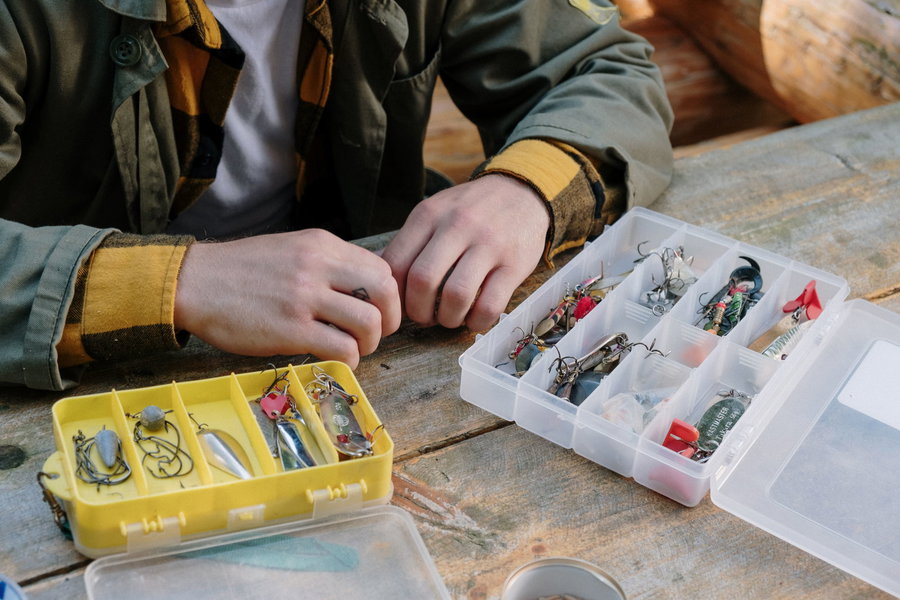
Terminal tackle is a fundamental part of fishing, yet it often leaves newcomers scratching their heads. With so many different types of gear and terms to learn, it can feel overwhelming to figure out what you actually need to catch fish. This confusion typically arises from the variety of options available, as well as the technical jargon that comes with them. Understanding terminal tackle is essential for any angler, as it directly affects your fishing success. Let’s break it down in simple terms to help you navigate this crucial aspect of your fishing journey.
What anglers mean when they say “terminal tackle”#
When anglers refer to “terminal tackle,” they’re talking about the gear that connects you to the fish. This includes all the bits and pieces you’ll use at the end of your fishing line, right before the bait or lure. Think of terminal tackle as the last link in the chain that brings you closer to that big catch.
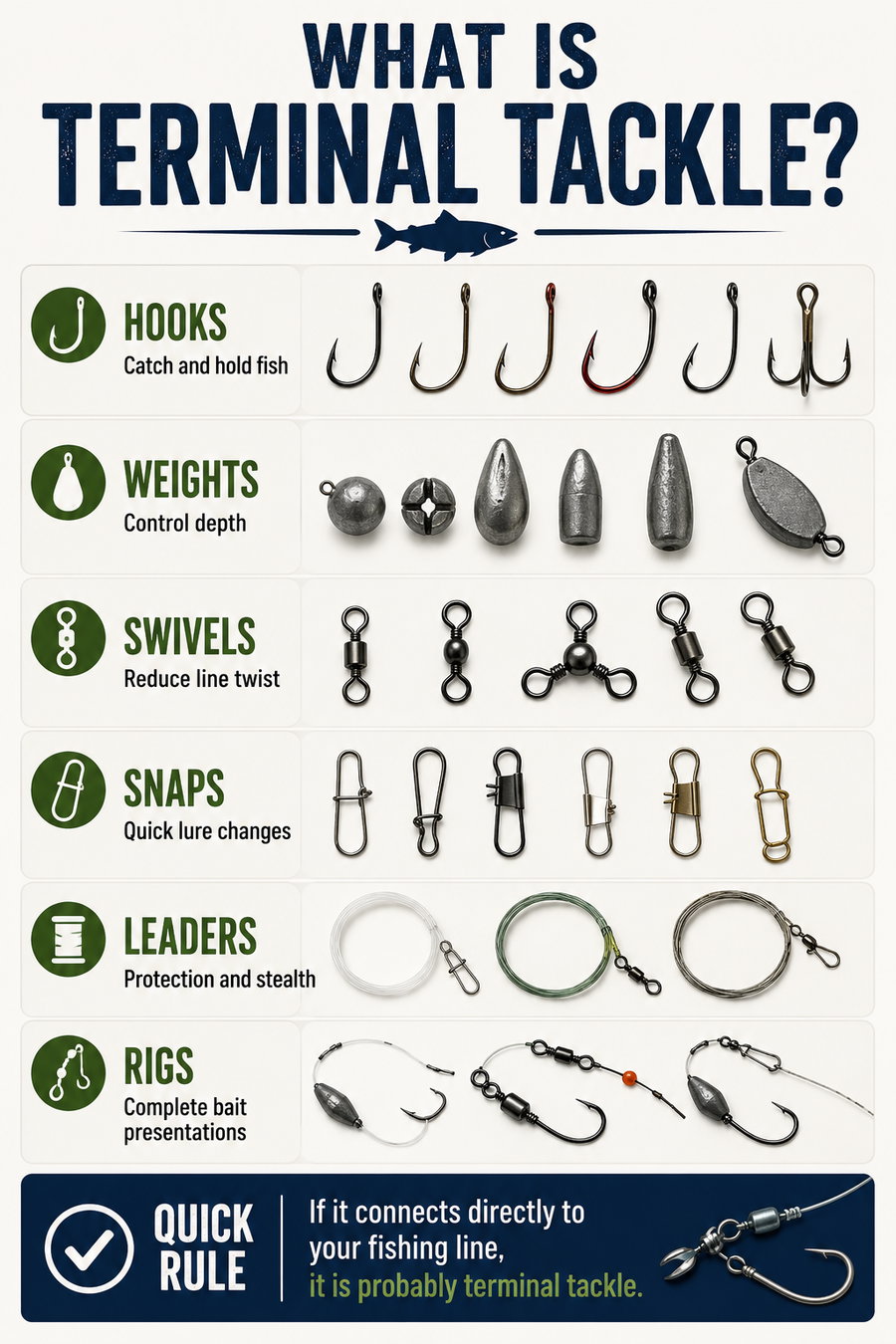
Common items in this category include hooks, sinkers, swivels, and leaders. Each piece has a specific job, and understanding what they do can really enhance your fishing experience. For instance, hooks are what you use to catch the fish, while sinkers help your bait reach deeper waters where the fish might be hiding. Swivels reduce line twist, making your setup more efficient, and leaders add extra strength or stealth to your line.
When you’re just starting, it can be overwhelming to figure out which pieces of terminal tackle you actually need. It’s easy to get lost in the variety available. But here’s a simple way to think about it: Start with the basics. A good hook, some sinkers, and a couple of swivels can cover a lot of fishing situations. As you gain more experience, you can explore different types and sizes based on what you’re fishing for.
Understanding terminal tackle isn’t just about knowing the items; it’s also about knowing how to use them effectively. For example, the right hook size can depend on the type of fish you’re targeting. If you’re after smaller fish, like panfish, you’ll want smaller hooks. For larger species, you’ll need bigger, sturdier hooks. The same goes for sinkers; the weight of your sinker should match the conditions of your fishing spot - heavier for swift currents and lighter for calm waters.
So, when someone mentions terminal tackle, remember it’s all about the final setup that helps you catch fish. Knowing this will make shopping for gear a lot less daunting and more focused on what will actually help you on the water.
Why these small components matter so much#
When you’re out fishing, it’s easy to focus on the big stuff: your rod, reel, and the bait that’s supposed to lure in that trophy fish. But let’s not overlook terminal tackle. These small components play a huge role in your success on the water, even if they seem insignificant at first glance.
Think of terminal tackle as the final connection between you and the fish. This includes hooks, sinkers, swivels, and any other gear that helps you effectively present your bait. Each piece has a specific function that can impact how your bait behaves in the water. For instance, the right hook size ensures your bait stays securely attached while also being enticing to fish. If it’s too big or too small, you might miss out on bites.
Sinkers help control how deep your bait goes and how it moves with the current. Choosing the right weight is essential. Too heavy, and your bait may sink too fast, scaring away fish; too light, and it might not reach the depths where fish are lurking. Understanding how these components work together can make a significant difference in your fishing experience.
Swivels, though small, are crucial in preventing line twists that can occur when fish swim or when you’re reeling in. A simple twist can ruin your setup, leading to tangles or even breaking your line. By using a swivel, you allow your bait to move freely without compromising your entire rig.
In essence, terminal tackle might be small, but it’s mighty. Each piece is a tool that serves a purpose in your fishing arsenal. By paying attention to these details, you’ll be better equipped to adapt to conditions and improve your chances of landing that big catch.
What Items Are Considered Terminal Tackle#
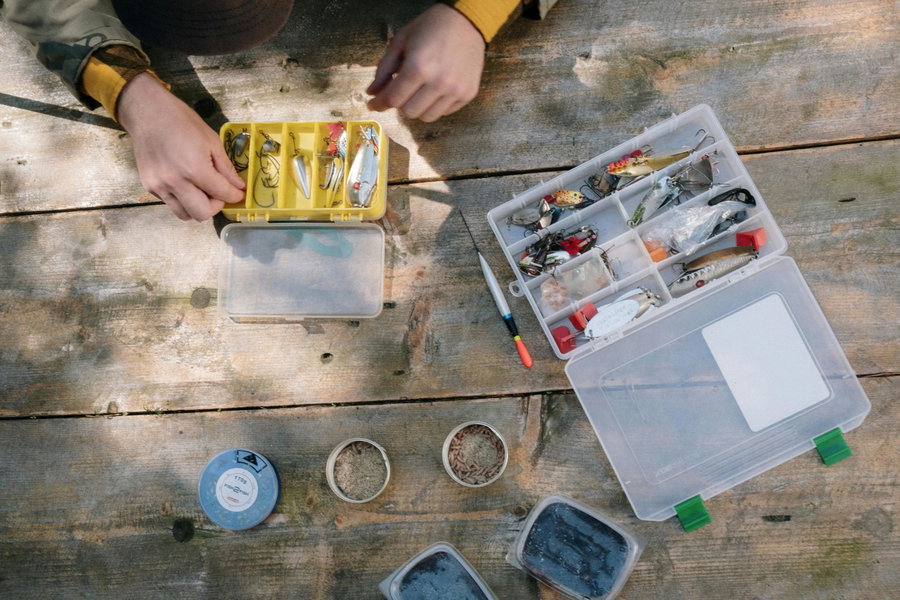
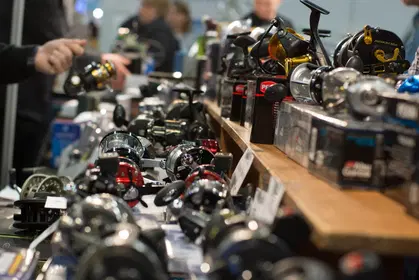
When you’re gearing up for a fishing trip, understanding what terminal tackle includes is crucial for a successful outing. Terminal tackle refers to the essential components that connect your line to your bait or lure, making it a key part of your setup. This section will break down the various items commonly classified as terminal tackle, helping you to identify what you’ll need to cast your line with confidence.
Hooks#
When it comes to fishing, hooks are your primary connection to the fish. They’re the sharp little tools that grab onto the fish’s mouth when you reel in your catch. Understanding the different types of hooks can significantly improve your fishing experience.
There are several types of hooks, but let’s start with the most common: the J-hook. This classic design has a pointed end that curves back, making it perfect for various bait types. You’ll find J-hooks in many sizes, so consider what kind of fish you’re targeting. Smaller hooks work well for panfish, while larger ones are ideal for species like bass or catfish.
Another popular style is the circle hook. This one has a unique shape that allows it to catch fish in the corner of the mouth, reducing the chance of injury and making it easier to release them. Circle hooks are especially great for catch-and-release fishing or when targeting species like tuna or tarpon.
If you’re using bait, such as worms or minnows, you’ll need to know how to rig your hook. A common method is to thread the bait onto the hook, ensuring it’s securely attached so it doesn’t come off when casting. For live bait, you might want to use a bait holder hook, which has barbs along the shank to keep your bait in place.
Don’t forget about the size of the hook. As a rule of thumb, the bigger the fish, the bigger the hook. But you’ll also want to match the hook size to your bait. Using too large of a hook with small bait can deter fish from biting, while a tiny hook may not hold larger species securely.
Lastly, always check your hooks for sharpness before heading out. A dull hook can mean lost fish. A simple way to test it is to gently drag the point across your fingernail; if it catches, you’re good to go. If not, it’s time to sharpen or replace it.
With the right hook in hand, you’ll be one step closer to landing that big catch!
Sinkers and weights#
Sinkers and weights are crucial components of terminal tackle, and they play a key role in getting your bait where the fish are. Simply put, these items help you cast your line further and keep your bait submerged at the right depth.
There are several types of sinkers, each designed for specific fishing situations. One of the most common is the egg sinker. It’s round and smooth, allowing it to slide freely on your line. This design is particularly useful for catfishing or when you want your bait to move naturally with the current.
Another popular option is the split-shot sinker. These small, round weights can be pinched onto your line and are great for finesse fishing. They add just the right amount of weight to help your bait sink without being too heavy to scare off shy fish.
When choosing a sinker, consider the type of water you’ll be fishing in. In fast-moving rivers, a heavier sinker can help keep your bait in place. In calm ponds, lighter weights might be all you need. It’s all about matching the weight to the conditions you’re facing.
Don’t forget about the shape of the sinker, either. Pyramid sinkers are great for surf fishing as they dig into the sand and stay put. On the other hand, flat sinkers can be better for still water, as they create less drag.
In terms of material, most sinkers are made from lead, but there are also eco-friendly options available. If you’re fishing in areas where lead is restricted, look for alternatives made from tungsten or steel. These materials can be more expensive but are often worth the investment for their environmentally friendly benefits.
Overall, understanding the different types of sinkers and weights, along with their practical applications, will significantly enhance your fishing experience. As you experiment with what works best, you’ll gain confidence in your ability to adapt your tackle to various fishing conditions.
Swivels, snaps, and clips#
When you’re getting ready to fish, swivels, snaps, and clips are your best buddies in the terminal tackle department. These little gadgets might seem simple, but they play a big role in your fishing setup.
Swivels are designed to prevent line twists. If you’ve ever had a tangled mess when reeling in your catch, you know how frustrating it can be. By attaching a swivel to your line, you allow your bait or lure to spin freely without twisting the main line. This is especially helpful when using lures that rotate or when fishing in current. Just make sure you choose the right size for your line weight!
Next up are snaps. These handy devices make changing lures and baits a breeze. Instead of tying and untying knots every time you want to switch it up, you can use a snap to quickly and securely attach your bait. This is particularly useful if you’re trying different lures throughout the day to see what the fish are biting. Make sure the snap is strong enough to handle the fish you’re after.
Lastly, we have clips. While they might look similar to snaps, clips are often used to attach your main line to your leader or to secure your bait. They can be especially helpful in situations where you want to quickly switch between different setups without the hassle of re-tying lines. Again, ensure that the clip matches your line’s strength and the type of fishing you’re doing.
Each of these tools is essential for creating a smooth and effective fishing experience. By incorporating swivels, snaps, and clips into your tackle box, you’ll save time and frustration on the water, giving you more time to focus on what really matters - catching fish!
Leaders and rigs#
When you’re out fishing, understanding leaders and rigs can make a big difference in your success. Leaders and rigs are essential parts of your setup that help you connect your line to the bait or lure effectively.
A leader is a length of line that connects your main fishing line to the hook, lure, or bait. It’s often made of a stronger material like fluorocarbon or monofilament, which can resist abrasion and improve your chances of landing fish. Depending on the type of fish you’re targeting and the environment, you might choose a heavier leader for rocky areas or a lighter one for clearer waters.
When it comes to rigs, these are arrangements of hooks, weights, and other components that you use to present your bait in a way that’s most appealing to fish. There are various types of rigs, each designed for specific fishing scenarios. For instance, a simple bobber rig can keep your bait suspended at a certain depth, making it easier for fish to spot. Meanwhile, a Carolina rig is great for bottom fishing and is often used when you’re trying to catch species like bass.
As a beginner, the best approach is to start with basic rigs and leaders. You can easily find pre-made leaders and rig kits at most tackle shops, which can simplify the process and give you a solid starting point. Once you get comfortable, you can experiment with different setups to see what works best for you.
Hooks: The Foundation of Every Fishing Setup#
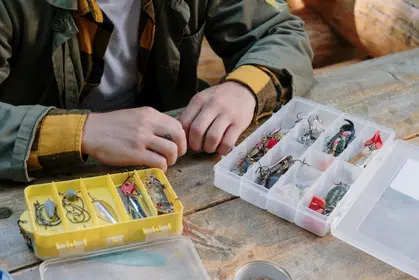
When you think about fishing, one of the first things that comes to mind is probably the hook. It’s the essential component that connects you with the fish, making it a crucial part of your terminal tackle. Understanding the different types of hooks and their purposes can greatly enhance your fishing experience. Whether you’re aiming for bass in a local lake or trout in a winding river, knowing how to choose the right hook is the first step to successful fishing.
Choosing the right hook for the job#
When it comes to fishing, choosing the right hook is crucial. It can make the difference between landing that trophy fish and going home empty-handed. Hooks come in various shapes, sizes, and styles, so knowing what to look for is your first step.
Start by considering what type of fish you’re targeting. Different species have different mouth sizes and shapes. For example, if you’re fishing for panfish like bluegill, a smaller hook (like a size 10 or 12) is usually best. On the other hand, if you’re after larger fish like bass or pike, you might want to use a hook in the 2/0 to 5/0 range.
Next, think about the type of bait you’ll be using. If you’re using live bait, such as worms or minnows, look for hooks with a wide gap. This design helps securely hold the bait and allows for better hook sets. For artificial lures, you might not need as large of a gap, but ensure the hook is strong enough to handle the fish you’re targeting.
Hook style is another factor to consider. There are several types, including circle hooks, J-hooks, and treble hooks. Circle hooks are great for catch-and-release fishing because they tend to hook the fish in the corner of the mouth. J-hooks are versatile and work well for a variety of baits and fishing styles. Treble hooks are usually found on lures and can increase your chances of hooking a fish, but they can also make unhooking more challenging.
Don’t forget about the material and strength of the hook. Most hooks are made from steel, but some are made from more durable materials. If you’re fishing in rugged environments or targeting strong fish, opt for stronger hooks that won’t bend or break easily.
Lastly, always carry a few different hook sizes and styles in your tackle box. This way, you can adapt to changing conditions or fish behavior during your outing. The right hook can turn a good fishing trip into a great one, so take the time to choose wisely.
Common hook styles beginners should know#
When you’re just diving into fishing, it can be a bit overwhelming to choose the right hook among all the options out there. But don’t worry! Here’s a straightforward guide to some common hook styles that every beginner should get familiar with.
J-Hook The J-hook is one of the most versatile hooks you’ll come across. Its shape resembles a “J,” making it great for a variety of fishing techniques. You can use it for bait fishing, lures, or even for bottom fishing. A simple way to use a J-hook is to thread your bait on it and cast your line. It’s forgiving for beginners, as it can help you catch different species without much fuss.
Circle Hook Circle hooks are designed to catch fish by the corner of the mouth, which reduces the chances of gut hooking. This is particularly helpful if you plan to catch and release. When a fish takes the bait, you simply need to reel in without setting the hook aggressively. This hook style works wonderfully with live or cut bait.
Treble Hook Treble hooks have three prongs and are often used with lures, especially when targeting species like bass or trout. They increase your chances of hooking a fish since they offer multiple points of contact. However, they can be tricky if you’re planning to release your catch, as they can sometimes hook fish deeper than other styles. Use them carefully and consider using barbless versions for easier removal.
Octopus Hook The octopus hook has a unique bend and is perfect for live bait fishing. It works well with soft baits like worms or minnows. The design allows for a more natural presentation of the bait, which can be tempting for fish. This hook is ideal for beginner anglers who want to keep their setup simple while still being effective.
Worm Hook If you’re planning to fish with plastic worms or other soft baits, a worm hook is your go-to choice. These hooks have a wide gap to accommodate larger baits, allowing for better hooking potential. They’re also often used for bass fishing, making them a favorite among many new anglers.
Familiarizing yourself with these hook styles will give you a solid foundation as you start your fishing journey. Each type has its unique advantages, so consider the species you’re targeting and the type of bait you’ll be using when making your selection.
Understanding Fishing Weights and Sinkers#
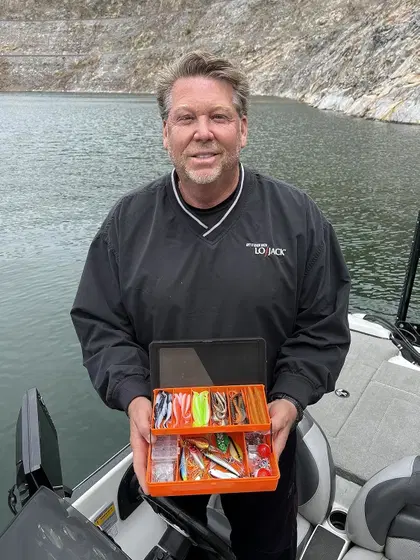
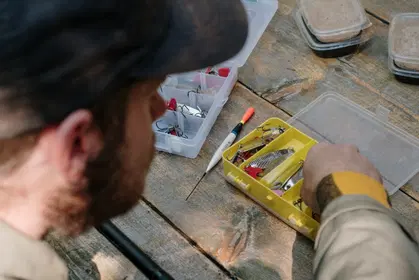
When it comes to fishing, weights and sinkers play a crucial role in helping you achieve the perfect balance in your setup. These small but mighty pieces of terminal tackle are designed to help your bait sink to the right depth, ensuring it reaches the fish that are lurking below the surface. Whether you’re casting in still waters or navigating currents, understanding how to use weights and sinkers effectively can significantly improve your chances of a successful catch. Let’s dive into the different types available and how to choose the right one for your fishing adventures.
Split shot#
Split shot is a versatile and easy-to-use type of fishing weight that can make a big difference in your fishing success. These small, round weights are split down the middle, allowing you to pinch them onto your fishing line without needing any special tools. This feature makes them a favorite among beginners and experienced anglers alike.
When you’re fishing in shallow or slow-moving water, split shots help your bait sink to the desired depth while keeping it buoyant enough to mimic natural movement. You can easily adjust the number of split shots you use based on your needs. For instance, if you need your bait to sink faster, simply add more split shots. If you’re fishing in shallower areas, you can use fewer weights or even remove them altogether.
To attach a split shot, hold the weight in one hand and your fishing line in the other. Position the line in the groove of the split shot, and then pinch the two halves together until they close around the line. It should be snug but not overly tight - this way, you can still slide it up or down the line if necessary. Just be careful not to damage the line while doing this.
Split shots come in various sizes, typically ranging from tiny to quite large. The size you choose will depend on various factors, like the type of fish you’re targeting and the conditions you’re fishing in. A good rule of thumb is to start small and increase the weight gradually as needed. This allows you to find the right balance for your specific fishing situation without overwhelming your bait.
Overall, split shots are a simple yet effective tool in your terminal tackle kit. With a little practice, you’ll find that they can help you present your bait more naturally, increasing your chances of a successful catch.
Egg sinkers#
Egg sinkers are a popular choice among anglers for their versatility and ease of use. Shaped like, well, an egg, these sinkers have a smooth, rounded body with a hole through the middle. This design allows the line to slide freely through the sinker, which can be quite beneficial in various fishing situations.
One of the primary reasons anglers opt for egg sinkers is their ability to provide a natural presentation of bait. When you’re fishing in currents or deeper waters, the egg sinker’s streamlined shape helps it cut through the water more efficiently. This means your bait can stay closer to the bottom where many fish are prowling, increasing your chances of a catch.
Using egg sinkers is straightforward. Simply thread your fishing line through the hole in the sinker and tie on your hook or leader. You can adjust the weight based on conditions - heavier for strong currents and lighter for calmer waters. Because the line moves freely through the sinker, fish are less likely to feel resistance when they nibble on your bait, making it an effective choice for more cautious species.
Egg sinkers work well with various rig setups, including Carolina rigs and slider rigs. They are also great for bottom fishing because they allow your bait to sit right on the substrate without too much obstruction. If you’re fishing in rocky areas, consider using a bead above the sinker to prevent it from getting stuck in crevices.
In short, egg sinkers are a staple in many anglers’ tackle boxes. They’re easy to use, adaptable, and can improve your fishing success, especially if you’re targeting species that feed close to the bottom.
Bullet weights#
Bullet weights are a popular choice among anglers, especially when it comes to bass fishing. They’re named for their sleek, elongated shape that resembles a bullet, and they come in various sizes to match different fishing conditions.
The main advantage of bullet weights is their ability to slip through vegetation and other underwater obstacles. This makes them ideal for fishing in areas with heavy cover, like lily pads or submerged rocks. When you cast a line with a bullet weight, it dives straight down, allowing your bait to get to the fish quickly and efficiently.
To use a bullet weight, you’ll typically thread it onto your fishing line before tying on your hook. The key is to ensure the weight is snug against your bait, as this helps mimic the natural movement of prey. You can use a simple knot, such as the improved clinch knot, for a secure connection.
When selecting a bullet weight, consider the depth of the water and the type of lure you’re using. Heavier weights are better for deep water or when fishing in strong currents, while lighter weights work well in shallower setups or when you’re casting into still waters.
Experimenting with different sizes and weights can help you determine what works best for your specific fishing situation. Remember that the goal is to get your bait down to the fish, so don’t hesitate to adjust your setup based on what you observe in the water.
What Swivels and Snaps Actually Do#
When you’re out on the water, the last thing you want is a tangled line or a missed catch due to a faulty setup. That’s where swivels and snaps come into play. These small yet essential pieces of terminal tackle are designed to make your fishing experience smoother and more efficient. Understanding how they work can help you connect your line to lures or hooks more effectively, allowing for better movement in the water and reducing line twist. Let’s dive into what these handy tools do and how they can enhance your fishing game.
Reducing line twist#
When you’re out on the water, the last thing you want is a tangled mess of fishing line. That’s where swivels and snaps come into play, and one of their key benefits is reducing line twist.
You might have noticed that when you’re reeling in your line, especially with lures that spin or flutter, your line can start to twist. This twist can lead to knots, tangles, and a whole lot of frustration. Swivels act as a buffer between your line and the lure, allowing them to rotate independently. This means that as your lure spins, the swivel keeps the line straight and untangled.
Think of it like a door hinge. When you open and close a door, the hinge lets it move smoothly without getting stuck. Swivels work in the same way for your fishing line. You can find various types of swivels, including barrel swivels, which are great for most situations, and snap swivels, which allow you to quickly change lures without retying your line.
Using a swivel is simple. Just tie one end to your main line and attach the other end to your leader line or directly to your lure. If you’re using a snap swivel, you can quickly attach and detach lures, making it easy to switch things up based on the fish you’re targeting or the conditions you’re facing.
So the next time you head out fishing, don’t overlook these small but mighty tools. They’ll help keep your line in check and your fishing experience much more enjoyable.
Making lure changes easier#
If you’ve ever found yourself fumbling with knots while trying to switch out lures, you’re not alone. That’s where swivels and snaps come in handy. They’re small but mighty tools that can save you time and frustration on the water.
Swivels are designed to reduce line twist, which can happen when you’re reeling in a fish or using certain types of lures. By incorporating a swivel into your setup, you can keep your line from getting tangled and maintain better control over your presentation. This way, you can focus on fishing rather than untangling knots.
Snaps, on the other hand, are perfect for quickly changing lures without the need to re-tie your line each time. Simply clip the snap onto your lure, and you’re ready to go. This is especially useful when fish are picky and you want to experiment with different colors or styles. Instead of wasting time tying knots, you can switch lures in seconds.
To use them effectively, attach a swivel to your main line, and then connect a snap to the swivel. This setup not only keeps your line organized but also allows for easy adjustments while you’re out there. Just remember to check your snaps and swivels regularly for wear and tear, as these small components can be easy to overlook but are crucial for a successful fishing trip.
When Leaders Become Necessary#
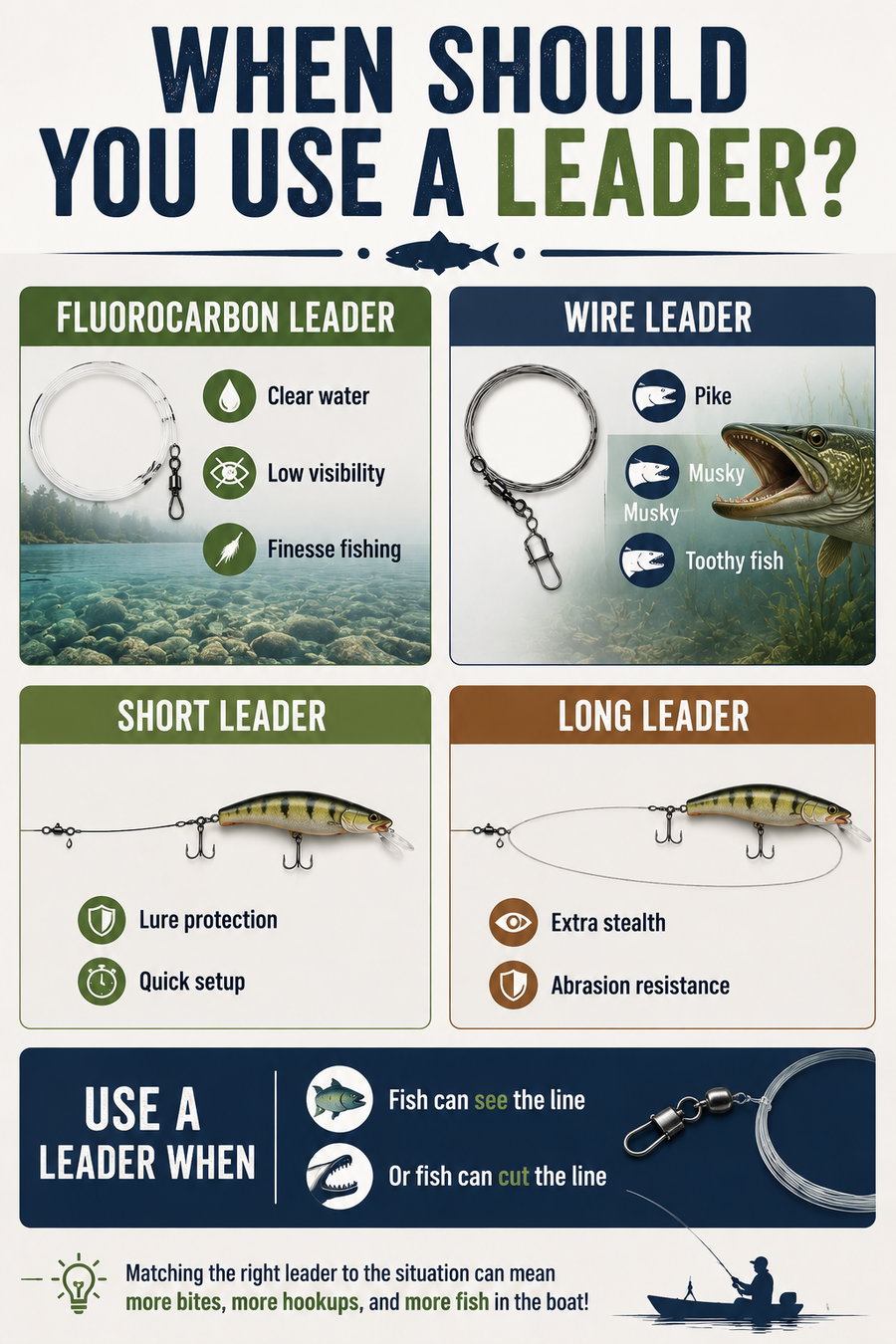
Understanding when to use leaders is crucial for any angler looking to improve their chances of success on the water. Leaders serve as an important link between your main line and your terminal tackle, offering benefits like increased abrasion resistance and improved stealth. As you explore various fishing conditions, you’ll find that there are specific situations where a leader can make all the difference in enticing fish to bite. Let’s delve into the scenarios that call for this essential component of your tackle setup.
Fluorocarbon leaders#
Fluorocarbon leaders are a popular choice among anglers for several good reasons. Unlike traditional monofilament, fluorocarbon is virtually invisible underwater, making it an excellent option for clear water fishing. Fish can be quite picky, especially in heavily pressured areas, so using a leader that they can’t see can improve your chances of getting a bite.
One of the standout features of fluorocarbon is its abrasion resistance. When you’re fishing around rocks, logs, or other sharp structures, a fluorocarbon leader can withstand more wear and tear than other materials. This means you can fish with confidence, knowing your line is less likely to snap during a fight.
Fluorocarbon also sinks faster than monofilament, which can be advantageous when you want your bait or lure to reach the desired depth quickly. If you’re targeting species that dwell deeper in the water column, this trait helps your setup get into the strike zone faster.
When it comes to choosing the right fluorocarbon leader, consider the strength and diameter based on the species you’re fishing for. A good rule of thumb is to use a leader that’s about 10-20% stronger than your main line. This extra strength helps ensure that you can handle bigger fish without worrying about breakage.
To tie a fluorocarbon leader to your main line, you can use a variety of knots, but the double uni knot is a solid choice for beginners. It’s relatively easy to tie and creates a strong connection, which is crucial when you’re reeling in a fish.
In summary, fluorocarbon leaders are a smart addition to your terminal tackle setup, especially in clear water or when targeting fish that are more line-shy. With their invisibility, abrasion resistance, and ability to sink, they can give you an edge on the water.
Wire leaders#
When it comes to fishing, not all lines are created equal. If you’re targeting species with sharp teeth - like pike, musky, or saltwater fish - a wire leader is often your best bet. These leaders are made from a thin strand of metal, which helps prevent fish from biting through your line when they put up a fight.
So, why use wire leaders? The main reason is durability. Regular fishing line can fray or snap when a toothy fish takes a bite, but wire leaders stand up to that challenge. They provide an extra layer of protection, giving you peace of mind while reeling in that catch of a lifetime.
Using a wire leader is straightforward. Start by choosing a wire that’s appropriate for the type of fishing you’re doing. A lighter wire might suffice for smaller fish, while bigger species will require a heavier gauge. You can find different types of wire, such as nylon-coated or uncoated. The coated variety is great for preventing abrasion and offers a bit of stealth since it’s less visible underwater.
Attaching a wire leader is similar to connecting any other type of leader. You’ll use a swivel or a snap to join it to your main line, making sure it’s secure. If you’re using lures, you can tie them directly to the end of the wire or use a snap swivel for quick changes. It’s a practical choice that can save you time when you want to switch lures or baits mid-fishing trip.
While wire leaders are incredibly useful, there are a few things to keep in mind. They can be stiffer than regular line, which means they might not perform as well in certain situations, like finesse fishing for bass. Additionally, some fish are line-shy, and a visible wire leader might deter them. In these cases, consider using a lighter fluorocarbon leader or a combination of both to increase your chances of success.
Overall, wire leaders are an essential tool in the tackle box, especially when you’re aiming for those toothy predators. With a little practice, you’ll be well on your way to mastering their use and improving your fishing game.
Situations where leaders improve success#
Using leaders can make a big difference in your fishing success. Here are some situations where having a leader is particularly beneficial.
1. When fishing in heavy cover: If you’re casting near rocks, weeds, or fallen trees, a leader can help protect your line from fraying or snapping. Leaders made of tougher materials, like fluorocarbon, can withstand the abrasion from these obstacles and give you a better chance of landing your catch.
2. Targeting species with sharp teeth: Some fish, like pike or musky, have razor-sharp teeth that can easily cut through standard fishing line. A steel or braided leader can prevent these toothy fish from biting through your line, allowing you to reel in that trophy catch.
3. Using finesse techniques: If you’re using lighter tackle or finesse techniques, like drop-shotting or using small jigs, a leader can help improve your presentation. A lighter leader line often becomes less visible in the water, which can entice more cautious fish to bite.
4. Clear water conditions: In clear water, fish can be more line-shy. Using a fluorocarbon leader can reduce visibility under the water, making it less likely for fish to notice your line. This subtlety can tip the odds in your favor when you’re trying to land a wary fish.
5. Changing water temperature: During colder months, fish tend to be more lethargic and less likely to chase after fast-moving bait. A leader allows you to present your bait more delicately, which can help you catch fish that are less aggressive in cooler temperatures.
6. When using live bait: If you’re using live bait, a leader can reduce the chances of spooking your bait. A longer, lighter leader can help your bait appear more natural and less stressed, making it more appealing to predatory fish.
By knowing when to use a leader, you can adapt your fishing strategy and improve your chances of success on the water.
Common Terminal Tackle Mistakes Beginners Make#
When you’re just starting out in fishing, it’s easy to overlook some of the finer details of terminal tackle. These small but vital components can make a big difference in your success on the water. In this section, we’ll explore some common pitfalls that novice anglers often encounter, helping you to avoid these mistakes and improve your fishing experience right from the beginning.
Buying too many specialized components#
One of the most common pitfalls for beginners is the urge to buy every specialized terminal tackle component they come across. It’s easy to get overwhelmed by the variety of hooks, weights, swivels, and other gear available. While these components serve specific purposes, having too many can complicate your fishing experience.
Start simple. Focus on a few essential items that fit the type of fishing you plan to do. For example, if you’re going freshwater fishing for bass, you might only need a handful of hooks, some weights, and a couple of bobbers. This way, you can learn how each piece works in practice without being bogged down by choices.
Another mistake is getting caught up in the latest trends or gimmicks. Manufacturers often market specialized tackle as must-haves, but many beginners find that they don’t need all those extras. A good rule of thumb is to prioritize versatility. Choose tackle that can serve multiple purposes rather than buying a different item for every scenario.
Also, consider your fishing style. If you’re bank fishing, your needs will differ from someone on a boat. Tailor your tackle to your approach, and you’ll find that you can accomplish a lot with just a few well-chosen components.
As you gain more experience, you can gradually expand your collection. This way, you’ll better understand what works for you and your fishing style. Keeping it simple at the start not only saves you money but also makes your time on the water more enjoyable.
Using tackle that is too large#
One of the most common mistakes beginners make is opting for terminal tackle that’s simply too large for the fish they’re targeting. It’s easy to think that bigger gear will catch bigger fish, but that’s not always the case. Using oversized hooks, weights, or lures can actually scare fish away instead of attracting them.
For example, if you’re going after panfish like bluegill or crappie, using a large hook meant for bass can be counterproductive. These smaller fish have tiny mouths and struggle to bite down on a hook that’s too big. Instead, look for hooks that are appropriate for the size of your target species. A number 8 or 10 hook is often perfect for smaller fish.
Weight is another crucial factor. If you’re using a weight that’s too heavy, it can sink quickly, making it hard for fish to notice your bait. It’s better to start with lighter weights and adjust as needed based on water conditions and the species you’re after.
When it comes to lures, choose ones that mimic the size and shape of the baitfish in the area. If minnows are around, go with smaller lures that imitate them rather than bulky plugs meant for larger predators. Keeping your tackle size in line with your target species will not only improve your chances of catching fish but also enhance the overall fishing experience.
Ignoring knot quality#
One of the most common mistakes beginners make with terminal tackle is overlooking the importance of knot quality. You might have the best gear and bait, but if your knots aren’t strong or secure, you could lose everything to a simple tug.
When tying knots, it’s crucial to choose the right type for the job. There are plenty of options, like the Palomar knot for securing hooks or the improved clinch knot for attaching line to lures. Each knot has its strengths, and knowing which to use can save you many frustrating moments on the water.
Take your time when tying knots. Rushing through it can lead to mistakes, like forgetting to wet the line before tightening, which can weaken it. A well-tied knot not only holds better but also helps you feel more confident when you’re reeling in a catch.
Practice makes perfect. Before heading out, spend some time at home practicing different knots. Use a piece of rope or old line to get the hang of it. You’ll be surprised at how much of a difference a good knot can make. Plus, it’s a simple skill you can master with just a little effort.
Lastly, always check your knots before each fishing trip. Even if you tied them well the last time, wear and tear can take a toll. A quick inspection can save you from losing a fish - and a lot of frustration - later on.
Building a Simple Terminal Tackle Kit on a Budget#
When you’re just starting out in fishing, putting together a terminal tackle kit can feel overwhelming, especially with so many options available. However, you don’t need to break the bank to get the essentials. By focusing on a few key items that will cover different fishing scenarios, you can create a practical and effective kit that will serve you well without emptying your wallet. Let’s explore how to assemble a simple terminal tackle kit that meets your needs and keeps your budget intact.
What Terminal Tackle Should Most Beginners Start With#
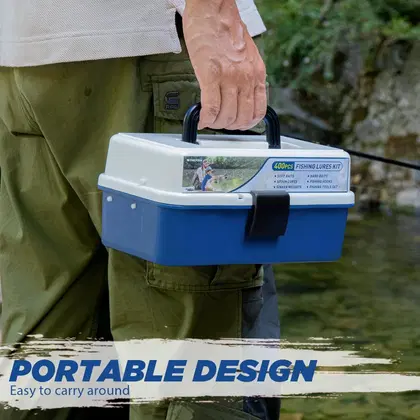
When you’re just starting out in fishing, choosing the right terminal tackle can feel overwhelming. However, understanding the basics can simplify your experience and enhance your success on the water. In this section, we’ll explore the essential pieces of terminal tackle that beginners should consider, ensuring you have the right tools to make your fishing trips enjoyable and productive.
In conclusion, while terminal tackle may seem daunting at first, it’s really just a collection of tools that help you connect your bait to your line and ultimately to the fish. By understanding the basics of hooks, weights, swivels, and leaders, you can set yourself up for success on the water. Remember, every angler started where you are now - so don’t be discouraged by a little confusion.
Start building your terminal tackle kit gradually, focusing on the essentials that suit your fishing style. As you gain more experience, you’ll naturally refine your tackle choices. So grab your gear, hit the water, and enjoy the process of learning and catching fish. Happy fishing, and may your tackle box always be well-stocked!