
Affiliate disclosure: As an Amazon Associate, we may earn from qualifying purchases made via links on this page - at no extra cost to you. See our Affiliate Disclosure.
If you’ve ever found yourself tangled in fishing gear that feels more like a wrestling match than a relaxing day by the water, you’re not alone. For beginners, choosing the right rod can be a bit like picking the right ice cream flavor - there are so many options, and you want to make the right choice! Enter the ultra-light rod: the nimble little sidekick that can elevate your fishing experience without the weight of a brick.
These rods are designed for finesse, making them perfect for smaller fish and lighter lures. But when should you reach for one? And why are they the go-to for many anglers? Whether you’re standing on the bank of a serene lake or wading into a gentle stream, understanding the ins and outs of ultra-light rods can help you make the most of your time outdoors. So, grab a seat (preferably on a comfy cooler) and let’s dive into the world of ultra-light fishing rods!
What Makes an Ultra-Light Rod Different#
Ultra-light rods stand out in the fishing world due to their unique design and purpose. Unlike standard rods, these lightweight tools are crafted to handle lighter lines and smaller lures, making them perfect for targeting panfish, trout, and other smaller species. Their sensitivity allows anglers to feel even the slightest nibble, which is essential for effective fishing in freshwater streams or lakes. Understanding these differences can help you decide when to reach for an ultra-light rod in your fishing adventures.
Understanding ultra-light power ratings#
When you hear the term “ultra-light” in fishing rods, it refers to the rod’s power rating, which indicates its strength and sensitivity. Ultra-light rods are designed for handling lighter lines and smaller lures or baits, typically in the range of 1 to 4 pounds of test line. This means they’re perfect for targeting small fish species like panfish, trout, and even some bass when they’re feeding lightly.
The beauty of an ultra-light rod lies in its ability to provide great sensitivity. Because they are lighter and more flexible, these rods allow you to feel the slightest nibble or bump from a fish. This can be especially important when fishing for species that are skittish or not very aggressive, as it helps you detect bites more effectively.
When you’re out on the water with an ultra-light rod, you’ll notice that it feels different in your hands compared to a medium or heavy rod. The lighter construction means it’s easier to cast smaller lures, and you can enjoy a more natural presentation. If you’re using jigs or live bait, this is particularly beneficial, as it allows your bait to move more freely in the water, mimicking natural prey.
Keep in mind that while ultra-light rods are fantastic for finesse fishing, they have their limits. They’re not designed for battling large fish or for heavy cover situations. If you’re fishing in areas with a lot of snags or targeting larger species, you might want to consider a rod with a bit more power. Understanding these nuances will help you choose the right tool for your fishing adventure.
Why sensitivity matters more than strength#
When you’re out fishing, the feel of a nibble or a tug on your line can make all the difference. This is where sensitivity in an ultra-light rod shines. Unlike heavier rods that are built for power, ultra-light rods are designed to transmit even the slightest movements. This means you’ll feel those delicate bites that might go unnoticed with a sturdier rod.
For beginners, understanding the importance of sensitivity helps you become a better angler. Imagine using a heavier rod while fishing for panfish like bluegill or crappie. These fish have soft mouths, making it easy for them to shake off a hook if they feel too much resistance. An ultra-light rod allows you to detect those subtle bites while providing just enough flexibility to keep the fish hooked.
Another aspect of sensitivity is how it affects your connection with the fish. When you can feel the fish’s movements, you can react more quickly. This not only improves your chances of landing a catch but also enhances the overall experience. You get to understand how different species behave - like how a feisty trout might dart one way or another, giving you a chance to adjust your strategy.
While strength is important when targeting larger species, ultra-light rods are mainly about finesse. The materials used in these rods, like graphite or composite blends, allow them to be incredibly sensitive without sacrificing too much durability. This is why many anglers choose ultra-light rods for finesse techniques like jigging or dropshot fishing. You can feel the bottom structure, detect subtle changes in the water, and sense when a fish is interested in your bait.
In summary, sensitivity in ultra-light rods is essential for detecting bites and enhancing your fishing experience. As you grow more attuned to the nuances of what you feel through the rod, you’ll find that your success on the water increases, making every trip more enjoyable.

When Ultra-Light Rods Work Best#
Ultra-light rods are a fantastic tool for specific fishing situations where finesse and sensitivity take center stage. They excel in targeting smaller species or when fish are being particularly finicky. Whether you’re casting in a quiet stream for panfish or working a delicate presentation on a calm lake, understanding the scenarios where ultra-light rods shine can greatly enhance your fishing experience. Let’s dive into when and why these versatile rods can make all the difference in your catch.
Small streams and creeks#
When you’re fishing in small streams and creeks, using an ultra-light rod can make all the difference. These rods are designed to be lightweight and sensitive, which is perfect for the delicate bites that often occur in these smaller bodies of water.
One of the main benefits of an ultra-light rod is its ability to detect subtle nibblers. Fish in small streams, like brook trout or panfish, tend to be cautious. An ultra-light setup allows you to feel those gentle taps more easily, increasing your chances of a successful catch.
In addition, the light tackle helps you cast smaller lures and baits more accurately. Whether you’re tossing a tiny spinner or a small worm, the nimble nature of an ultra-light rod lets you place your bait right where the fish are hiding - often around rocks or under overhanging branches.
Another advantage is the fun factor. Because these rods are lighter, you’ll enjoy the fight of a smaller fish more. It can feel like a big deal when a 10-inch trout tugs on your line, and an ultra-light rod enhances that experience without overwhelming the fish.
When fishing in these environments, keep your gear minimal. A small tackle box with a few essentials, like jigs, spinners, and hooks, is all you need. Pair your ultra-light rod with a light reel and 4-6 lb test line for the best results.
Also, remember to be stealthy. Fish in small streams can be easily spooked, so keep noise to a minimum. Moving slowly and quietly will help you get closer to your target without sending them scattering.
In summary, ultra-light rods shine in small streams and creeks by increasing sensitivity, allowing for precise casting, and making the fishing experience more enjoyable.
Clear-water presentations#
When you find yourself fishing in clear water, ultra-light rods can be your best friend. These rods are perfect for situations where fish can see your line and bait easily. In clear conditions, fish can be more cautious, so a lighter setup helps you present your bait or lure more delicately.
Using an ultra-light rod allows you to cast lighter lures with precision. This can be especially helpful when targeting species like trout or panfish, which tend to be more finicky in clear water. A lighter lure offers a more natural movement, mimicking the subtle actions of prey that fish are used to seeing.
When selecting your line, opt for something thin and low-vis, like a 4 to 6-pound test monofilament or fluorocarbon. This combination of light setup and line helps reduce the chances of spooking the fish. Remember, the less visible your tackle is, the more likely you are to entice a bite.
Adjusting your retrieve speed can also make a big difference in clear water. With an ultra-light rod, you can easily twitch or pause your lure to create a more appealing presentation. This method can trigger strikes from wary fish that might otherwise ignore a faster or more aggressive approach.
In summary, clear-water presentations call for finesse. An ultra-light rod, accompanied by light line and careful lure manipulation, will help you connect with those cautious fish that are often lurking in pristine aquatic environments.
Finesse fishing in pressured waters#
When you’re fishing in waters that see a lot of angler activity, using an ultra-light rod can make a real difference. These rods are designed for finesse techniques, which means they help you present your bait or lure in a way that’s subtle and enticing. In pressured waters, fish can become wary, and they often shy away from larger, more aggressive presentations.
With an ultra-light rod, you can use lighter lines and smaller lures. This delicate approach can be more appealing to fish that have seen it all. Think of using small jigs, soft plastics, or even tiny crankbaits. These allow you to mimic natural prey in a way that feels less threatening.
Additionally, the sensitivity of ultra-light rods helps you feel even the faintest nibbles. This is crucial when fish are being picky. You might only get a soft tap instead of the usual tug, so being able to detect those subtle bites can mean the difference between landing a fish and going home empty-handed.
When finesse fishing, it’s also key to adjust your casting technique. Instead of making long, forceful casts, focus on accuracy and distance control. You want to place your lure precisely where the fish are likely to be hiding, such as near structures or in shaded areas. A lighter setup allows for more finesse in your casting, helping you hit those tricky spots.
Overall, ultra-light rods shine in pressured waters by allowing you to present your baits in a way that feels natural to the fish. They combine sensitivity with a delicate touch, making them an excellent choice when the fishing gets tough.
Fish Species That Shine on Ultra-Light Tackle#
When it comes to ultra-light fishing, certain species truly thrive on this lighter gear, making the experience both thrilling and rewarding. The sensitivity of ultra-light rods allows anglers to feel even the slightest bites, which is particularly beneficial for targeting smaller fish that are often overlooked. Whether you’re casting in freshwater lakes or coastal waters, understanding which fish species are best suited for ultra-light tackle can elevate your fishing game and bring you closer to nature in a fun and engaging way.
Trout and panfish#
When it comes to ultra-light tackle, trout and panfish are two of the most rewarding species to target. Both are plentiful in many freshwater bodies, making them perfect for beginners looking to hone their skills while enjoying a day outdoors.
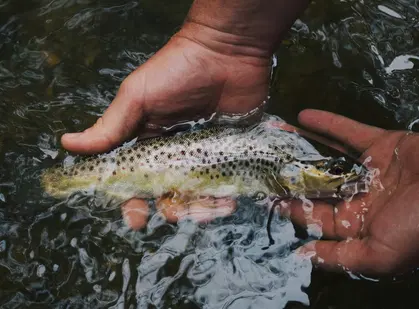
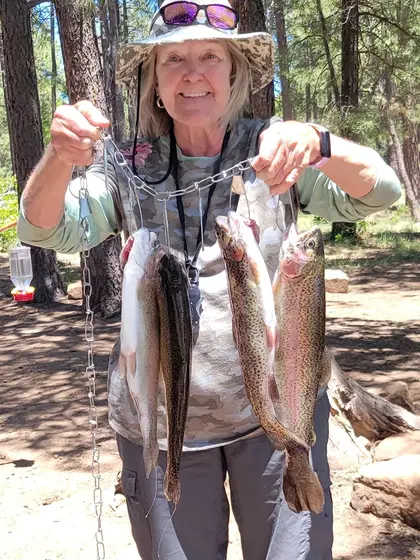
Trout, especially brook and rainbow varieties, are known for their spirited fights. Using an ultra-light rod allows you to feel every twitch and pull, enhancing the thrill of the catch. These fish are often found in streams and lakes, so be ready to adjust your technique based on their habitat. A light line, around 2 to 6 pounds, will help you present your bait or lures more delicately, making it less intimidating for the fish.
When targeting panfish, like bluegill and crappie, ultra-light gear shines even brighter. These species are not only fun to catch but are also great for teaching beginners the basics of fishing. Light jigs, small spinners, or live bait like worms work wonderfully. Panfish are often found in shallower waters, particularly around structures like fallen logs or weed beds, so try casting near these spots for better results.
Remember, the key with ultra-light tackle is sensitivity. You’ll want to pay attention to the slightest nibble, as panfish can be quite subtle in their bites. When you feel that little tug, it’s time to set the hook! With practice, you’ll become adept at distinguishing between a fish and just some weeds.
Overall, both trout and panfish provide excellent opportunities for using ultra-light rods, whether you’re fishing from a boat or the shore. Enjoy the experience, and don’t hesitate to experiment with different techniques to see what works best for you!
Small bass and other freshwater species#
When you think of fishing for small bass, ultra-light rods can be your best friend. These rods, typically ranging from 4 to 6 feet in length, are designed to give you the sensitivity and control you need when targeting smaller fish. They make it easier to feel those subtle bites, which is crucial when fishing for species like spotted or smallmouth bass.
Using ultra-light tackle allows you to select lighter lures and baits, which can be more enticing to smaller fish. For instance, a 1/16-ounce jig or a small crankbait can be perfect for enticing bass hiding in rocks or vegetation. The light line you’ll often pair with an ultra-light rod adds to the challenge and excitement, creating a more engaging experience as you reel in your catch.
When targeting other freshwater species, like panfish (bluegill, crappie, and perch), ultra-light gear can shine just as brightly. These fish tend to have lighter bites, and the flexibility of an ultra-light rod helps you detect those subtle nibbles. You can also use very small hooks and baits, which are often more effective for these species.
Fishing in small ponds or streams with an ultra-light rod can be a fun and rewarding experience. These environments often have plenty of cover for fish, making it essential to have the finesse that ultra-light tackle provides. You’ll find that casting into tight spaces becomes easier, and the thrill of catching a feisty little bass or panfish on light gear is hard to beat.

Why Ultra-Light Tackle Makes Fishing More Enjoyable#
Using ultra-light tackle can transform your fishing experience, especially for beginners. These lightweight rods and reels allow for a more nuanced feel when a fish bites, making every catch feel like an exciting challenge. The delicate nature of ultra-light gear also means you can target smaller species that are often overlooked, providing a sense of accomplishment and fun. Whether you’re casting in a serene pond or a bustling river, ultra-light tackle enhances the thrill of fishing by inviting you to engage more deeply with the water and its inhabitants.
Choosing the Right Ultra-Light Rod Setup#
When it comes to fishing with ultra-light rods, selecting the right setup can greatly enhance your experience on the water. These rods are designed for finesse fishing, allowing you to target smaller species with precision while enjoying the thrill of every catch. Understanding the components of your ultra-light rod setup, including the reel, line, and lures, will not only improve your chances of success but also make your time spent fishing more enjoyable. Let’s break down how to choose the right gear that suits your style and the type of fishing you plan to do.
Rod length considerations#
When it comes to ultra-light rods, length plays a significant role in your fishing experience. The typical lengths for ultra-light rods range from 5 to 7 feet. As a beginner, it’s essential to understand how different lengths can affect your performance on the water.
A shorter rod, around 5 to 6 feet, is generally more manageable. It’s great for casting in tight spots, like small streams or overgrown shorelines. You’ll find it easier to maneuver, which is helpful when you’re trying to land fish in tricky areas. Plus, shorter rods provide better sensitivity, allowing you to feel even the lightest bites.
On the other hand, a longer rod, around 6.5 to 7 feet, offers greater casting distance. This can be beneficial when fishing in larger bodies of water where you want to reach further out. However, longer rods can be a bit more unwieldy for beginners, especially if you’re still getting the hang of your casting technique.
Consider your fishing environment when choosing the rod length. If you’re often fishing from a boat or in open water, a longer rod might serve you well. If you’re primarily fishing from the shore or in small creeks, a shorter rod will make your life easier. Ultimately, think about where you’ll be fishing most often, and let that guide your choice.
Reel, line, and lure pairing#
When you’re gearing up with an ultra-light rod, choosing the right reel, line, and lure is essential for maximizing your fishing experience. Let’s break down each component to help you make the best choices.
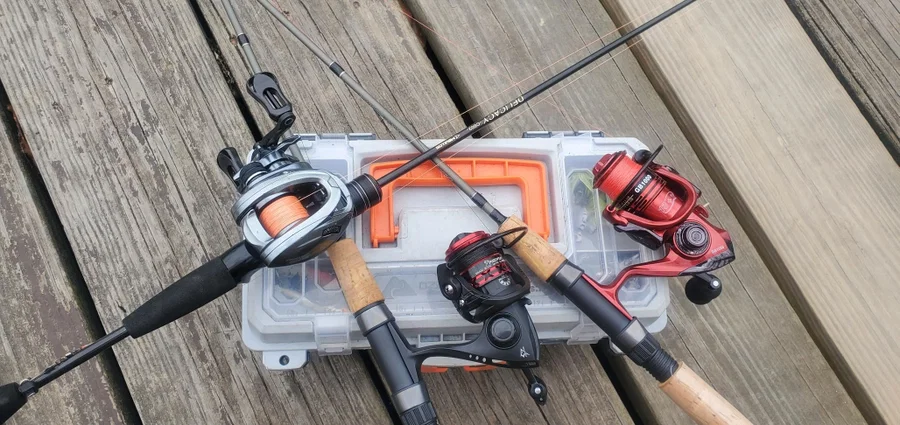
Reel Selection For ultra-light setups, a small spinning reel is usually the way to go. Look for a model that balances well with your rod - typically in the 1000 to 2000 size range. These reels are lightweight and easy to handle, making them perfect for smaller species. Ensure the reel has a smooth drag system; this is crucial for preventing break-offs when you hook into a feisty fish.
Line Choice When it comes to line, you’ll want something that’s thin yet strong. A monofilament line in the 2 to 6-pound test range is often ideal for ultra-light fishing. It offers good sensitivity while minimizing visibility to fish. If you prefer braid, a 10 to 15-pound test is a great option, but remember to use a fluorocarbon leader to maintain stealth. The leader should be lighter than your main line to keep your whole setup discreet.
Lure Pairing Choosing lures for ultra-light rods is all about matching the weight and size to your setup. Light jigs, small spinners, and soft plastics work wonders. Try lures that weigh between 1/16 to 1/4 ounces. These weights allow for accurate casting without overwhelming your rod. If you’re going after panfish, small crappie jigs or micro spoons can be particularly effective. Experimenting with colors and patterns is part of the fun, so don’t hesitate to mix it up.
In the end, the key is to keep your setup balanced and light. This will not only enhance your casting but also make fighting fish more enjoyable. The right pairing of reel, line, and lure can transform your fishing trip into a successful adventure.

Situations Where Ultra-Light Rods Fall Short#
While ultra-light rods are fantastic for targeting small fish and enjoying a delicate fishing experience, they do have their limitations. Understanding when these rods might not serve you well can save time and frustration on the water. Whether it’s due to the size of the fish, the environment, or the type of fishing techniques you’re employing, recognizing these situations ensures that you’re fully equipped for your fishing adventures.
Heavy cover and vegetation#
When you’re fishing in areas thick with brush, weeds, or other vegetation, ultra-light rods can be a tricky choice. These rods are designed for sensitivity and finesse, which makes them fantastic for lighter lures and smaller fish. However, when you’re dealing with heavy cover, you need a rod that provides more backbone.
In dense areas, fish can quickly swim into thick weeds or tangled roots. An ultra-light rod often lacks the strength needed to pull a fish out without risking a break-off. You might find yourself in a frustrating battle, trying to wrestle a fish from a mess of branches, only to have your line snap or your rod bend in ways it shouldn’t.
Instead, consider using a medium or medium-heavy rod in these situations. These rods offer the strength necessary for maneuvering through heavy cover while still giving you enough sensitivity to feel those light bites. Pairing a sturdier rod with a strong line will give you confidence as you cast around obstacles and target fish hiding in the shadows.
So, if you know you’ll be fishing in thick vegetation, leave the ultra-light rod at home. It’s all about having the right tool for the job, and when it comes to heavy cover, a more robust rod will serve you much better.
Large fish and powerful current#
When you’re out on the water, the thrill of a big fish biting can be hard to resist. But if you’re using an ultra-light rod, you might find yourself in a tough spot. These rods are designed for finesse fishing - perfect for light tackle and small species. They’re great for panfish and trout, but when it comes to larger fish or strong currents, they can really struggle.
Imagine hooking into a hefty bass or a feisty catfish. An ultra-light rod might bend and flex in ways that make it hard to reel in your catch, especially if the fish decides to make a run for it. The light action can lead to a lot of lost battles, and that can be frustrating. You want to have enough backbone in your rod to handle the fight without risking a break or losing the fish.
Strong currents present another challenge. If you’re fishing in rivers or lakes with a fast current, an ultra-light setup can be difficult to control. The rod’s sensitivity and lightweight nature can make it hard to feel bites when your line is being pulled in different directions. Plus, the added strain from the current can make it even tougher to land a fish.
In these situations, it’s usually better to opt for a medium or medium-heavy rod. These rods provide the strength and control needed to handle larger fish and navigate through strong currents effectively. So, while ultra-light rods have their place, it’s important to know when to step up to a sturdier option for a successful day of fishing.
Windy conditions and long casts#
When you’re out fishing, you might think an ultra-light rod is your best friend. They are fantastic for feeling every nibble and catching smaller fish. However, when the wind picks up, things can change quickly.
In windy conditions, these feather-light rods can become a challenge. The wind can easily toss your line around, making it tough to cast accurately. You might find that your lure doesn’t land where you intended or that it’s difficult to feel bites because the wind is tugging at your line. If you’re trying to cast long distances, the light weight of the rod works against you. The wind can create drag, making it hard to send your bait far enough and could result in a frustrating day on the water.
If you know you’ll be dealing with breezy conditions, consider using a rod with a bit more heft. A medium-light or medium rod can handle wind better, allowing you to cast more effectively and keep your lure steady in the water. It will give you the control you need to navigate those gusts without losing your focus on catching fish.
In summary, while ultra-light rods excel in calm waters and for smaller species, they may not be the best choice when the wind is howling or when you need to cast over long distances. Keep this in mind to make your fishing experience more enjoyable and successful.
Common Mistakes New Ultra-Light Anglers Make#
Venturing into the world of ultra-light fishing can be an exciting experience, but it’s easy to make a few missteps along the way. Many new anglers often overlook some key details that can make or break their success on the water. Understanding these common mistakes can help you adapt your approach, improve your technique, and ultimately enjoy your time on the lake or river more fully. Let’s take a look at what to watch out for as you embark on your ultra-light fishing journey.
Using line that is too heavy#
One of the most common mistakes new ultra-light anglers make is opting for fishing line that’s too heavy for their setup. It’s tempting to reach for a stronger line, especially if you’re worried about losing a fish. However, ultra-light fishing is all about finesse and sensitivity, and using heavy line can compromise that.
Ultra-light rods are designed to handle lighter tackle, which means pairing them with lighter line is crucial. A good general rule is to use a line that’s around 2 to 6 pounds in test strength. This allows for better casting accuracy and a more natural presentation of your bait or lure. When the line is too heavy, it can create drag in the water, making it harder for fish to bite.
Heavy line can also lead to missed opportunities. Fish are often cautious, especially in clear water conditions or when they’re pressured. If they see or feel a heavy line, they may shy away from your bait. With a lighter line, you’ll increase your chances of enticing those finicky fish.
When choosing your line, consider the type of fish you’re targeting and the fishing environment. For small panfish or trout, a lighter line is generally more effective. On the other hand, if you’re fishing in thick cover or targeting larger species, you might need to adjust your line weight, but still, try to keep it as light as possible.
Remember, the goal of ultra-light fishing is to enjoy the experience and connect with the fish. So, take a moment to evaluate your line choice before heading out; it can make a world of difference in your success on the water.
Are Ultra-Light Rods Worth Adding to Your Collection#
If you’re stepping into the world of ultra-light fishing, you might find yourself wondering whether these specialized rods are a worthwhile investment for your gear collection. While they may not be as popular as their heavier counterparts, ultra-light rods offer unique advantages that can enhance your fishing experience, particularly when targeting smaller species or fishing in delicate environments. Understanding when and why to use an ultra-light rod can help you make an informed decision and elevate your time on the water.
In summary, ultra-light rods can transform your fishing experience by offering a unique blend of sensitivity and finesse. They excel in targeting smaller species and are perfect for those peaceful days on the water, where the thrill of a nibble can feel like a big catch. However, it’s important to recognize their limitations and avoid common pitfalls, especially as a beginner. As you explore the world of ultra-light tackle, remember that it’s all about enjoying the process - whether you’re landing a feisty bluegill or simply soaking in the tranquility of your surroundings. So, if you’re looking to spice up your fishing adventures, adding an ultra-light rod to your gear might just be the ticket. Now, grab your tackle, embrace the challenge, and enjoy the ride!