
Affiliate disclosure: As an Amazon Associate, we may earn from qualifying purchases made via links on this page - at no extra cost to you. See our Affiliate Disclosure.
Fishing can sometimes feel like you’re trying to solve a puzzle with pieces that just don’t quite fit. You’ve got your rod and reel, bait, and a bucket of hopes, but what about those little bits and bobs that often get overlooked? Enter swivels, snaps, and sinkers - those unsung heroes of the tackle box. These essential tools might seem minor, but they play a crucial role in making your fishing experience smoother and more successful.
In this guide, we’ll break down what each of these components does, how to use them properly, and why they matter. Don’t worry; we promise to keep the jargon to a minimum and the fun factor high. Whether you’re just starting out or looking to refine your technique, understanding these basics will help you cast your line with confidence. So, let’s dive in and untangle the mysteries of fishing gear together!
Why These Small Components Matter More Than Most Anglers Realize#
When you think about fishing gear, your mind might jump to rods, reels, and bait. However, the small components like swivels, snaps, and sinkers play a crucial role in your overall success on the water. These often-overlooked pieces can greatly influence your fishing experience, from improving your casting distance to reducing line twists. Understanding how to use them properly can make a significant difference in your catch rate, making it essential for every angler, especially beginners, to grasp their importance.
How terminal tackle affects presentation#
When you’re out on the water, every little detail matters, and that includes your terminal tackle. Terminal tackle refers to the gear you attach to your fishing line, like swivels, snaps, and sinkers. These components might seem small, but they play a big role in how your bait or lure moves through the water.
Let’s start with sinkers. The weight you choose can drastically change your presentation. If you’re fishing in deep water, a heavier sinker keeps your bait near the bottom, where many fish like to hide. Conversely, if you’re targeting fish that feed near the surface, a lighter sinker will allow your bait to float and move naturally. The key is to match your sinker to the conditions and the fish species you’re after.
Swivels are another important piece of the puzzle. They help prevent your line from twisting, which can happen when you’re reeling in a fish or when your bait is spinning in the water. A good swivel keeps your line smooth and allows your lure to swim freely. This natural movement can make all the difference in attracting fish.
Snaps, on the other hand, are great for convenience. They let you quickly change lures or baits without having to tie knots every time. However, be mindful of their size and strength. A snap that’s too weak could fail when you hook a big fish. Choose a snap that’s appropriate for your line and target species.
Each of these components works together to create a presentation that either attracts fish or turns them away. Pay attention to how your bait behaves in the water. If it looks unnatural, experiment with different sinkers or add a swivel to reduce line twist. Sometimes, a small tweak can lead to a more enticing presentation and ultimately, more bites.
Why the wrong setup can reduce bites#
When you’re out fishing, you might think that your rod and reel are the stars of the show. But in reality, it’s often the little things - the swivels, snaps, and sinkers - that can make or break your day on the water. If you don’t pay attention to how these components work together, you might find yourself missing out on bites.
Let’s start with swivels. They’re designed to prevent line twist, especially when you’re using lures that spin or wobble. If you skip the swivel or use a cheap one that fails, your line can become twisted, which can lead to tangles or worse, line breakage. Not to mention, a twisted line can make your bait look unnatural to fish, causing them to shy away.
Next up are snaps. These little clips help you change lures quickly and easily. However, if you use a snap that’s too large or not rated for the weight of your lure, it can create an awkward presentation in the water. Fish are smart, and if your bait doesn’t look right, they won’t bite. Make sure to choose the right size and strength to keep your setup streamlined and effective.
Then there are sinkers. The weight you choose can hugely affect how your bait moves in the water. If your sinker is too heavy, it might plummet to the bottom too fast, scaring off fish or burying your bait in the sand. If it’s too light, your bait might not reach the depths where the fish are hiding. Adjusting your sinker based on the conditions can help you find that sweet spot where the fish are more likely to strike.
In summary, the right setup with quality components can significantly increase your chances of landing that big catch. Paying attention to these small details can lead to more bites and a more enjoyable fishing experience overall.
What Swivels, Snaps, and Sinkers Actually Do#
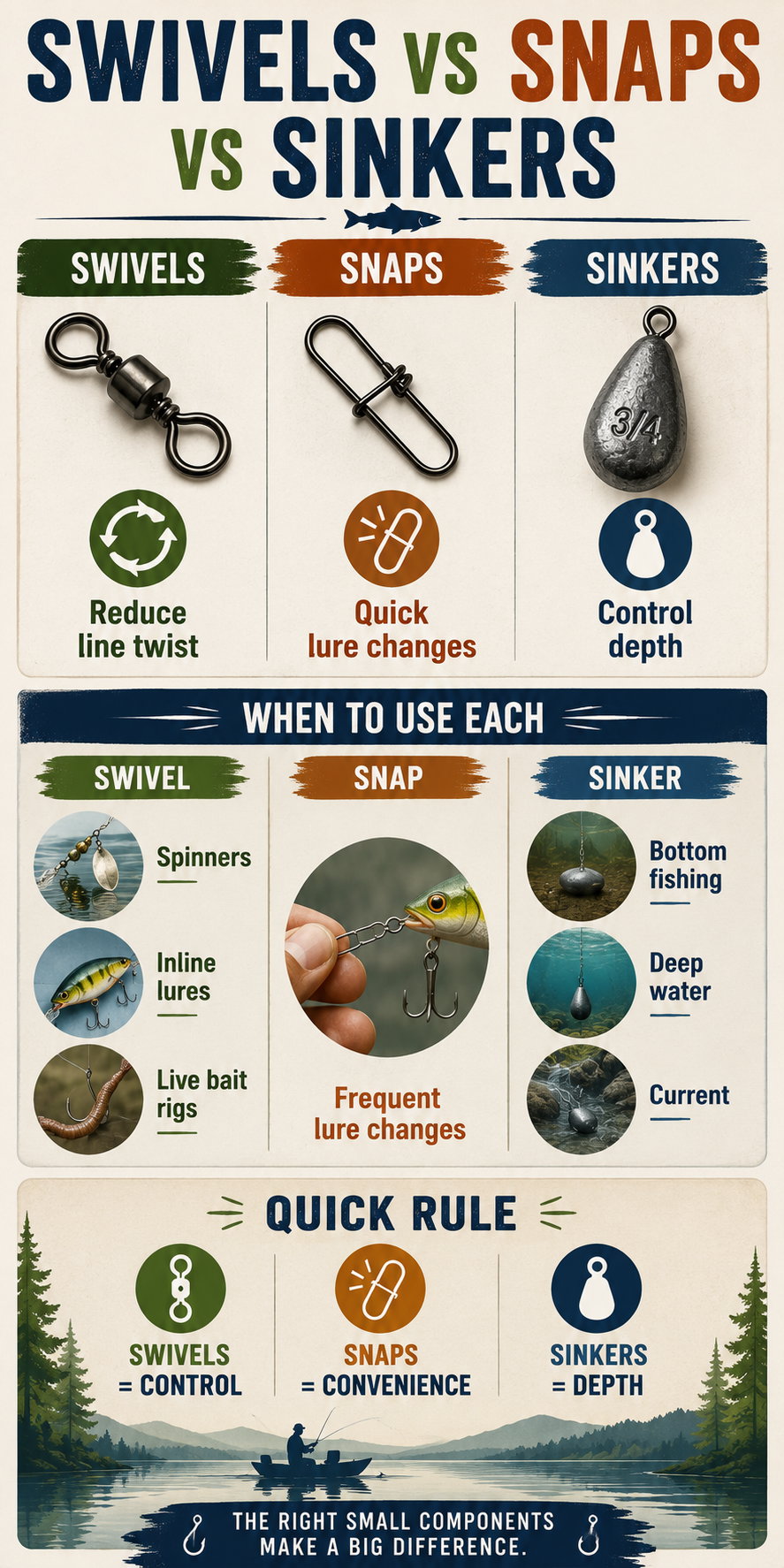
Understanding the role of swivels, snaps, and sinkers in your fishing setup is crucial for both beginners and seasoned anglers. These small but mighty tools can significantly enhance your fishing experience by reducing tangles, enabling quick lure changes, and helping you manage the depth at which your bait sits. Let’s take a closer look at how each of these components works and why they are essential to successful fishing.
Swivels#
Swivels are small yet mighty tools in your fishing arsenal. Simply put, they help connect different parts of your rig while allowing them to rotate freely. This is especially useful when you’re using lures or baits that might spin in the water. When fish pull on your line, a swivel keeps everything from tangling and creates a smoother fishing experience.
When you attach a swivel to your line, it acts as a pivot point. This is vital when you’re using a spinning lure; as it moves through the water, it can twist the line. A swivel prevents that twist, which can lead to weaker line and lost fish. You can find different sizes and styles of swivels, but a good rule of thumb is to choose one that matches the strength of your line.
To use a swivel, you’ll want to tie one end to your main line. You can use a simple knot like the improved clinch knot for a secure connection. Once that’s done, you can attach your leader line or lure to the other end. Just remember to check that everything is tight and secure before casting out. It’s a small step that can make a big difference in your success on the water.
Swivels also come in handy when you’re fishing in areas with heavy cover or when you’re using heavier tackle. They can absorb the sudden jerks and pulls that happen when a fish bites, reducing stress on your line. For beginners, this means less frustration and more chances to reel in that catch.
In short, don’t underestimate the power of a swivel. They might be small, but used properly, they can enhance your fishing experience and help you be more successful on the water.
Snaps#
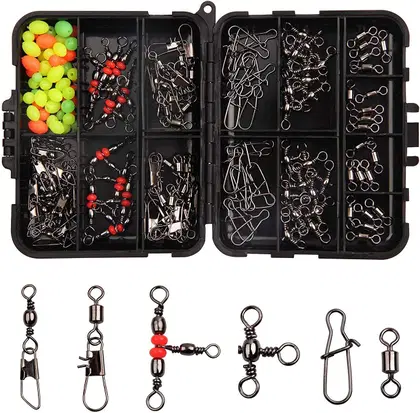
Snaps are handy little devices that make your fishing life a lot easier. Essentially, they are small clips that attach your fishing line to a lure or hook without needing to tie a knot. This can save you time and hassle, especially when you want to change your bait frequently.
When you’re out on the water, you might find that certain lures work better at different times of the day or under varying conditions. With snaps, you can quickly swap out lures without fumbling around with knots. Just open the snap, slide on your lure, and close it again. It’s that simple!
There are two main types of snaps you’ll encounter: the standard snap and the cross-lock snap. The standard snap is easy to use and great for most situations. The cross-lock snap is a bit more secure and is perfect for larger lures that might put more strain on the clip. If you’re targeting bigger fish, going with a cross-lock snap can give you peace of mind that your setup won’t come apart at a critical moment.
When attaching a snap, it’s crucial to ensure it’s closed securely. A loose snap can lead to losing your bait or, worse, that trophy fish you’ve been chasing. Always give it a little tug after you close it to make sure it’s locked in place.
Also, keep in mind that snaps can add a small amount of weight to your setup. While this is usually negligible, it can affect your casting distance slightly. If you’re fishing in shallow waters or using light lures, it might be worth considering how the snap fits into your overall setup.
In summary, snaps are a simple yet effective tool that can enhance your fishing experience. They save you time, allow for quick changes, and can adapt to different fishing conditions. Just remember to check their security before casting off!
Sinkers#
Sinkers are small weights that you attach to your fishing line to help your bait or lure sink to the desired depth. They play a crucial role in ensuring that your bait is presented where the fish are lurking, whether that’s at the bottom of a lake, river, or the ocean. Understanding how to use sinkers can significantly improve your chances of catching fish.
The most common types of sinkers are split-shot, egg sinkers, and bank sinkers. Split-shot sinkers are small and easy to attach; you simply pinch them onto your line. They’re great for light rigs and finesse fishing, allowing you to adjust your sinker position easily. Egg sinkers, on the other hand, are more streamlined and can slide freely on your line. This makes them ideal for situations where you want your bait to move naturally with the current.
When you’re fishing in deep waters or strong currents, a bank sinker can be a lifesaver. Its flat shape keeps it anchored to the bottom, preventing it from being swept away. Just make sure to choose a weight that matches the depth and conditions you’re fishing in. A heavier sinker will get you down quickly, but if it’s too heavy, it may scare off fish or make it hard for your bait to move naturally.
Placement of your sinker is also key. If you’re using a bobber, for instance, you’ll want to place your sinker below it to allow your bait to float at a specific depth. If you’re bottom fishing, place the sinker right above your hook. This way, your bait rests on the bottom where many fish like to hang out.
As a beginner, don’t be afraid to experiment with different sinkers and their placements. Fishing is as much about trial and error as it is about technique. Pay attention to how fish respond to your setup, and adjust accordingly. And remember, a well-placed sinker can make all the difference in your fishing success.
When You Should Use a Swivel#
Swivels are essential tools in a fisherman’s tackle box, and understanding when to use them can greatly enhance your fishing experience. These small yet effective devices help prevent line twists, especially when you’re using lures or baits that spin in the water. By incorporating a swivel into your rigging, you can focus more on the catch and less on the tangles, making it a straightforward solution for both novice and seasoned anglers alike.
Preventing line twist#
One of the most frustrating problems anglers face is line twist. It can cause tangles and reduce your casting distance, not to mention making reeling in a fish more difficult. That’s where swivels come in handy. By using a swivel, you can prevent this pesky twist from happening in the first place.
When you’re fishing with lures, especially those that spin or rotate, the line can get all twisted up as you reel in. This is where a swivel acts like a little hero. By attaching a swivel between your main line and the lure, you allow the lure to spin freely without affecting the line. It’s a simple solution that saves you a lot of headaches.
For example, if you’re using a spinner bait or a crankbait, tying on a swivel can keep your line straight and tangle-free. Just make sure to choose the right size swivel for your line and lure. A swivel that’s too heavy can weigh down your lure, while one that’s too small might not hold up under pressure.
In addition to preventing line twists with lures, swivels are also helpful when you’re using multiple rigs or fishing in heavy cover. They allow for quick changes without needing to retie your entire setup, which is especially useful if you need to switch out lures or leaders on the fly.
So, next time you’re gearing up for a fishing trip, consider adding a swivel to your setup. It’s a small accessory that can make a big difference in your fishing experience.
Fishing with spinning lures#
When you’re using spinning lures, a swivel can be your best friend. Spinning lures, like inline spinners or spoons, have a tendency to twist your line as they move through the water. This twisting can lead to tangles and reduced casting distance, which is the last thing you want while out on the water. That’s where the swivel comes in.
By attaching a swivel between your main line and the lure, you create a pivot point that allows the lure to spin freely without affecting the line. This helps keep everything neat and tangle-free. Simply tie a swivel to the end of your main line using a strong knot, and then connect your lure to the other end of the swivel.
It’s also a good idea to choose the right size swivel for your setup. A swivel that’s too small can break under pressure, while one that’s too big may create unnecessary drag in the water. Look for a swivel that matches the strength of your line and the type of fish you’re targeting.
When fishing with spinning lures, remember to check your gear regularly. Swivels can wear out or become damaged over time, especially if you’re catching fish or snagging on underwater structures. A quick inspection can save you from losing a big catch due to a faulty swivel.
Using a swivel not only makes your fishing experience smoother but can also help improve your overall success rate. So next time you’re out with spinning lures, don’t forget this simple yet effective tool!
Situations where swivels are unnecessary#
While swivels are handy in many fishing scenarios, there are times when you can skip them altogether. Understanding these situations can help simplify your gear and keep things efficient.
One key instance is when you’re using a straight-line rig, like a simple bobber setup with a single hook. In this case, a swivel isn’t needed because the line is already straight, and there’s minimal risk of line twist. The bobber helps keep your bait at the right depth, and the hook directly attached to your line works just fine.
Another situation is when you’re targeting fish in calm waters with minimal current. When you’re fishing from a boat or the shore in a still lake, the chance of line twist is low. Here, a direct connection between your line and hook can be more effective. It allows for a more natural presentation of your bait, which can be crucial for enticing bites.
If you’re using a lure that’s designed to swim or move in a certain way, adding a swivel might hinder that action. Many lures perform best when they’re directly tied to the line. The added hardware can change how the lure behaves in the water, potentially making it less appealing to fish.
Lastly, if you’re using a very light line for panfish or similar small species, tying directly to your hook can be beneficial. Light lines are often more sensitive, and reducing the number of knots and connections can enhance your overall feel for bites. In this scenario, a swivel might just add unnecessary weight and complexity.
Being aware of these situations can help you streamline your fishing setup and make more informed choices about when to use swivels.
How to Use Snaps Without Hurting Lure Action#
Using snaps can make changing lures a breeze, but if you don’t use them correctly, you might dampen that enticing action that fish find irresistible. It’s important to choose the right snap and attach it in a way that allows your lure to perform as intended. In this section, we’ll explore how to use snaps effectively while ensuring your lures maintain their natural movement in the water, helping you increase your chances of a successful catch.
Fast lure changes#
When you’re out fishing, there are times when a quick change of lure can make all the difference. Whether you’re switching from a crankbait to a spinner or trying out a new color, using snap swivels is a game changer. They allow you to change lures without having to re-tie your line, saving you precious time on the water.
To use snaps effectively, start by choosing a quality snap that matches your line and lure size. A snap that’s too heavy can sink your lure or affect its action, while one that’s too light might not hold up during a fight. Once you have the right snap, attach it to your line using a sturdy knot, like a Palomar knot or improved clinch knot, depending on your preference.
Now, here’s the key to maintaining your lure’s action: ensure that the snap you’re using is not too bulky. A larger snap can create drag in the water, causing your lure to wobble or swim incorrectly. Instead, opt for a snap that’s streamlined and designed for the type of lure you’re using. This helps keep the natural movement that fish find irresistible.
When you’re ready to switch lures, simply unclip the old one from the snap and attach your new lure. It’s that easy! Just remember to check the snap for wear and tear regularly, as a worn snap can lead to lost lures or even fish. Keeping an eye on your gear goes a long way in ensuring a successful day out fishing.
With a little practice, you’ll be able to perform these fast lure changes smoothly, keeping your fishing game strong and your time on the water productive.
Choosing the Right Snap Size#
When it comes to using snaps, picking the right size is crucial for maintaining the action of your lure. A snap that’s too large can weigh down your lure, causing it to sink improperly or not move as intended. On the other hand, a snap that’s too small might not hold up under the strain of a big catch.
Start by matching the snap size to your line and lure. If you’re using light monofilament or fluorocarbon lines, aim for smaller snaps. For heavier braided lines or larger lures, you can go for bigger snaps. A good rule of thumb is to select a snap that can comfortably accommodate your line without creating excess bulk.
Additionally, consider the type of fishing you’re doing. If you’re targeting smaller fish, a size #1 or #2 snap will often do the trick. For medium to larger species, such as bass or pike, you might want to use sizes #3 or #4. Always check the packaging for weight ratings or recommendations, as this can help guide your choice.
Remember, it’s not just about size; the shape of the snap also matters. A snap with a streamlined design will help preserve the natural action of your lure, especially when you’re retrieving it. Avoid bulky snaps that can disrupt the lure’s movement in the water.
Lastly, don’t forget to test your setup. After you’ve rigged your snap and lure, take a moment to see how they interact in the water. If you notice any unnatural movement or drag, it might be time to reassess your snap size or type. This simple step can help you ensure that your lure is performing at its best, giving you a greater chance of attracting fish.
Understanding Different Types of Sinkers#
When it comes to fishing, the right sinker can make all the difference in your success on the water. Sinkers, or weights, help your bait reach the desired depth and stay there, making them essential for various fishing techniques. In this section, we’ll explore the different types of sinkers available, their specific uses, and how to choose the right one for your fishing scenario. Whether you’re casting in a river or still water, understanding sinkers will help you improve your fishing game.
Split shot sinkers#
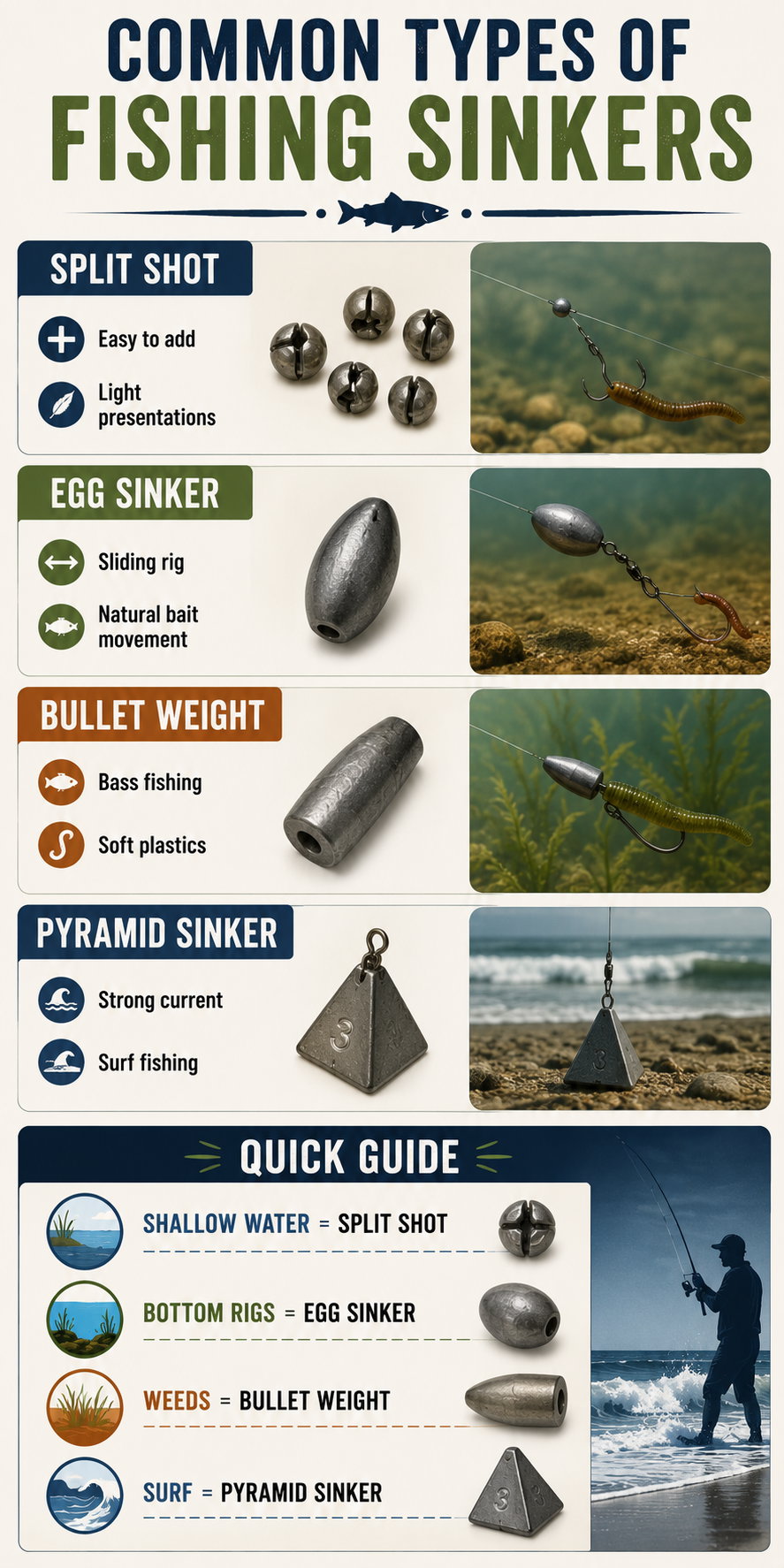
Split shot sinkers are a go-to choice for many anglers, especially beginners. They are small, round pieces of lead with a split in the middle, allowing you to pinch them directly onto your fishing line. This makes them incredibly versatile and easy to use.
To attach a split shot, just take the sinker and open the split slightly with your fingers. Position it on your line where you want the weight, and then squeeze the sinker closed around the line. You don’t need any special tools for this, which is part of their appeal. Just be careful not to pinch the line too tightly; you want it secure without damaging the line itself.
Split shot sinkers come in various sizes, so you can choose one based on the type of fishing you’re doing. For instance, smaller split shots work well when you’re targeting fish like panfish in shallow water, while larger ones are better for deeper waters or when you’re fishing in strong currents.
Another advantage of split shot sinkers is their adjustability. If you find that you’re not getting enough depth or that the current is too strong, you can easily add or remove them without having to re-tie your entire rig. This adaptability makes them perfect for experimenting with different setups.
They’re particularly effective for techniques like bottom fishing or when using live bait. Just remember to keep the sinker a few feet away from your hook to give your bait some room to move naturally. This can help entice fish more effectively, as they’re often more attracted to lively bait rather than something that’s weighed down too heavily.
As you get more comfortable with fishing, you’ll find that using split shot sinkers can open up new possibilities. They’re a simple yet effective way to enhance your fishing game, making sure your bait reaches the right depth without complicating your setup.
Egg sinkers#
Egg sinkers are a versatile option in the world of fishing weights. Their unique shape makes them particularly useful in various situations, especially when you need your bait to move freely along the line. This feature allows fish to nibble at your bait without feeling the weight, which can be a game-changer in getting them to bite.
To rig an egg sinker, start by threading it onto your fishing line. The pointed end of the sinker typically faces toward the reel. After that, tie a swivel to the end of your line. This helps prevent line twist and allows for easy adjustments when switching out lures or hooks. It’s a simple setup, but it can make a big difference in how your bait behaves in the water.
One of the best uses for egg sinkers is when you’re fishing in moving water, like rivers or streams. They can easily slide through the current without getting stuck on rocks or debris, keeping your bait near the bottom where many fish hang out. Just remember to pair them with a longer leader line, so your bait can drift naturally.
Another situation where egg sinkers shine is when you’re fishing from a boat. They help you maintain contact with the bottom, ensuring your bait stays in the strike zone. If you’re fishing deeper water, you might need to adjust the size of the sinker. Heavier sinkers help you get to the bottom quickly, while lighter ones work well in shallower areas.
When choosing an egg sinker, consider the type of fish you’re targeting and the conditions you’re facing. A good rule of thumb is to start with a moderate weight that feels comfortable for you to cast. You can always adjust as you learn more about your specific fishing environment.
Bullet weights#
Bullet weights are a popular choice among anglers, especially when fishing in heavy cover or for bass. Their design is simple, resembling a small bullet or cone, which allows them to slip through weeds and brush without getting snagged. This makes them particularly effective in environments where other sinkers might struggle.
When using bullet weights, the setup is pretty straightforward. You’ll typically thread the weight onto your fishing line first, followed by a bead, which helps protect your knot from wear and adds a little noise to attract fish. After that, tie on your hook. This configuration helps keep the bait near the bottom, where fish often hang out, without adding too much resistance.
Bullet weights come in various sizes, so you can pick one based on your target species and current conditions. If you’re in a fast current or looking for larger fish, a heavier weight will help you maintain control. Conversely, if you’re fishing in calm waters, a lighter weight might be all you need.
When casting with bullet weights, aim for accuracy. The streamlined shape allows for longer casts, but you still want to be mindful of where your bait lands. Once it’s in the water, give it a moment before you start reeling. This lets your bait settle and increases your chances of a bite.
It’s also worth noting that bullet weights are often paired with soft plastics or live bait. The way they allow your bait to move in the water can mimic the natural action of prey, making it more enticing for fish. Experiment with different retrieval speeds and techniques to see what works best in your local waters.
Pyramid sinkers#
Pyramid sinkers are a popular choice among anglers, and for good reason. Their unique shape allows them to penetrate the bottom structure easily, making them perfect for various fishing situations. The flat sides help them stay put on the sandy or muddy bottoms, which is especially useful when you’re fishing in currents.
When you’re using a pyramid sinker, size does matter. A heavier sinker will keep your bait anchored in strong currents, while a lighter one can be useful in calmer waters. As a general rule, start with a sinker that’s heavy enough to hold your bait in place but not so heavy that it scares off the fish.
To rig a pyramid sinker, simply slide it onto your main line, followed by a bead to protect your knot, and then tie on your hook. This setup allows the sinker to sit on the bottom while your bait floats above it, making it more enticing to fish swimming by. If you’re fishing from a boat or a pier, you can even use a dropper loop to hang your bait off the main line, which can help you catch more fish.
One of the best things about pyramid sinkers is their versatility. You can use them for surf fishing, bottom fishing, or even in deeper waters. Just remember to check your local regulations regarding sinker weights and styles, as some areas have specific rules to protect the environment and local wildlife.
Overall, pyramid sinkers are an excellent tool in your fishing arsenal, and mastering their use can help you land more fish on your next outing.
Matching Sinker Weight to Fishing Conditions#
Choosing the right sinker weight can make a significant difference in your fishing success. Whether you’re casting from the shore or drifting in a boat, the conditions you’re facing - like current strength, water depth, and bait type - will dictate the weight you should use. Understanding how to match your sinker to these elements not only helps you present your bait effectively but also improves your ability to feel bites and react in a timely manner. Let’s dive into how you can select the right sinker weight based on the environment you’re fishing in.
Shallow water#
When you’re fishing in shallow water, understanding how to match your sinker weight to the environment is key. Typically, shallow water is considered to be anywhere from a few inches to about 10 feet deep. In these areas, the fish are often closer to the surface, so you want to avoid using overly heavy sinkers that can drag your bait down too quickly.
A good rule of thumb is to start with lighter sinkers, around 1/8 to 1/4 ounce. This allows your bait to float or gently move in the current, making it more appealing to fish. Lighter sinkers also create less disturbance in the water, which can help avoid spooking skittish fish that are cruising near the top.
If you’re fishing in areas with a bit of current, you might need to go slightly heavier - maybe up to 1/2 ounce. This will help keep your bait in the strike zone without overwhelming the fish. Just remember, the goal is to present your bait naturally.
Another aspect to consider is the type of bait you’re using. If you’re using live bait, a lighter sinker will allow the bait to swim and move more naturally, which is often more enticing to fish. On the other hand, if you’re using lures, you might want a sinker that complements the action of the lure, ensuring it gets down to the right depth without losing that enticing movement.
In shallow water, also pay attention to the bottom structure. If you’re fishing near rocks or weeds, a lighter sinker can help prevent snagging. If you do encounter snags often, you might want to switch to a sinker that’s slightly heavier, but be mindful not to overdo it. The key is to find a balance that allows you to fish effectively while keeping your bait looking as natural as possible.
Deep water#
When you’re fishing in deep water, choosing the right sinker weight is crucial for getting your bait to the fish. In deeper lakes or offshore spots, currents and water pressure can affect how quickly your line sinks. A heavier sinker will help you reach the bottom faster, allowing you to keep your bait in the strike zone where fish are likely to be hunting.
As a general rule, aim for a sinker weight that will get your bait down to the desired depth while also accounting for any current. If you’re in a location with strong currents, you might need to go a bit heavier. For example, if you’re using a light sinker in a fast-moving stream, it could get swept away before it even hits the bottom.
On the other hand, if the water is calm and you’re fishing in depths of 30 feet or more, a moderate sinker may be all you need. You want to find that sweet spot where your bait sinks steadily but is still able to be effectively retrieved without too much effort.
When selecting your sinker, pay attention to the type of fish you’re targeting and the structure of the bottom. If you’re fishing around rocks or other underwater structures, a more streamlined sinker can help prevent snagging. It’s also helpful to experiment with different weights until you find what works best in your specific fishing spot.
Remember, the goal is to keep your bait in the right spot, so don’t hesitate to adjust your sinker weight as conditions change. Whether you’re battling a strong current or trying to get your bait down in deep calm waters, the right sinker weight can make all the difference in your fishing success.
Current and wind#
When you’re out on the water, understanding how current and wind can affect your fishing is crucial. These factors can make a big difference in how you choose your sinker weight.
Assessing the Current If you’re fishing in a river or any body of water with noticeable current, a heavier sinker is often necessary. The stronger the current, the more weight you’ll need to keep your bait in place. For example, if you’re casting into a fast-moving river, a 1-ounce or even 2-ounce sinker might be required to ensure your bait stays near the bottom where the fish are.
Dealing with Wind Wind can also play a significant role in how your bait behaves in the water. A gentle breeze might not affect your setup much, but strong winds can push your line and bait away from where you want them to be. In windy conditions, consider using a heavier sinker to help your bait cut through the wind. This way, your presentation remains stable, and fish can find your bait more easily.
Finding the Right Balance It’s all about finding the right balance. If you use a sinker that’s too heavy, your bait might not look natural, which can scare fish away. On the flip side, if it’s too light, your bait may drift away from your intended spot, making it harder for fish to spot it.
A good tip is to start with a weight that feels right for the conditions you’re facing, then adjust as needed. If you find you’re not getting bites, consider changing your sinker weight to see if it improves your situation. Remember, adapting to current and wind will help improve your chances of landing a catch.
Common Mistakes With Swivels, Snaps, and Sinkers#
When it comes to fishing gear like swivels, snaps, and sinkers, even the smallest oversight can lead to frustrating experiences on the water. New anglers often make a few common mistakes that can affect their success, from using the wrong type of tackle to improper rigging techniques. Understanding these pitfalls can help you maximize your time spent fishing, making your adventures more enjoyable and productive. Let’s explore some of these frequent errors and how to avoid them.
Using components that are too large#
One of the most common mistakes anglers make is using swivels, snaps, or sinkers that are too large for their setup. This can create a range of issues that might affect your fishing success.
When you choose components that are oversized, they can become cumbersome and make your rig less effective. For instance, if you’re using a heavy sinker on a light rod, it can lead to casting problems. You might struggle to get your bait out far enough, or worse, damage your rod.
Additionally, large swivels or snaps can scare off fish. Many species are quite wary and can be put off by the sight of bulky hardware. The goal is to make your setup as natural as possible, so sticking with appropriately sized components helps keep your bait looking inviting.
A good rule of thumb is to match the size of your components to the type of fish you’re targeting and the overall setup. If you’re after panfish, use smaller swivels and sinkers. For larger species like catfish, you would opt for sturdier gear, but still, avoid going excessively large.
Always consider the balance of your rig. If everything feels too heavy or awkward, it likely is. Make adjustments as needed and pay attention to how your tackle performs on the water. It’s all about creating a well-rounded setup that feels right and attracts fish effectively.
Adding unnecessary hardware#
One of the most common mistakes anglers make is adding too much hardware to their setups. While it may seem like using multiple swivels, snaps, and sinkers can enhance your rig, it often leads to complications and frustration on the water.
For starters, each piece of hardware you add can create additional points of failure. If you’re using multiple swivels to connect various parts of your line, you increase the risk of tangling, which can leave you spending more time untangling than actually fishing. A straightforward setup with fewer components is often more effective and easier to manage.
Additionally, extra weight from unnecessary sinkers can impact how your bait moves in the water. If your rig is too heavy, it may not present your bait in the most natural way. Fish are smart and can be deterred by a bait that doesn’t look right. Use just enough weight to get your bait where it needs to go without overloading it.
When you’re choosing your components, think about the job each piece needs to do. A single, quality swivel can reduce line twist and allow for easier lure changes without the need for a snap. If you find yourself reaching for multiple snaps and swivels, consider whether you can achieve the same results with a simpler approach. Less can truly be more in fishing, so keep your gear streamlined for a better experience.
Ignoring knot strength#
When you’re fishing, the knots you tie can make or break your success on the water. One common mistake beginners make is not paying enough attention to knot strength. A weak knot can slip or break, costing you not just your tackle but also that big fish you’ve been waiting to catch.
First, understand that different knots serve different purposes. Some are better for connecting your line to a swivel, while others work well for tying on a hook or lure. Research a few reliable knots, such as the Palomar knot or the improved clinch knot. Take your time to practice them until you can tie them confidently and quickly.
Another important tip is to moisten the knot before tightening it. This simple step helps reduce friction, which can weaken the line and lead to breakage. Always pull on the standing line and the tag end to ensure your knot is secure.
Lastly, remember to check your knots regularly throughout your fishing trip. If you notice any wear or fraying on your line, it’s worth retying. A little attention to knot strength can save you a lot of heartache when that trophy fish finally bites.
Building a Simple Terminal Tackle Setup for Beginners#
When you’re just starting out in fishing, the array of terminal tackle options can feel overwhelming. However, setting up a simple rig with swivels, snaps, and sinkers is easier than it seems. This section will guide you through the basics of assembling these essential components, ensuring you’re well-equipped for your next fishing adventure without getting lost in the details. Let’s dive into the fundamentals that will make your time on the water more enjoyable and productive.
The Few Components Most Anglers Need Most Often#
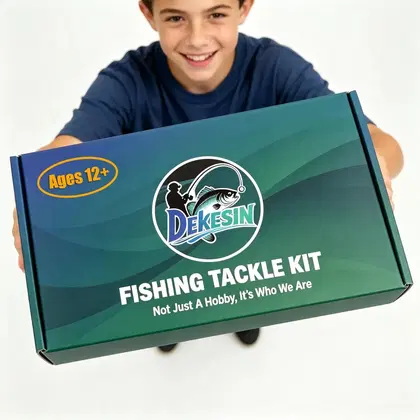
When you’re starting out in fishing, it can feel overwhelming with all the gear options available. However, there are a handful of essential components that most anglers find invaluable. Understanding how to use swivels, snaps, and sinkers properly can greatly enhance your fishing experience. These basics not only help simplify your setup but also increase your chances of success on the water. Let’s break down these key components and how to make the most of them.
In the world of fishing, it’s easy to overlook the small components like swivels, snaps, and sinkers, but these little tools can make a big difference in your success on the water. By understanding how to choose and use them effectively, you’ll not only improve your chances of landing that prized catch but also enhance your overall fishing experience. Remember, it’s all about matching the right gear to your conditions and being mindful of how these components interact with your lures. So, whether you’re just starting out or looking to refine your skills, take the time to get familiar with these essentials. After all, a well-equipped angler is a happy angler, and who doesn’t want to reel in a fish or two while enjoying the great outdoors? Happy fishing!