
Affiliate disclosure: As an Amazon Associate, we may earn from qualifying purchases made via links on this page - at no extra cost to you. See our Affiliate Disclosure.
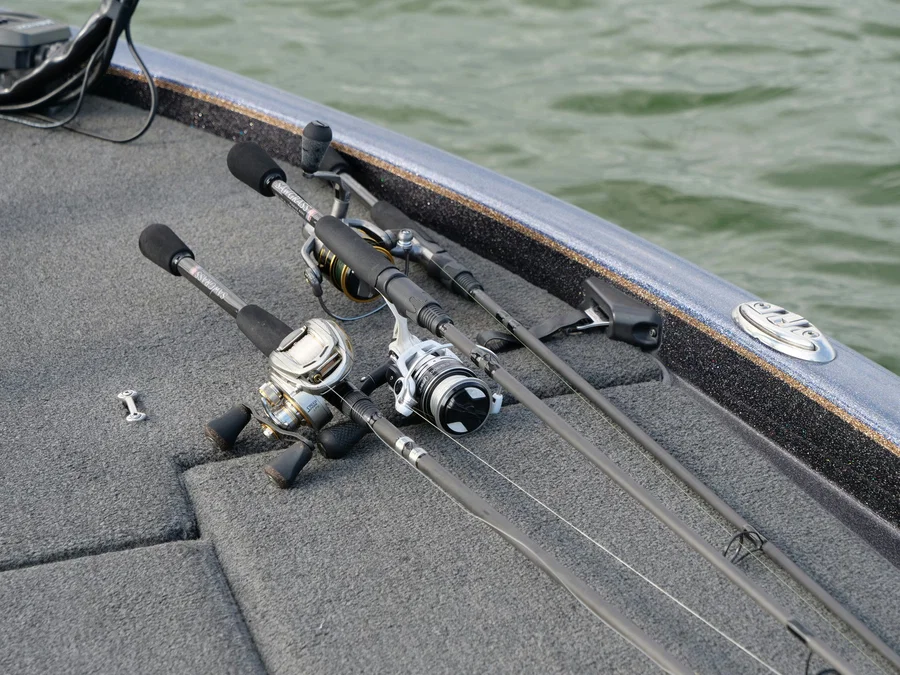
Choosing the right fishing reel can feel a bit like trying to pick the best flavor of ice cream - there are so many options, and everyone has their favorites. If you’re just starting out and feeling a bit overwhelmed by the spinning and baitcasting debate, you’re not alone. Both types of reels have their pros and cons, and understanding these can make all the difference in your fishing experience.
Spinning reels are often recommended for beginners thanks to their user-friendly design and versatility. On the other hand, baitcasting reels offer some advanced features that might pique your interest as you gain confidence on the water. So, how do you decide which one is right for you? In this article, we’ll break down the key differences, helping you to choose the reel that matches your style, skill level, and fishing goals. Grab your tackle box, and let’s dive in!
Why This Debate Never Really Goes Away#
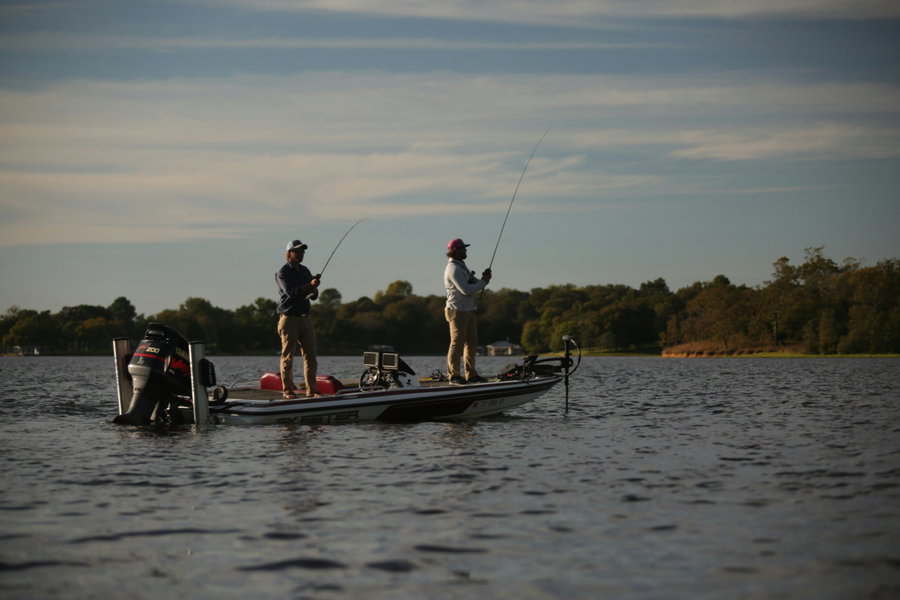
The discussion between spinning and baitcasting reels is as old as fishing itself, and for good reason. Each type of reel has its own unique advantages and caters to different fishing styles and preferences. As newcomers dive into the world of angling, they often find themselves torn between these two popular options. Understanding the strengths and weaknesses of each can help you make a more informed choice, whether you’re casting for bass in a local pond or chasing trout in a mountain stream.
Why most anglers eventually try both reel types#
When you start your fishing journey, you often hear the debate about spinning reels versus baitcasting reels. It’s a topic that many anglers discuss passionately, but it’s not just talk. Most anglers eventually find themselves trying both types of reels, and there are good reasons for that.
Spinning reels are typically easier to use for beginners. They’re forgiving, versatile, and great for a variety of fishing situations. If you’re just getting started, a spinning reel allows you to learn the basics without the added complexity of casting techniques. You can easily cast lighter lures and baits, making them a good choice for catching panfish or bass in smaller waters.
As you gain more experience and confidence, you might feel tempted to explore baitcasting reels. These reels offer a level of precision and control that can enhance your fishing game. They excel when casting heavier lures or when you need to make long casts with accuracy. Many anglers find that baitcasting reels allow them to feel more connected to their line and lure, which can improve their overall fishing experience.
Trying both types can also help you figure out your personal style. Some anglers love the simplicity of spinning reels, while others appreciate the finesse of baitcasting. It’s all about what feels right for you. Plus, as you encounter different fishing conditions - like windy days or heavily vegetated waters - you may find that one reel type performs better than the other.
Ultimately, experimenting with both spinning and baitcasting reels enriches your fishing toolkit. It opens up new possibilities and techniques that can make your time on the water even more enjoyable.
The biggest misconceptions about spinning and baitcasting reels#
When it comes to choosing between spinning and baitcasting reels, there are plenty of misconceptions that can confuse beginners. Let’s clear some of those up.
One common myth is that baitcasting reels are only for experienced anglers. While it’s true that they require a bit of practice to master, they offer great control and accuracy for all skill levels. Many beginners find success with baitcasting reels after just a little bit of practice. The key is to start with a reel that has a good braking system, which can help prevent backlash.
On the flip side, some believe that spinning reels are only for light line and small lures. This isn’t the case. Spinning reels are versatile and can handle a wide range of line weights and lure sizes. They’re especially effective for casting lighter baits and can be used for everything from panfish to larger species like bass.
Another misconception is that baitcasting reels are inherently more accurate than spinning reels. While baitcasters can provide precision, spinning reels can also deliver accurate casts, especially in windy conditions. The open-face design of spinning reels allows for smoother line flow, which can help with distance and accuracy.
Many new anglers think spinning reels are easier to use than baitcasters. While spinning reels are generally simpler to set up and cast, that doesn’t mean baitcasters are overly complicated. With a little practice, you’ll find that both types of reels have their learning curves and unique advantages.
Finally, some believe that baitcasting reels are always more powerful. While they do excel in terms of power and line capacity for larger fish, many spinning reels can also handle hefty catches. It’s important to match your reel to the type of fishing you plan to do, rather than relying solely on the type of reel when considering power.
Understanding these misconceptions can help you make a more informed choice and ultimately enjoy your time on the water more.
How Spinning Reels and Baitcasters Actually Differ#
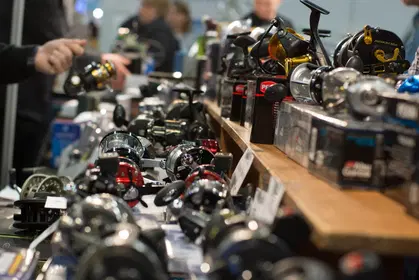
When it comes to choosing the right reel for your fishing adventures, understanding the differences between spinning reels and baitcasting reels is essential. Each type has its own unique features, strengths, and ideal uses, which can greatly influence your fishing experience. Whether you’re casting for trout in a peaceful stream or battling larger species in open water, knowing how these reels differ will help you make an informed decision that suits your style and needs.
Line release and spool design#
When you’re choosing between spinning reels and baitcasting reels, one of the biggest differences to consider is how they release line. This is all about the spool design and how it interacts with your fishing line.
Spinning reels have an open-faced spool that allows the line to flow off easily. When you cast, the bail arm opens, letting the line unspool freely. This design makes it super easy for beginners to get the hang of casting. You can use lighter lures and different types of line without worrying too much about tangles. It’s a forgiving setup, perfect for those just starting out.
On the other hand, baitcasting reels come with a closed spool that sits above the rod. This setup provides more control and accuracy, especially for heavier lures. However, it requires a bit more finesse when casting. You need to use your thumb to control the line as it comes off the spool, which can take some practice. If you don’t get the timing right, you might end up with a backlash - a frustrating knot of tangled line that can ruin your day.
In terms of spool design, baitcasters typically have a smaller diameter spool which helps with casting distance and accuracy. They also usually have adjustable brakes to help manage how fast the line comes off the spool. This means you can fine-tune your reel for different conditions or lures, but it does add an extra layer of complexity compared to the straightforward spinning reel.
So, if you’re just getting started and want something simple and versatile, a spinning reel is a great choice. But if you’re ready to dive deeper into fishing techniques and want that precision, a baitcaster might be worth the extra effort to learn.
Casting mechanics and control#
When it comes to casting mechanics, spinning reels and baitcasting reels operate quite differently, and understanding these differences can help you choose the right gear for your fishing style.
Spinning reels are generally easier to use for beginners. They have an open face, which means you can see the line and spool clearly. When you cast, you simply flip the bail open, hold the line with your finger, and swing the rod to launch the bait. This makes it straightforward. You don’t have to worry as much about backlash or tangles, which can be a headache for newcomers.
On the flip side, baitcasting reels offer more control over your casts. They allow for precision and accuracy, especially when you’re trying to place your lure in tight spots, like under overhanging branches or beside rocks. With a baitcaster, you control the speed of the line as it comes off the spool, which can help you make longer and more accurate casts. However, they do require a bit more technique to master. If you cast too hard or don’t use the right settings, you might end up with a mess of tangled line.
Another aspect to consider is line control. Baitcasters are designed to handle heavier lines and lures, which can be beneficial when fishing in tougher conditions or for larger fish. The braking systems on baitcasting reels help prevent backlash by controlling how quickly the spool spins when you cast. This feature can take some time to get used to, but once you have it down, you’ll find you have a lot of control over your casts.
In contrast, spinning reels can easily handle lighter lines and lures. They excel at finesse techniques, like drop shotting or using small jigs. If you’re targeting species that require a lighter touch, spinning gear is often the way to go.
Ultimately, the choice between spinning and baitcasting reels comes down to your comfort level and the type of fishing you plan to do. Each has its unique casting mechanics and level of control, so consider what feels best for you on the water.

Why Beginners Usually Start with Spinning Reels#
For many newcomers to fishing, spinning reels are often the go-to choice. Their straightforward design and ease of use make them a perfect fit for those just starting out. With a spinning reel, you can quickly learn the basics of casting and retrieving, which helps build your confidence on the water. Plus, they are versatile enough to handle a wide range of fishing techniques and species, making them a practical option as you explore the sport.
Easier casting and fewer tangles#
When you’re just starting out in fishing, the last thing you want is to spend more time untangling lines than actually catching fish. This is where spinning reels really shine. They are designed to be user-friendly, making them a popular choice for beginners.
Spinning reels have an open-faced design, which allows you to see the line clearly as it spools. This visibility helps you avoid common issues like line twists and knots. With a spinning reel, you can simply hold the line with your finger, cast it out, and let it go when you’re ready. This makes for a smooth and straightforward casting experience.
Another benefit of spinning reels is their versatility. They can handle a wide range of line weights and lure sizes, making them suitable for various fishing situations, whether you’re fishing in a pond, lake, or even the ocean. You won’t need to worry about overloading your gear when you’re just starting out.
When it comes to casting, the technique with spinning reels is generally more forgiving. If you make a mistake - like casting too hard - you’re less likely to end up in a tangled mess compared to a baitcasting setup. With practice, you’ll find that spinning reels allow you to focus more on your technique and less on correcting tangles.
Overall, if you’re new to fishing and want to enjoy your time on the water without the hassle of complicated gear, a spinning reel is a smart choice. It’s all about making your fishing experience as enjoyable as possible, and spinning reels definitely help with that.
Faster learning curve on the water#
When you’re just starting out, spinning reels are often the go-to option for a good reason: they’re easier to use. With a spinning reel, you don’t have to worry about the complexities of line management that come with baitcasting reels. The design is straightforward, making it simple to learn the basics of casting and reeling in fish.
Spinning reels allow you to make quick adjustments while fishing. You can easily switch from casting to retrieving without fumbling with settings. This hands-on experience helps you get comfortable with the rhythm of fishing faster. Just open the bail, load your line, and you’re ready to cast. It feels intuitive, which can boost your confidence as you spend time on the water.
Another benefit is the forgiving nature of spinning reels. If you make a mistake, like casting too hard or accidentally backlashing the line, it’s often not a big deal. You can quickly fix any tangles or snags without needing advanced techniques. This freedom to practice without the fear of damaging your gear lets you focus on developing your skills instead of worrying about making a perfect cast every time.
Additionally, spinning reels are versatile. They handle a variety of fishing techniques and tackle sizes. Whether you’re fishing for panfish in a local pond or targeting bass in a larger lake, you can adapt easily without switching your gear. This versatility means you can experiment with different lures and baits, helping you learn what works best in your fishing environment.
Overall, if you’re just starting your fishing journey, spinning reels provide a user-friendly experience that encourages exploration and growth. With a little time on the water, you’ll find yourself becoming more comfortable and capable in no time.
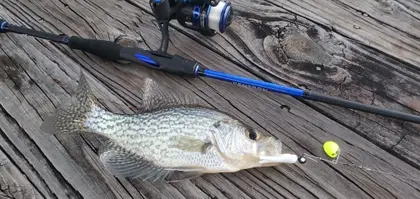
Where Baitcasting Reels Have a Clear Advantage#
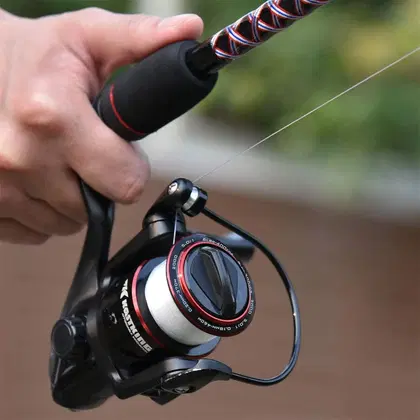
When it comes to precision and control, baitcasting reels shine in several key areas that make them a favorite among many anglers. Whether you’re targeting heavy cover or casting heavy lures, these reels offer the ability to handle larger line and tackle, providing improved accuracy and distance. If you’re looking to step up your fishing game, understanding where baitcasting reels excel can help you make informed choices on the water.
Accuracy around cover and structure#
When you’re fishing around trees, rocks, or any kind of cover, having a baitcasting reel can really improve your accuracy. Unlike spinning reels, baitcasters allow you to place your lure exactly where you want it. This is especially important when you’re trying to target fish hiding in tight spots.
With a baitcasting setup, you can easily control the distance and direction of your cast. The key is learning how to use your thumb to manage the spool. By applying gentle pressure with your thumb as the line unwinds, you can prevent backlash and fine-tune your cast. This gives you the ability to drop a lure right next to a submerged log or into the shadows of a bush, which is where many fish like to hang out.
Another advantage is the way baitcasting reels handle heavier lines and larger lures. If you’re using bulky baits or need to toss something with a bit of weight, a baitcaster shines here. The sturdy construction and gearing system make it easier to launch those heavier setups accurately.
While it might take a little practice to master, once you get the hang of it, you’ll find that the precision you gain with a baitcaster can make all the difference in your fishing success. Being able to hit those tight spots consistently can lead to more bites, especially in areas where fish are hiding.
Better control with heavier lures#
When it comes to fishing with heavier lures, baitcasting reels really shine. These reels are designed to handle the added weight and provide more precision in your casts. If you’re looking to throw bigger baits - like swimbaits, jigs, or larger spoons - a baitcaster gives you the control you need.
One of the key advantages is the gear ratio. Baitcasting reels often have a higher gear ratio, meaning you can retrieve your lure faster. This is particularly useful when you’re trying to cover a lot of water or when fish are actively chasing down fast-moving prey. You can quickly reel in a big lure and make another cast, keeping your fishing time efficient.
Another benefit is the ability to adjust your drag settings. With heavier lures, you might encounter stronger fish that put up a fight. A baitcaster allows you to fine-tune your drag to match the strength of your line and the species you’re targeting. This can make a big difference in successfully landing those tough catches.
Casting accuracy is also a notable perk. Baitcasting reels allow you to place your lure exactly where you want it - whether that’s near a submerged log, around rocks, or in the middle of a weed bed. With practice, you’ll find that you can drop your bait right into the sweet spot, which can lead to more bites.
Lastly, the braking systems on baitcasters help manage your line’s speed and prevent backlash. This is important when you’re casting heavier lures, as the momentum can cause a mess if not controlled properly. Once you get the hang of it, you’ll appreciate how these features work together to offer a smooth and controlled fishing experience.
Power when targeting larger fish#
When you’re headed out to catch larger fish, baitcasting reels really shine. These reels are designed to handle heavier lines and bigger lures, which is essential when you’re wrestling with a trophy-sized catch. The construction of baitcasting reels typically includes stronger materials and gears, giving you the leverage you need in tough battles.
One of the key benefits is their gear ratio. Baitcasting reels often have higher gear ratios, allowing you to reel in line faster. This can be a game-changer when you’re trying to bring in a large fish that might make a run for it. A higher gear ratio means you can recover line quickly, keeping the tension consistent and giving you better control.
Another advantage is the drag system. Baitcasting reels usually come with more robust drag systems that let you adjust the resistance as needed. This means if a larger fish makes a sudden dash, you can set the drag to prevent your line from breaking. It’s all about having that extra bit of control when you’re dealing with a powerful opponent.
If you’re planning to target species like bass, pike, or muskie, a baitcasting reel will give you the performance boost you need. While they might require a bit of a learning curve for beginners, the benefits in power and control when handling larger fish make them worth the effort. Over time, you’ll appreciate how much more capable you feel when you’re out on the water, ready to tackle whatever bites your line.
Comparing Performance in Real Fishing Situations#
When it comes to choosing between spinning and baitcasting reels, understanding how each performs in real fishing scenarios can greatly influence your decision. Both types of reels have their strengths and weaknesses, and the best choice often depends on the conditions you’ll be fishing in and the techniques you plan to use. Let’s dive into how these reels stack up when it’s time to cast a line and reel in your catch.
Small ponds and neighborhood lakes#
When you’re fishing in small ponds or neighborhood lakes, the type of reel you choose can make a big difference in your success. Here, both spinning and baitcasting reels have their advantages, depending on what you’re after and how you like to fish.
Spinning reels are often the go-to choice for beginners in these settings. They’re user-friendly and work well with light lines and lures, which are perfect for catching panfish like bluegill or crappie. The simplicity of casting with a spinning reel makes it easier to control your lure, especially if you’re just starting out. You can make short, precise casts into tight spots around lily pads or downed trees without worrying too much about backlash.
On the other hand, if you’re targeting larger species like bass, a baitcasting reel might be worth considering. It allows for greater accuracy and control when casting heavier lures. Baitcasting reels excel when you’re using thicker line, which can be crucial if you’re fishing in areas with lots of snags. However, they do require a bit more practice to master, so if you’re new to fishing, be prepared to spend some time getting comfortable with it.
Consider the types of lures you’ll be using as well. If you enjoy fishing with topwater plugs or heavier jigs, a baitcaster can give you the performance you need. But for finesse techniques like drop-shotting or using small worms, a spinning setup is typically the best option.
Ultimately, the decision between spinning and baitcasting reels comes down to your comfort level and the fishing styles you want to explore. Both can be effective in small ponds and lakes, so think about what species you want to target and how you like to fish.
Rivers and moving water#
When fishing in rivers or any moving water, the choice between spinning and baitcasting reels can greatly affect your experience and success. Each type of reel has its strengths, depending on the conditions you face and the species you’re targeting.
Spinning reels are often the go-to option for beginners in rivers. They’re easy to use and handle lighter lines and lures well. Their open-faced design allows for smooth casting, which is crucial when you’re trying to place your bait in specific spots, like behind rocks or near current breaks. If you’re targeting species like trout or panfish, a spinning setup can help you cover a lot of water without getting tangled up.
On the other hand, baitcasting reels offer more control and precision, which can be beneficial in faster currents. They allow for better line retrieval and are often used for heavier lures, like when you’re targeting bass or catfish. The challenge is that they require a bit more skill to master. If you can manage to control the backlash - a common issue for beginners - you’ll find that baitcasting reels can give you an edge, especially when you’re casting into tight spots.
One important factor to consider is the type of lure you’ll be using. If you plan on throwing light baits like spinners or small jigs, a spinning reel is usually the way to go. However, if you’re using heavier lures or fishing in areas with thicker cover, a baitcaster might serve you better.
Another key consideration is the current itself. In fast-moving water, a spinning reel can help you maintain better control over your line and keep your bait in the strike zone longer. Conversely, if you’re fishing in a slower section of the river, a baitcaster can allow for longer casts and a more strategic approach to target your catch.
Ultimately, your choice will depend on your comfort level with each reel type and the specific fishing conditions you’re facing. Whether you choose spinning or baitcasting, spending time on the water and experimenting with both will boost your skills and enjoyment.
Heavy cover and bass fishing#
When you’re out bass fishing in heavy cover - think thick weeds, submerged trees, or rocky structures - the type of reel you choose can make a big difference. In these situations, having the right gear is crucial for a successful day on the water.
Baitcasting reels often shine in heavy cover fishing. They give you more control over your line and allow for precise casting. This accuracy is especially important when you need to place your lure right next to a snag or in a small opening among the thick vegetation. Baitcasters usually handle heavier lines, which means you can pull a bass out of the weeds without worrying about your line snapping.
However, if you’re just starting out, you might find spinning reels easier to handle. They are generally more forgiving, especially when it comes to casting. With a spinning reel, you won’t have to worry as much about backlash, which can be a common headache for beginners using baitcasters. This makes it easier to focus on where you’re casting instead of worrying about your tackle.
One strategy with spinning reels is to use lighter lures, which can still be effective in heavy cover. You can finesse your way into tight spots without alarming the fish. Just remember to use a stronger line and be prepared to give it some muscle if you hook a big one.
Ultimately, it boils down to what you feel comfortable with. If you’re up for the challenge, a baitcasting reel might be the way to go for heavy cover bass fishing. If you prefer a more straightforward approach, stick with a spinning reel until you build your confidence. Each has its strengths, so try both and see what fits your style best!
Common Mistakes When Choosing Between the Two#
When diving into the world of fishing reels, it’s easy to feel overwhelmed by the choices available, especially when deciding between spinning and baitcasting reels. Many beginners make common mistakes that can lead to frustration on the water. By understanding these pitfalls, you’ll be better equipped to select the right gear that enhances your fishing experience rather than complicates it.
Buying based on trends instead of fishing style#
When it comes to choosing between spinning and baitcasting reels, it’s easy to get caught up in the latest trends. You might see a popular angler using a sleek baitcaster on social media and feel the urge to grab one for yourself. But before you dive in, it’s essential to focus on what suits your fishing style.
First, think about where and how you plan to fish. Spinning reels are fantastic for beginners because they’re user-friendly and versatile. If you’re casting light lures or fishing in smaller streams, a spinning reel might be your best bet. They handle lighter lines well and allow for easy casting without the risk of backlash. This is especially helpful if you’re still mastering your casting technique.
On the other hand, baitcasting reels offer more control and precision, especially for heavier lures and in freshwater environments like lakes or rivers. If you’re looking to fish for larger species or want to throw heavier baits, a baitcaster could be the way to go. However, keep in mind that they require a bit more skill to operate effectively and can be tricky for beginners.
Instead of choosing based on what looks cool or what everyone else is using, assess your fishing habits. Ask yourself questions like: What type of fish am I targeting? What kind of lures will I be using? And what is my comfort level with casting techniques?
Your choice should align with your fishing goals and the environments you’ll be exploring. Trends come and go, but what matters most is finding equipment that enhances your experience on the water.
Choosing gear that doesn’t match target species#
When you’re picking between spinning and baitcasting reels, one of the biggest mistakes is choosing gear that simply doesn’t match the fish you’re after. Each reel type has its strengths and weaknesses, and understanding these can help you make a more informed decision.
For instance, if you’re targeting smaller fish like panfish or trout, a spinning reel is generally the way to go. They are lighter, easier to handle, and allow for more finesse in your presentations. You can use lighter lines and smaller lures, which can be crucial for enticing skittish fish.
On the other hand, if you’re heading out for larger species like bass or pike, a baitcasting reel might be your best bet. These reels are better suited for heavier line and larger lures, giving you the power you need to reel in bigger fish. They also offer greater accuracy for casting, which can be an advantage when you need to place your lure in a tight spot.
But it’s not just about the size of the fish; consider the environment, too. If you’re fishing in heavy cover, a baitcasting reel can give you the muscle to pull fish out of thick weeds or snags. In contrast, if you’re fishing in open water, a spinning reel might give you better distance and the ability to cast lighter lures without tangles.
Always think about what you’re trying to catch and where you’re fishing. Matching your gear to your target species not only improves your chances of success but also makes your fishing experience much more enjoyable. So take a moment, consider what you’ll be targeting, and select the reel that will help you land your dream catch.
Which Reel Offers Better Value for Most Anglers#
When it comes to choosing between spinning and baitcasting reels, understanding value is essential for any angler, especially those just starting out. Each type of reel comes with its own set of advantages and disadvantages, which can affect your fishing experience and budget. In this section, we’ll explore how each reel stacks up in terms of performance, ease of use, and cost-effectiveness, helping you make an informed decision that fits your fishing style and needs.
Budget considerations and long-term versatility#
When you’re starting out in fishing, the price tag on gear can feel overwhelming. Both spinning and baitcasting reels come in a range of prices, but let’s break down what that really means for your wallet - now and in the future.
Spinning reels are often the go-to choice for beginners primarily because they tend to be more budget-friendly. You can find solid spinning reels starting around $30 to $50. These reels are versatile and can handle a variety of fishing situations, from freshwater to light saltwater. Plus, they’re generally easier to use, making them a great choice if you’re just getting the hang of casting and reeling in.
On the flip side, baitcasting reels often come with a higher price point, starting around $100 for decent models. This might seem steep, especially if you’re unsure about how often you’ll fish. However, baitcasting reels can offer better control and increased accuracy for experienced anglers, making them a worthwhile investment if you plan to stick with the sport long-term. They are particularly effective for heavier lures and larger fish species, which can be an advantage as you gain more experience.
Another factor to consider is how long each type of reel can last with proper care. Spinning reels are generally robust and can endure a fair amount of wear and tear, especially if you’re using them in freshwater. Baitcasting reels, while also durable, require more maintenance. If you keep them clean and lubricated, they can last for years, making them a good option if you’re prepared to invest both time and money into your gear.
In terms of versatility, spinning reels win out for beginners. They can adapt to different fishing styles, whether you’re casting for panfish or throwing larger lures for bass. Baitcasters, while versatile in their own right, require a bit more skill and technique to master, which might not be ideal in the early days.
Ultimately, think about not just what you want to spend now, but also how you plan to grow in your fishing journey. If you’re diving in for the long haul, consider spending more on a baitcaster as you improve. But if you’re just testing the waters, a reliable spinning reel is a smart, cost-effective way to start.
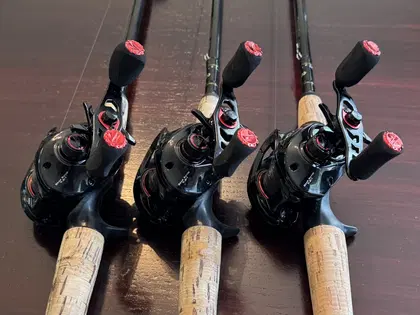
The Best Choice for Different Types of Anglers#
Choosing between spinning and baitcasting reels can feel overwhelming, especially for newcomers. Each type of reel has its strengths and weaknesses, and the best choice often depends on your fishing style, the species you’re targeting, and your level of experience. Understanding the nuances of both can help you make an informed decision that enhances your time on the water, ensuring you’re equipped to handle whatever the day brings.
Casual weekend anglers#
If you’re someone who enjoys heading out to the water every now and then, a spinning reel is likely your best bet. These reels are user-friendly and versatile, making them perfect for beginners or those who don’t want to get too technical.
Spinning reels are designed to be easy to use. You can quickly learn how to cast and reel in fish without needing to master complex techniques. They handle lighter lures and lines well, which is great for catching a variety of fish, from panfish to bass. Plus, you can use them in different fishing environments, whether you’re at a local pond, a riverbank, or the ocean.
When it comes to setup, spinning gear is typically lighter. You’ll find it more manageable when you’re out all day, and it allows for more relaxed fishing. Most spinning rods are designed to be forgiving, so if you do miss a fish or two, it won’t feel discouraging.
Think about how you like to fish. If you enjoy casting and reeling without worrying about backlashes, spinning reels are a solid choice. They let you focus on the fun of fishing rather than getting caught up in the technical details. Just grab your rod, tie on some bait, and enjoy the experience!
Dedicated bass fishermen#
When it comes to bass fishing, having the right reel can make a world of difference. Dedicated bass fishermen often find themselves torn between spinning reels and baitcasting reels, each having its own strengths.
Baitcasting reels are typically favored for bass fishing because they offer greater accuracy and control. This means you can place your lure right where you want it, whether that’s near a submerged log or along the edge of a weed bed. The ability to handle heavier lines and lures also makes baitcasting reels a solid choice when targeting larger bass.
However, it’s important to note that baitcasting reels can have a steeper learning curve. If you’re new to fishing or just starting to explore bass fishing, you might find spinning reels to be more user-friendly. They handle lighter lines well, allowing for finesse techniques that can be incredibly effective in catching bass, especially in warmer months when they’re more cautious.
If you decide to go with a baitcasting setup, take some time to practice. Learning how to control the spool and adjust the brakes will help you avoid backlashing, a common issue that can frustrate beginners. On the flip side, spinning reels are easier to cast for longer distances and can be more forgiving when it comes to tangles.
Ultimately, the choice between a spinning reel and a baitcasting reel for bass fishing boils down to your comfort level and fishing style. If you enjoy precision and want to work with heavier tackle, a baitcaster might be your best bet. If you’re looking for versatility and ease of use, especially in a variety of conditions, spinning reels could be the way to go.
Travelers and multi-species anglers#
If you’re a traveler or someone who enjoys fishing for various species, a spinning reel is often the better choice. Its versatility makes it suitable for different fishing styles and environments. You can easily switch between light lures for panfish and heavier tackle for larger species, all while using the same setup. This adaptability is a game-changer when you don’t know what you’ll be fishing for on your next adventure.
Spinning reels are generally lighter and more compact than baitcasting reels, making them easier to pack in your gear. When you’re on the move, every ounce counts. The simplicity of a spinning setup also makes it easier for beginners to learn how to cast and retrieve. You won’t have to worry as much about backlash, which is a common frustration with baitcasting reels.
If you’re exploring different fishing locations, such as lakes, rivers, or even the ocean, a spinning reel will handle various line types and fishing techniques. You can use it for everything from bobber fishing to bottom fishing, and even techniques like drop-shotting. This means you can experiment and find out what works best in each new spot without needing a full arsenal of specialized gear.
When it comes to bait selection, spinning reels are forgiving. You can easily use live bait, soft plastics, or hard lures without having to adjust your gear too much. This is especially handy when you’re traveling light and want to keep your tackle box minimal. Just grab a selection of lures and a few hooks, and you’re good to go.
Ultimately, if your fishing adventures take you to different waters and you want to catch a range of species without the hassle of multiple setups, a spinning reel is a practical choice. Its ease of use and flexibility will make your fishing experience more enjoyable, no matter where your travels take you.
Do You Really Need Both Reel Types#
When you’re diving into the world of fishing, you might wonder if you really need both spinning and baitcasting reels in your tackle box. Each reel has its own strengths and weaknesses, catering to different fishing styles and conditions. Understanding how they complement each other can help you make informed decisions about what gear to invest in and ultimately enhance your fishing experience. Let’s explore the benefits of each type and see if having both is worth it for you.
In the end, choosing between spinning and baitcasting reels really comes down to your personal preferences and fishing style. If you’re just starting out, spinning reels offer simplicity and versatility that can help you build confidence on the water. On the other hand, if you’re looking to refine your skills and tackle heavier line or lures, a baitcasting reel might be worth the investment. Remember, it’s not about which reel is better; it’s about what works for you. Many anglers find value in having both types, allowing them to adapt to different situations. So, whether you’re mastering a spinning setup or taking the plunge into baitcasting, the best reel is the one that gets you out there enjoying the outdoors. Happy fishing!