Selecting the right fishing rod can feel a bit like trying to choose between chocolate and vanilla - both are great, but each has its own unique appeal. If you’re just starting out, understanding the differences between spinning rods and casting rods is crucial for making an informed decision that suits your fishing style.
Don’t worry; we’re not here to complicate things. This guide will break down the essential differences in a way that’s easy to digest (like your favorite fishing snack). Whether you’re looking to catch panfish from a dock or tackle larger species from a boat, knowing when to reach for a spinning rod or a casting rod can make a world of difference. So, grab your tackle box and let’s untangle the basics of these two popular rod types - who knows, you might even have a bit of fun along the way!
Why Spinning and Casting Rods Confuse So Many Beginners#
When you’re just starting out in fishing, the sheer variety of gear can feel overwhelming, and spinning rods and casting rods often leave newcomers scratching their heads. Both types of rods serve the same purpose of helping you catch fish, but they come with different designs, techniques, and uses that can be confusing at first. Understanding these distinctions is crucial for choosing the right rod for your fishing style and ensuring that your experiences on the water are enjoyable and successful.
Why both setups seem almost identical at first#
When you first step into the world of fishing, it’s easy to look at a spinning rod and a casting rod and think they’re the same. At a glance, both setups have a long, slender profile and a reel mounted on top. They might even seem interchangeable if you’re just holding them in your hands. However, the way they work and how you use them is where the real differences come into play.
One of the main similarities is that both rods have guides along the length to help the line travel smoothly when casting. They also typically come in various lengths and actions to match different fishing styles. This can make it tricky for beginners to see why one might be better than the other for a specific situation.
But here’s the kicker: the reels are quite different. A spinning reel hangs beneath the rod and has an open face, which makes it easy to spool line and manage tangles. This setup is often more forgiving for newcomers, as it allows for lighter lures and simpler casting motions. On the other hand, a casting reel sits on top and has a more complex mechanism that requires a bit of finesse to operate effectively. It can handle heavier lures and offers more control during casting, but it may feel daunting if you’ve never used one before.
In terms of usability, spinning rods are generally more versatile and easier to learn for beginners. They excel at finesse techniques, like drop-shotting or using lightweight lures. Casting rods, while they can do many things, shine in specific scenarios, particularly when you need distance or accuracy, such as when casting heavy baits into thick cover.
Understanding these differences can help you choose the right rod for your fishing adventures. It’s not just about the look; it’s about how you plan to fish and what techniques you want to try.
The most common myths anglers repeat online#
When you’re just starting out in fishing, it’s easy to get caught up in the myths swirling around spinning and casting rods. Many of these misconceptions can steer you in the wrong direction, so let’s clear up a few.
One common myth is that casting rods are only for experienced anglers. While it’s true that they can take a bit of practice to master, that doesn’t mean beginners should shy away from them. Casting rods allow for great accuracy and control, especially when you’re targeting specific spots. If you’re willing to invest a little time learning the technique, you might find them to be incredibly rewarding.
Another misconception is that spinning rods are only for lightweight lures. While spinning rods excel with lighter tackle, they can handle a range of lure weights. They’re versatile enough for everything from panfish to larger species. So, if you think you need to stick to only light lures to be successful with a spinning rod, think again!
Many anglers also believe that one type of rod is better than the other for all fishing situations. The truth is, each rod has its strengths. Spinning rods are fantastic for casting into the wind and working with lighter baits, while casting rods can give you greater distance and precision. The best choice often depends on the specific fishing conditions and target species.
Some beginners hear that spinning gear is easier to untangle than casting gear, which can lead them to think spinning is the only way to go. While spinning reels generally have fewer tangles for novices, casting reels can be just as manageable once you get the hang of them. It’s more about practice than it is about the gear itself.
Lastly, many people assume that you must use specific rods for specific types of fish. While certain rods can indeed enhance your experience, it’s more about the overall setup - including line, lure, and technique - than it is about the rod alone. A well-rounded understanding can help you catch fish, regardless of which rod you choose.
By dispelling these myths, you can make more informed choices about your gear and enjoy your time out on the water even more!
How Spinning Rods Actually Work#
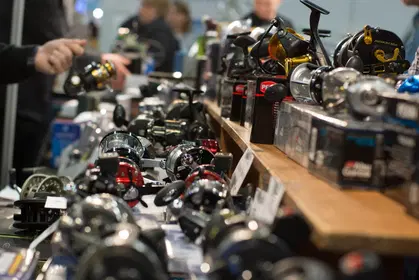
Understanding how spinning rods operate can help you appreciate their versatility and effectiveness in various fishing scenarios. Unlike casting rods, spinning rods are designed with a different approach to line management, which allows for smoother, more controlled casts. They feature a reel positioned below the rod, enabling anglers to easily release line as they cast, making them ideal for beginners and those who enjoy finesse fishing techniques. Let’s explore the mechanics behind spinning rods and how they can enhance your fishing experience.
Why spinning rods are easier to learn#
Spinning rods are often the go-to choice for beginners, and it’s easy to see why. The design of these rods makes them user-friendly right from the start. Unlike casting rods, spinning rods have a unique setup that allows for more straightforward operation.
With a spinning rod, the reel hangs below the rod. This orientation makes it easier to hold and maneuver, especially for those new to fishing. You simply open the bail, place your line in the guide, and you’re ready to cast. The mechanics are intuitive, making it less daunting for first-timers.
Another advantage of spinning rods is their ability to handle lighter lures and lines. This is great for beginners, as it allows for a more delicate presentation, which can be crucial in attracting fish. You won’t need to master complicated techniques right away; just a simple flick of the wrist can get your bait where it needs to be.
Casting distance is also more forgiving with spinning gear. If you’re still working on your aim, spinning rods allow for a smoother casting motion, reducing the chances of backlashes or tangles. This means you can focus more on the experience of fishing rather than getting frustrated with your gear.
Finally, because spinning rods are widely available and come in various sizes and styles, you have plenty of options to choose from as a beginner. It’s easy to find a rod that fits your needs and comfort level, so you can start fishing right away without feeling overwhelmed.
The biggest advantages of spinning setups#
Spinning setups are incredibly popular among anglers, and for good reason. One of their standout features is the ease of use. If you’re just starting your fishing journey, a spinning rod is often the go-to choice. The design allows for smooth casting with minimal effort. You simply open the bail, load your line, and let it fly. For beginners, this makes learning to cast much more straightforward than with a casting rod.
Another significant advantage is the versatility of spinning rods. They can handle a wide range of fishing techniques and species. Whether you’re aiming for panfish in a small pond or larger species like bass in a river, a spinning rod can often do the job. This adaptability makes them a great investment for new anglers who want to try different types of fishing without needing multiple setups.
Spinning reels also offer excellent drag systems. This means you can effectively manage the line tension when reeling in a fish. If you hook something larger than expected, the drag helps prevent the line from breaking, giving you a better chance of landing that catch. This feature is particularly helpful when you’re still learning how to play a fish.
Another perk is that spinning rods generally perform well with lighter lures and baits. If you’re fishing in a situation where you need finesse - like targeting skittish fish or fishing in clear water - a spinning rod can give you the sensitivity needed to feel even the slightest nibble. This level of precision can make your time on the water more rewarding.
Finally, spinning rods are usually lighter and easier to handle compared to casting rods. This can be a big advantage, especially if you plan on fishing for several hours. The lighter weight allows for less fatigue, making your fishing experience much more enjoyable.
Situations where spinning gear performs best#
Spinning rods shine in a variety of fishing situations, making them a go-to choice for many anglers. One of the best scenarios for using a spinning rod is when you’re fishing with lighter lures or bait. Because spinning gear allows for better casting accuracy with these lighter weights, you can easily reach those tricky spots where fish like to hide.
If you’re fishing in freshwater, like a lake or river filled with panfish or trout, spinning rods are particularly effective. They handle lighter lines well, which is crucial when targeting these species that can be line-shy. The sensitivity of a spinning rod helps you feel even the slightest nibble, making it easier to hook a fish when they’re being finicky.
Windy days can be a hassle for any angler, but spinning rods can help combat those challenges. The open face of the spinning reel allows for smoother line release, which means you can cast without worrying about backlashes - a common issue with baitcasting gear in windy conditions. This feature lets you maintain your distance even when the wind is blowing.
When you’re fishing in shallow water or around structure, such as rocks or submerged logs, a spinning rod gives you the finesse you need. The flexibility and sensitivity allow you to make precise presentations, increasing your chances of enticing a bite without getting snagged.
Finally, spinning gear is perfect for beginners. Its user-friendly design makes it easier to learn the basics of casting and retrieving. This simplicity helps new anglers focus on their technique instead of getting frustrated with equipment. If you’re just starting, grabbing a spinning rod and reel can set you up for success right from the get-go.
How Casting Rods Actually Work#
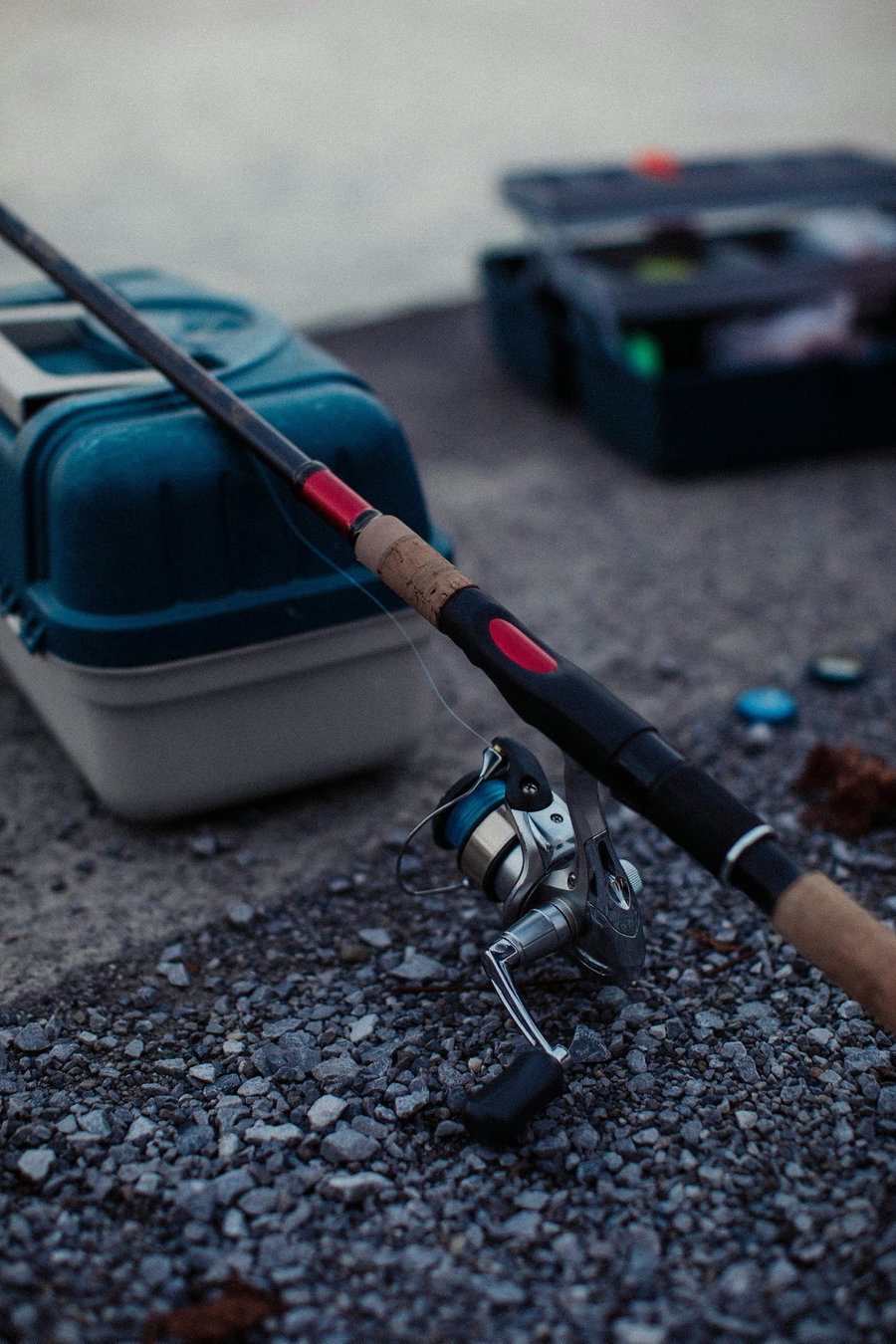
Casting rods are designed with specific features that enhance their performance for various fishing techniques. Unlike spinning rods, which have a more straightforward design, casting rods are crafted to accommodate baitcasting reels, allowing for greater control over your casts. The guides are positioned differently, and the rod is often stiffer, which helps in making precision casts and handling heavier lures. Understanding how these elements come together can make a big difference in your fishing experience, especially when you’re trying to target specific species or navigate tricky waters.
Why baitcasters are built differently#
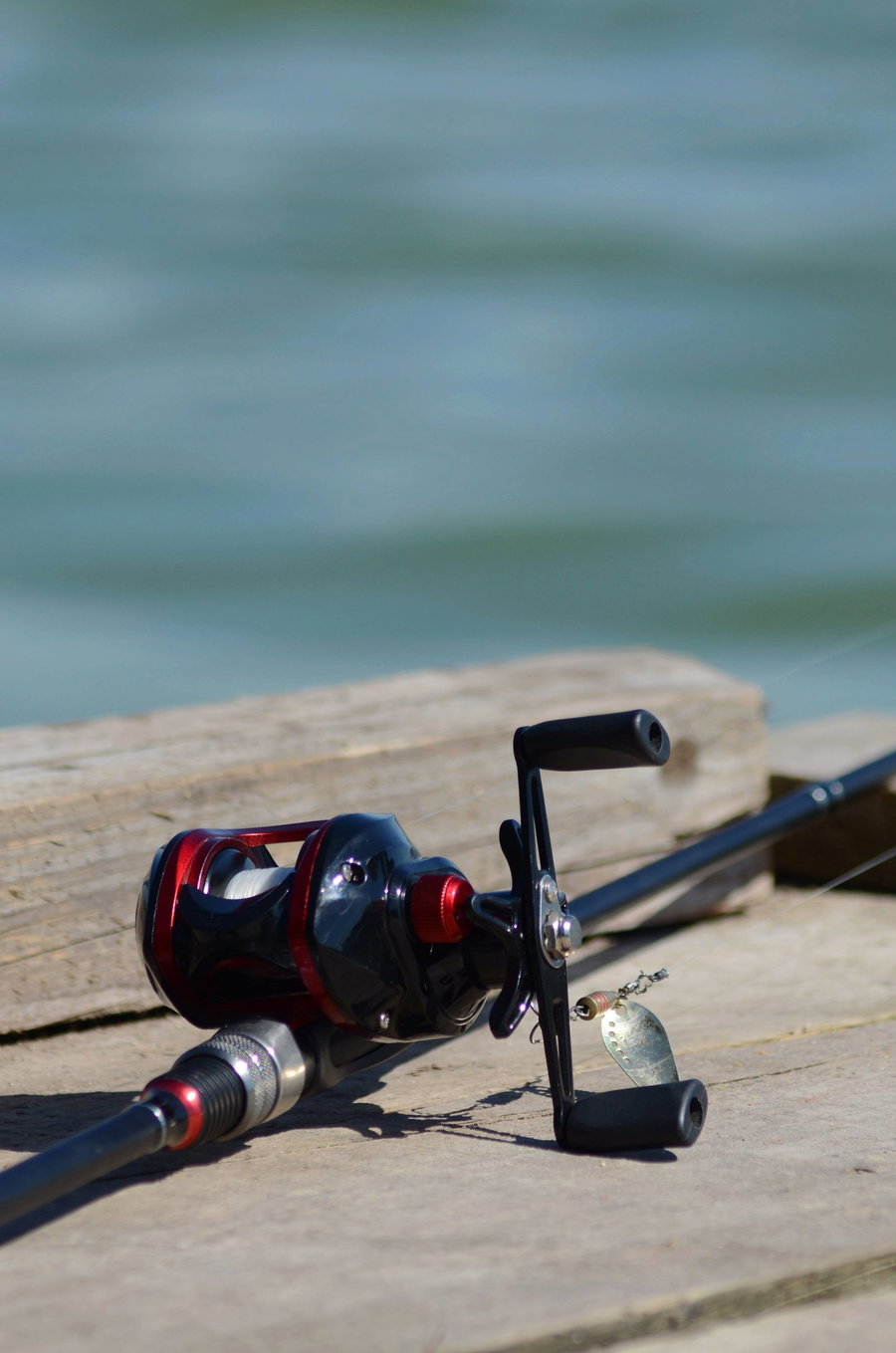
Baitcasting rods are designed to work specifically with baitcasting reels, and this unique pairing influences their construction in a few key ways. One of the biggest differences is the rod’s action and power. Baitcasting rods typically have a stiffer backbone compared to spinning rods, which helps anglers gain better control over heavier lures and bigger fish. This stiffness allows for more precise casting and better hook-setting power.
The guides on baitcasting rods are also positioned differently. You’ll notice that they’re usually smaller and closer to the rod’s blank. This design helps reduce line twist and allows for a smoother line flow, especially when you’re using heavier lines. The placement of the guides allows the line to come off the reel more efficiently, which is crucial when you’re aiming for long-distance casts.
Another aspect to consider is the handle. Baitcasting rods often come with a trigger grip, which lets you hold the rod with more comfort and control during those critical moments of the fight. This grip is particularly helpful when you need to make quick adjustments or reel in a fish that’s making a run.
While they might seem a bit intimidating at first, baitcasting setups can give you an edge in certain fishing situations. Once you get the hang of the mechanics, you’ll appreciate the precision and control that these rods offer, especially when targeting specific species or fishing in heavy cover.
The learning curve most beginners underestimate#
When stepping into the world of casting rods, many newcomers often imagine it will be just like using a spinning rod. But the reality is a bit different. Casting rods, especially when paired with baitcasting reels, require a different technique and finesse that can trip up even the most eager novice.
First off, let’s talk about the mechanics. With a casting rod, you’re dealing with a revolving spool that releases line as you cast. This means you need to time your release perfectly with your forward motion to avoid backlashes - a frustrating tangle of line that can occur if you’re not careful. It’s a skill that takes some practice to master.
Many beginners underestimate how important it is to learn to control the spool. You can adjust the tension on the spool, which helps manage how fast the line comes off when you cast. Finding the right balance is key. Too loose, and you risk a backlash; too tight, and it can feel like you’re fighting the rod when you try to cast.
Casting also involves different wrist and arm movements compared to spinning rods. It’s less about flinging the rod and more about a smooth, controlled motion. A common mistake is using too much force in the cast. Instead, focus on a fluid motion, letting the rod do most of the work.
Practice is essential. Find a wide-open space where you can repeatedly practice your casting technique without the worry of getting snagged. Start with short casts and gradually increase your distance as your confidence builds. This way, you can feel how the rod responds and learn to adjust accordingly.
Lastly, don’t forget about the importance of selecting the right lure and weight for your setup. This can make a big difference in how well you can cast. Lighter lures require a more precise technique, while heavier ones can be easier to cast but may not be suitable for every fishing situation.
Getting the hang of a casting rod can be a bit of a journey, but with patience and practice, it can become a rewarding part of your fishing experience.
Why experienced anglers often prefer casting rods#
Many experienced anglers gravitate towards casting rods for a few important reasons. One of the biggest draws is their ability to handle heavier lures and lines. When you need to throw a big bait into thick cover or fight a hefty fish, a casting rod can give you the strength and control you need.
Casting rods also allow for more precise casting. The design lets anglers place their lures exactly where they want them. This precision is especially valuable when fishing in tricky spots, like under overhanging branches or around rocks. Experienced anglers appreciate being able to drop a lure right into the sweet spot without spooking the fish.
Another reason is the ergonomics of casting reels. Many anglers find that the way the reel sits above the rod gives them a better feel for the action. This setup can lead to improved sensitivity, helping you detect even the slightest bites. When you’re out fishing for hours, having that extra connection can make a big difference.
Moreover, casting rods typically provide a faster action. This means that they are stiffer and can respond quickly when you set the hook. This responsiveness helps experienced anglers land more fish, especially when they’re targeting species that require quick reflexes.
Finally, the variety of techniques that casting rods can accommodate is another factor. Whether you’re flipping, pitching, or casting long distances, there’s a casting rod designed for that technique. This versatility appeals to seasoned anglers who love to adapt their approach based on conditions and target species.
Backlashes and other frustrations explained#
If you’re new to casting rods, one of the first things you might encounter is something called a backlash. This is when the fishing line tangles around the reel, creating a messy knot that feels more frustrating than fun. Backlashes can happen for a few reasons, but understanding them can help you avoid the headache.
First, it’s crucial to get familiar with how to properly use the reel. When casting, your thumb plays a significant role. As you cast, you need to control the line with your thumb to prevent it from unwinding too quickly. If you release the line too late, it can continue to spool out after your lure has landed, leading to that dreaded backlash. Practice makes perfect here. Start with lighter lures that won’t fly too far, giving you a chance to get a feel for the timing.
Another common issue is using the wrong tension settings on your reel. Most casting reels have a tension knob that controls how freely the spool rotates. If it’s too loose, the line can jump off the reel. If it’s too tight, your cast won’t go far. A good rule of thumb is to adjust the tension so that when you hang the lure straight down, it should fall slowly without causing the spool to spin. Finding that sweet spot takes a bit of trial and error, but it’s worth it.
Learning to deal with wind is also part of casting. Casting into the wind can lead to backlashes, as the wind can catch the line and disrupt the flow of your cast. If you find yourself in a windy situation, consider casting slightly off to the side or adjusting your angle to reduce the wind’s impact.
Lastly, don’t forget about your line. Frayed or old line can cause problems too. Make sure you’re using a good quality line that’s suitable for your rod and reel. Regularly check your line for any damage and replace it as needed.
With a bit of practice and a few adjustments, you’ll be able to minimize backlashes and enjoy your time on the water. Remember, every angler has faced these frustrations at some point, and learning to troubleshoot them is just part of the journey.
The Real Differences Between Spinning and Casting Rods#
When you’re stepping into the world of fishing, choosing the right rod can feel overwhelming, especially with all the options available. Spinning rods and casting rods each serve unique purposes and cater to different fishing styles. Understanding their key differences can help you make an informed choice that enhances your fishing experience, whether you’re casting from the shore, a boat, or any other spot. Let’s dive into what sets these two types of rods apart and how to choose the best one for your needs.
Casting distance and accuracy#
When it comes to casting distance and accuracy, spinning rods and casting rods have their own unique strengths. Let’s break it down in a way that makes sense for beginners.
Spinning rods are often easier to use, especially for those just starting out. They allow for a smooth, straightforward casting motion. You hold the rod at a comfortable angle, and with a flick of your wrist, you can launch your line. This setup is great for lighter lures and baits, making it a popular choice for fishing in smaller bodies of water or when targeting species that don’t require heavy tackle.
On the other hand, casting rods excel when it comes to accuracy, particularly in tight spots. They let you control your cast better, which is crucial when you need to place your lure near specific structures like fallen trees or under docks. With a little practice, you can drop your bait exactly where you want it, which can mean the difference between catching fish or going home empty-handed.
Distance can vary depending on the rod and your technique. Generally, casting rods can send heavier lures further than spinning rods. This is because the mechanics of a baitcasting reel allow for more power behind your cast. If you’re looking to fish farther from shore or hit those deep, distant spots, a casting rod may serve you better.
Remember, the best choice also depends on the type of fishing you plan to do. If you’re going for finesse techniques with light baits, spinning rods are your friend. But if you’re targeting larger fish with heavier baits, a casting rod might be the way to go. Ultimately, it’s about finding what feels comfortable for you and fits your fishing style.
Line control and lure handling#
When it comes to line control and how you handle your lures, spinning rods and casting rods each have their strengths. Understanding these can make a big difference in your fishing experience.
Spinning rods are great for beginners because they allow for easier line management. With the reel positioned below the rod, you can easily see how much line you have out and make quick adjustments. This setup is especially helpful in windy conditions since the line can flow freely off the spool without getting tangled. When you cast, the lure travels smoothly, and you can let it drop easily, perfect for finesse techniques like drop-shotting or wacky rigging.
On the other hand, casting rods offer more control over heavier lures and can handle more powerful presentations. The reel sits above the rod, which gives you better leverage for setting the hook and reeling in bigger fish. If you’re using crankbaits or larger jigs, a casting rod allows you to control the lure’s depth and speed more effectively. This can be particularly useful when you want to target specific species that are holding deeper in the water.
Another aspect to consider is the angle of the cast. With a spinning rod, you can easily make longer, more accurate casts with lighter lures. This is ideal for situations where fish are skittish or when you need to place your lure precisely. A casting rod, while capable of long casts, excels at tighter, more controlled presentations, which can be advantageous in heavy cover or around structures.
In real-world fishing scenarios, the choice between spinning and casting can often come down to your target species and the type of lures you’re using. If you’re just starting out, a spinning rod might be the better choice for its simplicity. As you gain experience and begin using more varied techniques, you might find a casting rod becomes a valuable addition to your gear.
Rod sensitivity and hook-setting power#
When it comes to fishing, sensitivity and hook-setting power can make a big difference in your success on the water. Let’s break down how spinning rods and casting rods measure up in these areas.
Sensitivity refers to how well a rod can transmit the feelings of bites and underwater conditions back to your hands. Spinning rods typically offer great sensitivity, making them ideal for beginners who are still learning to recognize subtle bites. The lightweight materials used in spinning rods help you feel even the slightest nibble, letting you react quickly.
On the other hand, casting rods can also be sensitive, but they often excel in different scenarios. They are designed for heavier lures and line, which can provide a solid feel when you’re using bigger baits or targeting larger fish. This makes casting rods a good choice for experienced anglers who need to detect more aggressive strikes.
Hook-setting power is all about how effectively you can drive the hook into a fish’s mouth once you feel a bite. With spinning rods, the design allows for easier hook sets, especially for lighter lines and lures. This can be particularly helpful when you’re dealing with smaller fish or delicate baits. You can get away with a quick upward motion to set the hook without needing a lot of force.
Casting rods, however, provide a different approach. They generally have a stiffer backbone, which gives you the ability to set the hook harder. This is beneficial when targeting larger species that require a bit more power to drive the hook in securely. The extra leverage can make a significant difference when you’re trying to land a hefty catch.
Ultimately, both types of rods have their strengths. If you’re just starting, a spinning rod might feel more intuitive and responsive. As you gain experience and start targeting a wider range of species, you might find a casting rod fits your needs better for its hook-setting power and versatility.
Which setup handles heavier fish better#
When it comes to targeting bigger fish, the type of rod you choose can make a significant difference. Generally, casting rods are better suited for handling heavier fish. This is due in part to their design and construction, which allows for more leverage and power.
A casting rod is typically built with a stiffer backbone, which helps you manage the fight when a large fish takes your bait. This stiffness allows you to apply more pressure without risking breakage, making it easier to reel in that trophy catch. Plus, casting reels usually have stronger drag systems that can stand up to the demands of heavier fish.
On the flip side, spinning rods are great for lighter to medium-weight fish. They have more flexibility, which can be an advantage when using lighter lures or when you need a softer touch. However, if you’re fishing for larger species like bass, pike, or even saltwater game fish, you may find that a spinning setup struggles to handle the fight.
If you’re planning to fish in areas known for big fish, consider using a casting rod with a heavier line and lures specifically designed for that purpose. Not only will this setup give you the strength you need, but the ability to make accurate casts into tight spots can also increase your chances of hooking up with that big one.
Which Setup Is Better for Different Fishing Styles#
Choosing between a spinning rod and a casting rod can be a bit daunting, especially if you’re just starting out in fishing. Each setup has its unique strengths and is better suited for certain fishing styles and conditions. Understanding these differences can help you make an informed decision, ensuring you’re equipped to tackle whatever your fishing adventure throws your way. Let’s dive into how each rod performs in various scenarios and what might work best for your fishing needs.
Bass fishing and heavy cover#
When you’re heading out for bass fishing, especially in heavy cover like thick weeds or submerged brush, the type of rod you choose can make a big difference. In these situations, a casting rod often shines. Its design allows for better control and precision, which is crucial when you’re trying to place your lure right into that tricky spot where the big bass are hiding.
Casting rods typically have a stronger backbone, which means they can handle heavier lines and bigger lures. This is helpful when you need to wrestle a fish out of dense cover quickly. You want to make sure you can pull the bass away from obstacles without risking a break-off. If you’re using a spinning rod in these scenarios, it might struggle a bit, especially with heavier baits. While spinning rods are versatile and great for lighter setups, they just don’t have the same power when it comes to heavy-duty fishing.
Another benefit of using a casting rod in heavy cover is the way you can use your line. With the right setup, you can use braided line, which has a smaller diameter and higher strength. This allows for a more effective presentation and a better chance of landing that trophy bass hiding in the thick stuff.
However, if you’re just starting out and feel more comfortable with a spinning rod, don’t hesitate to use it. You can still catch bass in heavy cover, but you might need to be a bit more careful with your line choice and casting technique. The key is to find what works best for you and adapt your strategy based on your rod choice.
Light lure and finesse fishing#
When it comes to light lure and finesse fishing, your choice of rod can significantly impact your success. Finesse techniques often involve using small baits or lures that require a delicate touch and precise presentations. For this kind of fishing, a spinning rod is usually the better option.
Spinning rods are designed to handle lighter line and lures with grace. Their guides are positioned below the rod, allowing the line to flow freely, which helps in casting lighter baits further and more accurately. This is crucial when you’re trying to entice finicky fish that might be put off by heavier tackle.
A spinning setup also tends to be easier to use for beginners. The reel is positioned on the underside of the rod, making it comfortable to hold and operate. You can easily open the bail, cast, and let your lure fall gently into the water. This approach gives you better control, especially when working with finesse techniques like dropshotting or wacky rigging.
On the other hand, casting rods can be a bit more cumbersome for light lures. They rely on a heavier line and lure weight to perform well, which might not suit finesse fishing. The overhead casting motion can also be trickier to master, particularly when you’re trying to be subtle.
In summary, for light lure and finesse fishing, stick with a spinning rod to maximize your chances of success. Not only will it help you cast lighter baits effectively, but it will also give you a more enjoyable and productive fishing experience.
Shore fishing vs boat fishing#
When it comes to choosing between a spinning rod and a casting rod, the setting where you fish can make a big difference in what works best for you. Shore fishing and boat fishing have unique challenges and opportunities that can influence your setup.
If you’re fishing from the shore, a spinning rod often reigns supreme. It’s lightweight and easy to handle, making it perfect for casting lighter lures or bait over longer distances. You can easily flip your wrist and send your line out without too much effort. Plus, spinning gear tends to handle lighter lines and lures better, which is great for catching species like trout or panfish that might be lurking near the bank.
On the other hand, boat fishing gives you more options. Casting rods can be a solid choice here, especially if you’re targeting larger species like bass or pike. With a casting rod, you can make precise casts into tight spots, like under overhanging trees or around submerged structures. This setup allows for more finesse in your technique, which can be crucial when fish are being picky or when you need to drop a lure right in their strike zone.
The environment also plays a role. If you’re fishing in open water from a boat, a casting rod might give you the advantage of better line control and the ability to handle heavier gear. Conversely, if you’re on a rocky shore or a crowded pier, the versatility of a spinning rod can help you adapt quickly to changing conditions, like snagging on rocks or dealing with wind.
So, while both types of rods have their strengths, considering where you’ll be fishing can guide your choice. Each setup has its unique benefits that can enhance your fishing experience, whether you’re casting from the shore or reeling in a catch from a boat.
Spinning vs Casting Rods for Saltwater Fishing#
When it comes to saltwater fishing, choosing the right rod can make all the difference in your experience and success. Spinning and casting rods each have their own strengths and weaknesses, making them better suited for different fishing scenarios and species. Understanding these differences will help you select the best tool for your next fishing adventure, whether you’re targeting big game fish or enjoying a day of light tackle fishing near the shore.
Which setup works better for beginners near the coast#
When it comes to saltwater fishing, choosing between a spinning rod and a casting rod can feel a bit overwhelming, especially for beginners. However, each setup has its strengths, and understanding these can help you make the right choice for your coastal adventures.
Spinning rods are often recommended for beginners, particularly when fishing near the coast. They are easier to use and can handle a variety of fishing conditions. The open face of a spinning reel makes it simple to see how much line you have left, and the casting technique is straightforward. Just hold the rod with one hand, open the bail with the other, and let your bait fly. This simplicity can be a big advantage when you’re trying to learn the ropes.
Another reason spinning rods are great for beginners is their versatility. You can use them for various saltwater species, from small panfish to larger game fish. Whether you’re casting from a pier, beach, or a boat, spinning gear allows you to switch between light and heavy lines easily. This flexibility is perfect for trying out different techniques as you figure out what works best for you.
On the other hand, casting rods can offer increased accuracy and distance, which is beneficial for more experienced anglers. However, they require a bit more skill to master. If you’re just starting out, the learning curve might feel steep, and you might spend more time dealing with backlashes than actually fishing. For beginners, the last thing you want is to get frustrated and miss out on the joy of fishing.
Ultimately, if you’re fishing near the coast for the first time, a spinning rod is likely your best bet. It will help you feel comfortable as you gain experience and confidence on the water. Plus, once you get the hang of it, you can always explore other setups down the line.
Corrosion, maintenance, and durability differences#
When it comes to saltwater fishing, the battle between spinning rods and casting rods often gets down to how they handle the harsh conditions of the ocean. Saltwater can be tough on gear, and understanding how each rod type holds up can help you make the right choice.
Spinning rods are generally made with materials that resist corrosion, which is crucial when you’re fishing in saltwater. Look for rods with components made from stainless steel or other corrosion-resistant materials. These rods tend to be easier to maintain, as they have fewer moving parts than casting rods. This simplicity means less chance for salt to get trapped and cause issues over time.
On the other hand, casting rods can also be built to withstand saltwater, but they often have more intricate parts, like the reel seat and guides, which may be more prone to corrosion if not properly cared for. If you choose a casting rod, make sure to pick one specifically designed for saltwater use. These rods typically feature better materials and coatings that protect against the elements.
Maintenance is key for both types of rods. After a day out on the water, rinse your gear with fresh water to wash away any salt. For spinning rods, pay special attention to the reel and guides. For casting rods, ensure that the reel is also rinsed and that the line is checked for any damage or wear caused by salt exposure.
In terms of durability, both spinning and casting rods can be tough, but their longevity will largely depend on how well you care for them. Investing in a quality rod and being diligent with maintenance will go a long way, regardless of the type you choose. Just remember: saltwater fishing can be amazing, but it does require a bit of extra love for your gear.
Common Beginner Mistakes With Both Rod Types#
When you’re just starting out in fishing, choosing between a spinning rod and a casting rod can feel overwhelming. Each type has its quirks, and if you’re not careful, you might fall into some common traps that can affect your performance on the water. Understanding these pitfalls will help you make better decisions, improve your technique, and ultimately enjoy your fishing experience more. Let’s dive into what to watch out for as you navigate the world of fishing with these two popular rod types.
Buying gear that is too advanced too early#
When you’re just starting out in fishing, it’s easy to get caught up in the excitement and buy high-end gear that you might not need yet. A common mistake is thinking that better equipment will instantly make you a better angler. However, starting with advanced gear can actually complicate your experience and make it harder to learn the basics.
For example, if you opt for a professional-grade casting rod, you might struggle to get the hang of it. These rods often require a specific technique to cast effectively, which can be frustrating for a beginner. Instead, consider starting with a simpler spinning rod. It’s generally more forgiving and easier to use, allowing you to focus on developing your skills rather than wrestling with complicated gear.
Also, keep in mind that fishing is about having fun and enjoying the outdoors. Investing in basic but good-quality gear is a much better approach. Look for rods and reels that are designed for beginners. They tend to be more user-friendly and can handle a variety of fishing situations. As you gain experience and confidence, you can gradually upgrade to more specialized equipment that matches your growing skills.
Don’t forget about the importance of comfort and usability. A rod that’s too heavy or too long for your size can make a day on the water feel like a workout rather than a relaxing experience. Choose equipment that feels good in your hands and is manageable for your intended fishing style. This way, you’ll be more likely to enjoy your time fishing and want to keep coming back for more.
Choosing setups based on YouTube trends#
It’s easy to get swept away by what you see on YouTube. One day you might be watching an influencer catch fish with a fancy casting rod, and the next, you’re convinced that’s the only way to go. The reality is that what works for one person in a specific location might not translate to your experience.
When starting out, it’s crucial to focus on what fits your fishing style and local conditions. For instance, if you’re fishing in a small pond, a lightweight spinning rod might be more effective than a heavier casting rod designed for deep-sea fishing. Before you buy into a trend, think about where you’ll be fishing and what type of fish you want to catch.
Also, consider your own comfort and skill level. Some setups might look appealing but could be challenging to handle for beginners. If you’re not used to casting techniques, a setup that requires advanced skills can lead to frustration rather than fun. Try to choose gear that feels manageable and enjoyable.
Instead of following the latest fishing video, spend some time learning the basics from reliable sources or even local anglers. They can offer insights that are specific to your area, helping you make informed decisions that suit your needs. Remember, fishing is about enjoying the experience, not just chasing trends.
Trying to force one setup for every fishing situation#
One of the biggest mistakes beginners make is thinking one rod setup can tackle every fishing scenario. While it might be tempting to use your favorite rod for everything, each type of fishing often requires a different approach. Spinning rods and casting rods have unique strengths that shine in specific situations.
For instance, if you’re fishing in tight spaces with heavy cover - like thick weeds or fallen trees - a casting rod might be your best bet. Its ability to make precise casts can help you get your lure exactly where it needs to go. On the other hand, if you’re out on a boat enjoying a day on open water and need to cast lighter lures, a spinning rod can handle that with ease.
Consider the type of fish you’re after and the environment you’re fishing in. For example, if you’re targeting bass in a lake with lots of structure, you’ll benefit from having a casting rod that can throw heavier baits accurately. But if you’re surf fishing or targeting panfish, a spinning rod’s versatility and ease of use will serve you better.
Don’t hesitate to invest in a couple of different setups. Each rod can offer you various techniques and advantages that enhance your fishing experience. Experimenting with both types will not only make you a more versatile angler but will also help you understand the nuances of each rod’s capabilities.
The Best Beginner Setup for Most Anglers#
When you’re just starting out in fishing, choosing the right gear can feel overwhelming, especially when deciding between a spinning rod and a casting rod. Both types have their advantages, but understanding your specific needs and the conditions you’ll be fishing in can make a big difference. This section will guide you toward a beginner-friendly setup that balances ease of use, versatility, and enjoyment, helping you make the most of your time on the water.
The safest first spinning combo#
When you’re just starting out in fishing, a spinning rod and reel combo is often the best choice. It’s user-friendly and versatile, making it perfect for beginners. A good first spinning combo should include a rod that’s around 6 to 7 feet long. This length gives you the ability to cast a decent distance while still being manageable.
A medium action rod is ideal. This means it has a bit of flex, which can help you feel when a fish bites and also gives you some cushion to prevent the line from breaking. Look for a rod made from graphite or fiberglass; both materials are durable and lightweight, making them easy to handle.
For the reel, a spinning reel in the 2500 to 3000 size range is a solid choice. This size is great for handling a variety of fish species, from panfish to bass. Make sure the reel has a smooth drag system, which is essential for playing fish without risking a snapped line.
Line is another important consideration. Start with a monofilament line around 10 to 12-pound test. Monofilament is forgiving, stretches a bit, and is easier to manage, especially for those new to fishing. It’s also less likely to break when casting.
When it comes to tackle, keep it simple. A few basic lures like spinnerbaits, soft plastics, and jigs will cover a range of fishing situations. Don’t forget to pack some hooks and weights too.
Finally, a basic tackle box to hold all your gear is essential. You don’t need anything fancy, just something to keep everything organized. This setup will give you a solid foundation to start your fishing adventures without overwhelming you with complexity.
When it finally makes sense to learn baitcasters#
If you’ve been fishing for a while using spinning gear and are feeling comfortable, it might be time to explore baitcasting reels. These setups can offer more precision and control, which many anglers find appealing once they get the hang of them. So, when does it make sense to make that switch?
First off, consider your experience level. If you’ve spent a good amount of time on the water and feel confident with your casting technique, baitcasters can take your fishing up a notch. They require a bit more skill initially, especially in managing backlash - where the line tangles when the reel is spinning too fast. But with practice, you’ll find that they can provide better accuracy, especially when casting into tight spaces.
Another factor is the type of fishing you’re planning to do. Baitcasters are particularly effective for techniques like flipping, pitching, or using heavier lures. If you’re targeting bass in thick cover or need to make long casts with heavier baits, a baitcaster will give you the power and performance that spinning gear may lack.
Also, if you find yourself wanting to fish with braided line or heavier monofilament, baitcasters are often preferred. They handle these lines better, allowing for a smoother and more controlled experience, especially with heavier lures.
When you decide to dive into baitcasting, start with a setup that feels comfortable. Look for a rod that isn’t too heavy and a reel that fits comfortably in your hand. Take your time learning the mechanics - practice in an open area before hitting the water. This way, you can get accustomed to the feel of the reel and learn to make adjustments without the pressure of fishing.
Remember, switching to baitcasters is not a requirement to be a successful angler. If you enjoy spinning gear and catch fish, stick with what works for you. But if you’re curious about the potential advantages of baitcasting, it can be a rewarding next step in your fishing journey.
Can one angler realistically use both systems?#
Absolutely! Many anglers find that using both spinning and casting rods can enhance their fishing experience. Each system has its strengths, making it useful in different situations.
Spinning rods are often easier for beginners. They handle lighter lures well and are great for casting in tight spaces or when finesse is needed. If you’re fishing in a small stream or targeting panfish, a spinning rod might be your go-to choice. The learning curve is gentler, and you can quickly get the hang of it.
On the other hand, casting rods allow for more precise control over your bait and can handle heavier lures. Once you get comfortable with the basics of fishing, trying out a casting rod can open up new opportunities, especially for larger species. They can be a little tricky to master at first, but with practice, you’ll love the accuracy they offer.
Switching between the two systems lets you adapt to different fishing conditions. One day you might be on a calm lake casting for bass with your casting rod, and the next day, you could be on a river using a spinning rod to catch trout. Having both options can make you a more versatile angler and increase your chances of success on the water.
So, don’t hesitate to experiment with both. Just remember to give yourself time to learn the nuances of each rod.
In the great debate between spinning rods and casting rods, there’s no one-size-fits-all answer. Each type has its strengths, and the right choice largely depends on your fishing style, experience level, and the environments you plan to fish in. Remember, spinning rods are often more forgiving and easier for beginners, while casting rods can offer greater control and precision for those ready to take the plunge. Whichever you choose, the key is to get out there and practice. Don’t sweat the small stuff - everyone starts somewhere, and every cast is a chance to learn. So grab your rod, find your favorite spot, and enjoy the journey of fishing!