Affiliate disclosure: As an Amazon Associate, we may earn from qualifying purchases made via links on this page - at no extra cost to you. See our Affiliate Disclosure.
If you’re new to fishing, picking the right spinning reel size can feel like trying to solve a puzzle with missing pieces. With sizes ranging from 100 to 10,000, it’s easy to get overwhelmed. But don’t worry! We’re here to break it down in a way that even your grandma could understand - assuming she’s not too busy catching dinner herself.
Choosing the right size reel is crucial for a successful day on the water. A reel that’s too small might struggle against a feisty fish, while one that’s too large can be cumbersome and awkward. In this guide, we’ll walk you through the different spinning reel sizes, what they’re best suited for, and how to match them with your target species. So grab your tackle box and a sense of humor; we’re about to tackle the world of spinning reels together!
Why Spinning Reel Sizes Confuse So Many Anglers#
When it comes to choosing a spinning reel, many beginners find themselves puzzled by the size numbers ranging from 1000 to 10000. These designations don’t always reflect the reel’s physical size or the type of fish you can catch, leading to a lot of confusion. Understanding what these numbers mean and how they relate to your fishing needs can make a big difference in your tackle selection. Let’s break it down in a way that makes sense, so you can confidently select the right spinning reel for your next fishing adventure.
Why size numbers are not standardized across brands#
One of the first things you’ll notice when shopping for spinning reels is the size numbers. You might see reels labeled from 1000 to 10000, but what does that really mean? The confusion often arises because there’s no universal standard for these size designations across different brands.
Every manufacturer has its own way of labeling their reels. For example, a size 2500 reel from one brand might have a spool capacity that’s quite different from a 2500 reel made by another company. This inconsistency can be frustrating, especially for beginners who are trying to match a reel to their fishing needs.
When you’re out shopping, it’s helpful to focus less on the number itself and more on the specifications that matter to you. Look at the line capacity, drag strength, and gear ratio instead. These features will give you a clearer idea of how the reel will perform in real-world conditions.
If you’re unsure, don’t hesitate to ask questions. Local tackle shop employees are usually anglers themselves and can provide insight into how different brands stack up against each other. They can help you compare models side by side, making it easier to find the perfect fit for your fishing style.
Remember, it’s all about finding a reel that feels right in your hand and suits your fishing goals. Focus on the overall functionality rather than getting hung up on the size number.
The most common misconceptions about reel sizing#
When it comes to spinning reels, sizing can feel like a puzzle. Many anglers are unsure what the numbers really mean, leading to some common misconceptions. Let’s break a few of them down.
First off, one of the biggest myths is that a higher number always means a bigger reel. While it’s true that the numbers (like 1000, 2000, etc.) indicate the reel’s size, they don’t always correspond directly to the reel’s physical dimensions. For instance, a 2000 reel may be slightly larger than a 1000, but the difference may not be as dramatic as you’d expect.
Another misconception is that larger reels are always better for catching bigger fish. While it’s tempting to think that more size equals more power, that’s not the whole story. The right reel size depends more on the type of fishing you’re doing and the species you’re targeting. Sometimes, a smaller reel is just what you need for finesse fishing or targeting panfish.
Many anglers also assume that the size of the reel should match the size of the rod perfectly. It’s true that they should be compatible, but “matching” doesn’t mean having to choose a reel that’s the same number as the rod’s rating. Instead, think about the balance and feel when you put the two together. A 2500 reel can work beautifully with a medium-action rod, even if the rod is rated for a higher size.
Lastly, there’s a belief that all manufacturers size their reels the same way. This is a tricky one. Different brands may have different sizing conventions, which can lead to confusion. Always check the specifications provided by the manufacturer for the best match to your fishing needs.
Understanding these misconceptions will help you make better choices when selecting a spinning reel that fits your fishing style and helps you land that big catch!
What Spinning Reel Size Numbers Actually Mean#
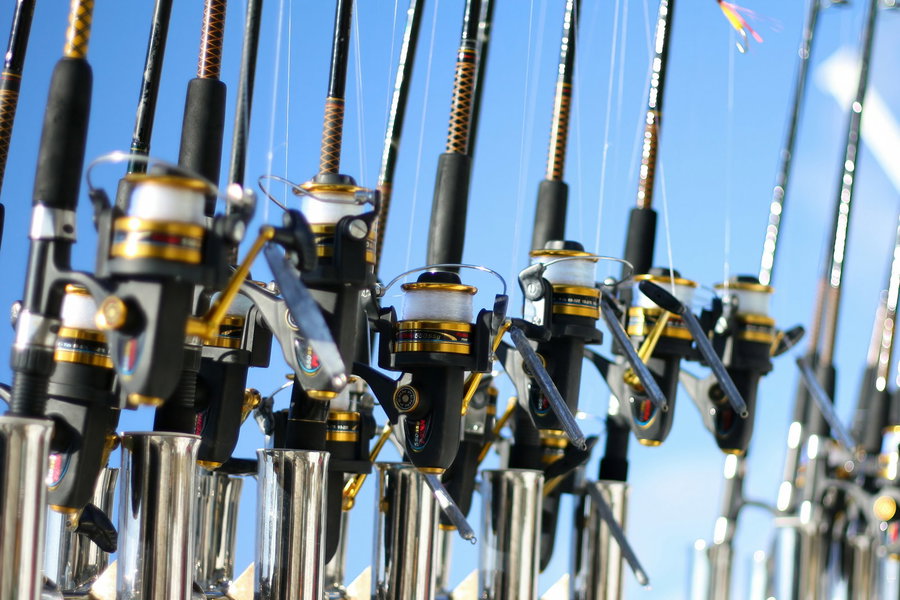
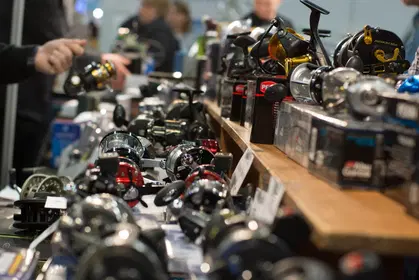
Understanding spinning reel size numbers can feel a bit overwhelming at first, especially for beginners. These numbers, typically ranging from 1000 to 10000, indicate the reel’s size and its intended use, which can significantly influence your fishing experience. In this section, we’ll break down what these numbers really mean and how they relate to the types of fish you might be targeting, the fishing techniques you plan to use, and the gear you’ll pair with your reel. By the end, you’ll have a clearer picture of how to choose the right size for your needs.
Understanding the 1000 - 10000 sizing system#
When you see spinning reel sizes like 1000, 2000, or even 10000, it might feel a bit like trying to decode a secret code. But don’t worry - this numbering system is quite straightforward once you break it down.
The numbers actually refer to the size and capacity of the reel, which affects how much line it can hold and what kind of fish you can target. Generally, smaller numbers indicate lighter reels designed for freshwater species, while larger numbers are suited for heavier saltwater fishing.
For example, a 1000 series reel is perfect for catching panfish or smaller trout, while a 4000 or 5000 is better for larger freshwater species like pike or bass. If you’re venturing into saltwater fishing, you might want to consider a 6000 or 8000 size reel to handle bigger fish like redfish or tarpon.
The sizing also relates to the width of the spool. A bigger spool means more line capacity, which can be crucial when fishing for species that make long runs. If you’re going after big game, a 10000 reel will hold a lot of line and is built to withstand tough conditions.
Always think about the type of fishing you plan to do when selecting a reel size. While it can be tempting to go for the biggest reel, it’s important to match your equipment to your fishing style. A well-chosen reel will help you enjoy your time on the water and increase your chances of landing that dream catch.
How spool size affects performance#
When you’re looking at spinning reels, the size of the spool plays a big role in how well your setup performs. The spool is the part of the reel that holds the fishing line, and its size can influence everything from casting distance to line capacity.
A larger spool can hold more line, which is great if you’re targeting bigger fish that make long runs. If you’re fishing in deep waters or areas with strong currents, having a spool that can carry enough line is crucial. It prevents the risk of running out of line during a fight, which can be frustrating and costly.
But it’s not just about capacity. A bigger spool also allows for smoother line retrieval. This is especially noticeable when you’re using lighter lures or baits. The larger diameter helps reduce line twist, making your casts more accurate and your retrieves more efficient. You’ll find that with a larger spool, you have a better chance of getting your bait where you want it without the hassle of tangles.
On the flip side, smaller spools can be beneficial for certain styles of fishing. They’re typically lighter and can make for a more balanced setup, especially on ultralight rods. If you’re targeting smaller species in freshwater, a smaller spool can be more than enough. It can help you feel every nibble and get that perfect sensitivity while casting light lures.
Ultimately, the right spool size depends on what you’re fishing for and where you’re fishing. Think about the type of fish you want to catch and the conditions you’ll be facing. Whether you choose a smaller or larger spool, understanding how it affects your performance will help you make a more informed decision and enhance your fishing experience.
Quick Spinning Reel Size Chart#
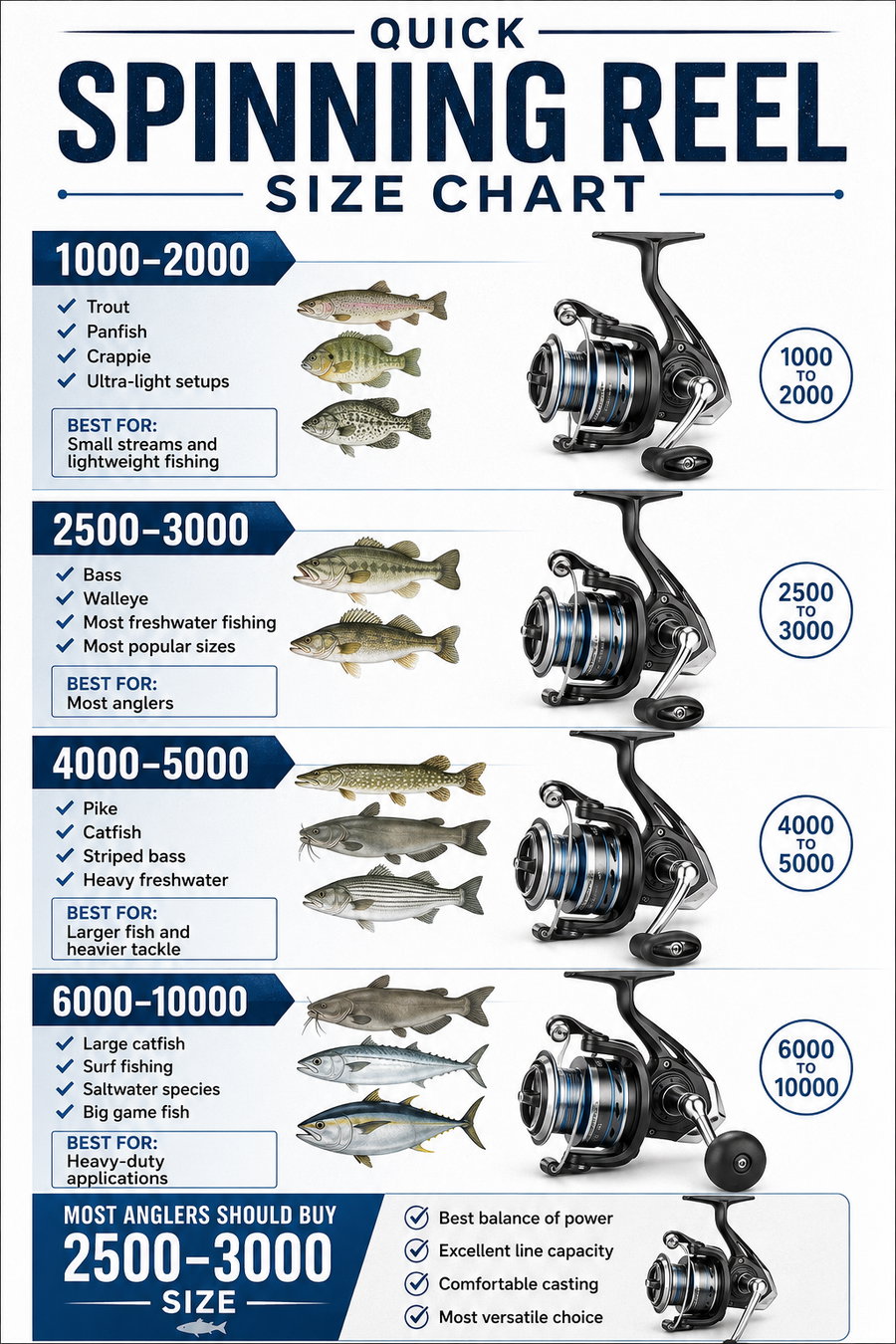
Understanding spinning reel sizes can make a big difference in your fishing success. Whether you’re just starting out or looking to upgrade your gear, this quick size chart provides an easy reference to help you choose the right reel for your needs. By knowing the size range and its applications, you can ensure you’re well-equipped for your next fishing adventure.
1000 - 2000 reels#
When you’re diving into the world of spinning reels, the 1000 to 2000 size range is often where beginners start their journey. These reels are lightweight and easy to handle, making them perfect for a variety of fishing situations, especially for those who are just getting the hang of things.
In this size range, the 1000 reel is typically used for lighter line setups, making it ideal for targeting smaller species like panfish, trout, and even some bass. If you’re planning a day at the lake or a stream, this is a solid choice. It’s compact, easy to cast, and won’t wear you out after several hours of fishing.
On the other hand, the 2000 reel offers a bit more line capacity and drag power. This means you can fish a bit heavier if you want to chase after larger species like bigger bass or walleye. It still maintains a lightweight feel, but it gives you the flexibility to use a wider variety of baits and tackle.
When selecting a reel in this size range, consider what types of fish you plan to target. If you’re primarily after smaller fish, the 1000 will serve you well. However, if you think you might want to go after larger catches, the 2000 is a better bet.
Don’t forget about the rod pairing! A medium-light rod is a good match for both sizes, providing you with the sensitivity needed for striking while still having enough backbone for handling bigger fish. Ultimately, these reels are designed to make your fishing experience enjoyable without the hassle of dealing with cumbersome gear.
2500 - 3000 reels#
When it comes to spinning reels in the 2500 to 3000 size range, you’re stepping into a versatile category that suits a lot of fishing scenarios. These reels are popular among anglers because they balance power and finesse quite well. They are typically used for freshwater fishing but can also handle light inshore saltwater applications.
A 2500 reel is great for targeting species like bass, trout, and panfish. It’s lightweight and easy to manage, making it a solid choice for beginners who are still mastering their casting technique. If you’re planning to fish in rivers or lakes, this size will serve you well for both spinning lures and live bait.
On the other hand, the 3000 size is a bit sturdier and can handle larger fish and heavier lines. It’s perfect for anglers who want to fish for species like pike or even light surf fishing for smaller saltwater species. The extra capacity allows you to use thicker lines, which can be crucial when battling a strong fish.
When selecting between the two, consider the type of fishing you’ll be doing. If you’re mostly going after smaller freshwater species, the 2500 is likely your best bet. If you think you might encounter larger fish or want a bit more versatility, go with the 3000. Both sizes typically come with good drag systems, which is important for controlling fish during a fight.
Additionally, pay attention to the gear ratio. A higher gear ratio means faster line retrieval, which is great for techniques like topwater fishing or when you need to quickly reel in a fish. For slower presentations, a lower gear ratio can give you more power.
In terms of line capacity, a 2500 reel usually holds about 150 yards of 10-12 lb line, while a 3000 can hold around 200 yards of the same line weight. This is a factor to consider if you’re fishing in areas with snags or heavy cover, as having enough line can help you avoid losing your catch.
In summary, both the 2500 and 3000 spinning reels offer great options for a variety of fishing styles. Whether you’re casting for trout in a small stream or pulling in a feisty bass from a lake, these reels provide the versatility and performance you need to enjoy your fishing experience.
4000 - 5000 reels#
When you step into the world of spinning reels, the 4000 to 5000 size range is where many anglers find their sweet spot. These reels are versatile and can handle a variety of fishing situations, making them a great choice for beginners and seasoned pros alike.
A 4000 reel typically holds around 200 yards of 10- to 15-pound test line. This size is perfect for targeting species like bass, walleye, or catfish in freshwater. If you’re venturing into saltwater, it can still manage smaller inshore species, or even larger fish if you’ve got the right tackle and technique.
Moving up to a 5000 reel, you’ll find increased line capacity - often around 300 yards of 15- to 20-pound test line. This added capacity is beneficial for anglers fishing in deeper waters or when targeting larger species like redfish or snook in saltwater environments. The larger spool also allows for better casting distance, which can be crucial when trying to reach distant structures or schools of fish.
One of the standout features of these reels is their drag systems. Both 4000 and 5000 models often come equipped with smooth, powerful drag systems that let you play fish effectively. This is especially important when you hook into something larger than you were anticipating. A good drag can help you tire out the fish without risking your line snapping.
When choosing between a 4000 and 5000 reel, consider what species you’re after and where you’ll be fishing. If you’re planning on primarily freshwater fishing for medium-sized fish, a 4000 might be all you need. However, if your plans include occasional saltwater trips or targeting larger fish, the 5000 will give you that extra edge.
Don’t forget about the gear ratio, too. Many reels in this size range have gear ratios that allow for quick retrieves, important for techniques like jigging or when you’re trying to reel in a fish quickly to avoid losing it.
Ultimately, both sizes are user-friendly and can be paired with a variety of rods, making them accessible for beginners. They’re not overly heavy, so you can comfortably fish for hours without fatigue. Whether you’re casting from the shore, a boat, or a kayak, the 4000 to 5000 reels are reliable companions for your fishing adventures.
6000 - 10000 reels#
When you’re looking at spinning reels in the 6000 to 10000 size range, you’re stepping into territory that’s geared towards larger fish and more demanding fishing conditions. These reels are robust and designed to handle heavier line and tackle, making them ideal for saltwater fishing, targeting species like tuna, tarpon, or big catfish.
A 6000 reel typically holds around 200 yards of 20-30 lb test line, which is perfect for medium to large freshwater species or smaller saltwater fish. If you find yourself fishing from a boat or a pier, this size offers a good balance between weight and power, allowing you to cast longer distances without feeling overwhelmed.
As you move up to the 8000 and 10000 sizes, you start to see reels that can hold even more line and heavier weights. A 10000 reel can hold approximately 300 yards of 30-50 lb line, making it a solid choice for serious anglers targeting larger game fish. With a reel this size, you’ll want to pair it with a sturdy rod that can handle the added pressure and weight.
In practice, these larger reels often come with higher gear ratios, which means you can retrieve line faster. This is especially useful when you’re dealing with fast-swimming fish or trying to keep tension on a hooked catch. Just keep in mind that the larger the reel, the more weight it adds to your setup, so comfort during long fishing sessions is something to consider.
When choosing a reel in this range, think about the type of fishing you plan to do. If you’re aiming for big game fish in the ocean, a 10000 reel will serve you well. But if you’re fishing in lakes or rivers for larger freshwater species, a 6000 or 8000 reel might be just what you need. Always consider the balance of your entire setup - rod, line, and bait - to ensure you have a comfortable and effective fishing experience.
Matching Reel Sizes to Popular Fish Species#
Choosing the right spinning reel size is essential for a successful fishing experience, especially when targeting specific fish species. Different fish require different tackle, and understanding how reel sizes correspond to the types of fish you want to catch can make all the difference. In this section, we’ll break down the relationship between reel sizes and popular fish species, helping you select the perfect gear for your next fishing adventure.
Trout, panfish, and crappie#
When it comes to fishing for trout, panfish, and crappie, picking the right spinning reel size can make all the difference in your experience. These species are not only fun to catch but are often found in both freshwater lakes and rivers, making them accessible to beginner anglers.
For trout fishing, a spinning reel in the 1000 to 2500 size range is typically ideal. These reels are light and easy to handle, which is perfect when you’re casting lightweight lures or bait. A smaller reel helps provide a more sensitive feel, allowing you to detect those subtle bites that trout are known for. Look for reels that have a smooth drag system, as this will help prevent the line from breaking when a feisty trout makes a run.
When targeting panfish, like bluegill and perch, a spinning reel around 1000 to 2000 in size works well. These fish often bite on small jigs or worms, so a lightweight setup is beneficial. A smaller reel not only balances better with ultra-light rods but also gives you greater control when reeling in these nimble fish. Plus, the fun of catching panfish on light tackle can be quite rewarding.
Crappie fishing can be a bit more varied, but you can still stick with a spinning reel in the 1500 to 2500 range. Crappies can be found in schools, and using a reel that allows for quick retrieves can help you catch multiple fish in one spot. Whether you’re using minnows or soft plastics, having the right reel size will enhance your chances of success while keeping the experience enjoyable.
In summary, for trout, panfish, and crappie, aim for spinning reels between sizes 1000 and 2500. This will give you the right balance of control and strength to enjoy your fishing trips.
Bass, walleye, and pike#
When it comes to fishing for bass, walleye, and pike, choosing the right spinning reel size can significantly enhance your experience on the water. Each of these species has different habits and habitats, which can affect how you select your gear.
For bass fishing, a reel in the range of 2500 to 3000 is often ideal. These sizes provide a good balance of line capacity and drag power, making them versatile for both freshwater lakes and rivers. Bass can be aggressive fighters, so you’ll want a reel that can handle quick runs and strong pulls. A 3000-size reel offers extra line capacity for those moments when a big bass takes off.
Walleye, on the other hand, typically call for a slightly smaller reel. A 2000 to 2500 size reel is usually sufficient. Walleye are often found in deeper waters or near structure, so having a reel that allows for precise control and sensitivity is crucial. This size range allows you to use lighter lines and lures, which can make a big difference when fishing in clear water conditions where walleye can be particularly finicky.
When targeting pike, you might want to step up to a larger reel, around 3000 to 4000 size. Pike are known for their strength and size, and they often inhabit areas with heavy cover like weeds and submerged trees. A larger reel gives you the drag power needed to handle these powerful fish and the line capacity to deal with long runs. Plus, the extra line helps you avoid break-offs when pike dart into cover.
In summary, match your reel size to the species you’re targeting. Bass typically work well with 2500 - 3000 reels, walleye with 2000 - 2500, and pike with 3000 - 4000. This way, you’ll be better equipped to tackle whatever comes your way on your fishing adventures.
Catfish, salmon, and saltwater species#
When it comes to fishing for catfish, salmon, or saltwater species, understanding reel size can make a big difference in your success. Each type of fish has its own set of challenges, and having the right equipment is key.
Catfish are often caught using larger bait and heavier tackle, so a spinning reel in the 4000 to 6000 size range is typically a good choice. These reels offer the strength and line capacity needed to handle the weight and fight of a big catfish. Look for a reel with a strong drag system, as catfish can put up quite a struggle when hooked. Pair your reel with a stout rod and heavy line, especially if you’re targeting larger species like flatheads or blues.
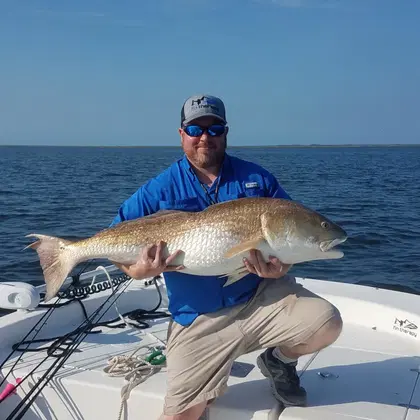
Moving on to salmon, the size of the reel can vary based on whether you’re fishing in freshwater rivers or saltwater. For freshwater salmon fishing, a 3000 to 4000 size reel is usually sufficient. This size allows for easy casting and retrieves, which is important when you’re trying to entice salmon with lures or bait. In saltwater, where salmon can be larger and more powerful, you might want to bump up to a 5000 or even a 6000 size reel for added strength and line capacity.
Saltwater species can range from smaller fish like snapper to larger gamefish like tuna or marlin. For general saltwater fishing, a reel in the 6000 to 8000 size range is a safe bet. These reels are built to withstand the harsh conditions of saltwater environments and provide the durability needed for larger fish. If you’re targeting really big gamefish, consider going up to a 10000 size reel, as these models offer the strength and line capacity needed for heavy-duty fishing.
In all cases, remember that matching your reel size to the type of fish you’re targeting helps you handle fights better and increases your chances of landing that catch. Make sure to pair your reel with the appropriate rod and line to create a balanced setup that works for your fishing style.
How Reel Size Affects Casting, Line Capacity, and Comfort#
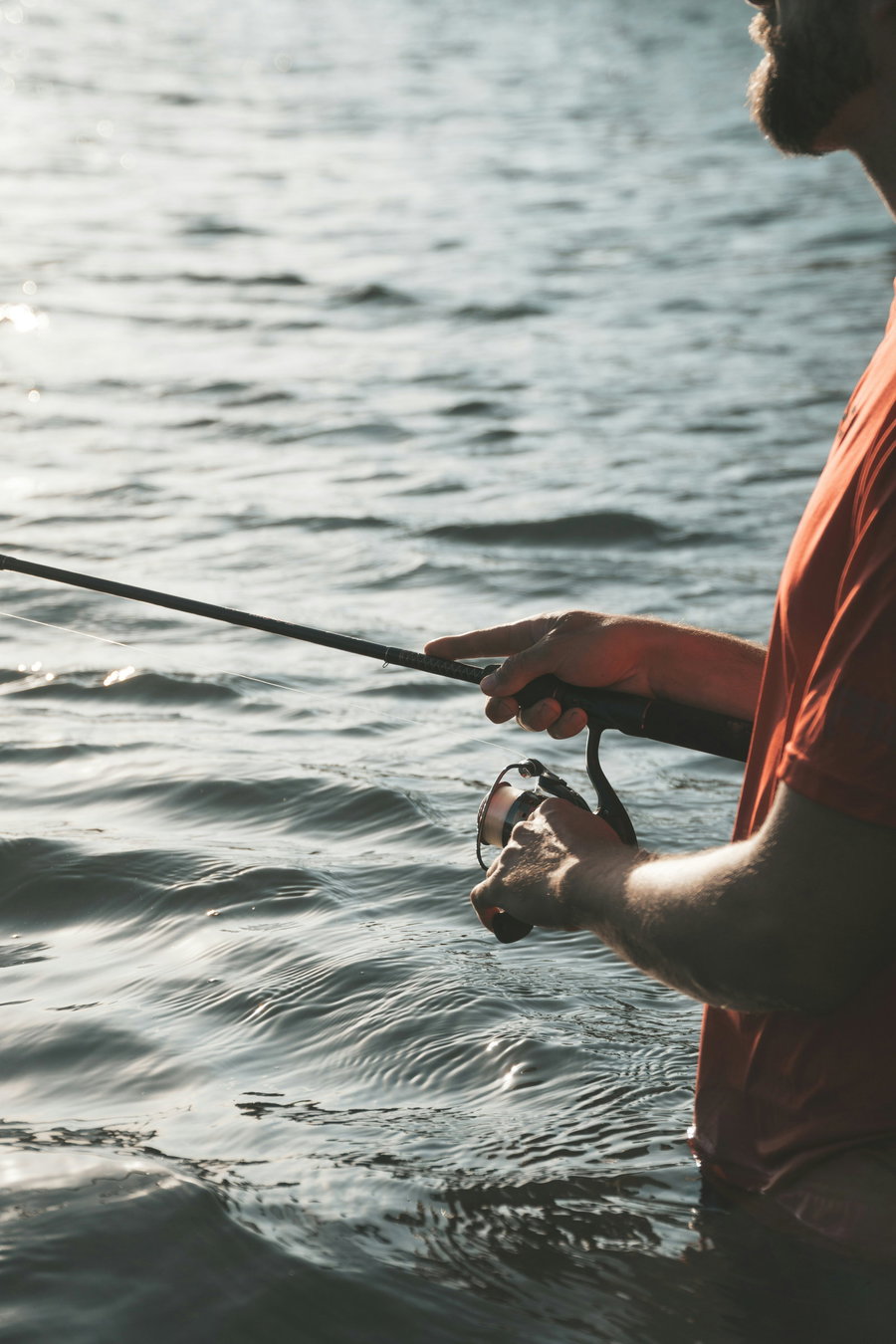
When it comes to fishing, the size of your spinning reel plays a crucial role in how effectively you can cast, the amount of line you can carry, and your overall comfort while fishing. A reel that feels right in your hands can make a world of difference, whether you’re casting into a tranquil lake or battling a strong ocean current. Understanding how each size affects these aspects can help you choose the right gear for your fishing adventures, enhancing your experience on the water.
Lightweight finesse fishing#
When it comes to lightweight finesse fishing, the size of your spinning reel plays a crucial role in your overall experience. Smaller reels, typically in the 1000 to 2500 range, are ideal for this type of fishing. They’re designed to handle lighter lines and smaller lures, making them perfect for targeting species like panfish, trout, or bass in clear waters.
Using a smaller reel allows for better sensitivity. You can feel the slightest nibble or the subtle pull of a fish, which is essential when using finesse techniques. This sensitivity comes from the combination of a lightweight design and a smaller spool, which helps you detect bites better than a larger reel would.
Line capacity is also a factor. Lightweight finesse fishing often involves using thinner lines, like 4 to 10-pound test. Smaller reels hold enough line for your needs without the extra bulk that larger reels bring. Plus, a lighter setup makes it easier to cast long distances without tiring out your arm, especially when you’re making repeated casts throughout the day.
Comfort is another consideration. A smaller reel balances well with lighter rods, creating a setup that feels right in your hands. You won’t feel weighed down, allowing you to fish for hours without discomfort. This balance is particularly important when finesse fishing, as you’ll want to maintain precise control over your lure.
In summary, when you’re getting into lightweight finesse fishing, opt for a spinning reel on the smaller side. It enhances sensitivity, offers adequate line capacity, and ensures comfort, all of which contribute to a more enjoyable fishing experience.
Long-distance casting and heavier tackle#
When it comes to long-distance casting, the size of your spinning reel plays a key role. Larger reels, typically those in the 5000 to 10000 range, are designed to handle heavier lines and lures. This means they can help you cast farther, especially when you’re dealing with wind or waves that might otherwise hinder your distance.
Larger reels also have a wider spool, allowing for more line capacity. This is crucial when you’re fishing in deeper water or targeting species that like to run. The extra line means you won’t have to worry about running out during a long fight, which can be a game-changer when you’re hooked into a big fish.
However, it’s not just about size; the weight of the tackle you’re using also matters. If you’re throwing heavier lures, you’ll want a larger reel to balance the setup. A big lure on a small reel can feel awkward and may lead to casting fatigue. The right-sized reel will distribute the weight evenly, making it more comfortable to handle over long periods.
In addition to comfort, using a bigger reel with heavier tackle means better drag systems. Larger reels typically come with stronger drag capabilities, which is essential when you’re trying to control a powerful fish. A smooth drag allows you to tire out your catch without risking line breakage.
So, if you’re aiming for long casts and planning to use heavier tackle, consider opting for a larger spinning reel. It will enhance your experience on the water and give you the confidence to tackle bigger fish.
Common Reel Size Mistakes Beginners Make#
When you’re just starting out in fishing, choosing the right spinning reel size can feel overwhelming. Many beginners make common mistakes that can impact their fishing experience, from selecting a reel that’s too heavy for their rod to not considering the type of fish they want to target. Understanding these pitfalls can help you make more informed decisions, ensuring that your time on the water is both enjoyable and productive. Let’s dive into some of these frequent missteps to help you avoid them.
Buying larger reels than necessary#
One common mistake beginners make is opting for larger reels than they actually need. It’s easy to assume that a bigger reel means you can catch bigger fish, but that’s not always the case. In many situations, having a reel that’s too large can make fishing more difficult than it needs to be.
When you choose a reel that’s too big, it can be heavier and harder to handle, especially for long days on the water. This is particularly true if you’re just starting out and may not have the upper body strength or experience that seasoned anglers have. A larger reel can also make it tricky to cast accurately, which can be frustrating when you’re trying to target specific spots.
Instead, think about the type of fishing you plan to do. Smaller reels, often in the 1000 to 3000 size range, are perfect for freshwater species like panfish, trout, or bass. They are lightweight, easy to maneuver, and offer plenty of power for most catches in these environments. If you’re heading out for larger saltwater species, a medium-sized reel, around 4000 to 6000, should typically suffice for many anglers.
Keep in mind that your reel should match your rod and line. A good rule of thumb is to balance your gear: if you have a lightweight rod, pair it with a smaller reel. This makes your setup easier to manage and more enjoyable. Remember, it’s better to size down and be comfortable than to struggle with a reel that feels unwieldy and cumbersome.
Ignoring rod balance#
One common mistake beginners make is overlooking the importance of rod balance when choosing a spinning reel. It might not seem like a big deal at first, but having a properly balanced setup can significantly affect your fishing experience.
When your rod and reel are balanced, it feels comfortable in your hand, making it easier to cast and retrieve your line. If your reel is too heavy for your rod, you’ll notice that it throws the balance off. This can lead to fatigue, making those long days on the water feel much harder than they should.
To find a good balance, start by considering the rod’s action and power. A lightweight spinning rod paired with a heavy reel can feel awkward. Ideally, your reel size should complement the rod’s specifications. For example, if you’re using a medium-light rod, pairing it with a 2500 or 3000 size reel is typically a good match.
When you hold the rod with the reel attached, the tip should sit relatively level without tipping too far forward or backward. If you find yourself straining to keep it steady, it’s time to reassess your reel choice.
Don’t hesitate to ask for help at your local tackle shop. Staff there can offer guidance on what reel sizes work best with your selected rod, ensuring you have a setup that feels right in your hands. Remember, comfort is key when you’re out on the water for hours!
Choosing line that doesn’t match the reel#
One of the most common mistakes beginners make is selecting a fishing line that doesn’t fit their spinning reel. The line you choose is crucial because it affects your casting distance, sensitivity, and how well you can handle fish.
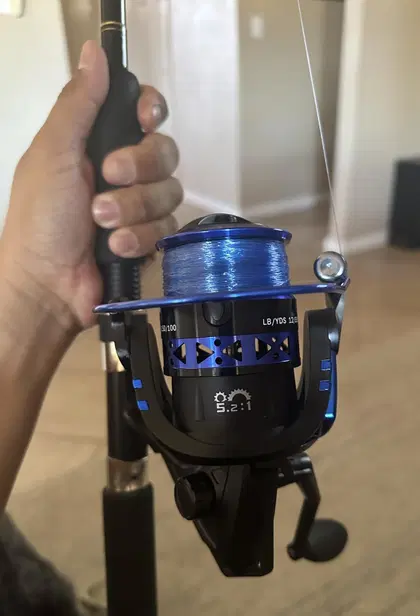
Each spinning reel has a recommended line weight and type, often listed on the reel itself or in the manufacturer’s specifications. For instance, if you have a small reel, like a 1000 or 2000 size, using heavy line can hinder your casting ability and even damage the reel. On the flip side, using a very light line on a larger reel can lead to breakage when you hook a big fish.
When choosing line, think about the type of fishing you plan to do. If you’re targeting panfish, a lighter line (like 4-8 lb test) on a smaller reel is suitable. For larger species, you might need heavier line on a bigger reel. Always aim for a line weight that matches your reel’s capacity.
Also, pay attention to the type of line - monofilament, fluorocarbon, or braided lines each have their benefits. Monofilament is great for beginners due to its ease of use, while braided line offers higher strength and sensitivity, which might be better for larger fish.
In short, match your line to your reel’s size and the fishing conditions. It will make your fishing experience much more enjoyable and successful.
Recommended Reel Sizes for Most Anglers#
When it comes to selecting the right spinning reel size, it can feel overwhelming with so many options available. However, understanding which sizes are best suited for various fishing scenarios can make your decision much easier. In this section, we’ll break down the recommended reel sizes that cater to different fishing styles and species, helping you choose the perfect fit for your next outing on the water.
The versatility of 2500 and 3000 size reels#
When it comes to choosing a spinning reel, the 2500 and 3000 sizes are among the most popular options for a reason. They strike a great balance between size, weight, and line capacity, making them suitable for various fishing scenarios.
A 2500 reel is perfect for freshwater anglers targeting species like bass, trout, or panfish. Its lightweight design allows you to fish for long hours without getting fatigued. You can pair it with a medium-light to medium rod, which gives you enough power to handle lively fish while still feeling the subtle bites. The 2500 size typically holds 150 to 200 yards of 10 to 15-pound test line, giving you enough capacity for most situations.
On the other hand, the 3000 size reel offers a bit more line capacity and strength. This makes it a solid choice for anglers venturing into larger freshwater species, like catfish or pike, or for those saltwater adventures where you might encounter tougher opponents. A 3000 reel can hold around 200 to 250 yards of 15 to 20-pound test line, making it versatile for both light saltwater and bigger freshwater fishing. Pair it with a medium to medium-heavy rod, and you’ll have a setup that can handle a variety of conditions.
Both sizes are user-friendly for beginners. They feature smooth drag systems, which help you adjust easily when a fish makes a run. The 2500 and 3000 reels are also designed to be easy to cast, allowing you to cover more water without a steep learning curve. Whether you’re fishing from a boat, a dock, or the shore, these reels will serve you well as you explore the waters.
When You Should Move Up to Larger Reel Sizes#
As you gain experience in fishing, you may find yourself tackling larger species or venturing into new waters that require sturdier gear. Understanding when to upgrade to a larger spinning reel can be pivotal for your success and enjoyment on the water. Whether you’re aiming to catch bigger fish or simply want a more powerful setup, recognizing the signs that it’s time to move up in reel size will help you make the best choice for your fishing adventures.
Surf fishing and offshore applications#
When you’re heading out for surf fishing or planning an offshore trip, knowing when to move up to a larger spinning reel can make a big difference. Surf fishing often means casting long distances to reach fish that are feeding in deeper waters, and for that, you’ll want a reel that can handle heavier lines and bigger fish.
In surf fishing, a reel in the 5000 to 8000 size range is common. These reels have the capacity to hold more line, which is essential when you’re casting far and dealing with strong currents. A larger spool also allows for a smoother line retrieval, which helps when you’re reeling in the big ones. Plus, a bigger drag system gives you the power to fight larger fish without risking the line breaking.
For offshore applications, moving up to sizes 8000 and above is often necessary. When you’re targeting species like tuna, marlin, or sharks, you need a reel that can handle heavy line and withstand the stress of battling powerful fish. Offshore fishing typically involves deeper waters where larger fish reside, so a hefty reel will not only help you cast farther but also give you the muscle needed to reel in those big catches.
Remember, when choosing a reel for these situations, consider the type of fish you’re targeting and the specific conditions you’ll be fishing in. If you find yourself frequently battling strong currents or casting into the surf, opting for a larger reel will make your fishing experience more enjoyable and successful.
Targeting larger fish with heavier line#
When you’re out on the water hoping to catch bigger fish, one of the first things to consider is your gear, particularly your spinning reel. Larger fish require heavier line and a reel that can handle the extra stress. If you’re planning to target species like pike, muskie, or large bass, it’s time to think about moving up to a larger reel size.
A larger spinning reel, usually in the 5000 to 8000 size range, gives you the strength you need for these tougher fish. These reels are designed to hold thicker, more robust lines that can withstand the powerful runs and sharp turns of larger species. A heavier line also provides better abrasion resistance, which is crucial if you’re fishing in areas with rocks or heavy vegetation.
When selecting a reel, consider the type of line you want to use. For bigger fish, a braided line is often a great choice because it has a thin diameter and high strength. This allows you to pack more line onto your reel while still maintaining the ability to handle strong fish. If you’re switching to a larger reel, you might need to adjust your line choice accordingly.
It’s also worth noting that your drag system plays a significant role when targeting larger fish. A reel with a smooth and powerful drag system can help you tire out the fish without breaking your line. This feature is especially important when you’re dealing with strong fighters that can make sudden, powerful runs.
In summary, if you’re serious about catching larger fish, upgrading to a bigger spinning reel isn’t just a good idea - it’s essential. It will not only enhance your chances of landing that trophy fish but also make your fishing experience more enjoyable and less stressful.
Does Bigger Mean Better in Fishing Reels#
When it comes to fishing reels, size can be a bit of a puzzle for beginners. It’s easy to assume that a larger reel is always better, but that’s not necessarily the case. The ideal reel size depends on various factors, including the type of fishing you plan to do, the species you’re targeting, and your personal comfort. Understanding how reel sizes affect performance will help you make more informed choices and enhance your fishing experience.
In the world of fishing, understanding spinning reel sizes can feel like deciphering a secret code. But now that you’re armed with knowledge about what those numbers really mean and how to match them to your fishing style, you’re well on your way to making informed decisions. Remember, the ideal reel size isn’t just about catching bigger fish; it’s about finding the right balance between comfort, control, and line capacity for your specific needs. Don’t be afraid to experiment with different sizes as you gain experience. Each outing is an opportunity to learn and refine your setup. So, whether you’re casting for panfish or battling a hefty bass, feel confident in your choice. Now, grab your gear, head to the water, and enjoy the adventure that awaits! Happy fishing!