
Affiliate disclosure: As an Amazon Associate, we may earn from qualifying purchases made via links on this page - at no extra cost to you. See our Affiliate Disclosure.
When you first step into the world of fishing, you’ll soon discover that gear can feel like a labyrinth of options. One of the first decisions you’ll face is how to organize all that shiny tackle you’ve collected - or maybe inherited from a well-meaning relative. Enter the great tackle box debate: soft vs hard. It may not seem like a big deal at first, but choosing the right tackle box can mean the difference between an organized fishing experience and a chaotic scramble when that big catch finally bites.
While both types have their devoted fans, they each come with their own set of pros and cons. In this guide, we’ll break down what you need to know to make an informed choice without drowning in gear jargon. So grab a cup of coffee, sit back, and let’s see which tackle box could become your new fishing buddy.
Understanding the Difference Between Soft and Hard Tackle Boxes#
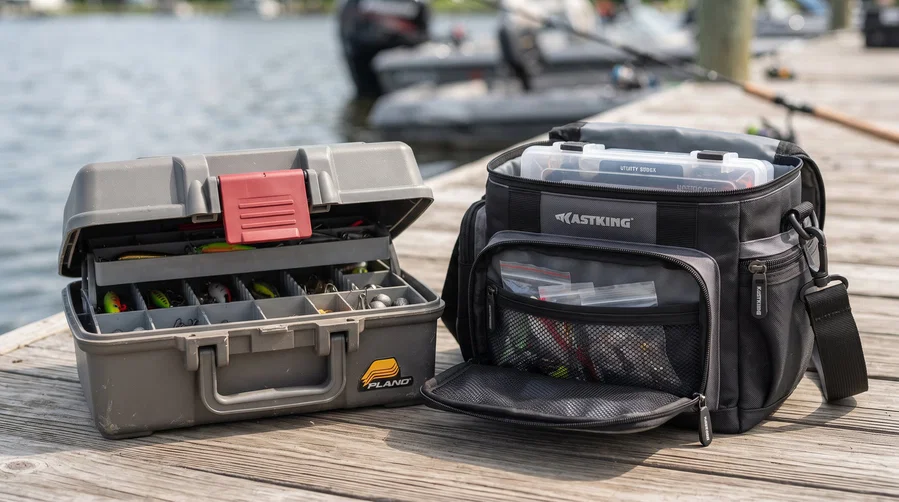
When it comes to organizing your fishing gear, choosing between soft and hard tackle boxes can significantly impact your fishing experience. Each type has its own set of advantages and disadvantages, which can influence how you store, transport, and access your tackle. Understanding these differences will help you make a more informed decision that fits your fishing style and needs. Whether you’re a weekend angler or a seasoned pro, knowing what works best for you can enhance your time on the water.
How each storage style is designed#
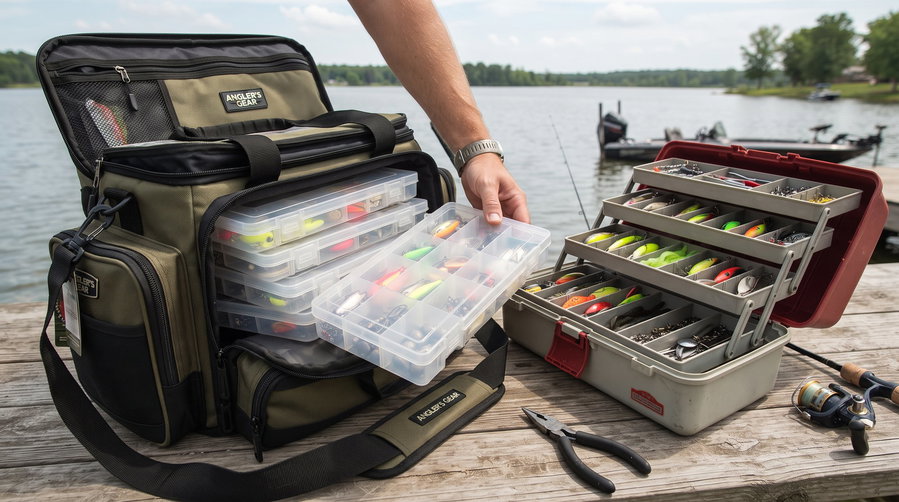
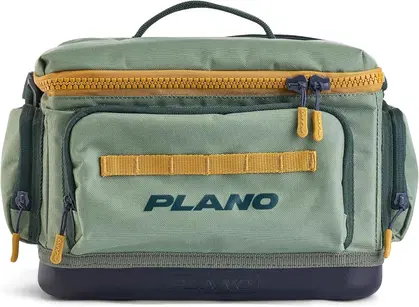
When it comes to tackle boxes, the design plays a big role in how you’ll use them. Soft tackle boxes, often made from durable fabrics, have a more flexible structure. They usually come with multiple compartments and pockets, letting you customize how you organize your gear. This flexibility is ideal if you carry a variety of lures, lines, and tools. You can easily rearrange your setup based on the day’s fishing conditions.
On the flip side, hard tackle boxes are typically constructed from sturdy plastic or metal. They have a rigid frame that offers protection for your tackle. This design is great for keeping delicate items safe, like specific lures or electronic fish finders. Hard boxes often feature trays that slide out, giving you organized access to everything you need without digging around.
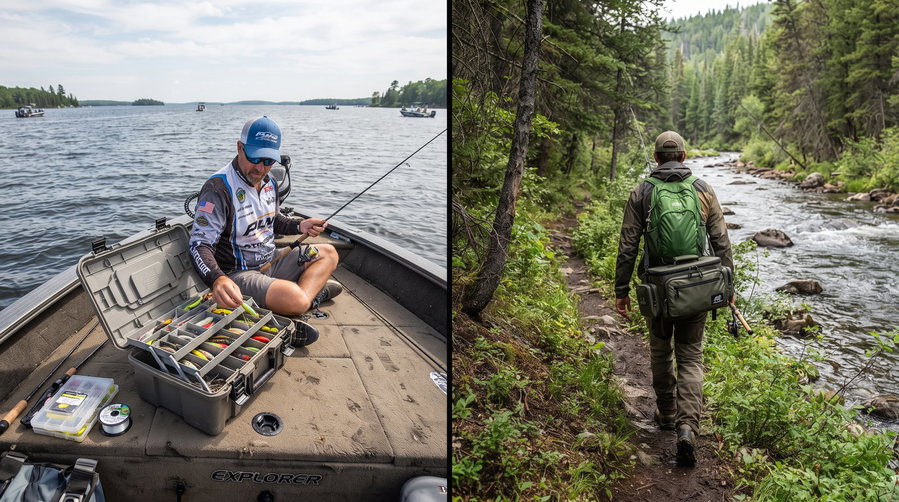
Soft boxes are lightweight and easy to carry, which makes them a favorite for anglers who like to hike to their fishing spots. You can toss one over your shoulder or grab it with one hand. Hard boxes, while bulkier, often come with handles or wheels, making them easier to transport when loaded with gear.
Both styles usually include waterproof features, but soft boxes might not hold up as well under extreme weather conditions. If you’re fishing in a downpour or heavy splash zones, a hard box might be the safer bet. Conversely, soft bags often feature extra pockets for quick access to essentials like pliers or bait, making them more user-friendly for quick trips.
Ultimately, the right design for you will depend on your fishing style and how much gear you like to carry. Consider where you fish most often and how you prefer to organize your tackle when weighing your options.
Who each option is best suited for#
When it comes to choosing between soft and hard tackle boxes, it really boils down to your fishing style and needs. Let’s break down who might benefit from each type.
Soft tackle boxes are a great fit for beginners or casual anglers. They’re lightweight and easy to carry, making them ideal for a day on the shore or a quick trip to your local lake. If you’re starting out, you might not need a ton of gear, so a soft box allows for easy access and organization without overwhelming you. They often come with adjustable compartments, which means you can customize the layout to fit your lures, hooks, and other essentials.
If you enjoy bank fishing or hiking to remote spots, a soft tackle box can be a lifesaver. Many have comfortable shoulder straps or handles, making it easy to transport your gear without straining your back. Plus, they’re generally more affordable, which is perfect if you’re still figuring out what works best for you.
On the other hand, hard tackle boxes are suited for those who take their fishing a bit more seriously. If you have a larger collection of tackle and tools or if you fish in various environments, a hard box provides the durability and protection that soft boxes can’t match. They’re ideal for storing gear that needs to stay organized and safe from the elements.
For anglers who spend a lot of time on boats or in harsher conditions, a hard tackle box can be invaluable. They typically seal better against water and dust, protecting your valuable gear. If you’re the type who likes to keep everything in its place, the structured compartments in hard boxes can help you avoid the mess of tangled lines and misplaced lures.
Ultimately, think about your fishing habits. If you’re just starting out or prefer a more relaxed approach, a soft tackle box might be your best bet. But if you’re serious about fishing and have a lot of gear to manage, investing in a hard tackle box could be the way to go.
Benefits of Hard Tackle Boxes#
When it comes to organizing your fishing gear, hard tackle boxes offer a level of durability and protection that can be a game-changer for beginners. These sturdy containers are designed to withstand the rigors of outdoor adventures, keeping your equipment safe from rough handling and environmental elements. From securing delicate lures to accommodating larger items like reels, hard tackle boxes provide a structured approach to tackle management that can simplify your fishing experience and enhance your time on the water.
Excellent protection for fishing gear#
When it comes to safeguarding your fishing gear, hard tackle boxes truly shine. Their sturdy construction means they can take a beating, whether you’re throwing them in the back of your truck or dropping them on the boat. With a hard outer shell, your lures, reels, and other equipment are less likely to get damaged from bumps or drops.
The hard material also shields your gear from the elements. Rain, splashes, and even the occasional accidental dunk in the water won’t ruin your tackle if it’s stored in a hard box. Many models come with rubber seals or gaskets that help keep moisture out, which is essential for preventing rust and corrosion on your hooks and reels.
Another advantage is the internal organization. Hard tackle boxes often feature various compartments and dividers that keep things neatly in place. This organization helps prevent your gear from getting tangled or scratched, making it easier to find what you need when you’re out on the water. You won’t waste time rummaging through a jumbled mess, allowing you to focus on fishing instead of searching.
If you plan to fish in rugged conditions or travel often, a hard tackle box is a smart investment. It offers peace of mind knowing that your gear is secure and ready for action whenever you are.
Fixed compartments for better organization#
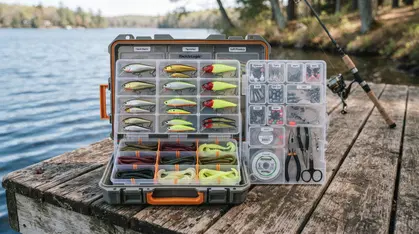
One of the standout features of hard tackle boxes is their fixed compartments. These built-in sections allow you to sort your gear neatly, which can save you time and frustration on the water. Imagine reaching for that favorite lure only to find it tangled up with a mess of hooks and weights. With a hard tackle box, you can designate a specific space for each item, keeping everything in its place.
These compartments come in various sizes, which means you can customize your setup based on your fishing style. If you’re a bass angler who loves using a variety of lures, you can allocate separate sections for crankbaits, soft plastics, and topwaters. If you’re into fly fishing, you might have a compartment dedicated solely to flies. This arrangement makes it easy to find what you need without rummaging through a jumbled pile.
Another advantage is durability. Hard tackle boxes are typically made from robust materials that can withstand the rigors of outdoor use. They’re less likely to be damaged by water or rough handling, which means your tackle stays safe and your investment is protected. Plus, if you’re fishing in the rain or wading through water, a hard tackle box can keep its contents dry and secure.
Finally, many hard tackle boxes come with secure latches or locks. This feature is great if you’re worried about losing small items while out on the boat or shore. You’ll have peace of mind knowing that your tackle is safely stored, so you can focus on what really matters: enjoying your day on the water.
Ideal for boats and shore fishing#
Hard tackle boxes are a fantastic choice for both boat and shore fishing, and for good reason. When you’re out on the water or standing on the beach, you want your gear to be organized and protected from the elements. Hard tackle boxes offer that level of durability and structure.
One of the main advantages of a hard tackle box is its ability to withstand rough handling. Whether you’re loading it into a boat, dropping it on the shore, or trying to balance it on a rocky ledge, these boxes can take a beating. They’re often made from tough plastic or even molded materials that resist cracks and damage. This means your lures, lines, and other essentials stay secure inside.
Another benefit is their organization capabilities. Hard tackle boxes typically come with multiple compartments and trays. This makes it easy to separate your gear, whether you’re organizing by type of bait, size of lures, or even by fishing technique. When you’re on a boat, space is often limited, so being able to find exactly what you need quickly can save you a lot of time and frustration.
For shore fishing, the sturdiness of a hard tackle box is invaluable. It can hold up against sand, saltwater, and even the occasional splash from the waves. Many models are also designed to be waterproof or water-resistant, which is a huge plus when you’re fishing in variable weather or near the ocean. You can rest easy knowing that your gear is safe from moisture that could ruin your tackle.
In terms of portability, hard tackle boxes often come with sturdy handles or even wheels, making them easier to transport from your vehicle to your fishing spot. If you’re planning a long walk to your favorite fishing hole, a wheeled model can be a lifesaver.
In summary, when it comes to fishing from a boat or the shore, hard tackle boxes provide the durability, organization, and protection you need. They keep your gear safe from damage and make your fishing trips more enjoyable.
Benefits of Soft Tackle Bags#
When it comes to organizing your fishing gear, soft tackle bags offer a range of advantages that can make your trips more enjoyable and efficient. These bags are typically lightweight and flexible, allowing you to easily carry your essentials without the bulk of a hard tackle box. Their soft construction means they can fit into tight spaces, and often feature multiple pockets and compartments for optimal organization. Whether you’re heading out for a day on the water or packing for a weekend trip, understanding the benefits of soft tackle bags can help you choose the right option for your needs.
Lightweight and comfortable to carry#
One of the biggest draws of soft tackle bags is their lightweight design. Unlike hard tackle boxes, which can be bulky and heavy, soft bags are made from flexible materials that make them easy to carry. This is especially handy if you plan on hiking to your fishing spot or if you need to walk a distance from your car.
You’ll notice that many soft tackle bags come with padded shoulder straps or handles, making them comfortable to lug around. Whether you’re loading up your gear for a day on the lake or packing for a weekend fishing trip, you’ll appreciate how much easier it is to maneuver a soft bag.
Another benefit is how they can conform to your body, which helps distribute the weight evenly. This means you won’t feel like you’re dragging a ton of bricks behind you. Instead, you can focus on enjoying your time outdoors rather than worrying about your gear.
Soft tackle bags also tend to be more compact when empty, so they take up less space in your car or during storage. If you’re tight on space or just want to keep things simple, a soft bag can fit the bill nicely.
Flexible storage with multiple pockets#
One of the standout features of soft tackle bags is their flexibility when it comes to storage. Unlike hard tackle boxes, which usually have a set number of compartments, soft bags often come with multiple pockets and adjustable dividers. This allows you to customize the layout based on your needs.
You can easily store various items like lures, lines, and tools in separate pockets, making it simple to find what you need when you’re out on the water. Many bags even have specialized pockets for things like pliers, bait, or even your phone, so everything has its place.
Another advantage of this flexibility is that you can pack your bag according to the type of fishing you’re doing. Heading for a day of bass fishing? You can fill it up with topwater lures and soft plastics. Planning a saltwater trip? Just switch out the contents for your favorite jigs and swimbaits.
Plus, the soft design means you can squeeze your bag into tight spaces, whether that’s your vehicle trunk or a small storage area at home. If you’re just starting out, having a bag that adapts to your gear can make organizing and accessing your fishing supplies much easier.
Easier to transport on long walks#
When you’re heading out for a day of fishing, the last thing you want is to lug around a heavy tackle box that feels more like a burden than a helpful companion. That’s where soft tackle bags shine. Their lightweight design makes them much easier to carry, especially during those long walks to your favorite fishing spot.
Most soft tackle bags come with adjustable straps or padded handles, which can be a game-changer. You can throw one over your shoulder or carry it like a backpack, allowing you to keep your hands free for other gear or for navigating tricky terrain. This flexibility makes it a lot easier to manage your gear, whether you’re crossing a rocky riverbank or walking a lengthy trail.
Another advantage of the soft design is that they tend to mold to your body better than hard boxes. This means you can move more comfortably, reducing the strain on your back and shoulders. Plus, if you decide to venture off the beaten path, the soft bag can fit into tighter spaces without the risk of getting stuck or damaged.
Soft tackle bags also allow you to pack more efficiently. You can squeeze in extra items, like snacks or a light jacket, alongside your fishing gear without a lot of fuss. Unlike rigid tackle boxes, which have fixed compartments, soft bags can adapt to the shape of your load, making it easier to organize everything you need for your outing.
Hard Tackle Boxes: Potential Drawbacks#
While hard tackle boxes are often favored for their durability and organizational features, they do come with some drawbacks that can affect your fishing experience. Their rigid design can make them less portable, especially when you’re navigating uneven terrain or trying to fit them into tight spaces. Additionally, the weight of a fully loaded hard tackle box can be a hassle during longer trips. Understanding these potential downsides can help you make a more informed decision about whether a hard tackle box is the right choice for your fishing needs.
Bulkier and heavier to carry#
One of the first things you’ll notice about hard tackle boxes is their size and weight. These sturdy containers often come with a lot of space, which is great for organization, but it can also make them cumbersome to haul around. If you’re planning a day out on the water or a hike to your favorite fishing spot, lugging a heavy tackle box can be a real hassle.
Consider the gear you need for your trip. If you’re only bringing a few lures and hooks, a hard tackle box might feel excessive. The bulk can become an issue, especially if you’re navigating rocky paths or trying to squeeze everything into your vehicle. Plus, if you’re fishing from a kayak or a canoe, space is often at a premium. A heavy tackle box could take up valuable room that could be better used for other essentials.
If you do opt for a hard tackle box, think about how you can minimize its bulk. Packing it wisely can help. Group your gear and only take what you need for the day. Also, look for models with comfortable handles or wheels if you know you’ll be carrying it long distances. This way, you can enjoy your fishing trip without feeling like you’re lugging around a suitcase.
Limited flexibility as your gear grows#
One of the biggest drawbacks of hard tackle boxes is their limited flexibility. When you first start fishing, you might have just a handful of lures, a couple of reels, and maybe a few other essentials. A hard tackle box can seem like a perfect fit. But as your collection grows, you might find that it becomes harder to organize and fit everything in.
Hard tackle boxes usually come with specific compartments and dividers. While these can help keep your gear organized at the beginning, they can lead to challenges later. If you suddenly decide to try new fishing techniques, or if you snag a few extra lures on sale, you may find those compartments aren’t quite cutting it anymore.
Once you start adding more items, you might end up cramming things in or leaving some gear behind. This can be frustrating when you’re out on the water and need something that’s buried in the back. The rigid structure of a hard box means you can’t easily adjust the space to make room for your new gear, unlike soft tackle bags, which often have expandable pockets or adjustable dividers.
So, if you think you’ll be growing your tackle collection significantly over time, keep this in mind. A hard tackle box might not be the best choice for the long haul. Consider how your fishing style might evolve and whether a more flexible storage solution might better serve you as your gear and skills develop.
Soft Tackle Bags: Potential Drawbacks#
While soft tackle bags offer flexibility and convenience, they do come with some drawbacks that are important to consider. These bags, although lightweight and easy to carry, may not provide the same level of protection for your gear as hard tackle boxes. Additionally, their fabric materials can be less durable in harsh weather conditions or rugged environments, leading to potential issues with wear and tear over time. Understanding these limitations can help you decide if a soft tackle bag is the right choice for your fishing adventures.
Less protection for delicate tackle#
When it comes to protecting your gear, soft tackle bags have their limitations. Unlike hard tackle boxes that provide a sturdy shell, soft bags can leave your delicate tackle vulnerable to bumps and impacts. If you’re using fragile lures or sensitive equipment, this lack of protection might be a concern.
Soft bags are typically made from fabric or flexible materials, which means they can easily get squished or crushed if something heavy is placed on top of them. This can lead to bent hooks, broken lures, or tangled lines. If you often find yourself in rugged environments or transporting your gear in the back of a truck, consider how much rough handling your tackle will face.
Another aspect to think about is water resistance. Many soft tackle bags offer some level of water resistance, but they usually won’t keep your gear completely dry like a hard box. If you’re fishing in rainy conditions or near water, moisture can seep in and damage your tackle. It might be worth investing in waterproof liners or bags if you choose soft tackle solutions.
Lastly, the organization within a soft bag can sometimes be less rigid. While many have compartments and pockets, they may not hold their shape as well as a hard tackle box. This can lead to tackle shifting around, which might result in more tangles or even losing small items at the bottom of the bag. If you’re the type who likes to keep everything in its place, this could be a frustrating drawback.
Can become disorganized without utility boxes#
One of the main challenges with soft tackle bags is the potential for disorganization. Unlike hard tackle boxes that have fixed compartments, soft bags often rely on flexibility. This means that if you don’t use utility boxes or organizers, your gear can easily become a jumbled mess.
Imagine reaching into your bag for a specific lure or tool, only to find yourself sifting through a chaotic pile of items. It’s frustrating and can eat up valuable fishing time. Without those handy utility boxes, it can be hard to keep similar items together, leading to some serious digging around.
To avoid this disorganization, consider investing in a few small utility boxes or tackle trays that fit comfortably into your soft bag. These boxes can help keep your lures, hooks, and line neatly organized. Labeling these boxes can save you even more time, allowing you to quickly grab what you need without rummaging through everything else.
Another tip is to regularly clean out your tackle bag. It’s easy to accumulate extra items that you might not need for your next trip. By periodically sorting through your gear, you can keep everything manageable and make sure you’re only carrying what you truly need.
Which Option Is Better for Different Fishing Styles?#
When it comes to choosing between soft and hard tackle boxes, the decision often hinges on your fishing style and the environments you frequent. Each type has its strengths and weaknesses, making them better suited for certain situations. Understanding how these differences align with your needs can enhance your fishing experience, whether you’re casting from the shore, navigating a kayak, or heading out for a full day on a boat. Let’s explore which tackle box might work best for you based on your specific fishing adventures.
Bank fishing#
When it comes to bank fishing, the choice between soft and hard tackle boxes can significantly impact your experience. Since you’re often fishing from a fixed spot along the shore, convenience and accessibility become key factors.
A soft tackle box, like a fishing backpack or soft-sided bag, is a fantastic choice for bank fishing. It’s lightweight and easy to carry, making it simple to move around to find the perfect spot. Many of these bags have pockets and compartments where you can organize your lures, hooks, and other gear. You can even pack snacks and drinks without needing a separate cooler. Just throw the bag over your shoulder, and you’re ready to go.
On the other hand, a hard tackle box offers durability and protection for your gear. If you’re fishing in a spot that might get wet or muddy, a hard case can protect your tackle from the elements. These boxes often have sturdy latches and are built to withstand a bit of rough handling. You can stack them neatly in your vehicle, and they generally have more space for larger items like extra reels or bait.
However, the bulkiness of a hard tackle box can be a drawback. If you have to walk a bit to reach your fishing spot, it can become cumbersome. Consider how much gear you need and how far you’ll be traveling on foot. If you’re planning a long day of fishing, a soft tackle solution might be more comfortable, allowing you to keep your essentials close and easily accessible.
In summary, if you’re looking for flexibility and ease of access, a soft tackle box is likely your best bet for bank fishing. But if you prioritize protection and organization for a more stationary setup, a hard tackle box could serve you well.
Kayak and boat fishing#
When it comes to fishing from a kayak or boat, your tackle box choice can greatly influence your experience on the water. Both soft and hard tackle boxes have their own unique advantages, depending on how you like to fish.
Soft tackle boxes are often lighter and easier to store in the limited space of a kayak. They can be easily squeezed into tight spots and won’t take up much room. Many soft options come with multiple compartments and can be adjusted to fit your gear. They’re also waterproof, which is a huge plus if you’re out on the water and worried about splashes or rain.
On the other hand, hard tackle boxes offer more protection for your gear. If you’re fishing in a boat, where space is more forgiving, these boxes can be great at keeping your lures, hooks, and other essentials organized and secure. They can withstand rough handling and are often designed to be stackable, making them perfect for keeping everything tidy.
If you find yourself frequently changing locations or fishing styles, consider a hybrid approach. Use a soft tackle box for your essentials when kayaking - something easy to grab and go - while having a more robust hard tackle box at your home base, filled with backup gear. This way, you’re prepared for whatever the day brings, whether you’re casting from a kayak or enjoying a day out on a boat.
Hiking to remote fishing spots#
When you’re heading out to remote fishing spots, the type of tackle box you choose can make a big difference in your experience. Hiking typically involves navigating uneven terrain and keeping your gear lightweight. In this scenario, soft tackle boxes often come out on top.
Soft tackle boxes, or tackle bags, are generally lighter and more flexible. They can easily be strapped to your back or slung over your shoulder. Many have padded shoulder straps, which make carrying them over long distances more comfortable. Plus, they often come with various pockets and compartments, allowing you to organize your gear efficiently. This means you can quickly grab what you need without rummaging around.
On the other hand, hard tackle boxes can be bulky and heavy. While they offer excellent protection for your gear, the added weight and size might not be ideal for a long hike. If you do choose to use a hard box, look for smaller models or ones with a handle that you can easily carry. But keep in mind that they may not fit well in a backpack.
Another thing to consider is weather. If you’re hiking in unpredictable conditions, a soft tackle box usually has the advantage. Many are made from water-resistant materials, which can help keep your tackle dry in case of light rain. Hard boxes tend to be more water-resistant but can be less forgiving if you accidentally drop them in shallow water.
In summary, if your fishing adventure involves a bit of a trek, a soft tackle box is usually the better choice for its lightweight design, flexibility, and ease of access. Just make sure to pack it smartly, so you have everything you need for a successful day on the water.
Saltwater vs Freshwater anglers#
When it comes to choosing between soft and hard tackle boxes, saltwater and freshwater anglers have different needs that can influence their decision.
Freshwater fishing often involves smaller tackle and lighter gear. A soft tackle box can be a great choice here. These boxes are usually lightweight and easy to carry, making them perfect for hiking to your favorite fishing spot. They often come with adjustable compartments, allowing you to customize the storage for your specific lures, hooks, and other essentials. Plus, many soft boxes have extra pockets for things like snacks or tools, which can be handy during a long day on the water.
On the other hand, saltwater fishing demands durability. The corrosive nature of saltwater can wear down equipment quickly, so a hard tackle box might be the better option for saltwater anglers. These boxes generally provide better protection against the elements, keeping your gear safe from splashes and sand. They usually feature sturdy latches and a robust build, which is ideal for handling heavier tackle and larger lures.
If you’re fishing in coastal areas or plan to take your box on a boat, a hard tackle box will stand up better to the rigors of saltwater environments. Plus, many hard tackle boxes offer waterproof options, which add an extra layer of protection for your gear.
Ultimately, the choice between soft and hard tackle boxes boils down to how you fish and where you do it. Whether you’re casting in a serene freshwater lake or battling waves in the ocean, picking the right tackle box can make your fishing experience more enjoyable and organized.
Features to Compare Before Buying#
When it comes to choosing between soft and hard tackle boxes, understanding their features is essential for making the right decision. Each type offers unique advantages and potential drawbacks that can influence your fishing experience. By comparing factors like durability, weight, organization, and ease of access, you can find a tackle box that best suits your needs and fishing style. Whether you’re a weekend angler or planning a longer fishing trip, knowing what to look for will help you stay organized and ready for whatever the day brings.
Storage capacity#
When it comes to fishing tackle boxes, storage capacity is one of the most important features to consider. Think about how much gear you typically bring on your fishing trips. Are you a minimalist who likes to keep it simple with just a few lures and hooks, or do you prefer to pack everything including the kitchen sink?
Soft tackle boxes often have flexible storage options. They usually come with multiple compartments that can be adjusted based on your needs. If you like to switch up your lures or add new tackle, these boxes can easily accommodate changes. They also tend to be lighter, which is great if you’re trekking to a remote fishing spot.
On the other hand, hard tackle boxes tend to have more defined storage spaces. If you’re someone who likes to keep everything neatly organized, a hard box might be for you. They often have fixed dividers, which can help prevent your gear from shifting around during transport. This is particularly useful if you’re carrying heavier items like reels or larger tackle.
Consider how you’ll be using your tackle box. If you fish in various environments or for different species, a larger storage capacity with customizable options might be beneficial. However, if you know exactly what you need for a specific outing, a smaller, more compact box could be just what you need. Always think about your fishing style and what gear you want to bring along, as that will guide you in choosing the right storage capacity.
Waterproof materials#
When it comes to tackle boxes, waterproofing is a feature you’ll definitely want to consider. After all, fishing often means being near water, and the last thing you want is for your lures and gear to get soaked.
Hard tackle boxes typically come with sealed lids and rubber gaskets that help keep water out. This makes them a solid choice if you often fish in rainy conditions or near splashing waves. However, if you drop a hard box in the water, it can still fill up quickly, so always ensure it’s securely closed.
On the other hand, soft tackle boxes are usually made from water-resistant fabrics. They might not be completely waterproof, but many are designed to repel splashes or light rain. This can be perfect for those sunny days when you just need to keep your gear dry from a few unexpected splashes. Just remember, if your soft box does get wet, it may take longer to dry out and could potentially let moisture in if it’s submerged.
Think about where and how you’ll be using your tackle box. If you often find yourself fishing in harsher weather or in locations with unpredictable water conditions, a hard tackle box with waterproof materials might be your best bet. If you plan on doing more casual fishing trips in milder weather, a soft tackle box with good water resistance could be sufficient.
Utility trays and dividers#
When choosing a tackle box, one of the key features to consider is how well it helps you organize your gear. Utility trays and dividers play a significant role in this.
Utility trays are removable compartments that let you separate baits, lures, hooks, and other small items. This is especially handy when you’re on the water and need to make quick changes. Instead of rummaging through a jumbled mess, you can simply pull out the tray that has what you need. Some anglers prefer trays with clear lids, as they allow you to see the contents without opening them up.
Dividers, on the other hand, are like the walls of your toolbox. They help create sections within the main compartment, so you can customize the space according to your needs. If you have larger items like pliers or a first-aid kit, dividers let you allocate a specific area for them, keeping everything organized and easy to access.
Another thing to look for is adjustability. Some tackle boxes come with adjustable dividers, which means you can create larger or smaller sections based on what you’re carrying that day. This flexibility can be a game changer, especially if your gear changes from freshwater to saltwater fishing or if you’re trying out new tackle.
Lastly, consider how easy it is to remove and replace these trays and dividers. If you’re constantly swapping out gear, you don’t want to struggle with clunky compartments. A simple, user-friendly design will save you time and keep your fishing experience enjoyable.
Carrying comfort#
When you’re out on the water or heading to your favorite fishing spot, the last thing you want is to struggle with your tackle box. Comfort while carrying is essential, especially if you have a long walk or need to navigate uneven terrain.
Soft tackle boxes often come with padded shoulder straps or handles, making them easier to carry over long distances. They can feel lighter too, especially if you’re packing them with just the essentials. If you’re someone who likes to hike to remote fishing locations, a soft bag could be your best friend.
On the other hand, hard tackle boxes tend to have sturdy handles which can be easier to grip, especially when your hands are wet or slippery. They often come with side handles that allow you to carry them more like a suitcase. However, keep in mind that they can be bulkier and may not fit as comfortably under your arm or in a tight space.
Consider how you plan to transport your tackle box. If you’re driving to a spot and only need to carry it a short distance, the weight and bulk might not matter as much. But if you’re hiking or navigating a rocky path, the comfort of a soft tackle box might make your day a lot easier. Experiment with both types to see which feels better for your personal style and fishing routine.
Common Mistakes When Choosing a Tackle Storage System#
Selecting the right tackle storage system can feel overwhelming, especially with so many options available. Many beginners make the mistake of focusing solely on price or appearance without considering their specific fishing needs. Understanding how you fish, the gear you use, and the environments you’ll be in is crucial to choosing a storage solution that truly meets your requirements. Let’s explore some common pitfalls to avoid to ensure you pick a tackle box that works for you.
Buying more storage than you need#
One common mistake anglers make is purchasing tackle storage that’s way more than they actually need. It’s easy to get caught up in the excitement of a big, spacious tackle box, but if you’re only going out for a day of fishing, that might not be necessary.
Think about how much gear you really take with you on a typical outing. If you’re just popping down to the local lake for a few hours, do you really need a tackle box that can hold enough gear for a week-long fishing trip? Often, a smaller, more compact box can do the job perfectly, keeping your essentials organized without the extra bulk.
Also, consider the types of fishing you do most often. If you primarily fish for bass and only use a few specific lures, there’s no need to have a tackle box filled with every possible bait and tackle option out there. A streamlined approach helps you keep things simple and makes it easier to grab and go.
Remember, a tackle box that’s too big can also lead to disorganization. You might find yourself losing track of your gear, or worse, forgetting to bring something important because it got buried under everything else. Start with a manageable size and see how it works for you. You can always upgrade later if you find yourself needing more space.
Ignoring future gear expansion#
One common mistake anglers make when selecting a tackle storage system is not considering future gear expansion. If you’ve recently dipped your toes into fishing, it’s easy to underestimate how much gear you might accumulate over time. What starts as a simple setup can quickly grow as you discover new techniques, lures, or accessories.
When choosing a tackle box, think about your fishing ambitions. Are you planning to try different types of fishing, like freshwater or saltwater? Will you be adding more rods, reels, or tackle? If so, opting for a box that offers adjustable compartments or additional storage options can save you headaches down the line. Look for tackle boxes with removable trays or modular designs that allow you to customize your storage as your collection grows.
Also, consider the size and weight of your tackle box. A compact box might be perfect for your current gear, but if you plan to expand, you might find yourself needing more space in just a few trips. Choose a box that comfortably fits your current gear but also leaves room for future additions.
Don’t forget about versatility. Some tackle boxes can double as a seat or have features like built-in rod holders, which can be a bonus as you expand your fishing adventures. Remember, investing a little more upfront for a versatile, expandable tackle box can save you money and frustration in the long run.
Choosing style over functionality#
When it comes to tackle boxes, it’s easy to get swept up in the latest trends or eye-catching designs. You might think a flashy tackle box will make you look more experienced or organized. However, focusing too much on style can lead to some practical headaches down the line.
Before you buy, think about how you plan to use the tackle box. Are you going on a long fishing trip, or just heading out for a few hours? Will you be fishing from a boat or the shore? These questions can help steer you towards a box that works best for your needs rather than just one that looks good.
Functionality is key. Look for features like adjustable compartments, sturdy handles, and a waterproof seal if you’ll be out in wet conditions. If you can’t easily access your lures or tackle when you need them, no amount of style will make up for that inconvenience. A tackle box that’s hard to navigate will quickly become a source of frustration.
Also, consider the weight and size of the box. If it’s too heavy or cumbersome, you’ll find yourself leaving it behind. A well-organized box that fits your gear comfortably can make all the difference in your fishing experience.
In the end, combining practicality with a bit of personal style is the way to go. Just make sure to prioritize what will actually help you fish better and enjoy your time outdoors.
When It Makes Sense to Own Both#
As you delve deeper into the world of fishing, you might find yourself contemplating whether to stick with just one type of tackle box or to invest in both soft and hard options. Each has its unique advantages, and the choice often boils down to your fishing style, the environments you frequent, and the types of gear you use. Understanding when to leverage the strengths of each can enhance your fishing experience, streamline your preparation, and keep your gear organized and accessible.
Keeping separate setups for different trips#
When you’re getting ready for a fishing trip, the last thing you want is to be scrambling for the right gear. This is where having both soft and hard tackle boxes can really shine. By keeping separate setups for different trips, you can streamline your fishing experience and ensure you’re prepared for whatever the water throws your way.
For instance, if you’re heading to a local pond for a relaxed afternoon, a soft tackle box filled with the essentials - like a few lures, some hooks, and maybe a bottle of sunscreen - might be all you need. These soft boxes are lightweight and easily portable, making them perfect for short trips or casual outings. You can toss it in your backpack and hit the road without any fuss.
On the flip side, if you’re planning a deep-sea fishing adventure or a weekend camping trip, a hard tackle box is likely the way to go. These boxes typically offer more space and better organization options, which can be crucial for a longer outing where you want to carry a variety of lures, tools, and spare gear. You won’t want to be stuck on a boat with limited options when the big catch comes along!
By having both types of tackle boxes, you can tailor your gear to your fishing needs. It’s not just about convenience; it’s about enhancing your overall fishing experience. You’ll spend less time worrying about what you packed and more time enjoying the thrill of the catch.
Combining hard boxes with soft tackle bags#
Using a combination of hard tackle boxes and soft tackle bags can really elevate your fishing experience. Each type has its strengths, and when you blend them, you can be more organized and prepared for a variety of fishing scenarios.
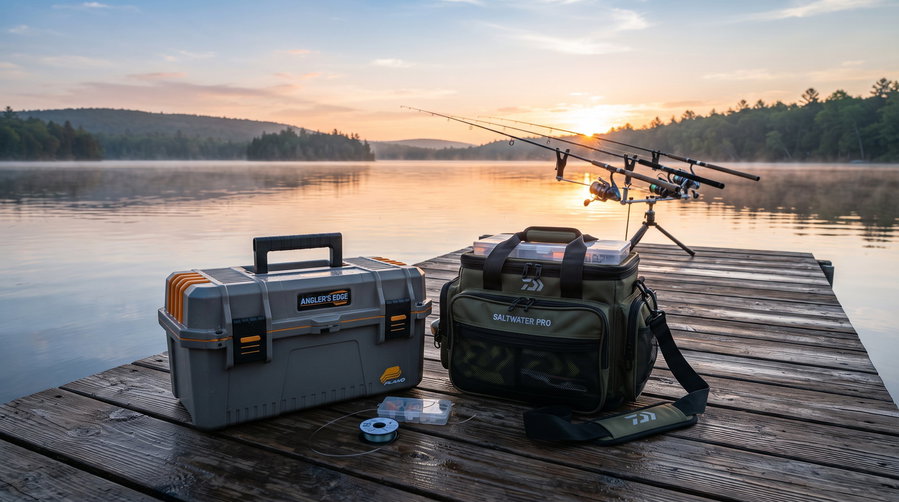
Hard tackle boxes are great for keeping things secure and protected. They’re sturdy and can handle rough treatment, making them ideal for storing your more expensive gear, like reels and specialized lures. If you’re heading out on a boat or fishing in rocky areas, these boxes provide peace of mind that your equipment won’t get damaged.
On the flip side, soft tackle bags are all about flexibility. They are lightweight and often have multiple compartments, which makes it easy to grab what you need quickly. If you’re hiking to a fishing spot or just want to keep things compact, a soft bag is perfect. You can toss in everything from snacks to extra clothing, alongside your fishing gear.
One effective strategy is to use a hard tackle box for your critical gear and a soft tackle bag for daily essentials. For example, you can keep your main lures and tools in the hard box while stuffing the soft bag with tackle you might need throughout the day, like extra hooks, weights, or even a first-aid kit. This way, you have the durability of the hard box and the convenience of the soft bag.
Another benefit of combining the two is organization. You can set up your hard box with a system that works for you - like separating lures by type - and use the soft bag for quick access to frequently used items. This makes it easier to switch between fishing styles or locations without having to rummage through everything.
Ultimately, owning both types can really enhance your fishing trips. You’ll be prepared for whatever comes your way, and you can adapt your setup based on the day’s needs, whether you’re going for a quick afternoon at the local pond or an all-day excursion on the river.
Our Recommendation for Most Beginners#
When you’re just starting out in fishing, choosing the right tackle box can feel overwhelming. With a variety of options available, it’s important to consider what will best suit your needs as you learn the ropes. In this section, we’ll explore which type of tackle box - soft or hard - might be the most practical choice for beginners, helping you make an informed decision that enhances your fishing experience.
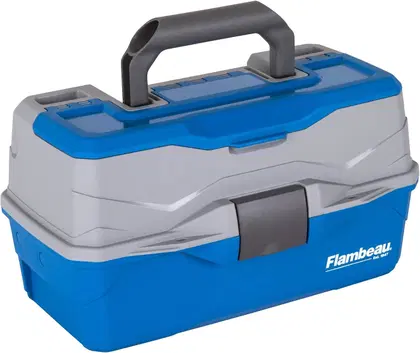
In the end, choosing between a soft and hard tackle box really boils down to your personal fishing style and preferences. If you appreciate organization and durability, a hard tackle box might be your best bet. On the other hand, if you value flexibility and easy access, a soft tackle bag could be the way to go. Remember, both options have their ups and downs, and it’s perfectly fine to dabble in both if that suits your fishing lifestyle. As you gain more experience on the water, you’ll discover what works best for you. So, take your time, weigh the pros and cons, and don’t forget to enjoy the process - after all, fishing is about more than just the gear!