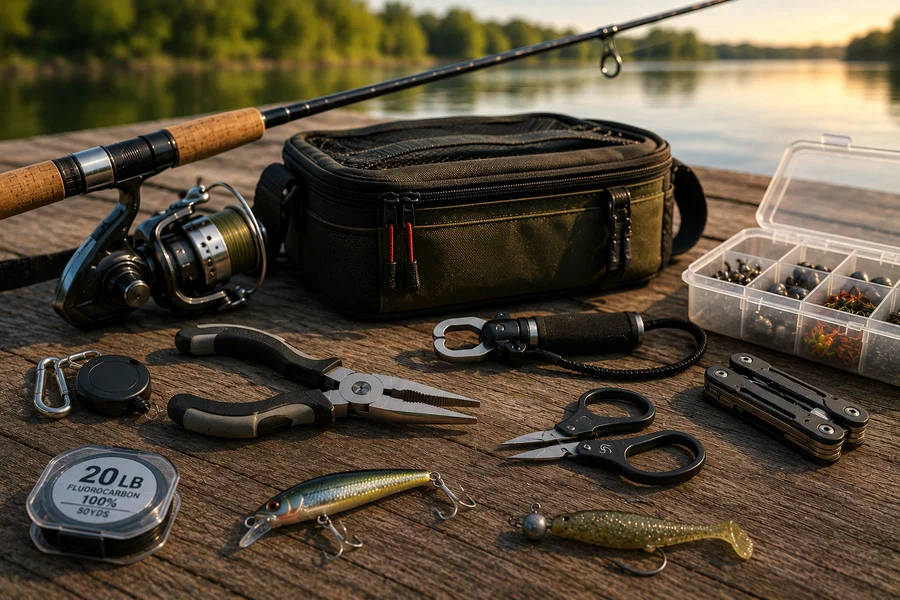

Fishing can feel a bit like stepping into a foreign land. There are rods, reels, and a whole bunch of other gadgets that can make your head spin faster than a fish on the line. But fear not, budding anglers! You don’t need a treasure chest of gear to have a successful day out on the water. In fact, a handful of essential tools can simplify your experience and keep your focus on what really matters - catching fish and enjoying the great outdoors.
In this guide, we’ll break down the must-have fishing tools that every angler should have in their arsenal. Whether you’re heading to a local pond or planning a weekend getaway, these items are designed to make your fishing adventures smoother and more enjoyable. So, grab your tackle box (or at least a grocery bag), and let’s dive into the essentials that will help you reel in that big one - without the confusion!
Why the Right Fishing Tools Make a Bigger Difference Than Most Anglers Think#
When you’re out on the water, having the right fishing tools can transform your experience from frustrating to enjoyable. Many beginner anglers might underestimate the impact that quality gear can have on their success and comfort. Whether it’s the difference between landing a trophy fish or going home empty-handed, the right tools not only enhance your chances but also make the whole process more enjoyable. Understanding the importance of these essentials can help you make smarter choices and ultimately improve your fishing game.
Saving time on the water#
When you head out to fish, every minute counts. The right tools can help you make the most of your time on the water. Imagine spending less time fumbling with gear and more time actually casting your line. That’s where practical fishing tools come into play.
For starters, a good tackle box can save you a lot of headaches. With compartments designed for organization, you can quickly find your lures, hooks, and bait without having to dig through a mess. This means you can switch up your bait or tackle quickly when the fish aren’t biting, maximizing your chances of a catch.
Another time-saver is a reliable fishing rod holder. If you’re fishing from a boat, these holders keep your rods secure while you’re busy reeling in a fish or adjusting your setup. No more juggling rods or worrying about them slipping overboard. Just set it down and focus on what matters - fishing.
Don’t overlook tools like pliers or fish grips. Having them within reach means you can easily remove hooks or handle fish without wasting time. You want to get back to fishing, not grappling with equipment. Investing in tools that are easy to use will pay off in those moments when every second counts.
Lastly, consider a fishing net with a quick-release feature. This lets you land fish faster, reducing the time they spend out of the water. The quicker you can catch and release, the better it is for the fish and your overall fishing experience.
In short, the right fishing tools streamline your process, so you can spend less time preparing and more time enjoying the thrill of the catch.
Improving safety and efficiency#
When you’re out on the water, safety should always be a top priority. Having the right fishing tools can help keep you secure and make your time fishing more enjoyable. For instance, a good pair of pliers is essential - not just for removing hooks but also for handling fish safely. If you’re fishing for species with sharp teeth or spines, these pliers can help you avoid injuries.
A fishing net is another tool that can greatly enhance safety and efficiency. Not only does it help you land fish without risking injury to yourself or the fish, but it also reduces the chance of losing a catch at the water’s edge. Choose a net with a rubberized mesh; it’s easier on the fish and won’t get tangled as easily.
Having a first-aid kit is something many anglers overlook. Accidents happen, whether it’s a hook in the finger or a slip on wet rocks. Keeping a basic first-aid kit on hand can help you address minor injuries quickly so you can get back to fishing with minimal fuss.
Efficiency is all about having the right tools at your fingertips. A tackle box that’s organized helps you find what you need without wasting time rummaging around. Invest in tackle boxes with compartments; it keeps lures, hooks, and other gear sorted and easily accessible. This way, when you need to switch lures or re-tie a line, you can do it swiftly and get back to casting.
Don’t forget about a good fishing knife. It’s not just for cleaning fish; it can also be invaluable for cutting lines, opening packages, or even as a backup tool for minor repairs. A reliable knife is a multi-purpose tool that can save you time and effort on the water.
Lastly, consider using a fishing vest or a utility belt. These can help you keep essential tools close at hand, like your pliers, knife, and extra tackle. With everything in reach, you’ll spend less time searching and more time enjoying the experience.
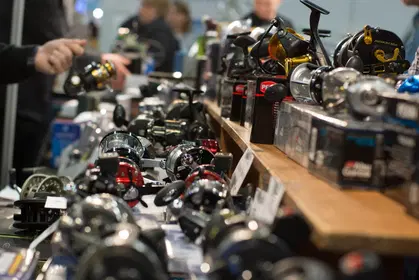
The Essential Tools Every Angler Should Carry#
Fishing can be a relaxing and rewarding experience, but having the right tools can make all the difference in your success on the water. Whether you’re casting your line from a boat or fishing from the shore, there are a few essential items that every angler should have at their side. These tools not only enhance your fishing experience but also help you stay organized and ready for whatever the day may bring. Let’s explore the must-have tools that will serve you well on your fishing adventures.
Fishing pliers#
When you head out for a day on the water, fishing pliers should be at the top of your must-have list. These handy tools serve multiple purposes that can make your fishing experience smoother and more enjoyable.
First off, fishing pliers are essential for removing hooks from your catch. Whether you’re dealing with a stubborn fish or just want to release it back into the water, pliers help you grip and twist the hook free without injuring yourself or the fish. Look for pliers with a long nose; they can reach deep into a fish’s mouth, making it easier to extract hooks from tricky spots.
Another useful feature of fishing pliers is their cutting ability. Lines can get tangled, or you might need to cut your fishing line to retie a lure or hook. Having sharp cutters built into your pliers means you can quickly and easily handle those situations without fumbling around for more tools.
Additionally, many fishing pliers come equipped with split ring tools, which can help you easily change out lures or hooks. This can save you time and hassle, especially when you’re trying to keep the action going.
Choosing the right pair is important. Look for pliers made of stainless steel or aluminum to resist rust and corrosion. A rubberized grip can also make them easier to handle, especially when your hands are wet. Some pliers even come with a lanyard or sheath to keep them secure and accessible while you’re fishing.
In short, investing in a good pair of fishing pliers will make your time on the water more efficient and enjoyable. They’re not just a convenience; they’re a necessity for any angler looking to have a successful day of fishing.
Line cutters#
Having a reliable pair of line cutters is essential for any angler. Whether you’re dealing with braided line, monofilament, or fluorocarbon, a good pair of cutters can make your fishing experience much smoother. You’ll find that they come in various shapes and sizes, from compact scissors to specialized line snips.
When choosing line cutters, look for ones that are sharp and easy to handle. A pair of fishing scissors can be useful for cutting through thicker lines, while smaller snips or clippers work well for lighter lines. The key is to have something that cuts cleanly without fraying the line, which can be a real hassle.
Another great option is a line cutter that can be attached to your fishing vest or tackle box. This way, you always have it within reach when you need to make quick cuts. Some anglers swear by the convenience of retractable line cutters that clip onto your gear, so you never have to dig through your tackle box.
For those who fish in saltwater, consider getting cutters made of corrosion-resistant materials. Saltwater can really take a toll on equipment, so having tools that withstand the elements is a smart move.
Remember, a good pair of line cutters can save you time and frustration on the water. Make sure to check them regularly to ensure they’re sharp and functional. Keeping your line cutters in good shape can make your whole fishing day a lot more enjoyable.
Hook removers#
When you’re out on the water, a hook remover is one of those tools that can make a world of difference. If you’ve ever struggled to get a hook out of a fish’s mouth - or worse, found a hook stuck in your own hand - you’ll understand why having a hook remover on hand is essential.
A hook remover typically features a long handle and a tapered end that helps you easily grip and pull out the hook without causing harm to the fish or yourself. It’s especially useful for catch-and-release fishing, where you want to minimize stress on the fish and ensure it’s returned to the water unharmed.
Using a hook remover is straightforward. When you catch a fish, simply insert the tapered end into the fish’s mouth, carefully slide it down to the hook, and gently twist or pull to dislodge it. This method is safer for both you and the fish compared to trying to pull it out with your fingers.
There are various styles of hook removers available, ranging from lightweight plastic models to sturdier metal options. If you’re just starting out, a basic plastic hook remover can do the job just fine. They’re often inexpensive and easy to find at any fishing supply store.
One handy tip: keep your hook remover attached to your tackle box or fishing vest with a lanyard. That way, it’s always within reach when you need it, and you won’t waste time searching for it in the middle of a fishing frenzy.
Overall, having a hook remover in your tackle kit is a small investment that pays off big in convenience and safety. It allows you to focus on enjoying your time on the water without the worry of getting hooked or harming the fish.
Tackle storage#
When it comes to fishing, having a solid tackle storage system can make all the difference. Whether you’re heading out for a quick evening trip or a full day on the water, keeping your gear organized will help you focus on what really matters - catching fish!
First off, think about the type of tackle box or bag that suits your style. There are plenty of options out there, from hard-sided boxes to soft-sided bags. Hard tackle boxes are great for keeping everything secure and protected, especially if you’re moving around a lot or fishing from a boat. They usually come with dividers, which help you separate lures, hooks, and other gear.
On the other hand, soft tackle bags are lightweight and often have pockets for quick access to smaller items. They’re a good choice if you’re walking along the shore or hiking to a remote fishing spot. Look for a bag with a comfortable shoulder strap to make carrying your gear a breeze.
Next, consider how you want to organize your tackle. It’s helpful to sort items by type - keep all your lures in one section, hooks in another, and weights in a separate compartment. This way, when you need something, you won’t waste time rummaging through a jumbled mess. Using small tackle trays or plastic containers inside your main tackle box can also help keep things tidy.
Don’t forget about your personal touches! Add a few ziplock bags for storing snacks, or a small first aid kit for minor scrapes. Having everything you need in one place will enhance your fishing experience and keep you prepared for anything that comes your way.
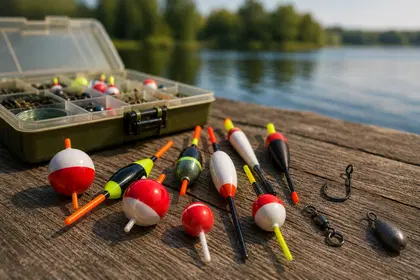
Why Fishing Pliers Are Often the Most Important Tool#
When you head out to fish, having the right tools can make all the difference, and fishing pliers are right at the top of that list. These versatile tools are not just for cutting line; they’re essential for removing hooks, crimping weights, and even managing tangled lines. Whether you’re a seasoned angler or just starting out, keeping a reliable pair of pliers handy will streamline your fishing experience and help you tackle a variety of challenges on the water.
Removing hooks safely#
When you’re out on the water, one of the most important skills to have is the ability to remove hooks safely. This is where fishing pliers come into play. They’re not just a handy tool; they’re a must-have for any angler, especially when dealing with fish that tend to put up a fight.
First off, let’s talk about the importance of hook removal. Fish can be slippery and wiggly, and if you’re not careful, you could end up getting hooked yourself. Fishing pliers give you the grip and leverage you need to safely grasp the hook and remove it without putting your fingers in danger.
When you catch a fish, the first thing you want to do is to calm it down. If you’re using barbed hooks, they can be tricky to remove. That’s where the pliers shine. With the pliers in hand, you can easily access the hook, even if it’s deep in the fish’s mouth. Just gently open the fish’s mouth and insert the pliers to grasp the hook.
If the hook is really embedded, don’t panic. Use the pliers to twist and turn the hook while gently pulling it out. This can help dislodge it without causing too much harm to the fish. Remember, if you’re practicing catch and release, you want to minimize stress on the fish as much as possible.
For those who fish in areas with species that have sharp teeth or spines, having pliers with a strong grip is essential. Look for pliers made from stainless steel or aluminum; they’re durable and resistant to rust, making them a reliable companion on your fishing trips. Some pliers even come with built-in cutters, which can be handy for snipping line or removing tangled hooks.
Lastly, don’t forget about your own safety. Always be aware of where the hook is pointing when you’re removing it. Keep your fingers clear of the fish’s mouth and the hook’s barb. It’s easy to get distracted when you’re excited about a catch, but a moment of carelessness can lead to injuries.
Fishing pliers are a simple tool that can make a big difference in your fishing experience. They help you handle your catch with care and keep everyone safe, including the fish.
Cutting leaders and wire#
When you’re out on the water, having the right tools can make all the difference. One of the most essential tools in your tackle box is a good pair of fishing pliers, particularly when it comes to cutting leaders and wire. These little workhorses can save you time and frustration, allowing you to make quick adjustments to your rig.
Let’s start with leaders. Depending on the fish you’re targeting, you might need to use different types of leader material. Fluorocarbon, monofilament, or braided line all have their advantages, but they can be tricky to cut if you don’t have the right tool. Fishing pliers often come equipped with a sharp cutting edge designed to slice through these materials cleanly and efficiently. This means you can quickly trim your line when you need to tie on a new lure or switch up your setup without hassle.
Now, let’s talk about wire. If you’re fishing for toothy species like pike or barracuda, you’ll likely use wire leaders to prevent bite-offs. This wire can be much tougher to cut than standard line, and regular scissors just won’t cut it. Fishing pliers usually have a sturdy cutting mechanism that can handle wire with ease, ensuring you can make quick work of your leader adjustments.
Another handy feature of fishing pliers is their built-in crimper. If you’re using wire leaders with sleeves or crimping beads, having the ability to cut and crimp in one tool is a huge bonus. This not only saves space in your tackle box but also keeps you organized on the boat or shore.
Remember to always keep your pliers clean and rust-free, especially if you’re working with saltwater. Rinse them with fresh water after each trip and apply a bit of lubricant to the hinges to keep everything functioning smoothly. Investing in a quality pair of fishing pliers will make your fishing experience more enjoyable and efficient, letting you focus on what you love most: catching fish.
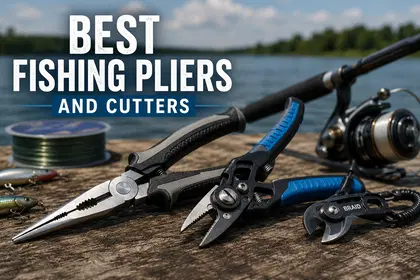
Line Cutters, Scissors, and Snips Explained#
When you’re out on the water, having the right tools can make all the difference, and line cutters, scissors, and snips are essential for any angler. These handy devices help you manage fishing line, cut your bait, or even trim the excess off your tackle rig. Understanding the differences between them can ensure you choose the right tool for your fishing style and stay efficient while you’re casting your line. Let’s dive into the details of each tool and how to use them effectively.
Mono and fluorocarbon#
When it comes to fishing lines, monofilament (mono) and fluorocarbon are two of the most common choices. Each has its strengths and weaknesses, which can affect your fishing experience. Understanding how to cut and manage these lines is vital for any angler.
Monofilament line is often praised for its flexibility and ease of use. It’s great because it floats on the surface, making it ideal for topwater fishing. However, it can be tricky when it comes to making clean cuts. A good pair of line cutters or snips helps you slice through mono without fraying the end. If you’re using scissors, look for ones with a sharp, straight edge to make quick work of your line.
Fluorocarbon, on the other hand, is known for its invisibility underwater, making it a favorite for clear water fishing. It’s slightly stiffer than mono, which can be a challenge when cutting. A dedicated line cutter designed for fluorocarbon can make all the difference. These tools are often equipped with sharper blades that can handle the tougher material without much effort.
When working with either type of line, remember to keep your cutting tools handy. It’s a good habit to check your line for any nicks or frays often. A clean cut not only improves your knot strength but also prevents the line from weakening over time. Having a reliable tool at your side means you won’t waste time fussing with a dull blade or struggling with a frayed line.
Braided line#
When it comes to fishing, braided line has become a favorite among anglers for a good reason. It’s known for its incredible strength and sensitivity, making it perfect for a variety of fishing styles. However, one of the quirks of braided line is that it can be a bit tricky to cut compared to monofilament or fluorocarbon lines. That’s where having the right cutting tools comes into play.
Standard scissors often struggle with braided line. The fibers can slide past the blades instead of getting cut cleanly. Instead, look for specialized line cutters or snips designed specifically for braided line. These tools usually have a sharper edge and a design that grips the line better, ensuring a precise cut every time. You might even find some cutters that are spring-loaded, making the process even easier.
If you find yourself on a budget, a good pair of nail clippers can also do the trick. They’re compact, easy to carry, and surprisingly effective at cutting braided line. Just be sure to clean them after use, as saltwater and debris can dull them over time.
When you’re out fishing, having your cutting tools handy is essential. Whether you’re re-rigging your tackle or snipping off a damaged section of line, the last thing you want is to fumble around looking for a way to make a clean cut. Keep your line cutters attached to your fishing vest or tackle box for easy access. It may seem like a small detail, but your fishing experience will be much smoother with the right tools at your fingertips.
Tools That Help Protect Fish and Anglers#
When it comes to fishing, safety and conservation should always be top of mind. Having the right tools not only enhances your experience on the water but also ensures that both you and the fish stay safe. From devices that minimize harm to fish during catch and release to gear that keeps you secure in various conditions, investing in these essential tools is crucial for every angler. Whether you’re just starting or have been fishing for a while, understanding how to use these tools effectively can make a significant difference in your fishing adventures.
Landing nets#
Landing nets are one of those essential tools that can make a big difference in your fishing experience. Think of them as your trusty sidekick when it comes to catching and releasing fish. They help you get your catch safely out of the water without causing harm to either the fish or yourself.
When choosing a landing net, consider the size of the fish you typically target. For smaller species, a net with a hoop diameter of around 18 to 24 inches should suffice. If you’re going after larger fish, like bass or pike, look for a net that’s 30 inches or more. The netting material is also important; rubberized nets are gentler on fish and reduce the risk of damaging their protective slime layer.
Using a landing net is quite simple. Once you’ve reeled your fish close to the boat or shore, keep it in the water while you maneuver the net. Gently scoop the fish with the net, making sure the net is deep enough to cradle the fish without it flopping out. If you’re fishing from a boat, it’s usually easier to lift the net vertically to avoid mishaps.
When you catch a fish, time is of the essence, especially if you plan to release it. Try to minimize the time the fish spends out of the water. Have your landing net ready to go before you set the hook, so you can quickly secure your catch.
Finally, consider the net’s handle length. A longer handle can help you reach fish without needing to lean too far over the side of your boat, which can be both safer and more comfortable. Whether you’re fishing from shore, a kayak, or a boat, having the right landing net can enhance your fishing adventures and ensure a smoother catch-and-release process.
Fish grips#
Fish grips are an essential tool for any angler who wants to handle fish safely and effectively. These handy gadgets allow you to hold a fish securely without causing harm to its delicate skin or gills. They come in various styles, but most are designed to clamp onto the fish’s jaw, giving you a firm grip without needing to put your hands directly on the fish.
Using fish grips is simple. Just open the grip, slide it onto the fish’s lower jaw, and squeeze to close it. This method minimizes stress on the fish, making it easier to release it back into the water unharmed. It’s especially useful for larger species or fish with sharp teeth, as it keeps your hands safely away from potential bites.
When choosing a fish grip, look for one made of durable materials that can withstand a bit of wear and tear. Some grips even come with built-in scales, allowing you to weigh your catch without needing an extra tool. Additionally, consider grips with a rubberized handle for better grip, especially when your hands are wet.
Don’t forget to practice using your fish grips before you hit the water. Familiarizing yourself with the tool will make the process smoother when you’re trying to handle a lively fish. Overall, incorporating fish grips into your fishing toolkit not only enhances your experience but also promotes responsible angling practices by ensuring fish are treated with care.
Measuring tools#
When you’re out fishing, knowing the size of your catch is essential. That’s where measuring tools come in handy. They help ensure you’re following local regulations and practicing responsible catch-and-release fishing when necessary.
The most common measuring tool is the fish ruler. These can be found in various forms, from a simple tape measure to more specialized fish measuring boards. A measuring board often has a lip to hold the fish in place, making it easier to get an accurate reading. If you’re using a tape measure, make sure it’s long enough to accommodate the largest species you plan to catch.
When measuring, lay the fish flat on the ruler with its mouth closed and the tail gently squeezed. It’s important to take the measurement from the tip of the snout to the end of the tail. Some species have specific size limits, so it’s crucial to check local regulations before you head out.
Portable digital fish scales are another useful tool. They often come with a built-in measuring tape, combining both functions in one device. These scales are great for weighing your catch, especially if you’re aiming for a personal best. Just be sure to handle the fish with care while weighing to avoid unnecessary stress or injury.
Finally, keep a logbook or a fishing app on your phone where you can record the sizes of your catches. This can help you track your progress and learn more about the types of fish in your favorite spots. Plus, it’s a nice way to reflect on your fishing adventures!
Handy Accessories That Make Fishing Easier#
When you’re out on the water, having the right tools can make all the difference in your fishing experience. Beyond the basics of rod and reel, a few handy accessories can streamline your time on the lake or river and help you focus on what really matters - catching fish and enjoying nature. Whether you’re a weekend warrior or just starting out, these essentials can enhance your fishing trips and make them more enjoyable.
Headlamps#
When you’re out fishing, especially in low-light conditions like early morning or late evening, a good headlamp can be a game-changer. Unlike a flashlight, which you have to hold, a headlamp straps to your head, leaving your hands free for tasks like tying hooks or reeling in your catch.
Look for a headlamp that offers adjustable brightness settings. You want something that can provide a soft glow for close-up tasks and a brighter beam for spotting fish or navigating around your boat. It’s also useful to have a model that’s lightweight and comfortable to wear for extended periods.
Water resistance is another key feature. Fishing often means being near water, so you want a headlamp that can handle a splash or two without shorting out. Many models come with a durable, rubberized exterior that can withstand the elements.
Battery life is something to consider as well. LED headlamps are typically energy-efficient and can last for hours on a single set of batteries. Some even offer rechargeable options, which can save you money and reduce waste over time.
Finally, test out the beam angle. A wide beam is great for illuminating a large area, while a focused beam helps you see further into the distance. Choose one that fits your fishing style, whether you’re bank fishing or on a boat. With the right headlamp, you can fish comfortably and confidently, no matter how dim it gets.
Retractors and Lanyards#
When you’re out on the water, keeping your tools handy is essential. That’s where retractors and lanyards come into play. These accessories help you keep your important gear within reach, so you don’t waste time searching for it or risk losing it overboard.
Retractors are small devices that can attach to your fishing vest or pack. They hold tools like clippers, scissors, or even small pliers. With a simple pull, the tool extends from the retractor, making it easy to snip line or make quick adjustments. Once you’re done, it retracts back to its resting spot. This means no more fumbling around or worrying about dropping your gear.
Lanyards serve a similar purpose but are often used for larger items like fishing licenses, fish grippers, or even your favorite tackle box. By attaching these items to a lanyard, you ensure they stay close by and secure, even if you’re moving around a lot. Many lanyards come with clips or carabiners, allowing you to easily attach and detach items as needed.
Using these accessories can streamline your fishing experience, so you can focus more on catching fish rather than hunting for gear. Plus, they can be a real lifesaver on windy days or in busy fishing spots. Keeping everything organized and accessible means less frustration and more time enjoying your day on the water.
Waterproof storage#
When you’re out on the water, keeping your gear dry is crucial. Waterproof storage solutions protect your tackle, electronics, and personal items from the elements. Whether you’re fishing in rain, splashing through waves, or simply dealing with morning dew, having the right storage can save you a lot of headaches.
First, consider a waterproof tackle box. These boxes come with tight-sealing lids and often include trays for organizing lures, hooks, and other small gear. Look for one that fits your needs - whether you prefer a compact box for simple trips or a larger one for more extensive gear.
Dry bags are another great option. They’re versatile and come in various sizes. You can toss in your clothes, snacks, or any other essentials you want to keep safe. The roll-top closure creates a watertight seal, so you can be confident that your belongings will stay dry even if your boat takes on a bit of water.
Don’t forget about waterproof phone cases. Your smartphone can be a vital tool on fishing trips - whether for navigation, taking photos, or checking weather updates. A good waterproof case will keep your phone safe from splashes and accidental drops without sacrificing usability.
Lastly, bring along some resealable plastic bags. They’re handy for keeping bait fresh or storing small tackle items you want to keep organized. Just make sure they’re sturdy and capable of holding up against water exposure.
Investing in waterproof storage will not only protect your gear but also give you peace of mind while you focus on catching fish.
Common Mistakes When Buying Fishing Tools#
When you’re just starting out in fishing, it can be easy to get overwhelmed by the sheer number of tools and gear available. Many beginners fall into common traps that can lead to frustration or wasted money. Understanding these pitfalls will help you make informed choices, ensuring you invest in tools that enhance your fishing experience rather than complicate it. Let’s explore some of these common mistakes so you can gear up more effectively.
Buying low-quality cutters#
When it comes to fishing tools, cutters might not be the first thing that comes to mind, but they play a crucial role in your fishing experience. Whether you’re cutting line, snipping lures, or removing hooks, having a reliable cutter can save you time and frustration. Unfortunately, many beginners often overlook the importance of quality in this essential tool.
Cheap cutters often lack the durability and sharpness you need. They can struggle with thicker lines or braided materials, leading to jagged cuts that can mess with your tackle and ruin your day on the water. Imagine trying to tie a new lure on with frayed line - it’s not fun, and it can cost you fish.
Look for cutters made from high-quality stainless steel. These are more resistant to rust and corrosion, which is vital since they’ll be exposed to water and various weather conditions. A good cutter should feel solid in your hand, with a comfortable grip to make it easy to use, even when you’re dealing with wet hands.
Another important factor is the design. Some cutters come with additional features, like built-in crimpers or line threaders, which can be handy. Think about what you need. If you’re a freshwater angler, you might not require the same heavy-duty cutter as someone targeting saltwater species.
In addition, pay attention to the size. A cutter that’s too large can be cumbersome to carry, while one that’s too small might not handle tougher tasks well. Aim for a balance that works for your fishing style. If you can, try them out in-store to see which feels right for you.
Investing in good-quality cutters may seem like an unnecessary expense at first, but it can make a world of difference. You’ll find they work better and last longer, ultimately enhancing your overall fishing experience. So, skip the bargain-bin options and choose a cutter that you can rely on every time you hit the water.
Carrying unnecessary gear#
When you’re just starting out in fishing, it’s easy to get excited and want to bring every tool and gadget you come across. While having the right equipment is important, carrying unnecessary gear can weigh you down and complicate your experience on the water.
Think about what you really need for your fishing trip. If you’re going for a simple day of freshwater fishing, a rod, reel, some tackle, and a few lures might be all you need. It’s tempting to pack extras “just in case,” but those extra items can clutter your gear bag and make it harder to find what you actually need when you’re ready to cast your line.
Before you head out, lay out your gear and ask yourself if each piece is essential for your planned fishing adventure. If you’re unsure, stick to the basics. As you gain experience, you can always expand your collection based on what works best for you and the type of fishing you enjoy.
Another tip is to consider the type of fishing you’re doing. If you’re surf fishing, you’ll need different gear compared to bass fishing in a lake. Tailoring your tools to the specific situation will help you avoid lugging around unnecessary items.
Remember, fishing should be fun and relaxing. Keeping your gear streamlined will not only make carrying it easier but will also help you focus on what really matters - enjoying your time on the water.
Ignoring corrosion resistance#
When it comes to fishing tools, one of the biggest oversights beginners often make is choosing equipment that isn’t resistant to corrosion. If you’re spending time near saltwater or even freshwater with varying mineral content, corrosion can quickly ruin your gear.
Corrosion happens when metal reacts with water and air, leading to rust and deterioration. This is especially important for tools like pliers, reels, and hooks. If you’re fishing in saltwater, your gear is at an even higher risk due to the salt particles that can promote corrosion.
Look for tools made from stainless steel or those with special coatings designed to resist rust. These materials can handle the elements much better and will last you through countless fishing trips. While it might be tempting to save a few bucks on cheaper tools, consider that you’ll likely end up spending more in the long run if you have to replace them frequently.
Also, remember that proper care can extend the life of your fishing tools. After a day on the water, rinse your equipment with fresh water and dry it thoroughly. This simple step can help prevent corrosion and keep your gear in good condition, ready for your next adventure.
Building a Practical Fishing Tool Kit on a Budget#
When you’re just starting out in fishing, it’s easy to feel overwhelmed by the sheer number of tools and gadgets available. However, you don’t need to break the bank to create a solid fishing toolkit. By focusing on a few essential items that maximize your fishing experience without emptying your wallet, you can enjoy your time on the water while still being practical. Let’s explore how to build a well-rounded fishing kit that won’t strain your finances.
The Small Set of Tools Most Anglers Use Most Often#
Every angler, whether a novice or a seasoned pro, knows that having the right tools can make or break a fishing trip. While it’s easy to get lost in the sea of specialized gear, there are a handful of essential tools that you’ll find yourself reaching for time and again. These trusty companions are lightweight, portable, and versatile, ensuring that you’re well-prepared for whatever the day on the water brings. Let’s dive into the tools that should find a permanent home in your tackle box.
In conclusion, having the right fishing tools can transform your experience on the water, making it both more enjoyable and efficient. From trusty fishing pliers to line cutters and handy accessories, each tool serves a purpose that can save you time and frustration. As you start to build your own fishing toolkit, remember to focus on quality and practicality over flashy gimmicks. Avoid common pitfalls like overspending on tools you won’t use often. Instead, consider the essentials that fit your fishing style and budget. With a well-thought-out set of tools by your side, you’ll be well-equipped to tackle whatever your fishing adventures throw your way. Now, grab your gear and get ready to reel in some memories!