
Affiliate disclosure: As an Amazon Associate, we may earn from qualifying purchases made via links on this page - at no extra cost to you. See our Affiliate Disclosure.
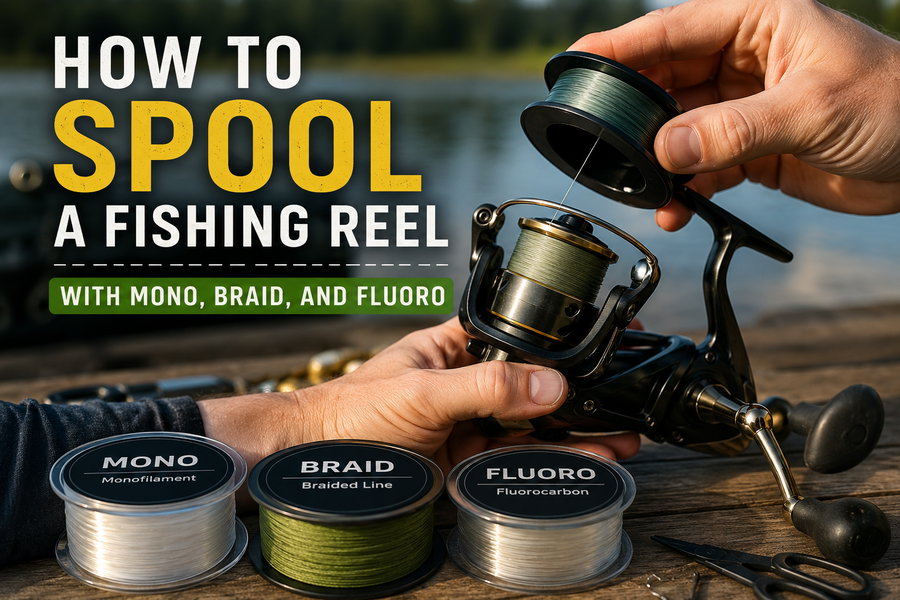
Spooling a fishing reel might seem like one of those tasks best left to the pros, but fear not, beginner anglers! Whether you’re gearing up for your first fishing trip or just looking to swap out your line, learning how to spool your reel with mono, braid, or fluorocarbon doesn’t have to be a daunting endeavor. Think of it as a rite of passage; every angler has been there, staring at a reel, wondering how in the world it all fits together.
In this guide, we’ll break down the process step-by-step, making it as easy as casting a line on a calm lake. We’ll cover the different types of fishing lines, how to properly spool them, and share a few tips to keep things smooth and snag-free. So grab your reel, take a deep breath, and let’s untangle this mystery together - because every great fishing adventure begins with a well-spooled reel!
Why Proper Spooling Matters More Than Most Anglers Think#
When it comes to fishing, many beginners might overlook the importance of properly spooling their reels. However, this simple step can significantly impact your overall experience on the water. Proper spooling ensures that your line lays evenly on the reel, minimizes tangles, and maximizes casting distance and accuracy. Taking the time to do it right not only helps you catch more fish but also enhances your enjoyment and confidence while fishing.
How bad spooling affects casting distance#
When it comes to fishing, every little detail counts, and spooling your reel is one of those details that can have a big impact on your experience. If you’ve ever felt like your casts just weren’t reaching where you wanted them to, poor spooling might be the culprit.
Imagine your line as a tightly wrapped coil. If it’s unevenly spooled, it can create friction as it leaves the reel. This friction can slow down the line, leading to shorter casts. If the line is packed too tightly or too loosely, it may also tangle more easily, which can disrupt your rhythm and force you to stop and fix it often. That’s time you could be spending reeling in that big catch!
When spooling, aim for a smooth, even line distribution. This not only helps with distance but also improves accuracy. If your line is not sitting correctly on the spool, it can create a “bird’s nest” of tangled line that can be frustrating to deal with.
Additionally, if you’re using braided line, a bad spool can lead to line slipping, where the braid doesn’t hold in place on the spool. This can cause your casts to come up short or even result in losing fish altogether when they take off with your bait.
So, whether you’re using mono, fluoro, or braid, taking the time to properly spool your reel will help ensure you’re casting effectively and getting the most out of your fishing gear.
Common line problems caused by incorrect spooling#
When it comes to fishing, the last thing you want is to have your line let you down. Unfortunately, improper spooling can lead to a host of frustrating issues that can ruin your day on the water.
One common problem is line twist. This often happens when the line is spooled too loosely or in the wrong direction. If your line twists, it can tangle and create knots, making it difficult to cast and reel in fish. To avoid this, make sure you spool your reel with the line coming off the spool in the same direction it goes onto the reel. A little attention here can save you a lot of headaches later.
Another issue is line backing. If you don’t spool enough line, or if you don’t use backing material underneath your main line, you can end up with slippage. This is especially a concern with braided lines that can slip on a smooth reel spool. To prevent this, start with a layer of monofilament or another backing material, which gives the line something to grip on to.
You might also encounter excessive line memory, especially with monofilament lines. If you spool the line too tightly, it can retain that tightness after getting cast. This results in coils that can lead to tangles and difficult casts. To combat this, try to keep the tension moderate while spooling, allowing the line to relax just enough to avoid memory issues.
Lastly, don’t overlook the importance of the line’s capacity. Overfilling a reel can lead to line tangles and backlashes, while underfilling can prevent you from casting as far as you’d like. Check your reel’s specifications for the recommended line capacity and adjust accordingly.
Taking the time to spool your line properly will pay off. It helps ensure a smooth fishing experience and keeps you focused on what truly matters: catching fish!
What You Need Before Spooling a Fishing Reel#
Before you dive into spooling your fishing reel, it’s essential to gather the right tools and materials. Having everything ready will make the process smoother and help ensure that your line is set up for success. Whether you’re working with monofilament, braid, or fluorocarbon, each type of line has its nuances, and being prepared will make tackling this task a lot easier, especially for beginners.
Choosing the right line for your setup#
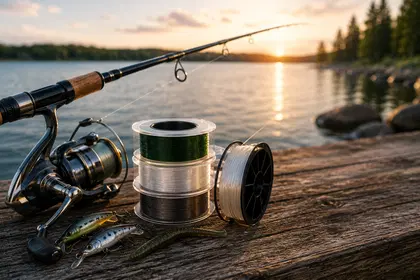
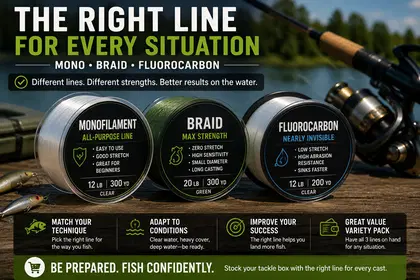
When it comes to fishing line, picking the right type can make all the difference in your fishing experience. There are three main types of fishing lines: monofilament (mono), braided (braid), and fluorocarbon (fluoro). Each has its strengths and weaknesses, so let’s break them down.
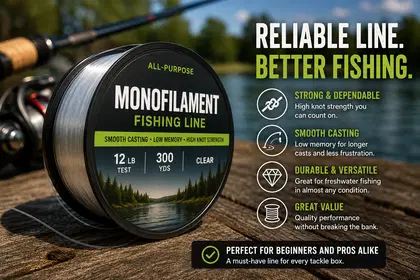
Monofilament is a great choice for beginners. It’s easy to handle, affordable, and has a bit of stretch, which can help absorb the shock of a fish’s sudden movements. Mono is also versatile and works well for a variety of fishing situations. If you’re fishing in freshwater for species like bass or trout, monofilament is often a solid go-to.
Braid is known for its strength and sensitivity. It’s thinner than mono, allowing you to spool more line on your reel. This can be particularly useful when targeting bigger fish or fishing in heavy cover. However, braid has little to no stretch, so you need to be more careful with your hook sets. If you’re planning on fishing in saltwater or for species that require strong line, braid might be your best bet.
Fluorocarbon has some unique features of its own. It’s less visible underwater, which can be a huge advantage when fishing in clear waters. Fluoro also sinks, making it a good choice for topwater lures and jigs. However, it can be a bit stiffer and more challenging to handle, especially for beginners. If you’re targeting spooky fish or fishing in clear lakes, fluorocarbon could give you the edge you need.
When selecting the line, consider the type of fishing you’ll be doing, the conditions you expect to face, and the fish species you’re after. It’s also important to match the line’s strength to your rod and reel setup, so check the manufacturer recommendations as a guideline. With a little thought into your choice, you’ll set yourself up for a more successful fishing trip.
Simple tools that make the job easier#
When it comes to spooling a fishing reel, having the right tools can make a world of difference. You don’t need a fancy workshop full of gear; just a few simple items can help you tackle this task like a pro.
First on the list is a good pair of scissors or a line cutter. You’ll need these to trim the end of your line when you’re finished or if you need to cut away any frayed sections. A clean cut helps prevent tangles and keeps your line neat.
Next, consider using a line spooler or a line winders. These can help keep your line tight and evenly distributed on the reel. They’re especially useful if you’re spooling braid or fluorocarbon, as these lines can be a bit more finicky than monofilament. If you don’t have a line spooler, don’t worry - holding the spool between your knees while reeling can work in a pinch.
Another handy tool is some kind of backing line. If you’re using braid, it’s a good idea to spool some cheaper monofilament or dacron first. This provides a base for the braid to grip, preventing slippage. A small piece of tape can also help keep the line in place when you’re starting the spool.
Lastly, you might want a towel or cloth on hand. This is useful for wiping your hands when they get oily or wet. Keeping your reel dry and clean helps prolong its life and ensures smooth operation.
With these simple tools at your side, you’ll find spooling your reel a lot easier and more efficient. Prepare yourself, and you’ll be ready to hit the water in no time!
How to Spool Monofilament Line Correctly#
Spooling monofilament line onto your fishing reel might seem daunting at first, but with a few simple steps, you can ensure a smooth and hassle-free experience. Monofilament, known for its flexibility and ease of handling, is a popular choice among anglers. In this section, we’ll walk through the process of spooling your reel with mono, helping you avoid common pitfalls while maximizing your fishing success.
Attaching mono to the spool#
Attaching monofilament line to your reel is a straightforward process, but getting it right is crucial for smooth casting and reeling. First, start with your reel in the right position. If it’s a spinning reel, make sure the bail is open. For baitcasting reels, you’ll need to engage the spool.
Next, take your monofilament line and find the end of the spool. If you’re using a new spool of line, there’s usually a sticker or a small piece of tape holding the line in place. Remove that to free the line, but keep the spool attached to the line so it can unwind easily.
Now, you’re ready to attach the line to the reel. For spinning reels, tie a simple overhand knot around the spool. Make sure it’s snug but not overly tight. You can also use a more secure knot like the Arbor Knot, which is a bit more complex but offers a strong hold. With baitcasting reels, you can simply make the same knot or use a double overhand knot to ensure the line stays put.
Once the line is secured, trim any excess tag end. Now, hold the spool of line in one hand and the reel in the other. As you begin to spool the line onto the reel, maintain some tension on the line. This prevents it from getting loose and tangled as you fill the spool. Use your finger to guide the line evenly across the spool. You want to avoid any overlaps that could lead to snags later on.
As you spool, keep an eye on the line’s tension. If it’s too loose, the line can develop loops or twists, which are frustrating during a fishing trip. If it’s too tight, it can create pressure that may cause the line to snap. Aim for a happy medium where the line is snug but not overly tight.
Finally, continue spooling until you reach about an eighth of an inch from the spool’s edge. This gives you enough room to ensure smooth casting without the line spilling over. Once you’ve reached this point, you’re ready to cut the line and finish the setup. With these steps, you’ll have your monofilament line attached correctly and ready for your next fishing adventure.
Maintaining proper tension#
When you’re spooling monofilament line onto your reel, maintaining the right tension is crucial. Too little tension can lead to loose coils, which can mess with your casting and make the line more prone to tangles. On the flip side, too much tension can put stress on the line, making it more likely to break.
To get it just right, hold the line between your fingers as it comes off the spool. You want to apply a gentle but firm pressure. Think of it like holding a piece of soft dough; you want to keep it together without squishing it flat. This slight pulling helps ensure that the line winds onto the spool tightly and evenly.
A good tip is to have a buddy help you out. Have them hold the spool of line while you spool it onto your reel. This way, they can provide a consistent tension as you reel in. If you’re going solo, you can also place the spool on the ground, making sure it’s spinning freely, and then use your other hand to maintain that tension.
As you’re spooling, keep an eye on how the line is laying on the spool. It should go on evenly, with no overlapping or loose spots. If you notice any unevenness, simply stop reeling, adjust the line’s position, and keep going. Taking a little time to do this right will pay off later when you’re out on the water.
Knowing when the spool is full#
Knowing when your spool is full can save you a lot of hassle out on the water. An overfilled spool can lead to tangles and poor casting, while an underfilled spool might not give you the distance you need. So, how do you get it just right?
First, look at the spool itself. Most reels have a line capacity label, which tells you how much line the spool can hold. This is usually in yards or meters and specifies the strength of the line, like 10 lb test monofilament. A good rule of thumb is to fill the spool to about 1/8 inch below the spool lip. This helps ensure the line doesn’t spill over when you cast.
As you’re spooling your line, keep an eye on the spool’s edge. If you see the line starting to creep up towards the lip, it’s a sign that you’re getting close to the limit. If you can’t see the line on the spool, don’t worry; just give it a little tug. You should be able to feel how full it is. If it feels tight and you can still see the line, you’re probably good to go.
Another handy tip: after you’ve added line, give your spool a few spins. This not only helps to seat the line but also lets you check for any unwanted slack or twists. If it feels uneven, you might want to pull some of the line back out and redo it.
Finally, don’t forget to test your setup before you hit the water. Give your line a few casts in your yard or local park. This will help you confirm that everything is running smoothly and that your spool is filled just right.
How to Spool Braided Line Without Slipping#
Spooling braided line can sometimes feel like a juggling act, especially when you want to avoid that pesky slipping that can ruin your day on the water. The unique texture and lack of stretch in braid make it a fantastic choice for many anglers, but they can pose a challenge when winding it onto your reel. In this section, we’ll walk through some simple techniques to ensure that your braided line stays tight and secure, giving you the confidence to cast without worry.
Why braid needs backing#
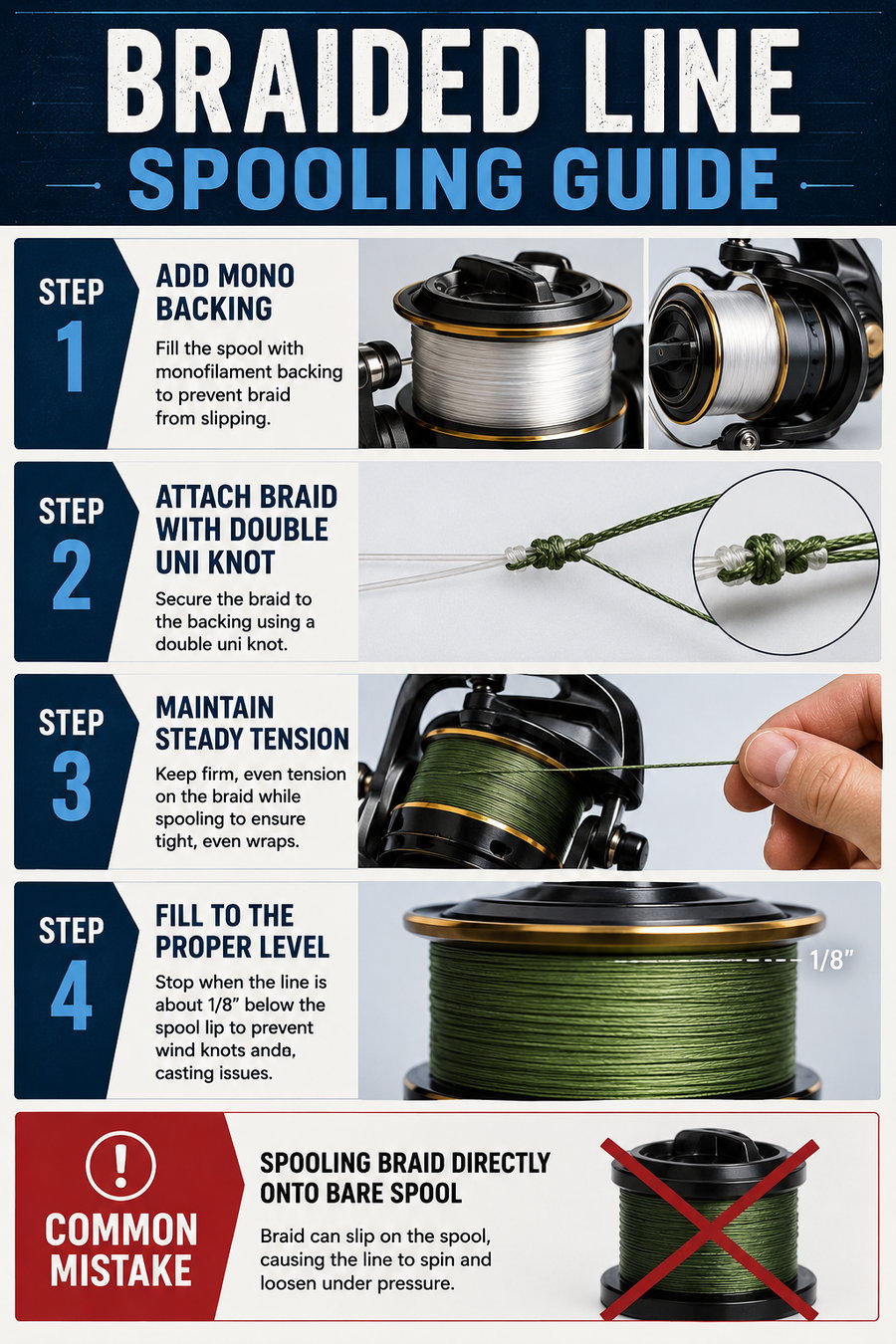
When it comes to spooling braided line, using backing is essential. Braided line is thinner compared to monofilament or fluorocarbon, which means it can slip on the spool if there’s nothing underneath to grip it. This slipping can lead to frustrating situations when you hook a fish, only to find that your line isn’t winding properly.
Backing serves as a base layer for your braided line. It’s often made from a less expensive monofilament or even another braid. The idea is to fill the spool with this backing first, creating a textured surface that the braid can hold onto. This way, when you start reeling in, the braid doesn’t just spin freely around the spool.
Another reason to use backing is to save money. Braided line can be quite pricey, so filling up the spool with backing allows you to use less of the expensive braid while still maximizing your reel’s capacity. You don’t need a full spool of braid to fish effectively; just enough to give you the strength and sensitivity you need.
When applying the backing, make sure to spool it tightly. A loose backing can also lead to slippage. If you’re using a mono backing, you can tie it directly to the spool with a simple knot. Once that’s done, you’ll be ready to add your braided line on top, ensuring a solid connection that won’t let you down when it matters most.
Mono backing vs electrical tape#
When it comes to spooling your braided line, you have two main options to prevent slippage: using mono backing or electrical tape. Both methods have their pros and cons, so let’s break them down.
Using mono backing is a classic approach. It involves tying a length of monofilament line to your reel’s spool before you add your braided line. This creates a solid grip, preventing the braided line from slipping as you fish. The key is to use a length of mono that’s about the same diameter as your braided line. When done right, this method works well and provides a smooth transition from the mono to the braid.
To attach the mono backing, start by spooling a few yards of it onto your reel. Make sure to keep it tight as you wind it on. Once you’ve got enough mono on there, you can tie your braided line to it using a reliable knot like a double uni knot. After that, just continue spooling on your braid.
On the other hand, electrical tape is a quick and easy alternative. Simply wrap a few strips around the spool where you plan to attach your braided line. This creates a sticky surface that helps grip the braid and prevents it from slipping. The benefit of using tape is that it’s lighter and takes up less space than mono backing, which can be helpful on smaller reels.
To use electrical tape, start by cleaning the spool to ensure a good bond. Then, wrap the tape around the spool, overlapping slightly as you go. Make sure the tape is tight but not so tight that it bulges. Once you’ve got a nice layer on there, you can tie your braided line directly to the tape. Just like with mono backing, a solid knot is essential here for best results.
In summary, whether you go with mono backing for reliability or electrical tape for convenience, both methods will keep your braided line from slipping and help you enjoy a smoother fishing experience.
Connecting braid to backing#
When you’re spooling braided line onto your reel, it’s essential to connect it to a backing to prevent slippage. Braided line can be slippery, especially when it’s new, and without a solid connection, you might find yourself in a frustrating situation when your line starts to slip on the spool.
To start, you’ll need some monofilament or fluorocarbon line for your backing. The backing doesn’t have to be high-end, just strong enough to hold the braid securely. A good rule of thumb is to use a backing line that’s about the same strength as what you plan to spool.
First, cut a length of backing line, typically around 100 yards, depending on your reel size and how much braid you plan to use. Tie the backing line to the spool using a strong knot, like the double uni knot or the Alberto knot. Both knots are reliable and easy to tie, making them great choices for beginners.
Once the backing is secure, wind the backing line onto the spool. Keep a little tension on the line as you wind it - this helps prevent any loose coils that could lead to tangles later. Fill the spool to about 1/8 inch below the spool edge. This will give you enough room for the braided line without it overflowing.
Now it’s time to add your braided line. Tie the braid to the backing using the same knot you used earlier, ensuring it’s tight and secure. You can also add a few extra wraps for peace of mind. This connection will be crucial when you start reeling in big catches.
After you’ve made the connection, it’s time to spool the braid. Make sure the braid is coming off the spool in the correct direction - check that it’s feeding off the top and not the bottom. This will ensure everything spools smoothly onto your reel.
As you spool the braid onto your reel, keep the same tension as you did with the backing. Fill the reel up to the same 1/8 inch mark you set for the backing. This will help you avoid any issues with tangles or line management when you’re out on the water.
Once everything is spooled up, you’re ready to hit the water with confidence!
How to Spool Fluorocarbon Line Properly#
Spooling fluorocarbon line onto your reel can seem a bit daunting, especially if you’re new to fishing. However, with the right technique, you’ll have a well-spooled reel in no time. Fluorocarbon is known for its low visibility underwater and excellent sensitivity, making it a favorite among many anglers. In this section, we’ll walk you through the steps to ensure that your fluorocarbon line is spooled correctly, helping you maximize its performance on the water.
Avoiding twists and memory issues#
When spooling fluorocarbon line, one of the most common problems anglers face is line twisting and memory. These issues can lead to tangles and frustrating fishing experiences, but with a few simple tips, you can keep your line in great shape.
First, make sure you’re spooling your reel correctly. Always spool the line in the same direction it comes off the spool. If you’re using a spinning reel, the line should come off the spool counterclockwise. For baitcasting reels, it should come off clockwise. If you get this part wrong, you’ll end up with a twisted line that can cause all sorts of headaches while you’re fishing.
Next, keep an eye on the line tension as you spool. If the line is too loose, it can develop twists. Too tight, and you risk creating memory issues, which means the line will coil up even when it’s out of the water. A good rule of thumb is to apply gentle pressure to the line as it goes onto the reel. You can do this by holding the line between your fingers or using a line spooler.
Another effective trick is to soak your fluorocarbon line in water for a few hours before spooling. This will help soften the line, reducing memory and making it more pliable. Just remember to dry it off a bit before spooling to avoid excess water on your reel.
Lastly, after you’ve spooled your reel, take a moment to stretch the line. You can do this by pulling a few yards of line off the reel while holding the rod, then reeling it back in. This can help eliminate any initial twists and ensure that your line sits evenly on the spool.
By keeping these tips in mind, you can enjoy a smoother fishing experience with your fluorocarbon line, minimizing twists and memory issues that can interrupt your time on the water.
When fluorocarbon works best as a main line#
Fluorocarbon line is a favorite among many anglers for a good reason. It has unique properties that make it shine in specific fishing situations. One of its biggest advantages is its low visibility underwater. Fish can be spooked easily, especially in clear water, and using fluorocarbon can help you stay stealthy.
Fluorocarbon is also dense and sinks faster than monofilament. This sinking quality makes it ideal for fishing techniques that require your bait to be presented at a specific depth. If you’re fishing in deeper waters or using bottom baits, fluorocarbon can help your setup get to where the fish are more quickly.
Another situation where fluorocarbon excels is during the fishing of species that have sharp teeth, like pike or musky. Its abrasion resistance allows it to withstand bites and encounters with rocks or other obstacles, reducing the risk of losing your catch.
When you’re targeting fish in heavy cover, like weeds or timber, fluorocarbon’s toughness comes in handy. It can handle the friction of getting pulled through dense vegetation without snapping as easily as some other lines might.
Lastly, if you’re fishing in cold water, fluorocarbon remains more manageable than monofilament. It doesn’t become as stiff when temperatures drop, making it easier to handle and cast. So, if you find yourself in chilly conditions, fluorocarbon might be your best bet for a reliable performance.
How Full Should a Fishing Reel Be#
When it comes to spooling your fishing reel, knowing how full it should be is crucial for optimal performance. A properly filled reel helps prevent tangles, ensures smooth casting, and maximizes your line capacity for big catches. Whether you’re using monofilament, braid, or fluorocarbon, understanding the right level of fill can make all the difference in your fishing experience. Let’s dive into the details so you can get your reel set up just right.
Underfilled spools#
When it comes to spooling your fishing reel, having the right amount of line is crucial. An underfilled spool can lead to a few frustrating problems while you’re out on the water.
First off, if your spool isn’t filled to the proper level, you might find that your casting distance suffers. With less line on the spool, the line can dig into itself more easily, which creates drag and interferes with smooth, long casts. You want your line to peel off effortlessly, especially when you’re trying to reach that sweet spot where the fish are biting.
Another issue with an underfilled spool is that it increases the likelihood of tangles and backlashes. When there’s too little line, the remaining line can move around too freely, which can lead to those pesky knots or knots that catch on the spool. That’s the last thing you want when you’re trying to reel in your catch!
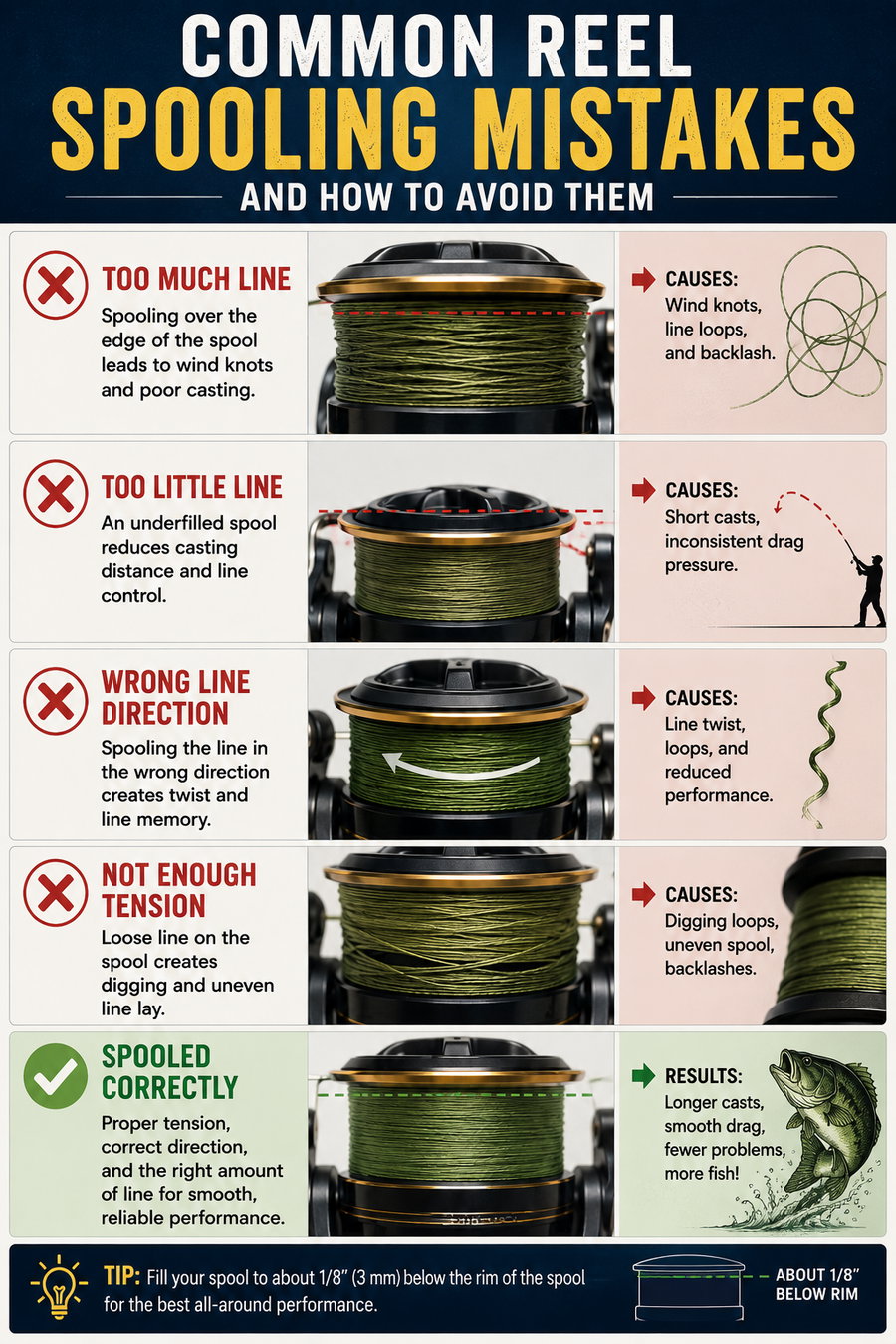
To avoid these problems, aim to fill your spool until the line is just below the lip of the spool. It’s usually a good idea to leave about an eighth of an inch of space. This ensures that when you’re reeling in your line, especially under pressure, there’s no risk of it spilling over the edges.
If you realize your spool is underfilled after you’ve already hit the water, don’t fret. You can always add more line right there and then, just make sure to keep your cast smooth and steady. Remember, the goal is to have a well-balanced setup so you can focus on landing that fish, not worrying about your gear.
Overfilled spools#
When it comes to spooling your fishing reel, one of the biggest mistakes you can make is overfilling it. An overfilled spool can cause all sorts of headaches while you’re out on the water. You might find yourself dealing with tangles, loops, and even backlashes that can ruin your fishing experience.
So, how do you know if your reel is overfilled? A good rule of thumb is to leave about an eighth of an inch between the line and the edge of the spool. This space is crucial because it allows the line to move freely without spilling over the sides. If you see the line spilling over or if it looks like it’s piled up too high, it’s a sure sign that you’ve added too much.
Another thing to consider is how the line behaves when you cast. If you notice that your line is jumping off the spool or tangling easily, it’s probably a symptom of an overfilled reel. This often results in frustrating casts that can lead to lost bait or lures.
If you find yourself in a situation where your spool is overfilled, don’t panic. You can easily remedy this by removing some line. Simply pull some of the line off the spool until you reach that ideal level. It’s often better to err on the side of caution and start with a little less line than you think you need. You can always add more, but it’s much harder to correct an overfilled situation once you’re out fishing.
Remember, a well-spooled reel is a happy reel, and it means a more enjoyable fishing experience for you.
Finding the sweet spot#
When you’re spooling your fishing reel, it’s important to hit that sweet spot for how full the spool should be. Overfilling can lead to tangles and backlash, while underfilling may reduce your casting distance and effectiveness. So, what’s the ideal level?
As a general rule, you want your line to fill the spool to about 1/8 inch below the rim. This gives you enough line to work with while preventing it from spilling over during casting or retrieving. A good visual cue is to look at the spool: when the line is filled just below the edge, you’re in a good place.
How do you achieve this? If you’re using mono or fluoro, which tend to stretch more, keep an eye on how the line lays on the spool. It should appear smooth and evenly layered. Braided line, on the other hand, is thinner and can fit more on the spool, so you might need to be a little more cautious when filling it.
When spooling, it helps to keep some tension on the line. You can achieve this by holding the line between your fingers as you reel it in. This not only keeps the line tight but also helps you gauge if you’re close to that 1/8 inch mark.
Lastly, don’t forget to check your line occasionally. If you notice it’s getting too low or too high, it’s an easy fix to adjust your spooling. A well-filled spool will make your fishing trips more enjoyable and successful.
Common Spooling Mistakes Beginners Make#
When you’re just starting out in fishing, spooling your reel can feel a bit overwhelming, and mistakes are bound to happen. Whether it’s choosing the wrong line type or failing to keep the line tight during the process, these errors can lead to frustrating tangles and lost fish. In this section, we’ll walk through some of the most common pitfalls that beginners face when spooling their fishing reels, helping you ensure a smoother experience on the water.
Spooling line in the wrong direction#
One of the most common mistakes beginners make when spooling a fishing reel is threading the line in the wrong direction. This can lead to tangles, twists, and a less-than-ideal fishing experience. Let’s break it down.
First, take a good look at your reel. Most modern reels have an arrow or some sort of marking that indicates the direction the line should be spooled. It’s not just for decoration - following this arrow helps ensure the line lays properly on the spool. If you spool it the wrong way, that can cause the line to come off in coils, resulting in frustrating backlashes.
Now, when you’re ready to spool, hold the spool of line with the label facing up. This is a simple trick to help you remember the direction. As you reel in, make sure the line comes off the spool in the same direction as the reel is spinning. If the line is coming off in the wrong direction, flip the spool over.
While spooling, keep some tension on the line. You can achieve this by holding the line between your fingers as you wind it onto the reel. This helps the line lay flat and reduces the chances of it twisting. Remember, a little tension goes a long way in ensuring that everything goes smoothly.
If you do happen to make a mistake and realize the line is twisted, don’t panic. You can simply remove the line and start over, but it’s worth taking the time to get it right the first time. It saves you hassle later when you’re out on the water, focused on catching fish instead of dealing with line issues.
Using too little tension#
One common mistake beginners make when spooling their fishing reel is not applying enough tension to the line. When you’re spooling, it’s important that the line goes on the reel tightly. If it’s too loose, it can create problems later, such as tangles or backlashes when you cast.
To get the right amount of tension, hold the line between your fingers as it feeds onto the reel. You want to feel some resistance, but not so much that it’s hard to pull. Imagine you’re wrapping a gift - if the paper is too loose, it’s going to look messy and unfold easily. The same goes for your fishing line.
Another tip is to use a pencil or a spool holder to keep the line taut while you’re spooling. Just place the spool on the pencil and let it spin freely as you pull the line onto your reel. This setup helps maintain consistent tension without straining your fingers.
Remember, too little tension can lead to a loose spool, which is a headache when you’re trying to cast. Take the time to adjust and find that sweet spot where the line is snug but not overly tight. It’ll make a world of difference on the water.
Ignoring line twist#
One of the most common mistakes beginners make when spooling a fishing reel is ignoring line twist. If you’ve ever had your line come off in tangles or knots, you know how frustrating it can be. Line twist happens when the line is wound onto the reel unevenly or if it gets twisted during casting and reeling.
To avoid this problem, start by ensuring the line is spooled correctly. When you’re putting line onto your reel, pay attention to the direction it’s coming off the spool. The line should come off the spool in the same direction that your reel will wind it on. If you’re using a spinning reel, the line should come off the top of the spool. For baitcasting reels, it should come off the bottom.
As you spool the line, keep some tension on it. This will help the line wrap evenly on the spool and reduce the chances of twist. If you’re using monofilament or fluorocarbon, it can be helpful to soak the line in water for a few minutes before spooling. This adds some weight and helps it lay down smoother, which can also reduce twist.
If you do end up with line twist, don’t panic. A simple way to fix it is to let some line out behind the boat while you’re moving slowly. This allows the line to unwind and reduces the twist. Alternatively, you can hold the line between your fingers and spin it to release the twist before re-spooling.
Being mindful of line twist can save you a lot of headaches on the water, helping you focus on catching fish rather than untangling knots.
Mono vs Braid vs Fluoro for Everyday Fishing#
When it comes to choosing the right fishing line, understanding the differences between monofilament (mono), braided (braid), and fluorocarbon (fluoro) is crucial for enhancing your fishing experience. Each type of line has its unique properties that make it suitable for different situations, whether you’re casting in freshwater or saltwater. In this section, we’ll break down the strengths and weaknesses of each option, helping you make an informed decision that suits your fishing style and the conditions you encounter.
Which line is easiest for beginners#
When you’re just starting out in fishing, the type of line you choose can make a big difference in your experience. Of the three main types - monofilament (mono), braided (braid), and fluorocarbon (fluoro) - monofilament is generally the easiest for beginners.
Mono is user-friendly. It’s stretchy, which can help absorb the shock when a fish takes your bait. This elasticity can also make it more forgiving if you accidentally yank your rod too hard. Additionally, mono is pretty easy to handle. It won’t tangle as much as braid, and it’s often more affordable, so it’s a good choice for those just learning the ropes.
Braided line has its strengths, like being super strong and having a small diameter, but it can be tricky for newcomers. It doesn’t stretch, which means you need to be careful with your hook sets. If you’re not used to the feel of fishing, that can lead to lost fish. Plus, braid can be prone to wind knots and tangles, which can be frustrating when you’re still getting the hang of it.
Fluorocarbon is a great line, especially for clear water conditions and for when you want less visibility. However, it can be a bit stiffer and more challenging to spool correctly, especially if you’re not familiar with handling fishing line. It also tends to be more expensive, which might not be ideal for a beginner who’s still figuring out their gear.
Overall, if you’re just starting your fishing journey, go with monofilament. It will give you a smoother introduction to the sport without the extra headaches that can come with braid or fluoro. Once you’re more comfortable, you can explore the other options based on your specific fishing style and conditions.
Which line offers the best performance#
When it comes to choosing between monofilament, braid, and fluorocarbon lines, the “best” performance often depends on how and where you plan to fish. Let’s break down the strengths of each type.
Monofilament is a great all-around line that many beginners start with. It’s easy to handle, knots well, and is generally more forgiving if you accidentally snag something. Mono has a bit of stretch, which can be beneficial when fighting a fish, as it helps absorb sudden tugs. This stretch can also make it easier to keep fish hooked, especially when using lighter tackle. However, it’s not the best choice for ultra-clear waters since it’s more visible to fish.
Braid is known for its strength-to-diameter ratio. This means you can use a thinner line that’s just as strong as a thicker mono line. It’s great for casting long distances and has almost no stretch, giving you more sensitivity to feel bites. This makes it a popular choice for techniques that require immediate hook sets. However, because it’s more visible underwater, you might want to use a fluorocarbon leader if you’re fishing in clear water.
Fluorocarbon is the stealthy option of the bunch. It’s less visible underwater, which can be a game-changer in pressured waters or when fish are particularly cautious. Fluoro also sinks, making it a good choice for techniques where you want your bait to stay down in the water column. It has less stretch than mono, providing good sensitivity, but it can be a bit stiffer and harder to handle if you’re just starting out.
In summary, your choice between mono, braid, and fluoro should factor in things like water clarity, fishing technique, and your personal comfort with handling different types of line. Each has its own perks, and often anglers will use a combination of them to fit various fishing situations.
The Best Line Setup for Most Anglers#
Choosing the right fishing line can make all the difference when you’re out on the water. It’s not just about what looks good on your reel; it’s about finding the balance between strength, sensitivity, and ease of use. Whether you’re a weekend warrior or just starting, understanding the best line setup for your specific needs can enhance your fishing experience and improve your success rate. Let’s dive into what makes a solid line choice for various fishing styles and conditions.
In conclusion, spooling your fishing reel might seem like a small detail, but it can make a world of difference in your fishing success and enjoyment. Whether you choose mono, braid, or fluorocarbon, taking the time to spool your line correctly ensures smoother casts, better hook sets, and fewer frustrating tangles. Remember to keep an eye on how full your reel is and avoid common mistakes that can lead to headaches on the water. The right line setup can enhance your experience, making every outing more productive and enjoyable. So grab your gear, follow these tips, and get ready to reel in some memorable catches. Happy fishing!