
Affiliate disclosure: As an Amazon Associate, we may earn from qualifying purchases made via links on this page - at no extra cost to you. See our Affiliate Disclosure.
If you’ve ever watched a pro angler effortlessly cast a baitcaster while you’re standing there with a tangled mess of line, you know the struggle is real. Don’t fret! Setting up and adjusting a baitcaster doesn’t have to feel like trying to solve a Rubik’s cube blindfolded. With a little guidance, you can master this fishing gear and even enjoy it.
Baitcasting reels offer precision and improved casting distance, making them a favorite among seasoned anglers. However, they can be a bit tricky for beginners, especially when it comes to avoiding that dreaded backlash. In this guide, we’ll walk you through the basics of setting up your baitcaster, adjusting the tension, and fine-tuning the brake system. Before you know it, you’ll be casting with confidence, and perhaps even laughing at the occasional bird’s nest that everyone will tell you is just part of the learning curve. So grab your gear, and let’s dive into the art of baitcasting!
Why Most Baitcaster Problems Start Before the First Cast#
Setting up a baitcaster can feel a bit daunting for newcomers, especially with the fear of backlash looming over their heads. However, many of the common issues that plague anglers begin long before that first cast is made. Understanding the importance of proper setup and adjustments can make all the difference in your experience on the water. With a little bit of patience and attention to detail, you can minimize these problems and enjoy a smoother fishing experience right from the start.
Common setup mistakes that lead to backlash#
When you’re just getting started with baitcasters, it’s easy to make a few common mistakes during setup that can lead to frustration. Let’s break down some of these missteps so you can avoid them and get the most out of your fishing experience.
One of the biggest blunders is not properly adjusting the spool tension. The spool tension knob controls how tightly the spool spins when you cast. If it’s set too loose, the line can fly off the spool, causing a mess of backlash. To find the right tension, hold your rod at a 45-degree angle and let the lure drop. The spool should only begin to spin when the lure hits the ground. Adjust the knob until you get that sweet spot.
Another common mistake is neglecting to set the brake system. Baitcasters typically come with either magnetic or centrifugal brakes, or a combination of both. If these brakes aren’t adjusted correctly, it can lead to tight loops of line that tangle up and create a headache. Start with a higher brake setting, especially if you’re new. As you gain confidence, you can gradually lower the brake to see how it affects your casting.
Using the wrong line for your baitcaster is another easy mistake to make. Thicker lines can create more friction and lead to backlash. For beginners, it’s often best to stick with a smoother monofilament or fluorocarbon line. These lines tend to perform better with baitcasters and are less prone to tangling.
Lastly, don’t forget to spool your line correctly. If the line winds on the spool unevenly, it can cause issues during your cast. Make sure the line is coming off the spool in the correct direction, and keep it tight as you spool it onto your baitcaster. This will help ensure that your line lays flat and even, reducing the risk of backlash.
By paying attention to these setup details, you’ll set yourself up for success and enjoy a much smoother experience on the water.
Why factory settings are rarely ideal#
When you pick up a new baitcaster, chances are it’s set up to appeal to a wide range of anglers. However, those factory settings are often a bit generic and might not suit your specific fishing style or the conditions you’ll be facing. This can lead to frustration, especially if you’re not familiar with how to make adjustments.
First off, the brake system is usually set at a middle range. While this might work for some, it may not be enough for others, particularly if you’re using lighter lures or fishing in windy conditions. A tighter brake setting can help prevent backlash when you’re just starting out, but if you don’t make adjustments, you might find your casts lacking distance or accuracy.
Next, the spool tension is often left pretty loose. This can be tempting, as it allows the lure to fall freely, but a loose spool can lead to unwanted overruns when you’re casting. If the spool spins too freely, it might not stop when you want it to, creating a mess of tangled line on your reel. Taking a moment to adjust the tension can make a world of difference.
Lastly, the line type and weight you use can greatly impact how well your baitcaster performs. If you’re using a heavier line than what the factory settings are designed for, you might struggle with control. Always consider the line you plan to use and make adjustments accordingly.
Before casting, take a few minutes to tweak these settings. It’s a small time investment that pays off big in your overall enjoyment and success on the water.
Understanding the Three Main Adjustments#
Getting the most out of your baitcaster means knowing how to adjust it correctly. Each baitcaster features three key adjustments that can help you control your casts and minimize the dreaded backlash. By understanding these settings, you’ll be better equipped to make smooth, accurate casts, allowing you to focus more on the fishing and less on untangling your line. Let’s break down these essential adjustments so that you can hit the water with confidence.
Spool tension knob#
The spool tension knob is your best friend when it comes to controlling how freely your line unwinds from the reel. Located on the side of your baitcaster, this knob helps manage the amount of pressure on the spool, which can prevent backlash - a common frustration for beginners.
To use the spool tension knob, start by loosening it slightly. You want to give the spool some freedom, but not too much. A good way to test this is by holding your rod at a 45-degree angle and letting your lure drop. If it falls smoothly without any tangles, you’re on the right track. If it falls too quickly and creates a bird’s nest, tighten the knob a bit more.
Remember, the ideal setting can vary depending on the weight of your lure and the type of fishing you’re doing. Heavier lures need less tension, while lighter ones might require a bit more to keep the line in check. Don’t hesitate to make small adjustments until you find that sweet spot where your lure drops smoothly but the spool doesn’t spin freely when you’re not casting.
As you practice, pay attention to how the spool behaves. If you notice any backlash starting to form, it’s a sign that you need to increase the tension. With a little patience and experimentation, you’ll find the right balance that works for you.
Braking system#
The braking system is a crucial part of your baitcaster setup. It helps control the spool’s rotation, preventing that dreaded backlash when you’re casting. Think of it as a safety net that keeps everything running smoothly.
Most baitcasters have either a magnetic or centrifugal braking system. Magnetic brakes use magnets to create resistance against the spool. You can adjust the strength of this resistance using a dial usually located on the side of the reel. If you’re just starting out, set it to a higher level. This will give you extra support as you get the hang of your casting technique.
Centrifugal brakes, on the other hand, rely on small brake blocks that activate based on the spool’s speed. They usually require a bit more setup. You may need to take off the side plate to adjust these blocks. For beginners, starting with more blocks engaged will help keep your casts manageable and reduce the chance of backlash.
When you’re ready to cast, adjust the braking system based on how you’re feeling. If you’re casting light lures or trying to reach longer distances, you might want to dial back the brakes a bit. But if you notice backlash creeping in, don’t hesitate to tighten them back up.
It’s all about finding the right balance for your style. Spend some time experimenting with the adjustments. The more you practice, the more you’ll understand how your braking system works in real-world scenarios.
Drag settings#
When it comes to fishing with a baitcaster, understanding drag settings is crucial for both your success and the fish’s survival. The drag is what allows your line to give a little when a fish pulls on it. This flexibility can prevent your line from breaking and gives you better control over the fight.
To set your drag, start by pulling out some line by hand. You want to find a balance where the line will pull freely when a fish tugs but won’t release too easily. A good rule of thumb is to set the drag at about one-third of your line’s breaking strength. For example, if you’re using a 10-pound test line, your drag should be set around 3 to 4 pounds. This gives enough resistance to tire out the fish while still allowing it to take line if it makes a sudden dash.
Adjusting the drag is typically done with a knob on the top of your reel. Turn it clockwise to tighten the drag and counterclockwise to loosen it. After making adjustments, give it a quick test by pulling on the line to ensure it feels right. If it feels too stiff, loosen it up a bit. If it’s too loose, tighten it.
Keep in mind that different fishing conditions may require different drag settings. If you’re targeting larger fish or fishing in heavy cover, you might need a tighter drag to keep the fish from getting tangled. Conversely, if you’re in open water with smaller fish, a lighter drag might be more appropriate.
Regularly checking your drag settings before you cast is a good habit to get into. Conditions can change, and so can the size of the fish you’re after. Adjusting your drag accordingly can make a significant difference in your fishing experience.
How to Set Up a New Baitcaster Step by Step#
Setting up a new baitcaster can feel a bit daunting, especially if you’re transitioning from spinning reels. However, with a little patience and the right approach, you can get it dialed in perfectly. In this section, we’ll walk you through each step of the setup process, ensuring you understand how to adjust your reel to minimize backlash and maximize your casting efficiency. By the end, you’ll feel more confident in using your baitcaster and ready to hit the water.
Matching the reel to your lure weight#
When you’re getting ready to fish with a baitcaster, one of the first things to consider is the weight of your lure. This is crucial because using a lure that’s too light or too heavy can lead to frustration, especially when it comes to casting.
Each baitcasting reel has a recommended range for lure weights. You can usually find this information in the owner’s manual or on the reel itself. If you’re not sure, a good rule of thumb is to choose a lure that falls within the middle of that range. For instance, if your reel is rated for lures between 1/4 ounce to 1 ounce, aim for something around 1/2 ounce to start. This will give you a nice balance and help you avoid backlash.
When you pick your lure, also think about the type of fishing you’re doing. If you’re targeting bass, jigs or crankbaits are commonly used and often fall within that sweet spot. For lighter lures, like small jerkbaits, ensure your reel can handle the lighter weights - otherwise, you might struggle to cast them effectively.
Another tip is to pay attention to the rod you’re using. The rod’s action and power should complement the lure weight you’re casting. A medium-heavy rod will work well with heavier lures, while a medium or light rod is better suited for lighter ones.
Once you have your lure and rod selected, it’s time to set up your baitcaster. Remember, the more you practice, the better you’ll get at matching your gear and minimizing those pesky backlashes.
Setting spool tension correctly#
Setting the spool tension is one of the most crucial steps in using a baitcaster effectively. It helps prevent backlash and ensures smoother casting. Here’s how to do it right.
First, locate the spool tension knob; it’s usually found on the side of the reel. This knob controls how tightly the spool is held in place. To set it, start by ensuring your baitcaster is in free spool mode. This simply means that you can let the line out freely without resistance.
Now, hold the rod horizontally and let a bit of line hang down. With your lure or weight attached, give the line a gentle pull. Adjust the tension knob until the lure just starts to drop slowly. If the lure falls too quickly, tighten the tension. If it doesn’t fall at all, loosen it. The goal here is to find that sweet spot where the lure falls at a controlled pace without the spool over-spinning, which can lead to backlash.
Once you’ve found the right tension, give it a few practice casts. Pay attention to how the reel responds. If you notice any signs of backlash or if the line is not releasing smoothly, you may need to make slight adjustments. Remember, it’s better to err on the side of caution - start with more tension and gradually loosen it as you get comfortable.
As you become more experienced, you’ll start to recognize what feels right for different lures and conditions. But for now, getting that initial spool tension set correctly will go a long way in making your casting experience enjoyable.
Choosing beginner-friendly brake settings#
When you’re just starting with a baitcaster, one of the most important things you’ll want to get comfortable with is the brake settings. These settings help control the spool’s speed when casting, which can significantly reduce the chance of backlash - a common frustration for beginners.
Most baitcasters come with two types of brakes: magnetic and centrifugal. Magnetic brakes are usually easier for beginners. They adjust automatically based on the speed of your cast, helping to prevent the line from overrunning. On the other hand, centrifugal brakes require a bit more hands-on tweaking, but they can offer more control once you understand them.
To start, set your magnetic brake to a higher number, usually somewhere between 5 and 10. This will give you more resistance and help slow down the spool as you cast. The higher the number, the more braking force applied, which is great for learning. If you notice a lot of backlashes, don’t hesitate to increase the brake setting further.
Once you feel more confident, you can gradually lower the brake setting to see how it affects your casting distance and control. Just be sure to practice in an open area without obstacles - this will give you room to make mistakes without getting too frustrated.
For centrifugal brakes, you’ll typically find small pins on the side of the reel. Start with all the pins engaged, which will give you maximum braking. As you improve, you can start disengaging pins one at a time to fine-tune your setup.
Remember, the goal is to find a balance where you can cast smoothly without backlash while still getting some good distance. Don’t rush the process; take the time to experiment and find what works best for you. Each reel is a little different, so give yourself the space to learn and adjust as you go.
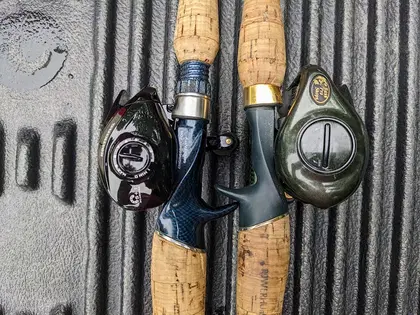
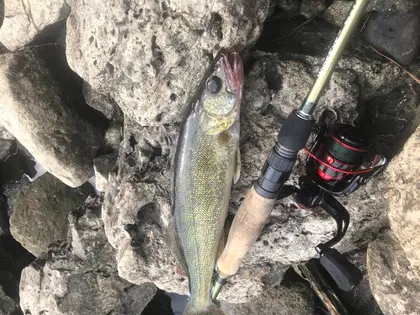
Your First Practice Casts Without Creating a Bird’s Nest#
Getting comfortable with a baitcaster can feel like a challenge, especially for beginners worried about backlash - those frustrating tangles of line that can ruin your day on the water. The key to successful casting lies in practice and understanding your gear. In this section, we’ll walk you through your first practice casts, focusing on techniques that help you avoid those pesky bird’s nests while building your confidence with this versatile reel.
Finding the right casting motion#
When you’re starting out with a baitcaster, mastering your casting motion is key to avoiding those pesky bird’s nests. Unlike spinning reels, a baitcaster requires a bit more finesse. Let’s break it down into simple steps.
First, grip the rod with your dominant hand, placing your thumb on the spool. This thumb control is crucial, as it will help you manage the line during your cast. With your other hand, hold the rod near the reel.
Next, start with the rod tip pointing down at about a 45-degree angle. To initiate your cast, begin by smoothly lifting the rod tip upward. Think of it as a fluid motion - if you’re too jerky, you’ll risk backlash. Once the rod reaches about a 10 o’clock position, quickly flick your wrist to propel the lure forward.
Timing is everything here. As you cast, gradually release your thumb from the spool just before the rod reaches its peak. This allows the line to flow freely while maintaining control. If you release too early or too late, you might end up with a tangled mess.
After you’ve released the line, gently apply pressure with your thumb back on the spool to slow down the lure’s descent. This will help prevent it from hitting the water too hard, which can also lead to tangles. Think of your thumb as a brake - too much pressure will stop it suddenly, while too little will let it spool out too quickly.
Practice making short casts at first. This helps you get a feel for the timing and motion without overwhelming yourself. As you gain confidence, gradually increase the distance of your casts. Remember, practice makes perfect, and soon you’ll be casting like a pro with minimal fuss.
Using your thumb to control the spool#
When you’re getting started with a baitcaster, your thumb is going to be your best friend. Controlling the spool with your thumb is essential for making smooth casts and avoiding that dreaded backlash, or “bird’s nest.”
To begin, hold the rod and reel in a comfortable position. With your thumb resting on the spool, you’re ready to cast. As you begin your cast, apply gentle pressure with your thumb. This pressure will help control how fast the spool rotates. If you let the spool spin too freely, the line can unravel too quickly, leading to tangles.
Timing is key here. As your bait or lure starts to descend, you’ll want to gently press your thumb down onto the spool to slow it down. This helps you control the distance and ensures the line stops when your lure hits the water, rather than continuing to spin and creating a mess. The more you practice, the better you’ll get at finding that sweet spot of pressure.
A good tip is to practice casting in an open area where you won’t get snagged on anything. This way, you can focus entirely on your thumb technique. Start with shorter casts and gradually increase the distance as you feel more comfortable. Remember, it’s all about finesse rather than force.
If you find yourself still getting the occasional backlash, don’t panic. It happens to everyone, even seasoned anglers. Just take a moment to untangle the line, and think about how you can adjust your thumb pressure next time. With a bit of practice, you’ll start to feel more confident, and your casts will become smoother and more controlled.
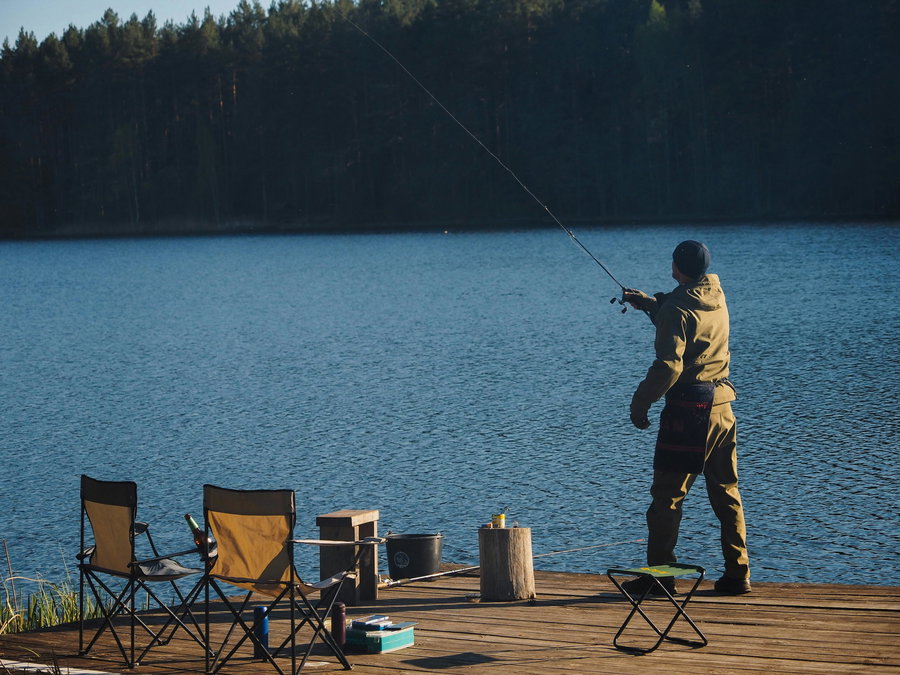
How to Fine-Tune Your Reel for Better Distance#
Getting the most out of your baitcaster often comes down to fine-tuning its settings. By adjusting the braking system and spool tension, you can enhance your casting distance and accuracy while minimizing the risk of backlash. Understanding how these components work together can transform your fishing experience, allowing you to cast farther and more confidently. Let’s break down the simple steps you can take to optimize your reel for those long, smooth casts.
When to reduce brake settings#
Reducing the brake settings on your baitcaster can help you achieve longer casts, especially when conditions are right. Understanding when to make this adjustment is key to maximizing your distance without sacrificing control.
A good time to lower your brake settings is when you’re casting lighter lures. Heavier lures usually benefit from more brake due to their weight and the momentum they generate. However, lighter lures can often fly further with less friction holding them back. If you’re using a lure that weighs less than the typical range for your setup, consider dialing back the brakes.
Another scenario is when you’re fishing in calm weather. If there’s little to no wind, you can afford to reduce the brakes. Wind can catch your line and cause backlashes, but in still conditions, your cast can be more streamlined. Just remember to keep an eye on your line as you adjust; if you notice any signs of backlash, it might be a sign to increase the brake again.
Lastly, if you’re an experienced caster and feel confident in your skills, you might want to reduce brake settings to test your limits. This can be a great way to improve your casting distance and gain a better feel for your gear. However, if you’re still getting accustomed to your baitcaster, it’s wise to leave the brakes higher until you feel more comfortable with the mechanics.
Always take a few practice casts after making adjustments. This will help you gauge how your baitcaster is performing and whether you need to tweak those settings further.
Adjusting for different lure weights#
When you’re using a baitcaster, matching your reel’s settings to the weight of your lure is key to making accurate casts and avoiding backlash. Each lure type has its own weight, and adjusting your reel correctly can make a world of difference.
Start by checking the weight of your lure. Most lures have their weights printed on the packaging, or you can find this information online. If you’re using a lure that’s lighter than what your reel can handle, it’s time to make some adjustments.
First, adjust the tension knob, which is usually located on the side of the reel. This knob controls how freely the spool spins. For lighter lures, you’ll want to loosen this knob slightly, allowing the lure to fall without the spool over-spinning. To test this, hold your rod horizontally and drop the lure. The spool should only spin enough to let the lure fall to the ground smoothly. If it spins too fast, tighten the knob a bit.
Next, check your brake settings. Most baitcasters have either magnetic or centrifugal brakes that help control the spool’s speed. If you’re using a lighter lure, you might want to engage more brakes to prevent the spool from spinning too quickly during the cast. This way, you reduce the chance of backlash occurring.
If your lure is heavier, you generally want to reduce the tension a bit and dial back the brakes, as the weight will help keep the spool from overrunning. Again, test your setup by making a few practice casts. Adjust the brakes until you find a balance that feels comfortable.
Remember, fine-tuning is a process. Take your time, make small adjustments, and practice. After a few sessions, you’ll get a feel for how different weights affect your reel’s performance.
Common Causes of Backlash and How to Fix Them#
Backlash can be one of the most frustrating experiences when using a baitcaster, especially for beginners. Understanding the common causes behind this issue is crucial for improving your casting technique and enjoying your time on the water. In this section, we’ll explore what typically leads to backlash and share effective solutions to help you cast with confidence.
Casting too hard#
When you’re using a baitcaster, one of the most common mistakes beginners make is casting too hard. It’s easy to get excited, but putting too much force into your cast can lead to a nasty backlash, which is that frustrating tangle of line that can ruin your day on the water.
Instead of trying to launch your lure as far as possible with every cast, focus on a smooth, controlled motion. Start by practicing your cast in an open area without any obstacles. Hold the rod at about a 45-degree angle and smoothly flick your wrist while keeping your arm relaxed. The goal is to let the rod do most of the work.
Another tip is to think about the timing of your cast. As you begin your forward motion, release the button on your reel just before the rod reaches its peak. This helps your lure fly out smoothly and can prevent the line from digging into the reel, which is a major cause of backlash.
If you find yourself wanting to cast harder, remind yourself that precision often beats distance. It’s better to cast accurately into a tight spot than to send your lure flying off into the distance only to end up tangled. Practice makes perfect, so keep at it, and soon you’ll find that sweet spot between power and finesse.
Incorrect spool tension#
One of the most common causes of backlash in baitcasting reels is incorrect spool tension. When your spool is too tight, it can impede the line’s ability to flow freely, causing the lure to drop too quickly and creating a mess of tangled line. On the flip side, if the spool is too loose, the line can fly off uncontrollably, leading to a devastating backlash. Finding that sweet spot is essential for smooth casts.
To adjust the spool tension, locate the tension knob on your reel. It’s usually found on the side opposite the handle. Start by setting the knob to a neutral position. Then, pick up your rod and hold it horizontally. While holding the rod steady, press the release button to let your lure drop. The lure should fall slowly and steadily. If it plummets to the ground like a rock, tighten the knob a little. If it doesn’t move at all, loosen it up.
As you get the hang of it, remember that the ideal tension will vary depending on the weight of your lure. Lighter lures need a bit more tension to avoid over-spooling, while heavier ones can handle a looser setup.
Once you’re comfortable with the adjustments, practice casting in an open space. Make gentle casts, gradually increasing your speed and force. This will help you get a feel for how the spool tension impacts your casts, reducing the risk of backlash as you gain confidence. Experiment and fine-tune until it feels just right!
Poor thumb timing#
One of the most common culprits behind backlash is poor thumb timing. This happens when your thumb doesn’t engage at the right moment during a cast. It’s all about controlling the spool as the line leaves the reel. If you let the line go without applying pressure with your thumb, it can continue to unravel, leading to a tangled mess.
To improve your thumb timing, practice is key. Start by making some short, controlled casts. Focus on the moment the lure leaves the rod. As you release the bait, gently press your thumb down on the spool. This will slow down the spool’s rotation, helping to keep the line from overrun. It might feel awkward at first, but with time, you’ll find the rhythm that works for you.
Another helpful tip is to watch how the line is coming off the reel. If you notice it is coming off too fast or too slow, adjust your thumb pressure accordingly. If it’s coming off quickly, you might need to press down a bit harder. Conversely, if it’s too slow, you can ease up a little.
Don’t be discouraged if you struggle at first; even seasoned anglers had to work through this. Take your time to get comfortable with the mechanics of your baitcaster, and remember that every cast is a chance to improve.
Advanced Adjustments You’ll Appreciate Later#
Once you’ve gotten the basics of baitcasting down, it’s time to dive into some finer adjustments that can elevate your fishing experience. These tweaks not only enhance your casting precision but also help you handle various fishing conditions more effectively. Whether you’re targeting specific species or navigating tricky environments, mastering these advanced settings can make all the difference in your success on the water.
Magnetic vs Centrifugal Braking Systems#
When it comes to baitcasters, understanding the differences between magnetic and centrifugal braking systems can really enhance your fishing experience. Both systems help control your spool’s rotation, reducing the chances of backlash, but they operate in slightly different ways.
Magnetic Braking uses magnets to apply pressure to the spool. As you cast, the spool spins, and the magnets engage, slowing down the rotation based on how hard you’re casting. This system is often easier to adjust and can provide more consistent braking throughout your cast. Simply turn a dial to increase or decrease the magnetic force. If you’re just starting out, you might find this type more user-friendly, as it allows for quick adjustments on the fly.
On the other hand, Centrifugal Braking relies on friction and relies on small brake blocks that engage as the spool speed increases. When you cast, these blocks are flung outward by centrifugal force, creating resistance against the spool. This system is typically more effective at preventing backlash during hard casts. It may require a little more tinkering to set up initially, as you usually have to manually adjust the blocks based on your lure weight and casting style.
Many anglers prefer to start with magnetic braking for its simplicity. However, as you get more comfortable, trying out centrifugal braking can give you finer control, especially with heavier baits or in windy conditions. Some baitcasters even combine both systems, giving you the best of both worlds.
Take some time to experiment with both types. Notice how each one affects your casting distance and accuracy. With practice, you’ll find the setup that works best for you and your fishing style.
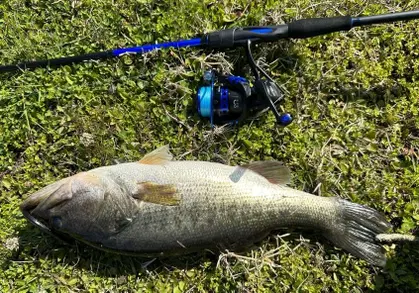
Troubleshooting Problems on the Water#
Even with the best preparation, you might encounter a few hiccups while using your baitcaster out on the water. Whether it’s the dreaded backlash or an unexpected casting issue, knowing how to troubleshoot these problems can save your fishing day. In this section, we’ll explore some common challenges and practical solutions to help you regain control and enjoy a smooth experience.
Sudden backlash after changing lures#
Experiencing a sudden backlash after swapping lures can be frustrating, especially when you’re trying to focus on catching fish. This issue often arises from the difference in weight and aerodynamics between the lures you’re using. When you change to a heavier or lighter lure, your reel settings may not be optimized for the new lure’s characteristics.
First, take a moment to check your brake settings. If you’ve switched to a lighter lure, you may need to loosen the braking system to allow for a smoother, longer cast. Conversely, with a heavier lure, tightening up the brakes can help control that initial speed and prevent the line from overrun.
Next, consider adjusting the spool tension knob. This knob controls how freely the spool spins when you cast. If you notice backlash after changing lures, you might need to adjust this tension. Start by tightening it until the lure drops slowly to the ground when you hold the rod horizontally. This setting provides a good balance for most conditions.
Another helpful tip is to practice your casting with the new lure before you hit the water. Find a safe spot where you can make a few practice casts, adjusting the settings as needed. This will help you get a feel for how the new lure behaves and whether your reel adjustments are on point.
Lastly, always remember to check your line. A twist or tangle in your line can contribute to backlash issues, especially when switching lures. Make sure your line is spooled correctly and free of knots to avoid any surprises when casting.
Windy conditions and difficult casts#
Fishing on a windy day can feel like a battle, especially when you’re trying to master a baitcaster. The wind can wreak havoc on your casts, causing them to go off course or even result in a backlash. But don’t worry - there are a few adjustments you can make to help you manage those tricky conditions.
First, pay attention to your casting technique. In strong winds, it’s often better to shorten your cast. Instead of trying to launch your lure as far as possible, aim for a more controlled, shorter cast that stays low. This reduces the impact of the wind and keeps your lure on target. A good rule of thumb is to use a sidearm or underhand cast, which can help keep your line closer to the water and lessen wind interference.
Next, consider adjusting your reel’s brakes. If you’re dealing with blustery conditions, increasing the braking force can help. This will slow down the spool when you cast, allowing for better control and reducing the likelihood of a backlash. Start with a higher setting and gradually decrease it as you gain confidence and get a feel for the wind.
Also, check the weight of your lure. Lighter lures are more susceptible to being blown off course, so if you’re struggling, think about switching to something heavier. A heavier lure will cut through the wind better and should provide more stability during your cast.
Lastly, practice makes perfect. If you know you’ll be out in windy conditions, take some time to practice casting before you hit the water. This will increase your comfort level with your baitcaster, helping you adjust to the wind as you go.
With these tips, you can tackle windy days with more confidence and keep your casting smooth and backlash-free.
Can You Completely Eliminate Backlash#
Backlash can be one of the most frustrating issues when using a baitcaster, especially for beginners. While it may be impossible to completely eliminate the risk of backlash, there are definitely ways to minimize it and improve your casting technique. By understanding the mechanics of your reel and making a few adjustments, you can significantly reduce those pesky tangles and enjoy a smoother fishing experience.
In conclusion, mastering the baitcaster is all about patience and practice. By understanding the key adjustments and following the steps outlined in this guide, you’re well on your way to casting with confidence and minimizing those pesky backlashes. Remember, even the pros have their off days, so don’t be too hard on yourself if things don’t go perfectly at first. With a little time spent fine-tuning your reel and getting comfortable with your technique, you’ll find that casting becomes second nature. So grab your gear, head to the water, and enjoy the process - after all, it’s all part of the adventure. Happy fishing!