
Affiliate disclosure: As an Amazon Associate, we may earn from qualifying purchases made via links on this page - at no extra cost to you. See our Affiliate Disclosure.
Setting the drag on your spinning reel might sound like a fancy fishing technique reserved for the pros, but don’t worry - it’s more straightforward than it seems. Think of drag as the reel’s way of playing nice with the fish. If you set it right, you’ll have a much better chance of landing your catch without losing your line (or your sanity).
In this guide, we’ll break down the basics of drag settings in a way that doesn’t require a degree in fish science. Whether you’re battling a feisty trout or a stubborn bass, knowing how to adjust your drag can make all the difference between a trophy fish and a tale of the one that got away. So grab your spinning reel, and let’s dive into the practical steps that will have you feeling like a pro in no time.
Why Drag Settings Matter More Than Most Beginners Realize#
Understanding drag settings can significantly enhance your fishing experience, yet many beginners overlook their importance. The drag system controls how much resistance a fish feels when it pulls on the line, making it crucial for successful hook sets and fighting fish. If your drag is too tight, you risk breaking your line or losing the fish altogether; too loose, and a fish may slip the hook. By paying attention to drag settings, you can improve your chances of landing that prized catch and enjoy more rewarding days on the water.
What happens when drag is too tight#
When the drag on your spinning reel is set too tight, it can lead to some frustrating situations, especially for beginners. Imagine reeling in a big fish only to find the line snapping or the fish breaking free. That’s often a result of not allowing the fish to pull line when it fights. A tight drag can create excessive pressure, making it hard for the fish to swim, and in turn, it can lead to a break in the line or your tackle.
Another common problem with a tight drag is that it can wear you out faster. If you’re battling a fish and the drag isn’t giving at all, you’ll find yourself exerting way more effort than necessary. This can lead to fatigue and reduce your chances of landing the fish. It’s all about balance; you want enough resistance to tire the fish, but not so much that it becomes an uphill battle for you.
Additionally, a tight drag can inadvertently cause damage to your reel. Over time, the constant strain can wear down the internal components, leading to costly repairs or replacements. So, while it might seem like a good idea to crank up the drag to the max, it can have consequences that hurt both your fishing experience and your gear.
In a nutshell, setting the drag too tight can lead to broken lines, exhausting battles, and even damage to your equipment. Finding that sweet spot is key to making your fishing trips enjoyable and successful.
What happens when drag is too loose#
When the drag on your spinning reel is too loose, it can lead to a few frustrating situations. First and foremost, you’ll likely find that fish can easily pull line off the reel without any resistance. This means they can swim away with your bait or lure before you even know what’s happening. It can be especially disheartening when you’re trying to catch a bigger fish that requires a bit more control.
A loose drag can also result in a tangled mess of line. If a fish makes a sudden run while the drag isn’t set tightly, it may cause the line to snap or wrap around itself. This not only jeopardizes your chances of landing the fish but can also lead to wasted time untangling your setup or even losing tackle.
Additionally, when the drag is too loose, it can take away from the excitement of the fight. You want to feel that tug and resistance, which gives you the thrill of the catch. If the drag is slack, it might feel more like a game of tug-of-war with a pillow rather than a challenging encounter with a fish.
So, whether you’re out for some leisurely fishing or aiming for that trophy catch, having the right drag setting is crucial. Remember, striking the right balance can make all the difference in your fishing experience.
What Drag on a Spinning Reel Actually Does#
Understanding drag is essential for any angler looking to improve their skills. In essence, the drag system on a spinning reel controls how easily a fish can pull line off the reel when it runs. This feature is crucial because it helps prevent the line from breaking under pressure while allowing you to maintain control over the fish. By mastering the drag, you can increase your chances of landing that prized catch while also protecting your tackle.
How the drag system protects your line#
The drag system on your spinning reel acts like a safety net for your fishing line. When a fish bites and makes a run, the drag allows the line to pay out smoothly instead of snapping under pressure. Think of it as a way to control how much resistance the fish feels when it’s pulling away.
If your drag is too tight, the line can break easily, especially with larger fish. On the other hand, if your drag is too loose, the fish might spit the bait out or get away before you can reel it in. Finding that sweet spot is essential for a successful catch.
When a fish pulls hard, the drag system lets the line run out gradually. This prevents sudden jolts that can damage the line or the hook. It’s like having a conversation with the fish, where you’re letting it take a bit of line but still keeping control. A well-adjusted drag helps you tire the fish out while preserving the integrity of your gear.
To set your drag properly, start by loosening it until you can pull the line out with your fingers. If it feels too easy, tighten it a bit and test again. You want just enough resistance to feel the fish but not so much that it risks breaking. Remember, you can always adjust it on the fly if needed, especially if you’re dealing with a bigger catch than expected.
Why drag helps you land more fish#
When you’re out fishing, the drag on your spinning reel plays a crucial role in successfully landing fish. Imagine you’re reeling in a big catch. The fish can fight hard, and if you don’t have the right amount of drag set, you could lose it. Drag is essentially a way to control how much resistance the fish feels when it tries to get away.
If your drag is set too tight, the line can snap, especially with stronger fish that can tug hard. On the flip side, if the drag is too loose, the fish can just run freely without any resistance, making it easier for them to escape. The goal is to find a sweet spot where the fish feels some pressure, but you’re not putting so much tension on the line that it breaks.
Setting your drag properly allows the fish to tire itself out over time. It’s like a tug-of-war where you want the fish to exert its energy while you keep the line tight enough to stay connected. This balance is key. A well-set drag gives you a better chance of bringing the fish in without causing unnecessary stress on your gear or the fish itself.
In practical terms, think about the type of fish you’re targeting. Larger species will require a tighter drag setting to keep them under control, while smaller fish can be played with a lighter drag. Adjusting your drag based on the specific situation can make all the difference in your fishing experience.
Where to Find and Adjust the Drag Knob#
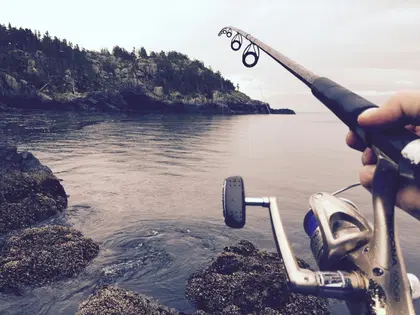
The drag knob is a crucial component of your spinning reel that helps you manage the tension on your fishing line when a fish takes the bait. It’s usually located on the top of the reel, often in the form of a dial or knob that you can easily turn. Learning how to find and adjust this knob is essential for successful fishing, as it allows you to set the right resistance based on the fish you’re targeting and the type of line you’re using. Whether you’re dealing with a feisty trout or a strong bass, getting the drag setting right is all about balance and finesse.
Front drag vs rear drag reels#
When it comes to spinning reels, you’ll typically run into two types of drag systems: front drag and rear drag. Understanding the difference can help you choose the right one for your fishing style and get you more comfortable with setting drag.
Front drag reels are equipped with the drag adjustment knob located at the front of the spool. This setup is often preferred by many anglers because it allows for a smoother and more consistent drag. When you tighten or loosen the drag, it adjusts the tension directly at the spool. This can be particularly beneficial when fighting larger fish, as it offers precise control over the line’s resistance. You can adjust the drag easily while reeling, which can be helpful when you need to make quick changes.
On the other hand, rear drag reels have the drag adjustment knob at the back of the spool. These reels are generally easier to adjust with one hand since you can reach the knob while holding the rod. However, some anglers find that rear drag systems can be less sensitive than front drag systems. This means that when you adjust the drag, it might not provide the same level of feel or responsiveness.
Both types have their pros and cons, so choosing between them often comes down to personal preference. If you’re just starting out, try out both types to see which one feels more comfortable in your hands. Regardless of which you pick, knowing how to adjust the drag on your spinning reel is key to becoming a successful angler.
A Simple Way to Set Drag Before You Start Fishing#
Setting the drag on your spinning reel is a crucial step before you hit the water, and it doesn’t have to be complicated. The drag system helps control how much resistance a fish feels when it’s pulling on your line, which can prevent breakage and give you better chances of landing your catch. In this section, we’ll walk you through an easy method to adjust your drag, ensuring you’re well-prepared for whatever swims your way.
The pull test method#
Setting the drag on your spinning reel can sometimes feel a bit tricky, but the pull test method makes it straightforward and effective. This technique helps you find the right balance, ensuring you don’t lose fish while still being able to reel them in comfortably.
To start, make sure your line is threaded through the guides of your rod. Then, tie on a lure or hook that you’ll be using. Once that’s ready, grab the line about a foot or two above the reel. You want to hold it tight but not too hard - just enough so you can feel the tension.
Now, slowly pull on the line with a steady force. The goal here is to simulate the weight of a fish. If you can pull the line out with relative ease, then your drag is likely set too loose. You want to feel some resistance but still be able to pull it out without too much effort.
Adjust the drag knob on your spinning reel to increase or decrease the tension. After each adjustment, do another pull test to see if it feels right. You want it to be firm, but not so tight that you can’t pull it out at all.
Keep in mind, different fishing situations might require different drag settings. For lighter species, a softer drag might work best, while bigger fish will need a tighter setting. It’s all about finding that sweet spot where you have control but can still let the fish run if needed.
Once you feel confident with your drag, you’ll be much better prepared when you hook into a fish. This simple method will help you get it just right, making your fishing experience much more enjoyable.
Matching drag to line strength#
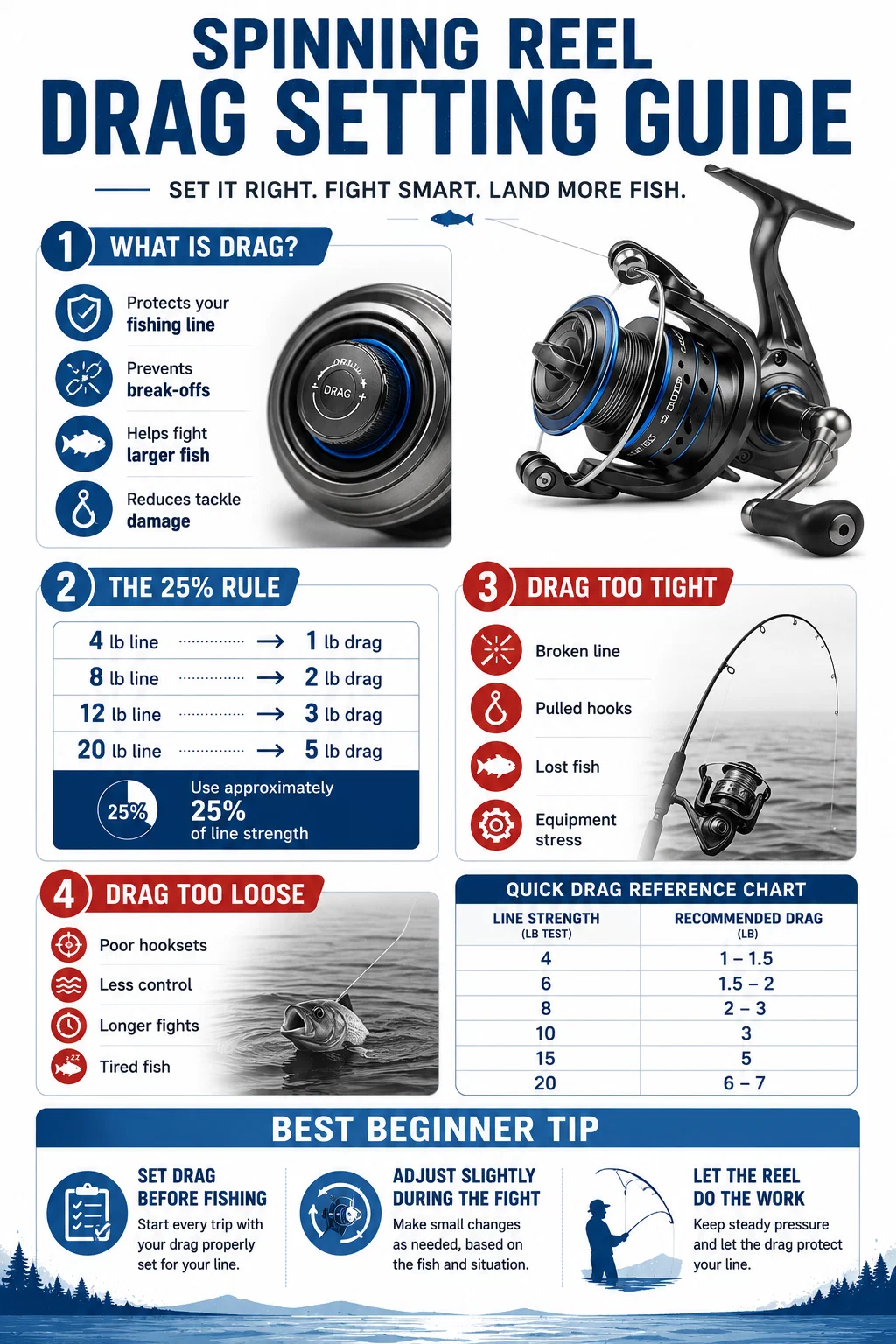
When you’re getting ready to fish, one of the most important things to consider is how to set the drag on your spinning reel. A good starting point is to match the drag to the strength of the line you’re using. This helps you avoid breaking your line when a fish puts up a fight.
First, check the line’s pound-test rating. This number tells you how much weight the line can handle before it breaks. For example, if you’re using a 10-pound test line, a good rule of thumb is to set your drag to about 25-30% of that weight. So, in this case, you’d want your drag to be in the range of 2.5 to 3 pounds.
To set the drag, simply turn the drag adjustment knob located on the top of the reel. If you’re unsure whether you’ve got it right, you can use a simple method to test it. Hold the line with your fingers and pull it. You should feel some resistance but still be able to pull it out easily. If it’s too tight, loosen it; if it’s too loose, tighten it up a bit.
Remember, the goal is to let the fish run when it needs to, but you still want to be able to reel it in effectively. Adjusting the drag this way helps you maintain control without risking a snapped line. As you gain experience, you’ll get a better feel for how tight or loose your drag should be for different types of fishing and various fish species.
| Line Strength | Recommended Drag |
|---|---|
| 4 lb | 1 - 1.5 lb |
| 6 lb | 2 lb |
| 8 lb | 2 - 3 lb |
| 10 lb | 3 lb |
| 15 lb | 5 lb |
| 20 lb | 6 - 7 lb |
How Different Fish Species Affect Drag Settings#
Understanding how different fish species behave can greatly influence your drag settings on a spinning reel. Each type of fish has unique characteristics, from their size and strength to their fighting style, which can affect how much resistance they can put on your line. By matching your drag settings to the species you’re targeting, you can improve your chances of landing that catch, whether it’s a feisty bass or a powerful saltwater fish. Let’s explore how to tune your drag based on what you’re hoping to reel in.
Trout and panfish#
When you’re out fishing for trout or panfish, understanding how to set your drag can make all the difference in your success. These species are often found in freshwater lakes and streams, and they can put up quite a fight, especially when they feel the hook.
For trout, which can vary in size but generally range from a couple of pounds to over ten, you want to set your drag fairly light. A good starting point is to set it at about 1/4 to 1/3 of the line’s breaking strength. This way, if a feisty trout makes a run, the drag will give a little, preventing the line from snapping. You want to feel a bit of resistance but not so much that it tires the fish quickly or risks losing your catch.
Panfish, like bluegill or crappie, are typically smaller and less aggressive than trout. For them, you can set the drag even lighter since they don’t usually pull as hard. A drag setting around 1/8 of the line’s breaking strength should work well. The goal here is to let them take the bait without feeling too much tension, which can scare them off.
Remember to test your drag before you head out. Give your line a gentle tug to check the tension. If it feels too tight, loosen it up a bit. If it’s too loose, tighten it just enough to provide some resistance. This simple adjustment can greatly improve your chances of landing these tasty fish.
Bass and walleye#
When you’re out fishing for bass or walleye, understanding how to set your drag can make a big difference in your success. Both species are known for their strong runs and sudden bursts of speed, so having the right drag setting can help you land them more effectively.
For bass, a good starting point is to set your drag to about 25% of the line’s breaking strength. If you’re using 10-pound test line, aim for a drag setting of around 2.5 pounds. This allows you to keep the pressure on the fish without risking a line snap. Bass often make quick, powerful jumps and can easily throw a lure if they feel too much tension. A properly set drag will give them just enough resistance to tire them out while still allowing for those sudden movements.
Walleye, on the other hand, tend to be a bit more cautious. When targeting walleye, you might want to set your drag slightly lighter - around 15% to 20% of the line’s breaking strength. Using the same 10-pound test line, this would bring your drag setting down to about 1.5 to 2 pounds. This softer drag allows walleye to take the bait without feeling too much pressure, which is crucial since they can be quite finicky eaters. If the drag is set too tight, they might spit the hook before you even get a chance to reel them in.
Remember, it’s always a good idea to adjust your drag based on the conditions and the specific behavior of the fish you’re targeting. If you notice they are more aggressive, you can tighten it up a bit. Conversely, if they seem skittish, backing it off can help improve your chances of a successful catch. Experiment a little and find what works best in your local waters!
Catfish and larger fish#
When it comes to targeting catfish and other larger fish, setting your drag correctly is crucial. These fish are known for their strength and stamina, so you want to ensure that your gear can handle the fight without risking a line snap or losing your catch.
Start by adjusting the drag to a lower setting when you first begin your fishing trip. This way, you can test how much pressure the fish can handle without it being too tight. A good rule of thumb is to set the drag to about one-third of your line’s breaking strength. For example, if you’re using a 20-pound test line, aim for a drag setting around 6 or 7 pounds. This allows the fish to pull line when it decides to make a run, reducing the chance of a broken line.
When you hook a catfish, be prepared for a strong start. These fish often take off quickly, so your drag should give just enough to let them run without feeling too loose. If you set it too tightly, you risk tearing the hook out of their mouth. Conversely, if it’s too loose, you might end up losing the fish altogether.
As the fight progresses, keep an eye on the drag. If the fish is really putting up a fight and stripping line, you may need to tighten the drag slightly. But be cautious - tightening it too much can lead to heartbreak if the line snaps. It’s all about finding that sweet spot where you’re applying enough pressure to control the fish without overdoing it.
Remember that every fish is different, and their behavior can vary based on factors like water temperature and time of day. It’s always a good idea to adjust your drag as you learn more about how the fish are reacting. With practice, you’ll get a feel for the right settings, making your fishing experience much more enjoyable.

Adjusting Drag During a Fight#
When you hook a fish, the excitement can quickly turn into a challenge as it fights against your efforts to reel it in. This is where understanding how to adjust the drag on your spinning reel comes into play. A properly set drag allows you to manage the tension on the line, giving the fish a little freedom to fight while still retaining control. Adjusting the drag during a fight is crucial; it can mean the difference between a successful catch and a lost fish. Let’s explore how to make those adjustments effectively while you’re in the heat of the moment.
Knowing when to loosen drag#
When you’re in the heat of the moment, fighting a fish, there will be times when you need to adjust your drag. Knowing when to loosen it can make a big difference in the outcome of your catch.
If the fish starts to make a strong run, loosening the drag can help prevent the line from breaking. If it’s pulling hard and your drag is set too tight, the line may snap under the strain. Loosening the drag gives the fish some freedom, allowing it to tire itself out while minimizing the risk of losing your tackle.
You should also consider adjusting the drag if the fish is making sudden, quick movements. This can happen when it feels threatened or is trying to escape. By giving it a little more slack, you allow for a more controlled battle. Just remember, it’s a balance. Too loose, and you might lose control; too tight, and you risk breaking your line.
Listen to your instincts. If the fish is really putting up a fight and you feel like you’re struggling, it might be time to ease off the drag. It’s all about reading the situation and responding accordingly. Don’t be afraid to make adjustments as needed; it’s all part of the learning experience.
Knowing when to tighten drag#
When you’re in the middle of a fight with a fish, knowing when to tighten the drag can make all the difference. As a beginner, it’s important to listen to the sounds of the battle and feel the tension on your line. If the fish is running hard and taking line quickly, it might be a sign that you need to adjust your drag.
If your drag is too loose, the fish can easily pull line off the reel, which may lead to a break if it decides to make a sudden run. Conversely, if your drag is too tight, you risk snapping the line or pulling the hook out of the fish’s mouth. A good rule of thumb is to tighten the drag gradually if you feel the fish starting to pull hard.
Pay attention to the fight. If the fish is making powerful runs or trying to dive deep, that’s your cue to increase the drag. Just remember to make small adjustments; you don’t want to go from loose to tight in one move. This can create too much pressure and lead to losing the fish.
As you gain experience, you’ll get a better feel for adjusting the drag based on the species you’re targeting and their fighting style. Always keep an eye on your line and listen for any changes in tension. The more you practice, the more instinctive these adjustments will become.
Listening to the drag system#
When you’re in the middle of a fight with a fish, the sound of your drag system can be a helpful guide. A well-adjusted drag will produce a smooth, consistent sound as the line is pulled out. If you hear a high-pitched screeching or grinding noise, it might mean your drag is too tight, causing unnecessary stress on your line and potentially leading to a break.
As the fish makes its run, listen closely. If the drag is set correctly, you should hear that satisfying “zipping” sound of line peeling off the reel. This is the drag doing its job, allowing the fish to take some line while maintaining enough tension to keep the hook set. If your drag is too loose, the line will come off too easily, and you risk losing your catch. On the other hand, if it’s too tight, it can snap the line or pull the hook out of the fish’s mouth.
Pay attention to the resistance as the fish pulls. If you feel like you’re losing control, it might be time to adjust the drag. You can do this either by tightening or loosening the drag knob while still keeping your eyes on the fish. A good practice is to make small adjustments based on how the fish is behaving. If it’s making strong runs, you may need to loosen the drag just a bit to give it room to pull. If it’s slowing down or you’re gaining line, you might want to tighten it slightly.
Remember, your drag is not just a set-it-and-forget-it feature. It’s a dynamic part of the fishing process. Being attentive to the sounds and feel of your reel will help you manage the fight more effectively and increase your chances of landing that fish.
Common Drag Setting Mistakes Beginners Make#
Setting the drag on a spinning reel is a crucial skill for any angler, yet many beginners often make simple mistakes that can lead to lost fish or even gear failure. Understanding how to properly adjust your drag can mean the difference between landing a trophy catch and coming home empty-handed. In this section, we’ll explore some of the most common drag setting errors and how to avoid them, ensuring you’re well-prepared for your next fishing adventure.
Locking the drag completely#
One of the most common mistakes beginners make is locking the drag all the way down. It might seem like a good idea to have a tight drag when you’re fighting a fish, but doing this can lead to a few problems.
When the drag is completely locked, the line has no give. If a fish makes a sudden run or pulls hard, it can put too much strain on the line and your rod. This can lead to breakage, and that can mean losing not just the fish, but also your favorite lure or bait. It’s like trying to stop a speeding car with a brick wall - it’s just not going to end well.
Instead, you want to set your drag to a point where it can give a little under pressure. A good rule of thumb is to set the drag to about one-third of the breaking strength of your line. This allows the fish to pull without snapping the line while still giving you control during the fight.
When setting your drag, try to turn the reel handle while applying some pressure with your hand on the line. You want it to feel like it’s resisting a bit but still allowing some movement. It’s all about finding that sweet spot where you can tire out the fish without losing your tackle.
Remember, fishing should be fun, not a battle of wills between you and your gear. A properly set drag can make all the difference in landing that fish instead of losing it at the last moment.
Ignoring drag maintenance#
When you’re just starting out with fishing, it’s easy to overlook the importance of maintaining your reel’s drag system. But neglecting this part of your gear can lead to frustrating experiences on the water.
First off, let’s talk about the materials. Most spinning reels use a drag system made up of washers that can be made of felt, carbon, or metal. Over time, these washers can wear out or get dirty, which affects how smoothly your drag operates. Regularly check your reel for any signs of wear or damage. If you notice anything off, it might be time to replace those drag washers.
Next, don’t forget about lubrication. A little bit of oil can go a long way in keeping your drag functioning well. However, use it sparingly. Too much oil can actually attract dirt and grime, which will hinder performance. A small drop on the moving parts and a wipe down of the drag knob can keep things running smoothly.
Also, be mindful of how you set your drag. After a fishing trip, it’s a good idea to loosen the drag. This helps prevent unnecessary pressure on the washers when the reel is not in use. Tightening it back up before your next outing ensures everything is in good working order.
Lastly, don’t underestimate the impact of temperature and moisture. If you leave your reel in hot conditions or exposed to saltwater, it can lead to corrosion and damage. Rinse your reel with fresh water after fishing in saltwater and store it in a cool, dry place.
By taking a little time to maintain your drag, you’ll ensure it works effectively when you need it most. Keeping your gear in top shape can make all the difference during a fishing trip.
How Often You Should Check Your Drag#
When it comes to fishing, maintaining the right drag on your spinning reel is crucial for a successful catch. But how often should you actually check it? Regularly assessing your drag helps ensure that it’s set correctly for the conditions you’re facing, whether you’re fishing in calm waters or battling a strong current. It’s a good practice to check your drag before each outing and make minor adjustments as needed throughout the day, especially if you’re targeting different types of fish or changing spots. This simple habit can save you a lot of frustration down the line and improve your overall fishing experience.
What’s the Best Drag Setting for Most Anglers#
Finding the right drag setting can make a big difference in your fishing success, especially for beginners who are still getting a feel for their gear. While there isn’t a one-size-fits-all answer, understanding the principles behind drag settings will help you strike a balance between control and flexibility. The best drag setting allows you to tire out your catch while minimizing the risk of breaking your line, so let’s dive into how you can find that sweet spot for your fishing adventures.
In conclusion, mastering the art of drag settings on your spinning reel is a game changer for any angler, especially beginners. Understanding its function and adjusting it correctly not only enhances your chances of landing that prized catch but also makes your time on the water more enjoyable. Remember, the right drag setting varies from species to species, so don’t hesitate to tweak it as needed - your reel is a trusty sidekick, not a stubborn mule! Regularly checking your drag is a simple yet effective way to avoid mishaps during a fight. With a little practice and attention, you’ll be reeling in fish with confidence in no time. So, grab your gear, head out, and let the drag do its job - happy fishing!