
Affiliate disclosure: As an Amazon Associate, we may earn from qualifying purchases made via links on this page - at no extra cost to you. See our Affiliate Disclosure.
When you’re just starting out in the world of fishing, the last thing you want is to feel overwhelmed by a tangled mess of lures, lines, and hooks. Your tackle box can quickly turn into a black hole of confusion, where the only thing you can reliably catch is your own frustration. But fear not! Organizing your tackle box doesn’t have to be a monumental task. With a few simple tips and a pinch of humor, you can transform that chaotic collection of gear into a well-ordered fishing arsenal that even your more experienced friends would envy.
In this beginner’s guide, we’ll walk through practical steps to help you sort, categorize, and simplify your tackle box. Whether you’re heading out for a weekend of fishing or just daydreaming about your next big catch, a tidy tackle box will not only save you time but also make your fishing experience much more enjoyable. So grab your gear, and let’s dive into the art of tackle box organization!
Why Tackle Box Organization Matters#
When you’re out on the water, the last thing you want is to waste time digging through a jumbled mess of lures and line. A well-organized tackle box not only saves you valuable fishing time but also helps you quickly locate the right gear for the conditions you’re facing. By keeping everything in its place, you can focus more on the thrill of fishing and less on frustration. Plus, a tidy tackle box can even enhance your overall fishing experience, making it easier to try new techniques and adapt to changing circumstances.
Saving time on the water#
When you’re out fishing, every minute counts. You want to maximize your time casting lines rather than rummaging through a cluttered tackle box. An organized tackle box can make a huge difference in your fishing experience.
Imagine this: you’re at your favorite spot, the fish are biting, but you can’t find that specific lure that always works. Instead of getting frustrated, you could be reeling in your catch. By organizing your tackle box, you set yourself up for success. Everything you need is right where you expect it to be.
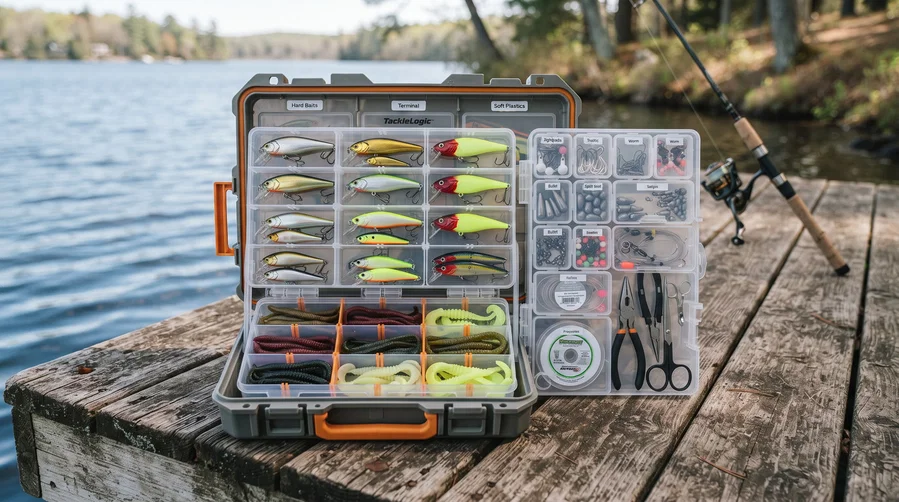
Start by sorting your lures, hooks, and other gear into categories. For example, keep all your jig heads in one section and your soft plastics in another. Use small tackle boxes or dividers within your main tackle box to keep things neat. This way, when it’s time to switch up your bait, you can easily grab what you need without wasting precious time.
Labeling compartments can also be a game changer. If you’re not sure where to start, a simple label maker or even masking tape and a marker will do the trick. This way, you won’t have to hunt through everything to find that one lure you love.
Lastly, consider the conditions you’ll be fishing in. If you’re going to a specific lake or river, think about what gear you’ll need for that trip and organize accordingly. This tailored approach can save you a lot of hassle and keep your focus on catching fish instead of searching for gear.
Protecting your fishing gear#
Keeping your fishing gear organized is crucial for protecting your investment. When your tackle box is cluttered, it can lead to damage. Hooks can snag on other items, lures can get scratched or broken, and line can become tangled. By arranging everything thoughtfully, you minimize the risk of these mishaps.
Consider using tackle box dividers or small containers to separate different types of gear. For instance, keep your hooks in one section and your lures in another. This prevents them from knocking against each other and getting damaged. If you have soft plastics, use resealable bags to keep them protected and organized.
Additionally, moisture can be a real enemy to your gear. A disorganized tackle box can trap water and humidity, leading to rust on metal components and mold on soft baits. After each fishing trip, take a moment to dry out your box and its contents. A quick wipe with a towel can go a long way in keeping everything in good shape.
Lastly, think about the layout of your tackle box. Place items you use most often in easy-to-reach spots. This not only protects your gear but also saves you time when you’re trying to find that one lure you love. A little bit of organization can keep your fishing experience enjoyable and hassle-free.
Start by Sorting Your Fishing Tackle#
Organizing your tackle box might seem daunting at first, but starting with a simple sorting process can make it much easier. By taking the time to separate your gear into categories, you’ll not only save time on fishing trips but also develop a better understanding of what you have and what you need. Whether you’re dealing with an overflowing box or just want to make your gear more accessible, a little sorting goes a long way toward creating an efficient setup that gets you on the water faster.
Grouping tackle by category#
When you start organizing your tackle box, grouping your tackle by category is a smart first step. This way, you can easily find what you need when it’s time to cast your line. Let’s break down the main categories you might consider.
Lures: These are essential for attracting fish. Separate them into categories like crankbaits, jigs, and soft plastics. You might want to use small containers or bags to keep each type together. This helps you quickly grab the right lure for the conditions.
Hooks: Hooks can come in various sizes and styles, so it’s a good idea to sort them by type and size. For example, keep your circle hooks in one spot and your treble hooks in another. You can use small tackle boxes or even repurpose small jars to keep them organized.
Weights and Sinkers: These are crucial for getting your bait down to the fish. Group your weights by type - like split shots, bullet weights, or egg sinkers. Having them sorted will save you time when you’re setting up your rig.
Line: If you use different types of fishing lines - like monofilament, fluorocarbon, or braid - keep them in their own section. Label each line type so you can grab the right one when you need it.
Tools: Don’t forget about the tools you’ll need, like pliers, scissors, and a line cutter. Designate a specific spot in your tackle box for tools so you always know where to find them when it’s time to make a quick adjustment.
Bait: If you use live bait or prepared bait, keep these in a separate compartment, preferably in a cooler if they need to stay fresh. Keep the bait containers sealed and labeled.
By sorting your tackle into these categories, you’ll make your fishing trips a lot smoother. Everything will be right where you expect it, leaving you more time to enjoy the great outdoors and less time rummaging through your tackle box.
Separating freshwater and saltwater gear#
When it comes to organizing your tackle box, one of the first steps is separating your freshwater and saltwater gear. This simple practice can save you time and frustration when you’re ready to hit the water.
Start by gathering all your tackle. Lay everything out on a table or flat surface. You’ll want to take a good look at what you have. Freshwater gear typically includes lures, hooks, and line meant for lakes, rivers, and streams. Common freshwater species you might target include bass, trout, and panfish. Saltwater gear, on the other hand, is designed for fishing in oceans and seas and is usually built to handle tougher conditions. Think about species like snapper, tuna, or marlin when sorting these items.
As you sort, keep an eye out for any items that could be damaged by saltwater, like certain hooks and lures. Saltwater can corrode metal quickly, so it’s essential to store those items separately to extend their lifespan. Consider using clear storage bins or tackle boxes with compartments labeled for freshwater and saltwater. This way, you won’t accidentally mix them up when you’re ready for your fishing adventure.
When you separate your gear, it’s also a good time to check for wear and tear. Discard any rusty hooks or damaged lures that you know won’t perform well on your next trip. Organizing your tackle box is not just about neatness; it’s about ensuring you have the right tools ready for your fishing outings.
Removing damaged and unnecessary items#
The first step in organizing your tackle box is to take stock of what you have. Open the lid and start going through your tackle. You’ll likely find some items that have seen better days. Look for lures with broken hooks, rusted components, or cracked bodies. If it’s damaged beyond repair, it’s time to let it go. Holding onto broken gear only adds clutter and confusion.
Next, think about what you actually use. If you have multiple items that serve the same purpose, consider which ones are your favorites or work best for your fishing style. For example, if you have five types of bobbers but only ever use one, keep the one you like and toss the rest. This not only frees up space but also makes it easier to find what you need when you’re on the water.
You should also check for items that are outdated or that you simply don’t use anymore. Maybe you bought a special lure for a fishing trip that didn’t work out, or perhaps you’ve upgraded your gear and no longer need certain accessories. If you haven’t used something in the last couple of seasons, it’s a good sign it might be time to part ways.
As you sort through everything, don’t hesitate to make a small pile for donations or to share with friends. Many anglers love to experiment, and your unused tackle could be a treasure for someone else. Keeping your tackle box filled with only the gear you love and need will make your fishing trips much more enjoyable and stress-free.
Organizing Hooks, Sinkers, and Terminal Tackle#
When it comes to fishing, having your tackle box organized can make a world of difference, especially for beginners. Hooks, sinkers, and terminal tackle are the essentials that you’ll reach for most often, so it’s important to have them easily accessible. By dedicating specific compartments or containers for these items, you’ll save time on the water and reduce the frustration of rummaging through a messy box. Plus, a well-organized tackle box will help you stay focused on what really matters: enjoying your time fishing.
Using small compartments effectively#
Small compartments are your best friend when it comes to organizing hooks, sinkers, and other terminal tackle. They keep everything tidy and make it easy to find what you need without rummaging through a jumbled mess. Here’s how to maximize their potential.
First, categorize your tackle. Group similar items together. For example, you might want to separate your hooks from your sinkers and swivels. Use a compartment for each type - this way, you won’t waste time searching for a specific hook or sinker when you’re in the heat of the moment on the water.
Next, consider labeling. If your tackle box has clear compartments, you can use a label maker or even tape and a marker to identify what’s inside. This is especially helpful if you’re using a box with multiple compartments. A quick glance will tell you where everything is, speeding up your setup when you’re ready to fish.
Also, think about the size and weight of your tackle. Heavier sinkers can pull on lighter materials, so it’s best to store them in a compartment that can handle the weight. If your compartments are adjustable, customize them to fit the sizes of your hooks and sinkers snugly. This prevents them from shifting around and getting tangled during transport.
Finally, don’t overcrowd your compartments. It might be tempting to squeeze in just one more hook, but cramming can lead to snags and lost tackle. Give each item a little breathing room, and you’ll find it much easier to grab what you need quickly.
With a little thought and organization, those small compartments can make your fishing trips smoother and more enjoyable.
Labeling sections for quick access#
Labeling your tackle box sections is a game changer when you’re out on the water. It saves time and frustration, especially when you’re trying to find that perfect hook or sinker in a hurry. Here’s how to do it effectively.
Start by grouping your items. Place all your hooks together, then your sinkers, and finally your other terminal tackle like swivels and snaps. Once you’ve organized everything, grab some labels. You can use pre-made labels, or just a simple piece of masking tape and a permanent marker will do the trick.
Consider labeling each section based on the type of tackle or size. For instance, you might label one compartment “Light Hooks” and another “Medium Sinkers.” This way, you can quickly grab what you need without rummaging through everything.
It’s also helpful to use a label maker if you have one. They create clean, professional-looking labels that are easy to read. If you don’t have access to a printer or label maker, handwriting works just fine. Just make sure your writing is clear and legible.
Lastly, think about using a color-coding system. Different colors can represent different types of tackle, making it even easier to spot what you need at a glance. For example, you could use blue for hooks, green for sinkers, and red for other terminal tackle. This visual cue can speed up your gear retrieval, especially during busy fishing days.
With labeled sections, everything is in its place, and you’ll spend less time searching and more time fishing.
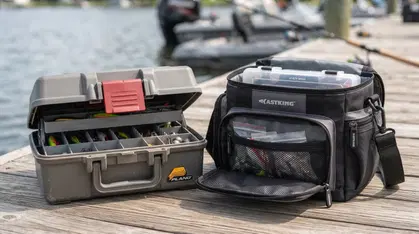
How to Arrange Lures for Easy Access#
When you’re out on the water and the fish are biting, the last thing you want is to waste time fumbling through a disorganized tackle box. Arranging your lures for easy access not only saves you time but also helps you stay focused on the task at hand. By categorizing your lures and placing them in a way that makes sense to you, you’ll be able to make quick decisions and adjustments, ultimately increasing your chances of a successful fishing trip. Let’s dive into some effective strategies to get your lures organized.
Organizing by lure type#
When it comes to organizing your tackle box, grouping your lures by type is one of the simplest and most effective methods. This strategy helps you quickly find what you need while out on the water, saving you time and frustration.
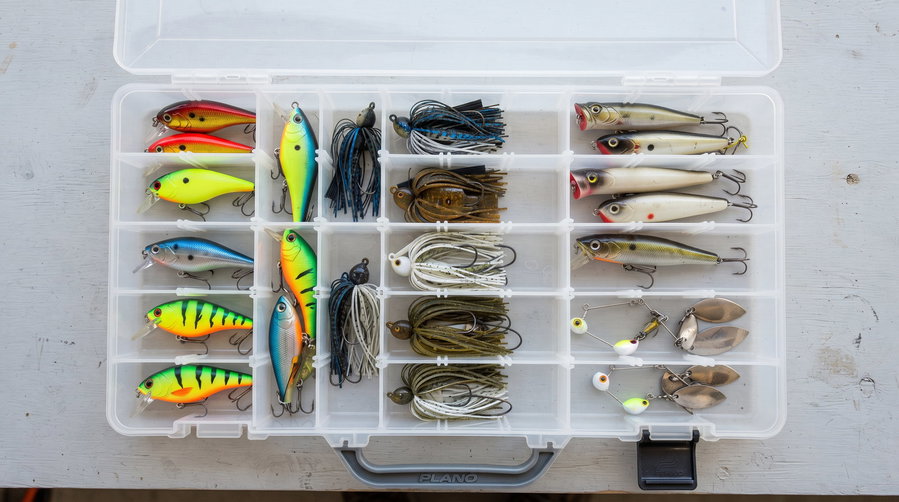
Start by categorizing your lures into common types. For instance, you might have sections for crankbaits, spinnerbaits, jigs, soft plastics, and topwater lures. Each type of lure serves a different purpose and works best in specific conditions. By keeping them separated, you’ll know exactly where to look when you need a particular style for the fish you’re targeting.
Consider using small tackle boxes or dividers within your main tackle box. This way, you can sort each type of lure neatly. For example, keep all your soft plastics in one compartment, while your hard baits can go in another. Labeling these sections can also make it even easier to locate what you need at a glance.
Don’t forget to think about the size and weight of your lures. If you’re using larger crankbaits, designate a deeper section for them, while smaller lures can fit nicely in shallower spaces. This keeps everything organized and helps prevent damage to your lures, as they won’t be crammed together.
Lastly, regularly reassess your organization system. As you buy new lures or figure out what works best for your fishing style, you may want to adjust your setup. Keeping your tackle box organized not only helps when you’re on the water but also makes prepping for your next fishing trip a lot more enjoyable.
Preventing tangles and hook damage#
Keeping your lures untangled and in good shape can make a big difference when you’re out on the water. Here are some straightforward tips to help you organize your lures effectively.
First, consider using lure boxes that come with dividers or compartments. These boxes allow you to separate different types of lures, which helps prevent them from getting jumbled together. This arrangement makes it easier to find what you need quickly, especially when time is of the essence.
When placing lures in your box, try to store them hook-up whenever possible. This means facing the hooks upward so they don’t snag on other lures or the box itself. If you have lures that are particularly prone to tangling, such as soft plastics or treble-hooked baits, using a small piece of foam or a lure wrap can help keep them safe.
Another handy trick is to use zip-lock bags for smaller lures or for those that might easily tangle. Label each bag with the type or size of the lures inside. This not only keeps them organized but also protects the hooks from getting damaged or bent.
For lures with multiple hooks, consider using a lure holder or a lure binder. These options can help store your lures flat and prevent them from moving around too much, which keeps the hooks sharp and ready for action.
Lastly, take a moment to check your lures regularly for any signs of damage. Even a small bent hook can affect your chances of landing a fish. By keeping your tackle box well-organized and regularly checking your lures, you’ll spend less time untangling and more time fishing.
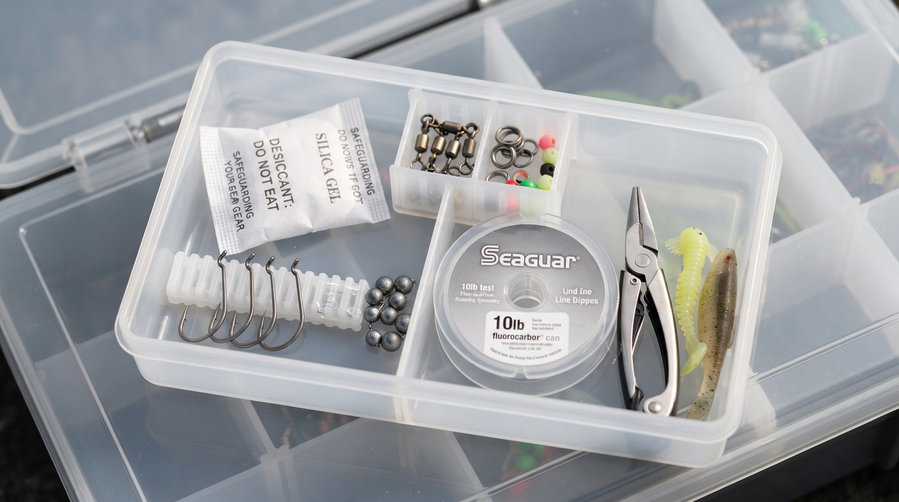
Essential Gear Every Beginner Should Keep Together#
As a beginner angler, having the right gear at your fingertips can make all the difference in your fishing experience. Organizing your tackle box not only helps you find what you need quickly, but it also ensures that you’re well-prepared for various fishing scenarios. Let’s explore the essential items you should keep together so you can hit the water with confidence and ease.
Fishing tools and accessories#
When you’re just starting out, having the right tools can make a big difference in your fishing experience. Let’s break down some essential fishing tools and accessories that you should keep in your tackle box.
Needle Nose Pliers These are a must-have for any angler. Needle nose pliers help you remove hooks from fish safely and can also be used to crimp split shot weights or bend hooks. Their long, slender shape allows you to reach deep into a fish’s mouth without causing harm, making them a safe option for catch-and-release fishing.
Line Cutters A good pair of line cutters is another essential tool. Whether you need to trim your fishing line or cut through tangled messes, having sharp cutters on hand will save you time and frustration. Look for ones that are compact and easy to use, even with wet hands.
Fish Gripper If you plan to handle larger fish, a fish gripper is a handy tool. It allows you to hold the fish securely without risking injury to yourself or the fish. Many models also have a built-in scale, so you can weigh your catch right on the spot.
Measuring Tape Knowing the size of your catch is important, especially in areas with size regulations. A simple measuring tape can help you quickly check the length of your fish. Look for one that is waterproof and easy to store.
Tackle Box Organizer While it might not seem like a tool, an organizer can make a huge difference in keeping your fishing accessories tidy. Choose a tackle box that has adjustable compartments, so you can customize the space for your specific needs. This way, your tools will be easy to find when you need them.
Multi-tool Having a multi-tool can come in handy for various tasks. From tightening lures to fixing your equipment, a good multi-tool is versatile and can save you from carrying extra gear. Look for one that includes a knife, screwdriver, and other handy functions.
Keep these tools handy in your tackle box, and you’ll find that they not only make your fishing trips more enjoyable but also help you become more efficient as you learn the ropes of fishing.
Spare line and emergency supplies#
Keeping spare fishing line in your tackle box is a must for any angler. Line can get frayed or snapped while casting or reeling in a catch. Having a backup means you can quickly re-rig without letting the fish get away. Choose a line that matches the type of fishing you’re doing - monofilament, fluorocarbon, or braided line - and store it in a cool, dry place to prevent deterioration.
Emergency supplies are just as important. Consider including a small first-aid kit with band-aids, antiseptic wipes, and pain relief, just in case of scrapes or insect bites. A multi-tool can also be a lifesaver; it combines several tools in one, saving space while ensuring you’re ready to tackle any situation.
Don’t forget about a few basic items like a flashlight or headlamp, especially if you plan to fish during early morning or late evening hours. A whistle can be handy for signaling help if needed, and a small waterproof pouch can protect your phone or wallet from splashes or rain.
With these essentials tucked away in your tackle box, you’ll be prepared for both the fishing adventures and any unexpected situations that might arise.
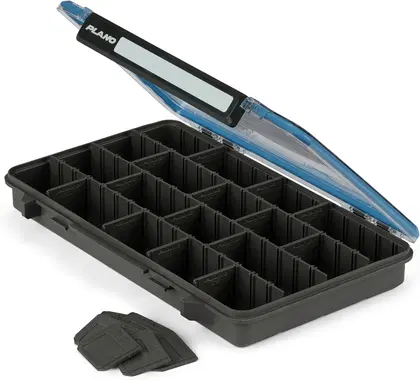
Keeping Your Tackle Box Clean and Rust-Free#
Maintaining a clean and rust-free tackle box is essential for any angler, especially beginners who are just starting to build their fishing gear. A tidy tackle box not only makes it easier to find what you need but also helps prolong the life of your equipment. Regular cleaning and proper storage can prevent rust and corrosion from damaging your hooks, lures, and tools, ensuring that you’re always ready for your next fishing adventure.
Drying gear after every trip#
One of the simplest yet most effective ways to keep your tackle box clean and rust-free is to dry your gear after every trip. Water can cause all sorts of problems, from rust on hooks and lures to mold on soft baits. It doesn’t take long to wipe things down, and it can save you a lot of headaches later.
Start by removing everything from your tackle box. Lay out your gear on a clean surface where you can see it all. Check for any dirt, grime, or leftover bait that might have clung to your items during your outing. A damp cloth works wonders for cleaning off most surfaces. For tougher spots, a little soap and water can help, just be sure to rinse and dry everything thoroughly afterward.
After cleaning, it’s crucial to dry everything before you put it back in your tackle box. Use a towel or let your gear air dry on a rack or table. Pay special attention to hooks and tools, as they tend to trap moisture. If you have lures with metal components, give them a gentle wipe to remove any water residues.
If you’re in the habit of using soft plastics, make sure they’re completely dry as well. Storing damp or wet baits can lead to mold and a sticky mess that can ruin your other tackle.
Taking these few minutes after each trip not only prolongs the life of your gear but also ensures you’re ready for your next fishing adventure. A clean, dry tackle box can make all the difference when it’s time to hit the water again!
Preventing corrosion and moisture buildup#
Keeping your tackle box clean and free from rust is essential for maintaining your gear in top shape. Moisture is the enemy here, as it can lead to corrosion on your hooks, lures, and other metal parts. Here are some straightforward tips to help you prevent that pesky moisture buildup.
First, always dry your gear before placing it back in the tackle box. After a fishing trip, take a moment to wipe down any wet items with a dry cloth. This simple step can significantly reduce moisture. If you’ve been fishing in the rain or splashed some water around, consider giving everything a more thorough drying session at home.
Using silica gel packets is another effective way to keep moisture at bay. These little packets can absorb excess humidity in your tackle box. You can often find them in shoeboxes or with new electronics, but you can also buy them in bulk online. Just toss a few packets in your tackle box to help keep things dry.
Regularly check your tackle box for any signs of rust or corrosion. If you spot something, take action immediately. You can use a rust remover product on the affected areas, or for lighter rust, a simple scrub with steel wool can often do the trick. Just remember to rinse and dry everything afterward.
Storing your tackle box in a cool, dry place is another key to preventing moisture. Avoid leaving it in hot, humid areas like a car during summer or a damp garage. Instead, keep it in a climate-controlled environment where humidity levels are more stable.
Lastly, if you’re using plastic tackle boxes, make sure they have good sealing mechanisms. A well-sealed box can help keep moisture out. For extra protection, consider using waterproof bags for particularly sensitive items like electronics or specialty lures.
By following these simple practices, you can keep your tackle box clean and rust-free, ensuring your fishing gear is always ready for your next adventure.
Common Tackle Box Organization Mistakes#
When it comes to organizing your tackle box, it’s easy to overlook some common pitfalls that can lead to frustration on the water. New anglers often make mistakes that can hinder their efficiency and enjoyment while fishing. By recognizing these common missteps, you can streamline your setup and ensure that you’re always ready for your next fishing adventure. Let’s explore what to watch out for and how to avoid these organization blunders.
Overpacking your tackle box#
One of the most common mistakes beginners make is overpacking their tackle box. It might seem like a good idea to bring every lure, hook, and tool you own, but this can lead to chaos. When you cram too much gear inside, you’ll spend more time rummaging around than actually fishing.
Start by assessing what you really need for your fishing trip. Think about the type of fishing you’ll be doing. Are you heading to a lake for bass, or is it a saltwater excursion? Tailoring your gear to match the conditions will save you from carrying unnecessary items.
A well-organized tackle box should include a selection of lures, hooks, weights, and tools specific to your target fish. For most trips, a few versatile lures can get the job done. Consider packing a couple of hard baits, soft plastics, and jigs that work well in various situations.
Also, think about the size of your tackle box. A smaller box can help curb the temptation to overpack. If your box is overflowing, it might be time to downsize or rotate some of your gear. Store the extras at home, so when you head out, you can grab just what you need.
Don’t forget to leave some space for your catch! Having room for your fish keeps everything organized and makes it easier to manage your gear throughout the day.
Mixing incompatible gear#
One of the most common mistakes beginners make when organizing their tackle box is mixing incompatible gear. This can lead to confusion on the water and make it harder to find what you need when you need it. For instance, storing saltwater lures alongside freshwater hooks can create a mess, and it’s easy to grab the wrong item in a hurry.
Start by separating your gear based on the type of fishing you plan to do. If you fish both freshwater and saltwater, consider having two separate tackle boxes. If that’s not feasible, clearly divide the compartments in your tackle box using adjustable dividers or small containers. Label each section, so you know exactly where everything goes.
Also, think about the types of lures, baits, and hooks you use. Group similar items together, like all your jigs in one spot and all your crankbaits in another. This way, when you’re out fishing and need a specific type of lure, you can quickly grab what you need without sifting through unrelated gear. It saves time and keeps your focus on the fishing itself.
Don’t forget about the size and type of tackle. Mixing large, bulky items with smaller, delicate ones can lead to tangled lines and damaged equipment. Keep heavier items, like weights and larger lures, in one area, while lighter items like hooks and smaller baits should have their own space. This organization will help you avoid frustration and make your fishing trips more enjoyable.
Ignoring regular maintenance#
One of the biggest mistakes beginner anglers make is overlooking the importance of regular maintenance for their tackle box. Just like any other piece of gear, your tackle box needs some TLC to ensure it’s ready when you are.
First, take a moment to empty your tackle box completely. This might feel like a chore, but it’s a great opportunity to assess what you actually have. You might be surprised by how many lures or hooks you forgot about! Once it’s empty, give the inside a good wipe-down. Dust and moisture can build up over time, and a clean box helps keep your gear in top shape.
Next, check for wear and tear. Look for any broken lures, rusted hooks, or damaged tools. If something’s not usable, toss it out. Keeping broken or unnecessary items only clutters your space and weighs you down.
After cleaning, it’s the perfect time to reorganize. Consider what you use most often and keep those items easily accessible. It’s also a good idea to regularly check your tackle box for missing essentials, like extra line or weights, especially before heading out on a fishing trip.
Lastly, don’t forget to restock your tackle box with fresh bait and lures. Over time, things can dry out or lose their effectiveness, so keep your gear updated to make the most of your fishing experience. Regular maintenance not only extends the life of your tackle box but also enhances your overall fishing adventures.
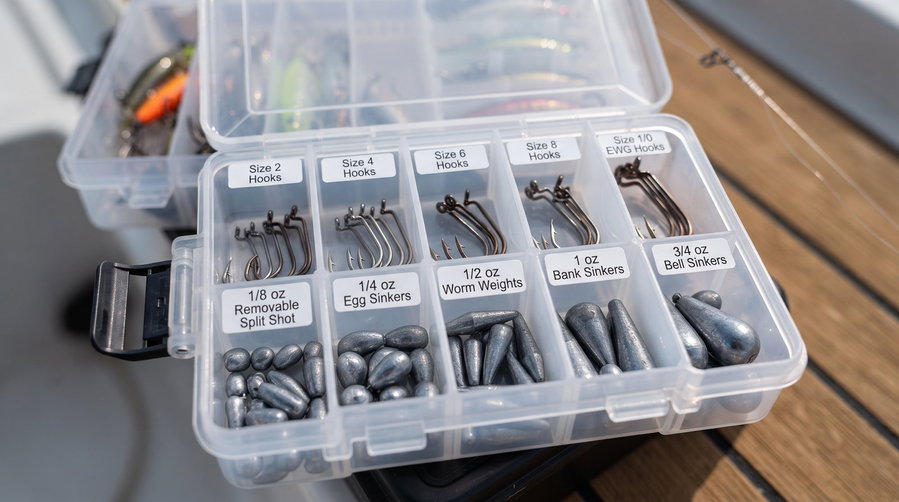
Reorganizing Your Tackle Box as Your Skills Grow#
As you gain experience and hone your fishing skills, your tackle box will inevitably need a refresh. What worked for you as a novice may not suit your evolving techniques and preferences. This transition is a great opportunity to take stock of your gear, streamline your setup, and ensure you have the right tools for the types of fishing you enjoy most. By reorganizing your tackle box, you can not only improve efficiency but also enhance your overall fishing experience.
Updating your setup for different fishing styles#
As you gain experience in fishing, you might find yourself drawn to different styles, whether it’s bass fishing in a local lake or fly fishing in a river. Each style has its own requirements, and updating your tackle box to match these can make a big difference in your success and enjoyment.
Start by identifying the types of fishing you want to try. Each style typically calls for specific gear. For instance, if you’re venturing into saltwater fishing, you’ll need lures and tackle designed to withstand the harsher conditions and larger fish. In contrast, freshwater fishing often focuses on lighter tackle and smaller lures.
Once you know what you need, take a close look at your current setup. Remove items that are less relevant to your new fishing interests. Don’t hesitate to let go of outdated or unused gear; it’ll free up space for the essentials.
Next, create compartments in your tackle box for each fishing style. Use small tackle boxes or even resealable bags to categorize your gear. Label them if it helps you remember what goes where. For example, one section could be dedicated to bass fishing with various weights, hooks, and lures, while another could be reserved for fly fishing with your flies, tippet, and leaders.
Consider adding a few tools specific to each style, too. A good pair of pliers for removing hooks or a fish gripper can be invaluable, and some fishing styles may also benefit from additional tools like a net or a fishing scale.
As you continue to fish, keep an eye on how your needs evolve. Maybe you decide to try ice fishing in the winter, or you find yourself getting into surf fishing during beach trips. Don’t hesitate to adjust your tackle box to include gear that fits these new adventures. By organizing your tackle box this way, you’ll always be ready to hit the water, no matter your target.
Rotating seasonal gear#
As you dive deeper into fishing, you’ll notice that different seasons call for different gear. Rotating your tackle box to match the season can make a big difference in your success on the water. Let’s break it down.
In spring, for example, fish are often more active as the water warms up. This is a great time to stock your tackle box with lighter lures and jigs that mimic the baitfish they are hunting. As you approach summer, you might want to shift to topwater lures or larger baits since fish tend to feed more aggressively in warmer weather.
When fall rolls around, the focus can shift again. This is the time when fish are preparing for winter, so they tend to school up and feed heavily. Consider adding more crankbaits or swimbaits to your box. These will help you target larger groups of fish looking to bulk up before the colder months.
In winter, many anglers take a break, but if you’re ice fishing or fishing in milder climates, your gear will need to change once more. Smaller jigs and live bait can be effective, so adjust your tackle box accordingly.
To keep your tackle box organized and ready for each season, set aside a little time every few months to swap out your gear. You can create a simple system: have a separate container or bag for each season’s gear. This way, when the time comes to hit the water, you can quickly grab what you need without digging through everything.
Remember, staying organized and adapting to seasonal changes can help you become a more successful angler. Plus, it keeps your fishing trips fresh and exciting!
Budget-Friendly Storage Upgrades#
When it comes to organizing your tackle box, you don’t need to break the bank to make improvements. There are plenty of simple and cost-effective ways to enhance your storage solutions, making it easier to find your gear when you’re out on the water. From repurposing household items to using affordable accessories, you can create an organized tackle box that meets your fishing needs without overspending. Let’s explore some clever upgrades that can help you fish more efficiently.
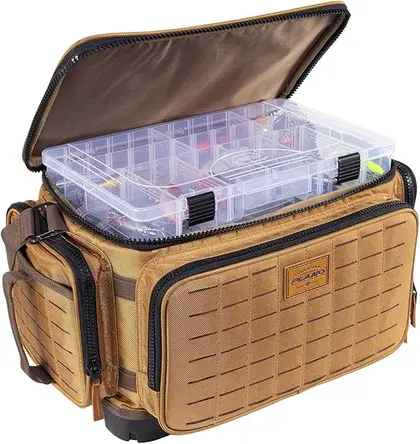
Simple Organization Tips That Make Every Fishing Trip Easier#
Keeping your tackle box organized can make a world of difference on your fishing trips. When you know exactly where everything is, you can spend less time rummaging through your gear and more time enjoying the peace and excitement of fishing. In this section, we’ll explore some straightforward organization tips that will help you streamline your tackle box and enhance your overall fishing experience.
In conclusion, organizing your tackle box doesn’t have to be a daunting task. By sorting your tackle, arranging your lures for easy access, and keeping everything clean, you’ll make your fishing trips much more enjoyable and efficient. Remember, it’s all about finding a system that works for you. Everyone has their own style, so don’t be afraid to tweak your organization as your skills and preferences evolve. And hey, if a few hooks end up tangled here and there, don’t sweat it - fishing is about patience and the thrill of the catch, after all. With a well-organized tackle box, you’ll spend less time searching for gear and more time enjoying the great outdoors. So grab your rod, head to your favorite spot, and let the fishing adventures begin!