
Affiliate disclosure: As an Amazon Associate, we may earn from qualifying purchases made via links on this page - at no extra cost to you. See our Affiliate Disclosure.
Choosing the right line strength, or pound test, can feel like deciphering a secret code when you’re just starting out in fishing. With so many options out there, it’s easy to get lost in the numbers and jargon. But fear not! Understanding line strength is key to your success on the water, and it doesn’t have to be complicated.
Imagine you’re gearing up for a day of fishing, and you want to make sure you have the best chance of landing that elusive big one. The right line strength can make all the difference between reeling in a trophy catch and watching it swim away, laughing at your efforts. In this guide, we’ll break down how to choose the right pound test for any situation - from chasing feisty panfish to tackling monstrous bass. With a bit of knowledge and a dash of humor, you’ll be casting lines like a pro in no time. Let’s dive in!
Why Choosing the Right Pound Test Matters#
When it comes to fishing, selecting the right line strength, or pound test, is crucial for your success on the water. The pound test indicates the amount of weight your line can withstand before breaking, and using the appropriate strength can mean the difference between landing that trophy fish or losing it at the last moment. Whether you’re casting for bass in a local lake or going after saltwater species, understanding how to match your line’s strength to the fish you’re targeting and the environment you’ll be fishing in will help you reel in more catches and have a better overall experience.
How line strength affects landing fish#
When you’re out on the water, the line you choose can make a big difference in whether you reel in that trophy fish or watch it swim away. The line strength, often measured in pound test, indicates how much weight the line can handle before it breaks. Choosing the right pound test affects not just your chances of landing a fish, but also how you fish.
A heavier line strength can be beneficial when you’re targeting larger species. For instance, if you’re aiming for big bass or pike, you might want to use a line with a higher pound test - say, 15 to 20 pounds. This extra strength gives you the ability to handle the aggressive runs and jumps these fish often make, reducing the risk of snapping your line. However, keep in mind that the thicker the line, the more visible it can be in the water, which might make fish more cautious.
On the flip side, if you’re after smaller fish like panfish or trout, a lighter line, usually around 4 to 8 pounds, is often more effective. Lighter lines are less visible in the water, and their sensitivity allows you to feel even the slightest nibble. This can be crucial when fishing in waters where the fish are cautious or pressured.
It’s also important to consider the fishing environment. In heavy cover, like weeds or rocks, a stronger line can help you maneuver your catch out of snags without breaking. If you’re fishing in open water, though, a lighter line might be all you need. The key is to match your line strength to both the species you’re targeting and the habitat you’re fishing in.
Ultimately, finding the right balance in line strength will enhance your fishing experience and increase your chances of success. So, pay attention to the fish you want to catch and the conditions you’ll be fishing in to choose a line that works best for you.
The hidden downsides of using the wrong line#
Choosing the wrong pound test line can lead to some frustrating fishing experiences. If you go too light, you risk breaking your line when you hook a fish. Imagine finally landing that big catch, only to watch it slip away because your line couldn’t handle the strain. It’s a heartbreaking moment that many anglers have faced.
On the flip side, using a line that’s too heavy can make your setup clumsy. A thick line can be harder to cast, reducing your casting distance and accuracy. Plus, it may not behave well in the water, making it more visible to fish. This can spook them away, especially in clear conditions where they’re more cautious.
Another downside of the wrong line is the impact on your gear. A line that’s too heavy can put unnecessary stress on your rod and reel, potentially causing damage over time. Conversely, using a line that’s too light with a strong rod can lead to poor performance and sensitivity. You want your tackle to work harmoniously together, and the right line is a crucial part of that equation.
Lastly, using the incorrect pound test can lead to missed opportunities. If your line isn’t suited for your fishing environment, you might find yourself at a disadvantage. Whether you’re targeting freshwater bass or saltwater snapper, the right line can make all the difference in securing that catch. Ultimately, understanding the right pound test for your situation not only enhances your chances of success but also makes your fishing experience more enjoyable.
What Pound Test Actually Means#
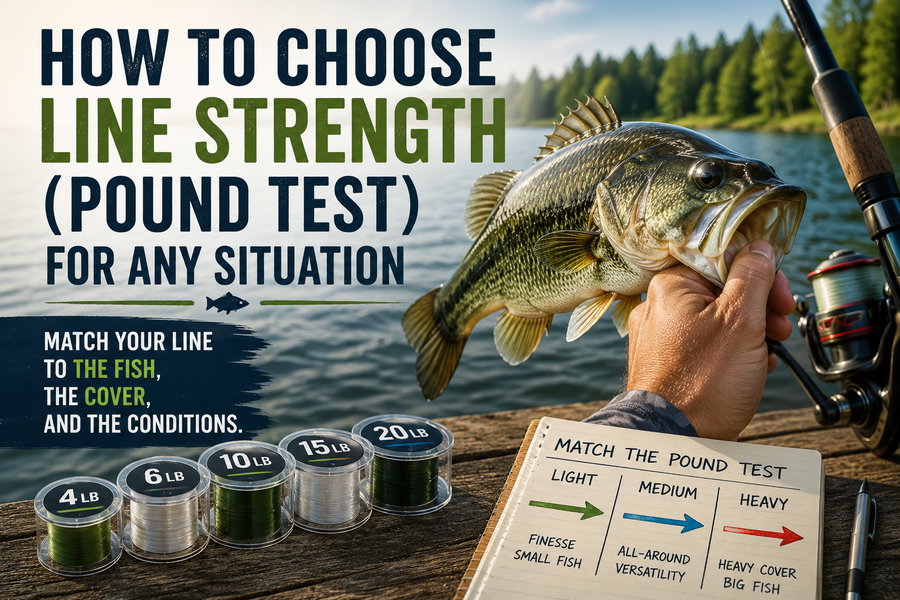
Understanding what pound test means is crucial for any angler looking to make the right choice in fishing line. Simply put, the pound test indicates the amount of weight a line can handle before breaking. This measurement helps you gauge the strength of the line and ensure it matches the type of fish you’re targeting and the fishing techniques you’ll be using. Knowing how pound test works will give you the confidence to select the right line for every fishing adventure, whether you’re casting from the shore or battling a big catch out on the water.
Breaking strength explained in simple terms#
Breaking strength is essentially how much force a fishing line can handle before it snaps. Think of it like a rope: if you pull on it too hard, it will break. The “pound test” refers to this strength, meaning a line rated for 10-pound test can handle around 10 pounds of pressure before failing.
In practical terms, this means if you’re reeling in a fish that weighs more than the line’s pound test, you risk losing both the fish and your tackle. So, if you’re fishing in an area with larger fish, it’s wise to choose a line with a higher pound test to avoid unwanted break-offs.
Let’s say you’re targeting bass, which can range from a couple of pounds to larger specimens. A 10 or 12-pound test should work well for most average-sized bass. But if you’re heading into waters known for trophy catches, consider bumping up to 15 or even 20-pound test. This extra strength gives you peace of mind and a better chance of landing that big one.
It’s also important to remember that different types of fishing require different line strengths. For example, if you’re fishing in heavy cover or around sharp rocks, a strong line can withstand those snags better. On the other hand, if you’re going after panfish, a lighter line would suffice and allow for more finesse in your presentation.
So when choosing your line, think about not just the fish you’re after, but also the conditions you’ll be fishing in. A little extra strength can make all the difference in your success.
Why line diameter matters too#
When it comes to fishing line, the pound test often takes center stage. But don’t overlook line diameter - it plays a crucial role in how your line performs in real-world situations. The diameter of your fishing line can affect everything from casting distance to the visibility of your line in the water.
Thinner lines can slip through the guides of your rod more easily, allowing you to cast further. If you’re fishing in open water, a thinner line can help you get that bait where the fish are without creating too much drag. However, it’s not just about distance; thinner lines are often less visible to fish, which can be a game changer, especially in clear waters.
On the flip side, thicker lines tend to be stronger in terms of pound test. They can handle more weight and are more resistant to abrasions, making them a better choice for snaggy environments or when you’re targeting larger species. If you’re fishing around rocks or heavy cover, you’ll want that extra toughness to avoid losing your catch.
Keep in mind, though, that with increased thickness comes increased visibility. In murky waters, this might not be a huge issue, but in crystal-clear lakes, fish might be spooked by a thicker line. This is where understanding the balance between pound test and diameter really comes into play.
When selecting your line, consider the type of fishing you’ll be doing. If you need to make precise casts in clear water, a thinner line could give you the edge. If you’re battling larger fish in rough terrain, opting for a thicker line might save the day. Always think about the conditions you’ll face and the species you’re targeting as you make your choice.
Matching Line Strength to Fish Size#
Selecting the right line strength, or pound test, is crucial for a successful fishing experience, especially when it comes to matching it to the size of the fish you’re targeting. Using a line that’s too light can lead to break-offs and lost catches, while a line that’s too heavy may spook wary fish. By understanding the weight range of your desired species and the conditions you’ll be fishing in, you can better equip yourself to handle the fight and ensure a more enjoyable time on the water.
Small species and light tackle#
When you’re targeting small fish like panfish, trout, or even smaller bass, light tackle is the way to go. This means using a lighter line strength, typically in the range of 2 to 8-pound test. The reason is simple: a lighter line allows for more natural presentations of your bait or lure, making it less suspicious to the fish.
Using a line that’s too heavy can make it harder to feel those subtle bites. With lighter line, you can easily detect even the faintest nibble. Plus, it can help you cast more accurately and further, especially important when fishing in tight spots like small streams or under overhanging branches.
Consider a 4-pound test line for most small freshwater species. It strikes a nice balance: strong enough to handle the fight of a little fish, yet light enough to keep things natural. If you’re fishing for slightly larger smallmouth bass or bigger trout, you might want to bump up to a 6 or 8-pound test. Just remember, the lighter the line, the more fun you’ll have feeling the fight on the other end!
When you’re choosing your line, also think about your rod and reel. A light spinning rod paired with a reel designed for lighter line will give you the best experience. Balancing your gear is essential for small species fishing. Enjoy the process of finding what works for you!
Medium freshwater game fish#
When targeting medium freshwater game fish, like bass, northern pike, or walleye, you want to strike a balance between strength and sensitivity. Generally, a line strength of 8 to 12-pound test is a good range for these species. This range offers enough strength to handle a spirited fight while still allowing you to detect subtle bites.
For bass, a 10 or 12-pound test line is often ideal, especially if you’re fishing in heavy cover. It provides the durability to pull fish through thick vegetation without breaking. If you’re targeting pike, consider using a line with a bit more strength, around 12 to 15 pounds, especially since these fish have sharp teeth that can easily fray lighter lines.
When fishing for walleye, a lighter line can sometimes work in your favor. An 8 to 10-pound test can help with sensitivity, allowing you to feel those light bites that walleye are known for. However, if you’re fishing in areas with a lot of structure or potential snags, bumping up to a 10 to 12-pound line can save you from losing fish.
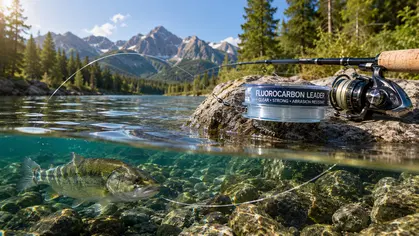
It’s also worth considering the type of line you choose. Monofilament is forgiving and stretches, which can help prevent break-offs during a hard fight. Fluorocarbon offers better invisibility underwater, making it a great choice for clear water conditions. Braided line gives you maximum strength for its diameter and is excellent for those tough, snaggy spots.
Ultimately, your choice should reflect the specific conditions you’ll be fishing in, your target species, and your personal preferences. Adjusting your line strength based on these factors will enhance your chances of success on the water.
Large predators and heavy-duty setups#
When you’re targeting big, powerful fish like pike, musky, or tarpon, you need to think about more than just the fish’s size. These predators are known for their aggressive runs and sharp teeth, which means your line has to be up to the challenge. Generally, a pound test of 30 to 80 pounds is a good starting point for these situations.
Heavy-duty setups require strong, abrasion-resistant lines. Monofilament and fluorocarbon lines can work, but braided lines are often the best choice for larger species. Braided line offers incredible strength for its diameter, which means you can use a thinner line that’s still tough enough to handle the stress of fighting a big fish. Plus, it has minimal stretch, giving you better sensitivity and control.
It’s also essential to consider your rod and reel. If you’re using heavy line, you’ll need a rod that can handle the extra pressure and a reel with a strong drag system. Look for gear that’s rated for the line weight you’ve chosen. This way, everything works together harmoniously to give you the best chance of landing that trophy fish.
Don’t forget about the environment where you’ll be fishing. If you’re in an area with heavy cover, like weeds or rocks, leaning towards the higher end of the pound test scale can save you a lot of frustration. You’ll need that extra strength to pull fish away from snags without risking a break-off.
In summary, when you’re targeting large predators, opt for strong, reliable line and ensure your gear is up to the task. You’ll thank yourself later when you’re reeling in that big catch instead of watching it swim away.
Freshwater Pound Test Recommendations#
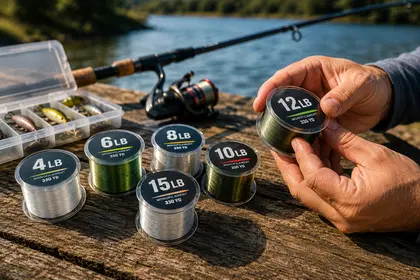
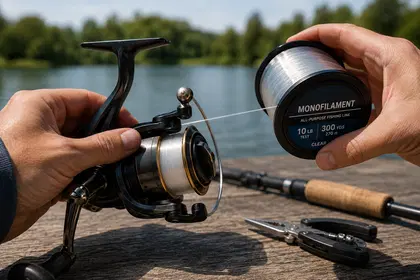
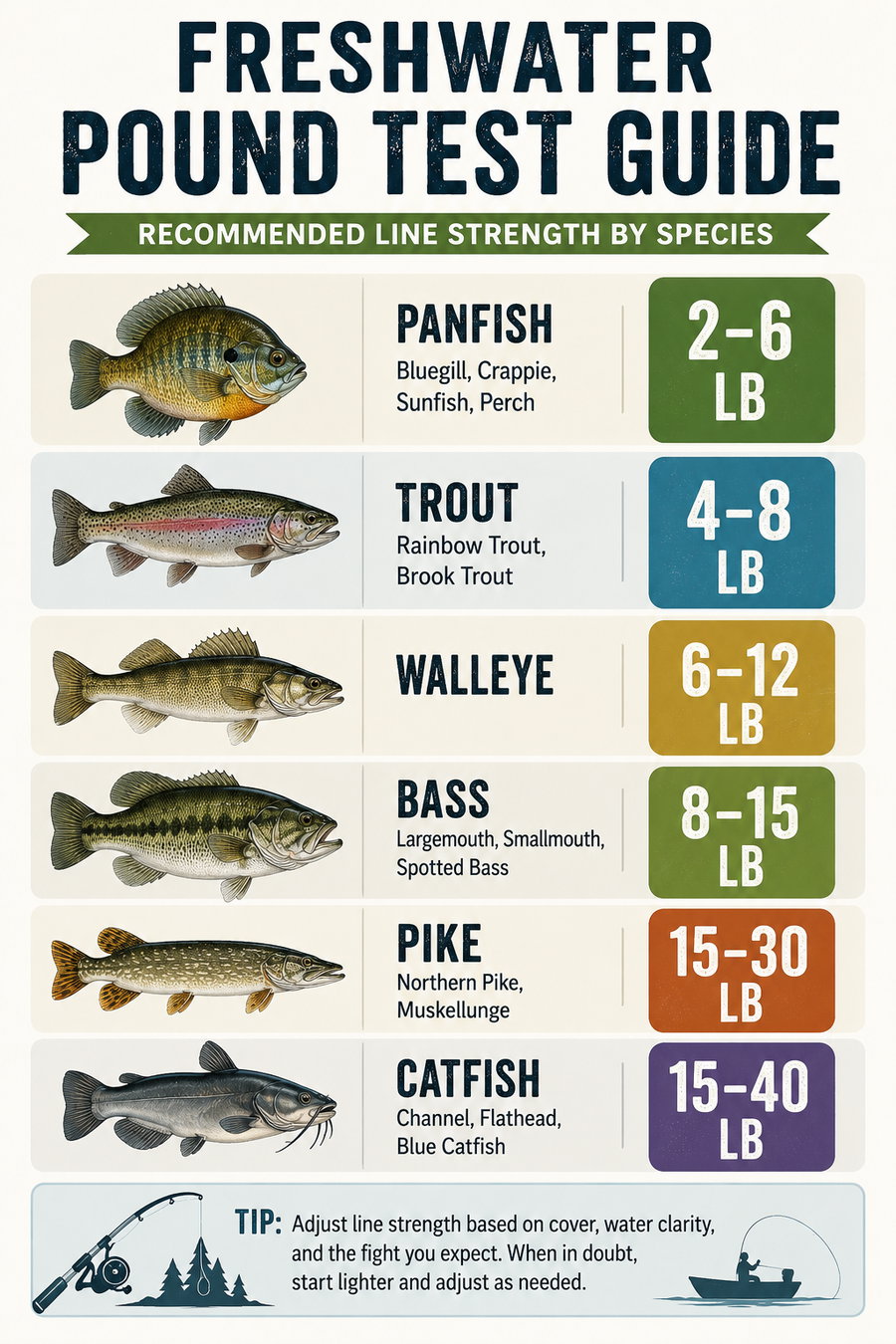
When it comes to freshwater fishing, choosing the right line strength - or pound test - can make all the difference in your success on the water. The ideal pound test will vary based on the type of fish you’re targeting, the fishing technique you’re using, and the specific environment you’re in. Whether you’re casting for bass in a local lake or trying to reel in trout in a winding stream, understanding the nuances of line strength will help you make an informed decision and increase your chances of landing that trophy catch.
Trout and panfish#
When it comes to fishing for trout and panfish, choosing the right line strength can really make a difference. These fish are often found in smaller lakes, rivers, and streams, where they can be quite picky about what they bite. A lighter line can help you catch more fish by making your presentation look more natural.
For trout, a line strength between 4 to 6 pound test is typically a good choice. This range allows you to maintain a good balance between sensitivity and strength. Lighter lines are less visible in clear water, which is important for tricking those cautious trout. While you might be tempted to go even lighter, remember that you’ll want enough strength to handle any surprises, like a sudden tug or snag.
When you’re targeting panfish - like bluegill, crappie, and perch - you can use a similar pound test, usually around 2 to 6 pounds. Since these fish are smaller and often found in large schools, going with a lighter line can increase your chances of getting a bite. Just be mindful of the environment; if you’re fishing in areas with lots of weeds or snags, you may want to bump up your line strength slightly to avoid losing tackle.
Overall, keep in mind that the type of rod and reel you’re using also plays a role. A lighter rod will pair nicely with a lighter line, giving you better feel and control. The goal is to stay light enough to entice bites while still having enough strength to reel in your catch.
Bass and walleye#
When you’re heading out to catch bass or walleye, choosing the right line strength can make all the difference. These fish are known for their fighting spirit, so having the right gear is essential.
For bass fishing, a line with a strength of 10 to 15-pound test is typically a good bet. This range gives you enough strength to handle larger bass while still being sensitive enough to feel those subtle bites. If you’re fishing in heavy cover or using techniques like flipping or pitching, you might want to bump it up to 20-pound test. This added strength helps you pull fish out of snags without losing them.
Walleye, on the other hand, often calls for a lighter approach. A 6 to 10-pound test line works well for most situations. Walleye can be a bit more finicky, so using a lighter line can improve your chances of getting bites. If you’re fishing in clear water or using finesse techniques, consider going even lighter down to 4 or 6-pound test. Just keep in mind that lighter lines can break more easily, especially if you hook into a larger fish.
Always consider the type of fishing you’ll be doing. If you’re casting jigs or live bait, stick with the recommended pound tests to balance strength with sensitivity. Remember, the right line can enhance your fishing experience and increase your chances of landing that trophy bass or walleye.
Catfish and Pike#
When it comes to targeting catfish and pike, choosing the right pound test is crucial for a successful catch. Both species can put up a good fight, so you’ll want to be prepared.
For catfish, a line strength of 15 to 30 pounds is usually a safe bet. These fish can grow quite large, especially in certain lakes and rivers, so having a stronger line will give you a better chance of landing that big one. If you’re fishing in heavy cover or areas with lots of snags, you might want to lean toward the higher end of that range. Braided line can be a great choice here due to its strength and sensitivity, allowing you to feel even the lightest bites.
On the other hand, pike are known for their sharp teeth and aggressive strikes. When targeting these toothy predators, a line strength of 20 to 50 pounds is generally recommended. A heavier line is essential not just to handle their strength but also to withstand potential bite-offs. Using a fluorocarbon or wire leader can help protect your line from their sharp teeth, so consider including that in your setup.
Ultimately, the choice between these lines will depend on your fishing style and the specific waters you’re fishing. If you’re unsure, err on the side of a stronger line, as it can provide peace of mind when battling these powerful fish.
Saltwater Pound Test Recommendations#
When it comes to saltwater fishing, choosing the right line strength, or pound test, is crucial for ensuring you can handle the species you’re targeting. Saltwater environments present unique challenges, from powerful fish to rough conditions, so it’s important to select a line that can withstand the strain. Here, we’ll explore some practical recommendations to help you determine the ideal pound test for various saltwater situations, ensuring that your fishing experience is both successful and enjoyable.
Inshore fishing setups#
When you’re heading out for inshore fishing, the type of line you choose can make a big difference in your success. Inshore waters are generally shallower and home to a variety of fish, making them an exciting place to cast your line. But with so many options, how do you pick the right pound test?
For most inshore fishing situations, a line strength between 10 and 20-pound test is a solid choice. If you’re targeting smaller species like trout or redfish, sticking closer to that 10- to 15-pound range will give you the sensitivity you need to feel every nibble. On the other hand, if you’re aiming for larger game like snook or tarpon, bumping up to 20-pound test can give you the extra strength to handle their powerful runs.
Braided line is often favored for inshore setups because it offers a smaller diameter compared to monofilament. This means you can fit more line on your reel while also achieving greater casting distance. A 15-pound braided line can perform like a 20-pound monofilament, so consider this if you’re looking to maximize your setup.
When selecting your pound test, also think about the structure you’ll be fishing around. If you’re near rocky areas or mangroves, opt for the higher end of your range to minimize break-offs. The abrasion resistance of your line is crucial in these situations, and stronger lines can take the hits from sharp edges without snapping.
Lastly, don’t forget about your reel and rod. Make sure they’re rated for the line strength you’re using. An unbalanced setup can lead to issues when reeling in fish, and you want everything to work together seamlessly. So, take your time choosing the right pound test for your inshore adventures, and you’ll set yourself up for a successful day on the water.
Surf fishing situations#
When you’re heading out to surf fish, choosing the right line strength is crucial for success. The pounding waves and strong currents can put your gear to the test, so you’ll want to make sure you’re equipped with the right pound test for your situation.
For most surf fishing scenarios, a line strength between 15 to 30 pounds is ideal. If you’re targeting smaller species like flounder or small striped bass, you might get away with a 15 or 20-pound test. However, for bigger fish like bluefish or larger striped bass, consider moving up to 30 pounds. This added strength helps you handle the rough surf and gives you more control when reeling in.
Another factor to consider is the type of bait you plan to use. If you’re using heavier baits like cut mullet or live eels, a heavier line will help you cast further and maintain control in the water. Lighter baits, such as small jigs or lures, can still work with a 20-pound test, but be mindful of the challenges the surf can present.
Don’t forget about the type of rod and reel you’re pairing with your line. A medium to medium-heavy rod usually pairs well with a 20 to 30-pound line. This combination gives you the backbone needed to fight strong fish while still enjoying the action of the catch.
Lastly, consider the conditions of the day. If the surf is especially rough or if you’re fishing near rocky areas, opting for a stronger line, like 30-pound test, can save you from losing gear to snags or break-offs. In calmer waters, however, you can stick with lighter lines.
Ultimately, the best approach is to use a line that matches your target species and local conditions, giving you the confidence to enjoy your time fishing in the surf.
Offshore and big game applications#
When it comes to offshore fishing or targeting big game fish, choosing the right line strength is crucial. These are often the fish that can pull hard, run quickly, and test your gear to its limits. So how do you determine what pound test to go with?
For larger species like tuna, marlin, or shark, a line strength of at least 30 to 80-pound test is typically recommended. If you’re after trophy-sized fish, you might want to bump that up to 100 pounds or more. The higher pound test gives you the necessary strength to handle those powerful runs without risking a break-off.
It’s also worth considering the type of fishing you plan to do. For instance, if you’re trolling, a heavier line can be beneficial to withstand the constant tension and potential snags. On the other hand, if you’re live bait fishing, you might opt for a slightly lighter line, around 30 to 50-pound test, to give the fish a better chance to take the bait without feeling too much resistance.
Don’t forget about the type of line as well. Braided lines are popular in these situations because they offer a smaller diameter for the same pound test compared to monofilament. This means you can spool more line on your reel and have better sensitivity when a fish bites. However, braided line can be more visible in the water, so some anglers prefer to use a fluorocarbon leader to keep things stealthy.
Always remember that the gear you’re using should match the pound test of your line. If you’re using a heavy line on a lightweight rod, you might face issues with casting and sensitivity. Conversely, if your rod is too light for the line, you risk breaking your setup when a big fish takes the bait.
In summary, when you’re gearing up for offshore fishing or big game, aim for a line strength that can handle the fight while also considering your specific technique and gear. This balance is key to increasing your chances of landing a trophy catch on your next adventure.
How Cover and Structure Change Your Line Choice#
When you’re out fishing, the type of environment you’re in can significantly impact the kind of line you’ll want to use. Different structures like weeds, rocks, or submerged logs can either snag your line or provide cover for fish, making it crucial to choose the right pound test. Understanding how these elements interact with your gear will not only help you avoid losing tackle but also increase your chances of landing that big catch. By adjusting your line strength based on the cover and structure, you can fish more effectively and enjoyably.
Fishing around weeds and timber#
When you’re fishing in areas with weeds and timber, your line choice becomes crucial. Dense cover can easily snag your lure or line, making it essential to use a stronger line that can handle the challenges of the environment.
For fishing in thick weeds, consider using a heavier pound test line. A line in the range of 30 to 50 pounds is often recommended. This heavier line gives you the strength needed to pull fish out of dense vegetation without breaking. Braided line is a popular choice here. It has a smaller diameter compared to monofilament or fluorocarbon, which means you can cut through the weeds more easily while still maintaining strength.
When it comes to timber, you’ll want a similar approach. Fish often hide around submerged logs and branches, making it easy for them to wrap your line around these obstacles. A strong, abrasion-resistant line is essential. Again, a braided line in the 30 to 50-pound range works well, but don’t be afraid to go even heavier if you know you’re fishing in particularly snag-prone areas.
Using a leader line can also be beneficial when fishing around cover. A fluorocarbon leader offers invisibility underwater and adds extra resistance to abrasions. Keep this leader line lighter than your main line - a 15 to 20-pound test is often suitable. This way, if you do snag, you’ll only lose the leader instead of your entire setup.
Remember to adjust your reel’s drag settings to accommodate the heavier line. You want to be able to reel in fish efficiently without risking a break-off. Just as important, be mindful of how you cast and retrieve your lure. A smooth and steady approach can help prevent snags and make your fishing experience more enjoyable.
Rocks, docks, and abrasive environments#
When you’re fishing in areas with rocks, docks, or other rough structures, your line choice becomes even more critical. These environments can really test your gear, and the right line can make all the difference between landing a big catch and losing it to a snag.
First off, consider using a stronger line, typically rated at least 15 to 20-pound test for freshwater situations. This increased strength helps resist abrasion from sharp rocks and barnacles. Monofilament and fluorocarbon lines offer some stretch, which can be beneficial when you’re battling a fish near rough terrain. However, braided line is often the go-to choice in these scenarios due to its incredible strength and minimal stretch. It can cut through water and allows you to pull fish away from obstacles with more control.
If you find yourself fishing around docks, think about the potential for line wear. Docks can have rough edges and plenty of nooks for fish to hide in. A heavier test line can help you muscle fish out of these tight spots. Look for lines that advertise abrasion resistance, as they are specifically designed to handle these tough conditions.
Always remember to check your line regularly for any signs of wear or frays, especially after you’ve fished in rocky areas. A small nick can lead to a big heartbreak when you hook into a nice fish. If you notice any damage, it’s best to re-spool your reel to avoid losing that trophy catch.
Braid vs Mono vs Fluoro Pound Test Differences#
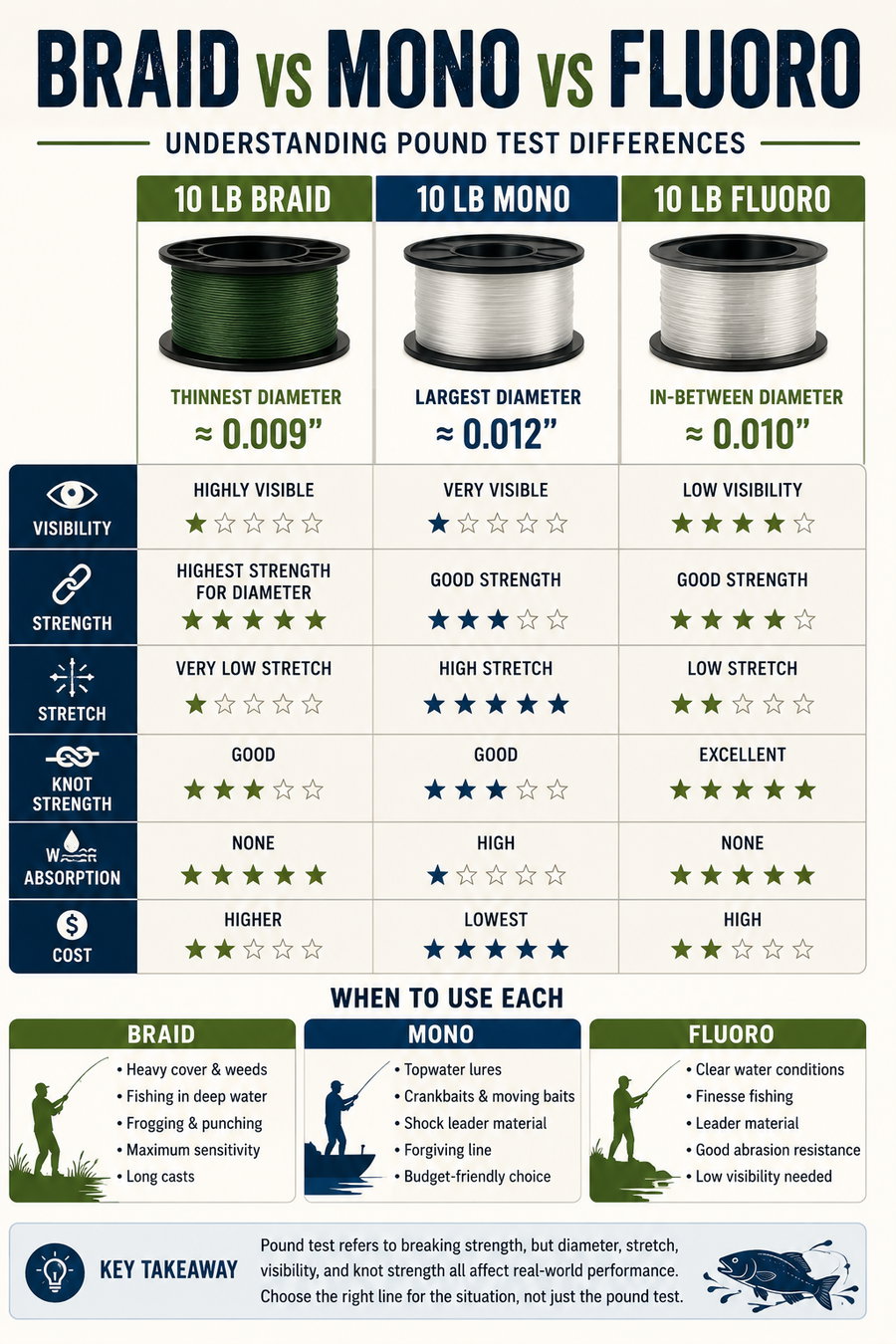
When it comes to choosing the right fishing line, understanding the differences in pound test ratings among braid, monofilament, and fluorocarbon lines is crucial. Each type of line offers unique characteristics that can greatly affect your fishing experience, from the way they handle and cast to their sensitivity and strength. By grasping these differences, you’ll be better equipped to select the right line for your specific fishing situation, ensuring you have the best chance of landing that big catch.
Why equal pound tests behave differently#
When you see a 10-pound test rating on a spool of line, it might make you think that all lines with the same weight rating will perform the same way. But that’s not the case. The way different materials - braid, monofilament, and fluorocarbon - react under pressure can be quite different, even if they’re labeled with the same pound test.
Braid is known for its incredible strength-to-diameter ratio. This means that a 10-pound braid is thinner and stronger compared to a 10-pound mono or fluoro line. Because of its low stretch, braid allows for quick and sensitive hook sets. However, this lack of stretch can also make it harsher on lighter tackle, so you need to be careful when using it with delicate setups.
Monofilament, on the other hand, has a lot more stretch. This elasticity can be a double-edged sword. It can absorb shock when fighting fish, which is great for preventing break-offs. But that stretch can also make it harder to feel subtle bites. A 10-pound mono line is thicker than its braid counterpart, which can affect casting distance and visibility in the water.
Then there’s fluorocarbon, which is unique due to its low visibility underwater and its density. It sinks faster than mono and is less stretchy than both mono and braid. This means that while it maintains good sensitivity, it also allows for a more direct connection to the fish. When it comes to strength, a 10-pound fluoro line can handle abrasion better than mono but might not have the same overall strength as braid.
In practical terms, if you’re fishing in heavy cover or targeting strong species, you might prefer braid for its power and sensitivity. If you’re after a finesse approach or fishing clear waters, fluorocarbon could be the better choice because of its invisibility. Monofilament often shines in general applications and is forgiving for beginners.
Understanding how these different materials interact with the same pound test can help you make informed decisions about your fishing gear. It’s all about matching the line to your specific fishing style and conditions.
Common beginner misunderstandings#
When it comes to fishing line, beginners often find themselves confused by pound test ratings and how they relate to different line types. One common misunderstanding is that all line types labeled with the same pound test will perform the same. That’s not quite true.
For instance, a 10-pound test braided line is much thinner than a 10-pound test monofilament line. This means that when you’re using braid, you might be able to cast further, but it can also be more visible in the water. The diameter difference can also affect how your bait behaves, so keep that in mind when choosing your line.
Another misconception is that higher pound test always equals better strength. While it’s true that stronger lines can handle larger fish, they can also make your tackle less sensitive. For example, using a heavy test line for light bites can hinder your ability to feel subtle nibbles. Sometimes, a lighter line is actually the better choice for finesse fishing, even if you’re targeting bigger fish.
People also tend to overlook the stretch factor. Monofilament lines have more stretch than braid or fluorocarbon. This stretch can be beneficial when fighting fish, as it acts as a shock absorber, but it can also lead to missed hooks if you’re not careful. Understanding how each line type behaves under pressure is essential for making the right choice.
Lastly, don’t forget about the environment you’ll be fishing in. If you’re fishing in heavy cover or structure, a stronger line can save you from losing tackle. On the other hand, if you’re casting in open water, you might want to consider a lighter line for increased performance. Each situation calls for a different approach, and recognizing that will help you avoid common pitfalls.
Common Line Strength Mistakes#
Choosing the right line strength can be a bit overwhelming for beginners, and it’s easy to make some common mistakes along the way. Many anglers often select line based solely on the species they’re targeting or the gear they have, without considering factors like the fishing environment or specific techniques. Understanding these common pitfalls can help you make better choices, ultimately leading to more successful outings on the water. Let’s dive into some of these mistakes so you can avoid them and fish with confidence.
Going too heavy for clear water#
When you’re fishing in clear water, using a heavier line can be a mistake. It’s tempting to go with a thicker pound test, thinking it’ll give you extra strength and protection against snags or big fish. However, in situations where the water is crystal clear, fish can be easily spooked by the sight of a thick line.
Imagine you’re a fish swimming in clear water. If you see a heavy line gliding through, it’s likely going to make you more cautious or even send you swimming the other way. Instead of going for a heavier line, consider using something lighter, like a 6 to 10-pound test, depending on the fish you’re targeting. This helps keep your setup stealthy and increases your chances of getting a bite.
Another important tip is to pay attention to the type of line you’re using. Fluorocarbon lines are less visible underwater, making them a great choice in clear conditions. They sink well and can help you present your bait or lure more naturally. If you’re using braided lines, remember they are much more visible, so consider adding a fluorocarbon leader to stay discreet.
In clear waters, it’s all about being sneaky. So, ditch the heavy line and opt for something lighter to improve your odds and enhance your fishing experience.
Going too light around cover#
When you’re fishing near heavy cover - like thick weeds, fallen trees, or rocky structures - it’s crucial to choose the right line strength. Many beginners mistakenly opt for lighter lines thinking they’ll get more bites, but this can backfire quickly.
Using a lighter line in these situations can lead to break-offs. If a fish gets snagged in the cover, a weak line may not have the strength to pull it free. Instead, you might end up losing both the fish and your tackle. This is especially true with species that are known for their strong runs or stubborn behavior, like bass or pike.
A good rule of thumb is to increase your line strength when fishing around cover. If you’re comfortable using a 10-pound test line in open water, consider bumping it up to 15 or even 20 pounds when you’re near obstacles. This added strength will give you more control and help you land fish without the fear of a sudden snap.
Also, don’t forget that the type of line matters. Braided lines, for example, are thinner and stronger compared to monofilament lines of the same pound test. This means you can maintain a good strength-to-diameter ratio while still being able to cut through weeds or maneuver around rocks.
When in doubt, err on the side of caution. Choosing a slightly heavier line can save you a lot of frustration, especially when you’re fishing in challenging conditions.
Ignoring rod and reel ratings#
When you’re choosing fishing line, it’s easy to get caught up in the pound test and forget about your rod and reel ratings. Every rod and reel combo is designed to handle a specific range of line strength. If you go too heavy or too light, you risk compromising your setup’s performance.
For example, if you pair a light action rod, which is meant for 4 to 10-pound test line, with a 20-pound test line, you might find it difficult to cast accurately. The rod won’t flex properly, and you could even damage it. On the flip side, using a very light line on a heavy rod can lead to breakage when you hook into a big fish - it’s all about balance.
Before you spool up, take a moment to check the specs on your rod and reel. Most manufacturers will list the recommended line weight right on the rod itself or in the product manual. This little detail can save you a lot of headaches on the water.
If you’re unsure about the ratings, a good rule of thumb is to stay within the recommended range. You can always consult with local tackle store staff or experienced anglers for advice on what works in your area. Remember, matching your line to your rod and reel not only enhances your fishing experience but can also improve your success rate.
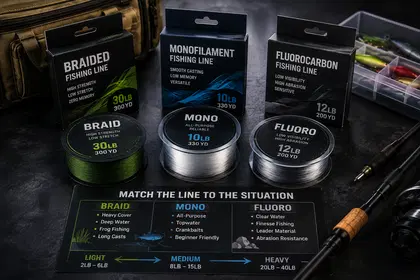
A Simple Pound Test Cheat Sheet for Most Anglers#
When it comes to fishing, knowing the right line strength - or pound test - can make all the difference in your success on the water. Whether you’re casting for trout in a serene stream or battling a hefty saltwater monster, matching your line’s strength to your target species and fishing environment is crucial. This cheat sheet offers a straightforward guide to help you select the appropriate pound test based on common fishing scenarios, ensuring you’re well-equipped for whatever the day brings.
In the end, choosing the right line strength isn’t just about numbers; it’s about understanding your fishing environment and the species you’re targeting. Whether you’re casting in freshwater lakes or braving the waves of the ocean, knowing how to match your pound test to your situation can make all the difference between a successful catch and a frustrating day on the water. Remember to consider factors like cover and structure, and don’t shy away from experimenting with different line types to find what works best for you. With your newfound knowledge and a few handy cheat sheets, you’re well on your way to making informed choices that will enhance your fishing experience. So gear up, get out there, and enjoy the thrill of the catch!