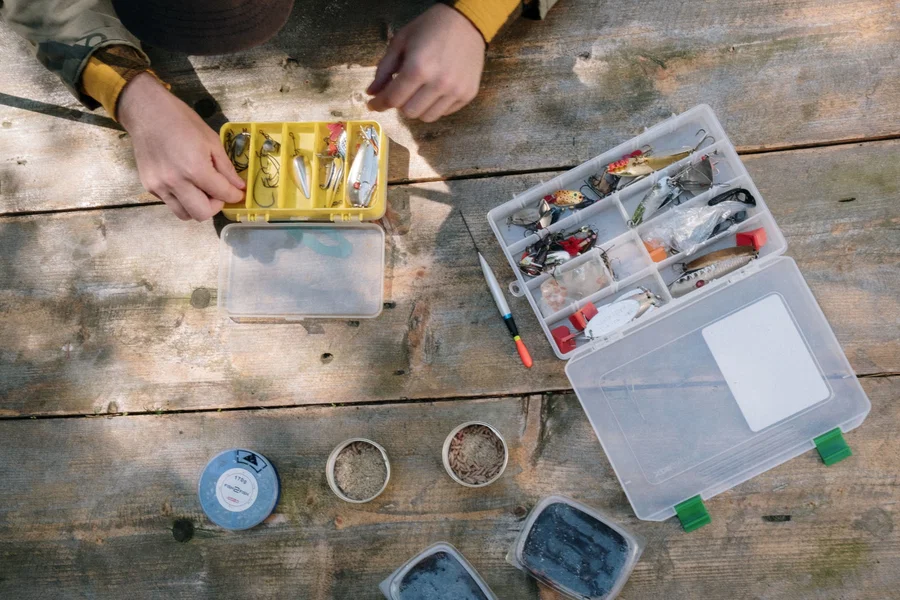

When you’re just starting out in the world of fishing, the sheer number of tackle options can feel a bit like being a kid in a candy store - exciting but overwhelming! With hooks, lures, weights, and all sorts of gizmos beckoning for your attention, it’s easy to feel lost. But fear not! Building a tackle box doesn’t have to be a daunting task reserved for seasoned pros. In fact, with a little guidance, you can create a simple, effective tackle box that’ll get you reeling in your first catch in no time.
This guide will walk you through the essential components of a beginner tackle box, focusing on practicality and ease. You don’t need a degree in fish biology or an encyclopedic knowledge of every fishing lure out there. Just a few basic tools and some straightforward tips, and you’ll be well on your way to becoming the angler you dream of being - one that doesn’t bring home just the stories, but also the fish!
Why Most Beginner Tackle Boxes Become Overcomplicated#
When you’re just starting out in fishing, it’s easy to get overwhelmed by the sheer amount of gear available. Many beginners dive in and end up filling their tackle boxes with every shiny lure and gadget they come across, thinking it will make them more successful. However, this often leads to clutter and frustration rather than a streamlined, effective fishing experience. Understanding the essentials and focusing on what you truly need can simplify your tackle box and enhance your time on the water.
The temptation to buy too much gear#
When you first dip your toes into fishing, it’s easy to get overwhelmed by the sheer volume of gear available. Walk into any tackle shop or browse online, and you might feel like you need every gadget and gizmo on the market. But here’s the truth: you don’t.
As a beginner, focusing on the essentials is key. Start with a few basic items that will cover most of your fishing needs. A simple rod and reel combo, a handful of lures or baits, and some hooks and sinkers can get you on the water without breaking the bank or cluttering your tackle box.
Consider what type of fishing you’ll be doing. Freshwater fishing in a local pond? You might only need some bobbers and worms. Planning to head out for bass or catfish? A small selection of lures and some sturdy line will suffice. By honing in on your target species, you can avoid the trap of buying gear that you may never use.
It’s also important to remember that as you gain experience, you’ll naturally learn what works best for you. After a few trips, you’ll start to identify which lures catch fish and which tackle is just taking up space. Allow yourself to grow into your tackle box - there’s no need to fill it all at once.
Lastly, resist the urge to buy that flashy new tool or gadget that promises to make fishing easier. Often, simpler is better. A good connection with your rod and reel, knowing how to cast, and understanding where fish like to hide can go much further than any piece of high-tech equipment. Keep it simple, and you’ll enjoy your fishing trips much more.
Why simplicity catches more fish#
When you’re starting out in fishing, the excitement of choosing your gear can often lead to an overstuffed tackle box. You might think that having every possible lure and tool will increase your chances of catching fish, but that’s not necessarily true. In fact, a simpler approach often yields better results.
Fish can be particular about what they bite on. When your tackle box is filled with a hodgepodge of items, it can be overwhelming - both for you and the fish. With fewer options, you can focus on mastering a few key techniques and baits that are effective for your local waters. This way, you’re not just throwing a bunch of stuff at the wall to see what sticks; you’re honing your skills with a few tried-and-true methods.
For beginners, it’s wise to stick to the basics. A handful of versatile lures - like spinners, jigs, or soft plastics - can cover a variety of fishing situations. Pair these with a couple of essential tools, like a good pair of pliers and a fishing knife, and you’re set. This lets you stay organized and makes it easier to find what you need quickly when you’re out on the water.
Simplicity also enhances your ability to learn. When you’re not distracted by an array of options, you can pay closer attention to how different baits perform and how fish respond to them. This feedback is crucial for improving your skills. The more you fish with a limited selection, the more you’ll understand what works best for you.
Moreover, a simpler tackle box is easier to transport and manage. You can focus on enjoying your time outdoors instead of fumbling through an overwhelming collection of gear. Time spent fishing should be about the experience, not about sorting through a cluttered tackle box. By keeping it simple, you can spend more time casting and less time searching.
Choosing the Right Tackle Box for Your Needs#
When starting your fishing journey, selecting the right tackle box is crucial to ensure you have everything you need at your fingertips. With so many options available, it can be overwhelming to pick one that fits your style and type of fishing. Consider factors like size, organization, and portability, as these will directly impact your fishing experience and how easily you can access your gear while out on the water. Let’s take a closer look at how to choose the perfect tackle box to kick off your fishing adventures.
Small utility boxes#
Small utility boxes are a fantastic starting point for beginners looking to organize their fishing gear. These boxes are typically compact, making them easy to transport and fit into any fishing bag or backpack. Their size is perfect for someone just getting started, as they encourage you to only bring along the essentials.
When selecting a small utility box, consider the type of fishing you plan to do. Some boxes come with adjustable dividers, allowing you to customize the compartments to fit your bait, lures, and other tackle. This flexibility is helpful as you figure out what gear you use most often.
Look for a box that has a secure latch or locking mechanism. You don’t want your tackle spilling out all over your gear when you’re on the move. Also, a waterproof option can be beneficial, especially if you’re fishing in wet conditions or if the box might get splashed.
Inside the box, start by organizing your tackle into categories. For example, dedicate one section for hooks, another for lures, and maybe a small area for sinkers or bobbers. Keeping everything neat and accessible can save you time and frustration when you’re out on the water.
Some small utility boxes also include a clear lid, which is handy for quickly spotting what you need without having to dig through everything. This feature can really enhance your fishing experience, making it easier to switch up your gear as conditions change.
Overall, a small utility box is a practical choice for beginners. It’s manageable, easy to transport, and encourages good habits in organizing your tackle right from the start.
Traditional tackle boxes#
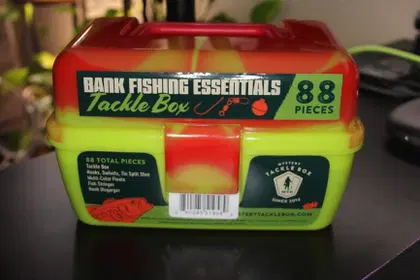
When you’re starting out, a traditional tackle box can be a great option for organizing your fishing gear. These boxes come in various sizes and styles, so you can choose one that fits your needs. A typical tackle box is sturdy, often made from plastic or metal, and features multiple compartments to keep everything neatly arranged.
One of the biggest advantages of a traditional tackle box is its durability. Whether you’re heading to a local pond or out on a boat, you want something that can withstand the bumps and scrapes of outdoor adventures. Look for a box that has a solid lid and secure latches to keep your gear safe.
Inside, you’ll find adjustable dividers. These let you customize the space according to your gear. For beginners, it’s helpful to allocate sections for different types of tackle - like lures, hooks, and weights. This way, when you’re out fishing, you can quickly grab what you need without digging through a jumble of equipment.
Another feature to consider is portability. Many traditional tackle boxes come with a handle for easy carrying. Some even have shoulder straps, which can be handy if you’ve got a longer hike to your fishing spot. Just remember: a heavier box may be more cumbersome, so aim for a balance between space and weight.
Lastly, think about how much gear you plan to carry. If you’re just starting out, a smaller box is probably sufficient. You can always upgrade as your collection grows. Choose something that feels manageable; you want to enjoy your time on the water, not feel bogged down by your tackle box.
Backpack and Soft Tackle Systems#
When you’re just starting out, choosing a tackle box can feel overwhelming, especially with all the options available. Backpack and soft tackle systems are great choices for beginners due to their versatility and ease of use.
Backpacks designed for fishing often come with multiple compartments and pockets. This design makes it easy to organize your tackle, lures, and other gear without feeling cluttered. You can keep your essentials - like pliers, snacks, or a water bottle - within easy reach. Plus, they’re lightweight and can be comfortably carried on your back, leaving your hands free for other tasks.
Soft tackle systems typically consist of soft-sided bags or boxes that are flexible and easy to pack. They often have adjustable dividers, which means you can customize the space based on your gear. This flexibility is especially helpful as you try different fishing techniques and accumulate new tackle over time.
Another advantage of these systems is their portability. Many have straps or handles, making it simple to grab and go, whether you’re heading to a local pond or a weekend fishing trip. Just remember to check the stitching and zippers; you want something that will hold up against the elements and the wear and tear of regular use.
Lastly, consider how many fishing trips you plan to take. If you’re heading out often, a backpack or soft tackle system can help you stay organized and ready to fish at a moment’s notice.
The Essential Terminal Tackle Every Beginner Should Carry#
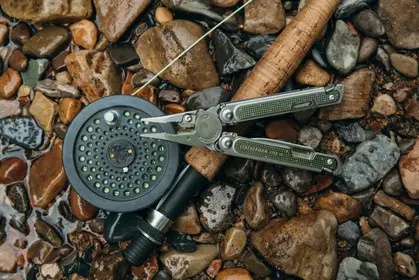
As you embark on your fishing journey, having the right terminal tackle is crucial for your success on the water. Terminal tackle includes the small but mighty components that connect your line to the fish, such as hooks, sinkers, and swivels. Understanding which pieces to include in your tackle box can make a world of difference, helping you adapt to different fishing conditions and target species with confidence. Let’s explore the essential items that will set you up for a rewarding fishing experience.
Hooks#
When it comes to fishing, hooks are your key connection to catching fish. They come in various shapes and sizes, each designed for different types of fishing and species. For beginners, it’s best to start with a few basic types.
J-hooks are the most common and a great choice for beginners. They have a straightforward design, making them easy to use. Just thread your bait onto the hook, and you’re ready to go. Depending on what you’re fishing for, you might choose smaller hooks for panfish or larger ones for bass.
Circle hooks are another option worth considering. They’re designed to hook the fish in the corner of the mouth, which helps with catch-and-release fishing. This design can make it easier to catch fish without deep hooking them, and they also require a different technique - simply reel in without setting the hook.
When you’re selecting hooks, pay attention to the size numbers. A smaller number means a smaller hook, while a larger number indicates a larger hook. For freshwater fishing, sizes 6 to 10 are good choices for smaller fish, while sizes 1/0 to 5/0 are better for larger species.
Make sure to stock up on different sizes and styles. It’s always good to have a variety, so you can adapt to whatever the fish are biting on that day. Plus, remember to check your hooks regularly for any bends or rust - keeping them in good condition will help ensure your success on the water.
Sinkers#
When you’re out fishing, getting your bait to the right depth is crucial, and that’s where sinkers come into play. These small weights help you cast your line farther and keep your bait submerged at the desired depth. For beginners, having a variety of sinkers in your tackle box can make all the difference.
Start with a few basic types. Split shot sinkers are small and easy to use. They can be pinched onto your line wherever you need a little extra weight. This flexibility lets you adjust quickly depending on the water conditions. If you’re fishing in deeper waters or need to cast farther, consider getting some egg sinkers or pyramid sinkers. These are great for surf fishing or when you want to keep your bait anchored in one spot.
Remember, sinkers come in different sizes, so it’s wise to have a selection. Lighter sinkers (like 1/8 oz or 1/4 oz) are perfect for calmer waters or when fish are feeding near the surface. Heavier sinkers (like 1 oz or more) are better for stronger currents or deeper fishing spots.
When you’re setting up your rig, don’t forget to account for the weight of the sinker. Too heavy of a sinker can scare away fish or make it difficult to feel bites. The key is to strike a balance that suits the conditions you’re fishing in. So, grab a variety of sinkers to ensure you’re ready for whatever the day brings!
Swivels and snaps#
Swivels and snaps are small but mighty tools in your tackle box. They might not seem like much, but they play a crucial role in keeping your fishing experience smooth and snag-free. Let’s break down what each does and why you need them.
Swivels are designed to prevent line twist. When you’re reeling in a fish, especially species that like to dart and spin, your line can get all twisted up. A swivel helps to minimize this by allowing your line to rotate freely. They come in various sizes, so choose one that matches your line and the type of fish you’re targeting. For beginners, a barrel swivel is a good all-around choice.
Snaps, on the other hand, are quick-attach clips that make changing lures and hooks a breeze. Instead of tying and untying knots every time you want to switch things up, you can simply open the snap, attach your lure, and close it. This saves you time and is particularly handy when the fish are biting, and you want to try different setups quickly.
When you’re out on the water, having both swivels and snaps at your disposal will make your fishing trips more enjoyable. If you’re using live bait or heavier lures, look for strong, durable options to ensure they can handle the task. A good rule of thumb is to keep a variety of sizes in your tackle box to cover different fishing scenarios.
Remember to check your swivels and snaps regularly for wear and tear. A worn snap could fail when you least expect it, and you don’t want to lose a fish because of a cheap connection. Keeping your gear in good shape will help you have a successful day on the water.
Leaders#
When you’re starting out in fishing, having a good selection of leaders is essential. Leaders are lengths of line that connect your main fishing line to your lure or bait. They serve multiple purposes, such as providing extra strength, helping prevent line breakage, and improving your chances of landing a fish.
For beginners, it’s wise to choose monofilament or fluorocarbon leaders. Monofilament is stretchy, which can be beneficial if a fish makes a sudden move. Fluorocarbon, on the other hand, is less visible underwater and sinks better, making it a great choice for clear water conditions.
When selecting a leader, consider the type of fish you’re targeting. A general rule of thumb is to use a leader that’s about 10-20% stronger than your main line. This way, if a fish makes a run, your leader can handle the stress without snapping.
Most tackle shops offer pre-made leaders, which can simplify the process for beginners. These come in various lengths and strengths, making it easy to find something suitable for your needs. If you prefer to make your own, just remember to tie strong knots, like the improved clinch knot, to ensure your tackle holds up during the fight.
Keep a few different sizes and types in your tackle box so you’re prepared for various conditions and species. As you gain more experience, you’ll start to understand which leaders work best for your preferred fishing spots.
A Few Lures Can Cover Most Fishing Situations#
When you’re just starting out, the sheer variety of lures available can be overwhelming. However, you don’t need a huge collection to be successful on the water. A handful of versatile lures can tackle most fishing scenarios, whether you’re casting in freshwater lakes or trying your luck in coastal waters. By focusing on a few key types, you can simplify your tackle box and feel confident in your choices, making your fishing experience both enjoyable and productive.
Soft plastics#
Soft plastics are a must-have for any beginner tackle box. They’re versatile, affordable, and can be used in a variety of fishing situations. These lures mimic the look and feel of real bait, which is why they’re so effective at attracting fish.
When you’re starting out, consider getting a few different shapes and colors. Common options include worms, lizards, and creature baits. A basic selection might include a pack of 4-inch worms in green pumpkin and a pack of 5-inch lizards in bright colors like watermelon or chartreuse. These colors tend to work well in most waters, whether you’re fishing in lakes, rivers, or ponds.
To use soft plastics, you can rig them in several ways. One popular method is the Texas rig. This involves sliding a bullet sinker onto your line, followed by a hook, and then threading the soft plastic onto the hook. This setup is great for fishing in weedy areas because it allows the lure to slide through the cover without getting snagged.
Another simple rig is the wacky rig. For this, you’ll take a worm and hook it in the middle with a standard hook. This creates a natural fluttering action that many fish find irresistible. It works well when you’re fishing in open water or near structure like docks or fallen trees.
Don’t forget to experiment with different retrieval speeds and techniques. Sometimes a slow, steady retrieve will do the trick, while other times, a quick jerk and pause can trigger strikes. The beauty of soft plastics is that they can adapt to your fishing style and the preferences of the fish on that particular day.
Overall, soft plastics are a reliable choice that will help you catch fish while you gain confidence on the water. With just a few packs in your tackle box, you’ll be well-equipped to tackle various fishing scenarios.
Spinnerbaits and Inline Spinners#
When you’re starting out, having a few versatile lures can make a big difference. Spinnerbaits and inline spinners are two great options to consider for your tackle box.
Spinnerbaits are a favorite among many anglers because they can be used in various conditions. They consist of a lead head with one or more spinning blades attached. This design creates a flash and vibration in the water that attracts fish. You can find spinnerbaits in different colors, sizes, and blade configurations, making it easy to match them to your local fishing conditions. They work well in both freshwater and saltwater, so whether you’re casting in a lake or a river, they’re a solid choice.
When using spinnerbaits, try to fish them around structures like submerged rocks, fallen trees, or weed beds. The blades help them navigate through cover without snagging too much, which is handy for beginners. A simple retrieve can be effective - just reel it in steadily while occasionally varying your speed. This will mimic the action of injured prey, enticing nearby fish.
Inline spinners, on the other hand, have a simple design but are incredibly effective. They feature a metal shaft with a spinning blade at the top and a weighted body. The spinning blade creates vibrations that fish can detect from a distance. These lures are particularly good for catching species like trout, bass, and pike.
When fishing with inline spinners, try casting them upstream if you’re in a river or stream. Retrieve them back downstream with a steady motion. This allows the lure to mimic a small baitfish moving with the current. Inline spinners can also be effective in lakes and ponds; just cast them out and reel them in at a moderate pace.
Both of these lures offer a lot of flexibility for beginners. They can be used in various environments and provide a solid introduction to the art of fishing. With a bit of practice, you’ll learn how to adapt your technique based on the fish you’re targeting.
Crankbaits and Topwater Lures#
When it comes to lures, crankbaits and topwater lures are two essential types that can help you cover a variety of fishing scenarios. They’re effective and easy to use, making them perfect for beginners.
Crankbaits are designed to mimic the movement and appearance of baitfish. They come in different shapes, sizes, and colors, allowing you to match them to the local fish species and water conditions. The key to using crankbaits is to vary your retrieve speed. When you cast out your crankbait, let it dive to the desired depth and then reel it in at a steady pace. You can also experiment with pauses and twitches to make it more enticing. This can trigger strikes from fish that are lurking nearby.
Topwater lures are exciting because they create surface action that can provoke aggressive strikes. These lures float on the water’s surface, and as you reel them in, they create splashes and ripples that attract fish. Most topwater lures require a steady retrieve, but you can add some twitches for extra action. The thrill of seeing a fish strike at the surface is hard to beat, making topwater lures a favorite among many anglers.
When choosing colors, consider the water clarity. In clear water, natural colors like silver, blue, or green often work well, while in murky conditions, brighter colors like chartreuse or orange can be more effective.
Experiment with different retrieves and techniques for both crankbaits and topwater lures. The more you practice, the better you’ll understand what works in your local waters. Plus, it’s a lot of fun to discover the types of fish that respond to your choices!
Tools That Deserve a Spot in Every Tackle Box#
When you’re just starting out in fishing, having the right tools in your tackle box can make all the difference. The essentials not only help you catch more fish but also enhance your overall experience on the water. Let’s take a look at some fundamental tools that will serve you well, whether you’re casting from the shore or a boat.
Pliers and line cutters#
When you start fishing, you might not think much about the tools you need, but a good pair of pliers and line cutters can make a world of difference. They’re not just nice to have; they’re essential.
Pliers are incredibly versatile. You can use them to remove hooks from fish, which is especially handy if you’re dealing with a wiggly catch. Look for a pair with a long nose, as this will help you reach those tricky spots in a fish’s mouth. Ideally, you want pliers that are made of stainless steel or have a corrosion-resistant coating, since they’ll be exposed to water quite a bit.
On the other hand, line cutters are a game changer when you need to quickly cut fishing line. While you can use scissors in a pinch, dedicated line cutters are designed to slice through tough fishing line without fraying it. Some even come with built-in features like a hook remover or a bottle opener, which adds extra value.
When you organize your tackle box, remember to keep these tools easily accessible. You might want to attach them to a lanyard or a retractable tether, so they don’t end up at the bottom of your bag when you really need them. Having pliers and line cutters at the ready not only saves you time but also enhances your overall fishing experience.
Measuring tools and accessories#
When you’re out fishing, having the right measuring tools can make a big difference. Whether you’re trying to keep your catch within size limits or just want to know how big that trophy fish really is, measuring tools are essential.
A simple measuring tape is a must-have. Choose one that’s easy to read and long enough to handle most fish species you’ll encounter. Many anglers prefer a flexible tape that can conform to the shape of the fish for more accurate measurements. You can often find these at sporting goods stores or online.
Another handy tool is a fish ruler. These can be made from plastic or metal and often come with a clip for easy attachment to your tackle box or fishing vest. Look for one that has clear markings and is resistant to water damage. Some even come with built-in scales for weighing your catch, which can be a fun addition if you’re keeping track of your biggest fish.
Don’t overlook a simple notepad or fishing app on your phone to jot down the lengths and weights of your catches, along with notes about where you caught them. This can be a helpful reference for future fishing trips. If you prefer a more traditional approach, a waterproof notebook can handle the elements without getting ruined.
Lastly, consider a small digital scale. These compact devices are easy to store in your tackle box and can give you an accurate weight of your fish. Just be sure to follow the instructions and keep the scale calibrated for accuracy.
Having these measuring tools on hand ensures that you’re equipped to handle your catch responsibly and helps you enjoy the fishing experience even more.
How to Organize Your Tackle Box for Faster Rig Changes#
Getting your tackle box organized can make all the difference on the water, especially when you need to change rigs quickly. A well-organized tackle box means less time fumbling around and more time focused on your fishing. Whether you’re after bass, trout, or panfish, knowing exactly where your lures, hooks, and tools are can streamline your setup and improve your overall experience. Let’s dive into some practical ways to keep everything in its place so you can stay productive during your fishing trips.
Grouping gear by category#
When you open your tackle box, the last thing you want is to sift through a jumbled mess of gear. A little organization goes a long way, especially for beginners who might still be learning the ropes. Grouping your gear by category is an easy way to keep things tidy and efficient for quick rig changes.
Start by separating your tackle into broad categories. For instance, you might have sections for lures, hooks, sinkers, and tools. This way, when you’re out on the water, you can quickly grab what you need without wasting time digging around.
For lures, consider organizing by type. If you have crankbaits, soft plastics, and topwater lures, keep them in separate compartments. This allows you to pick the right lure based on the conditions or fish species you’re targeting.
Hooks can be another tricky area. Keep different sizes and types together, perhaps using small containers or zip-lock bags within your tackle box. You might have one bag for treble hooks and another for circle hooks. Labeling these bags can save you a lot of hassle when you need to make a quick change.
Don’t overlook tools like pliers, line cutters, and scales. Designate a specific section in your tackle box for these essential items. Keeping them together means they’re always within arm’s reach when you need to tie a new knot or unhook a fish.
Lastly, consider adding a small pouch for your fishing license or any other important documents. It’s easy to forget this small but crucial piece of paperwork, so having a designated spot ensures you won’t be scrambling to find it when you’re checked by a ranger or need it for a local tournament.
By grouping your gear this way, you’ll not only keep your tackle box organized but also streamline your fishing experience, allowing you to focus more on fishing and less on fumbling through gear.
Keeping frequently used items accessible#
When you’re out on the water, the last thing you want is to rummage through a jumbled tackle box looking for that one lure or hook you need. The key to a smooth fishing experience is having your most-used items easily accessible. Here are some straightforward tips to help you organize your tackle box effectively.
First, think about what you reach for most often. This might include your top lures, hooks, weights, and tools like pliers or scissors. Once you’ve identified these essentials, set aside a specific spot for them in your tackle box. If you’re using a box with compartments, dedicate one or two compartments solely for these frequently used items.
Consider using small tackle trays or tackle bags within your box. These can help keep your items organized by type - like one tray for lures and another for hooks and weights. Labeling these trays can also save you time. You can simply write on the side with a marker or use small stickers. This way, when you need to swap out your rig, you can quickly grab what you need without digging around.
Another helpful tip is to keep your tackle box in a way that mirrors your fishing setup. If you regularly switch between a few go-to rigs, have those components stored together. For instance, if you often fish with a particular jig setup, keep all the jigs, hooks, and weights for that rig in one place. This will allow you to change your setup in seconds.
Lastly, don’t forget about the importance of maintenance. Take a few moments to reorganize after each fishing trip. This ensures that your tackle box stays tidy, and you won’t be surprised by anything missing next time you head out. Keeping it clean and organized will make future fishing trips more enjoyable and efficient.
Common Tackle Box Mistakes Beginners Make#
When you’re starting your fishing journey, it’s easy to overlook some essential details while assembling your tackle box. Many beginners make common mistakes that can lead to frustration on the water, whether it’s overpacking, not organizing properly, or failing to include the right gear for the type of fishing they’re doing. By understanding these pitfalls, you can set yourself up for a more enjoyable and successful fishing experience from the very beginning.
Carrying too many lure styles#
One common mistake beginners make is thinking they need to stock every type of lure available. With so many options out there, it’s easy to get overwhelmed and end up with a tackle box full of lures you might never use. Instead of trying to cover every possible scenario, focus on a few versatile lures that can work in various conditions.
Start with the basics: a couple of topwater lures, a few crankbaits, and some soft plastics in different colors. This mix will allow you to target different species and adapt to varying water conditions without cluttering your tackle box. For instance, a frog or popper can be great for topwater action, while a simple worm or creature bait can work well in deeper water.
When you’re out fishing, stick to your chosen lures for the day. This helps you learn their effectiveness in different situations. If you find you’re not getting bites, don’t just switch lures randomly; instead, try changing your retrieval speed or location first. As you gain experience, you’ll get a better sense of which lures are truly effective for you.
Remember, fishing is about enjoying the experience, not about having every shiny new lure. With just a handful of well-chosen lures, you’ll keep your tackle box manageable and spend more time focusing on the joy of fishing.
Ignoring replacement hooks and weights#
One common mistake beginners make is overlooking the need for replacement hooks and weights in their tackle boxes. It’s easy to think that just having a few lures and baits is enough, but hooks and weights often wear out or get lost, and you’ll want to be prepared.
Hooks can bend or break, especially if you’re reeling in larger fish or if you snag something underwater. Having a variety of replacement hooks on hand ensures you won’t be left empty-handed when you need to switch things up. Look for different sizes and styles that match the types of fish you’re targeting. A basic assortment usually includes both treble hooks for lures and single hooks for bait.
Weights are equally important. Whether you’re fishing in freshwater or saltwater, the right weight helps you cast effectively and keeps your bait at the desired depth. Over time, weights can get lost in the water or even rust. Make sure to stock up on an assortment, including split shots, egg sinkers, and pyramid weights. Different fishing conditions might require different weights, so it’s best to have a few options ready.
Remember, a well-stocked tackle box isn’t just about having the flashy lures. It’s the little things - like replacement hooks and weights - that can make a big difference in your fishing success. Keeping extras on hand will save you time and frustration on the water, letting you focus on enjoying your day of fishing instead of making a trip back to the store.
Poor organization#
One of the biggest missteps beginners make when assembling their tackle box is poor organization. It’s easy to toss everything in without a second thought, but a cluttered tackle box can lead to frustration on the water. You don’t want to waste time rummaging around for that one lure you know you packed!
Start by categorizing your tackle. Group similar items together: keep hooks in one compartment, sinkers in another, and lures in a separate section. Consider using small tackle boxes or organizers within your main tackle box to keep everything sorted. This way, when you need a specific item, you’ll be able to find it quickly.
Labeling can also make a huge difference. Use simple stickers or a label maker to mark different sections. This visual aid not only speeds up your search but can also help you remember where everything is after a long break between fishing trips.
Don’t forget about the size of your tackle box, either. If you find yourself struggling to squeeze everything in, it might be time to upgrade to a larger box. An overflowing tackle box can lead to chaos, making it harder to stay organized. A well-sized box allows you to spread out your gear properly, which is key to maintaining order.
Finally, take time to clean out your tackle box periodically. Remove items you no longer use or that are damaged. Regularly refreshing your tackle keeps your gear in good shape and ensures you’re only carrying what you need. Remember, a little organization goes a long way in making your fishing experience more enjoyable!
Building a Complete Beginner Tackle Box on a Budget#
Getting started in fishing doesn’t have to break the bank, and building a tackle box on a budget is a great way to ease into the hobby. With a little planning and some smart shopping, you can assemble a well-rounded collection of gear that will serve you well on your fishing adventures. In this section, we’ll explore how to find essential items without overspending, ensuring you have everything you need to make your time by the water enjoyable and productive.
A Simple Setup That Will Handle Most Freshwater Fishing#
When you’re just starting out in fishing, having the right gear can make all the difference. A simple tackle box setup will not only keep your essentials organized but also ensure you’re prepared for various freshwater fishing scenarios. This section will guide you through building a tackle box that covers the basics, helping you to feel confident and ready for your next fishing adventure.
Building a simple tackle box is all about keeping things manageable and efficient. By focusing on essential gear and organizing it thoughtfully, you’ll be well-equipped for a variety of fishing adventures without getting bogged down by unnecessary clutter. Remember, the goal is to enjoy fishing, not wrestle with an overflowing box. Take your time to learn what works best for you, and don’t hesitate to adjust your setup as you gain experience. With your tackle box ready, you’re just a cast away from creating great memories on the water. So grab your gear, head out, and remember: the best tackle is the one that helps you have fun!