Affiliate disclosure: As an Amazon Associate, we may earn from qualifying purchases made via links on this page - at no extra cost to you. See our Affiliate Disclosure.
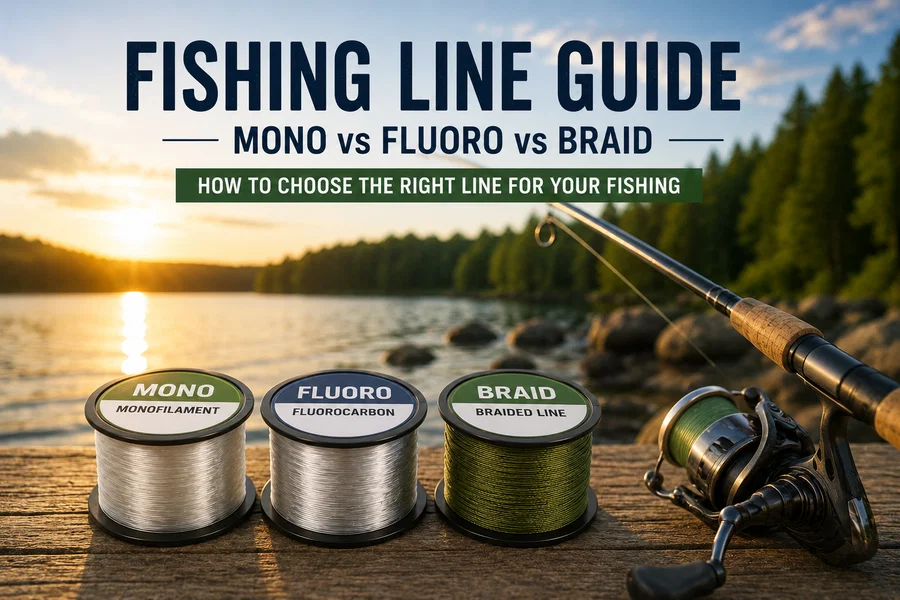
When you’re just starting out in the wonderful world of fishing, choosing the right fishing line can feel a bit like trying to solve a Rubik’s Cube blindfolded. With so many options out there - monofilament, fluorocarbon, and braid - it’s easy to get lost in the jargon and end up scratching your head. Don’t worry; you’re not alone! Each type of line has its own quirks and perks, and understanding them can make a world of difference in your fishing experience.
This guide is here to break down the essentials without drowning you in technical lingo. We’ll explore what makes each line special, when to use them, and maybe even throw in a tip or two to help you reel in that big catch. So, grab your rod and let’s untangle the mystery of fishing line together. Who knows? By the end, you might just feel like a pro - or at least a slightly more confident angler!
Why Choosing the Right Fishing Line Feels So Confusing#
When you’re standing in the aisle of your local tackle shop, the variety of fishing lines can be overwhelming. With options like monofilament, fluorocarbon, and braided line, each promising different benefits, it’s easy to feel lost. Understanding the unique characteristics of each type can seem daunting, especially for beginners. However, knowing the right fishing line can significantly impact your success on the water, making it important to break down the differences in a way that’s easy to grasp.
Why line choice affects every part of fishing#
When you’re out on the water, the type of fishing line you choose can drastically change your experience. Think of it as the connection between you and the fish. Each type of line - monofilament, fluorocarbon, and braid - has its unique properties that can affect everything from how you cast to how you reel in your catch.
Monofilament line is often the go-to for beginners. It’s stretchy, which can help absorb the shock when a fish strikes, making it more forgiving for those still learning the ropes. Its buoyancy also means it floats, which is great for topwater lures. However, that stretch can make it harder to set the hook quickly, especially if you’re fishing in deeper waters.
Fluorocarbon line, on the other hand, is nearly invisible underwater, making it a good choice for clear water conditions. It sinks, which is beneficial for fishing at various depths. This line doesn’t stretch as much as mono, giving you better sensitivity and allowing for quicker hook sets. But be cautious; it can be more prone to breaking if you’re not careful with how you handle it.
Braid is known for its incredible strength and thin diameter, which makes it ideal for heavy cover and big fish. It doesn’t stretch at all, allowing for immediate feedback when a fish bites. This can be advantageous, especially for techniques like flipping or pitching. However, its visibility in the water can be a disadvantage in clear conditions, so you might want to tie on a fluorocarbon leader if you’re worried about spooking fish.
Ultimately, your choice of line impacts your casting, sensitivity, and the overall success of your fishing trip. As you gain experience, you’ll learn how different lines perform in various situations, and you can adjust your tackle accordingly.
Common myths about mono, fluoro, and braid#
When you first dive into the world of fishing lines, you might come across a bunch of myths that can make the whole process feel more complicated than it needs to be. Let’s break down some of these misconceptions to help you make a more informed choice.
Myth 1: Monofilament is only for beginners. Many people believe that monofilament line is just for those starting out. While it’s true that monofilament is user-friendly, it has its own strengths that experienced anglers appreciate. It’s great for topwater fishing, as it floats, and it can stretch under pressure, which helps absorb shocks when fighting a fish.
Myth 2: Fluorocarbon is invisible underwater. Fluorocarbon is often touted as being nearly invisible to fish, but that’s not entirely accurate. While it has a similar refractive index to water, it can still be detected by fish under certain conditions. It’s best used in clear waters where visibility matters, but don’t expect it to be completely undetectable.
Myth 3: Braided line is too strong for light tackle. Many anglers think that using braided line on lighter tackle will lead to break-offs or damage. However, braid can actually be a great choice for finesse fishing because it has a thin diameter. This allows you to use lighter lures while still having the strength to pull in larger fish. Just make sure to use a proper leader to avoid any abrasion.
Myth 4: You can’t use braid with a baitcaster. Some folks believe that braided line is incompatible with baitcasting reels. In reality, many anglers successfully use braid on baitcasters. The key is to adjust your reel settings to prevent backlashes. Just remember to use a good knot and consider adding a monofilament or fluorocarbon leader to improve casting and reduce visibility.
Myth 5: The more expensive the line, the better it is. While it’s true that some premium lines offer enhanced performance, not every high-priced line is necessary for every angler. It’s essential to match the line to your specific fishing needs rather than solely relying on price. Sometimes, a solid mid-range option will perform just as well depending on your fishing style and conditions.
Understanding these myths can simplify your line selection process. Remember, the best fishing line often depends on your specific fishing situations and personal preferences.
The Three Main Types of Fishing Line Explained#
Understanding the different types of fishing line is essential for any angler looking to improve their skills and catch more fish. Each type - monofilament, fluorocarbon, and braided line - has its unique characteristics, strengths, and weaknesses. By getting to know these three main types, you can make informed choices that match your fishing style and the conditions you’re facing. Let’s dive into what sets them apart and when to use each one for the best results on the water.
What monofilament is#
Monofilament fishing line, often just called “mono,” is a single strand of nylon. This type of line has been around for decades and remains a favorite among many anglers, especially beginners. One of the reasons it’s so popular is its versatility. You can use it for a wide range of fishing styles, from freshwater to saltwater, and it works well in various conditions.
One of the key features of monofilament is its buoyancy. This means that it tends to float on the surface, making it a great choice for topwater lures or presentations where you want your bait to sit just under the surface. Mono also has a bit of stretch to it, which can help absorb the shock when a fish takes the bait. This stretch helps prevent line breakage during those intense moments when a fish makes a sudden run.
In terms of visibility, monofilament lines generally come in clear, green, or blue varieties. Clear mono is often the go-to for clear water, while colored options can be useful in murky conditions. Keep in mind that while mono can be more visible to fish than some other types of lines, its versatility means it can still be effective in various environments.
Another advantage of monofilament is its affordability. It tends to be less expensive than other types of fishing lines, making it a great choice for those just starting out or for anglers who want to keep costs down. Plus, it’s easy to handle, knot, and spool, which is especially beneficial for beginners still mastering their fishing techniques.
However, there are some drawbacks. Monofilament can be prone to UV damage and may lose its strength over time, especially if exposed to sunlight for long periods. It also has a higher degree of memory, meaning it can retain the shape of the spool it’s wound on, which may cause tangles. A little care in storage can help mitigate these issues, so make sure to store your reels in a cool, dark place when not in use.
Overall, monofilament is a reliable choice for many fishing scenarios. Whether you’re casting for bass in a local lake or trying your luck at the beach, it’s a solid line to have in your tackle box.
What fluorocarbon is#
Fluorocarbon fishing line has gained popularity among anglers for its unique properties. Made from a synthetic polymer, it’s nearly invisible in water, which can give you an edge when fish are particularly wary. This invisibility is especially helpful in clear waters where fish might be spooked by a brightly colored line.
One of the standout features of fluorocarbon is its lower stretch compared to monofilament. This means that when you set the hook, you get a more immediate response. That’s crucial when you’re trying to catch fish that nibble and run. The sensitivity of fluorocarbon allows you to feel even the slightest bites, making it easier to detect when a fish is on the line.
Another great advantage is its abrasion resistance. If you’re fishing around rocks, weeds, or other rough structures, fluorocarbon holds up well against wear and tear. This durability can make a significant difference in the number of fish you land, especially in tough environments.
However, it’s worth noting that fluorocarbon can be stiffer than other lines, which might affect how it handles on your reel. If you’re new to fishing with fluorocarbon, you might notice it behaves differently, particularly when tying knots or casting. Take some time to practice, and you’ll find your rhythm.
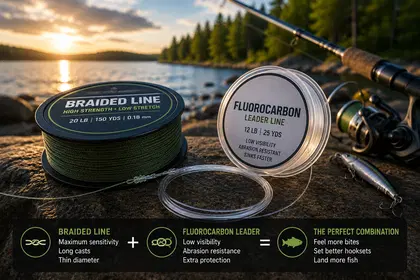
Fluorocarbon is often used as a leader line, paired with braided or mono main lines. This combination allows you to enjoy the benefits of both lines. The braid offers strength and sensitivity, while the fluorocarbon provides invisibility and abrasion resistance. It’s a versatile option that can enhance your chances of success on the water.
What braided line is#
Braided line is a popular choice among anglers, especially for those looking for strength and sensitivity. Made by weaving together multiple strands of synthetic fibers, this line offers a few distinct advantages that can enhance your fishing experience.
One of the standout features of braided line is its incredible strength-to-diameter ratio. This means you can use a thinner line while still maintaining high breaking strength. For example, a 30-pound braid can be significantly thinner than a mono or fluoro line of the same strength. This allows for better casting distance and less drag in the water.
Another key benefit of braided line is its sensitivity. Because it transmits vibrations well, you can feel even the lightest bites. This is particularly useful when fishing for species that are finicky or in clear water where bites can be subtle. With braided line, you might notice that you can detect nibbles that would go unnoticed with heavier monofilament.
Braided line also has minimal stretch. While this can be advantageous for setting hooks quickly and effectively, it’s important to be cautious. The lack of stretch means that if you’re not careful, you can pull hooks out of fish mouths more easily, especially with lighter tackle.
Durability is another perk. Braided line is resistant to abrasions, making it a good choice for fishing around rocks, logs, and other structure where your line might take a beating. However, be mindful of UV exposure, as prolonged sunlight can weaken the line over time.
When it comes to color, braided lines often come in a variety of hues and patterns. Some anglers prefer brightly colored lines for visibility, while others might opt for more natural tones to blend in with the water. The good news is that you can use a fluorocarbon or monofilament leader to make your setup less visible to fish.
Overall, braided line is a versatile option that can be used for various fishing techniques, from spinning to baitcasting. Whether you’re chasing bass in a local lake or targeting larger species in the ocean, it’s a solid choice that many anglers swear by.
Monofilament Fishing Line: Strengths and Weaknesses#
Monofilament fishing line is often the go-to choice for many anglers, especially those just starting out. Its versatility and ease of use make it appealing, but like anything, it has its pros and cons. Understanding these strengths and weaknesses can help you make informed decisions about when and how to use monofilament effectively in your fishing adventures. Let’s dive into what makes this line unique and why it might - or might not - be the right fit for your fishing needs.
When mono is the better choice#
Monofilament fishing line, often referred to as mono, has some unique strengths that make it a top choice for many anglers. One of the biggest advantages is its elasticity. This stretchiness can help absorb the shock when a fish takes the bait, reducing the risk of breaking your line - especially important when dealing with skittish fish or unexpected strikes.
If you’re just starting out, mono is also easier to handle and tie. It’s more forgiving when it comes to knots, which means fewer headaches while you’re on the water. The line tends to have a good memory, meaning it holds its shape well and can be spooled onto reels without much fuss. This is particularly helpful for beginners who want a straightforward setup.
Another area where mono shines is in its buoyancy. It floats, making it an excellent option for topwater fishing or when you want your bait to suspend just below the surface. This characteristic can be a game changer when targeting species that feed near the top, like bass or trout.
Mono fishing lines are also more affordable compared to their fluorocarbon and braided counterparts. If you’re just starting out and still figuring out what works best for you, using mono won’t break the bank. You can experiment with different techniques without worrying too much about your equipment costs.
Lastly, mono is generally more UV resistant than braid and less susceptible to damage from the sun’s rays. If you’re fishing in sunny conditions, this can help ensure your line lasts longer, saving you money in the long run.
In sum, if you’re looking for a versatile, beginner-friendly line that provides good shock absorption and ease of use, monofilament fishing line might just be your best bet.
Situations where mono falls short#
Monofilament fishing line is a favorite for many anglers, but it definitely has its downsides. Understanding where it falls short can help you make better choices for your fishing adventures.
One major issue with monofilament is its sensitivity. When you’re fishing in deeper waters or trying to detect subtle bites, mono can let you down. Its stretchiness means you might miss those light nibbles, especially when fishing for species like walleye or panfish. In these cases, a more sensitive line like fluorocarbon or braid might serve you better.
Another drawback is visibility. Mono tends to be more visible underwater, especially in clear conditions. If you’re fishing in waters where fish are skittish or pressured, this can be a real disadvantage. Switching to a low-visibility line, like fluorocarbon, can make a noticeable difference in your catch rates.
Durability is another area where monofilament might not shine. It can be more prone to abrasion and UV damage compared to braid or fluorocarbon. If you’re fishing in rocky areas or around heavy cover, mono might not hold up as well. This could lead to break-offs and lost lures, which can be frustrating.
Finally, monofilament can have issues with memory, especially if it’s not stored properly. This means it can retain the shape of the spool, leading to tangles and twists when you’re trying to cast. If you plan to use mono, be sure to spool it correctly and consider using line conditioner to reduce memory.
In the right situations, monofilament excels, but being aware of its shortcomings helps you make smarter choices for your fishing trips.
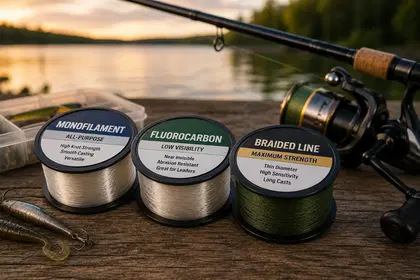
Fluorocarbon Fishing Line: Strengths and Weaknesses#
Fluorocarbon fishing line has gained popularity among anglers for its unique properties, but like any tackle choice, it comes with both advantages and drawbacks. Understanding these characteristics can help you determine when to use fluorocarbon over other types of line. Whether you’re fishing in clear waters where invisibility matters or dealing with abrasion-prone environments, knowing how fluorocarbon stacks up can enhance your fishing experience. Let’s dive into the strengths and weaknesses of this versatile line.
Why many anglers use fluoro leaders#
Fluorocarbon leaders are a popular choice among anglers for several good reasons. One of the biggest draws is their low visibility in water. Unlike monofilament or braided lines, fluorocarbon is designed to refract light similarly to water, making it much harder for fish to spot. This can be particularly beneficial in clear water where fish are more cautious.
Another advantage is the abrasion resistance that fluorocarbon provides. When you’re fishing in areas with rocks, weeds, or other snags, a fluorocarbon leader can withstand those abrasive surfaces better than other line types. This means you can confidently fish in tougher environments without worrying as much about your line breaking.
Fluoro leaders also have a higher density than monofilament, allowing them to sink faster. This property is useful when you’re targeting fish that are deeper in the water column. By using a fluoro leader, you can get your bait or lure down to where the fish are more quickly.
Despite these strengths, it’s worth mentioning that fluorocarbon can be stiffer and less manageable than mono, especially in colder conditions. This stiffness can make it a bit tricky to tie knots, so it’s important to practice your knot-tying skills before heading out.
Lastly, while fluorocarbon is often more expensive than monofilament, many anglers see it as a worthwhile investment for the benefits it brings. Overall, fluoro leaders can enhance your fishing experience, making them a favored choice for many on the water.
Braided Fishing Line: Strengths and Weaknesses#
When it comes to choosing a fishing line, braided line often stands out due to its unique characteristics. Known for its incredible strength-to-diameter ratio, it allows anglers to use thinner lines without sacrificing power. However, it’s not all sunshine and rainbows; braided line has its drawbacks too, such as its visibility in the water and lack of stretch. Understanding these strengths and weaknesses will help you decide if braided line is the right choice for your fishing adventures.
The advantages of near-zero stretch#
One of the standout features of braided fishing line is its near-zero stretch. This characteristic can really change the way you fish, especially when it comes to hooking and setting the hook on a catch. With little to no stretch, you get a direct connection to your lure or bait. This means that when you feel a bite, you can set the hook with confidence and precision.
Another benefit of this minimal stretch is increased sensitivity. Braided line transmits vibrations better than other types of line, allowing you to feel even the lightest nibbles. This is particularly helpful when you’re fishing for species that are known for being finicky. You’ll notice subtle movements on your line that might go undetected with monofilament or fluorocarbon.
The near-zero stretch also plays a big role in controlling your lure’s action. When you’re working a topwater bait or jig, every little twitch and pull translates directly through the line. This helps you present your bait more effectively, making it more appealing to fish.
Additionally, if you find yourself in a situation where you need to pull a fish away from cover - like rocks or submerged branches - braided line’s strength and lack of stretch give you an advantage. You can apply more pressure without worrying about the line giving way, which is crucial for successfully landing your catch.
Common drawbacks of braid#
While braided fishing line has many advantages, it’s not without its drawbacks. One of the most significant issues is its visibility. Braid tends to be much more visible in the water compared to monofilament and fluorocarbon lines. This can be a disadvantage, especially in clear water or when targeting finicky fish species that might shy away from anything that looks unnatural.
Another concern is that braid doesn’t stretch like mono or fluoro. This lack of stretch can be a double-edged sword. On one hand, it provides excellent sensitivity, allowing you to feel every nibble. On the other hand, it can lead to more missed hook sets, especially if you’re fishing with lighter tackle or targeting species that are known for their soft bites. Fish can simply spit out the hook before you even realize they’re on the line.
Braid is also notorious for its tendency to fray. When it comes into contact with rocks, sharp edges, or abrasive surfaces, the line can get damaged quickly. This means you’ll need to be more vigilant and check your line frequently for any signs of wear. If you notice any fraying, it’s better to re-tie or replace that section to avoid losing a fish.
Additionally, while braid is incredibly strong for its diameter, it can be prone to wind knots. These pesky tangles can happen during casting, especially if you’re using lighter lures or if there’s a breeze. Learning to cast with braid takes some practice, and you’ll want to be mindful of your line management to avoid these annoying snags.
Lastly, the price point can also be a drawback. Braid is typically more expensive than monofilament, which can be a consideration for budget-conscious anglers. If you’re just starting out or fishing occasionally, you might find that investing in a different line type is more cost-effective.
All these factors can make braid less appealing for some anglers, especially beginners. But understanding these drawbacks can help you make a more informed choice based on your fishing style and the conditions you typically encounter.
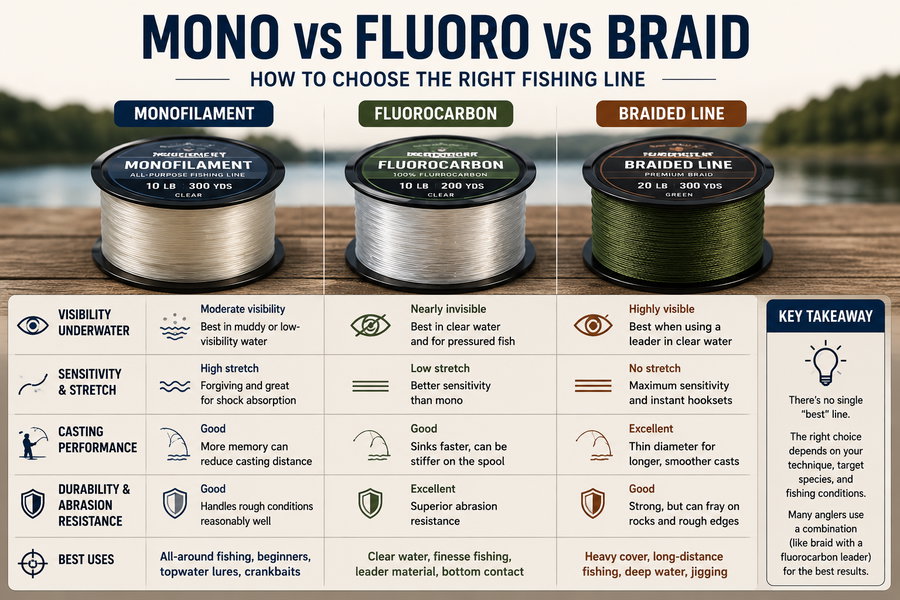
Mono vs Fluoro vs Braid: Side-by-Side Comparison#
When it comes to choosing the right fishing line, it can be overwhelming with all the options out there. Each type - monofilament, fluorocarbon, and braided line - has its own unique characteristics that make it suitable for different fishing scenarios. In this section, we’ll break down these three popular types of fishing line, highlighting their strengths and weaknesses to help you make an informed choice for your next fishing adventure.
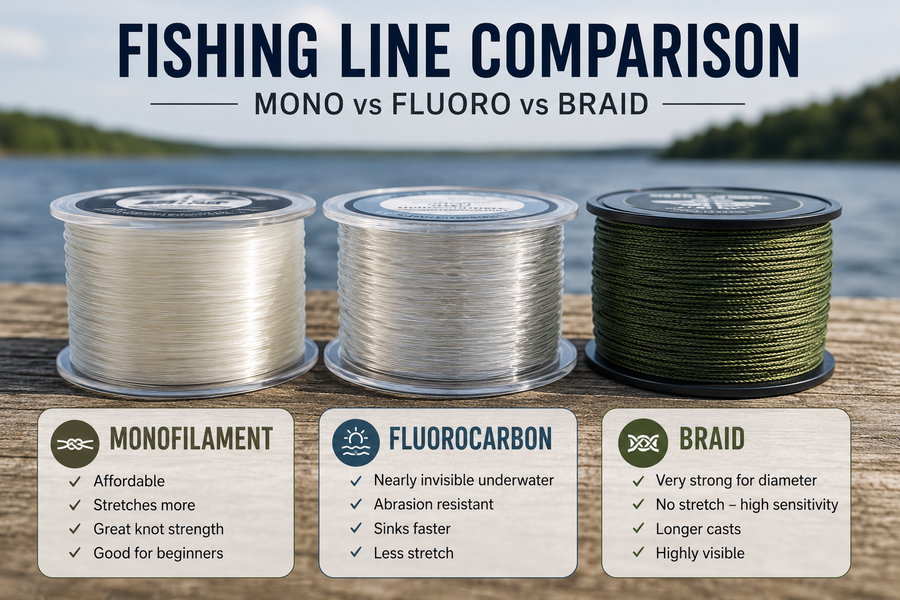
| Feature | Mono | Fluoro | Braid |
|---|---|---|---|
| Visibility | Medium | Low | High |
| Stretch | High | Medium | None |
| Sensitivity | Medium | High | Very High |
| Casting Distance | Good | Good | Excellent |
| Abrasion Resistance | Medium | High | Very High |
| Beginner Friendly | Excellent | Good | Moderate |
| Price | Low | Medium | High |
Visibility underwater#
When you’re out on the water, the visibility of your fishing line can make a big difference in your success. Different types of line behave differently underwater, which can affect how fish react to your presentation.
Monofilament line, or mono, is generally more visible in clear water. Its slight stretch and softer nature can make it stand out, especially against bright backgrounds. If you’re fishing in clear conditions or targeting skittish species, you might want to consider switching to a line that’s less visible.
Fluorocarbon line is designed specifically to be less visible underwater. It has a refractive index similar to water, which helps it blend in and become nearly invisible to fish. This makes it a popular choice for clear water situations or when fish are particularly wary. If you’re casting to fish that are easily spooked, fluorocarbon can give you an edge.
Braided line is the most visible of the three, especially in clear water. Its bright colors can be a disadvantage if fish are easily frightened. However, braided line has its own strengths, like incredible sensitivity and strength, which can sometimes outweigh its visibility issues. If you’re fishing in stained or murky water, the visibility of braid may not be as much of a concern.
Choosing the right line based on visibility is all about matching the conditions you’ll be fishing in. Pay attention to the clarity of the water and the behavior of the fish you’re targeting. This will help you decide whether to go with mono, fluoro, or braid for your next outing.
Sensitivity and hooksets#
When it comes to fishing, being in tune with what’s happening underwater is crucial. This is where sensitivity in fishing line plays a big role. Sensitivity refers to how well you can feel what’s happening at the end of your line, especially when a fish bites or if you’re dragging your bait across the bottom.
Monofilament line is generally the least sensitive of the three types. It has a bit of stretch, which can dampen your ability to feel subtle bites. This stretch can be a double-edged sword; it can help with hooksets on lighter bites, but it can also mean you miss those quick hits. If you’re using mono, it might be wise to pay closer attention to your line for any movement or changes.
Fluorocarbon line offers better sensitivity than mono. It has less stretch, allowing you to feel those subtle tugs and bites more easily. This can be particularly helpful when fishing for species that are known for soft bites, like bass or trout. With fluorocarbon, your hooksets are generally more effective since you can respond more quickly to the fish’s movement.
Braided line is the king of sensitivity. Its lack of stretch means you can feel even the faintest nibble, making it ideal for techniques that require quick hooksets, like jigging or when fishing deep structures. The direct connection to your lure allows you to react faster, which can lead to more successful hook-ups. However, be mindful that with its sensitivity comes the need for a good technique; if you’re not careful, you might pull the hook straight out of a fish’s mouth.
In summary, if you’re looking for sensitivity and quick hooksets, braid is the way to go. Fluorocarbon is a solid choice for a balance of sensitivity and versatility, while mono might be better for beginners who need a little forgiveness in their setup. Choosing the right line can make a big difference in how you connect with the fish!
Casting performance#
When it comes to casting performance, the type of fishing line you choose can make a big difference. Each line type - monofilament, fluorocarbon, and braided - has its own strengths and weaknesses that can affect how far and accurately you can cast.
Monofilament is often the go-to line for beginners. It’s flexible and has some stretch, which can absorb shock when a fish strikes. This stretch means that while it might not always be the farthest-casting option, it’s forgiving and easy to handle. Many anglers appreciate how it coils less and is straightforward to manage on spinning reels.
Fluorocarbon has become popular for its low visibility underwater and its sensitivity. It sinks faster than monofilament, making it a good choice for deep-water fishing. Because it’s less stretchy than mono, you might experience a more direct feel when casting. However, it can be a bit stiffer and harder to manage on the spool, especially if you’re using lighter weights.
Braided line is known for its incredible strength-to-diameter ratio. It casts like a dream and can go much farther than mono or fluoro. Since it doesn’t stretch, you’ll feel every nibble, which is fantastic for sensitivity. However, because it’s thinner and slicker, some beginners might struggle with backlash, especially on spinning gear. A good tip is to add a short leader of mono or fluorocarbon when using braid to help with casting and to provide some shock absorption.
In the end, the best choice for casting really depends on what you’re fishing for and where. If you’re looking for ease and simple handling, monofilament is your friend. For stealth and sensitivity, consider fluorocarbon. And if you want distance and strength, braid is the way to go.
Durability and abrasion resistance#
When choosing a fishing line, understanding its durability and how well it stands up to abrasion can make a big difference in your success on the water. Let’s break down how mono, fluoro, and braid stack up in this department.
Monofilament (Mono) is known for its flexibility and stretch. While it does offer decent durability, it’s not the best when it comes to abrasion resistance. If you’re fishing in areas with rocky bottoms or heavy cover, you might find mono wearing down more quickly. It’s great for general use, but if you’re targeting fish that are known for their sharp teeth or if you’re fishing around snags, you might want to be cautious.
Fluorocarbon (Fluoro) shines in the durability department. It’s denser and more resistant to abrasion than mono, making it a solid choice for tough conditions. If you’re fishing in rocky areas or around sharp structures, fluoro can hold up better against those rough edges. Plus, its invisibility underwater gives you an edge when fishing for more skittish species. However, it can be less forgiving when it comes to knot strength, so make sure you tie good knots to keep your connections secure.
Braided line (Braid) is the heavyweight champion of durability. It has a high tensile strength and is extremely resistant to abrasions. This means it can take a beating around rocks, logs, and other hazards without fraying or breaking easily. Braid is also thinner than mono and fluoro, allowing you to spool more line on your reel, which can be a big advantage when dealing with longer casts or deep-water fishing. However, keep in mind that braid has little stretch, so you’ll need to be careful when setting the hook, especially with lighter lures or in deeper water.
In the end, your choice will depend on where you’re fishing and what species you’re after. Each line type has its strengths and weaknesses, so consider your fishing environment and techniques when deciding which one to use.
Which Fishing Line Works Best for Different Species#
Choosing the right fishing line can make a significant difference in your success on the water, especially as different fish species have unique behaviors and habitats. Understanding how mono, fluoro, and braid lines perform in various conditions will help you match your tackle to the target species more effectively. Whether you’re after bass, trout, or saltwater fish, knowing which line works best for each situation can enhance your chances of landing that prized catch.
Trout and panfish#
When it comes to targeting trout and panfish, choosing the right fishing line can make a big difference in your success. Both species can be a bit finicky, so you want to ensure your setup helps you present your bait or lure in the most enticing way.
For trout, a lighter line is often a smart choice. Many anglers prefer using monofilament lines in the 4 to 8-pound test range. This gives you enough strength to handle a decent catch while keeping the line subtle enough not to scare the fish. Monofilament also provides some stretch, which can be helpful when trout take a quick run after biting.
If you’re fishing in clear water, consider using fluorocarbon line. It’s nearly invisible underwater and has a similar diameter to monofilament, but it sinks, making it great for fishing with jigs or bottom rigs. A 6 to 8-pound test fluorocarbon line can be perfect for tricking those wary trout.
When it comes to panfish, like bluegill and crappie, you can also stick with lighter lines. Monofilament works well here, too, especially in the 2 to 6-pound test range. It’s easy to handle and helps you cast small jigs or live bait effortlessly. Just like with trout, if you’re fishing in clear water, fluorocarbon can give you the edge you need.
Braid is another option, particularly for panfish if you’re fishing in heavy cover where you might need more strength. However, make sure to pair it with a fluorocarbon leader to reduce visibility. A 10-pound braid with a 4 to 6-pound fluorocarbon leader is a solid choice.
Ultimately, the line you choose can depend on the specific conditions you’re facing, but sticking to these guidelines will help you make better decisions for your next fishing trip.
Bass and walleye#
When it comes to targeting bass and walleye, choosing the right fishing line can really make a difference in your success on the water. Both species have different habits and habitats, so your line selection should reflect that.
For bass, many anglers prefer monofilament or braided line. Monofilament is great for those topwater lures and frogging setups because it has some stretch, which helps absorb the shock when a bass strikes. A typical line weight for bass fishing is around 10 to 20 pounds, depending on the cover you’re fishing in. If you’re working around heavy cover, like reeds or lily pads, a braided line in the 30 to 50-pound range is ideal since it has no stretch and can handle the tough fight a big bass can put up.
Walleye, on the other hand, often require a bit more finesse. Fluorocarbon line is a popular choice for walleye fishing because it’s virtually invisible underwater, which can be crucial when the fish are skittish. A lighter line, typically in the 8 to 12-pound test range, can work wonders, especially when jigging or using live bait. The sensitivity of fluorocarbon also helps you detect subtle bites, which is essential when targeting walleye.
If you’re planning to fish for both species in the same outing, consider bringing a couple of setups. Use a braided line for bass when you’re in thick cover, and switch to fluorocarbon when you’re targeting walleye in clearer water. This way, you can adapt to whatever conditions the day throws at you.
Catfish and saltwater fish#
When it comes to targeting catfish, you’ll want a fishing line that can handle their size and strength. Monofilament is often a solid choice for catfishing. It’s stretchy, which helps absorb the shock of a sudden pull, and it floats, making it easier to detect bites. A heavier test line, like 20 to 30-pound test, is recommended since catfish can grow quite large and put up a strong fight.
If you’re fishing in areas with heavy cover or around structures, consider using braided line. Braided line offers incredible strength for its diameter and has low stretch, which means you’ll feel every nibble. Plus, it’s much more abrasion-resistant, which is essential when dealing with rough terrain or sharp rocks. A 50 to 65-pound test braid will give you the durability you need.
For saltwater fish, your line choice can depend a lot on what you’re after. If you’re targeting inshore species like redfish or snook, monofilament can still work well, especially when you want to keep your bait near the surface. A 20 to 30-pound test line is usually adequate here, but you might want to switch to fluorocarbon leaders for better invisibility underwater.
When venturing into deeper waters or going after bigger saltwater species like tuna or marlin, braided line is the way to go. It’s strong, casts well, and has a small diameter that allows for long-distance casting. Using a 65 to 80-pound test braid can help you handle those big catches. Pair it with a fluorocarbon leader to reduce visibility and increase your chances of a bite.
In both cases, matching your line to the species and environment is key. Pay attention to the type of fishing you plan to do, and choose your line accordingly.
Common Fishing Line Mistakes Beginners Make#
When starting out in fishing, choosing the right line can feel overwhelming, and it’s easy to make some common mistakes along the way. Whether it’s using the wrong type of line for the species you’re targeting or neglecting to check for line wear and tear, these missteps can impact your success on the water. By understanding these pitfalls, you can enhance your fishing experience and increase your chances of reeling in that big catch. Let’s take a closer look at some of the most frequent mistakes newcomers make.
Using the wrong line for the technique#
Choosing the right fishing line for your technique can make a big difference in your success on the water. Many beginners make the mistake of not considering what type of line works best for their chosen fishing method, which can lead to frustration and lost fish.
First, think about the type of fishing you’re doing. Are you casting lures for bass, fishing bottom rigs for catfish, or maybe fly fishing for trout? Each technique benefits from different types of line. For example, braided line is great for techniques that require strength and sensitivity, like flipping heavy cover for bass. It’s thin, strong, and allows you to feel even the lightest bites.
On the other hand, if you’re fishing in clear water or using finesse techniques, fluorocarbon might be your best bet. It’s nearly invisible underwater and sinks well, making it perfect for those delicate presentations. It’s also more abrasion-resistant, which is key when fishing around rocks or heavy cover.
Monofilament line is often favored for its versatility and ease of use. It works well for spinning reels and can stretch, which helps absorb the shock of a fish strike. This makes it a good option for beginners who might not be ready to handle the sensitivity of braided line yet.
Take some time to learn about the strengths and weaknesses of each type of line, and match it to your fishing style. You’ll find that using the right line not only makes your fishing experience more enjoyable but also increases your chances of landing that big catch.
Ignoring line diameter#
One of the most common mistakes beginners make is overlooking line diameter. It might seem like a small detail, but it can have a big impact on your fishing success. Each type of fishing line - monofilament, fluorocarbon, and braided - comes in different diameters, and understanding how this affects your fishing can greatly improve your chances.
First off, the diameter of your line directly influences its strength. Thicker lines can handle larger fish, but they can also be more visible in the water, which might scare off wary fish. On the other hand, a thinner line is less visible but may not hold up as well against the weight of a big catch. For example, if you’re targeting bass in clear water, a thinner line - like 10-pound test - might be the way to go, while for heavy-duty saltwater fishing, you might need something thicker, like 20-pound test.
Another important factor is the type of lure or bait you’re using. Larger lures often require a thicker line to provide enough tension and strength during casting and retrieving. Conversely, if you’re using smaller lures or finesse techniques, a thinner line will allow for better action and a more natural presentation in the water.
Don’t forget about the reel and rod compatibility, either. Some reels and rods are designed to handle specific line diameters. Always check the manufacturer’s recommendations to ensure you’re using the right gear.
Finally, keep in mind that line diameter can affect casting distance. Thinner lines generally cast farther and more smoothly, which is particularly useful in situations where you’re trying to reach fish that are further away.
So, when you’re gearing up for your next fishing trip, take a moment to consider your line diameter. It might just make a world of difference in your fishing experience.
Which Fishing Line Should Most Anglers Start With#
Choosing the right fishing line can feel overwhelming, especially for beginners who are just starting out in the sport. With three main types - monofilament, fluorocarbon, and braided line - each with its own strengths and weaknesses, it’s essential to understand the basics to make an informed choice. This section will help you navigate the options and find the most suitable line for your fishing needs, ensuring a smoother and more enjoyable experience on the water.
In the end, choosing the right fishing line really comes down to understanding your own needs and fishing style. Monofilament is a great starting point for beginners, offering flexibility and ease of use. Fluorocarbon is the stealthy choice for clear waters and wary fish, while braided line shines when you need strength and sensitivity. Remember, there’s no one-size-fits-all answer - what works for one angler might not work for another.
As you venture out on the water, keep experimenting with different lines and pay attention to how they perform with your gear and fishing conditions. Mistakes are part of the learning process, so don’t be afraid to test the waters - pun intended! With a bit of experience, you’ll find the perfect line that suits your fishing adventures. Happy fishing!