
Affiliate disclosure: As an Amazon Associate, we may earn from qualifying purchases made via links on this page - at no extra cost to you. See our Affiliate Disclosure.
When you first dip your toes into the world of fishing, it can feel like you’re navigating a maze - especially when it comes to selecting the right gear. One of the most essential yet often overlooked components is the fishing hook. It may seem small and simple, but the right hook can make all the difference between a day full of excitement and a long, uneventful wait.
In this guide, we’ll break down the various sizes and types of fishing hooks, helping you understand when to use each one without drowning in technical jargon. Whether you’re aiming for bass, trout, or that elusive big catch, knowing your hooks will help you reel in your prize. So, grab your tackle box and let’s untangle the mysteries of fishing hooks together, one laugh and tip at a time!
Why Fishing Hooks Matter More Than Most Anglers Realize#
When it comes to fishing, many anglers might think that the rod, reel, or bait are the most important elements of a successful outing. However, the truth is that the fishing hook plays a crucial role in your overall success. The right hook can make the difference between landing a big catch and going home empty-handed. Understanding the various sizes and types of hooks, as well as when to use each, can greatly enhance your fishing experience and improve your chances on the water.
How hook choice affects hookups and landing rates#
Choosing the right hook isn’t just about catching fish; it’s about increasing your chances of actually landing them. The way a hook is designed can significantly impact how well it holds onto a fish once it’s bitten. A good hook can mean the difference between reeling in a prize catch or watching it swim away.
First, let’s talk about size. A hook that’s too big can scare off fish, while one that’s too small might not set properly in their mouths. For instance, if you’re targeting panfish like bluegill, a smaller hook, say size 8 or 10, is ideal. On the other hand, if you’re going after larger species like bass, you might want to use a size 2 or 4 hook. Understanding the right size for your target species is crucial for a successful outing.
Next, consider the hook type. There are different shapes and styles designed for specific techniques and fish types. For example, a circle hook is great for catch-and-release fishing because it tends to hook the fish in the corner of the mouth, making it easier to remove. If you’re using live bait, a J-hook is more common since it allows for a more aggressive set when the fish takes the bait. Knowing when to use each type can significantly affect your hookup rates.
Additionally, think about the material. Most hooks are made from steel, but the thickness and coating can vary. A stronger hook can withstand the fight of larger fish, while a lighter wire hook might work better for smaller species. If you’re fishing in heavy cover, a sturdy hook is essential to avoid bending or breaking.
Lastly, the way you rig your hook also matters. Ensure your bait is properly secured so it doesn’t come off when the fish takes the bait. A well-rigged hook can increase your chances of a solid hookset and ultimately lead to more fish in your cooler or on your stringer.
Common beginner mistakes when selecting hooks#
When you’re just starting out, choosing the right fishing hook can feel overwhelming. Many beginners make a few common mistakes that could easily be avoided with a little knowledge. Let’s dive into some of these pitfalls to help you make better choices.
First off, size matters. A frequent error is selecting hooks that are either too big or too small for the fish you’re targeting. If your hook is too large, the fish might shy away from your bait. Conversely, a hook that’s too small may not hold the fish properly, causing it to escape. Pay attention to the size recommendations for the species you’re after, and don’t hesitate to consult local bait shops or fishing guides.
Another mistake is overlooking the type of hook. Different fishing scenarios call for different hook styles. For example, if you’re using live bait, a circle hook can be more effective because it’s designed to hook fish in the corner of the mouth, reducing the chance of gut hooking. Beginners often stick to a single type of hook, but experimenting with different styles can significantly improve your success.
Many new anglers also underestimate the importance of the hook’s strength. Using a hook that can’t handle the weight of the fish you’re targeting could lead to lost catches. Always consider the fishing environment - if you’re fishing in heavy cover or targeting larger species, opt for stronger hooks.
Lastly, don’t forget about the material. Hooks made from high-carbon steel are sharper and more durable, but they can also rust if not cared for properly. Stainless steel hooks are corrosion-resistant but might be less sharp. Understanding the materials can help you choose the right hook for your fishing conditions and make sure it lasts.
Being mindful of these common mistakes can set you on the path to becoming a more successful angler. Take a little time to learn about hooks, and you’ll see a significant improvement in your fishing adventures.
Understanding Fishing Hook Sizes#
When it comes to fishing, choosing the right hook size can make all the difference in your success on the water. Hooks come in a variety of sizes, each designed for specific types of fish and fishing techniques. Understanding these sizes helps you match your hook to your bait and target species, increasing your chances of a good catch. In this section, we’ll break down what hook sizes mean and how to select the ideal one for your fishing adventures.
Why hook sizing numbers seem backwards#
If you’re new to fishing, you might notice that hook sizes can seem a little counterintuitive at first. The numbering system for fishing hooks actually works in a way that can be confusing. You might expect that larger numbers mean larger hooks, but that’s not the case.
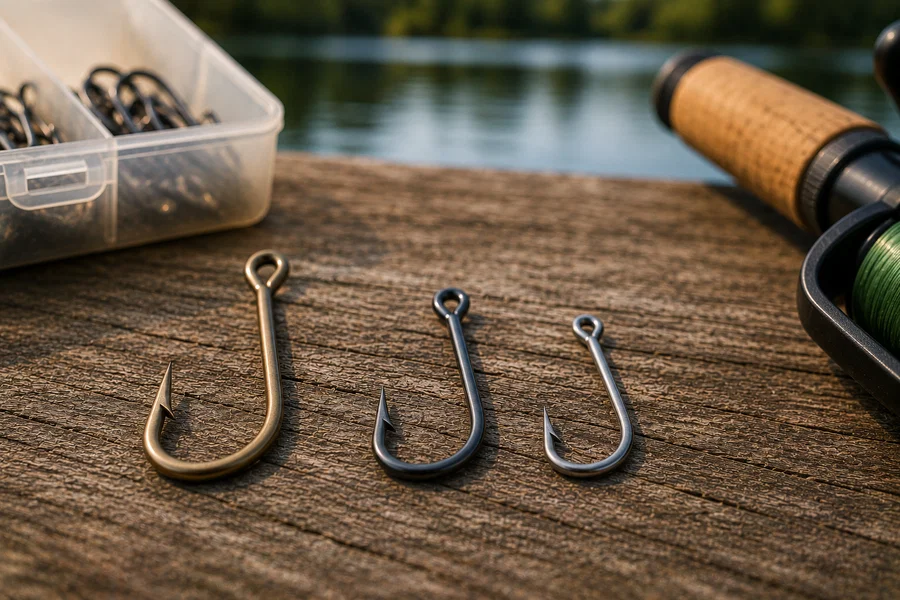
In fishing hooks, the size numbers often go in the opposite direction. A size 1 hook, for instance, is larger than a size 10 hook. As the numbers increase, the hooks get smaller. It’s a trend that can trip up even seasoned anglers when they’re trying to pick the right hook for their bait or target fish.
This system originated because of the way hooks were made many years ago. Early hook manufacturers created hooks by hand, and as they got smaller, they simply added more numbers to denote the decrease in size. Because of this history, we now have a sizing system that can feel a bit backwards.
When you’re shopping for hooks, keep this in mind. If you’re unsure, it’s a good idea to compare the hooks side by side. Most packaging will show the actual size of the hook, so you can visualize what you’re getting. You’ll quickly get the hang of it, and before long, you’ll be picking the right sizes without a second thought.
Small hooks vs large hooks explained#
When it comes to fishing, the size of your hook can make a big difference in what you catch. Small hooks are generally used for smaller fish, while larger hooks cater to bigger species. Understanding when to use each can help you be more successful on the water.
Small hooks, often sizes 10 to 14, are great for targeting panfish like bluegill or crappie. These fish have small mouths, so a smaller hook allows for better hook sets without scaring them away. Plus, smaller hooks are perfect for using live bait like worms or minnows, where you want the bait to look natural.
On the other hand, large hooks, usually sizes 1/0 to 6/0, are designed for bigger fish like bass or catfish. These fish tend to have larger mouths and are more aggressive, so a bigger hook can handle their bites and the weight of the fish. Larger hooks also work well with bigger baits, such as chunks of cut bait or larger live offerings.
It’s important to match your hook size to the fish you’re after. If you’re using a hook that’s too small, you risk not being able to set the hook properly. Conversely, a hook that’s too large can lead to missed bites or fish that won’t take the bait at all.
So, before you head out, consider what species you’re targeting and choose your hook size accordingly. It’s a simple step that can lead to more successful fishing trips.
Matching hook size to bait and fish species#
Choosing the right hook size is crucial for a successful fishing trip. The size of your hook should match both the bait you’re using and the type of fish you’re targeting. If you’re after smaller fish like bluegill or perch, a smaller hook, around size 8 to 12, is often the best choice. These fish have smaller mouths, so a hook that’s too big will be a tough sell.
For larger species, like bass or pike, you’ll want to use a bigger hook, typically size 2 to 4. Bigger hooks can hold larger bait, which is necessary for attracting these more aggressive fish. If you’re using live bait, like minnows, make sure the hook is not only large enough to hold the bait securely but also small enough to fit into the fish’s mouth.
When using artificial lures, the hook size still matters. A larger lure often calls for a larger hook, while smaller lures should be paired with smaller hooks. This balance ensures that when a fish bites, it can easily get hooked.
Consider the type of bait as well. If you’re using worms or smaller baitfish, a hook size that’s too big can make it hard for the fish to take the bait. Conversely, if you’re using larger bait like a chunk of cut bait for catfish, you’ll need a sturdier, larger hook.
Always check the packaging of your bait for recommendations on hook size, and don’t hesitate to talk to local anglers or staff at your local tackle shop for advice on what works best in your area. By matching your hook size to the bait and fish species, you increase your chances of making a successful catch.
The Most Common Types of Fishing Hooks#
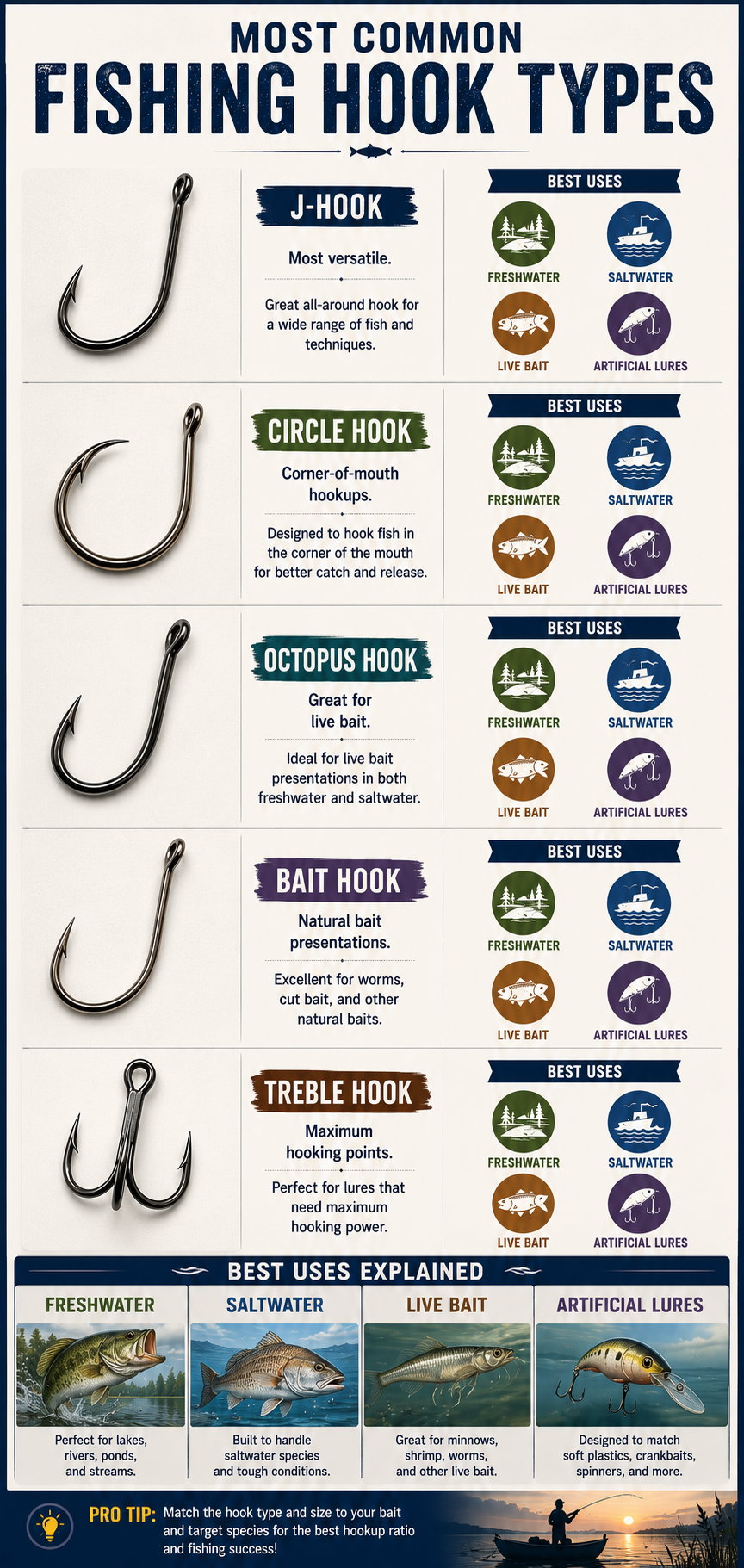
When it comes to fishing, choosing the right hook is essential for success. With so many types available, each designed for specific scenarios and species, it can be overwhelming for beginners. Understanding the most common types of fishing hooks will help you make informed choices, ensuring that you’re better prepared for your next trip out on the water. Let’s explore these hook types, their unique features, and when you might want to use each one.
J-hooks#
J-hooks are perhaps the most familiar type of fishing hook, and for good reason. Their simple design consists of a straight shank that curves into a pointed tip, resembling the letter “J.” This shape makes them incredibly versatile and easy to use, which is why they’re a staple in every angler’s tackle box.
When it comes to fishing techniques, J-hooks work well for a variety of species. Whether you’re targeting bass, catfish, or trout, these hooks can handle it all. They’re great for live bait, such as worms or minnows, as well as artificial lures. Just remember to match the size of the hook to the size of your bait for the best results.
One of the key benefits of J-hooks is their effectiveness when it comes to hook sets. When a fish strikes, you’ll want to give a quick, firm tug to set the hook. The J-shape allows the hook to penetrate the fish’s mouth easily, ensuring a solid catch. However, it’s important to be mindful of the size of the hook in relation to the fish you’re targeting. Using a hook that’s too big may scare fish away, while one that’s too small might not hold securely.
A tip for beginners: when rigging a J-hook with live bait, thread the bait onto the hook so that the point is exposed. This maximizes your chances of a successful hook set since the fish won’t have to work too hard to get the bait into its mouth.
Overall, J-hooks are a dependable choice for beginners and seasoned anglers alike. Their ease of use and versatility make them a go-to option for countless fishing scenarios.
Circle hooks#
Circle hooks are a favorite among many anglers, especially when it comes to catch-and-release fishing. Their unique shape - curved with a sharpened point that faces inward - helps ensure that fish are hooked in the corner of the mouth. This not only makes it easier to remove the hook but also reduces damage to the fish, increasing their chances of survival.
One of the great things about circle hooks is how they work. When a fish takes the bait and swims away, the hook naturally slides into the corner of their mouth. This means you don’t need to set the hook with a swift jerk. Instead, just start reeling in steadily, and you’ll feel the fish on the line. This is particularly useful for beginners who might struggle with the timing of a traditional hook set.
When to use circle hooks? They shine in saltwater fishing, especially for species like catfish, striped bass, and tarpon. They’re also popular in bottom fishing, where you might be targeting larger fish. Just remember to match the hook size to the fish you’re after. Larger hooks can be intimidating, but they’re often necessary for bigger species.
For bait, circle hooks work well with live bait like shrimp, minnows, or cut bait. Just thread the bait onto the hook, ensuring it’s securely attached but not so tightly that it restricts movement. This allows the bait to swim freely, attracting fish while you wait patiently.
Overall, circle hooks are a solid choice for beginners and seasoned anglers alike. They provide a reliable way to catch fish while being considerate of the fish’s well-being.
Treble hooks#
Treble hooks are a favorite among many anglers due to their unique design. Unlike single hooks, a treble hook has three points arranged in a cluster. This design increases your chances of snagging a fish, especially when they are nibbling or striking quickly.
You’ll often see treble hooks on lures, such as crankbaits and jerkbaits. They’re great for species like bass, pike, and trout, which tend to strike aggressively. If you’re using a lure that moves erratically through the water, treble hooks can really help in hooking those fish that are just too quick for a single hook.
One thing to keep in mind is that treble hooks can be tricky when it comes to removing them from fish. With multiple points, they can easily get lodged in the fish’s mouth, so having a pair of needle-nose pliers handy is a good idea. Also, be mindful of the barbs - some states have regulations about using barbless hooks to help with catch and release.
When you’re selecting a treble hook, consider the size for the type of fish you’re targeting. Larger hooks work well for bigger species, while smaller hooks can be effective for panfish. It’s all about matching your hook size to your bait and your target fish.
Lastly, if you’re planning to fish in areas with lots of underwater structure, be cautious. Treble hooks can snag on rocks and weeds, making it easier to lose your lure. A good rule of thumb is to use them where you’re less likely to encounter snags, allowing you to maximize your chances of landing that big catch!
Octopus and Bait Hooks#
Octopus hooks are a favorite among many anglers, especially for catching saltwater species like snapper and grouper. These hooks have a unique curved shape that helps secure bait effectively. The design allows for better hook sets, as the curve helps the hook penetrate the fish’s mouth more easily when it bites.
When using octopus hooks, it’s best to match the size of the hook to the size of the bait. For smaller bait, like a piece of shrimp, a smaller hook (around size 2 to 4) works well, while larger baits, such as a whole squid or big chunks of fish, may require a hook in the 5/0 to 8/0 range. Remember, a properly sized hook not only helps catch fish but also minimizes injury to the fish if you plan to release it.
Bait hooks, on the other hand, are designed specifically for holding bait securely. They often come with a wide gap and a straight shank, making it easier to thread various types of bait onto them. This style is great for fishing with natural bait like worms, minnows, or cut-up fish. When using bait hooks, you can use a technique called “threading,” where you push the hook through the bait multiple times. This keeps the bait in place and ensures that it stays on the hook while casting.
For both types of hooks, think about the fishing conditions. If you’re fishing in areas with a lot of snags, like rocky bottoms, consider using hooks made from stronger materials or those with a little more weight. This will help in keeping your bait on the hook and reducing the chances of losing it to underwater structures.
Ultimately, octopus and bait hooks are versatile tools in any angler’s tackle box. With a little practice, you’ll find the right size and style that works for your fishing adventures.
Choosing the Right Hook for Live Bait#
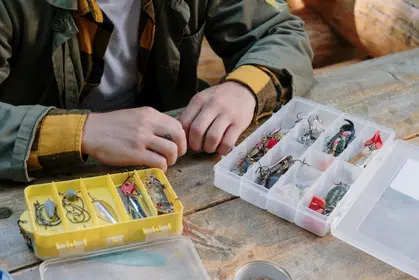
When it comes to fishing with live bait, selecting the right hook is crucial for both your success and the health of your bait. Live bait can range from small worms to larger minnows, and each type requires a specific hook size and style to ensure a secure hold without causing too much harm. Understanding the nuances of hook selection will not only enhance your chances of attracting the fish you’re after but also help you make the most out of your bait, keeping it lively and effective for longer. Let’s dive into how to choose the perfect hook for your live bait.
Minnows and small baitfish#
When it comes to fishing with minnows or small baitfish, selecting the right hook is essential for both your success and the well-being of your bait. A hook that’s too large can easily tear through a delicate minnow, while one that’s too small might not provide a secure hold when you’re trying to catch a fish.
For minnows, a size 6 to 10 hook typically does the trick. These hooks are small enough to present a natural look while being strong enough to hold your bait securely. If you’re using larger minnows, you might want to step up to a size 4 or 5. Keep in mind that the goal is to keep your bait lively and tempting to predators, so avoid using hooks that overpower them.
When rigging your minnow, consider using a simple method like the “through the back” technique. This involves inserting the hook through the back of the minnow just below the dorsal fin. This positioning keeps the bait active and allows it to swim naturally, which is what you want to attract fish.
Another popular method is the “lip hook.” For this, you insert the hook through the lip of the minnow. This technique can be particularly effective if you’re targeting species that prefer to strike at baitfish with a quick, aggressive motion.
Regardless of the rigging method you choose, make sure to check your bait often. If the minnow looks sluggish or starts to die, replace it with a fresh one. Healthy bait is your best bet for enticing a big catch!
Worms and Soft Natural Baits#
When it comes to fishing with worms or other soft natural baits, selecting the right hook can make all the difference in your success. The key is to choose a hook that’s appropriately sized for the bait and the fish you’re targeting.
For worms, a smaller hook is often best. A size 6 to 10 hook, like a baitholder or a circle hook, works well. These hooks have enough gap to securely hold the worm while allowing it to wiggle enticingly in the water. If you’re using larger worms, like nightcrawlers, you might bump up to a size 4 or 2 hook. Just be sure that the hook point is exposed enough to catch the fish but not so large that it overpowers the bait.
When threading a worm onto the hook, start by inserting the hook through the thickest part of the worm, usually near the head. This helps keep the worm securely on the hook as you fish. If your bait is wiggly and lively, it will attract more attention from fish. You can also use multiple worms on one hook if you want to create a bulkier presentation, especially in murky waters where visibility is low.
For other soft natural baits, like minnows or leeches, a slightly larger hook might be necessary. A size 4 to 1/0 hook is often ideal. When hooking a minnow, try to go through the back or the upper lip to keep it swimming naturally. For leeches, you can pierce them through the body, allowing them to move freely and attract fish.
Remember to check your bait periodically. If it’s looking worn or damaged, replace it to ensure you’re always presenting a lively offering. The goal is to mimic the natural movement of these baits to entice hungry fish, so a well-presented bait is essential for a successful fishing trip.
Large live bait presentations#
When you’re fishing with large live bait, choosing the right hook can make a big difference in your success. Large baits, like hefty minnows, small shad, or chunks of cut bait, require hooks that can handle their size and weight. A hook that’s too small can easily bend or break, leaving you frustrated and fishless.
For large live bait, you’ll typically want to use a circle hook or a J-hook in sizes ranging from 3/0 to 8/0. Circle hooks are great because they’re designed to hook fish in the corner of the mouth, which reduces the chance of deep hooking and makes for easier catch and release. J-hooks, on the other hand, can provide a more secure hold but require a bit of skill to set properly.
When rigging your bait, make sure to thread the hook through the most meaty part of the bait without piercing through too much, as this will keep the bait lively and attractive to fish. For instance, with a minnow, you might hook it through the upper lip or just behind the dorsal fin. This allows the bait to swim naturally, which is key when you’re trying to entice larger predators.
Consider the type of fish you’re targeting as well. For species like catfish or stripers, a sturdy hook is essential since these fish can put up a strong fight. If you’re targeting saltwater species, you might opt for hooks that are corrosion-resistant, like those made from stainless steel or coated varieties.
Lastly, don’t forget about the weight of your setup. When using large live bait, you’ll often need a heavier sinker to keep the bait at the desired depth and to ensure it reaches the fish. Just make sure your line and tackle can handle the extra weight without becoming a liability.
Best Hooks for Artificial Lures#
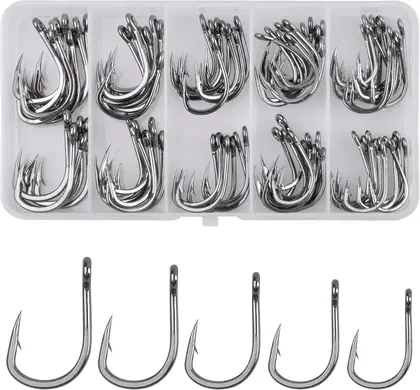
When it comes to fishing with artificial lures, choosing the right hook can make all the difference in your success on the water. The right hook not only secures your catch but also enhances the action of your lure, making it more enticing to fish. Understanding the various types of hooks designed for artificial lures, along with their unique features, will help you make informed decisions and improve your fishing experience. Let’s delve into the best options available and when to use them.
Soft plastics#
When it comes to fishing with soft plastics, choosing the right hook can make all the difference. Soft plastics are versatile and can imitate a variety of baitfish, insects, and other natural prey, so your hook selection should complement their movement and action in the water.
A popular choice for soft plastics is the worm hook. These hooks have a wider gap and a slight curve, making them perfect for Texas rigs or Carolina rigs. The design allows the soft plastic to sit naturally while providing a strong hold when a fish bites. Aim for hooks in the 3/0 to 5/0 range for most standard-sized soft plastics.
Another great option is the offset shank hook. This style helps keep your plastic bait from sliding down the hook, ensuring that it stays in place during casting and retrieval. It’s particularly effective with creature baits and larger worms. Use a hook size similar to what you’d choose for a worm hook, depending on the size of your bait.
When fishing with soft plastics, consider the finesse hook for lighter presentations. These hooks are thinner and can be ideal for small soft baits like finesse worms or smaller creature baits. They allow for a more natural feel, which can be critical on pressured waters where fish are more discerning.
Lastly, don’t overlook the importance of the hook’s gauge. A lighter gauge is often better for soft plastics, as it reduces the chance of tearing your bait. This is especially true for more delicate baits like flukes or certain types of grubs. A good rule of thumb is to match your hook size to your bait size for the best performance.
By choosing the right hook for your soft plastics, you’ll not only improve your chances of catching fish but also enhance your overall fishing experience. Remember, experimenting with different types and sizes can help you find what works best in your local waters.
Hard baits and crankbaits#
When you’re using hard baits like crankbaits, choosing the right hook is vital for success. These baits are designed to mimic the movement of fish, and the hooks you use should complement their action. Generally, two types of hooks work well: treble hooks and single hooks.
Treble hooks are a popular choice for crankbaits. They have three sharp points, which increases your chances of hooking a fish when it strikes. Most crankbaits come with treble hooks already attached, but you can always replace them with higher-quality ones if needed. Look for hooks that are strong and sharp, as they will help you land fish without bending or breaking.
If you’re looking for a more streamlined approach, consider using single hooks. These can be beneficial when you’re targeting fish that are more cautious or if you’re fishing in areas with lots of snags. Single hooks reduce the chances of getting caught on underwater structures. Opt for a strong, wide-gap single hook to ensure good hook sets and to keep your bait working effectively.
When selecting the hook size for your hard baits, think about the size of the bait itself and the species you’re targeting. A good rule of thumb is to match the hook size to the bait. For smaller crankbaits, you might use size 6 or 8 hooks, while larger ones might require size 2 or 4.
Remember, the goal is to have a hook that allows your bait to move freely while still being effective in catching fish. Take some time to experiment with different hooks and see what works best for you. Each fishing situation can be unique, so don’t hesitate to tweak your setup as you learn what the fish are responding to.
Topwater lures#
Topwater lures are exciting tools for fishing, designed to float on the water’s surface and create a commotion that attracts fish. Choosing the right hook for these lures is crucial for maximizing your chances of a catch.
Generally, you’ll want to use treble hooks for most topwater lures. These hooks have three points, which increase your chances of hooking a fish when it strikes. They work particularly well with poppers and walking baits, where the action can provoke aggressive bites. A standard size for treble hooks on topwater lures is typically between 2 and 4, depending on the size of the lure and the fish species you’re targeting.
If you’re using a larger topwater lure, like a big frog or a wake bait, consider using a single hook instead. Single hooks are less likely to snag on weeds and other underwater structures, making them great for fishing in heavy cover. A wide-gap hook is ideal for these applications, as it allows for better hook sets and minimizes the chances of the fish throwing the hook.
When rigging your topwater lures, make sure the hook is positioned to allow for a natural action in the water. For treble hooks, attach them to the designated eyelets on the lure. If you’re using a single hook, position it so that it sits slightly rearward, allowing it to catch fish that strike from behind.
Remember to check your hooks regularly for any signs of wear or damage. A dull or bent hook can lead to missed opportunities. Keeping your tackle organized and your hooks sharp can make all the difference in a successful day out on the water.
Freshwater vs Saltwater Hooks#
When it comes to fishing, selecting the right hook is crucial, and this choice often hinges on whether you’re in freshwater or saltwater. Each environment presents unique challenges and target species, which means the hooks designed for them vary significantly in size, shape, and material. Understanding these differences can help you maximize your chances of a successful catch, whether you’re casting a line in a serene lake or battling the waves at the ocean’s edge. Let’s break down what makes each type of hook special and when to use them.
Corrosion resistance differences#
When you’re out fishing, the last thing you want is for your hooks to rust away before you even catch a fish. This is where corrosion resistance comes into play, and it varies quite a bit between freshwater and saltwater hooks.
Freshwater hooks are typically made from materials that are more suited for lakes, rivers, and streams. They generally don’t need to withstand the harsh conditions that saltwater brings. However, even freshwater can have elements that cause rust, so opting for hooks with a good coating or made from stainless steel can help prolong their life.
Saltwater hooks, on the other hand, face a much tougher battle against corrosion. The salt in the ocean can quickly eat away at metal if the hooks aren’t designed to handle it. That’s why saltwater hooks are often made from specialized materials, like higher-grade stainless steel or are coated with anti-corrosive finishes. These hooks are built to resist the harsh effects of salt and will last much longer when you’re out battling the big ones in the ocean.
If you find yourself fishing in both environments, consider having a selection of hooks specifically made for each type of water. This way, you’re always ready, and you won’t be left with rusty hooks when you need them most.
When specialty saltwater hooks are necessary#
When you’re fishing in saltwater, using the right hook can make all the difference. Saltwater fish are often larger and more powerful than their freshwater counterparts, so regular hooks just won’t cut it. Specialty saltwater hooks are designed to handle these tough conditions and the strong fish that come with them.
One key reason to use specialty hooks is their corrosion resistance. Saltwater can quickly eat away at regular hooks, making them less effective and potentially dangerous if they break. Saltwater hooks are typically made from materials like stainless steel or other rust-resistant alloys, allowing you to fish longer without worrying about hook failure.
Another factor is the design of the hook itself. Saltwater hooks often have features like a thicker gauge wire and a sharper point. These characteristics help them withstand the heavy line tension and the fierce fight of saltwater fish. For instance, if you’re targeting species like tarpon or tuna, a sturdy hook is essential to prevent bending or straightening out during the battle.
Certain types of saltwater hooks are also tailored for specific fishing techniques. J-hooks are commonly used for bottom fishing, while circle hooks are popular for catch-and-release practices, as they tend to hook fish in the corner of the mouth, minimizing injury. If you’re using live bait or trying to catch larger species, you might want to consider a treble hook for better holding power.
Ultimately, having the right saltwater hooks in your tackle box can enhance your fishing experience. It’s all about matching the hook to the type of fish you’re after and the conditions you’ll face. Knowing when to use specialty saltwater hooks can lead to more successful catches and a whole lot more fun on the water.
Hook Features That Make a Difference#
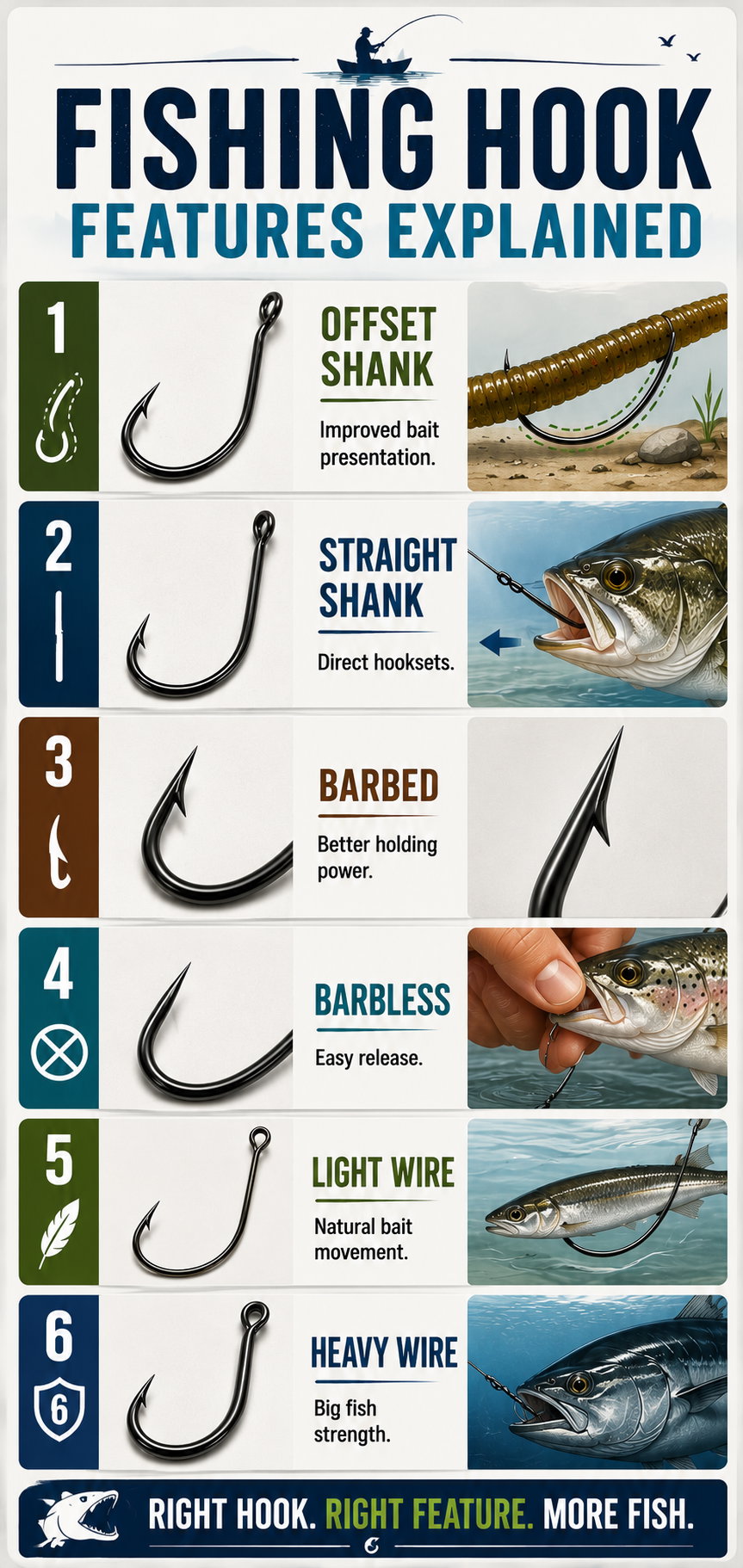
When it comes to fishing, the right hook can make all the difference in your success on the water. Understanding the various features of hooks - like shape, material, and point design - can help you choose the best one for the type of fish you’re targeting and the technique you’re using. Each of these features plays a role in how effectively a hook will perform, so let’s dive into what you need to know to enhance your fishing experience.
Offset vs Straight Shank Designs#
When it comes to fishing hooks, the shape of the shank can greatly influence your success on the water. Two popular designs are the offset shank and the straight shank, and each has its own set of advantages depending on what you’re fishing for.
Offset Shank Hooks Offset shank hooks have a bend that sets the hook point at an angle. This design helps the hook penetrate the fish’s mouth more easily, especially when using soft plastics. They’re particularly effective for bass fishing. The angle helps keep the hook in place and can improve your hookup ratio. If you’re using baits that require a weedless presentation, offset hooks can also help reduce snagging.
When rigging an offset hook, it’s important to thread your bait properly to maintain the hook’s angle. This ensures that the point remains exposed and ready to catch the fish. Offset hooks are great for situations where you need a little extra grip, like when you’re fishing in heavy cover.
Straight Shank Hooks On the other hand, straight shank hooks have a more traditional look with a linear shank. These hooks are often favored for techniques requiring precise hook sets, such as when using jigs or live bait. Because of their design, straight shank hooks can provide a more direct connection to the fish, which can be crucial for quick hook sets.
Straight shank hooks work well with a variety of baits, including worms and minnows. They’re also less likely to turn in the fish’s mouth, which can be beneficial when you’re trying to catch species that tend to spit the bait out quickly.
When choosing between offset and straight shank hooks, consider what you’ll be fishing for and the type of bait you’ll be using. Each design has its strengths and can help you land more fish when used in the right situation.
Barbed vs Barbless Hooks#
When it comes to choosing between barbed and barbless hooks, understanding the differences can really help you make the right decision for your fishing trip.
Barbed hooks are the traditional choice for many anglers. They have small, pointed barbs on the shank that help keep the fish from shaking free once hooked. This is especially useful when you’re trying to land larger fish that can put up a fight. The barbs grip the fish’s mouth, making it less likely that they’ll escape. However, this can also make it harder to release them unharmed, which is something to consider if you practice catch and release.
On the other hand, barbless hooks are becoming increasingly popular for those who want to minimize injury to the fish. Without the barb, these hooks can be easier to remove, which is great for quickly releasing fish back into the water. This is especially important when you’re fishing in catch-and-release areas or targeting species that are under conservation measures. Barbless hooks can also snag less on underwater structures, making them a wise choice in rocky or snag-prone areas.
Both types of hooks have their place in your tackle box. If you’re just starting out, you might want to experiment with both. Try using barbed hooks for your first few trips to help secure your catch and build your confidence. As you gain experience, you can switch to barbless hooks if you’re looking to fish more responsibly or if you find you enjoy quick releases. Remember, it’s all about what works best for you and the kind of fishing you’re doing!
Wire thickness and hook strength#
When you’re choosing a fishing hook, wire thickness plays a crucial role in determining how strong and effective your hook will be. Thicker wire generally means a stronger hook, which is essential for catching larger fish. If you’re planning to target species like bass or pike, opting for hooks with a heavier gauge can make all the difference. These hooks are built to handle the fight and weight of bigger fish, reducing the chance of bending or breaking.
On the other hand, if you’re after smaller fish species like panfish or trout, a lighter wire hook is often sufficient. These hooks are easier for the fish to swallow and can enhance your catch rate since they can be less noticeable. It’s a balance - you want a hook that’s strong enough for the fish you’re targeting but light enough that it won’t deter them from biting.
Another consideration is the type of fishing you’re doing. For freshwater fishing in rivers or lakes, a medium-thickness wire hook might be just right. But for saltwater fishing, where fish tend to be bigger and tougher, thicker wire hooks are often necessary to withstand the harsher conditions.
Ultimately, think about the fish you want to catch and the environment you’re fishing in. Choosing the right wire thickness and hook strength is a simple yet vital step to ensure your fishing success.
Common Fishing Hook Mistakes#
When it comes to fishing, even the smallest details can make a significant difference in your success on the water. Choosing the right hook is essential, but beginners often stumble into some common pitfalls that can lead to frustration. Whether it’s using the wrong size or type of hook for your target species, or failing to properly set the hook when you feel that bite, these mistakes can derail an otherwise promising fishing trip. Let’s explore some of these common errors and how to avoid them, so you can reel in that big catch with confidence.
Using hooks that are too large#
One common mistake beginners make is choosing hooks that are too large for the fish they’re targeting. It might seem like a bigger hook will catch bigger fish, but that’s not always the case. Large hooks can deter fish from biting, especially smaller species that you might be after.
When you use a hook that’s too big, you risk missing bites. Fish have small mouths, and a hook that’s oversized can be intimidating. It can also make it harder to hook the fish when it bites. Instead of focusing on the size of the hook, pay attention to the size of the bait you’re using and the type of fish you want to catch.
For instance, if you’re fishing for panfish like bluegill or crappie, a smaller hook - like a size 8 or 10 - will work much better. These fish are notorious for nibbling at bait and can easily get spooked by a large hook. If you’re after something bigger, like bass, you might opt for a size 2 or 4, but still, ensure that the hook matches the bait size.
A good rule of thumb is to match your hook to the bait. If you’re using small worms or minnows, stick to smaller hooks. If you’re using larger lures or baits, then you can scale up a bit. Finding the right balance will help you increase your chances of success on the water.
Choosing the wrong style for the bait#
When it comes to fishing, the bait you choose is just as important as the hook you use. One common mistake is selecting a hook style that doesn’t match the type of bait you have. For example, if you’re using worms, you’ll want a hook that can hold them securely without tearing them apart. A standard bait hook or a circle hook works well for this purpose.
On the flip side, if you’re using lures or artificial baits, a treble hook might be a better choice. This type of hook has three prongs, which increases your chances of snagging a fish when they strike. However, remember that using a treble hook with a large, bulky lure can be overkill, and you might miss bites if the fish is cautious.
It’s also worth noting that the size of the hook should correlate with the size of the bait. Using a large hook with small bait can make it hard for fish to bite down, while a tiny hook with large bait won’t be effective either. A good rule of thumb is to match your hook size to your bait size; if your bait is the size of your thumb, a hook that’s around the size of your pinky nail is a good starting point.
Consider the species of fish you’re targeting as well. Certain fish are more likely to take specific types of bait. For instance, if you’re after panfish, small hooks with live bait like crickets or small minnows will do the trick. On the other hand, when fishing for larger species such as bass, you might opt for a sturdier hook that can handle the fight.
Ultimately, understanding the relationship between your hook style and your bait type is crucial. Taking the time to match them correctly can make your fishing experience much more successful and enjoyable.
Ignoring hook sharpness#
One of the most common mistakes anglers make is overlooking the sharpness of their fishing hooks. A hook that’s dull won’t penetrate the fish’s mouth effectively, which can lead to missed catches. You might think it’s minor, but having a sharp hook can make the difference between a successful day on the water and going home empty-handed.
Before you head out, take a moment to check your hooks. Gently run your finger along the point. If it feels smooth or you can’t feel a distinct point, it’s time for a touch-up. You can sharpen hooks using a small file or a specialized hook sharpener. Just a few strokes on the point and the barbs can revive a worn-out hook.
If you’re using new hooks, don’t assume they’re sharp enough. Some manufacturers leave hooks a little dull. Always give them a quick check and sharpen if necessary. It’s a simple task that can save you a lot of frustration later.
Lastly, remember that even sharp hooks can lose their edge after repeated use, especially when fishing in rocky areas or around heavy cover. Make it a habit to inspect your hooks regularly throughout the day and resharpen or replace them as needed. Keeping your hooks sharp is a small but essential part of being a successful angler.
Building a Simple Hook Collection for Everyday Fishing#
Having the right hooks on hand can make a big difference in your fishing success, especially if you’re just starting out. A well-rounded collection doesn’t need to be overwhelming; it should include a few essential sizes and types that cater to the fish you’re most likely to encounter. In this section, we’ll explore the basic hooks you should consider adding to your tackle box, making it easier for you to adapt to various fishing situations without breaking the bank.
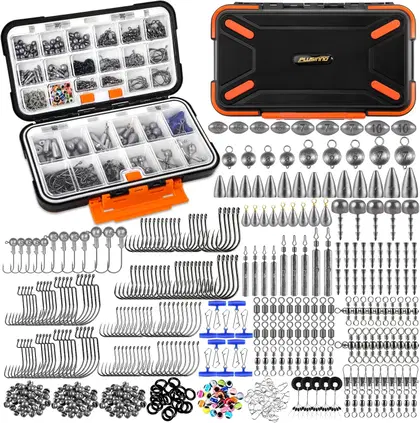
Which Fishing Hooks Should Most Beginners Buy First#
When starting your fishing journey, selecting the right hooks can feel overwhelming with so many options available. However, it’s essential to focus on a few basic types that will cover a variety of fishing situations. By choosing a handful of reliable hooks, you’ll be well-equipped to tackle different species and techniques, making your experience more enjoyable as you learn the ropes. Let’s simplify the process and explore which hooks are best for beginners.
In wrapping up this fishing hooks guide, remember that the right hook can make all the difference between a perfect catch and an empty line. By understanding sizes, types, and their specific uses, you’re well on your way to becoming a more effective angler. Whether you’re targeting freshwater bass or salty sea creatures, having a diverse hook collection tailored to your needs is key. Don’t sweat the small stuff - learning what works best will come with practice (and maybe a few fish tales). So, next time you’re out on the water, take a moment to appreciate the humble hook; it might just be your best fishing companion. Happy angling!