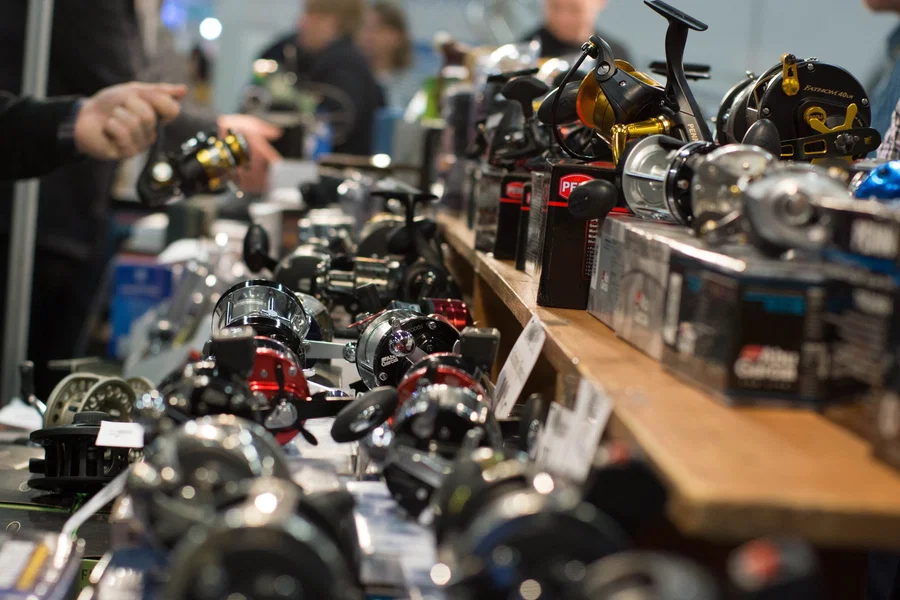
If you’ve ever found yourself standing in a fishing aisle, staring at rows of rods, reels, and an array of hooks, you’re not alone. Choosing the right fishing gear can feel like trying to decipher an ancient language, complete with its own set of terms and jargon. But fear not! This guide is designed to help you navigate the waters of fishing equipment without the headache.
Whether you’re dreaming of reeling in your first big catch or simply looking to enjoy a peaceful day by the water, understanding the basics of rods, reels, lines, hooks, and essential tools is your first step. We’ll break down each component in a way that’s easy to grasp, so you can spend less time scratching your head and more time casting your line. So grab a comfortable seat and maybe a snack - let’s dive into the world of fishing gear and get you hooked on the right equipment!
What Fishing Gear Do Beginners Actually Need?#
Getting started in fishing can be exciting yet overwhelming, especially with all the gear options available. As a beginner, it’s important to focus on the essentials that will help you learn the basics without breaking the bank. The right equipment can make your fishing experience enjoyable and effective, allowing you to connect with nature and hopefully reel in some fish along the way. Let’s break down what you truly need to embark on your fishing journey.
The basic starter setup#
When you’re just dipping your toes into the world of fishing, it’s easy to feel overwhelmed by all the gear options. But don’t worry! A basic setup doesn’t have to be complicated or expensive. Here’s what you really need to get started.
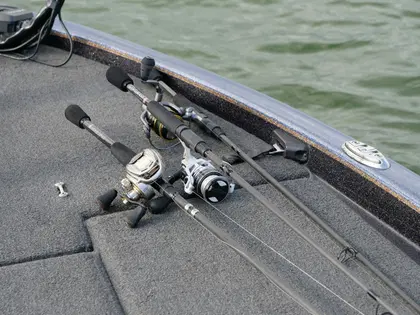
Fishing Rod: Look for a medium-action spinning rod, around 6 to 7 feet long. This length is manageable for beginners and offers enough versatility for various fishing conditions. A medium action rod can handle different species and baits, making it a great choice as you start exploring.
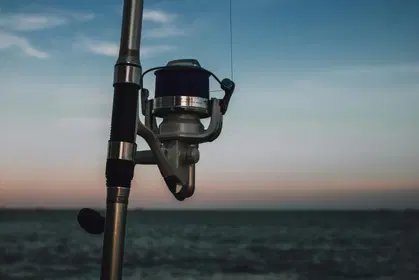
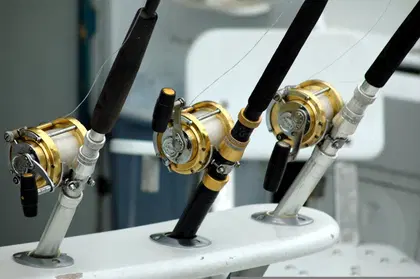
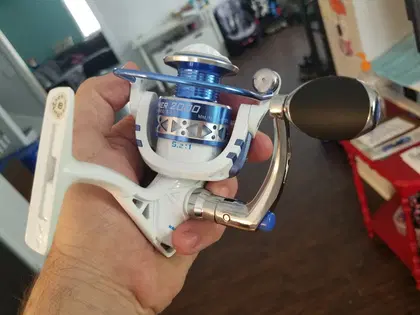
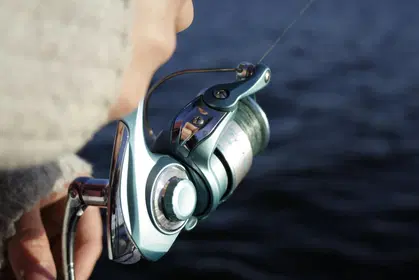
Fishing Reel: Pair your rod with a spinning reel that matches its size. Choose something in the 2500 to 3000 series for freshwater fishing. Spinning reels are user-friendly, perfect for beginners, and allow for smooth casting. Make sure it has a good drag system, which helps when you hook a fish and need to let line out.
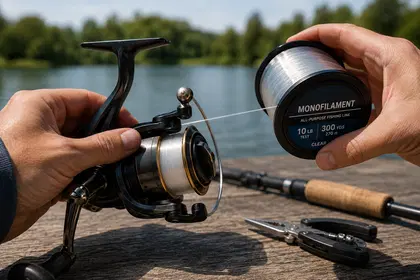
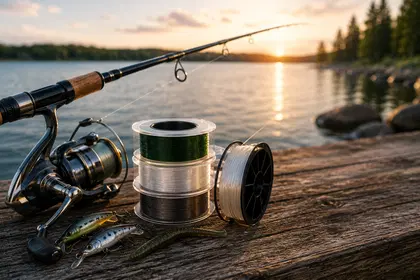
Fishing Line: For beginners, a monofilament line with a 6 to 10-pound test is a solid choice. It’s affordable, easy to manage, and provides a bit of stretch, which can help with hook sets. You can always upgrade to braided line later on, but starting with monofilament keeps things simple.
Hooks: A variety pack of hooks is a good starting point. Look for sizes ranging from 6 to 10, which work well for smaller freshwater fish. As you gain experience, you can experiment with different hook styles tailored to specific fish species.
Bait: Live bait such as worms or minnows can be incredibly effective, especially for beginners. They’re easy to find and can attract a range of fish. If you prefer artificial lures, start with a few basic options like spinners or plastic worms. These can be versatile and are often easier to manage.
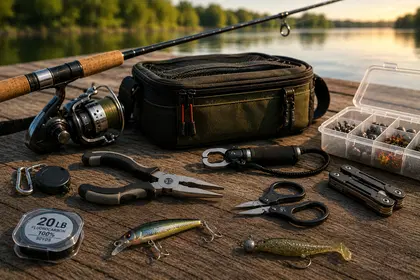
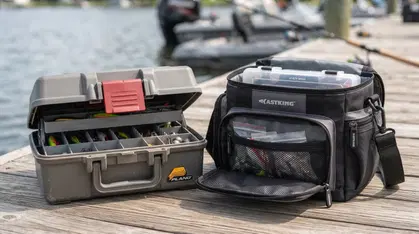
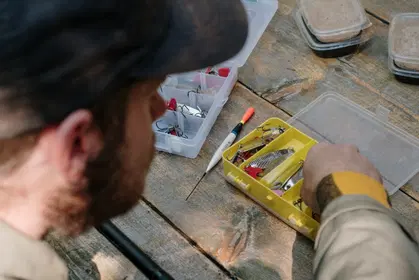
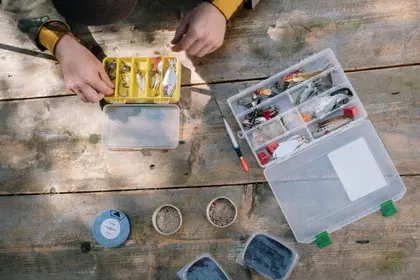
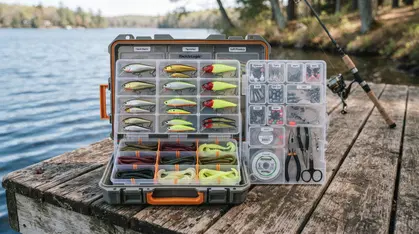
Tackle Box: A simple tackle box helps keep your gear organized. You don’t need a huge one; just something that can hold your hooks, weights, and a few lures. Keeping your essentials in one place will make your fishing trips much smoother.
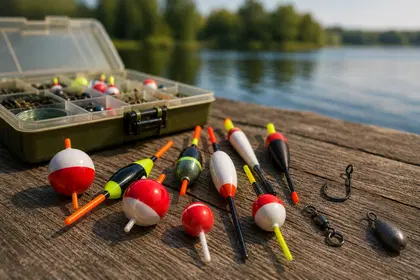
Pliers and Bobbers: A pair of needle-nose pliers is a handy tool for removing hooks and dealing with line tangles. Bobbers can help you keep track of your bait while also indicating when a fish is biting. They’re especially good for beginners, as they make it easier to see when you have a catch on the line.
With this basic gear, you’ll be well-equipped to start your fishing journey. Remember, practice makes perfect, so don’t be afraid to experiment and learn as you go!
What can wait until later#
When you’re just starting out in fishing, it’s easy to feel overwhelmed by the sheer amount of gear available. Many items that seasoned anglers swear by aren’t immediately necessary for beginners. Let’s break down what can wait until you’re more comfortable with the basics.
Extras for Comfort While a comfortable chair or a fancy cooler might sound appealing, these aren’t must-haves for your first few trips. You can fish just fine sitting on a rock or the bank. As for your drinks and snacks, a basic backpack or tote will do the job. Save the deluxe gear for when you’re sure this is a hobby you want to dive deeper into.
High-End Rods and Reels Many anglers rave about high-end gear, but a beginner doesn’t need to invest in the most expensive rod or reel right away. You can catch plenty of fish with a decent entry-level combo. As you gain experience, you’ll learn what type of rod and reel best suit your style, and then you can upgrade based on your preferences.
Specialty Tackle Specialty tackle - like specific lures for certain species or advanced rigs - can wait until you’re more familiar with fishing techniques and your local waters. Start with a few basic lures and a handful of terminal tackle, like sinkers and bobbers. Experimenting with various types can come later as you discover what works best for you.
Fish Finders and Gadgets While fish finders and other gadgets are nifty tools, they are not essential for a beginner. Learning to read water and observe your surroundings is more beneficial at this stage. With practice, you’ll develop a sense of where fish are likely to be. If you find yourself getting serious about fishing later on, then you can consider adding tech to your toolkit.
Advanced Fishing Apparel Investing in fishing-specific clothing and gear can be tempting, but you can start with what you already own. Comfortable, weather-appropriate clothing is key. A wide-brimmed hat and sunglasses can protect you from the sun, but specialized fishing shirts and pants are not crucial initially.
As you progress in your fishing journey, you’ll have a much clearer idea of what gear enhances your experience. For now, focus on the essentials and enjoy the learning process without the extra distractions.
Fishing Rods: The Backbone of Your Setup#
When it comes to fishing, your rod is your first line of defense against whatever the water throws your way. It’s not just a stick; it’s a carefully designed tool that can make or break your fishing experience. Whether you’re casting in freshwater lakes or battling the waves of the ocean, choosing the right rod is essential for both comfort and effectiveness. In this section, we’ll explore the different types of rods available and how to select one that suits your fishing style and needs.
Rod length#
When it comes to fishing rods, length plays a significant role in how you fish and what you catch. The right length can enhance your casting distance, control, and even the type of fish you target. Generally, rods range from about 5 to 12 feet, and each length suits different situations.
For beginners, a 6 to 7-foot rod is a solid choice. This length provides a nice balance between casting distance and accuracy. You can use it for various fishing styles, whether you’re casting in freshwater lakes or rivers. A shorter rod, around 5 to 6 feet, is great for close-quarters fishing, like flipping your lure into tight spots near structures or under overhanging trees.
On the other hand, if you’re fishing from a boat or in open waters, a longer rod can give you an advantage. A 7 to 9-foot rod helps with longer casts and better line control, especially when you’re trying to reach fish that are farther out. However, keep in mind that longer rods can be a bit less maneuverable, so they might not be the best for all situations.
Also, consider the type of fish you’re after. If you’re targeting larger species that fight hard, a longer rod can help you get better leverage. But if you’re aiming for smaller fish, a shorter rod can provide more sensitivity and control, making it easier to feel bites.
Ultimately, the best rod length for you will depend on your fishing style and the environments you frequent. Spend some time figuring out what feels comfortable in your hands, and don’t hesitate to ask fellow anglers for their recommendations based on your local fishing spots.
Power and action#
When it comes to fishing rods, understanding power and action is essential for choosing the right one for your needs. Let’s break these concepts down in a simple way.
Power refers to the rod’s strength or stiffness. It ranges from ultra-light to heavy. An ultra-light rod is great for small fish like panfish, while a heavy rod is better suited for bigger species like bass or pike. If you’re just starting out, think about what type of fish you want to catch most often. This will help you determine the right power for your rod.
Action, on the other hand, describes how much of the rod bends when pressure is applied. A fast action rod bends mostly at the tip, providing quick responsiveness. This is ideal for techniques like jigging or casting lures. A slower action rod bends closer to the handle, which can give you a more forgiving feel, making it easier to catch fish that are nibbling lightly.
For beginners, a medium power with a moderate action rod is often a great choice. It offers a good balance that works well for various fishing styles and conditions. As you gain experience, you can start to experiment with different powers and actions to fine-tune your setup based on what feels right for you.
When selecting a rod, keep in mind the type of fishing you’ll be doing. If you’re planning on fishing in heavy cover, a heavier power rod would give you the muscle to pull fish out without getting snagged. Conversely, if you’re fishing in open water with light tackle, a lighter rod will enhance your sensitivity and improve your chances of feeling those light bites.
Remember, choosing the right power and action is about matching your rod to your fishing environment and the species you’re targeting. Take your time, ask questions at your local tackle shop, and don’t hesitate to try out a few different rods before committing to one.
Spinning rods vs casting rods#
When it comes to fishing rods, spinning rods and casting rods are the two main types you’ll encounter. Understanding the differences can help you choose the right one for your fishing style and target species.
Spinning rods are often easier for beginners to handle. They have a simple design with guides that are located underneath the rod. This makes casting a breeze, as you don’t have to worry about the line getting tangled. They’re great for lighter lures and bait, making them perfect for catching panfish, trout, or even bass in smaller waters. Just hold the rod at a slight angle, flick your wrist, and you’re good to go.
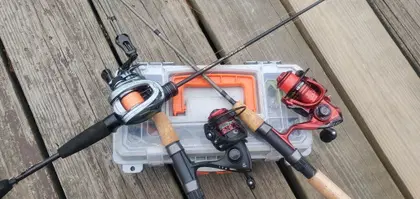
On the other hand, casting rods require a bit more skill but offer greater control and accuracy. These rods are designed for baitcasting reels, which sit on top of the rod. This setup allows for longer casts and better precision, especially when using heavier lures. Casting rods are often preferred by anglers targeting larger species like pike or bass in deeper waters. If you’re comfortable with your casting technique, you’ll find that these rods can really enhance your fishing experience.
Choosing between the two often comes down to personal preference and what kind of fishing you plan to do. If you’re just starting out, a spinning rod might be your best bet. It’s versatile and forgiving, allowing you to learn the basics without feeling overwhelmed. Once you gain some confidence, you might want to experiment with a casting rod to see if it suits your style better. Both options have their merits, so it’s worth trying both to find what feels right for you.
Fishing Reels: Spinning, Baitcasting, and What Makes Sense First#
When it comes to fishing, the reel you choose can significantly impact your experience on the water. Spinning reels are often recommended for beginners due to their ease of use and versatility, while baitcasting reels offer more control for those ready to take their skills to the next level. Understanding the differences between these types of reels will help you make an informed decision, ensuring you’re well-equipped for your fishing adventures. Let’s dive into what each type has to offer and which might be the best fit for you as you start your journey.
Why spinning reels are usually easier#
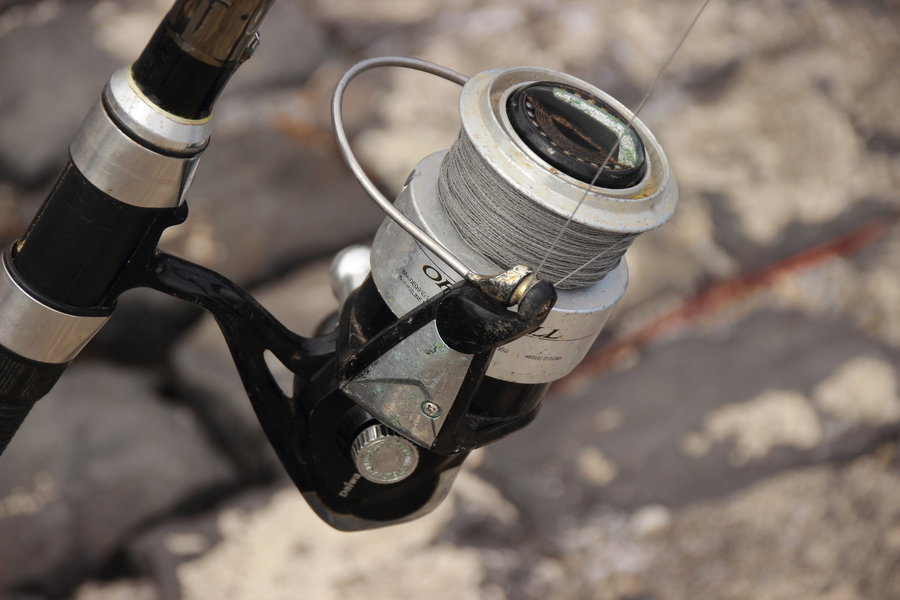
Spinning reels are often the go-to choice for beginners, and it’s easy to see why. For one, they’re incredibly user-friendly. The design allows you to cast your line with minimal effort. Just open the bail, hold the line with your finger, and flick your wrist. Simple, right?
Another perk is the versatility. Spinning reels can handle a wide range of fishing techniques, from casting lightweight lures to using heavier baits. This flexibility means you don’t have to buy multiple setups right away. One spinning reel can cover everything from small ponds to larger lakes.
One of the best features of spinning reels is their ability to lay line evenly on the spool. This helps reduce tangles and twists, which can be a real hassle, especially for beginners. When you’re just starting out, the last thing you want is to spend more time untangling your gear than actually fishing.
Additionally, spinning reels are forgiving. If you accidentally cast too hard, the line will usually come off the spool smoothly without backlash, a common pitfall with baitcasting reels. This can give new anglers a lot more confidence while they’re learning the ropes.
Finally, spinning reels tend to be lighter and easier to handle. When you’re out there for hours, a lighter setup can make a big difference in your comfort level. You can focus on enjoying the experience rather than getting tired from heavy gear.
All in all, if you’re just starting to dip your toes into fishing, a spinning reel is a solid choice. It’s approachable, versatile, and lets you enjoy the thrill of fishing without getting bogged down by complicated mechanics.
When baitcasting reels make sense#
Baitcasting reels can be a fantastic choice once you’ve gained some experience with fishing. They offer precision and control that can really enhance your angling experience. However, they might not be the best option for everyone right out of the gate.
If you find yourself targeting larger species, baitcasting reels shine in these situations. They allow you to use heavier line and lures, which are often necessary when fishing for bass, pike, or other robust fish. The gear ratio in baitcasters also gives you more power to reel in big catches efficiently.
Another scenario where baitcasting reels come into play is when you’re fishing in heavy cover. If you’re navigating through thick weeds or submerged structures, the accuracy of a baitcaster helps you place your lure right where it needs to be. This can mean the difference between a successful day on the water and frustration.
Additionally, if you’re interested in techniques like flipping or pitching, baitcasting reels are often preferred. These methods require precision casting, and baitcasters allow for better control over the distance and placement of your lure.
That said, using a baitcaster requires some practice. They have a bit of a learning curve, especially when it comes to managing backlash - a common issue for beginners. If you’re willing to put in the time to master it, the rewards can be gratifying.
Reel sizes explained simply#
When you’re diving into the world of fishing reels, understanding sizes can feel a bit overwhelming at first. But don’t worry! It’s easier than it seems. Reel sizes are typically designated by a number, and this number usually indicates how much line the reel can hold, as well as its general strength.
For example, a smaller reel size, like 1000 or 2000, is often ideal for light freshwater fishing. Think of targeting panfish or small trout. These reels are lightweight and easy to manage, making them perfect for beginners who are just getting the hang of casting and reeling in a catch.
As you move up in size - say, to a 3000 or 4000 reel - you’ll find that these are better suited for larger freshwater species or even smaller saltwater fish. This is where you’ll start needing a bit more line capacity and drag power, which helps in battling bigger fish.
Going even larger, reels in the 5000 to 8000 range are designed for more serious saltwater fishing. These reels can hold a lot more line and feature stronger materials to withstand the tough conditions often found in ocean fishing. If you’re planning to target big game fish like tuna or marlin, this is the size range you’d want to consider.
When choosing a reel, it’s important to match it with the type of rod you’re using and the fish species you’re targeting. A well-balanced setup will make your fishing experience more enjoyable and effective. As a beginner, starting with a medium-sized reel (around 2500 to 3000) can cover a wide range of fishing situations, giving you versatility as you learn and grow your skills.
Remember, the right reel size improves the handling of your setup and enhances your overall fishing experience, so choose wisely based on your plans and the fish you’re after.
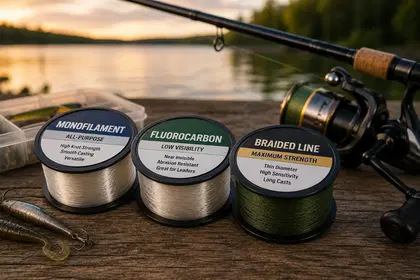
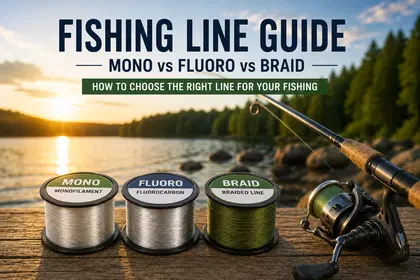
Fishing Line: Mono, Fluoro, Braid Without the Headache#
Choosing the right fishing line can feel overwhelming with so many options available. Each type - monofilament, fluorocarbon, and braided line - offers unique benefits depending on the fishing conditions and techniques you’re using. Understanding the differences can help you make a more informed choice, ensuring that your setup is both effective and enjoyable. Let’s break down these popular lines, making the decision a little easier for you.
Monofilament#
Monofilament fishing line is often the go-to choice for beginners, and for good reason. It’s easy to find, affordable, and versatile. Made from a single strand of nylon, monofilament is somewhat stretchy, which can be an advantage when fighting fish. This elasticity helps absorb sudden tugs and jolts, reducing the chances of breaking your line.
One of the best features of monofilament is its buoyancy. It floats, making it ideal for topwater lures and presentations. If you’re planning to fish on the surface, monofilament is your friend. It also comes in a variety of colors, allowing you to pick one that matches your fishing environment.
When it comes to diameter, monofilament lines range from ultra-light options suitable for panfish to heavier lines that can handle larger species. A common choice for general freshwater fishing is a 10- to 12-pound test line. This strength is sufficient for most freshwater species, like bass and trout.
Another perk of monofilament is its manageability. It’s less likely to tangle than braided line, making it easier to cast and retrieve. If you’re learning to cast, this line can help minimize frustration as you get the hang of it.
However, remember that monofilament does have its drawbacks. It can absorb water over time, which slightly weakens its strength, and it’s more susceptible to UV damage compared to fluorocarbon or braided lines. That said, if you keep your gear stored properly and replace your line regularly, you’ll find monofilament to be a reliable option.
So, whether you’re planning a casual weekend trip or your first fishing adventure, monofilament line is a solid choice that won’t steer you wrong.
Fluorocarbon#
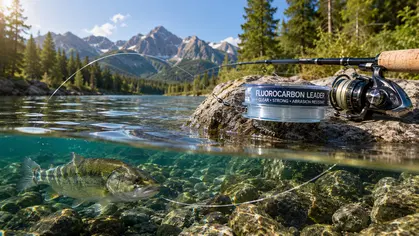
Fluorocarbon fishing line is a favorite among many anglers, and for good reason. One of its standout features is its invisibility underwater. This can be a game-changer when fish are particularly wary. The line refracts light similarly to water, making it hard for fish to see, which can help you land more catches.
Another great benefit is its sensitivity. Fluorocarbon transmits vibrations very well, allowing you to feel even the slightest nibble. This sensitivity can be crucial when fishing for species that might be shy or hesitant to bite.
When it comes to abrasion resistance, fluorocarbon shines. It’s tough enough to withstand rough surfaces, like rocky bottoms or snags in submerged trees. This durability means fewer break-offs, which can save you both time and money in the long run.
However, there are a few things to keep in mind. Fluorocarbon can be stiffer compared to monofilament, which might make it a bit tricky to handle for beginners. This stiffness can lead to more twists and tangles, especially if you’re not used to it. Consider using a good line conditioner to help maintain flexibility and ease of casting.
Another point to remember is that fluorocarbon tends to sink. This can be an advantage if you’re fishing deep or using techniques like bottom fishing, but it might not be ideal for topwater presentations. Understanding how your line behaves in the water can elevate your fishing game.
Lastly, when spooling your reel with fluorocarbon, take your time. It’s best to fill your spool properly to avoid line memory issues later. You want your line to unwind smoothly without coils that can cause snags or tangles.
In summary, fluorocarbon is an excellent choice for many fishing scenarios thanks to its invisibility, sensitivity, and toughness. Just be mindful of its characteristics, and you’ll be set for some successful fishing trips.
Braided line#
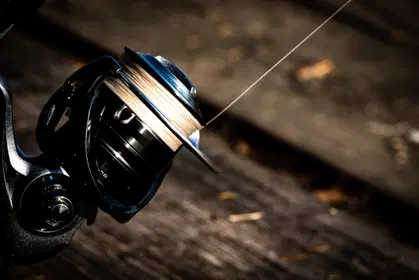
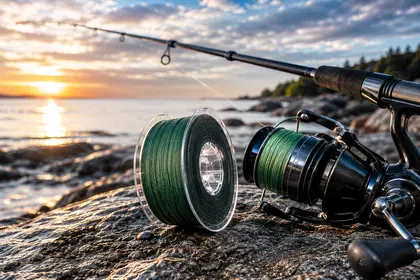
Braided line is a favorite among many anglers for good reason. It’s known for its strength and sensitivity, making it an excellent choice for various fishing conditions. Unlike monofilament or fluorocarbon lines, braided line is made from multiple strands of fiber woven together. This construction gives it impressive tensile strength while maintaining a small diameter.
One of the biggest advantages of braided line is its sensitivity. You can feel even the lightest nibble, which is crucial for detecting bites, especially when fishing for species that are known for their subtle strikes. This sensitivity can help you respond quickly and increase your chances of landing a fish.
Another perk? Braided line has minimal stretch. This means when you set the hook, you’ll have a more immediate connection with the fish. It’s particularly useful when you’re targeting larger species that may take off running, as the lack of stretch allows for a more effective hook set.
When it comes to visibility, braided line typically comes in bright colors. This can be a double-edged sword: while it helps you see the line and track it more easily, fish may be more wary of the visible line in clear water. Some anglers opt to use a fluorocarbon leader to help reduce visibility while still benefiting from the strength of the braid.
Remember, braided line can be a little tricky to handle if you’re new to fishing. It can be more difficult to tie knots because it’s slick and doesn’t grip as well as other types. Spend some time practicing your knots before you hit the water. A double uni knot or a Palomar knot are both strong choices for securing your hooks or lures.
Lastly, keep in mind that braided line doesn’t sink; it floats. This factor can affect your lure presentation, especially if you’re fishing deep waters. If you’re targeting species that dwell near the bottom, consider using a weighted lure or incorporating a leader line to help get your bait down where the fish are.
With these tips in mind, you’ll find that braided line can be a powerful tool in your fishing arsenal. It might take some getting used to, but once you do, you’ll appreciate the performance it brings to your fishing experience.
Hooks, Sinkers, Swivels, and Other Small Stuff That Somehow Matters#
When you think about fishing gear, your mind might jump straight to rods and reels, but the little things can make a big difference in your success on the water. Hooks, sinkers, swivels, and other small accessories may seem insignificant, yet they play crucial roles in your fishing game. Understanding how each component works and how to use them effectively can enhance your experience and improve your catch rate. Let’s dive into these essential items that deserve your attention.
Hook sizes#
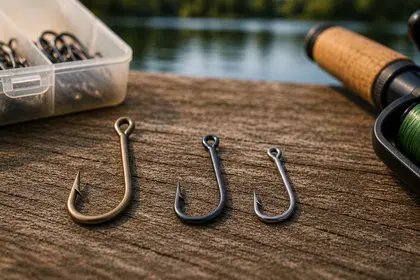
When it comes to fishing, the size of your hook can make a big difference in your success. Hooks come in various sizes, often numbered, and each size is suited for different types of fish and bait. Understanding how to choose the right hook size is crucial for beginners.
For smaller fish, like panfish or trout, you’ll want to use smaller hooks, usually in the range of sizes 10 to 14. These hooks are perfect for holding live bait like worms or small minnows. On the other hand, if you’re after larger species such as bass or pike, you might want to reach for hooks sized 1/0 to 4/0. The larger gap on these hooks allows for better hook sets when those big fish bite.
It’s also essential to consider the bait you’re using. If your bait is small, a smaller hook will keep it looking natural. Conversely, a large bait requires a bigger hook to properly hold it in place. Using a hook that’s too big for your bait can make it look unnatural, and fish will often shy away from it.
Another thing to keep in mind is the water you’re fishing in. In clear water, fish can be more cautious, so smaller hooks can often be less visible to them. In murky waters, a slightly larger hook can help ensure a good catch without being overly intimidating.
Lastly, don’t forget about the type of fishing you’re doing. If you’re bottom fishing, a larger hook can help keep your bait anchored to the bottom. For fly fishing, you’ll generally use smaller, lighter hooks to match the delicate nature of the flies.
Understanding hook sizes and how they relate to your target fish, bait, and fishing environment will help you make better choices on the water.
Weights and sinkers#
When you’re fishing, weights and sinkers play a crucial role in getting your bait where the fish are. Essentially, these little tools help your line sink to the desired depth, so you can target fish that are hanging out below the surface.
Weights come in various shapes and sizes, each designed for specific fishing situations. The most common types are split-shot, egg sinkers, and pyramid sinkers. Split-shot weights are small and easy to pinch onto your line, making them great for adjusting how deep your bait goes without needing to retie anything. Egg sinkers are perfect for bottom fishing, as they slide easily along the line and can be paired with a swivel to keep your bait just off the bottom. Pyramid sinkers, on the other hand, are ideal for surf fishing because their shape allows them to dig into sandy bottoms, preventing them from getting swept away by waves.
Choosing the right weight depends on several factors: the type of fish you’re targeting, the water conditions, and the type of bait you’re using. For example, if you’re fishing in a river with a strong current, you might need a heavier weight to keep your bait in place. Conversely, if you’re fishing in calm waters, a lighter weight might do the trick.
When you’re setting up, make sure to attach your weight about a foot or so above your hook. This setup allows the bait to be suspended in the water, increasing your chances of attracting fish. Experimenting with different weights and placements will help you find what works best in your fishing environment.
Lastly, don’t overlook the importance of materials. Lead weights are common but can be harmful to the environment. Consider using alternatives like tungsten or steel, which are often more eco-friendly options. They might cost a bit more, but they help protect our waters for future generations of anglers.
Swivels, snaps, and terminal tackle#
When it comes to fishing, it’s often the little things that can make a big difference. Swivels, snaps, and terminal tackle might not get the same attention as your rod and reel, but they play a crucial role in your overall setup.
Swivels are small, often overlooked components that help prevent your line from twisting. If you’re using live bait or lures that spin, a swivel can save you from a tangled mess. They come in various sizes and strengths, so choose one that matches your line weight. Just tie it to the end of your line, and you’re ready to attach your leader or lure.
Snaps are equally important. These little clips make it easy to change lures without retying your entire rig. If you find yourself switching between different baits frequently, a snap allows for quick changes. Just remember to use a snap that’s strong enough for the type of fishing you’re doing to avoid losing your catch.
Terminal tackle is a catch-all term for the gear that connects your line to your bait or lure. This includes not just swivels and snaps, but also sinkers, hooks, and even floats. Each of these elements serves its purpose, whether it’s weighing your line down, keeping your bait at a certain depth, or ensuring that your hook is sharp and ready to catch.
When setting up your terminal tackle, think about the type of fishing you’ll be doing. If you’re fishing in a river with a strong current, for example, you’ll want a heavier sinker to keep your bait in place. On the other hand, if you’re fishing in calm waters, a lighter setup may be all you need.
Take the time to familiarize yourself with these small pieces of equipment. They might seem minor, but understanding how to use them effectively can significantly enhance your fishing experience.
Tools and Accessories Worth Having Early#
When you’re just starting on your fishing journey, having the right tools and accessories can make all the difference. These essential items not only enhance your experience but also increase your chances of success on the water. From basic tackle boxes to handy multi-tools, equipping yourself with a few key pieces early on will set you up for enjoyable and productive fishing trips. Let’s explore some must-have tools that will support your adventures and help you feel more confident as you cast your line.
Pliers and Cutters#
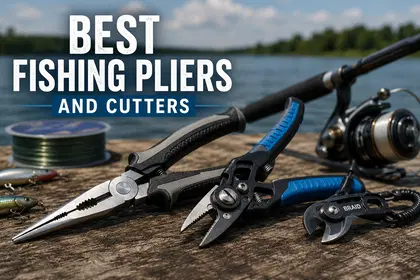
When you’re out fishing, having the right tools can make all the difference. Pliers and cutters are two essentials that every angler should keep close at hand. They’re not just for show; these tools serve multiple purposes that can simplify your time on the water.
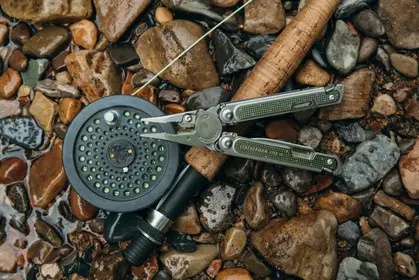
First up, pliers. A good pair of fishing pliers is invaluable for various tasks. You can use them to remove hooks from fish, especially if they’re deeply hooked. This can be tricky, but with the right pliers, you can grip the hook firmly and pull it out without harming the fish or yourself. Look for pliers that are lightweight and have a comfortable grip, as you’ll be using them frequently throughout the day. Some models even come with built-in split ring tools, which make changing out hooks and lures easier.
Now, let’s talk about cutters. Fishing lines can be tough to cut, especially when you’re dealing with braided line or heavy monofilament. A reliable pair of line cutters will save you time and frustration. You can find specialized line cutters that are designed to slice through tough materials with ease. Some even feature spring-loaded mechanisms that allow for quick, one-handed use, which can be a lifesaver when you’re trying to tie a new lure or remove a tangle.
Both pliers and cutters come in handy for routine tasks like adjusting your setup or trimming excess line. It’s worth investing in a quality pair that won’t rust or break under pressure. Look for stainless steel options, as they are typically more resistant to corrosion from saltwater or freshwater environments.
Keep these tools easily accessible in your tackle box or clipped to your fishing vest. This way, you’ll always have them when you need them, making your fishing trip more enjoyable and stress-free.
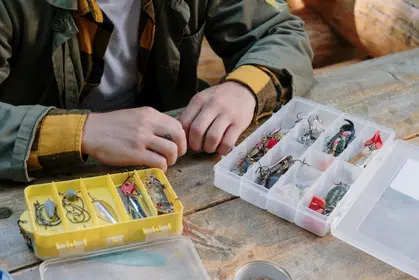
Tackle box basics#
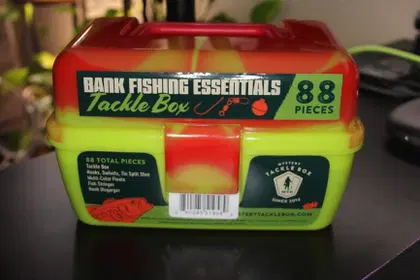
When you start your fishing journey, a good tackle box is essential. It keeps your gear organized and makes it easier to find what you need when you’re out on the water. Think of it as your portable fishing station.
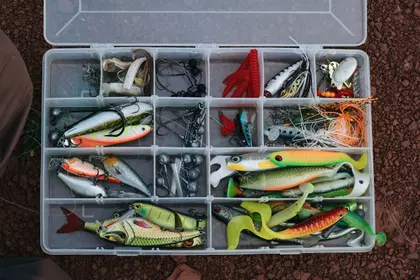
First things first, choose a tackle box that suits your needs. There are various styles available, from simple trays to multi-compartment boxes. If you’re just starting, a medium-sized box with adjustable dividers will work well. This allows you to separate your hooks, lures, and other small items, preventing a tangled mess.
Next, let’s talk about what to put inside your tackle box. Start with a basic selection of hooks in different sizes. Having a variety will ensure you’re prepared for different types of fish. Don’t forget sinkers and bobbers; these help you control where your bait sits in the water.
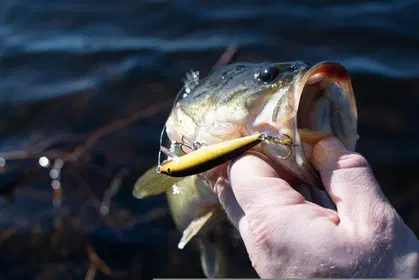
Lures are another important item. If you’re unsure where to begin, consider a few popular options like spinnerbaits or soft plastics. They’re versatile and can attract various fish species. As you gain experience, you can expand your collection based on what you learn about local fishing conditions.
Also, pack some pliers and a line cutter. Pliers are useful for removing hooks, especially from fish with small mouths or sharp teeth. A line cutter will save you time when you need to adjust your rig or change your setup.
Finally, don’t overlook the importance of a first aid kit and sunscreen. Spending time outdoors means dealing with the elements, so being prepared for minor injuries and protecting your skin is crucial.
With these tackle box basics, you’ll be well on your way to a successful fishing adventure.
Fish grips, tape, and small extras#
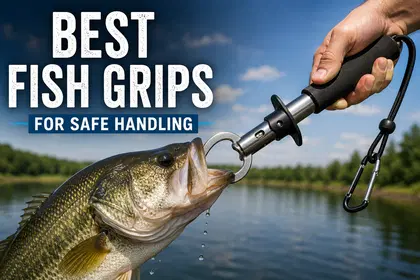
When you’re out fishing, having the right tools makes a big difference. Fish grips are one of those handy gadgets that can really come in clutch. These tools allow you to hold a fish securely without the risk of hurting it or yourself. They’re especially useful when dealing with slippery fish or those with sharp spines. Look for a model that fits comfortably in your hand and can easily secure a variety of fish sizes.
Tape is another essential that often gets overlooked. It’s not just for measuring your catch - though that’s a big part of it. A simple measuring tape helps you quickly determine if your fish meets size regulations. Plus, it can be used in a pinch for various tasks, like repairing gear or even marking spots on the water. You can find compact, waterproof options that won’t take up much space in your tackle box.
And let’s not forget about those small extras that can enhance your fishing experience. A multi-tool can be a lifesaver, combining several functions into one handy device. Look for features like pliers, a knife, and a hook remover. These tools can help with everything from unhooking fish to adjusting your gear on the fly.
Lastly, consider a small tackle box for organizing your accessories. Keeping everything in one place saves you time and frustration when you’re out on the water. Choose one that’s portable, so you can easily carry it along with your rod and reel. Organization is key, especially when you’re trying to enjoy your day fishing!
Beginner Fishing Gear Checklist#
Getting started in fishing can feel overwhelming, especially with all the gear options available. However, having the right equipment is key to enjoying your time on the water and increasing your chances of success. This checklist will help simplify your choices, ensuring you have all the essential tools without going overboard. Whether you’re aiming for a relaxing day at the lake or hoping to reel in your first catch, equipping yourself with the basics will make your fishing journey much more enjoyable.
Bare-minimum setup#
When you’re just starting out, it’s easy to feel overwhelmed by all the options available. But don’t worry; you don’t need a fancy setup to catch fish. A bare-minimum fishing gear setup will get you on the water without breaking the bank.
First up is the fishing rod. A medium-action spinning rod around 6 to 7 feet long is a great choice for beginners. It’s versatile enough for various fishing environments, whether you’re casting from the shore or a small boat. Just remember, a longer rod can help you cast farther, but it can also be trickier to handle if you’re not used to it.
Next, you’ll need a spinning reel to match your rod. Look for a reel with a smooth drag system and an easy-to-use bail. A reel with a gear ratio of around 5:1 to 6:1 is a good starting point. This balance allows for both quick retrieves and better control when reeling in your catch.
Now, let’s talk about fishing line. Monofilament line is a popular choice for beginners due to its affordability and ease of use. A 10 to 12-pound test line is usually sufficient for freshwater fishing. It’s strong enough to handle most species you’ll encounter while still being light enough for good casting.
When it comes to hooks, a basic assortment will serve you well. Start with a pack of size 2 to size 6 hooks, which can be used for a variety of bait and fish sizes. You’ll find that a simple hook-and-bobber rig is effective for many fishing situations.
Lastly, don’t forget about the essential tools. A pair of pliers for hook removal and line cutting is crucial. A tackle box, even a small one, can help keep your gear organized. A fishing license is also a must; check your local regulations before heading out.
With this bare-minimum setup, you’ll be ready to hit the water and start your fishing journey.
Nice-to-have upgrades#
Once you’ve got the basics down, there are some nice-to-have upgrades that can enhance your fishing experience. These additions may not be strictly necessary, but they can certainly make your time on the water more enjoyable.
Upgraded Rods and Reels: While a standard rod and reel combo will work just fine for beginners, consider investing in a higher-quality reel. A smooth drag system can prevent line breakage and make fighting fish much easier. As for rods, lighter materials like graphite can improve sensitivity and reduce fatigue during long fishing days.
Line Choices: Upgrading your fishing line can also make a difference. Braided line, for instance, is thinner and stronger than monofilament, allowing for better casting distance and sensitivity. It’s worth experimenting with different types to see what suits your fishing style best.
Fishing Tackle Box: A well-organized tackle box can save you time and frustration. Look for one with compartments that allow you to separate lures, hooks, and other gear. This way, you won’t be digging around for that one specific lure when you need it.
Fish Finder: While not essential, a fish finder can be a game-changer, especially if you’re fishing in unfamiliar waters. It helps locate fish and understand the underwater landscape. Many models are user-friendly and don’t require advanced technical skills to operate.
Comfort Enhancements: Don’t overlook comfort upgrades. A good fishing chair or a comfortable cooler can make a long day on the water much more pleasant. Consider a chair with back support or a cooler that doubles as a seat. Staying comfortable can help you focus on fishing rather than how sore you feel.
Quality Bait: Investing in better bait can lead to more successful fishing trips. Live bait often outperforms artificial lures. If you’re fishing for a specific species, doing a little research on the best bait can significantly improve your chances of a catch.
These upgrades aren’t essential, but they can elevate your fishing experience, making it more enjoyable and successful. As you grow in your fishing journey, these enhancements can be rewarding additions to your gear.
How to Build Your First Fishing Setup Without Overspending#
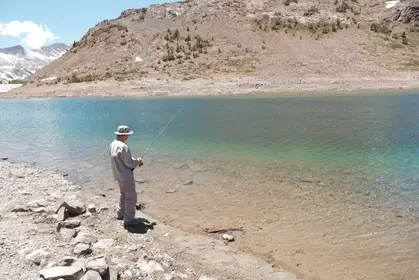
Starting your fishing journey doesn’t have to drain your wallet. With a little know-how and some smart choices, you can assemble a solid fishing setup that meets your needs without breaking the bank. In this section, we’ll explore how to prioritize the essentials, find affordable gear, and make the most of your budget, ensuring you’re well-equipped for your first casting experience.
Where to spend money#
When it comes to assembling your first fishing setup, some items are worth investing in. Let’s break it down.
Fishing Rod Your rod is your primary tool, so it’s essential to choose one that feels good in your hands. Look for a medium-action rod, which is versatile enough for a range of fishing situations. Spending a bit more here typically means better materials and construction, which can enhance your overall experience.
Fishing Reel A quality reel can make a huge difference in how smoothly your fishing goes. Consider spinning reels for beginners - they’re user-friendly and effective. It’s smart to invest in a reel that offers durability and good drag systems. Cheaper reels might save you money upfront, but they can lead to frustration on the water.
Fishing Line Not all fishing lines are created equal. Investing in a good quality line can prevent tangles and break-offs. Monofilament lines are often a great choice for beginners due to their ease of use and versatility. Look for a line that matches your rod’s specifications and intended fishing type.
Hooks and Terminal Tackle While it might be tempting to buy a bulk pack of the cheapest hooks, spending a little more on quality hooks can improve your success rate. Sharp, durable hooks are essential for keeping your catch secure. Don’t forget about other terminal tackle like weights and swivels; these small items can easily make or break your setup.
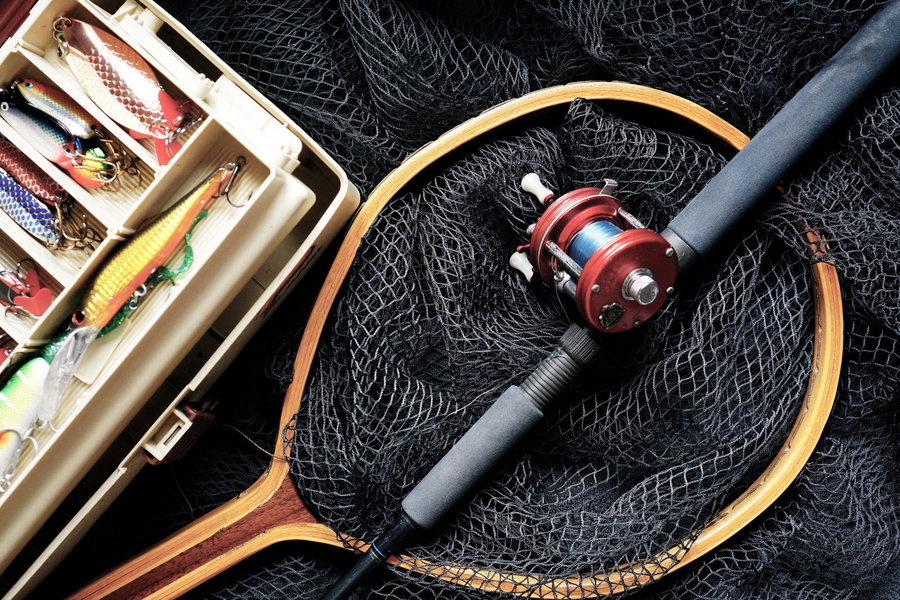
Fishing Tackle Box A good tackle box helps organize your gear and makes it easy to transport. Look for one that suits your needs - something that’s sturdy and has enough space for your essentials without being cumbersome. Investing in a quality tackle box will help keep your gear safe and make your time on the water more efficient.
By focusing your budget on these key items, you’ll set yourself up for success while avoiding the pitfalls of cheap and ineffective gear.
Where to save money#
Building your first fishing setup doesn’t have to break the bank. There are several areas where you can cut costs without sacrificing quality.
First, consider buying a combo rod and reel. These sets typically offer a good balance between price and performance. You’ll find many reputable brands that provide affordable combos designed for beginners. They come pre-matched, so you won’t have to worry about compatibility, and they often include everything you need to get started.
Next, focus on your fishing line. While high-end fishing lines may boast advanced features, many budget-friendly options work perfectly fine for beginners. Look for a monofilament line, which is easy to handle and forgiving on your reel. You can find good-quality monofilament at a reasonable price, and it’s suitable for various fishing conditions.
When it comes to hooks and lures, purchasing in bulk can save you money. Many tackle shops offer packs of assorted hooks or lures at a lower price than buying them individually. This not only saves you cash but also gives you a variety of options to experiment with as you learn what works best in your local waters.
Don’t forget about accessories. You might think you need every gadget on the market, but many tools, like pliers or tackle boxes, can be found at thrift stores or online marketplaces for a fraction of the retail price. Sometimes, friends or family might even have spare gear they’re willing to lend or give away.
Lastly, keep an eye out for sales or discounts, especially during the off-season. Retailers often clear out inventory, and you can score great deals on quality equipment. Signing up for newsletters from your favorite outdoor stores can keep you in the loop about special promotions.
By being mindful of these areas, you can create a solid fishing setup that won’t leave you feeling financially stretched.
Common Beginner Gear Mistakes#
When starting out in fishing, it’s easy to feel overwhelmed by the sheer amount of gear available and the choices to make. Many beginners inadvertently make mistakes that can affect their experience on the water. From choosing the wrong rod length to overlooking the importance of line selection, these missteps can lead to frustration rather than fun. Understanding some of these common pitfalls can help you avoid them and ensure that your fishing adventures are as enjoyable and productive as possible.
Buying too much too soon#
Many beginners fall into the trap of thinking they need a complete setup before even casting a line. It’s easy to get excited and purchase every gadget and gizmo available. However, starting out with too much gear can be overwhelming and counterproductive.
Focus on the essentials first. A basic rod and reel combo, a few hooks, some weights, and a handful of lures will get you started. This allows you to learn the fundamentals without getting lost in a sea of choices. Once you’re comfortable and have a better understanding of what you enjoy, you can gradually expand your collection.
Consider your fishing style. Are you planning to fish in freshwater lakes or saltwater? Will you be angling from a boat or the shore? Each situation may require different equipment, so it makes sense to tailor your gear to your specific needs rather than splurging on everything at once.
Additionally, don’t forget about the importance of quality over quantity. It’s better to invest in a few reliable items than to have a range of low-quality gear that may lead to frustration. Take your time to research and choose gear that will serve you well in the long run. As you gain experience, you’ll discover what works best for you and can make informed decisions about future purchases.
Using gear that does not match the fish#
One of the most common mistakes beginners make is choosing gear that doesn’t suit the type of fish they’re after. It’s easy to get overwhelmed by the variety of rods, reels, and lines available. However, matching your gear to your target species can significantly improve your chances of success.
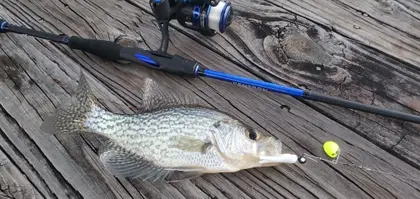
For instance, if you’re fishing for panfish like bluegill or crappie, you don’t need a heavy-duty setup. A light or ultralight rod paired with a small spinning reel will give you better sensitivity and control. On the other hand, if you’re aiming for larger species like bass or pike, you’ll want a sturdier rod and reel that can handle the weight and fight of these fish.
Also, consider the type of fishing you’ll be doing. If you’re casting lures in freshwater lakes, a medium-action rod with a matched reel is a good choice. But if you plan on surf fishing or targeting saltwater fish, you’ll need a heavier rod and corrosion-resistant reel. Each setting has its nuances, and using the right gear helps you adapt to those conditions.
Don’t forget about fishing line, either. Lighter lines are great for smaller fish, where a 4 to 6-pound test might be ideal. But when fishing for larger species, you should consider something more robust, like a 15 to 20-pound test. Using the right line ensures that it won’t snap during a fight, giving you the best chance of landing that trophy fish.
Lastly, always check local regulations regarding gear specifications. Some areas may have restrictions on line weight or rod length for specific fish species. Taking a moment to understand these rules will keep you compliant and enhance your fishing experience. This way, you’ll be better prepared and more likely to reel in a catch that you can be proud of.
Ignoring line and hooks#
When starting out in fishing, it’s easy to overlook the importance of your line and hooks. Many beginners focus primarily on the rod and reel, thinking those are the key pieces of gear. While they are important, the line and hooks can make or break your fishing experience.
First, let’s talk about fishing line. The type of line you choose can affect how well your bait or lure performs in the water. Monofilament line is a great choice for beginners. It’s easy to handle, floats well, and is less expensive than other options. However, be mindful of the pound test rating; this indicates how much weight the line can handle without breaking. A good starting point for most freshwater fishing is a 10-12 pound test line.
Then there are the hooks. The size and type of hook you use can determine whether you catch fish or go home empty-handed. Many newcomers might grab the biggest hook they can find, thinking it will snag larger fish. However, it’s often the opposite. A smaller hook can be more effective, especially for species like panfish or trout. A size 6 or 8 hook is a solid choice for beginners targeting smaller fish.
Don’t forget to match your hook to your bait. If you’re using worms, for instance, a bait holder or octopus-style hook works well. For lures, ensure your hook is sharp and sized appropriately for the lure you’re using. A dull hook can lead to missed opportunities.
Lastly, take the time to learn about leaders and sinkers. A leader line can help with abrasion resistance, especially when fishing in rocky areas, while the right sinker can help your bait reach the desired depth. Pay attention to these details, and you’ll find your fishing experience becomes much more rewarding.
Where to Go Next#
After you’ve gathered your fishing gear and learned the essentials, it’s time to put your knowledge into practice. Choosing the right location can make all the difference in your fishing experience, whether you’re casting a line from a serene lakeside or navigating a bustling river. Familiarize yourself with local regulations, explore various fishing spots, and don’t hesitate to ask fellow anglers for tips. Each outing is an opportunity to learn and enjoy the great outdoors, so get ready to cast your line and embrace the adventure that awaits!
In wrapping up this fishing gear guide, remember that the best equipment is the one that suits your needs and matches your fishing style. Start with the essentials we’ve discussed - rods, reels, lines, and those little doohickeys that can make all the difference. Don’t feel pressured to buy everything at once; building your setup gradually can be part of the fun.
Mistakes are part of the learning curve, so embrace them as you figure out what works for you. The great outdoors is full of surprises, and with the right gear in hand, you’ll be ready to tackle whatever it throws your way. Now, grab your gear and head out - there’s a whole world of fishing waiting for you. Happy angling!