
Affiliate disclosure: As an Amazon Associate, we may earn from qualifying purchases made via links on this page - at no extra cost to you. See our Affiliate Disclosure.
When it comes to fishing, there’s nothing quite like the thrill of reeling in your first catch, especially when you’re out exploring new waters. For beginner anglers, however, lugging around a full-sized fishing rod can feel like packing for a month-long expedition when you’re just heading to the local pond. Enter the travel rod - your trusty sidekick for compact fishing setups. These rods are designed to be lightweight, portable, and easy to handle, making them perfect for those spontaneous fishing trips or weekend getaways.
In this guide, we’ll dive into the best travel rods out there, breaking down what to look for and why certain features matter - without overwhelming you with jargon or technicalities. Whether you’re hiking into remote lakes or casting from a crowded pier, we’ve got you covered with practical advice to help you choose the right gear for your next fishing adventure. So grab your tackle box, and let’s get started on finding the perfect travel rod!
Why Travel Rods Have Become Essential for Modern Anglers#
In today’s fast-paced world, many anglers find themselves juggling travel and fishing more than ever before. Whether you’re planning a weekend getaway or a longer adventure, having a travel rod in your gear can make all the difference. These compact, lightweight setups offer both convenience and performance, allowing you to easily pack your fishing essentials without compromising on quality. As more people discover the joy of fishing while on the go, travel rods have quickly become a must-have for modern anglers looking to explore new waters, without the hassle of bulky equipment.
The challenge of carrying full-size fishing gear#
For many anglers, the thrill of fishing often clashes with the reality of hauling around bulky gear. A full-size fishing rod can be long and awkward, making it difficult to transport, especially if you’re venturing out on a family road trip or heading to a remote fishing spot. Whether you’re flying to a new destination or simply hiking to your favorite lake, lugging heavy equipment can take the fun out of the experience.
Imagine trying to navigate through an airport or a crowded train station with a long rod and a tackle box. It’s not just cumbersome; it can also be a hassle. Space in your car or backpack can quickly fill up, leaving little room for other essentials. The last thing you want is to compromise comfort or convenience just to make room for your fishing setup.
This is where travel rods come into play. These specially designed rods break down into smaller, manageable pieces that fit easily into your luggage or even a backpack. They’re lightweight and often come with protective cases, making them easy to carry. Plus, their compact design means you can bring your fishing gear along on adventures without turning your trip into an exercise in packing frustration.
Many travel rods are also versatile, allowing you to fish in various environments, from freshwater lakes to coastal shores. By opting for a travel rod, you gain the freedom to explore new fishing spots without the burden of heavy gear holding you back. It’s all about making fishing more accessible and enjoyable, no matter where your travels take you.
How compact rods make spontaneous fishing trips easier#
When you feel the itch to fish, the last thing you want is to struggle with bulky gear. Compact travel rods are designed to fit easily into your car, backpack, or even a suitcase, making them a game-changer for those unplanned fishing adventures. Imagine waking up on a weekend, and with just a quick gear check, you’re ready to hit the water in no time.
These rods often break down into smaller sections, typically ranging from two to five pieces, allowing for easy transport. The shorter length doesn’t compromise performance; many travel rods are engineered to deliver strong action and sensitivity, helping you reel in everything from panfish to larger species.
Another perk of compact rods is their versatility. Many models are designed to handle a variety of fishing techniques - whether you’re casting for trout in a stream or flipping for bass on a lake. This means you can pack one rod instead of multiple, streamlining your setup and reducing the weight you carry.
Plus, many manufacturers now offer travel rods that come with matching reels and tackle, all neatly organized in a compact case. This means you can grab everything you need and head out the door without spending time rummaging through your gear. The convenience of knowing that your fishing setup is ready to go at a moment’s notice can really enhance those spontaneous trips.
So, whether you’re planning a road trip or just looking to escape for a few hours, a compact travel rod opens up a world of possibilities. You can sneak in a few casts after work or take advantage of a last-minute invite to a nearby lake. With these rods, you’ll always have the option to fish, no matter where you are.
What Makes a Good Travel Rod#
When you’re on the go, having the right travel rod can make all the difference in your fishing experience. A good travel rod should be lightweight and compact without sacrificing performance. It needs to have a balanced action that suits a variety of fishing styles, from freshwater to saltwater. Comfort is key too; a well-designed grip and sensitivity can enhance your connection to the fish, making every cast a joy. Understanding these factors will help you choose a travel rod that fits your needs and enhances your outdoor adventures.
Portability without sacrificing performance#
When you’re looking for a travel rod, portability is key. You want something that easily fits into your suitcase or backpack without taking up too much space. But just because it’s compact doesn’t mean it should compromise on performance.
Start by considering the rod’s length and how it breaks down. Most travel rods come in two-piece or even four-piece designs, allowing you to pack them away neatly. A longer rod might offer better casting distance, but a shorter rod can be more manageable for travel. Aim for a rod that balances both length and ease of packing. Generally, rods between 6 to 7 feet provide a good mix of performance while still being travel-friendly.
Material also plays a significant role in performance. Graphite rods are lightweight and sensitive, making them great for feeling those subtle bites. However, fiberglass rods are more durable and can handle rough treatment - ideal if you’re hiking through rugged terrain. Many travel rods use a blend of materials to give you the best of both worlds, so pay attention to the specifications.
Don’t forget about the action of the rod. Fast action rods bend mostly at the tip, giving you quick responsiveness, while slow action rods bend throughout, providing more flexibility. If you’re just starting, a medium action rod might be a great fit as it offers a nice balance, making it versatile enough for different fishing situations.
Finally, look for a rod that has quality guides and reels. Smooth-running guides will help your line glide easily, and a sturdy reel seat ensures everything stays intact while you’re casting. Check reviews to see how others have found the rod’s performance on the water. Remember, the best travel rod is one that fits your specific needs while still being easy to carry.
Understanding multi-piece rod construction#
When it comes to travel rods, the construction is key. Most travel rods come in multiple pieces - typically two to five - which makes them easy to pack and carry. But how does this multi-piece design actually affect your fishing experience?
First off, the number of pieces can impact the rod’s sensitivity and strength. Generally, fewer pieces mean a more solid and responsive feel. However, modern technology has improved multi-piece rods significantly, so you can still get great performance even with more sections. Look for rods that use high-quality materials like graphite or fiberglass, which can offer both durability and sensitivity.
Another important factor is the way the rod pieces connect. Ferrules, the sections where the rods connect, should fit snugly together without any wobble. A good fit not only increases durability but also helps transmit vibrations from the line to your hands, allowing you to feel bites better. Some rods even feature reinforced ferrules for added strength.
Don’t forget about portability. When choosing a travel rod, consider the length of each individual piece. If the pieces are too long, they may not fit well in your suitcase or backpack. Most travel rods break down into manageable lengths, but it’s always a good idea to check the specifications before you buy.
Lastly, think about how easy it is to assemble and disassemble the rod. You don’t want to struggle with your gear when you’re ready to fish. Look for rods that allow for quick setup with minimal hassle. A good travel rod should make your fishing experience smoother, not more complicated.
Durability considerations for frequent travelers#
When you’re on the move, the last thing you want is for your travel rod to let you down. Durability is key, especially if you’re hopping from one fishing spot to another or packing light. So, what should you look for?
First, consider the materials. Graphite and fiberglass are popular choices for travel rods. Graphite is lightweight and sensitive, making it great for feeling those subtle bites. But it can be more brittle. Fiberglass, on the other hand, is tougher and can withstand a bit more rough-and-tumble. If you’re likely to toss your rod into the back of a car or a crowded plane, fiberglass might be the safer bet.
Next, check the construction. Look for rods that have sturdy guides and a strong reel seat. These parts take a lot of wear and tear, so they need to be built to last. Some rods feature reinforced joints where the sections connect, which can help maintain structural integrity during travel.
A travel rod that’s easy to transport is also a plus. Many come in two to four-piece designs, allowing them to break down into compact sections. However, a rod that breaks down easily is only as good as its travel case. A durable, padded case can protect your rod from dings and scratches during transit. Look for one with a secure zipper and enough padding to keep your gear safe.
Weather resistance is another consideration. If you’re fishing in different climates, a rod that can handle moisture and varying temperatures is essential. Some manufacturers treat their rods with protective coatings to help resist corrosion and damage from the elements.
Lastly, think about the warranty. A good warranty can give you peace of mind. If something happens to your rod while you’re on the road, a solid warranty can help cover repairs or replacements. Always check the details before making a purchase to ensure you’re making a wise investment for your travels.
Best Travel Rod Types for Different Fishing Styles#
When it comes to choosing the right travel rod, it’s important to consider the various fishing styles you might encounter on your adventures. From freshwater lakes to salty ocean shores, different environments call for different rod types. Whether you’re planning to cast for trout in a mountain stream or surf fish along the coast, understanding the unique features of each rod type will help you make an informed decision that enhances your fishing experience while keeping your gear lightweight and portable.
Spinning travel rods for versatility#
When it comes to compact fishing setups, spinning travel rods are often the go-to choice for many anglers. They’re designed to be lightweight and easily portable, making them perfect for fishing trips where space is limited. Whether you’re hopping on a plane or hiking to a remote fishing spot, these rods can deliver the performance you need.
Spinning rods are versatile because they can handle a wide range of fishing techniques and species. You can use them for everything from casting lightweight lures for panfish to heavier baits for larger game fish. This adaptability makes them great for beginners who might not yet know exactly what type of fishing they enjoy most.
Typically, spinning travel rods come in multiple pieces, usually two to four, which allows them to break down into a compact size. When shopping for a spinning travel rod, look for one that’s made of strong materials like graphite or fiberglass. These materials provide good sensitivity and durability without adding much weight.
Length is another important factor to consider. A rod between 6 to 7 feet is generally a good all-around choice, giving you the reach needed for casting while still being manageable. Additionally, consider the rod’s action - fast action rods are more sensitive and ideal for feeling light bites, while slower action rods can provide more forgiveness for beginners.
Don’t forget about the reel! Pairing your spinning rod with a quality spinning reel will enhance your fishing experience. Look for a reel that balances well with your rod and has a smooth drag system. This makes it easier to manage your line and fight fish effectively.
Overall, spinning travel rods are a fantastic option for anyone looking to fish on the go. They’re easy to use, flexible for different fishing situations, and a great way to build your skills as an angler.
Casting travel rods for power and precision#
When it comes to casting travel rods, you’re looking for a perfect blend of power and precision. These rods are typically stiffer and designed to handle heavier lures and larger fish, making them ideal for anglers who want to target a variety of species, including bass, pike, or even saltwater fish.
One of the first things to consider is the rod’s action. Fast action rods bend mostly at the tip, giving you excellent sensitivity and quick hook sets, which is essential when you’re casting for fish that are known for being elusive. If you’re planning to fish in freshwater lakes or rivers, a medium to medium-heavy power rod will often do the trick. These rods provide the backbone needed to control larger fish while still allowing for some finesse with lighter lures.
Don’t overlook the length of the rod, either. For travel purposes, you’ll typically find rods that break down into several pieces, making them easy to pack. Aim for a rod that’s between 6 to 7 feet long. This length offers a good balance for both casting distance and control, whether you’re fishing from a boat or the shore.
Material matters, too. Most casting rods are made of graphite or fiberglass, with graphite being lighter and more sensitive, while fiberglass tends to be more durable and forgiving. If you’re a beginner, a graphite rod might be the better choice to help you feel bites more easily.
When selecting a casting rod, take a moment to consider the reel you’ll be pairing it with. Baitcasting reels work well with these rods, providing better control over your line and allowing for longer casts. But if you’re new to casting, you might find spinning reels easier to handle initially. Just ensure that whichever setup you choose is balanced and comfortable for you.
Lastly, think about your fishing environment. If you expect to encounter heavy cover - like weeds or rocks - opt for a rod with a bit more backbone. This will help you pull fish out without risking breakage. Always remember, the best travel rod is one that feels right in your hands and suits your fishing style.
Travel fly rods for remote destinations#
When you’re heading to a remote fishing spot, a travel fly rod can make all the difference. These rods are designed to break down into smaller sections, making them easy to pack in your luggage or even a backpack. They’re perfect for those spontaneous trips where you want to cast a line in a hidden stream or a secluded lake.
Look for a rod that’s lightweight yet sturdy. Many travel fly rods are made from materials like graphite or fiberglass, which provide a good balance of flexibility and strength. A four-piece rod is usually a solid choice. It’s compact when packed but can still deliver a smooth cast when you’re ready to fish.
Consider the weight of the rod too. For beginners, a 5-weight rod is versatile enough for various freshwater fish, whether you’re targeting trout or panfish. This weight is manageable for casting, especially if you’re new to fly fishing.
Don’t forget about the rod’s action. A medium action rod is forgiving and offers a nice blend of control and power, which is useful when you’re learning the ropes. If you’re planning to fish in windy conditions, a fast-action rod might help you punch through the breeze, but it requires a bit more skill to use effectively.
Packing your travel fly rod is straightforward. Most come with a protective case, which is essential for keeping it safe during transit. Make sure to separate the sections and store them properly to avoid any damage. Some anglers even wrap the sections in clothing for added protection.
Finally, pairing your travel rod with the right reel and line will enhance your fishing experience. A lightweight reel that balances well with your rod is crucial, and don’t hesitate to ask for guidance at your local tackle shop if you’re unsure about the best options. With the right setup, you’ll be ready to enjoy the thrill of fishing in those off-the-beaten-path locations.
Choosing the Right Length and Power for a Travel Rod#
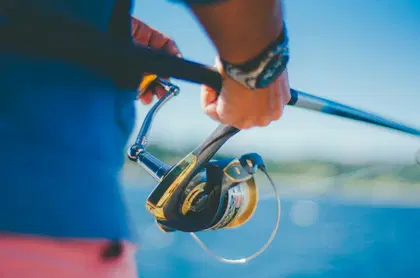
When it comes to selecting a travel rod, understanding the right length and power is key to ensuring a successful fishing experience. Travel rods are designed to be portable, but they also need to perform well for various types of fishing. The length of the rod affects casting distance and control, while the power determines how much weight the rod can handle. By selecting the right combination for your fishing style and the species you plan to target, you can create a compact setup that doesn’t compromise on performance.
Matching rod specifications to target species#
When it comes to choosing a travel rod, understanding the target species is key. Each type of fish has its own behavior, size, and habitat, which directly influences the rod specifications you should consider.
For example, if you’re planning to chase panfish like bluegill or crappie, a lighter rod with a medium action and a length of about 5 to 6 feet will serve you well. This setup allows for more sensitivity, helping you detect those subtle bites. Plus, a lighter rod makes casting easier, especially for beginners.
On the other hand, if your sights are set on larger species like bass or pike, you’ll want something a bit sturdier. A medium to medium-heavy rod, typically in the 6 to 7-foot range, will give you the backbone needed to handle these more aggressive fighters. These rods can withstand the stress of battling larger fish and are great for a variety of techniques.
If you’re aiming for saltwater species like snapper or sea bass, consider a rod designed for higher power. A medium-heavy to heavy rod, usually around 7 feet, can help you manage the tougher conditions often found in ocean fishing. These rods are built to handle heavier line and tackle, which is essential when you’re dealing with the pull of saltwater fish.
Remember, the weight of the lures or baits you’ll be using also plays a role in choosing the right rod. Each rod has a recommended lure weight range printed on it, so ensure that your selections fall within this range for the best performance. It’s all about matching your rod to the type of fishing you plan to do and the species you want to catch.
Balancing compact size with casting performance#
When you’re on the hunt for the perfect travel rod, it’s all about finding that sweet spot between size and performance. A travel rod is designed to be compact, making it easier to pack and carry, but it also needs to perform well when it’s time to fish. Here’s how to strike that balance.
First, consider the length of the rod. Travel rods typically range from 6 to 7 feet, which is a good middle ground. A shorter rod can be easier to handle in tight spaces, like on a small boat or while fishing from a rocky shore. However, a longer rod can help you achieve greater casting distance and can be beneficial when targeting fish in open water. Think about where you’ll be fishing most often and choose a length that suits those environments.
Next, let’s talk about power. This refers to the rod’s strength and how it handles different fish sizes. Travel rods come in various powers, from ultra-light to heavy. If you plan to target smaller fish like panfish or trout, an ultra-light or light power rod will give you a fun fight without overpowering your tackle. For larger species, like bass or pike, a medium or medium-heavy rod will be more suitable. Consider what species you’re most likely to encounter on your trips.
Another factor to think about is the rod’s action. This describes how much the rod bends when pressure is applied. A fast action rod bends mostly at the tip, offering quick response and sensitivity, which is great for feeling bites. A slower action rod bends further down the blank, which can offer more forgiveness when fighting a fish. Depending on your fishing style and preferences, you can choose an action that complements your approach.
Lastly, always keep portability in mind. Many travel rods feature multi-piece designs that break down into smaller sections. These are great for fitting into luggage or backpacks. Just remember that while multi-piece rods can be convenient, they sometimes sacrifice a bit of sensitivity and performance compared to single-piece rods.
By considering these factors - length, power, action, and portability - you’ll be well on your way to selecting a travel rod that not only fits your needs but also enhances your fishing experience. Happy fishing!

Situations Where Travel Rods Shine#
Travel rods are designed for anglers who need flexibility without sacrificing performance. Whether you’re hiking to a remote fishing spot, taking a road trip, or traveling abroad, these compact rods can make your fishing experience enjoyable and convenient. They excel in situations where space is limited, allowing you to pack light while still having the gear you need to reel in that big catch. Understanding when and where travel rods are most effective can help you make the most of your fishing adventures.
Road trips and weekend getaways#
When you’re packing your bags for a road trip or a weekend getaway, space is often at a premium. This is where travel rods come into play. Designed to be compact and lightweight, these rods fit easily in the trunk of your car or even in the backseat, leaving room for your other gear and luggage.
Imagine pulling up to a scenic lake after a long drive. With a travel rod, you can quickly set up and start fishing without the hassle of managing cumbersome equipment. Many travel rods come in multiple sections that can be assembled in minutes, allowing you to get right to the fun part - casting your line.
If you’re heading to a destination known for its fishing spots, a travel rod can be a game changer. They are usually versatile enough to handle various fishing styles, whether you’re casting for bass in a local pond or spinning for trout in a mountain stream. This adaptability means you can make the most of your trip, regardless of the types of fish you encounter.
Storing a travel rod is also straightforward. Many models come with protective cases, ensuring that the rod stays safe during your travels. This means you can toss it in with your other gear without worrying about damage. Plus, if you decide to hit a roadside fishing spot, you can just grab your travel rod and go - no need to unpack a large setup.
In short, travel rods are perfect companions for road trips and quick getaways. They provide the flexibility and convenience that busy travelers need, allowing you to enjoy fishing wherever your adventures take you.
Hiking and Backpacking Adventures#
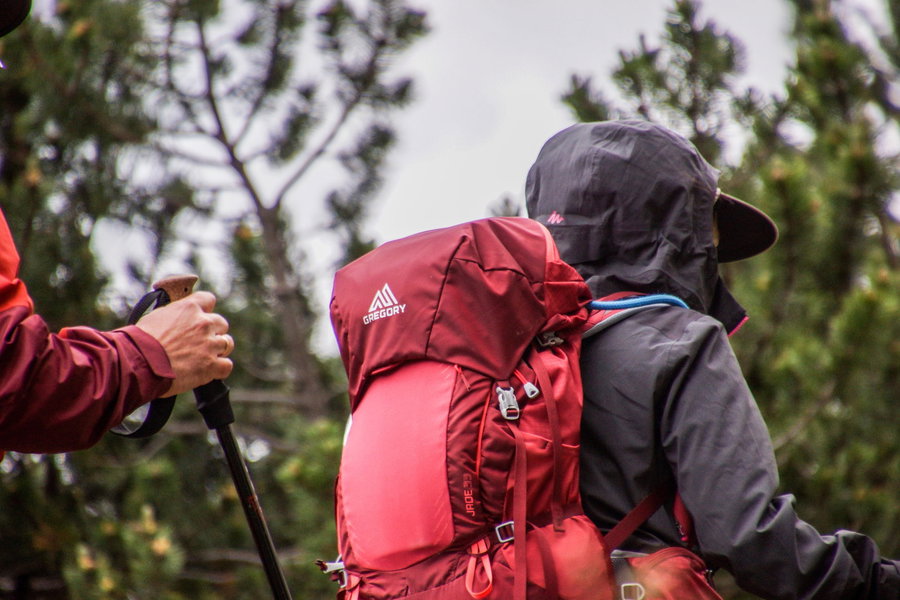
When you’re hiking or backpacking, every ounce matters. That’s where travel rods come into play. Designed to break down into smaller, manageable pieces, these rods fit easily into your pack without weighing you down.
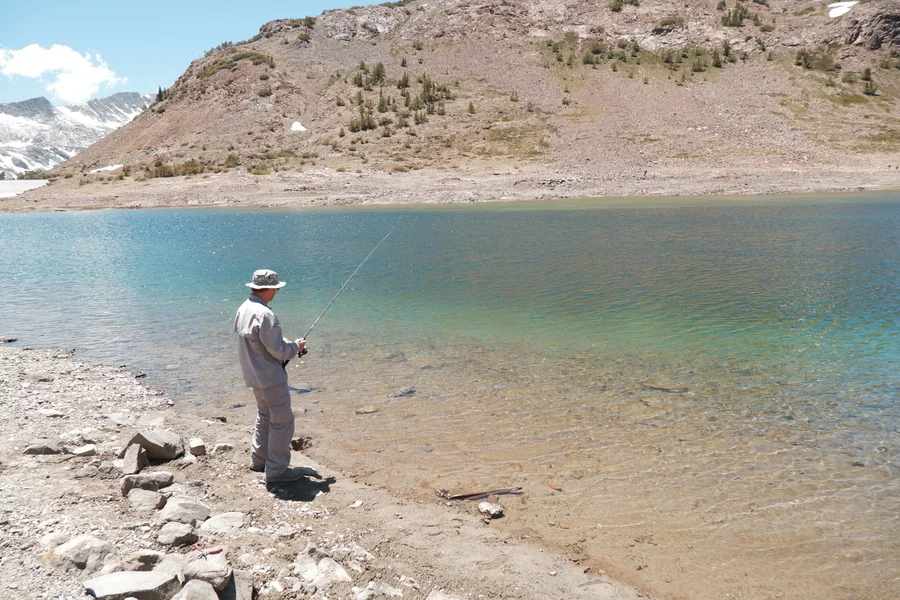
Imagine walking for miles through stunning landscapes, with the promise of a fishing spot waiting at the end of your trail. A travel rod lets you enjoy that experience without the hassle of lugging a full-sized setup. Most travel rods are lightweight and often made from durable materials, which means you can trek with confidence that your gear can handle the journey.
Setting up is usually quick and straightforward. Most travel rods have a simple ferrule system that allows you to connect the pieces in no time. This means less fiddling with your gear and more time casting lines into pristine waters. When you reach a beautiful lake or river after a long hike, you’ll appreciate how easy it is to set up and start fishing.
Additionally, many travel rods come with versatility in mind. You can find options designed for various fishing techniques, whether you’re planning to fly fish in a mountain stream or spin cast in a secluded pond. Having a rod that adapts to different fishing styles and environments increases your chances of success while keeping your pack light.
One tip for hikers is to consider the rod length. A shorter rod can be advantageous for tight spaces, like small streams or densely wooded areas. A rod around 6 to 7 feet long is often ideal for these conditions, allowing for better maneuverability while still providing ample casting distance.
Don’t forget to pack a compact tackle box as well. Look for options that hold your essential lures, hooks, and other gear without taking up too much room. This way, you can stay light on your feet while being fully prepared for spontaneous fishing opportunities along the way.
With the right travel rod, your hiking trips can transform into unforgettable fishing experiences, making every adventure even more rewarding.
Business travel and unexpected fishing opportunities#
When you’re on a business trip, the last thing you might be thinking about is fishing. But sometimes, a little downtime can lead to unexpected opportunities. Whether you’re in a new city with a river nearby or staying at a hotel by the coast, having a travel rod can turn a mundane evening into a memorable fishing adventure.
Travel rods are designed for portability, so they easily fit into your luggage without taking up much space. These rods typically break down into smaller sections, allowing you to slip them into a suitcase or even a backpack. This means you can always have a fishing option handy, even when you’re away from home.
Let’s say your meeting ends early, and you have a few hours to kill. Instead of scrolling through your phone in a hotel room, why not grab your travel rod and head to the nearest fishing spot? A quick online search can help you find local lakes, rivers, or piers. Just make sure to check local fishing regulations and obtain any necessary permits; laws vary by location and can change quickly.
Having a travel rod also gives you the chance to network in a unique way. You might meet fellow anglers who can share tips about the local fishing scene or even invite you to join them. Fishing can be a great icebreaker, helping you forge connections in a relaxed setting. Plus, there’s something special about casting a line in a new location, soaking in the surroundings while you wait for a bite.
Packing a few basic fishing essentials alongside your travel rod, like a small tackle box and some lures, can prepare you for spontaneous fishing trips. Keep your gear minimal and choose versatile lures that work well in various water conditions. A good set of fishing pliers and a measuring tape can also come in handy.
So, the next time you find yourself on a business trip, remember that with a travel rod in tow, you might just find the perfect opportunity to unwind and enjoy some fishing.
Common Mistakes When Buying a Travel Rod#
When it comes to selecting the perfect travel rod, even seasoned anglers can stumble into a few common pitfalls. Whether you’re new to fishing or just looking to upgrade your gear, understanding these mistakes can save you time, money, and frustration. From overlooking rod length to misjudging the action and power, being aware of these issues will help you make a more informed choice that fits your fishing style and travel needs.
Prioritizing pack size over fishing performance#
When you’re on the hunt for a travel rod, it’s easy to get caught up in how small it can pack down. After all, a compact rod is appealing for travelers who need to save space. However, sacrificing performance for size can leave you frustrated on the water.
Fishing rods are designed with specific actions and power ratings to help you catch fish effectively. If you choose a rod that’s too short or too flimsy just for the sake of packing light, you might find it difficult to cast accurately or feel bites. A rod that doesn’t suit your fishing style can turn a fun day into a struggle.
Instead of only focusing on how small your rod can get, think about the types of fishing you’ll be doing. If you plan to target larger species, a sturdier rod may be necessary, even if it takes up a bit more space. Look for a balance between portability and functionality. A rod that breaks down into a few pieces but maintains good action can give you the best of both worlds.
Also, consider the materials. Some travel rods are crafted from lightweight composites or high-quality graphite, which can offer both durability and compactness. While these might pack a little larger than certain cheaper options, they often provide a better fishing experience.
Ultimately, you want a rod that feels good in your hands and performs well, regardless of how small it can get in your suitcase. Prioritize your fishing needs, and you’ll have a much more enjoyable time on the water.
Ignoring transport tube quality#
When you’re shopping for a travel rod, it’s easy to overlook the transport tube, but that could be a big mistake. The transport tube is what protects your rod during travel - whether it’s tossed in the back of your car, checked in at the airport, or crammed into a crowded bus. A sturdy tube can make all the difference in keeping your gear safe.
Look for tubes made from durable materials, like hard plastic or reinforced fabric. These options provide better protection against bumps and drops. If the tube is too flimsy, it won’t do much to shield your rod from getting bent or broken. A solid tube can also keep your rod sections organized and prevent them from rubbing against each other, which can lead to scratches or damage.
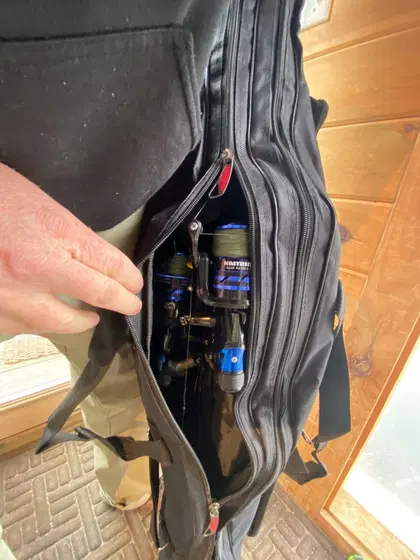
Pay attention to the design, too. Some tubes come with padding or soft interiors, which are great for absorbing shocks. Others might have straps or compartments for storing reels and lures. A well-designed tube can make carrying your gear easier and more convenient.
Lastly, don’t forget about the size. Make sure the tube is long enough to accommodate your rod when it’s assembled, but compact enough to fit in your luggage or car. A good fit helps prevent movement inside the tube, which can cause damage. Before you buy, check the specifications and consider how you’ll be traveling with your rod. It’s a small detail that can protect your investment and enhance your fishing experience.
Are Premium Travel Rods Worth the Extra Cost#
When it comes to travel rods, the price tag can vary significantly, often sparking the debate of whether splurging on a premium option is truly worth it. For beginners, understanding the benefits of investing in a higher-quality rod can make all the difference in your fishing experience. Premium travel rods often offer improved sensitivity, durability, and performance, which can enhance your time on the water, especially when you’re away from your usual fishing spots. However, it’s essential to weigh these advantages against your budget and fishing needs to determine if a premium rod is the right choice for you.
What higher-end models usually offer#
When you dive into the world of premium travel rods, you might wonder what justifies their higher price tag. The truth is, these rods often bring several benefits that can enhance your fishing experience.
First off, materials matter. Premium travel rods are typically made from lightweight and durable materials like high-grade carbon fiber or graphite. This not only makes them easier to carry but also improves sensitivity. You’ll feel every nibble and tap, which can be crucial when you’re trying to hook a fish.
Next, consider the construction quality. Higher-end models often feature better craftsmanship, meaning they’re more reliable and less likely to snap or break during use. The guides and reel seats are usually of higher quality, too, which can help reduce tangles and line wear.
Flexibility and action are also key aspects. Premium rods tend to offer a wider range of actions, allowing for more versatility in different fishing situations. Whether you’re casting for trout in a stream or jigging for bass in a lake, having a rod that performs well across various conditions can make a significant difference.
Additionally, these rods often come with better warranties and customer support. If something goes wrong, having the backing of a reputable brand can provide peace of mind.
Lastly, let’s not overlook the aesthetics. While this might not impact performance directly, a beautifully designed rod can make your fishing experience feel a little more special.
In summary, while premium travel rods might cost more upfront, the benefits they offer in terms of materials, construction, versatility, and support can make them a worthwhile investment for dedicated anglers.
In wrapping up our exploration of travel rods, it’s clear that these compact companions can enhance your fishing adventures without adding bulk to your travel gear. With the right rod, you can easily adapt to varying fishing conditions, whether you’re casting from a rocky shore or a quiet stream. Remember to consider your fishing style and preferences when selecting a rod, and don’t overlook the common pitfalls that can lead to buyer’s remorse. While premium options may offer some benefits, there are plenty of budget-friendly rods that perform admirably. Ultimately, the best travel rod for you is one that fits your needs and makes fishing on the go a joy. So pack up your gear, hit the road, and enjoy the great outdoors - your next fishing adventure awaits!