
Affiliate disclosure: As an Amazon Associate, we may earn from qualifying purchases made via links on this page - at no extra cost to you. See our Affiliate Disclosure.
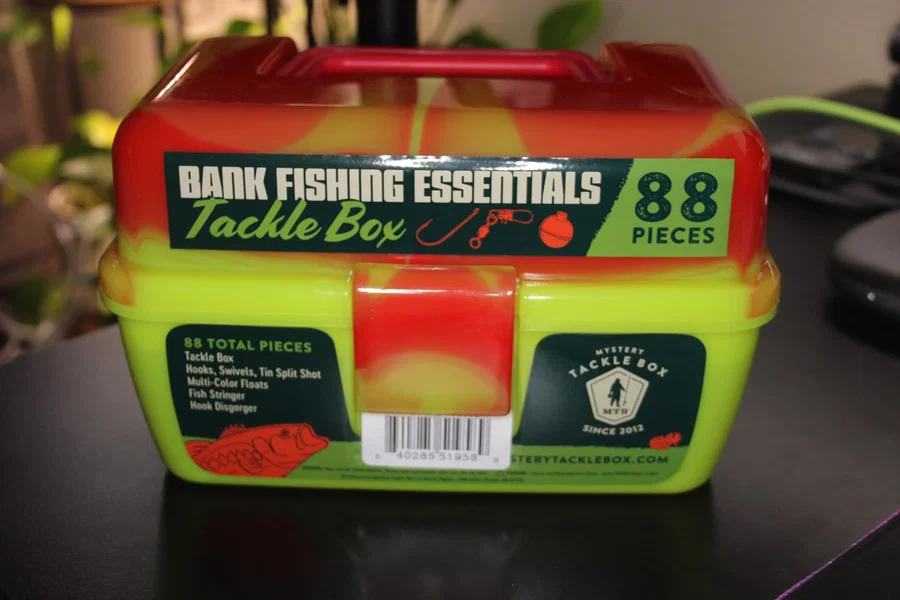
Every angler knows that a successful day on the water starts before you even cast a line. Enter the humble tackle box: the unsung hero of your fishing adventures. If you’re just starting out, the sheer number of options can feel a bit overwhelming - like trying to choose a favorite pizza topping when all of them sound delicious. From small trays that fit in your backpack to larger chests that can hold enough gear to stock a mini tackle shop, there’s a tackle box out there for every beginner.
In this guide, we’ll navigate through the essentials, helping you find the right tackle box that suits your fishing style without making you feel like you need a degree in fishing gear. So, grab a cup of coffee (or your favorite fishing beverage), and let’s dive into the world of tackle boxes - because the only thing you should be catching is fish, not confusion!
Why Choosing the Right Tackle Box Matters for Beginners#
When you’re just starting out in fishing, selecting the right tackle box can make a big difference in your experience on the water. A well-organized tackle box not only helps you keep your gear accessible and easy to find, but it also enhances your confidence and efficiency as you learn the ropes. Understanding your needs and preferences will guide you in choosing a tackle box that fits your style, ensuring that your fishing trips are enjoyable and stress-free from the very beginning.
Keeping gear organized from the start#
When you’re just starting out in fishing, organizing your gear might not seem like a big deal. However, having a tidy tackle box can make a world of difference. Imagine being out on the water, ready to bait your hook, only to spend precious time rummaging through a chaotic jumble of lures, hooks, and lines. It can be frustrating and might even make you miss the perfect catch.
Investing in a tackle box that suits your needs from the beginning helps you establish good habits. Look for boxes with multiple compartments or trays. This way, you can sort your gear by type - like putting all your lures in one section and your hooks in another. It’s all about making your gear easily accessible.
Consider how you fish. If you tend to change lures often or need specific tools like pliers or scissors handy, choose a box with removable trays. This lets you customize your setup based on the type of fishing you’re doing that day. Plus, when everything has its place, it’s easier to spot what you need without digging around.
Don’t forget about the size of your tackle box. A compact option might be ideal if you’re fishing from a kayak or a small boat. On the other hand, if you plan to fish from the shore or a larger boat, a bigger box with more storage might be the way to go. Just make sure it’s still manageable for you to carry.
Lastly, keep in mind that organizing your tackle box isn’t a one-time task. As you gain experience and learn what gear you actually use, don’t hesitate to tweak your setup. A well-organized tackle box not only saves time but also helps you feel more confident and ready to enjoy your fishing adventures.
Avoiding unnecessary purchases#
When you’re starting out in fishing, the last thing you want is to spend money on gear you won’t use. Choosing the right tackle box can help you avoid those unnecessary purchases.
First, think about the types of fishing you’ll be doing. Will you be casting from the shore, fishing on a boat, or maybe trying your luck at a local pond? Each scenario might require different tackle. By identifying your primary fishing style, you can select a tackle box that fits your needs without overloading it with items that won’t see the light of day.
Next, consider the size and organization of the tackle box. A large box might seem tempting, but if you’re a beginner, it can easily become a black hole of clutter. Instead, go for a compact box that has enough compartments to keep your essentials organized. This way, you’ll only buy what you really need - hooks, sinkers, lures, and maybe a few tools like pliers or a line cutter.
Don’t forget about versatility. Some tackle boxes come with removable trays or adjustable dividers. This is useful because as you gain experience, your needs may change. You can easily customize the layout without having to invest in a completely new box.
Finally, take inventory of what you already own. Sometimes, friends or family might have extra tackle or gear they’re willing to share. This can save you from buying duplicates or items you might not use much. Keep your tackle box simple and focused on what will help you catch fish, and you’ll avoid the trap of unnecessary purchases.
What Makes a Good Beginner Tackle Box?#
When you’re just starting out in fishing, having the right tackle box can make all the difference in your experience on the water. A good beginner tackle box should be spacious enough to hold your essentials, yet organized to help you quickly find what you need. It should also be durable to withstand the elements and portable enough to carry to your favorite fishing spot. Understanding these key features will help you select a tackle box that not only meets your needs but also enhances your overall fishing adventure.
Size and storage capacity#
When choosing a tackle box as a beginner, size and storage capacity are key factors to consider. You want something that’s not too bulky but still roomy enough to hold all your essential gear. Think about the type of fishing you plan to do. If you’re going for a half-day trip, a smaller box might be all you need. However, if you’re gearing up for longer outings or different types of fishing, a larger box will serve you better.
Most tackle boxes come in a variety of sizes, so take a look at the compartments inside. You’ll want to find one that has a mix of larger spaces for bigger items like pliers and bait, along with smaller compartments for hooks, lures, and other tackle. Adjustable dividers can be a lifesaver, letting you customize the space as your needs change.
Don’t forget about portability, either. A tackle box with a comfortable handle or even a shoulder strap will make it easier to carry to your fishing spot. Weight can be a factor too; you don’t want to be lugging around a heavy box if you’re hiking to your fishing location. A good rule of thumb is to choose a tackle box that feels manageable for you, with enough storage to keep your gear organized and accessible.
Durability and water resistance#
When you’re just getting started in fishing, your tackle box is going to take a bit of a beating. Whether you’re trekking through rocky terrain or tossing it in the back of your car, you want something that can withstand the bumps and scrapes of the great outdoors. Look for a box made from sturdy materials, like high-quality plastic or reinforced metal. These can handle drops and rough handling much better than flimsy alternatives.
Water resistance is equally important. You never know when the weather might turn, or when you might accidentally drop your tackle box in the water. A good beginner tackle box should have seals or lids that keep out moisture. Some boxes are even designed to float, which can be a lifesaver if you drop it while casting your line.
Check for features like rubber gaskets on the lid or latches that secure tightly. These small details can make a big difference in protecting your gear from the elements. Remember, your tackle box is an investment in your fishing journey, and you want it to last. So, prioritize durability and water resistance when making your choice, and you’ll be set for many fishing adventures to come.
Adjustable compartments#
When you’re starting out with fishing, having a tackle box that features adjustable compartments can be a game-changer. These compartments allow you to customize the space inside your box to fit your gear, which is especially useful since beginners often have a mix of lures, hooks, and other tools of various sizes.
Imagine you’ve got a handful of different baits and some terminal tackle, like weights and hooks. An adjustable tackle box lets you create sections that perfectly fit those items, keeping everything organized and easy to find. This means less time rummaging around for that one lure you want and more time fishing, which is exactly what you want when you’re on the water.
Look for tackle boxes that come with removable dividers or trays. This feature lets you change the layout as your fishing technique evolves or as you accumulate new gear. For instance, if you start with just a few lures and then decide to branch out into different types of fishing, you can easily rearrange those compartments to suit your needs without having to buy a whole new box.
Additionally, adjustable compartments help prevent your tackle from tangling. If everything has its own space, you won’t have to deal with the frustration of hooks and lines getting mixed up. It’s a small detail, but it can make your fishing experience a lot smoother, especially when you’re getting the hang of things.
In short, when choosing your first tackle box, look for the flexibility of adjustable compartments. It’s a simple feature that can help keep your gear organized and ready for action, making your fishing adventures more enjoyable from the start.
Types of Tackle Boxes Beginners Should Consider#
When you’re just starting out in fishing, choosing the right tackle box can make all the difference in your experience. With so many options available, it can feel a bit overwhelming. Understanding the various types of tackle boxes can help you find one that suits your needs, keeps your gear organized, and makes it easy to access everything you need when you’re out on the water. Let’s dive into the different styles and features that are perfect for beginners to consider.
Traditional hard tackle boxes#
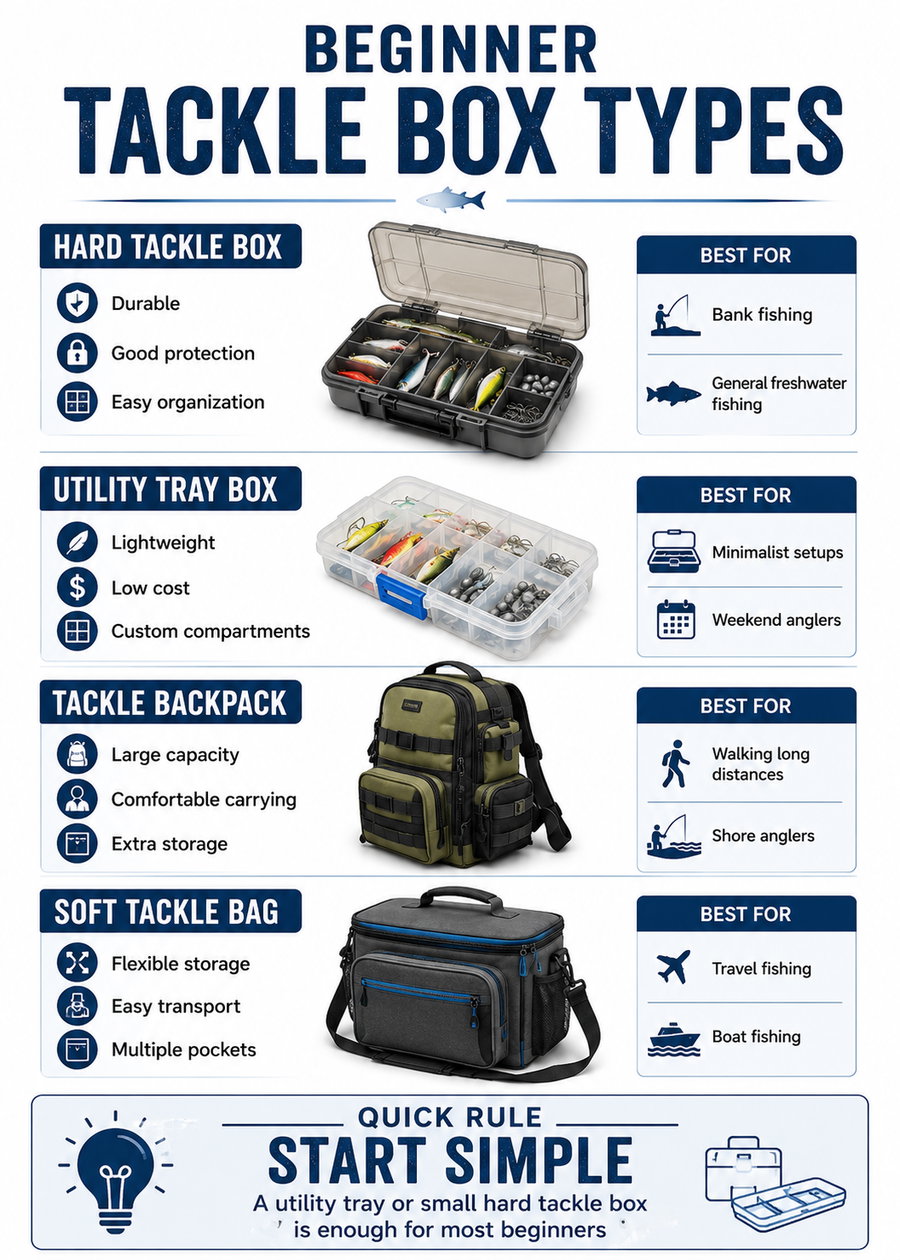
When you think of tackle boxes, chances are you picture a traditional hard tackle box. These sturdy containers are a favorite among many anglers, especially beginners. They offer a reliable way to store and organize your fishing gear, making it easier to grab what you need when you’re out on the water.
One of the biggest advantages of a hard tackle box is its durability. Made from tough plastic or metal, these boxes can handle the bumps and scrapes of outdoor adventures. You won’t have to worry too much about wear and tear, which is a plus if you’re just starting out and still figuring out how to handle your gear.
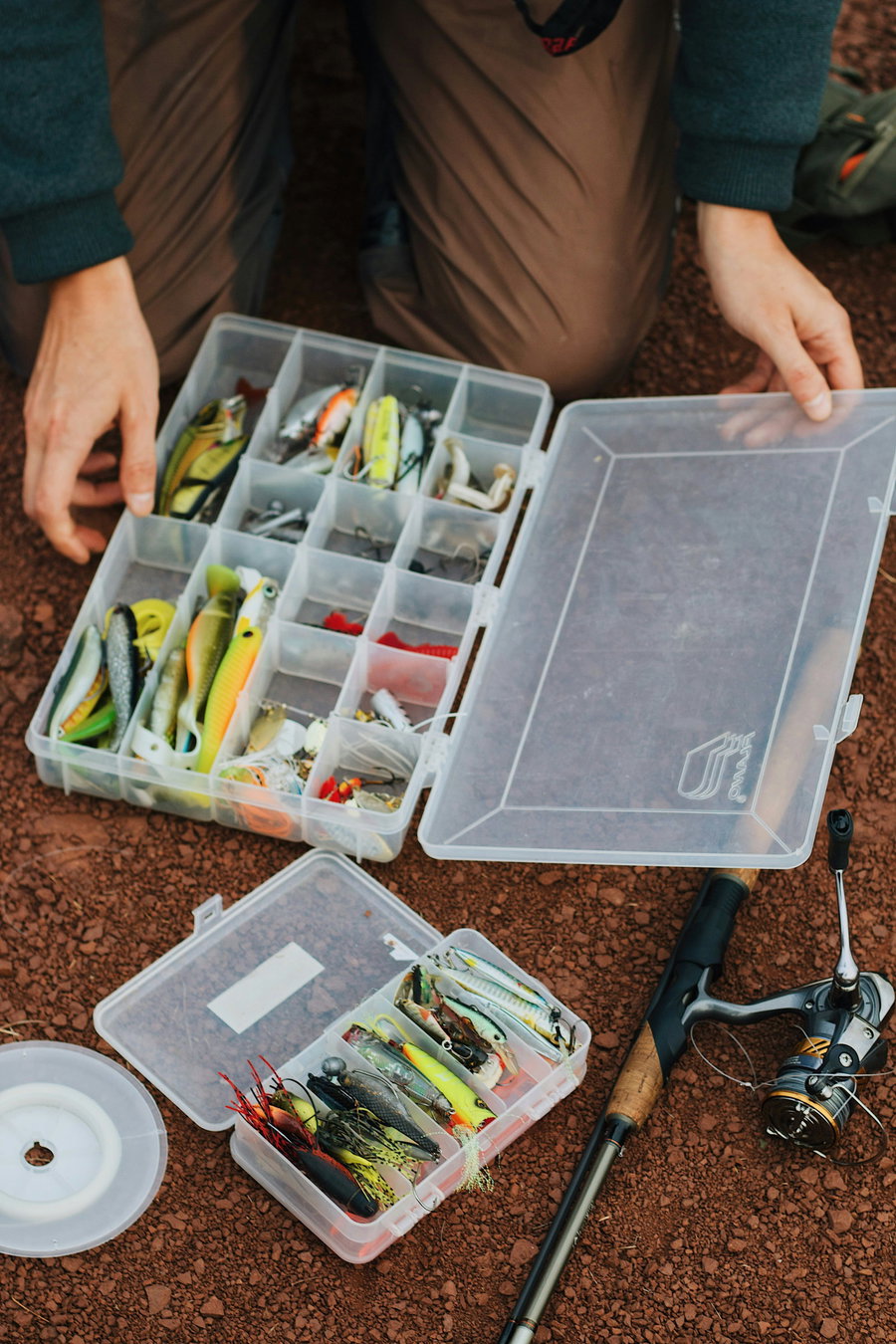
Inside, you’ll find multiple compartments and trays that help keep everything organized. This means you can separate your lures, hooks, lines, and other essentials without them getting tangled together. Many beginners appreciate this feature because it saves time and frustration when it comes to finding the right item.
Another great aspect of traditional hard tackle boxes is their size variety. You can find them in small, portable sizes perfect for a quick trip, as well as larger models that can hold all your gear for a full day on the water. If you’re planning on fishing in different spots or types of environments, having a box that suits your needs can make a big difference.
When choosing a hard tackle box, consider how you plan to fish. If you’re mostly going to be shore fishing with just a few essentials, a compact box may be all you need. On the other hand, if you’re venturing out on a boat or planning to fish multiple locations, a larger box with more storage options will serve you better.
Lastly, many traditional hard tackle boxes come with added features like built-in trays that slide out or removable dividers. These can be particularly handy as you start to build your collection of tackle. You might find yourself adding new lures or tools as you gain experience, and having a box that adapts to your growing needs will keep everything neat and accessible.
Utility trays and organizers#
Utility trays and organizers are a fantastic starting point for beginners looking to get their tackle game in order. These boxes are often lightweight, compact, and easy to carry around, making them ideal for those just stepping into the world of fishing.
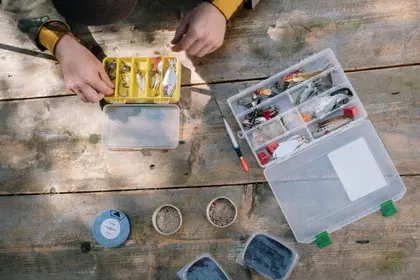
One of the main features of utility trays is their customizable compartments. Most come with adjustable dividers that let you configure the space according to your needs. This means you can create separate sections for lures, hooks, sinkers, and other small tackle items. Being able to see everything at a glance saves you time and frustration when you’re out on the water.
When choosing a utility tray, consider the size and number of compartments. A box with too few sections might lead to a jumbled mess, while too many can make it hard to find what you need quickly. Look for a tray that balances organization with ease of access. A clear lid can also be a nice feature, allowing you to spot your gear without having to open the box.
These organizers often come with handles, making them easy to carry to your favorite fishing spot. Some models even fit neatly into larger tackle boxes, which is great if you plan to expand your collection as you grow in experience. Plus, they’re usually very affordable, so you won’t break the bank as you start gathering your gear.
Remember, as a beginner, the goal is to keep things simple. Utility trays and organizers help you break down your tackle into manageable parts, making your fishing trips more enjoyable and hassle-free.
Tackle backpacks and soft bags#
Tackle backpacks and soft bags are great options for beginners who want a blend of organization and mobility. These bags are designed to carry everything you need for a day on the water without the bulk of traditional hard tackle boxes. They often come with multiple compartments and pockets, making it easy to keep your gear sorted.
One of the biggest advantages of tackle backpacks is their portability. You can easily strap one on your back, leaving your hands free for fishing gear or other essentials. This is especially handy if you’re hiking to a fishing spot or moving around a lot on a boat. Many tackle backpacks also have padded straps and back panels for added comfort during long outings.
When considering a tackle backpack, look for one with a waterproof or water-resistant material to protect your gear from splashes or rain. Some even have molded bases that keep your bag upright and off the wet ground. Additionally, plenty of soft bags come equipped with removable tackle trays, which allow for quick access to your lures and tackle without having to rummage through everything.
Soft bags tend to be lighter and more flexible than hard tackle boxes, making them easier to store and transport. They can fit into tight spaces and are less cumbersome when you’re out fishing. Many models also have external attachment points for things like pliers, scissors, or even a water bottle, so you can keep everything you need within reach.
For beginners, a tackle backpack or soft bag is an excellent choice to start with. They provide ample space for your gear while making it easy to stay organized and mobile on your fishing adventures.
Best Small Tackle Boxes for Casual Fishing Trips#
When you’re heading out for a casual fishing trip, a small tackle box can be your best friend. Not only does it help keep your gear organized, but it also ensures you have everything you need without the bulk. For beginners, finding a compact and efficient tackle box can make all the difference, allowing you to focus on enjoying your time on the water rather than fumbling with your equipment. In this section, we’ll explore some of the best small tackle boxes that strike a balance between convenience and functionality, perfect for those laid-back fishing outings.
When a compact setup makes sense#
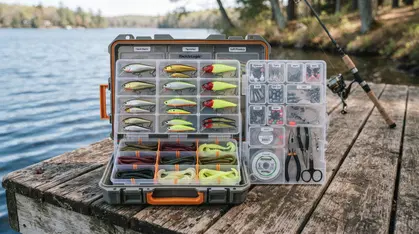
For many anglers, especially those just starting out, a small tackle box can be the perfect solution. Whether you’re heading to a local pond, a riverbank, or a small lake, having a compact setup makes your fishing experience easier and more enjoyable.
One of the main reasons to opt for a smaller tackle box is convenience. If you’re walking to your fishing spot or biking there, a lightweight box won’t weigh you down. It’s easier to carry and fits well in a backpack or even a larger pocket. You can grab your box, a rod, and some bait, and you’re ready to go without feeling overloaded.
Small tackle boxes also promote simplicity. As a beginner, it’s easy to get overwhelmed with a myriad of lures, hooks, and other gear. A compact box encourages you to focus on the essentials. You can start with a few basic items, like some hooks, weights, and a couple of lures that work well in your area. This way, you’re not bogged down by too many options, making it easier to learn what works best for your style and the type of fish you’re targeting.
Another point to consider is storage space. If you don’t have a dedicated area for fishing gear at home, a small tackle box takes up minimal space. You can easily store it in a closet, under your bed, or even in the trunk of your car, ready for your next fishing adventure. Plus, when it’s time to clean up, it’s a breeze - just tuck everything away and you’re done.
Lastly, small tackle boxes often include adjustable compartments. This feature allows you to customize the space based on what you need for your trip. You can separate your lures from your hooks and keep everything organized, making it easier to find what you’re looking for when you’re out on the water. So, if you’re heading out for a casual fishing trip, a compact tackle box might just be the perfect fit for you.
Features Worth Paying For and Features You Can Skip#
When it comes to choosing a tackle box, it can be easy to get overwhelmed by the options available. As a beginner, understanding which features are essential versus those that may not be necessary can make your shopping experience much smoother. By focusing on what truly enhances your fishing experience, you can find a tackle box that meets your needs without breaking the bank or complicating your gear setup. Let’s explore what to look for and what you can do without as you start your fishing journey.
Secure latches#
When you’re starting out in fishing, one of the most important features to consider in a tackle box is the latching system. Secure latches keep your gear safe and organized, so you don’t end up with a tangled mess or lose essential items while you’re out on the water.
Look for tackle boxes with sturdy latches that snap closed tightly. Plastic latches can wear out over time, so consider metal or heavy-duty plastic for durability. A tackle box with a reliable latch system will give you peace of mind as you transport your gear - whether it’s in the trunk of your car or a boat.
Some tackle boxes come with additional features like locks or double latches for extra security. These can be beneficial, especially if you’ll be traveling to different fishing spots or storing your tackle in a busy garage. However, for beginners, a simple yet secure latch is usually sufficient. You want something that opens and closes easily without fuss but still keeps everything secure.
On the flip side, avoid tackle boxes with flimsy latches. If the latch is hard to operate or feels like it’s going to break at any moment, it’s probably not worth your time and money. A box that won’t stay closed can lead to losing baits, lures, and other important tackle, which can be frustrating when you’re trying to enjoy a day of fishing.
In summary, secure latches are a must-have feature for any tackle box, providing the reliability you need as you navigate the waters of fishing.
Clear lids#
When you’re just starting out in fishing, having a clear lid on your tackle box can make a world of difference. Imagine you’re out on the water, and you need to find that perfect lure or a specific hook. With a clear lid, you can quickly scan through your gear without having to dig through everything. It saves time and keeps your focus on the fishing, where it belongs.
Clear lids also help you see when you’re running low on certain items, like weights or hooks. You won’t have to guess what you have left; a quick glance will tell you if it’s time to restock. This can be especially handy when you’re planning a trip and want to make sure you have everything you need.
But not all clear lids are created equal. Some might scratch easily or become cloudy over time, which can defeat the purpose. Look for tackle boxes with sturdy, durable materials that can withstand being tossed around in the trunk of your car or during a bumpy boat ride.
While clear lids are a nice feature, they aren’t the only thing to consider when choosing a tackle box. If you find a great option that doesn’t have a clear lid but meets your other needs, don’t let that be a deal-breaker. Focus on what’s going to work best for you and your fishing style.
Extra storage compartments#
When you’re just starting out in fishing, having extra storage compartments in your tackle box can be a game changer. These little spaces allow you to organize your gear more effectively, which means you can spend less time digging around and more time actually fishing.
Think about it: different types of tackle serve different purposes. You might have lures for bass, hooks for catfish, and weights for whatever you’re targeting that day. Extra compartments help keep all these items sorted, so you can quickly grab what you need without rummaging through everything.
Some tackle boxes come with removable trays or adjustable dividers. This is super helpful because you can customize the layout based on what you plan to use. If you’re fishing for trout one weekend and bottom fishing the next, you can easily switch things up.
However, there are other tackle boxes that forgo these compartments in favor of larger, open spaces. While these can work for storing bulkier items, they may not be the best for a beginner who needs to keep everything organized. If you want to save yourself the headache of searching for that elusive lure, opt for a box with plenty of compartments.
Also, consider the size of the compartments. Some are designed for small items like hooks and sinkers, while others can hold larger baits or tools. Depending on your fishing style and the types of fish you’re going after, you’ll want to look for a tackle box that accommodates your specific needs.
In short, extra storage compartments might seem like a small feature, but they can significantly enhance your fishing experience. A well-organized tackle box not only saves you time on the water but also helps you feel more prepared and confident as you reel in your catch.
Common Beginner Tackle Box Mistakes#
When starting out in fishing, it’s easy to feel overwhelmed by the gear options available, especially when it comes to organizing your tackle box. Many beginners make a few common mistakes that can lead to frustration on the water. Understanding these pitfalls can save you time and help you create a more efficient setup, allowing you to focus on what really matters: enjoying your time fishing and catching more fish.
Buying a box that is too large#
When you’re just starting out in fishing, it’s tempting to go for the biggest tackle box you can find. After all, more space means you can carry more gear, right? Not quite. A box that’s too large can quickly become a burden rather than a benefit.
First, consider what you actually need. As a beginner, you might only have a few lures, hooks, and other basic gear. A big box can swallow up those essentials, making it hard to find what you’re looking for. You’ll spend more time rummaging through a cluttered box than actually fishing. A smaller tackle box keeps everything organized, allowing you to easily grab what you need on the water.
Think about portability as well. If your tackle box is heavy and cumbersome, it can be a hassle to carry around, especially if you plan to hike to your fishing spot. A smaller, lighter box is much easier to transport and will make your fishing trips more enjoyable.
Lastly, a large box might encourage you to buy unnecessary gear just to fill it up. Stick to the basics and expand your collection only as you gain experience. Starting with a manageable size helps you focus on learning the ropes without the distraction of too much gear. Choose wisely, and you’ll find that a well-sized tackle box can make a big difference in your fishing experience.
Carrying more gear than necessary#
One of the most common mistakes beginners make is stuffing their tackle boxes with too much gear. It’s easy to think that having every lure, hook, and tool available will make you a better angler. In reality, simplicity is often key to a successful day on the water.
First, focus on the type of fishing you’re doing. If you’re going for bass, choose a few versatile lures that work well in your local waters. You don’t need every color or size - just a handful that you’ve either researched or that have been recommended for your area.
Next, consider the essentials. A good starter tackle box should include a few basic categories of items: hooks, weights, lures, and perhaps a line cutter or pliers. You can always add more as you learn what works best for you. Packing too much gear can weigh you down and make it harder to find what you actually need when you’re out on the water.
Organizing your tackle box is also crucial. Use compartments wisely to separate different types of lures and tackle. This way, you won’t waste time digging through a jumbled mess to find that one crankbait you know you packed somewhere.
Finally, remember that fishing isn’t just about having the right gear; it’s about enjoying the experience. Overloading your tackle box can lead to frustration, especially when you realize you forgot your sunscreen or a snack while rummaging through all that tackle. So keep it simple, stick to the essentials, and you’ll have a much more enjoyable time on your fishing trips.
Poor organization habits#
When starting out in fishing, it’s easy to let your tackle box turn into a tangled mess. Poor organization can lead to frustration, making it harder to find what you need when you’re out on the water. Here are some tips to help you keep your tackle box tidy and functional.
First, sort your gear by type. Group similar items together, like hooks, lures, and weights. You can use small tackle trays or even resealable plastic bags to keep these items separated. This way, when you need a specific lure or hook size, you can grab it quickly without rummaging through a jumble of gear.
Next, think about how you plan to fish. If you’re targeting different species or fishing in various environments, create sections in your tackle box for each type of fishing. That means having dedicated space for freshwater and saltwater gear, or for bass and trout lures. This organization will save you time and make your fishing trips more enjoyable.
Don’t forget to keep your tackle box clean. After each outing, take a moment to check for any dirty or damaged items. Toss out old lures that didn’t work or hooks that have rusted. A little maintenance goes a long way in keeping everything organized and ready for your next adventure.
Finally, label your sections if you find it helpful. Simple labels can help you find what you need at a glance, especially if you’re still getting familiar with the different types of tackle. Whether you use stickers or just a piece of tape and a pen, this small step can make a big difference.
By developing good organization habits early on, you’ll set yourself up for success as you learn about fishing and expand your tackle collection.
How Much Storage Do Most Beginners Actually Need?#
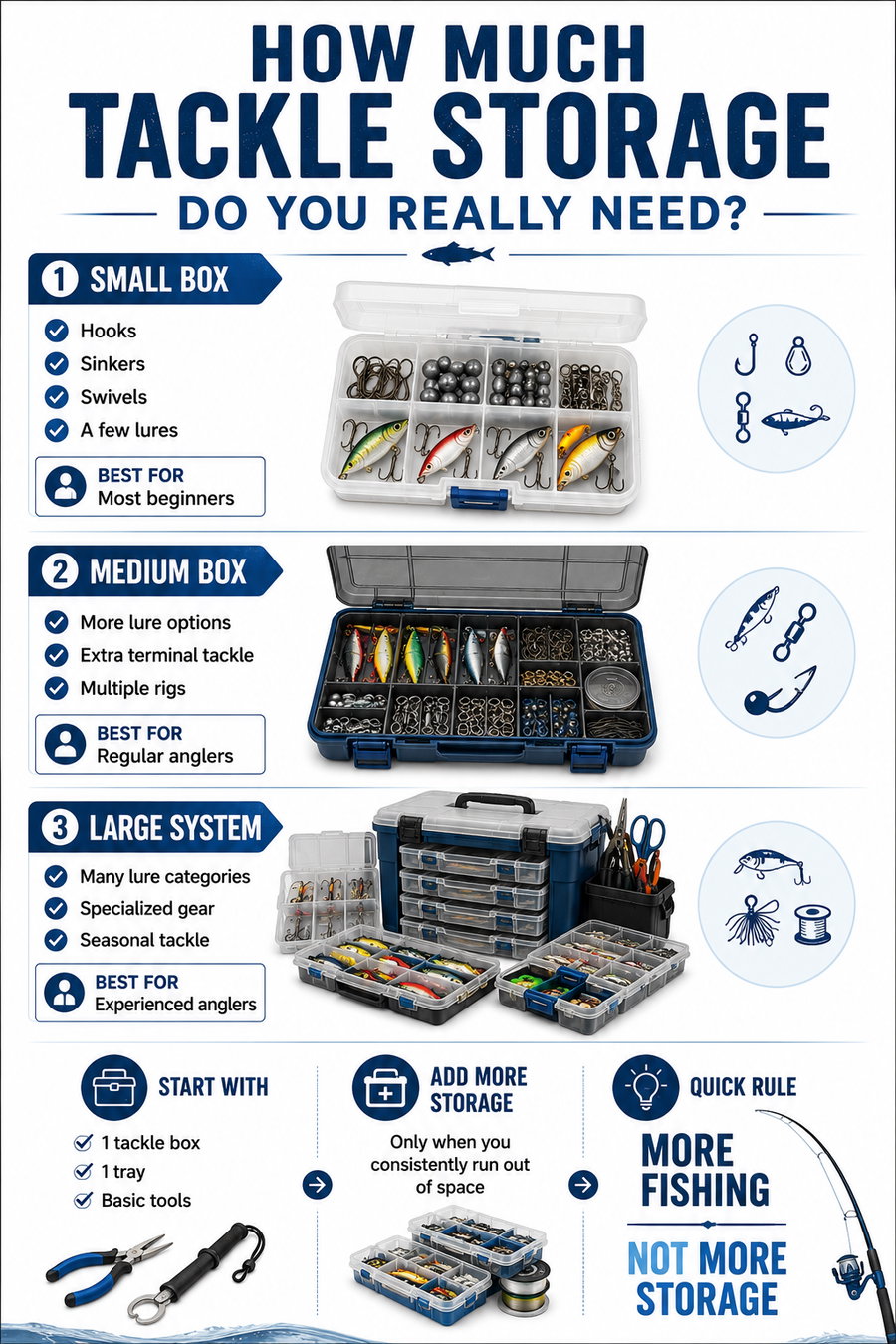
When it comes to choosing a tackle box, storage capacity is a key consideration for beginners. Many newcomers might feel overwhelmed by the variety of options available, but understanding your needs can simplify the process. Most beginners don’t require a large, complex system; instead, a tackle box that offers enough space for essential gear - like lures, hooks, and tools - will help keep things organized without overcomplicating your fishing experience.
One-box freshwater setups#
For beginners venturing into freshwater fishing, a one-box setup is often the most practical choice. This means having a single tackle box that can hold everything you need for a day on the water. It’s simple, efficient, and makes it easier to keep track of your gear.
When picking a tackle box for freshwater fishing, consider a size that fits comfortably in your vehicle or even your backpack if you plan to hike to your fishing spot. A medium-sized box with multiple compartments can help you organize various items like lures, hooks, and sinkers. Look for boxes that offer adjustable dividers; this way, you can create spaces that fit your specific gear.
What should you include in that one box? Start with a selection of essential lures, such as spinners, jigs, and crankbaits. These can appeal to various freshwater species like bass, trout, and panfish. Add a few terminal tackle items, including hooks, weights, and bobbers. These are the building blocks of your fishing rig, and having a variety will prepare you for different fishing scenarios.
Don’t forget about fishing line, as it’s critical for connecting your lure or bait to your rod. A spool of monofilament line is a great choice for beginners - it’s easy to handle and forgiving when you’re learning. Make sure to also pack some basic tools like pliers for removing hooks and a line cutter for when you need to make quick adjustments.
Lastly, always remember to bring a few personal items that can enhance your fishing experience. Sunscreen, a hat, and snacks can go a long way. With a well-packed one-box setup, you’ll have everything you need to get started on your fishing adventures without feeling overwhelmed by gear.
Expanding your tackle collection later#
As you get into fishing, you might start with just a few essentials - a rod, some lures, and maybe a spare line. But as you spend more time on the water, you’ll likely find that your tackle box needs to grow. It’s not just about having more gear; it’s about being prepared for different situations and types of fishing.
When you first start, aim for a tackle box that offers a little extra space. You don’t want to cram everything you own into it right away, but a few extra compartments can be handy for those “just in case” moments. For instance, if you find yourself wanting to try out new baits or tackle, you’ll have room to store them without needing an entirely new box.
Think about the types of fishing you enjoy or want to explore. If you’re going after bass in a local lake today, but might want to try fly fishing next season, having extra space can make the transition easier. You can gradually add specialized gear without feeling overwhelmed.
When you do start expanding, consider the types of tackle you’ll need for various conditions. Different species of fish require different lures and tools. Plus, you’ll want to have space for things like tools, extra line, and maybe even a first aid kit.
Keeping your tackle organized will also help you find what you need quickly. As you add more gear, think about using small tackle boxes or dividers within your main box. This way, you can categorize items by type or species, making it easier to grab what you need without digging through everything.
Investing in a tackle box with expandable features, such as removable trays or adjustable dividers, can make a difference as your fishing passion grows. It’s all about creating a setup that can adapt with you as you learn and try new things.
Building a Budget-Friendly Tackle Box System#
Starting your fishing journey doesn’t have to break the bank, and building a budget-friendly tackle box system is a great way to kick things off. With a little thought and planning, you can create a setup that meets your needs without overwhelming you with costs. This section will guide you through selecting essential gear and organizing it in a way that keeps you ready for whatever adventure awaits on the water.
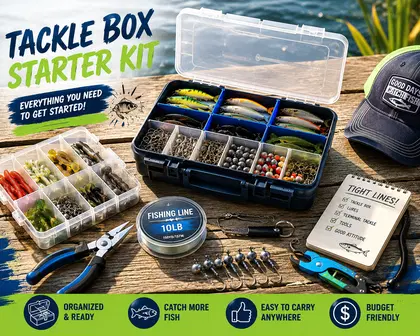
A Simple Tackle Box Setup That Covers Most Fishing Situations#
Getting started with fishing can feel overwhelming, especially when it comes to organizing your gear. A simple tackle box setup is essential for beginners, providing a straightforward way to keep everything tidy and accessible. By focusing on a few key items, you can create a tackle box that prepares you for various fishing situations without breaking the bank or complicating your outings. Let’s dive into how you can set up your tackle box to be both practical and efficient as you embark on your fishing journey.
In conclusion, picking the right tackle box as a beginner doesn’t have to be a daunting task. By understanding your needs, considering the types of boxes available, and avoiding common pitfalls, you can create a setup that makes your fishing trips more enjoyable and organized. Remember, it’s not just about having the fanciest gear but finding what works best for you and your fishing style. Whether you opt for a small, portable box or a larger, more comprehensive system, the goal is to have everything you need at your fingertips. So, grab your tackle box, pack it thoughtfully, and head out to the water. The fish won’t catch themselves, after all! Happy fishing!