
Affiliate disclosure: As an Amazon Associate, we may earn from qualifying purchases made via links on this page - at no extra cost to you. See our Affiliate Disclosure.
If you’re diving into the world of trout fishing, choosing the right rod might feel a bit like picking a favorite child - there are just so many options! But fear not, fellow angler; this guide is here to help you navigate the waters without sinking into confusion.
Trout fishing can be a delightful experience, whether you’re standing knee-deep in a babbling brook or casting from a quiet shore. Your rod is your trusty sidekick on this adventure, and getting the right one can make all the difference. We’ll walk through some practical considerations, like rod lengths, actions, and materials, all while keeping it light and breezy. By the end of this read, you’ll have a solid grasp of what to look for, and who knows? You might even feel a little more excited to reel in that trophy trout. So, let’s cast off into the world of rods and find the perfect match for your fishing escapades!
Why Trout Fishing Rods Feel Different From Other Freshwater Setups#
When you pick up a rod specifically designed for trout fishing, you might notice a distinct difference compared to other freshwater rods. Trout rods are usually lighter and more sensitive, which helps you detect even the faintest bites from these often skittish fish. The construction and action of these rods are tailored to enhance your casting precision and control, making it easier to navigate the various waters where trout thrive. Understanding these unique characteristics can significantly improve your fishing experience and success on the water.
Why trout expose weak rod sensitivity faster than most species#
When it comes to trout fishing, the sensitivity of your rod can make a world of difference. Trout are known for their cautious behavior and finesse feeding habits. They often take small bites, which means any delay in your rod’s response can lead to missed opportunities.
A rod with good sensitivity allows you to feel even the slightest tug on your line. This is crucial when trout are nibbling at bait or lures. If your rod isn’t sensitive enough, you might not even realize a trout is on the line until it’s too late. You’ll want a rod that can transmit those delicate vibrations straight to your hands. This way, you can react quickly.
Trout also tend to fight differently than other freshwater species like bass or catfish. They often dart and make quick, sharp movements. A sensitive rod helps you detect these sudden shifts, allowing you to adjust your reel and keep tension on the line. If your rod lacks sensitivity, you might struggle to maintain control during these quick bursts, risking the loss of your catch.
Lightweight materials, like graphite or composite blends, are commonly used in trout rods because they enhance sensitivity without adding extra weight. This is especially helpful when you’re casting for extended periods. You’ll feel less fatigued, and more importantly, you’ll have a better chance of detecting those subtle bites.
In short, the right rod can help you become more attuned to the nuances of trout fishing. Prioritize sensitivity, and you’ll find that detecting bites and hooking fish becomes much more intuitive.
The balance between finesse, casting distance, and control#
When it comes to trout fishing, the right rod can make all the difference. Unlike heavier setups used for larger species, trout rods are designed to provide a delicate balance of finesse, casting distance, and control. Understanding how these elements work together will help you make better choices on the water.
Finesse is key in trout fishing. These fish are often wary and can be easily spooked by bulky gear. Lighter rods allow for more subtle presentations, which can be crucial when using bait or lures. A rod with a lighter action will bend more easily and give you the sensitivity you need to feel those gentle bites. This means you can detect when a trout is nibbling at your bait rather than just relying on the visual cues.
Casting distance also plays a significant role. Trout are often found in open bodies of water where they can be quite spread out. A longer rod can help you achieve greater distances, allowing you to reach areas that might be out of reach with a shorter setup. However, this doesn’t mean you should sacrifice finesse. Many trout rods strike a balance by being both lightweight and long enough for effective casting.
Control is essential when fighting a fish. Trout can make quick runs, and having a rod that provides good control can help you keep them hooked. A medium-action rod is often a great choice as it offers enough flexibility to absorb the fish’s sudden movements while still giving you the backbone to reel it in. This way, you can respond quickly, adjusting your technique to the trout’s behavior without losing the fish.
In summary, selecting a rod that balances finesse, casting distance, and control ensures a more enjoyable and productive trout fishing experience. Keep these factors in mind as you shop for your gear, and you’ll be better prepared for your next fishing adventure.
Choosing the Right Rod Length for Trout Fishing#
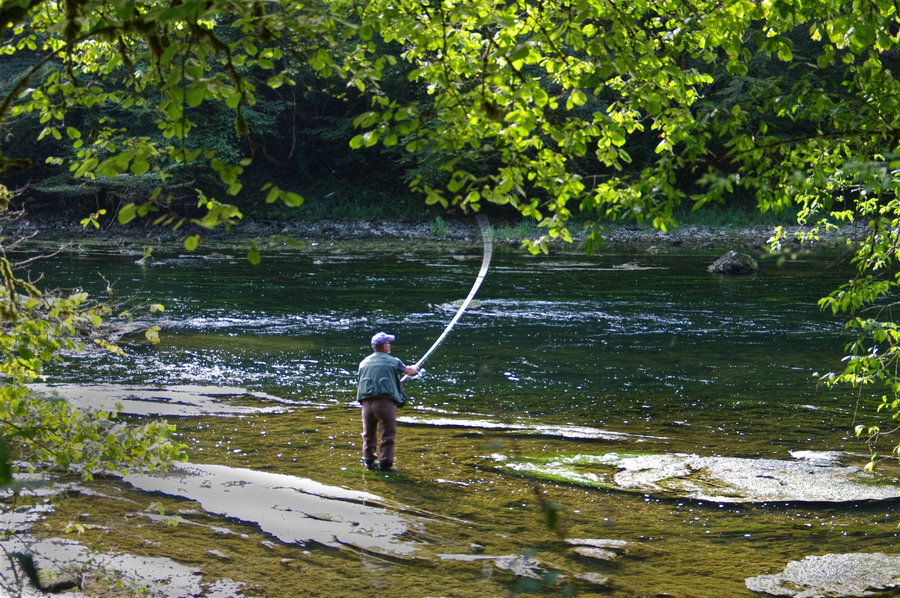
When it comes to trout fishing, the length of your rod can significantly impact your success and enjoyment on the water. A well-chosen rod length not only enhances your casting distance and accuracy but also helps you feel the bites more effectively. Whether you’re fishing in a small stream or a large lake, understanding how rod length affects your fishing experience will help you make a more informed decision and improve your chances of landing that prized trout.
Short rods for tight creeks and overgrown streams#
When you’re fishing in tight creeks or overgrown streams, a short rod can be your best friend. Typically, these rods range from 5 to 6 feet in length. The shorter length allows for better maneuverability in cramped spaces where trees and brush can make casting a challenge.
With a short rod, you’ll find it easier to make accurate casts. You can quickly dart your line around obstacles, which is often necessary when you’re trying to reach those hidden pockets where trout like to hide. It also helps you maintain control over your line, allowing for better hook sets when a fish strikes.
Short rods are particularly advantageous when you’re fishing in shallow waters. They give you the leverage you need to pull a fish out without having to worry about the rod getting tangled in the surrounding foliage. Plus, many of these rods are lightweight, making it easier to fish for extended periods without getting fatigued.
When choosing a short rod, look for one that feels comfortable in your hands. The grip should fit well, and the action of the rod should match the type of fishing you’re doing. For instance, a medium action rod offers a good balance of flexibility and strength, suitable for a variety of trout sizes.
Overall, if you plan on exploring narrow streams and creeks, investing in a short rod can greatly enhance your fishing experience. You’ll find it easier to navigate tight spots and increase your chances of landing that elusive trout.
Medium-length rods for versatile river fishing#
When it comes to trout fishing in rivers, a medium-length rod - typically between 6 to 7 feet - strikes a perfect balance. This length offers flexibility while still giving you enough control to handle various fishing conditions.
One of the main advantages of a medium-length rod is its versatility. You can easily maneuver in tight spaces, like when you’re casting under overhanging trees or around rocks. It’s long enough to give you decent casting distance, but short enough to let you feel the subtle nibbles that trout often have.
If you’re fishing in a river with a current, a medium-length rod helps you manage the flow without losing sensitivity. You can seamlessly detect bites while keeping your lure or bait where it needs to be. This is especially important when trout are lurking in deeper pools or behind obstacles.
Another benefit of this rod length is its ability to handle different types of lures and baits. Whether you’re using spinners, spoons, or live bait, a medium rod provides the backbone needed to reel in a trout without putting too much strain on the fish. This is key for catch-and-release anglers who want to minimize harm to the fish.
For beginners, a medium-length rod is also easier to handle. It’s not too long to feel unwieldy, yet it provides enough reach to help you feel more confident while casting. If you’re just starting out, this rod length can make your fishing experience smoother and more enjoyable.
Longer rods for lakes, floats, and drifting presentations#
When you’re fishing in lakes, a longer rod can really make a difference. Typically, rods ranging from 7 to 10 feet are ideal for this type of fishing. The extra length gives you better leverage and allows you to cast further out into the water, which is especially helpful in larger lakes where trout might be more spread out.
Using a longer rod also improves your ability to manage floats and drifts. If you’re using a bobber or a float to present live bait or lures, a longer rod helps keep your line off the water surface. This minimizes drag and allows your bait to move more naturally with the current. It’s all about giving those trout the best chance to bite without feeling the weight of your line or the float.
Another advantage of longer rods is the ability to detect bites more easily. The increased length allows for more sensitivity, so you can feel even the slightest nibble. This is particularly important when trout are being finicky. A good strike indicator can help too, but having that extra length means you can react quickly and set the hook effectively.
Lastly, consider how a longer rod can help you navigate around obstacles. If you’re fishing from the shore, you might have rocks, weeds, or other structures in the way. A longer rod gives you the reach to cast over these obstacles while still maintaining control over your line and bait.
Spinning Rods vs Casting Rods for Trout#
When it comes to choosing the right rod for trout fishing, the debate between spinning rods and casting rods can be a bit overwhelming for beginners. Each type has its own strengths and weaknesses, depending on your fishing style, the type of water you’ll be in, and what techniques you plan to use. Understanding the differences can help you make an informed decision that enhances your fishing experience and ultimately increases your chances of landing that prized catch.
Why spinning setups dominate trout fishing#
When it comes to trout fishing, spinning setups tend to be the go-to choice for many anglers, especially beginners. There are a few key reasons for this popularity that make spinning rods a practical option on the water.
First off, spinning rods are easier to handle. The reel is mounted underneath the rod, which allows for a comfortable grip and better control. This setup makes it less likely to tangle, especially when you’re just getting the hang of casting. It’s all about making the experience enjoyable, and spinning gear helps you focus on fishing rather than wrestling with your equipment.
Another advantage is versatility. Spinning rods can handle a wide range of lures and baits, from lightweight spinners to heavier spoons. This flexibility is perfect for trout fishing, where conditions can change quickly. With a spinning setup, you can easily swap out lures to match what the fish are biting on without needing a complete gear overhaul.
Casting distance is also a factor. While experienced anglers may prefer baitcasting setups for precision, spinning rods can still cast a good distance. This is particularly useful when trout are hanging out in deeper water or in spots that require a bit of reach. With a little practice, you’ll find that you can deliver your bait right where you need it.
Lastly, spinning reels are generally more forgiving when it comes to line management. They handle lighter line better than casting reels, which is ideal for trout fishing since you often use thinner lines. This means fewer headaches with backlashes or tangles, allowing you to focus more on catching fish and less on untangling your line.
In summary, spinning setups are user-friendly, adaptable, and effective, making them a top choice for trout fishing - especially for those just starting out.
Situations where baitcasters can still work#
While spinning rods are often the go-to choice for trout fishing, there are times when a baitcasting rod can be just as effective. Understanding these situations can help you expand your fishing toolkit and increase your chances of landing that prized catch.
One scenario where baitcasters shine is when you’re working with heavier lures or baits. If you’re targeting larger trout in lakes or rivers, using a baitcaster allows for better control and precision when casting. The heavier line and tackle can help you manage the fight when a big trout takes your bait.
Baitcasters also excel in windy conditions. The design of a baitcasting reel helps minimize the risk of wind knots, which can be a real hassle with spinning gear. When the wind picks up, you can make more accurate casts and avoid tangles, letting you focus on fishing rather than fixing gear.
Another situation to consider is when you’re fishing in heavy cover, like submerged logs or thick vegetation. Baitcasters are typically more robust and can handle the stress of pulling a fish out of tough spots. The ability to use heavier line can also give you the advantage needed to keep that trout from breaking free.
Finally, if you’re practicing specific techniques like flipping or pitching, baitcasters offer greater control and finesse. These techniques are often used when you’re trying to place your lure precisely, and the responsiveness of a baitcasting setup can be a real game-changer in those moments.
So, while spinning rods are versatile and user-friendly, don’t shy away from baitcasters. With the right conditions and techniques, they can enhance your trout fishing experience and help you reel in more fish.
Understanding Rod Power and Action#
When it comes to selecting the right fishing rod for trout, grasping the concepts of rod power and action is essential. Rod power refers to the rod’s strength and its ability to handle different weights of line and lures, while action describes how much of the rod bends when pressure is applied. Understanding these attributes will help you choose a rod that not only matches your fishing style but also enhances your overall trout fishing experience. Whether you’re casting lightweight lures in a small stream or using heavier tackle in deeper waters, knowing what power and action suit your needs can make all the difference in your success on the water.
Ultralight vs light power rods in real conditions#
When it comes to trout fishing, choosing between ultralight and light power rods can feel a bit overwhelming, especially for beginners. The good news is that both options have their strengths, and your choice often depends on where and how you’re fishing.
Ultralight rods are ideal for small streams or ponds where you expect to catch smaller trout. These rods typically have a softer action, which means they provide more flex throughout the length of the rod. This flexibility is great for feeling subtle bites, especially when using lighter lures or baits. If you’re fishing with smaller spinners or tiny jigs, an ultralight rod helps you present your bait more naturally, making it easier to entice those finicky trout.
On the other hand, light power rods are a bit stiffer and can handle slightly larger fish or heavier lures. If you’re fishing in larger rivers or lakes where trout might be bigger and more aggressive, a light power rod gives you the sensitivity to detect bites while also providing the backbone to reel in a stronger fish. They work well with a variety of bait, from worms to medium-sized spoons, and ensure you have enough control when you hook a trout.
In real-world conditions, the choice might also come down to the environment. If you’re casting from the shore into a windy lake, a light power rod might help you make longer, more accurate casts. Conversely, if you’re wading through a small stream, an ultralight rod will let you navigate tight spots and make precise presentations.
Ultimately, both rod types have their place in a trout angler’s arsenal. Consider the water you’ll be fishing and the size of trout you’re aiming to catch. Whichever you choose, make sure to pair it with a suitable reel and line for the best experience on the water.
Fast action vs moderate action for trout lures and bait#
When you’re getting into trout fishing, understanding the difference between fast action and moderate action rods can really make a difference in your success on the water. Both types have their place, but they cater to different fishing styles and techniques.
Fast Action Rods: These rods are designed to bend primarily at the tip, providing a quick and responsive feel. This is great for fishing with lures like spinners or spoons, where you need to make quick movements and set the hook effectively. If you enjoy actively casting and retrieving, a fast action rod will give you the sensitivity to feel even the lightest bites. They’re also excellent for situations where you need to keep a tight line, like fishing in fast-moving water.
Moderate Action Rods: On the other hand, moderate action rods bend more throughout the length of the rod. This allows for a softer tip that can be more forgiving when fighting fish. If you’re using live bait or fishing with soft plastics, a moderate action rod can help absorb the shock of sudden movements, reducing the chance of pulling the hook out of a trout’s mouth. These rods are also great for longer casts, as they can help launch bait a bit farther while still providing a good feel for what’s happening underwater.
Choosing between the two often depends on your fishing technique and the conditions you’ll face. If you’re new to trout fishing, consider your target environment. In rocky streams where you may be casting lures frequently, a fast action rod could give you the edge you need. If you’re fishing in still waters with bait, a moderate action rod may serve you better by allowing for a more natural presentation.
Ultimately, it’s about finding what feels right for you. Don’t hesitate to experiment with both types to see which one you prefer in different fishing scenarios. The right rod can enhance your experience and help you hook more trout along the way!
Best Rods for Common Trout Fishing Techniques#
When it comes to trout fishing, having the right rod can make all the difference in your success and enjoyment on the water. Different techniques, whether you’re spinning, fly fishing, or bait casting, may require specific rod characteristics to help you effectively cast and present your bait or lure. In this section, we’ll explore the best rods tailored for these common trout fishing methods, helping you to choose the perfect tool for your next fishing adventure.
Rod setups for inline spinners and spoons#
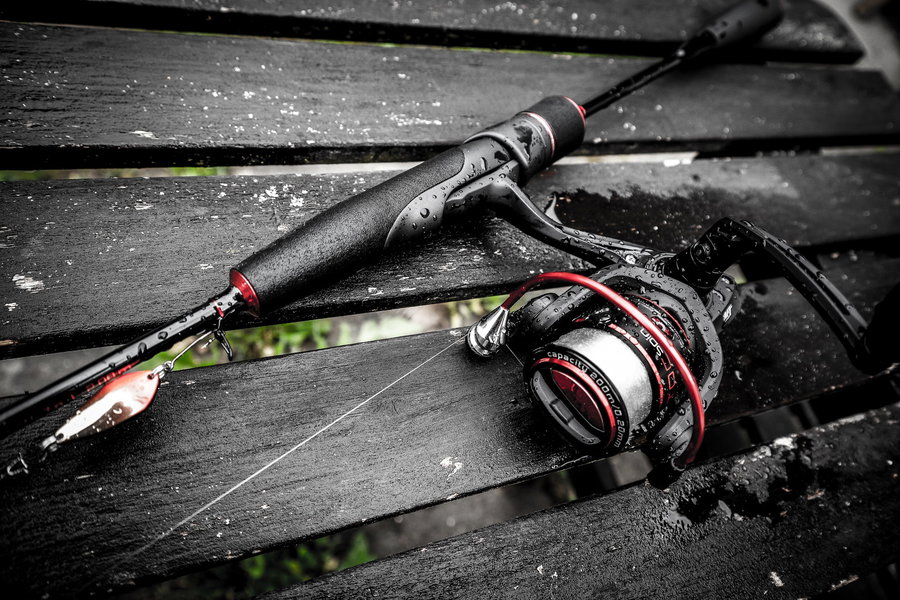
When you’re heading out to catch trout using inline spinners or spoons, having the right rod setup makes all the difference. Both of these lures require specific characteristics from your rod to maximize your effectiveness on the water.
For inline spinners, you want a rod that’s sensitive yet has some backbone. A medium-light to medium action rod between 6 to 7 feet long is ideal. This length provides good casting distance while still allowing you to feel the subtle bites that trout often give. Look for a rod with a fast tip; this helps in imparting action to your spinner and gives you better control when reeling in.
When it comes to spoons, a similar rod setup works well. You’ll still want that medium-light to medium action, but if you’re using heavier spoons, consider a longer rod, up to 7.5 feet. This extra length helps with casting distance, especially when you’re trying to reach deeper water. Again, a fast tip is beneficial here, allowing for quick hook sets when a trout takes the bait.
Pair these rods with a light spinning reel that can handle 4 to 8-pound test line. This line weight strikes a balance between strength and sensitivity, giving you the ability to feel every nibble while still being strong enough to reel in a sizable trout. Always remember, lighter line can lead to more bites, but you need to be careful of snags and heavy cover.
If you’re fishing in clear water, consider using a fluorocarbon leader. It’s less visible underwater, making your presentation more enticing to wary trout. A 2 to 3-foot leader is usually sufficient for both inline spinners and spoons.
In short, look for a medium-light to medium action rod, a matching spinning reel, and the right line to enhance your inline spinner and spoon fishing experience. Getting this setup right will help you enjoy your time on the water and, hopefully, land some trout along the way!
Soft plastics and finesse trout presentations#
When it comes to targeting trout with soft plastics, having the right rod can make all the difference. Finesse techniques often involve lighter lines and smaller lures, which means you’ll want a rod that is sensitive yet has enough backbone to handle a good fight. A medium-light spinning rod, around 6 to 7 feet in length, is usually a solid choice. This gives you the flexibility to cast lightweight lures accurately while still being able to reel in a larger fish.
A sensitive tip is crucial because it helps you feel the subtle bites that trout can sometimes deliver. Look for rods made of graphite or composite materials, as they tend to offer the sensitivity needed for finesse fishing. A fast action rod can also help you quickly set the hook when a trout bites, making it easier to catch and land fish without losing them.
When selecting your soft plastics, consider choosing smaller profiles, like 2 to 4-inch worms or grubs, in natural colors that mimic the local forage. Pair these with a light jig head or a drop shot rig to keep them near the bottom where trout often feed. A rod with a comfortable grip is essential, especially if you’re planning on fishing for several hours. You want to be able to cast and retrieve without straining your hands or wrists.
If you’re fishing in more heavily pressured waters, don’t be afraid to experiment with slower retrieves or subtle twitches. This is where a sensitive rod shines, as it allows you to feel exactly how your lure is moving through the water. Remember, finesse fishing is all about being patient and precise, so take your time with each cast and enjoy the process.
Float fishing with live bait#
Float fishing is a classic technique that many anglers swear by, especially when it comes to catching trout. This method involves using a float, or bobber, to suspend your bait at a desired depth, making it an effective way to entice fish that are feeding near the surface.
When selecting a rod for float fishing with live bait, you want something that offers a good balance between sensitivity and strength. A medium-light spinning rod, around 6 to 7 feet in length, is often ideal. This length gives you enough reach to cast your bait effectively while still providing the sensitivity needed to feel the subtle bites of trout. Look for a rod with a fast action tip; this will help you detect strikes more easily.
As for the reel, a lightweight spinning reel is a great choice. It should have a smooth drag system to help manage the fight when you hook a fish. Choose a reel that pairs well with your rod - most manufacturers provide recommendations for matching reels and rods, making it easier to find the perfect combo.
When it comes to line, use a light monofilament or fluorocarbon line, usually between 4 to 8-pound test. This line is less visible in the water, which is crucial for clear-water scenarios. A lighter line also allows your bait to move more naturally, increasing your chances of a bite.
For float fishing, you’ll want to rig up with a slip float, which allows you to adjust the depth at which your bait is suspended. Start by adding a small split shot a foot or so above your hook to help cast further and keep your bait down. Attach a hook suitable for the size of your bait - if you’re using worms, for example, a size 6 or 8 is usually a good fit.
When you’re ready to fish, cast your line out and watch the float closely. If it dips or moves erratically, be prepared to set the hook. Patience is key here - trout can be finicky. Allowing your bait to sit still can often lead to a successful catch.
Float fishing with live bait is not only effective but also a relaxing way to spend time outdoors. With the right rod and setup, you’ll be well on your way to enjoying a rewarding day on the water.
When fly anglers switch to spinning gear#
Switching from fly fishing to spinning gear can open up a whole new world for anglers, especially when targeting trout. While fly fishing is a beautiful and delicate art, spinning can give you a different edge, especially when conditions or personal preferences change. If you’re making the switch, here are some practical tips to get you started.
First, let’s talk about the gear. A medium-light spinning rod, around 6 to 7 feet long, is a great choice for trout fishing. It offers a good balance between sensitivity and strength, allowing you to feel even the slightest nibble while still having enough backbone to handle bigger fish. Pair this with a spinning reel that has a smooth drag system - this will help you play out the fish without breaking the line.
When it comes to line, a 6 to 10-pound test monofilament line is typically ideal for trout. It’s strong enough to handle a decent catch but light enough to not scare off the fish. If you’re fishing in clear water, consider using fluorocarbon line, which is virtually invisible underwater.
Baits and lures play a crucial role in spinning for trout. You can use everything from small spinners and spoons to soft plastics or live bait like worms. If you’re using spinners, look for sizes ranging from 1/16 to 1/4 ounce. These can create enough flash and vibration to attract trout while being light enough to cast accurately.
Casting technique is key. Unlike fly fishing, where you rely on the weight of the line to carry your fly, with spinning gear, you’ll want to focus on the weight of your lure. Aim for smooth, controlled casts to avoid tangles and ensure your bait lands where the fish are. Practice your timing and wrist motion; a little flick can go a long way.
When you’re on the water, pay attention to the environment. Trout often hang around structures like rocks, submerged trees, or deep pools. Cast near these spots and use a slow retrieve to mimic natural prey. If you’re not getting bites, don’t hesitate to switch up your lure or the speed of your retrieve.
As you gain confidence with spinning gear, remember that it’s all about having fun and enjoying the experience. Each cast brings the possibility of a catch, and with a little patience and practice, you’ll find your rhythm.
Materials That Actually Matter in Trout Rods#
When it comes to selecting the right rod for trout fishing, the materials used in its construction can significantly affect your experience on the water. Understanding the nuances of various rod materials helps you make informed choices that enhance your casting precision, sensitivity, and overall performance. Whether you’re a weekend warrior or just starting out, knowing what to look for can lead to more enjoyable days spent chasing those elusive trout.
Graphite vs fiberglass sensitivity and durability#
When it comes to choosing between graphite and fiberglass for your trout fishing rod, understanding their differences can help you make the right choice for your style of fishing.
Graphite rods are known for being lightweight and sensitive. This means you can feel even the slightest nibble, which is crucial when targeting trout. If you’re using small lures or live bait, that sensitivity can really make a difference. Graphite also tends to be stiffer, offering better control and faster action, which is great for quick hook sets. However, this material can be a bit more fragile. If you’re fishing in a rocky area or around heavy cover, you’ll need to handle a graphite rod with care to avoid any damage.
On the other hand, fiberglass rods are generally more durable and flexible. They can handle rough conditions better than graphite, making them a solid choice if you’re fishing around obstacles or if you’re still mastering your casting technique. The flexibility of fiberglass also allows for a slower action, which can be beneficial for catching trout that are cautious or finicky. While you might trade off some sensitivity, many anglers find that the durability of fiberglass is a worthwhile compromise, especially for beginners.
In summary, if you prioritize sensitivity and plan to fish in more open water, a graphite rod could be your best bet. But if you want something tough and forgiving, especially while learning, go for fiberglass. Each has its place, and your choice should match your fishing style and the environments you’ll be in.
Mistakes That Make Trout Rods Feel Terrible on the Water#
When you’re out on the water, the last thing you want is for your rod to feel awkward or uncomfortable in your hands. Unfortunately, many anglers, especially beginners, can inadvertently make mistakes that lead to a less-than-ideal fishing experience. Whether it’s the wrong rod length, improper setup, or poor technique, these factors can turn what should be an enjoyable day of trout fishing into a frustrating one. Let’s take a look at some common pitfalls that can make your trout rod feel terrible and how to avoid them.
Using rods that are too stiff for small trout#
When you’re out fishing for small trout, using a rod that’s too stiff can really take away from the experience. Stiff rods are great for bigger fish or heavy lures, but they can be a bit overkill for small trout. The problem is that these rods don’t provide the sensitivity you need to feel the subtle bites.
A stiffer rod makes it harder to detect when a small trout is nibbling on your bait. You might end up missing lots of fish because you can’t tell when they’re interested. Plus, setting the hook with a stiff rod can be tricky. You risk pulling the hook right out of their mouth instead of getting a solid catch.
For small trout, look for rods that are more flexible. A medium-light or light action rod gives you the right balance of strength and sensitivity. These rods allow you to feel the tiniest tugs and respond with a gentle hook set. It makes the whole experience more enjoyable, and you’ll likely catch more fish.
Keep in mind that a softer rod also helps in fighting the fish. Small trout often dart around, and a flexible rod can absorb their quick movements without risking a snap. That’s an important factor when you’re trying to reel in your catch without losing it after a hard fight.
So, before you head to the water, think about the rod you’re taking along. Choosing one that’s suitable for small trout will make a significant difference in your fishing adventure.
Ignoring balance between rod and reel#
When it comes to trout fishing, finding the right balance between your rod and reel is crucial. A well-balanced setup can enhance your casting accuracy and improve your overall fishing experience. If your rod feels too heavy or too light for your reel, it can make fishing more challenging and less enjoyable.
So, what does balanced mean in this context? Simply put, it’s about how the weight of your rod and reel work together. If you have a light rod paired with a heavy reel, or vice versa, you might end up struggling with fatigue, especially during long days on the water. The tip of your rod could feel heavy, leading to awkward casting and reduced sensitivity when a trout bites.
To achieve that sweet spot, consider the weight of both your rod and reel. As a general rule, your rod should be matched with a reel that’s roughly one-third of the rod’s weight. For example, if your rod weighs around 6 ounces, aim for a reel that weighs about 2 ounces. This creates a harmonious feel that allows for better control and comfort.
Don’t hesitate to test different combinations at your local tackle shop. Hold them together and see how they feel in your hands. A balanced setup will often feel lighter and more responsive, allowing you to fish longer without getting tired. Plus, it makes detecting those subtle bites from trout much easier.
If you’re just starting out, consider going with a combo package designed for trout fishing. These often come pre-matched, taking the guesswork out of selecting the right rod and reel. That way, you can focus on learning the ropes instead of stressing over whether your gear is the right fit.
Why cheap line can ruin rod performance#
When you’re out on the water, the last thing you want is to struggle with your fishing line. Using cheap line can really mess with how your rod feels and performs, leading to frustration instead of fun.
First off, lower quality lines are often thicker and less sensitive. This means you might miss the subtle bites that trout are known for. If your line is too bulky, it can also affect your casting distance. You’ll find yourself having to work harder to get your lure where it needs to be, which can take the joy out of the experience.
Another issue with cheap line is its tendency to tangle and twist. This can lead to knots that are tough to untangle and can even break your line at the worst moment. When you’re trying to reel in a fish, the last thing you want is to deal with a mess that could have been avoided with a better-quality line.
Cheap lines also tend to have poor abrasion resistance. If you’re fishing in rocky areas or around submerged logs, you’ll want a line that can withstand some wear and tear. A lower-quality line can fray and break much more easily, causing you to lose not just your tackle, but also that trophy trout you’ve been dreaming of catching.
Investing in a decent fishing line might seem like a small detail, but it can make a world of difference in how your rod feels. It enhances sensitivity, improves casting, and reduces the likelihood of frustration on the water. So, before you head out, take a moment to check your line. A little effort now can lead to a much better fishing experience.
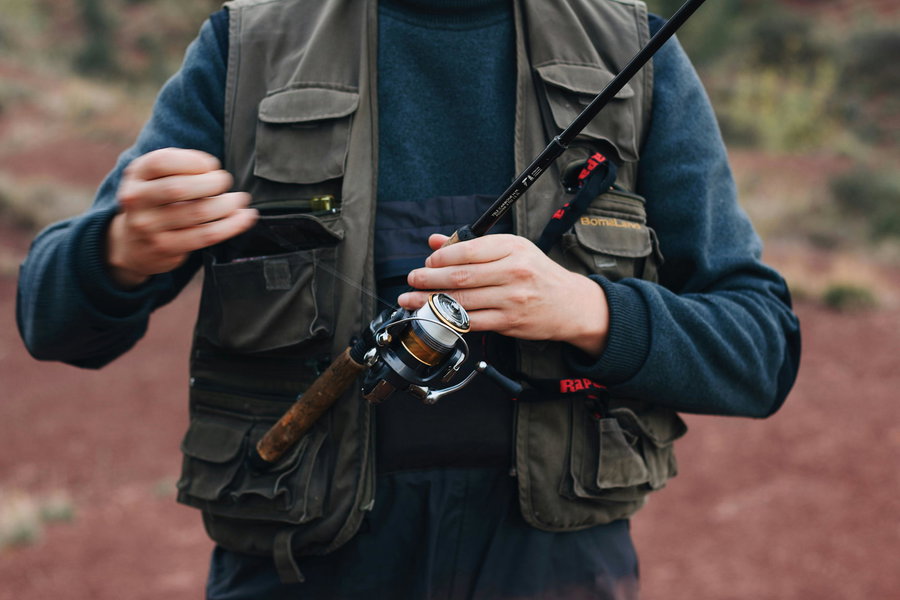
What Experienced Trout Anglers Usually Carry#
When it comes to trout fishing, seasoned anglers often have a few essential tools and techniques up their sleeves. Understanding what experienced fishers typically carry can help beginners make informed choices about their gear and approach. From the right rod to tackle considerations, let’s explore the key items that can enhance your chances of landing that prized trout.
One-rod setups for travel and versatility#
When it comes to trout fishing, many experienced anglers prefer a single, versatile rod that can handle a variety of situations. This approach makes it easier to travel and adapt to different environments without the hassle of lugging multiple rods around.
A good one-rod setup for trout fishing typically features a medium-light to medium power rod, which strikes a balance between sensitivity and strength. This means you can feel the subtle nibbles from trout while still having enough backbone to reel in a hefty catch. Look for rods around 6 to 7 feet in length; this size is generally perfect for casting in streams, lakes, or even during a bit of shore fishing.
The material of the rod also plays a vital role. Graphite and fiberglass are popular choices. Graphite is lighter and offers excellent sensitivity, while fiberglass is more durable and can handle rough conditions. If you’re just starting out, a graphite composite rod provides a nice mix of both worlds.
Pair your rod with a spinning reel that’s easy to use. A reel with a smooth drag system will help you manage your catch without risking a break-off. Aim for a reel size between 1000 and 2500, which will allow you to handle most trout species comfortably.
Don’t forget about the line and tackle! A 4 to 8-pound test monofilament line is a solid choice for trout fishing, as it offers enough strength while remaining thin enough for stealth. Your tackle box should include a variety of lures, spinners, and hooks so you can switch things up depending on the day’s conditions.
Having just one reliable rod lets you be prepared for whatever the day might bring, whether you’re hiking to a hidden stream or casting from a boat. It simplifies your gear and helps you focus on the fun part - catching fish!
Specialized rods for streams, rivers, and lakes#
When it comes to trout fishing, having the right rod can make all the difference. Experienced anglers often have a few specialized rods in their gear, each tailored for different water types. Let’s break down what you might need for streams, rivers, and lakes.
Stream Rods For smaller streams, a shorter rod - typically around 6 to 7 feet - is ideal. These rods offer better maneuverability in tight spots, allowing you to cast accurately under overhanging branches or around obstacles. A light to ultralight action will help you feel the slightest nibble, which is crucial when you’re targeting trout.
River Rods When fishing in rivers, you’ll want something a bit longer, usually between 7 to 9 feet. This length helps you cast further and gives you better control over your line in moving water. Look for a medium action rod; this will provide enough backbone to handle stronger currents while still being sensitive enough to detect bites. If you’re planning to fish in faster water, consider a rod designed for heavier lures, as it will help you get your bait down where the trout are hiding.
Lake Rods For lake fishing, rods can vary more widely, but a good general length is around 7 to 8 feet. A medium action rod works well here, too. You might be using heavier lures or bait, so ensure your rod can handle that weight. Many anglers prefer a spinning rod for lakes, as it’s versatile and easy to use, especially for beginners.
Each of these rods can help enhance your fishing experience, whether you’re casting from the bank or a boat. Remember, the key is to match your rod to the specific conditions you’ll be facing, giving you the best chance at landing that prized trout.
In the world of trout fishing, the right rod can make all the difference between a memorable catch and a frustrating day on the water. By understanding the nuances of rod length, power, action, and materials, you can choose a setup that suits your style and enhances your experience. Remember, it’s not just about snagging the biggest fish; it’s about enjoying the time spent outdoors. Avoid the common pitfalls that can turn a great rod into a frustrating tool, and keep it simple as you find what works best for you. With a little practice and patience, you’ll soon feel comfortable and confident on the water. So, grab your rod, get out there, and remember: sometimes, the best catch is the one that gives you a good story to tell!