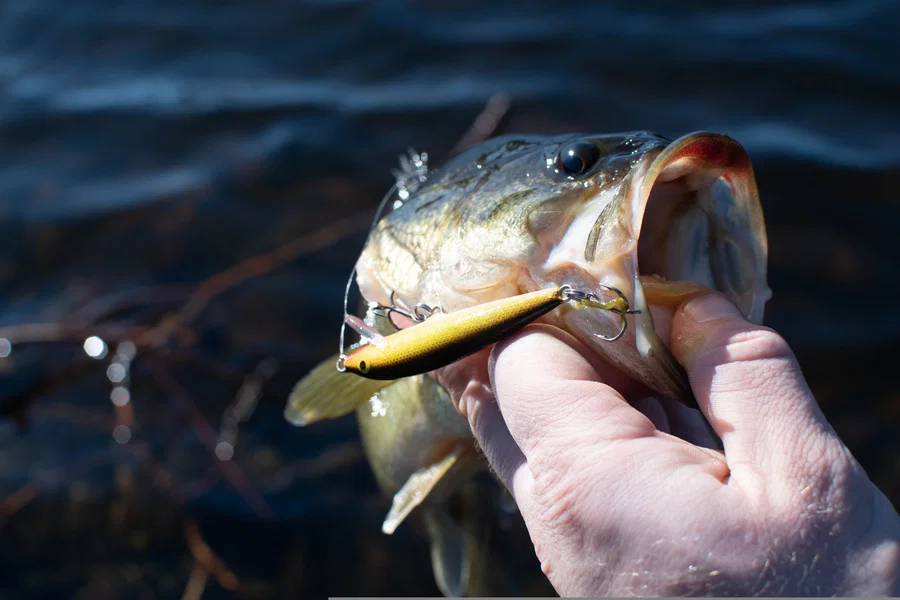

When it comes to bass fishing, the right rod can make a world of difference, especially if you’re just starting out. Imagine standing by the water’s edge, excitement bubbling as you cast your line, only to realize your gear feels clunky or unwieldy. Not the best way to enjoy a day on the lake! Choosing the right rod doesn’t have to be intimidating, though.
In this guide, we’ll break down the essentials to help you find a rod that feels like an extension of your arm rather than a cumbersome tool. Whether you’re planning to fish from a boat, the shore, or that rickety old dock, we’ll steer you toward options that suit your style and budget. Plus, I promise to sprinkle in a few chuckles along the way - because fishing should be fun, right? So grab a snack, sit back, and let’s dive into the world of bass rods that even a newbie can appreciate!
Why Bass Fishing Rods Are Different From General Fishing Rods#
When it comes to bass fishing, the right rod can make all the difference in your success on the water. Unlike general fishing rods, which are designed to handle a wide range of species and techniques, bass fishing rods are specifically tailored to meet the unique challenges of targeting these spirited fish. From their length and action to the materials used, understanding the nuances of bass rods can help you cast more accurately, feel bites better, and ultimately land more bass. Let’s dive into what sets these specialized rods apart and how they can enhance your fishing experience.
Why bass anglers obsess over rod setups#
When it comes to bass fishing, the right rod can make a big difference in your success on the water. Unlike general fishing rods, bass rods are specifically designed to handle the unique challenges and techniques associated with chasing these feisty fish. Understanding why bass anglers are so particular about their setups can help you make better choices when you’re just starting out.
First off, bass are known for their aggressive behavior. They strike hard and fight fiercely, which means you need a rod that can handle that level of action. Bass rods are typically stiffer and more sensitive than general-purpose rods. This sensitivity allows you to feel even the slightest nibbles, helping you determine when to set the hook. If you miss that moment, you could lose the fish, so having the right rod is crucial.
Additionally, bass fishing often involves using specific techniques like jigging, flipping, or using topwater lures. Each of these methods may require a different rod length, power, and action. For example, a longer rod can help you cast farther, while a shorter rod may provide better control when you’re fishing in tight spaces, like around docks or submerged vegetation. Knowing how these factors play into your fishing style is part of what makes bass angling so engaging.
Then there’s the material. Many bass rods are made from lightweight materials like graphite or composite blends. These materials not only reduce fatigue during long days on the water but also offer the sensitivity needed to detect those subtle bites. A good bass rod balances strength with lightness, ensuring you can reel in a big catch without wearing yourself out.
Finally, let’s not overlook the importance of personal preference. Every angler has their own style, and what works for one person may not work for another. Some anglers prefer a fast action rod for quick hook sets, while others might opt for a medium action rod that offers a bit more flexibility. Experimenting with different setups is part of the fun, and it helps you discover what feels best for you.
So, whether you’re a weekend warrior or just starting out, understanding the nuances of bass fishing rods can set you up for a more enjoyable and successful experience on the water.
The biggest beginner mistakes when choosing a bass rod#
When you’re just starting out with bass fishing, it’s easy to make a few common mistakes when selecting your rod. One of the biggest blunders is not considering the rod’s action. Action refers to how much of the rod bends when you apply pressure. For bass fishing, you typically want a medium to fast action rod. This gives you the sensitivity to feel bites while still providing the backbone needed to set the hook effectively.
Another mistake is overlooking the rod length. Many beginners think longer rods are always better, but that’s not necessarily true. A rod between 6 to 7 feet is usually ideal for bass fishing. It allows for good casting distance while still giving you control. If you’re fishing in tight spots like around docks or weeds, a shorter rod can be more manageable.
Don’t forget about power, which refers to the rod’s strength. Choosing a rod that’s too light might leave you struggling against bigger bass, while a rod that’s too heavy can make it tough to feel the lighter bites. A medium power rod strikes a good balance for most bass fishing situations.
Lastly, many beginners choose a rod based solely on price. While you don’t want to break the bank, spending a little more on a quality rod can significantly enhance your experience. A well-made rod will perform better and last longer, making it a worthwhile investment.
Take your time to consider these factors. The right rod can make all the difference in your bass fishing journey.
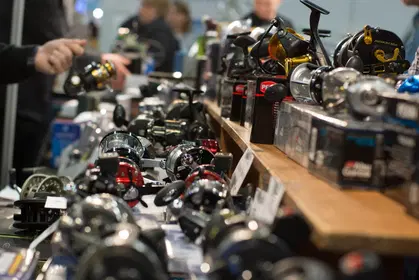
The Best All-Around Bass Fishing Rod Setup#
When it comes to bass fishing, having the right rod can make all the difference in your success on the water. An all-around bass fishing rod setup should balance sensitivity and strength, allowing you to detect subtle bites while also handling the fight of a sizeable catch. Whether you’re a beginner or just looking to refine your gear, understanding the essential features of a versatile rod will help you feel more confident and prepared for your next fishing adventure.
Why medium-heavy fast action rods dominate bass fishing#
When it comes to bass fishing, a medium-heavy fast action rod is often the go-to choice for many anglers. But why is that? Let’s break it down.
A medium-heavy rod offers a nice balance of strength and sensitivity. This means you can handle larger bass while still detecting subtle bites. The “medium-heavy” designation indicates that the rod has enough backbone to handle heavy lures and tackle, which is crucial when you’re trying to reel in a feisty fish.
Fast action refers to how the rod bends. A fast action rod bends mostly at the tip, giving you quick responsiveness. This is particularly helpful for detecting bites and reacting quickly. When a bass strikes, you want to set the hook immediately, and a fast action rod allows you to do just that.
In practice, using a medium-heavy fast action rod gives you versatility. Whether you’re flipping jigs into heavy cover, casting crankbaits, or working topwater lures, this rod can handle it all. It provides enough power to control your lure’s movement while still being sensitive enough to feel what’s happening underwater.
Another reason for their popularity is their adaptability to different fishing techniques. If you’re a beginner, you’ll appreciate how this rod can perform well in various scenarios. You won’t have to switch rods constantly, which can be a hassle when you’re just getting the hang of things.
Additionally, medium-heavy fast action rods are typically lighter than heavier rods, making them easier to handle over long fishing sessions. This comfort can really make a difference, especially if you’re planning a full day on the water.
So, if you’re just starting out or looking for a solid rod to add to your arsenal, a medium-heavy fast action rod is a fantastic choice for bass fishing.
The safest beginner setup for most bass techniques#
When you’re just starting out in bass fishing, having the right rod setup can make all the difference. A well-rounded rod will help you tackle various fishing techniques without overwhelming you with options.
For beginners, a medium to medium-heavy spinning rod around 6 to 7 feet in length is a great choice. This length gives you optimal casting distance and accuracy, making it easier to reach those sweet spots where bass like to hang out. A medium power rating provides enough backbone to handle larger fish while still being sensitive enough to feel the lightest bites.
Pair your rod with a spinning reel that has a gear ratio between 5.2:1 and 6.2:1. This range strikes a good balance, allowing you to retrieve lures at a comfortable speed for different fishing techniques. Look for a reel that holds around 150 yards of 10 to 12-pound monofilament or fluorocarbon line. These lines are forgiving for beginners and offer a good combination of strength and sensitivity.
When it comes to lures, versatility is key. Start with a few basic options like plastic worms, spinnerbaits, and crankbaits. These lures can be used in various conditions and are effective for catching bass. A 1/4 to 1/2-ounce weight for the plastic worms will help you get down to where the fish are hiding.
As you get more comfortable, you can start experimenting with different techniques, such as Texas rigging or drop-shotting. But for now, this setup will give you a solid foundation to build on. Keep it simple and enjoy the process of learning what works best for you in your local waters.
Can one rod realistically handle almost everything?#
When it comes to bass fishing, the idea of having one rod that can do it all is appealing. It simplifies things, especially for beginners who might not want to invest heavily in multiple setups right away. The good news is, there are indeed versatile rods that can perform well in a variety of situations.
A medium-heavy spinning rod, typically around 7 feet in length, is a great choice for an all-around option. This type of rod strikes a balance between strength and sensitivity, making it suitable for different bass fishing techniques like jigging, Texas rigging, or even throwing topwater lures. The medium-heavy action provides enough backbone to handle larger fish while still allowing for some finesse when needed.
Pairing your rod with a quality reel is just as important. A spinning reel in the 2500 to 3000 size range is perfect for this setup. This size will give you enough line capacity and drag power to handle various fishing conditions. Opt for a braided line with a fluorocarbon leader for better sensitivity and fewer line breakages. This combination helps you feel those subtle bites while maintaining strength.
While one rod can cover a lot of ground, it’s essential to be mindful of the baits and techniques you choose. Some styles of fishing, like deep cranking or heavy flipping, may require more specialized equipment. However, if you’re starting out and focusing on more general techniques, a single versatile rod can serve you well in a range of scenarios. Just remember, as your skills and preferences evolve, you might find yourself wanting to expand your collection!
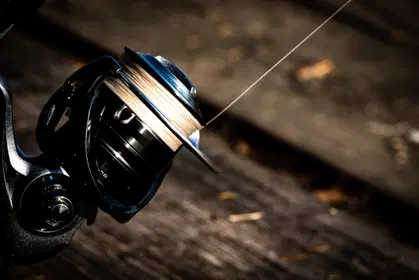
Spinning Rods vs Casting Rods for Bass Fishing#
When it comes to bass fishing, choosing the right rod can make a world of difference in your experience and success on the water. Spinning rods and casting rods each have their unique advantages and are suited for different techniques and conditions. If you’re just starting out, understanding the differences between these two types of rods can help you make an informed decision on which one might work best for your fishing style and the environments you’ll be casting in.
Why spinning rods are easier for beginners#
When you’re just starting out in bass fishing, spinning rods can feel like a breath of fresh air. They’re user-friendly and often more forgiving than their casting counterparts. If you’re still getting the hang of things, a spinning rod can help you avoid some common pitfalls.
One of the biggest advantages of spinning rods is their ease of use. The design allows for smooth line release, which means you don’t have to worry as much about backlash - a frustrating problem where the line tangles in the reel. With a spinning rod, you can simply open the bail, cast your line, and let it fly. This makes it much easier to make accurate casts, especially when you’re targeting specific areas like under overhanging trees or near rocks.
Another perk is their versatility. Spinning rods can handle a variety of lures and baits, from lightweight jigs to heavier crankbaits. This means you can experiment with different techniques without needing to switch rods constantly. For beginners, having one rod that can do multiple things is a huge plus.
Spinning gear is also generally lighter and more comfortable to handle. This can be especially helpful if you’re spending hours on the water. The lighter weight means less fatigue, allowing you to focus on your casting and reeling techniques rather than feeling worn out.
Moreover, most spinning reels have a simple drag system that’s easy to adjust. This is crucial when you hook into a feisty bass that’s trying to make a run for it. You can quickly tweak the drag to give the fish just enough resistance without risking a break-off.
In short, if you’re new to bass fishing, a spinning rod offers a straightforward, enjoyable experience that can help you build your confidence and skills on the water.
When baitcasters start becoming worth using#
Baitcasting rods and reels can be intimidating for beginners, but they definitely have their perks. Generally, you might want to consider switching to a baitcaster when you start targeting bigger bass or using heavier lures. They allow for better accuracy and control, especially when casting into tight spots like under docks or near submerged structures.
If you’ve been fishing for a while and feel comfortable with your casting skills, that’s a good sign you’re ready to try a baitcaster. They give you a lot of power and precision, which can help you feel more connected to the fish you’re targeting. Plus, baitcasters excel at handling heavier lines and lures, making them ideal for techniques like flipping and pitching.
Another factor is the type of water you’re fishing in. If you find yourself in areas with thick cover or heavy vegetation, baitcasters can help you maneuver your lure right where you want it. The gear ratios on baitcasters also allow for quick retrieves, which can be a game-changer when you’re trying to hook a fast-moving bass.
If you’re still in the early stages of your fishing journey, there’s no rush to jump into baitcasting gear. It’s perfectly fine to stick with spinning gear while you learn the ropes. When you feel confident in your skills and ready for the next challenge, then it might be time to explore the world of baitcasters. Just remember, practice makes perfect, and with a little time, you’ll be casting like a pro!
The bass techniques each setup handles best#
When you’re out bass fishing, the type of rod you choose can make a big difference in how effectively you can use different techniques. Spinning rods and casting rods each have their strengths, and understanding these can help you decide which setup to use for your fishing style.
Spinning rods are great for techniques that require light lures or finesse presentations. If you’re using small jigs, finesse worms, or drop shots, a spinning rod gives you the sensitivity you need to feel those subtle bites. They are also easier to cast lighter lures, so if you’re chasing finicky bass that are hesitant to bite, a spinning rod can help you present your bait more delicately.
On the flip side, casting rods excel with heavier lures and techniques that require more power and control. If you’re flipping or pitching into heavy cover, you want a casting rod to help you manage the weight and control the fish when they strike. Techniques like crankbait fishing, spinnerbaits, and topwater plugs benefit from the stronger backbone and quicker action of a casting rod, allowing for more precise casts and better hook sets.
For beginners, it’s often recommended to start with a spinning rod since they’re generally easier to handle and more forgiving when it comes to backlash. However, as you gain experience and start trying out power techniques, investing in a good casting rod can open up a whole new world of fishing possibilities. Each rod has its place, so consider what techniques you’re most interested in, and choose accordingly.
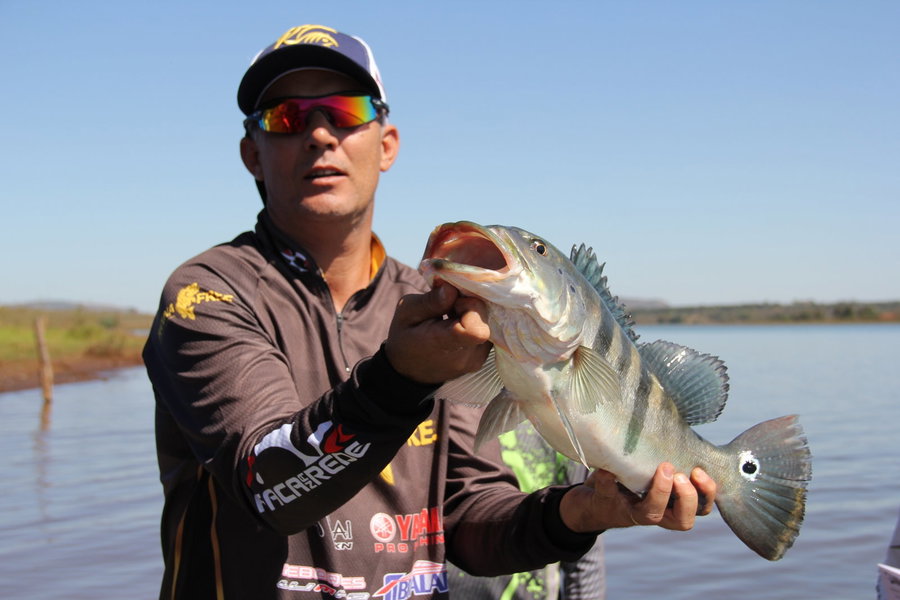
Choosing the Right Rod Length for Bass Fishing#
When it comes to bass fishing, the length of your rod can significantly impact your success on the water. A suitable rod length allows for better casting distance, improved accuracy, and better control over your lure. Whether you’re fishing from a boat or the shore, understanding how rod length influences your technique can help you make more informed choices as you gear up for your next adventure.
Why 7-foot rods became the industry standard#
In the world of bass fishing, the 7-foot rod has emerged as the go-to choice for many anglers. But why is that? It boils down to a blend of versatility, casting distance, and control.
First off, the length of a 7-foot rod strikes a balance. It’s long enough to give you the reach you need when casting into those tricky spots, like under overhanging branches or near submerged rocks, but it’s not so long that it becomes unwieldy. This makes it a great option for both beginners and seasoned fishers alike.
Another reason for the popularity of the 7-foot rod is its ability to handle a variety of fishing techniques. Whether you’re flipping, pitching, or cranking, a 7-footer can do it all. This versatility means you can tackle different conditions without needing to switch rods constantly. For someone just starting out, having one reliable rod that works for multiple styles can save both time and money.
The extra length also aids in hook sets. When a bass takes your bait, a longer rod helps you keep better tension on the line. This makes it easier to set the hook firmly. Plus, it can help you control bigger fish more effectively, providing that extra leverage you might need when fighting a feisty bass.
In essence, the 7-foot rod has become the standard because it fits a wide range of fishing scenarios and helps you feel more confident on the water. For beginners, picking a rod in this length will set you up for a successful start in bass fishing.
Short rods vs long rods for bass anglers#
When it comes to bass fishing, the length of your rod can significantly impact your success on the water. Short rods, typically around 5 to 6 feet, offer great maneuverability. They’re excellent for fishing in tight spaces like small ponds or thick cover, where you need to make quick, precise casts. If you’re flipping or pitching in heavy vegetation, a shorter rod can give you the control you need to land fish without getting snagged.
On the other hand, long rods, usually ranging from 7 to 8 feet, provide increased casting distance. This can be a game-changer when you’re trying to reach far-off structures, such as submerged trees or rocky points. Longer rods also give you better leverage when fighting a fish, which can be especially helpful if that bass decides to make a run for it.
The choice between short and long rods often comes down to personal preference and the type of fishing you plan to do. If you like to finesse fish or work in tight spots, a shorter rod may be your best bet. However, if you prefer to cover larger areas or fish from a boat, a longer rod might suit your style better. Think about where you’ll be fishing and what techniques you’ll use to help you decide.
Bass Fishing Rods for Different Techniques#
When it comes to bass fishing, the right rod can make all the difference in your success and enjoyment on the water. Different techniques require specific rod characteristics to help you cast effectively, feel those subtle bites, and land your catch. Whether you’re flipping in thick cover, casting crankbaits, or working topwater lures, understanding the best rod options for each technique will enhance your fishing experience and increase your chances of reeling in that trophy bass.
Soft plastics and finesse fishing#
When it comes to bass fishing, using soft plastics can be a game changer. These baits are versatile and can imitate a variety of prey, making them particularly effective in various conditions. If you’re just getting started, you’ll want a rod that offers the right balance of sensitivity and strength.
For finesse fishing, which involves lighter tackle and subtle presentations, a medium-light to medium action rod is ideal. This type of rod gives you the sensitivity needed to feel the lightest bites while still having enough backbone to reel in a bass. A length of 6’6” to 7’ is usually a good choice, as it provides the casting distance you might need for those tricky spots while maintaining control over your lure.
When selecting a rod, consider the material as well. Graphite rods are often preferred for finesse techniques because they are lightweight and offer excellent sensitivity. You’ll feel even the slightest nibble, which is crucial when fishing with soft plastics.
Pair your rod with a spinning reel, as it allows for easy handling and smooth casting, especially when using lighter lines. A 10 to 15-pound test line is usually sufficient for finesse fishing, providing enough strength without being too heavy for the soft plastics.
As you start practicing, pay attention to how your rod feels during retrieves. You want to feel the lure’s action and any bites. Experiment with different types of soft plastics, like worms, creature baits, or stick baits, and notice how they perform with your setup. This hands-on experience will help you become more in tune with your equipment and improve your fishing skills.
Frogs, jigs, and heavy cover fishing#
When it comes to bass fishing with frogs, jigs, or in heavy cover, having the right rod can make a world of difference. These techniques often require specific attributes in a rod to handle the challenges of thick vegetation and heavy tackle.
For frog fishing, you want a rod that’s both strong and sensitive. A medium to heavy power rod with a fast action tip is ideal. This combination allows you to make quick hook sets while still being able to cast those bulky frogs into the thickest pads or mats. Look for rods around 7 to 7.5 feet long; the extra length helps you cast farther and provides a good leverage for bringing fish out of heavy cover.
When it comes to jigs, the same rules apply. A medium heavy rod with a fast action provides the sensitivity needed to feel those subtle bites while still having the backbone to pull fish out of structure. A 7-foot rod is a great choice here too. It gives you enough control to work the jig effectively and set the hook firmly when you feel a strike.
Heavy cover fishing often means dealing with snags and thick brush, so using braided line is common. This means your rod should also have enough power to manage the added pressure from the line. A longer rod will help you keep a distance from the cover while still allowing you to control your lure.
In summary, look for medium to heavy power rods with fast action and a length of around 7 to 7.5 feet. This setup will give you the best chance at successfully landing bass in those tricky spots. Always remember, practice makes perfect, so get out there and familiarize yourself with your gear!
Crankbaits and Moving Lures#
When you’re out there tossing crankbaits and other moving lures, the right rod can make all the difference. For these techniques, you want a rod that provides a good balance of sensitivity and strength, giving you the chance to feel those subtle bites while still having the power to reel in a hefty bass.
A medium to medium-heavy action rod works well for crankbaits. This type of rod allows for a bit of flex to absorb the shocks of a fighting fish while still providing enough backbone to set the hook effectively. Look for rods in the 6’6” to 7’ range. This length offers enough leverage to make long casts, which is especially helpful when you want to reach those sweet spots in the water.
Material matters too. Graphite rods are lightweight and sensitive, so you can feel the vibrations of your lure as it moves through the water. However, if you prefer a bit more durability and a forgiving action, fiberglass rods are also a solid choice, particularly for crankbaits, as they can help prevent the hooks from tearing out of the fish’s mouth during a fierce fight.
Don’t forget about the rod’s action. A moderate action rod is often ideal for crankbaits because it allows you to cast far and retrieve smoothly. This action helps keep the fish pinned on the hook, reducing the chance of losing your catch when they jump or make sudden runs.
Pair your rod with a decent baitcasting reel for the best results. A reel with a gear ratio around 6:1 to 7:1 provides a good balance of speed and power, enabling you to retrieve your lures at the right pace. Keep your line around 10-20 lb monofilament or fluorocarbon, giving you the strength and invisibility to entice those bass.
In short, choose a medium to medium-heavy rod, around 6’6” to 7’, with a moderate action for crankbaits. This setup will help you make the most of your time on the water, allowing you to feel every nibble while being ready to tackle whatever bass lurks below.
Topwater bass setups explained#
Topwater fishing is one of the most exciting ways to catch bass. There’s something thrilling about seeing a fish explode on your lure’s surface. For beginners, understanding the right setup can make all the difference.
When it comes to choosing a rod for topwater fishing, aim for something between 6’6” and 7’3” in length. A medium to medium-heavy power rod is ideal because it offers the sensitivity needed to feel bites and the backbone to set the hook. You want a rod that feels comfortable in your hands, as you’ll be casting a lot.
Pair your rod with a quality baitcasting or spinning reel. Baitcasting reels are often preferred for topwater lures because they can handle heavier lines and offer better control, especially when you’re working a lure with quick twitches. If you’re just starting out, a spinning reel can work just as well and might feel more intuitive.
For line, use monofilament or braided line. Monofilament floats, which is great for topwater presentations, while braided line provides increased sensitivity and strength. If you choose braided line, consider adding a monofilament leader to help with visibility and buoyancy.
Now, let’s talk lures. Popular choices for topwater fishing include hollow-body frogs, poppers, and walking baits. Frogs are great for thick cover, allowing you to cast directly into weeds and lily pads. Poppers create a splashing sound that attracts bass and are easy to use. Walking baits, on the other hand, require a bit more technique, but once you get the hang of it, they can be incredibly effective.
When fishing with topwater lures, timing is important. Early morning and late evening are prime times, as bass are more likely to be near the surface looking for an easy meal. When you spot a likely spot, cast your lure and retrieve it slowly, giving it some action to mimic struggling prey. Be ready; the bite can be explosive!
Experiment with different retrieves and be patient with yourself as you learn. As you gain experience, you’ll develop a sense of what works best in your local waters.
Best Budget Bass Fishing Rods#
When you’re just starting out in bass fishing, finding the right rod doesn’t have to break the bank. Budget-friendly options can still deliver excellent performance, allowing you to enjoy the thrill of fishing without the hefty price tag. In this section, we’ll explore some of the best budget bass fishing rods available, helping you choose a reliable tool to enhance your fishing experience without overspending.
Affordable rods that actually perform well#
When you’re starting out in bass fishing, finding a quality rod that doesn’t break the bank is key. Fortunately, there are several budget-friendly options that offer solid performance without emptying your wallet.
One popular choice is the Ugly Stik GX2. This rod is known for its toughness, thanks to its composite construction. It’s flexible yet durable, making it ideal for beginners who might be a bit rough handling their gear. The sensitivity of the Ugly Stik also allows you to feel those subtle bites, which is crucial when you’re trying to hook a bass.
Another great option is the KastKing Perigee II. This rod features a lightweight design and comes with a variety of lengths and actions, so you can choose one that suits your fishing style. The carbon fiber construction provides a good balance of strength and sensitivity. Plus, it looks pretty sharp, which is always a bonus!
If you’re looking for something even more budget-friendly, consider the Shimano Sellus. This rod is a bit on the more affordable side but doesn’t compromise on quality. It’s lightweight and sensitive, making it easier to detect bites. The action is versatile enough for different fishing techniques, whether you’re using lures or live bait.
For those who prefer a spinning rod, the Abu Garcia Veritas is worth checking out. It’s designed with a lightweight build and has great sensitivity, which helps you feel the fish biting. The backbone is strong enough to handle larger bass, so you won’t be undergunned when you hook a big one.
No matter which rod you choose, make sure to pair it with a reel that’s easy to use and fits your budget. The right combination will make your fishing experience more enjoyable as you learn the ropes of bass fishing.
When expensive rods begin making sense#
As you dive deeper into the world of bass fishing, you might start to wonder when it’s time to invest in a more expensive rod. While budget rods can get you started, there are specific scenarios where upgrading makes sense.
First off, consider your experience level and commitment. If you’re fishing regularly and developing your skills, investing in a mid-range or high-end rod can really enhance your experience. These rods often have better sensitivity, allowing you to feel even the slightest nibble, which can be crucial for bass fishing.
Next, think about the type of fishing you’re doing. If you’re fishing in heavy cover or tackling larger bass, a more expensive rod can provide the strength and durability you need. These rods are typically made with higher-quality materials that can withstand the wear and tear of battling bigger fish and navigating through tough environments.
Another key factor is the technology involved in the rod’s design. Higher-priced rods often come with advanced features, like better guides, improved grip, and lighter materials. This not only makes them more comfortable to use over long periods but can also improve casting accuracy and distance. If you find yourself frequently frustrated with your casting performance, a better rod might just be the solution.
Lastly, consider the longevity of your investment. While it might sting to spend more upfront, a quality rod can last for years, if not decades, with proper care. This means you won’t have to replace it as often as a cheaper rod. So, if you’re serious about your bass fishing journey, it’s worth looking into rods that offer a little more bang for your buck.
In essence, if you’re fishing regularly, targeting larger bass, or simply want to enhance your skills, it might be time to step up to a more expensive rod. Your fishing experience could improve significantly, making those moments on the water even more enjoyable.
What beginner bass anglers should avoid buying#
When you’re just starting out in bass fishing, it’s easy to get overwhelmed by the options available. One of the best things you can do is to avoid certain types of rods that may not serve you well as a beginner.
First off, steer clear of overly specialized rods. You might come across rods designed for specific techniques, like finesse fishing or flipping. While these can be great for experienced anglers, they can also limit your versatility. As a beginner, you want something that can handle a variety of situations, so look for a general-purpose rod that allows you to explore different styles of fishing.
Another pitfall is high-priced, professional-grade rods. These are often designed for serious anglers who know exactly what they need. Spending a lot on a rod you’re not fully ready to utilize can be frustrating. Instead, stick to budget-friendly options that offer decent quality. You can find great rods that won’t break the bank and still perform well.
Also, avoid really lightweight rods if you’re not familiar with handling them. While they can be great for feel and sensitivity, they often require a bit more skill to manage effectively. A medium-action rod can provide a good balance between sensitivity and strength, making it easier to catch and reel in fish without feeling overpowered.
Lastly, watch out for rods that come as part of a cheap combo kit. While they might seem like a good deal, the quality of the rod and reel can be subpar. This often leads to frustration on the water. Instead, consider purchasing your rod and reel separately, as this gives you better control over the quality of your gear.
By avoiding these common mistakes, you’ll set yourself up for a more enjoyable and successful bass fishing experience. Focus on finding a reliable, versatile rod that fits your needs as a beginner, and you’ll be well on your way to catching bass.
Common Mistakes Bass Anglers Make When Buying Rods#
When it comes to selecting the right rod for bass fishing, beginners often find themselves overwhelmed by the variety of options available. It’s easy to get caught up in flashy marketing or the latest trends, but making informed choices is key to having a successful fishing experience. In this section, we’ll explore some common pitfalls that anglers face when purchasing rods, helping you avoid those missteps and ensuring you choose equipment that truly enhances your time on the water.
Buying highly specialized rods too early#
When you’re just starting out in bass fishing, it can be tempting to dive into the world of specialized rods. You might come across rods designed specifically for techniques like jigging, drop-shotting, or topwater fishing. While these rods have their place, buying them too early can lead to confusion and frustration.
As a beginner, it’s often best to start with a versatile, all-purpose rod. A medium-action rod around 6 to 7 feet in length can handle a wide range of techniques and baits. This way, you can experiment and discover what works best for you without breaking the bank on multiple specialized rods.
Specialized rods can be a great asset, but they usually come with a steeper learning curve. When you’re still familiarizing yourself with basic fishing techniques, it’s easy to get overwhelmed by the options. Instead, focus on building your skills and understanding the fish you’re targeting. Once you’re comfortable and have a better grasp of your preferences, you can invest in more specialized gear that enhances your fishing experience.
Remember, bass fishing is all about having fun and learning. Don’t rush into buying specialized gear until you know what specific techniques you enjoy. Your fishing journey will be much smoother if you take your time and build your tackle collection thoughtfully.
Overspending before learning fundamentals#
When you’re just starting out in bass fishing, it can be tempting to dive straight into high-end gear. After all, many seasoned anglers swear by their premium rods. But before you open your wallet for that fancy setup, it’s important to grasp the basics of what you really need.
First off, understand that a more expensive rod doesn’t automatically make you a better angler. The core of successful bass fishing lies in learning techniques, understanding fish behavior, and knowing how to read the water, not in having the latest gadget. Focus on developing your skills with a more budget-friendly rod first.
Look for a versatile rod that suits a variety of fishing styles. A medium-action rod around 6 to 7 feet long is a great starting point. It will handle different lures and techniques, giving you a chance to experiment without committing to a specific style or expensive equipment right away.
Also, consider the materials. While graphite rods are lightweight and sensitive, fiberglass rods are durable and forgiving for beginners. You don’t need the lightest, most sensitive rod; what you need is something that feels comfortable in your hands and lets you practice casting and reeling without frustration.
Lastly, don’t forget to check out local fishing forums or chat with fellow anglers. They often have invaluable insights and can recommend solid options that won’t break the bank. Building your skills first will make the time you eventually invest in high-end gear much more rewarding.
Ignoring rod balance and comfort#
When you’re out on the water, the last thing you want is a rod that feels awkward or heavy in your hands. Ignoring rod balance can lead to fatigue and discomfort, making your fishing experience less enjoyable. A well-balanced rod feels natural to hold, allowing you to fish longer without getting tired.
Balance refers to how the weight of the rod is distributed. A rod that’s too heavy at the tip can feel cumbersome, while a rod that’s well-balanced will have a more even weight throughout. To check balance, hold the rod horizontally at the reel seat. If it stays level, you’ve found a good balance. If the tip dips down, it might not be the best choice for comfort during those long fishing sessions.
Comfort is equally important. Everyone has different preferences for grip size and material. Some anglers prefer a thicker grip for a solid hold, while others might like a slimmer profile. When you’re testing rods, spend some time holding them. Grab a few different ones and see which feels best in your hand. Pay attention to the length of the handle too - if it’s too short, you may not have the leverage you need for casting.
Remember, you’ll likely be casting and reeling in for hours. Choosing a rod that feels comfortable and balanced in your hands will not only improve your performance but also make your time on the water much more enjoyable. Don’t rush this decision; take the time to find a rod that fits you just right.
The Best Beginner Bass Fishing Combo Overall#
When you’re just starting out in bass fishing, finding the right gear can feel a bit overwhelming. The best beginner bass fishing combo offers a balance of quality, ease of use, and affordability, making it easier for you to focus on learning the ropes without breaking the bank. A good combo typically includes both the rod and reel, ensuring that everything works well together right out of the box. With the right setup, you’ll be well on your way to landing your first bass and enjoying countless days on the water.
The easiest setup for learning bass fishing#
When you’re just starting out in bass fishing, choosing the right setup can make a world of difference. A beginner bass fishing combo is designed to be user-friendly, helping you focus on the fun rather than getting tangled in technicalities.
Start by looking for a spinning rod and reel combo. Spinning gear is generally easier to handle, especially for beginners. The reel sits below the rod, which makes it more intuitive to cast. This setup allows for smoother line management, reducing the chances of bird’s nests - those frustrating tangles that can ruin your day on the water.
A good rod length for beginners is around 6 to 7 feet. This range offers a balance of flexibility and control, making it easier to cast and retrieve lures. A medium action rod is a great choice because it provides enough sensitivity to feel bites while still being sturdy enough to handle a decent-sized bass.
When it comes to line, a monofilament line in the 10 to 15-pound test range works well. It’s forgiving and easy to work with, allowing you to learn the nuances of casting and reeling without feeling overwhelmed. Plus, it has a bit of stretch, which can help absorb the shock when a fish makes a sudden move.
As for lures, start with a few versatile options like soft plastics, crankbaits, and spinnerbaits. These can catch bass in various conditions and are simple to use. A tackle box with a few essential lures will keep things straightforward, letting you concentrate on your technique.
Remember, practice is key. Spend some time getting familiar with your gear in a local pond or lake. The more you cast and reel, the more confident you’ll become. Enjoy the process, and don’t hesitate to ask experienced anglers for tips along the way.
When it makes sense to upgrade your first rod#
Upgrading your first bass fishing rod is a big decision, and it usually comes down to a few key factors. If you’ve been fishing for a while and feel like you’re ready for something better, that’s a good sign. Your skills will improve as you spend more time on the water, and sometimes your gear needs to keep up with your growing abilities.
One reason to consider an upgrade is if you find yourself consistently frustrated with your current rod. Maybe it doesn’t have the sensitivity you need to detect bites, or perhaps it’s too heavy and making long days on the water uncomfortable. A rod that feels good in your hands can make a world of difference, especially when you’re out there trying to reel in a big catch.
Another time to think about upgrading is when you start to fish in different conditions or for bigger bass. If you’ve transitioned from small ponds to larger lakes or rivers, you might find that your old rod doesn’t perform as well in the new environment. A longer rod could give you better casting distance, or a stronger rod might be necessary for handling bigger fish in rougher waters.
Also, consider how often you go fishing. If you’re hitting the water regularly, investing in a higher-quality rod can pay off. Not only will it enhance your fishing experience, but it will also last longer, saving you money in the long run. Quality gear usually means better materials, which can improve performance and durability.
Finally, think about your budget. It’s perfectly okay to start with an affordable combo, but if you’re serious about bass fishing, setting aside some funds for a better rod can be worthwhile. You don’t need to break the bank, but a mid-range rod can vastly improve your experience without going overboard.
So, if you’re feeling limited by your current rod, it’s time to evaluate what you want from your fishing experience. Upgrading doesn’t mean you have to throw your first rod away; you can always keep it as a backup. Just make sure your next choice feels right for you and the kind of fishing you love.
In conclusion, selecting the right rod for bass fishing can make all the difference in your experience on the water. Whether you prefer spinning or casting, there’s a perfect rod setup out there tailored to your fishing style and budget. Remember to consider the length and technique that suits your needs, and don’t shy away from investing in quality - even if you’re just starting out. Avoid common pitfalls, and keep experimenting with different rods until you find your ideal match. After all, bass fishing is as much about enjoying the journey as it is about landing the big one. Now, grab your gear, find a good spot, and let the bass fishing adventures begin!