
Affiliate disclosure: As an Amazon Associate, we may earn from qualifying purchases made via links on this page - at no extra cost to you. See our Affiliate Disclosure.
When you’re stepping into the world of saltwater fishing, choosing the right reel can feel a bit like trying to decipher a foreign language - especially when you just want to catch a few fish and maybe enjoy some sun. With so many options out there, it’s easy to get bogged down in technical jargon and endless specifications. But fear not! We’re here to break it all down into bite-sized pieces (pun intended).
Whether you’re planning to cast from the shore or venture out on a boat, having the right reel can make a world of difference in your fishing experience. In this guide, we’ll explore the best reels suitable for saltwater fishing and help you understand what to look for without making your head spin. So grab your sunscreen, and let’s dive into the essentials that will have you reeling in your first catch in no time!
What Makes Saltwater Reels Different from Freshwater Models#
When it comes to fishing, the type of reel you choose can make a significant difference in your experience, especially when you’re targeting saltwater species. Saltwater reels are specifically designed to withstand the harsh conditions of the ocean, including exposure to salt, sand, and corrosion. This means they often feature stronger materials and enhanced sealing systems to protect their internal components. Understanding these differences is crucial for any angler looking to make the most of their time on the water, whether you’re casting from a boat or wading into the surf.
Why corrosion resistance matters#
When you’re out on the water, saltwater can be harsh on your gear. Unlike freshwater, which is less abrasive, saltwater can corrode metal parts, leading to rust and deterioration. This is why corrosion resistance is a critical feature in saltwater reels.
Saltwater reels are typically made with materials that can withstand this harsh environment. Look for reels made from anodized aluminum or stainless steel. These materials not only resist corrosion but also maintain their strength over time. If you’re just starting out, you’ll want to invest in a reel designed for saltwater use, as it can save you money in the long run by avoiding frequent replacements.
Another important aspect is the seals and coatings used in these reels. Many saltwater models come with sealed bearings and protective coatings that prevent saltwater from getting inside and causing damage. This extra protection means you can fish worry-free, knowing your equipment is built to handle the elements.
If you’re fishing from a boat or the shore, be mindful of splashes or spills. Rinse your reel with fresh water after each use to extend its life. A little care goes a long way, especially when you’re dealing with the stubborn effects of salt. Remember, a well-maintained reel not only performs better but can also enhance your overall fishing experience.
The challenges of saltwater fishing environments#
Saltwater fishing presents a unique set of challenges that can make it quite different from freshwater fishing. The first major factor is the environment itself. Saltwater is corrosive, and this means that gear designed for freshwater might not hold up well against the harsh salt conditions. Salt can cause rust and wear much quicker than freshwater, so using the right reel is crucial.
Another challenge is the type of fish you’re likely to encounter. Saltwater species tend to be larger and stronger than their freshwater counterparts. This means you need a reel that not only handles the corrosion but also withstands the powerful runs of saltwater fish. The drag system in saltwater reels is typically designed to handle these intense fights, giving you better control when you hook something big.
Then there’s the issue of the fishing environment itself. When you’re fishing in the ocean, you’re often dealing with waves, currents, and sometimes strong winds. This can make casting and retrieving more difficult. A good saltwater reel will have features that help with this, like a smooth drag system and robust construction that won’t easily falter in tough conditions.
Additionally, saltwater fishing often requires different techniques, like jigging or trolling, which can put extra stress on your gear. A reel made for saltwater will usually be designed with these techniques in mind, offering a more durable build and enhanced performance.
Lastly, don’t forget about maintenance. Saltwater can leave behind residues that can affect the performance of your reel. It’s essential to rinse your gear with fresh water after each trip and perform regular maintenance to keep your reel in top shape. This extra care is part of the process when you’re fishing in saltwater, and having the right equipment will make it easier to manage.

Choosing the Right Reel for Your Saltwater Fishing Style#
When it comes to saltwater fishing, the right reel can make all the difference in your experience and success on the water. With the variety of fishing styles and conditions in saltwater environments, it’s essential to consider factors like size, drag system, and material when selecting a reel. Whether you’re casting from a boat or surf fishing from the shore, understanding your specific needs will help you choose a reel that enhances your fishing adventures and stands up to the challenges of saltwater.
Shore fishing and surf casting#
When it comes to shore fishing and surf casting, the right reel can make all the difference in your experience. These styles typically involve casting your line out into the surf or along the shoreline, where fish like striped bass, flounder, or bluefish tend to hang out.
For shore fishing, you want a reel that’s lightweight yet durable. A spinning reel is often a great choice for beginners. They’re easy to use and allow for smooth casting, which is essential when you’re trying to throw your bait far into the water. Look for a reel with a corrosion-resistant finish since saltwater can be tough on gear. Models with sealed components are worth considering as they can withstand exposure to salt better than others.
If you’re surf casting, you might want to step up to a baitcasting reel. These reels give you more control over your line and can handle heavier lures, which can be useful when you’re trying to reach distant spots. However, baitcasting reels do require a bit of practice to master. Make sure to choose one with a good braking system to help manage the line and prevent backlashes, especially when you’re just starting out.
Regardless of the type you choose, look for a reel with a smooth drag system. This feature is crucial for managing the fight when you hook a fish. The last thing you want is for your reel to snag or struggle when a big fish is pulling on the line. A good drag allows you to adjust the tension based on the size and strength of the fish you’re targeting.
Also, consider the gear ratio of your reel. A higher gear ratio means you can retrieve line faster, which can be beneficial when you’re trying to reel in a fish quickly or when using lures that require a steady retrieve. For shore fishing, a ratio around 5:1 to 6:1 is generally a solid choice.
Don’t forget about the size of the reel. A medium-sized spinning reel in the 3000-5000 range typically offers a good balance between capacity and weight for surf casting. If you’re opting for a baitcasting reel, aim for something that can hold enough line to handle larger fish without running out.
In summary, whether you’re casting from the beach or the rocks, focus on choosing a reel that feels comfortable to handle, can withstand saltwater conditions, and meets your fishing style needs. Your choice will help enhance your enjoyment and success out on the water.
Inshore fishing around flats and structures#
When fishing inshore, especially around flats and structures like rocks, mangroves, and piers, the right reel can make a big difference. You’ll want something that’s lightweight and easy to handle, as you may be casting for long periods or maneuvering in tight spaces. A spinning reel is often a top choice for this type of fishing due to its versatility and ease of use.
Look for a reel with a smooth drag system. This is important because you might hook into snook, redfish, or even tarpon, which can put up a good fight. A smooth drag helps prevent line breakage and allows you to control the fish better. It’s also wise to choose a reel with a corrosion-resistant finish, as the saltwater can quickly wear down gear that isn’t designed to withstand it.
Consider a reel with a gear ratio that suits your style. A higher gear ratio allows you to reel in line quickly, which is beneficial when working lures or when you need to catch up to a fast fish. However, if you prefer a slower retrieve for bottom fishing, a lower gear ratio might be the way to go. It’s all about finding what feels right for you.
Don’t overlook the importance of the line capacity. Inshore fishing often involves casting lighter lines, so a reel that can handle 10 to 20-pound test line is usually sufficient. This gives you enough strength to battle fish while maintaining the sensitivity needed for detecting bites, especially when using lighter baits.
Lastly, think about the size of the reel. A medium-sized spinning reel is often ideal for inshore fishing. It strikes a good balance between being lightweight enough for all-day use and robust enough to handle the variety of species you may encounter. Make sure to balance the reel with your rod as well; a well-matched setup enhances your overall fishing experience.
Offshore and deep-sea applications#
When it comes to offshore and deep-sea fishing, having the right reel is crucial. These environments present unique challenges, from strong currents to large fish. So, let’s break down what you need to consider for these applications.
First, think about the strength of the reel. Offshore fishing often means dealing with bigger species like tuna, marlin, or sharks. You’ll want a reel that’s built to handle high drag pressures and has a strong, durable frame. Look for materials like aluminum or graphite, which can withstand saltwater conditions without corroding.
Next, pay attention to the gear ratio. A higher gear ratio can help you reel in fast, but for deep-sea fishing, you often want a balance. A moderate gear ratio allows you to manage the fight better, especially when dealing with larger fish that require more effort to bring in. A 4:1 or 5:1 ratio is common for deep-sea reels.
Line capacity is another key factor. Deep-sea fish can make long runs, so ensure your reel can hold enough line, ideally braided line for its strength and thin diameter. Look for reels with a capacity that fits your target species and the depths you plan to fish.
Finally, consider the drag system. A smooth drag is essential for preventing break-offs when a big fish makes a run. Look for models with a sealed drag system to keep water and debris out, which ensures consistent performance throughout your fishing trip.
By focusing on these elements, you can find a reel that will stand up to the demands of offshore and deep-sea fishing, making your time on the water more enjoyable and successful.
Spinning Reels vs Conventional Reels for Saltwater Fishing#
When it comes to choosing the right reel for saltwater fishing, understanding the differences between spinning and conventional reels is crucial. Each type has its own strengths and weaknesses, making them suitable for different fishing styles and environments. Whether you’re casting from a boat or the shore, knowing which reel to use can enhance your fishing experience and improve your chances of landing that big catch. Let’s dive into the key features of both spinning and conventional reels to help you make an informed decision.
Why spinning reels dominate most situations#
When it comes to saltwater fishing, spinning reels often take the lead for a good reason. They are user-friendly and versatile, making them a popular choice for beginners and experienced anglers alike.
Spinning reels are designed to handle a variety of fishing techniques. Whether you’re casting from a pier, beach, or boat, these reels allow for smooth and accurate casts. The open-face design makes it easy to see the line and manage your casts without getting tangled up. This is especially helpful when you’re starting out and still getting the hang of things.
Another big advantage is the ease of use. To cast with a spinning reel, you simply open the bail, hold the line with your finger, and swing the rod back before flicking it forward. It’s straightforward, which is great if you’re still learning the ropes. Plus, they typically have larger spools, which helps with line management and reduces the chance of backlash.
In saltwater, you’ll often encounter larger fish and tougher conditions. Spinning reels are built to tackle these challenges. Many models are made with corrosion-resistant materials, which is crucial when fishing in saltwater. This durability means you can focus on your fishing rather than worrying about equipment failure.
Lastly, spinning reels handle lighter lines and lures well, which can be a game-changer when targeting species like trout or redfish. You can use lighter tackle to get more bites, which is often the key to a successful day on the water. This versatility is why you’ll find spinning reels dominating most saltwater fishing setups, especially for those just starting out.
When conventional reels make more sense#
Conventional reels can be a game-changer for saltwater fishing, especially when you’re targeting larger species. If you’re planning on fishing in deeper waters or going after big game fish like tuna or marlin, a conventional reel offers the power and line capacity you need. The design allows for a stronger drag system, which is crucial when you’re trying to land a hefty catch.
These reels excel in situations where you need to drop baits straight down to the bottom. Their ability to hold more line makes them ideal for deep-sea fishing. You won’t have to worry as much about running out of line when you’re hooked up with something big.
Another great scenario for using a conventional reel is when you’re jigging. The direct gear ratio allows for quick retrieval, which is perfect for this technique. You can work your lure effectively and keep it in the strike zone longer.
If you’re fishing in rough conditions or against strong currents, conventional reels can provide better control. They are generally more robust and can handle the stress of fighting a large fish in challenging environments. Plus, the crank handle is usually larger, giving you more leverage and making it easier to reel in a big catch.
Overall, if you’re venturing into offshore fishing or targeting heavyweights, a conventional reel might just be what you need to enhance your experience on the water.
Features That Matter Most in a Saltwater Reel#
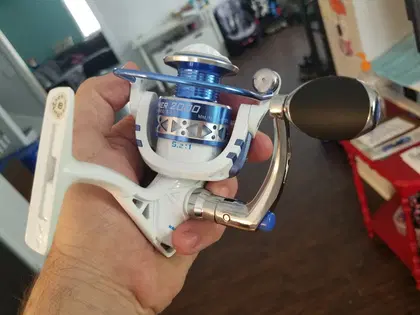
When it comes to saltwater fishing, having the right reel can make all the difference in your experience and success on the water. Saltwater environments present unique challenges, from the corrosive nature of salt to the powerful pulls of ocean fish. Understanding the key features that enhance performance and durability will help you choose a reel that not only meets your needs but also stands up to the rigors of saltwater conditions. Let’s explore what to look for in a saltwater reel to ensure you’re well-equipped for your next fishing adventure.
Sealed drag systems#
When it comes to saltwater fishing, one of the most important features to look for in a reel is a sealed drag system. Saltwater environments can be harsh, with salt, sand, and moisture constantly trying to get into your gear. A sealed drag system helps protect the internal components from these elements, ensuring your reel performs smoothly and lasts longer.
With a sealed drag, the drag washers and other critical parts are kept safe from contaminants. This means you’re less likely to experience issues like sticking or seizing during a fight with a fish. Imagine hooking into a big tuna or a snappy snapper; the last thing you want is your drag system failing because of a bit of saltwater intrusion.
When shopping for a reel, look for terms like “water-resistant” or “sealed drag.” These features often indicate that the reel has been designed with protection in mind. While these reels might come at a slightly higher price, investing in one can save you from frequent repairs or replacements down the line.
Additionally, consider the ease of maintenance for sealed drag systems. Many brands offer reels that allow you to clean and service your gear without needing to disassemble everything. This is a real advantage when you’re dealing with the salt and grime that can accumulate on your equipment after a day on the water.
Ultimately, a reliable sealed drag system can make your fishing experience more enjoyable. You’ll spend less time worrying about your gear and more time focusing on catching that trophy fish.
Reel materials and corrosion protection#
When you’re fishing in saltwater, the environment can be tough on your gear. Saltwater is corrosive, which means that the materials used in your reel matter a lot. The last thing you want is a reel that starts to rust after just a few trips out.
Look for reels made from materials that resist corrosion. Aluminum is a popular choice because it’s both lightweight and strong, but make sure it has a protective coating. Anodized aluminum is particularly good because it adds an extra layer of defense against salt.
Stainless steel components can also be a good bet, especially for the internal parts and bearings. Just like aluminum, they should have a quality finish to keep rust at bay. Some manufacturers even use special alloys designed specifically for saltwater use, which can offer superior protection.
Another option is composite materials. These are often used in budget-friendly reels and can be surprisingly durable. They usually hold up well against the elements, but it’s important to check reviews to ensure they can withstand heavy use.
In addition to the material, pay attention to how the reel is constructed. Sealed drag systems and waterproof designs can keep saltwater from getting inside your reel, which is crucial for longevity. If you notice a reel boasting these features, it’s worth considering, especially if you plan on fishing regularly in saltwater.
Finally, remember that even the best materials need some care. Rinse your reel with fresh water after each trip to remove any salt residue. A little maintenance goes a long way in keeping your gear in great shape.
Line capacity and gear ratio#
When choosing a saltwater reel, two key features to keep in mind are line capacity and gear ratio. These specifications can greatly influence your fishing experience, so let’s break them down in simple terms.
Line Capacity refers to how much fishing line a reel can hold. This is important because saltwater fish tend to be larger and more powerful than their freshwater counterparts. If you hook into a big one, you’ll need enough line to let it run without risking a break. Most saltwater reels come with a line capacity rating, usually given in yards (or meters) for a specific line weight.
As a general rule, look for reels that can hold at least 200 yards of line. For heavier species like tuna or marlin, a higher capacity - around 300 to 400 yards - is often recommended. A good tip is to choose a reel that can handle slightly more line than you think you’ll need; this provides a buffer in case you need to let a fish run.
Gear Ratio tells you how many times the spool turns for each turn of the handle. A simpler way to think about it is that a higher gear ratio means you can reel in line faster. For instance, a gear ratio of 6:1 means that for every full turn of the handle, the spool turns six times.
Higher gear ratios are great when you need to quickly retrieve a lure or keep up with a fast-swimming fish. If you’re targeting species that fight hard and take off quickly, a gear ratio of 6:1 or higher can be beneficial. Conversely, a lower gear ratio, like 4:1, might be better if you’re looking for more torque when reeling in heavier fish or pulling in big catches from deeper waters.
In essence, matching your reel’s line capacity and gear ratio to the type of fishing you’ll be doing can improve your chances of success. Choose wisely, and remember that these features should complement your fishing style and the species you’re targeting.
Best Reel Sizes for Common Saltwater Species#
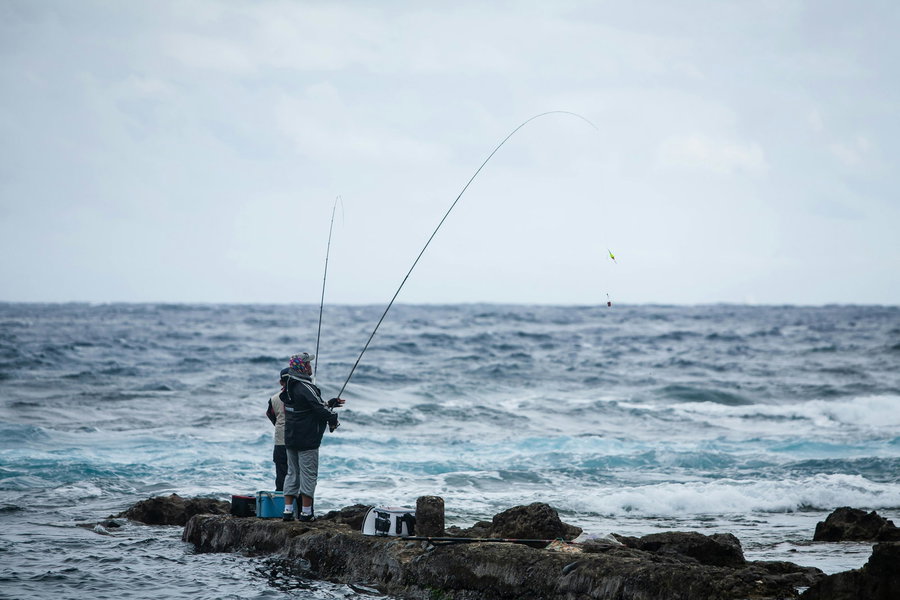
Choosing the right reel size is crucial when targeting various saltwater species, as it can significantly impact your success on the water. Different fish demand different reel sizes, and understanding this can help you make an informed choice that’ll enhance your fishing experience. Whether you’re after smaller gamefish or the giants of the ocean, knowing which reel size to use will set you on the right path to landing your catch.
Smaller species and light tackle fishing#
When it comes to targeting smaller saltwater species like snapper, sea bass, or flounder, light tackle gear is your best friend. It allows for more finesse in your presentation and can make the experience more enjoyable. For these kinds of fish, you’ll want a reel that’s easy to handle and provides smooth casting.
A spinning reel in the 2000 to 4000 size range is typically ideal for lighter saltwater fishing. This size is manageable for most anglers and offers enough line capacity to handle smaller fish without overwhelming them - or you. Look for a reel with a good drag system; you want something that can handle sudden runs without breaking your line.
For line, a 10 to 20-pound test monofilament or braided line is usually sufficient. Monofilament has a bit of stretch, which can be forgiving when reeling in a fish, while braided line gives you extra sensitivity and strength. If you’re fishing in structures like rocks or reefs, consider using a fluorocarbon leader for added abrasion resistance.
When you’re out there, focus on lighter lures or bait. Small jigs, soft plastics, or live bait can all be effective. A lighter setup allows you to feel even the slightest nibbles, which is crucial for catching these smaller species. Remember, patience is key. Enjoy the process, and don’t be afraid to experiment with different techniques and setups until you find what works best for you.
Medium-sized game fish#
When you’re out there chasing medium-sized game fish like snapper, grouper, or even smaller tuna, you want to make sure you have the right reel for the job. These fish typically weigh between 10 to 30 pounds, which means you’ll need a reel that can handle both the strength of the fish and the conditions of saltwater.
A good starting point is a spinning reel in the 4000 to 6000 size range. These reels are versatile, easy to use, and provide a balance of power and line capacity. A reel in this size can hold enough line to handle a good fight, yet it’s not so bulky that it becomes unwieldy. Look for models with a strong drag system, as this will help you keep control when a fish makes a run.
If you prefer baitcasting, a reel in the 200 to 300 size class is a solid choice. These reels allow for precise casting and are ideal for targeting specific spots around structures like reefs or wrecks where these fish tend to hang out. Just ensure that your baitcasting reel has a smooth drag and a durable construction to withstand the saltwater environment.
Regardless of the type of reel you choose, always pair it with a suitable rod. A medium to medium-heavy rod, typically around 7 feet in length, will provide the necessary leverage and sensitivity. This combination will give you the upper hand when you hook into your target.
Lastly, don’t forget about maintenance. Saltwater can be tough on gear, so rinse your reel with fresh water after each trip. This simple step can significantly extend the life of your fishing equipment and keep it performing well when you need it most.
Large offshore predators#
When it comes to targeting large offshore predators like tuna, marlin, and shark, your reel choice becomes crucial. These fish are not just big; they’re strong and fast, which means you need a reel that can handle the fight.
For these species, look for reels in the 50 to 80-pound class. These sizes provide the necessary line capacity and drag strength to handle powerful runs. A good rule of thumb is to choose a reel that can hold at least 300 yards of line, especially if you’re using heavier braid. This extra line is essential when the fish makes a long run.
You’ll also want a reel with a solid drag system. A smooth drag allows you to tire the fish without breaking your line. Look for reels with a drag rating above 20 pounds; this will give you the leverage you need during the battle. Many anglers prefer lever drag reels for their ease of use and precision, allowing you to adjust the drag quickly while fighting a fish.
Material matters too. Saltwater can corrode reels quickly, so choose one made from corrosion-resistant materials like aluminum or graphite. Sealed bearings will also help keep saltwater out and prolong the life of your reel.
Finally, consider the gear ratio. A higher gear ratio means you can reel in line faster, which is beneficial when you need to catch up to a fish that’s running. However, a lower gear ratio can give you better torque when fighting really strong fish. Finding the right balance is key, depending on your fishing style.
In summary, for large offshore predators, choose a durable, high-capacity reel with strong drag capabilities, and consider the materials and gear ratio that suit your fishing needs. This will set you up for success on the open water.
Common Mistakes When Buying Saltwater Reels#
When it comes to choosing the right saltwater reel, beginners often find themselves overwhelmed by the options and features available. It’s easy to make hasty decisions based on price or brand alone, but that can lead to frustration on the water. Understanding the common pitfalls can help you select a reel that meets your needs and stands up to the challenges of saltwater fishing, ensuring you have a more enjoyable and successful experience.
Underestimating saltwater corrosion#
When it comes to saltwater fishing, one of the biggest mistakes beginners make is underestimating the impact of corrosion. Saltwater is tough on gear. Its high salinity can quickly wear down parts of your fishing reels if they’re not designed to handle it.
Many anglers focus on the reel’s size and gear ratio but overlook the materials used in its construction. Look for reels made with corrosion-resistant materials, like anodized aluminum or stainless steel. These materials can better withstand exposure to saltwater and keep your reel functioning smoothly.
Another common error is neglecting to rinse your gear after each outing. Even if your reel is made from high-quality materials, if you don’t wash it off after a day on the water, salt can build up and cause significant damage over time. A quick rinse with fresh water can prolong the life of your reel and keep it in good working order.
Also, pay attention to the seals and gaskets. High-quality saltwater reels often feature better sealing systems that keep saltwater out of the internals. If a reel doesn’t specify that it has sealed components, it’s worth doing a little extra research before making a purchase.
Remember, investing in a reel that can stand up to saltwater conditions will save you money and frustration in the long run. Don’t cut corners - choose wisely, and your gear will thank you.
Choosing the wrong reel size#
One of the most common mistakes beginners make when selecting a saltwater reel is picking the wrong size. It might seem like a minor detail, but using a reel that’s too small or too big for your fishing needs can lead to frustration and poor performance on the water.
When you’re out saltwater fishing, your reel’s size should match the type of fish you’re targeting and the line weight you plan to use. A smaller reel might work well for light inshore fishing, catching species like snapper or trout, but if you’re aiming for bigger game like tuna or striped bass, you’ll need a larger, heavier-duty reel to handle the added strain.
To get it right, consider the species you want to catch. Check the recommended line weight and lure size for those fish. Most reels will have a rating that indicates their line capacity, which tells you how much line they can hold. For instance, if you’re going after larger fish, look for a reel that can handle heavier test line - typically, 30lb test line or more for offshore species.
Also, think about your fishing style. If you prefer to cast long distances or use heavier baits, a larger reel may be necessary. Conversely, if you’re doing some light surf fishing or targeting smaller species, a medium or smaller reel could be perfect.
A good rule of thumb is to try holding the reel before you buy it. It should feel comfortable in your hand and balanced with your rod. Too heavy, and it might tire you out; too light, and it can feel flimsy when you get a big catch. Ultimately, the right reel size plays a crucial role in your overall fishing experience, so take your time to choose wisely.
Ignoring drag performance#
When you’re out on the saltwater, the drag system of your reel plays a crucial role in your fishing success. It’s not just a technical feature; it’s about how well you can control the fight with the fish. Ignoring drag performance can lead to more lost catches than you might expect, especially when dealing with larger species.
A good drag system allows for smooth, consistent line release under pressure. If the drag is too tight, you risk breaking the line or pulling the hook out of the fish’s mouth. On the other hand, if it’s too loose, the fish might take your bait and swim off without any resistance. Look for reels that offer adjustable drag settings so you can fine-tune it based on the type of fish you’re targeting.
When shopping, pay attention to the drag materials, too. Some reels come with felt washers, while others may use carbon fiber or other advanced materials. Generally, carbon fiber drags tend to perform better under heavy loads, providing smoother action and less chance of sticking during a fight.
As you test reels, feel how the drag engages. It should be smooth without any jerking or catching. If you can, practice adjusting the drag before you head out on the water. This will help you get a sense of what feels right and enable you to make quick adjustments when that big fish strikes.
How to Make Your Saltwater Reel Last for Years#
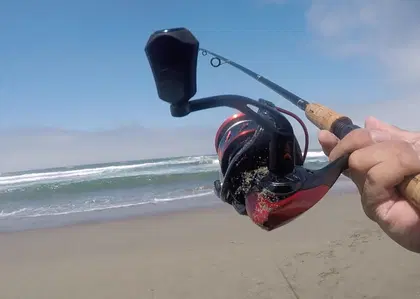
Taking care of your saltwater reel is essential if you want it to stand up to the salty environment and last for many fishing seasons. Regular maintenance, proper cleaning, and mindful handling can significantly extend the life of your gear. Whether you’re a novice angler or a seasoned pro, a little attention to your reel can ensure that it performs well and remains in good condition for years to come.
Cleaning after every trip#
Keeping your saltwater reel in good shape starts with a simple yet effective habit: cleaning it after every trip. Saltwater can be incredibly corrosive, and even a short outing can leave residues that, if ignored, can lead to long-term damage.
After you’re back on land, rinse your reel thoroughly with fresh water. Use a hose with a gentle spray or a bucket; just be sure to avoid using high-pressure water, as it can force salt and debris further into the reel’s components. Focus on all the nooks and crannies where salt tends to gather.
Once you’ve done the rinse, take a soft cloth and wipe down the exterior of the reel. This step helps remove any remaining salt and grime. If you notice any stubborn spots, a little mild soap can help. Just remember to rinse everything off again to prevent soap residue from causing issues.
Pay special attention to the drag system and any moving parts. If your reel has a spool that can be removed, take it off and give it a gentle clean as well. Check for any signs of wear or salt buildup, especially around the bearings. If you see any dirt or sand in those areas, a little bit of light oil can help keep things running smoothly.
Finally, store your reel in a cool, dry place after cleaning. Keeping it out of direct sunlight and humidity will help maintain its performance. A simple routine like this can extend the life of your reel significantly, allowing you to enjoy many more fishing adventures.
Basic maintenance and storage#
Taking care of your saltwater reel is essential if you want it to last through many fishing adventures. Saltwater can be tough on gear, so a little maintenance goes a long way. Here are some straightforward tips to keep your reel in top shape.
First off, after each fishing trip, make it a habit to rinse your reel with fresh water. This simple step helps remove salt and sand that can cause corrosion and wear. Don’t just spray it down; make sure to get into the nooks and crannies. A soft cloth or sponge can help you reach those tricky spots.
Next, inspect your reel for any signs of damage. Look for scratches, bent parts, or any unusual sounds when you crank the handle. If something seems off, it’s better to address it sooner rather than later. Regular checks can prevent bigger issues down the line.
Lubrication is another key part of reel maintenance. You don’t need to be an expert to do this; just use a reel-specific lubricant. Apply it to the moving parts as recommended in the manufacturer’s instructions. This will keep everything running smoothly and prevent rust.
When it comes to storage, avoid leaving your reel in direct sunlight or extreme temperatures. A cool, dry place is ideal. If possible, store it in a padded case or a dedicated tackle box to protect it from bumps and knocks.
If you plan on storing your reel for a long time, consider removing the line. This helps prevent it from becoming brittle or tangled. Plus, it gives you a chance to check the spool for any signs of wear.
By following these simple maintenance and storage tips, you can enjoy your saltwater reel for many seasons to come. Taking the time to care for your gear will not only extend its life but also enhance your overall fishing experience.
Are Premium Saltwater Reels Worth the Investment#
When it comes to saltwater fishing, the gear you choose can make a significant difference in your experience on the water. Premium saltwater reels often come with advanced features, durability, and performance enhancements that can elevate your fishing game. However, as a beginner, it’s essential to weigh the benefits against your budget and needs. Let’s dive into whether these high-end reels are truly worth the extra cost for your fishing adventures.
In the world of saltwater fishing, choosing the right reel can feel a bit overwhelming, but it doesn’t have to be. By understanding the distinct features that make saltwater reels unique, considering your fishing style, and being mindful of common mistakes, you can confidently select a reel that suits your needs. Remember, whether you opt for a spinning or conventional reel, durability and ease of maintenance are key in salty environments. And while premium options often come with a higher price tag, their quality can make a significant difference in your fishing experience. Ultimately, the best reel is the one that feels right in your hands, fits your budget, and helps you reel in those prized catches. Happy fishing!