
Affiliate disclosure: As an Amazon Associate, we may earn from qualifying purchases made via links on this page - at no extra cost to you. See our Affiliate Disclosure.
When it comes to fishing, the sheer variety of gear can feel like trying to navigate a maze blindfolded. One of the most essential but often overlooked elements of your tackle box is the humble hook. Yes, that little piece of metal can make or break your fishing experience, especially for beginners. With so many sizes and styles available, figuring out which hook to use can be as confusing as untangling a line full of snags.
But don’t worry! We’re here to simplify that for you. Understanding hook sizes doesn’t have to be a head-scratching exercise. Whether you’re aiming for panfish, bass, or something larger, knowing the right hook size can significantly improve your chances of landing a catch. So grab your gear, and let’s dive into the world of hooks - no advanced fishing degree required!
Why Hook Sizes Confuse So Many New Anglers#
When you’re just starting out in fishing, the myriad of hook sizes can feel overwhelming. With numbers and styles that seem to change with every tackle box, it’s easy to get lost in the details. Many beginners find themselves second-guessing their choices, unsure of which hook will best suit the type of fish they’re targeting. Understanding the basics of hook sizes is essential for building your confidence and improving your success on the water, so let’s unravel the confusion together.
Why smaller numbers can actually mean larger hooks#
When you first start fishing, the sizing of hooks can seem a bit counterintuitive. You might expect that a #1 hook is larger than a #10, but that’s not the case. In fact, the opposite is true: the smaller the number, the larger the hook.
This numbering system can be confusing because it doesn’t follow a straightforward scale. Generally, as the number increases, the hook size decreases. A size #1 hook is bigger than a size #10 hook, and a size #20 hook is even smaller. This is a standard you’ll find across many fishing tackle brands, so getting used to it will help you make better choices when selecting hooks.
Why does this matter? Well, choosing the right hook size is crucial for the type of fish you’re targeting and the bait you’re using. If you’re after smaller fish like bluegill, you might opt for a #10 or even smaller. On the other hand, if you’re going for larger species like bass or pike, you’ll want to reach for those smaller numbers, like #1 or #2.
Remember, the size of the hook also impacts how well it can hold the bait. A hook that’s too large for your bait can cause it to look unnatural in the water, while one that’s too small may not effectively catch the fish. So, familiarize yourself with the size numbers and keep a few different sizes on hand. This way, you’ll be prepared for whatever the day brings!
The difference between standard sizes and 1/0, 2/0, 3/0 hooks#
When you’re starting out in fishing, one of the most confusing things can be the hook sizing system. You’ll often see sizes like 1/0, 2/0, and 3/0, and it can feel a bit overwhelming. But don’t worry; it’s simpler than it sounds.
Standard hook sizes are usually numbered from 1 up to 10, where the smaller the number, the smaller the hook. For example, a size 10 hook is quite tiny and is often used for smaller fish or bait. As the numbers increase towards 1, the hooks get bigger, with a size 1 being larger than a size 2, and so on.
Now, let’s talk about the 1/0, 2/0, and 3/0 sizes. The “0” after the number indicates that these hooks are larger than size 1 but are part of a different scale. So, a 1/0 hook is bigger than size 1 but smaller than a 2/0 hook. It’s a way to categorize hooks that are designed for different fishing scenarios. The more zeros you add, the larger the hook gets.
For beginners, think of these hooks as tools for catching different types of fish. A 1/0 hook is versatile and great for species like panfish or bass, while a 3/0 hook is often used for larger fish like catfish or stripers. When you choose your hook size, consider the size of the bait and the type of fish you’re targeting. Bigger fish generally require larger hooks, while smaller fish can be caught with smaller hooks.
Understanding this sizing system can help you feel more confident on your fishing trips. Remember, it’s not just about the numbers; it’s about matching the right hook to your bait and your target fish.
The Best All-Around Hook Sizes for Beginners#
When you’re just starting out in fishing, choosing the right hook size can feel overwhelming with so many options available. However, some hook sizes stand out as versatile choices that can cover a variety of fishing scenarios. Understanding these all-around hooks can help you catch everything from panfish to larger species without getting bogged down by the details. Let’s dive into the sizes that will serve you well on your fishing adventures.
A simple starter range that covers most freshwater fishing#
When you’re just starting out in freshwater fishing, choosing the right hook size can be a bit overwhelming. However, there are a few sizes that work well for most beginners. Let’s break down some simple options that will cover a wide range of fishing situations.
For panfish like bluegill and crappie, a size 6 to 10 hook is perfect. These smaller hooks are just the right size for the delicate mouths of these fish. They won’t scare away the fish, and they allow you to use small baits like worms or crickets effectively.
If you’re aiming for bass or trout, consider using hooks in the size 2 to 4 range. These hooks are still manageable but strong enough to hold larger baits and handle bigger fish. A good tip is to use a size 3 or 4 hook when fishing with minnows or larger lures; they provide a solid balance between size and strength.
For those adventurous enough to try catfishing, a size 1/0 to 3/0 hook will serve you well. Catfish have larger mouths, so these hooks are ideal for holding onto bigger baits like chicken liver or stink bait. The extra size helps ensure a solid hook set when you feel that telltale tug on your line.
Overall, starting with a small selection of hooks in sizes 6 to 10 for panfish, 2 to 4 for bass and trout, and 1/0 to 3/0 for catfish will cover most of your freshwater fishing needs. With these basics in your tackle box, you’ll be ready for a variety of fishing adventures.
When size 6, 4, and 2 hooks make the most sense#
Choosing the right hook size can feel a bit overwhelming, especially for beginners. However, knowing when to use sizes 6, 4, and 2 can simplify your fishing experience and help you catch more fish.
Size 6 Hooks: These are great for smaller species like panfish, including bluegill and crappie. When using bait like worms or small minnows, a size 6 hook keeps the bait looking natural. They’re also perfect for kids who are just starting out, as they fit small bites well and reduce the chance of gut hooking the fish.
Size 4 Hooks: This size is your go-to for a variety of medium-sized fish. Whether you’re targeting trout, bass, or catfish, a size 4 hook does the trick. It’s versatile enough to handle different bait types, from larger worms to small lures. If you’re unsure of what to use, a size 4 is a safe bet.
Size 2 Hooks: These hooks are suitable for larger fish like bass and pike. If you’re using bigger bait, such as whole minnows or larger jigs, a size 2 hook will provide the support you need. It offers a good balance between being strong enough to handle a hefty catch while still being manageable for beginners.
By keeping a few hooks in sizes 6, 4, and 2 in your tackle box, you’re well-prepared for a wide range of fishing situations. Each size serves a specific purpose and can significantly improve your chances of reeling in a fish.
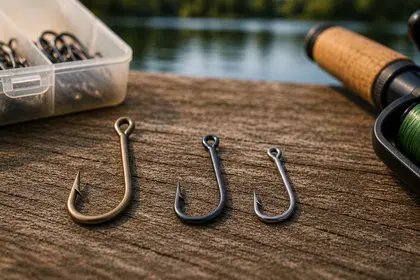
Matching Hook Size to the Fish You Want to Catch#
Choosing the right hook size is crucial for a successful fishing experience, especially for beginners. Each type of fish has its own preferences when it comes to bait and hook size, which can significantly affect your chances of landing a catch. By understanding how to match your hook size to the fish you aim to catch, you’ll not only improve your fishing skills but also increase your confidence on the water. Let’s dive into the basics of hook sizes and how they relate to different species of fish.
Panfish and small trout#
When you’re just starting out, targeting panfish and small trout is a great way to get your feet wet in the fishing world. These fish are plentiful, easy to catch, and perfect for honing your skills. Choosing the right hook size is key to your success, and luckily, it’s pretty straightforward.
For panfish like bluegills, crappies, and perch, a hook size between 8 and 12 is generally ideal. These hooks are small enough to fit in the fish’s mouth but sturdy enough to handle the fight. If you’re using live bait, like worms or minnows, these sizes work perfectly. Just thread the bait onto the hook without covering the point, so it stays sharp and ready to catch.
When it comes to small trout, you might want to stick with hook sizes 10 to 14. Small hooks are less intimidating for the fish, especially in clear water where they can be more cautious. If you’re using artificial lures, a size 12 hook can work well with small spinners or spoons. The key is to match the hook size to the bait for the best presentation.
Remember, the right hook size can make all the difference. If your hook is too big, the fish might shy away. If it’s too small, you risk losing your catch. So, keep your hook sizes in mind, grab your tackle box, and head out for some fun on the water!
Bass and walleye#
When it comes to fishing for bass and walleye, choosing the right hook size can make a significant difference in your success. Both species are popular targets for beginners, and understanding their preferences will help you select the best hooks.
For bass, a hook size ranging from 2/0 to 4/0 is typically ideal. The larger size helps ensure that the hook can penetrate the bass’s tough mouth. If you’re using plastic worms or creature baits, a 3/0 or 4/0 offset worm hook works well. This allows for better hook sets, especially when bass are striking aggressively.
Walleye fishing, on the other hand, often calls for smaller hooks. A size 4 to 8 hook is commonly used, especially when you’re using live bait like minnows or leeches. For jigs, a 1/8 to 1/4 ounce jig head with a size 2 or 4 hook can be effective. The key is to ensure the hook is sharp enough to penetrate the walleye’s mouth since they are known for being a bit more cautious with their bites.
Remember, the type of bait you’re using can also influence your hook choice. If you’re casting lures, adjust your hook size to match the lure’s size. A larger lure generally pairs well with a bigger hook, while smaller lures should be matched with a smaller hook.
As you gain experience, you’ll start to notice the preferences of these fish in your local waters, which will further refine your hook selection process. Don’t hesitate to experiment a bit; sometimes, finding what works best for you is part of the fun!
Catfish and larger freshwater species#
When it comes to targeting catfish and other larger freshwater species, choosing the right hook size is crucial. Catfish can grow quite large, so using a hook that can handle their weight and strength is important for a successful catch.
For most catfishing scenarios, a hook size between 2/0 and 5/0 works well. These sizes provide enough strength to hold up against the powerful pulls of a catfish while also being large enough to accommodate their wide mouths. If you’re fishing in rivers or lakes where catfish are abundant, starting with a 3/0 hook is a good middle ground.
When selecting a hook, consider the bait you’ll be using. If you’re using larger baits like cut bait or whole shad, lean towards a bigger hook, such as a 4/0 or 5/0. For smaller baits like worms or minnows, a 2/0 hook might do the trick. Just remember that the hook should be proportionate to the bait size to ensure it can effectively catch the fish.
It’s also worth noting that circle hooks are popular among catfish anglers. These hooks are designed to hook fish in the corner of the mouth, which reduces the chances of gut hooking and makes for easier catch-and-release. A size 3/0 or 4/0 circle hook can be an excellent choice for beginners.
Don’t forget about the tackle you’re using. Make sure your fishing line and rod can handle the size of fish you’re after. A heavy-duty rod paired with a strong line will help you reel in those big catfish without snapping your gear.
Overall, matching your hook size to the fish you want to catch is about balancing strength, bait size, and your overall setup. With a little practice, you’ll find the right hook that works for you and increases your chances of landing those big freshwater species.
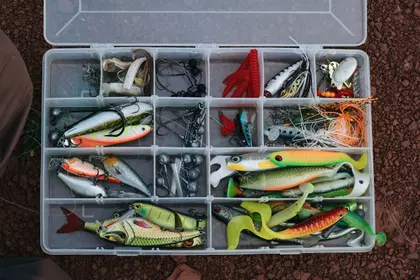
Matching Hook Size to Your Bait#
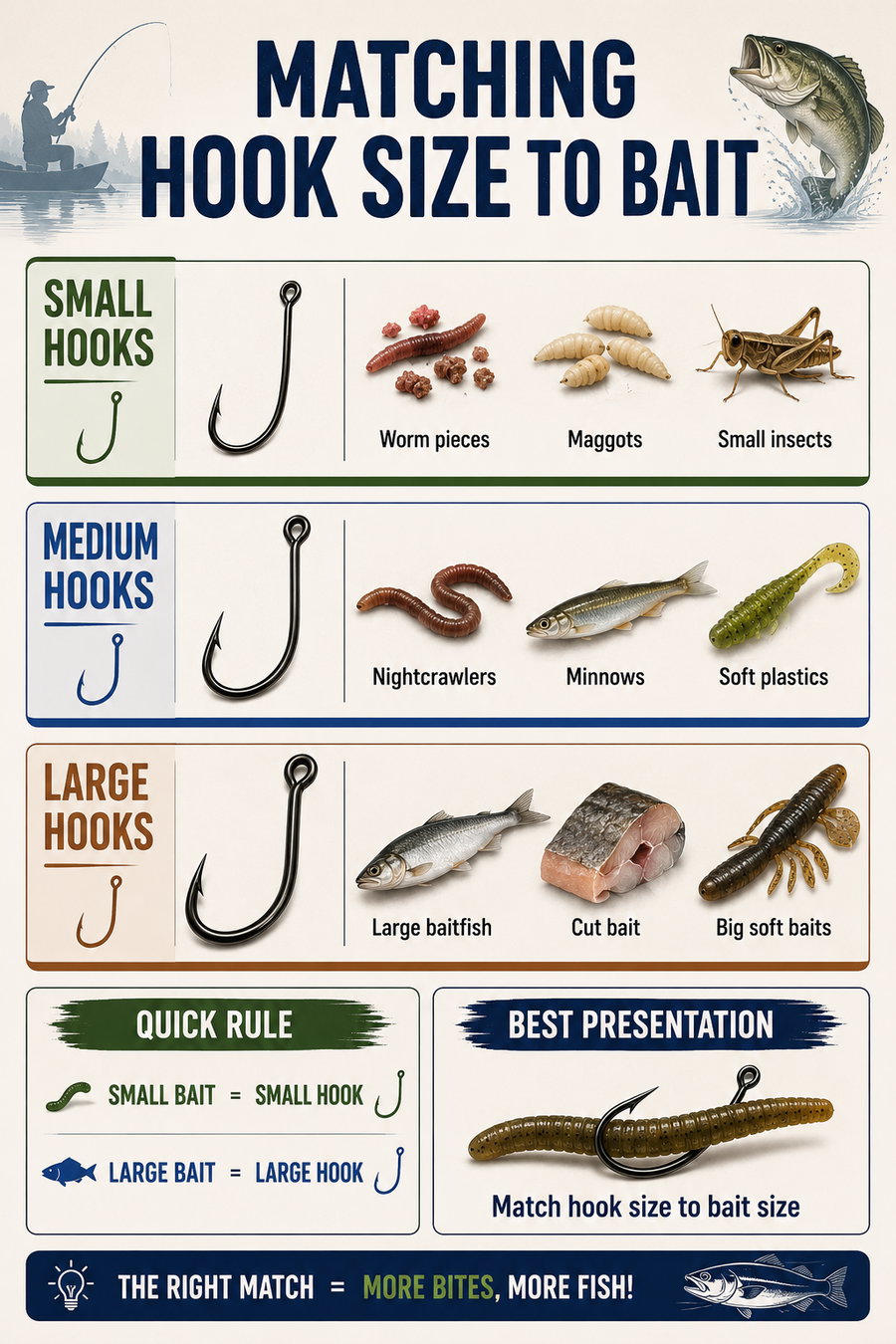
Choosing the right hook size is crucial for a successful fishing experience, especially for beginners. Your hook should complement the bait you’re using, whether it’s live bait like worms or artificial lures. A well-matched hook not only ensures that the bait looks appealing to fish but also increases your chances of a solid catch. Understanding this fundamental aspect can make all the difference in your fishing outings, so let’s explore how to pair hooks with different types of bait effectively.
Worms and live bait#
Worms and live bait are among the easiest and most effective options for beginner anglers. Choosing the right hook size helps the bait look natural and increases your chances of getting solid hookups.
For standard garden worms and nightcrawlers, hook sizes 4 to 8 are excellent starting points. These sizes are versatile enough for panfish, trout, perch, and many other common freshwater species. A size 6 hook is often considered one of the safest all-around choices for beginners because it works with a wide variety of bait sizes and fishing situations.
If you’re using smaller worms, such as red wigglers, a size 8 or even size 10 hook may provide a more natural presentation. Matching the hook size to the bait prevents the setup from looking bulky and helps fish take the bait confidently.
For larger live bait like minnows or shiners, moving up to sizes 2, 1, or 1/0 is often a better option. These hooks provide enough gap to secure the bait properly while still allowing it to swim naturally. Hooking a minnow lightly through the back, just behind the dorsal fin, helps keep it active and attractive to predatory fish.
As a general rule, the hook should complement the bait rather than overpower it. A properly matched hook and bait combination creates a more natural presentation and can lead to more bites throughout the day.
Minnows and baitfish#
When it comes to fishing with minnows and small baitfish, choosing the right hook size is essential for both effective bait presentation and hooking fish. Typically, for small minnows like shiners or fatheads, you’ll want to use hooks in the range of size 6 to size 10. These sizes are small enough to accommodate the delicate mouth of the baitfish without causing too much damage.
If you’re using larger baitfish, like medium shad or small herring, a size 2 to size 4 hook is often a better fit. This allows you to securely hook the bait while keeping it lively in the water. Remember, the goal is to keep your bait looking as natural as possible. A hook that’s too big can make your bait look unnatural and may even deter fish from biting.
When rigging minnows, you can either hook them through the back or the lips. Hooking them through the back helps keep them swimming freely, which can attract predatory fish. On the other hand, hooking through the lips can keep them more stationary, which might be beneficial in certain situations. Experiment a bit to see which method works best for your fishing conditions.
Always keep an eye on your bait. If it starts to look sluggish or not as lively, it might be time to replace it. Fresh, lively bait can significantly increase your chances of catching fish, so don’t hesitate to change it out if you think it’s losing its appeal.
Artificial lures#
When it comes to using artificial lures, the right hook size can make all the difference in your fishing success. Unlike natural bait, lures are designed to mimic the movement and appearance of fish food, and the hook needs to complement that design.
A good starting point is to match the hook size to the size of the lure. For example, if you’re using a small jig or a soft plastic minnow that’s around 2 to 4 inches long, a hook size between 1/0 and 2/0 usually works well. This size offers a good balance between holding the lure securely and not overpowering its presentation.
If you’re using larger lures, like swim baits or topwater plugs that are 5 to 8 inches, you might want to step up to a 3/0 or even a 4/0 hook. Just remember, the hook should be large enough to penetrate the fish’s mouth but not so large that it deters bites.
Keep in mind that different types of lures may require different hook styles. For instance, treble hooks are common with crankbaits and can be an effective option for catching fish that are quick to grab and release. When using treble hooks, pay attention to the size as well - sizes ranging from 6 to 2 are popular, depending on the lure size.
Before you head out, consider the water conditions and the species you’re targeting. A smaller hook can be better for finicky fish in clear water, while a larger hook might be suitable for more aggressive species or murkier conditions.
Always remember to check the hook’s sharpness before use. A sharp hook increases your chances of a solid catch, so if it feels dull, take a moment to sharpen it or replace it. With a little practice and observation, you’ll get a feel for what works best for your setup.
Common Beginner Hook Size Mistakes#
When you’re starting out in fishing, choosing the right hook size can feel a bit overwhelming. Many beginners make mistakes that can cost them bites or lead to frustration on the water. Understanding the basics of hook sizes and how they relate to the type of fish you’re targeting will help you avoid these common pitfalls and improve your overall fishing experience. Let’s take a closer look at some of these mistakes and how to steer clear of them.
Going too large#
One of the most common mistakes beginners make is choosing hooks that are too large for the fish they’re targeting. It’s easy to think that bigger hooks will catch bigger fish, but this isn’t always the case. Using oversized hooks can lead to several issues, including missed bites and frustrated fishing trips.
When you’re starting out, it’s important to match your hook size to the bait and the species of fish you’re after. A hook that’s too big can overwhelm smaller fish, making them less likely to bite. For example, if you’re fishing for panfish like bluegill or sunfish, a hook size of 8 to 12 is usually ideal. Larger hooks might scare these fish away or fail to fit in their mouths properly.
Additionally, using large hooks can make it more challenging to set the hook effectively. If the fish takes the bait but the hook is too big, it may not get the proper grip in their mouth. This can result in lost fish and a lot of frustration. A good rule of thumb is to start small; you can always upsize your hook if needed, but too large from the get-go can be a dead end.
To avoid this mistake, pay attention to the bait you’re using. For instance, if you’re using tiny worms or small minnows, a smaller hook will work best. Not only will it help with hooking the fish, but it also allows your bait to move more naturally in the water, increasing your chances of a successful catch. Remember, fishing is often about finesse, and that starts with using the right hook size.
Going too small#
When you’re just starting out in fishing, it can be tempting to choose smaller hooks. After all, they seem like they might be less intimidating to fish with, and they can be perfect for smaller baits. However, going too small can lead to some common pitfalls.
First off, smaller hooks can make it harder to catch fish. If the hook is too tiny, it may not be able to hold onto the fish’s mouth properly, especially if you’re targeting species with tougher jaws. This could mean more missed opportunities and frustrating moments on the water. You might feel a tug, but by the time you set the hook, the fish is already gone.
Another issue with small hooks is that they can limit your bait options. When you’re starting out, it’s helpful to use baits that are easy to manage and effective at attracting fish. A smaller hook can restrict you to tiny baits, which may not be as appealing to the fish you’re trying to catch. If you’re after larger species, you’ll want a hook that can comfortably accommodate bigger baits.
Lastly, it’s important to remember that fish can be quick and nimble. If your hook is too small, it might not penetrate their mouth effectively during a catch. A hook that’s appropriately sized for your target species will increase your chance of a solid hookset, meaning you’ll land more fish rather than just getting bites.
So, as you gear up for your fishing adventure, keep in mind that starting with a hook that’s too small can hinder your experience. Instead, opt for a hook size that matches the type of fish you want to catch. This way, you can enjoy a more successful and rewarding fishing experience right from the start.
Ignoring bait size#
One of the most common mistakes beginners make is not matching their hook size to the bait they’re using. Think of it this way: if your bait is too small for your hook, it’ll look odd and be less appealing to fish. On the flip side, if your bait is too big for your hook, it might not even be able to fit on there properly.
When you’re choosing bait, consider the type of fish you’re trying to catch. A small hook works well with tiny worms or minnows, while a bigger hook is needed for larger baits like cut fish or big shrimp. The goal is to make your bait look as natural as possible. If it looks unnatural, the fish might shy away.
For example, if you’re fishing for panfish, like bluegills or crappies, a size 8 or 10 hook paired with a small piece of worm works well. But if you’re after bass, you might want to go up to a size 2 or 4 hook with a larger bait like a chunk of a shad.
Remember, the right hook size can be the difference between a day of fishing fun and coming home empty-handed. Take a moment to assess your bait and adjust your hook size accordingly for better success on the water.
Building a Simple Hook Collection Without Overspending#
As a beginner angler, it can be easy to feel overwhelmed by the sheer number of hooks available. However, you don’t need to break the bank to build a solid collection. By focusing on a few essential sizes and types, you can cover a wide range of fishing scenarios without cluttering your tackle box or stretching your budget. Let’s explore how to effectively gather the hooks you’ll need to get started on your fishing adventures.
The few hook sizes most beginners actually need#
When you’re starting out in fishing, it can be tempting to buy a whole bunch of hooks in every size. But the truth is, most beginners can get by with just a handful of sizes. This not only saves you money but also simplifies your tackle box.
For general freshwater fishing, a size 6 or size 8 hook is a great choice. These sizes are versatile enough for catching common species like panfish, trout, and even bass. They’re small enough to not scare off the fish but big enough to hold a decent bait.
If you plan to target larger fish, consider adding a size 2 or size 4 hook to your collection. These hooks work well for bigger species like catfish or larger bass. They provide the strength you need without being overly bulky.
Don’t forget about circle hooks, especially if you’re interested in catch-and-release fishing. A size 1 or size 2 circle hook is excellent for ensuring a good hook set while minimizing injury to the fish. They’re designed to hook the fish in the corner of the mouth, making it easier to release them unharmed.
Lastly, if you’re going to be fishing in saltwater or targeting larger species, having some larger hooks on hand, like size 1/0 or 2/0, can be beneficial. These hooks are perfect for tougher fish and can handle heavier bait.
With these sizes - 6, 8, 2, 4, and the circle hooks - you’ll have a solid foundation for your fishing adventures without breaking the bank or overwhelming yourself with choices.
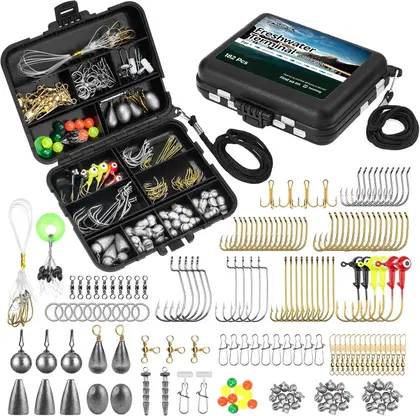
When to Move Up or Down a Hook Size#
Choosing the right hook size can be a bit daunting, especially for beginners. It’s important to know that adjusting your hook size can significantly affect your chances of landing a fish. Whether you’re facing different fishing conditions, targeting various species, or simply adjusting to the type of bait you’re using, recognizing when to move up or down a hook size will enhance your fishing experience and success.
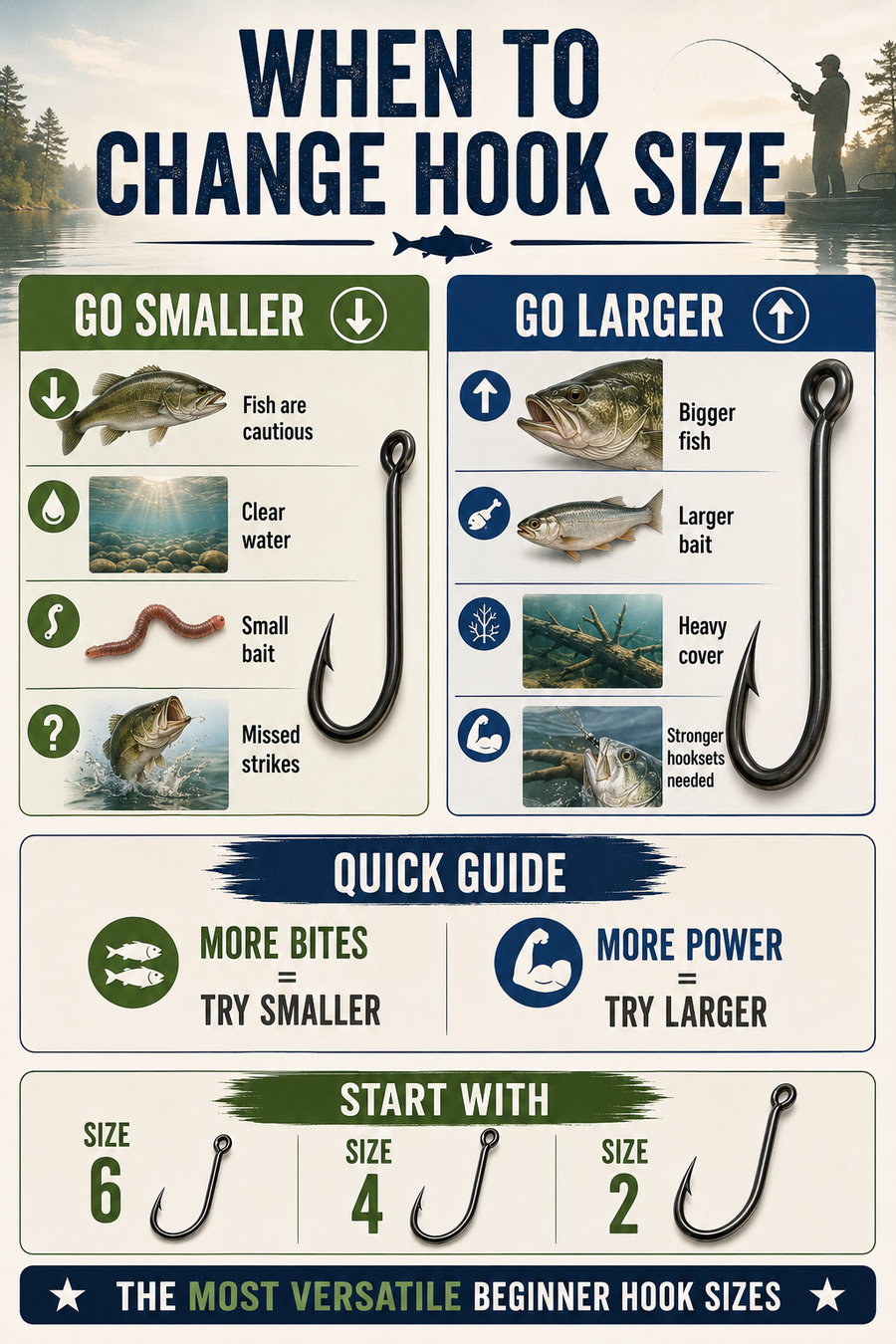
In the world of fishing, mastering hook sizes is like learning to ride a bike - you might wobble a bit at first, but with practice, it becomes second nature. Remember, choosing the right hook size can make all the difference in your success on the water. Don’t overthink it; start with a few versatile sizes and adjust based on the fish you’re targeting and the bait you’re using. Mistakes are part of the learning curve, so embrace them and take notes on what works best for you. As you build your simple hook collection, you’ll find yourself gaining confidence with each trip you take. So, grab your gear, head to your favorite fishing spot, and enjoy the process. Happy fishing!