
Affiliate disclosure: As an Amazon Associate, we may earn from qualifying purchases made via links on this page - at no extra cost to you. See our Affiliate Disclosure.
If you’ve ever stood at the water’s edge, squinting into the sun, trying to spot fish lurking below, you know how crucial it is to have the right gear. One of your best allies in clear water fishing is a solid fluorocarbon leader. Now, you might be thinking, “What on earth is a fluorocarbon leader, and why should I care?” Well, you’re not alone! Many beginners feel a bit lost in the sea of fishing jargon. But fear not! This guide is designed to simplify the process and help you choose the right fluorocarbon leader without needing a degree in marine biology. From understanding its benefits to picking the best options for your needs, we’ll cover everything you need to know in a way that’s easy to digest. So, grab your tackle box and let’s make your fishing experience a little clearer - pun intended!
Why Clear Water Fishing Requires a Different Approach#
When you’re fishing in clear water, every little detail matters. Fish in these conditions can easily spot your line and any unnatural movements, making it crucial to adapt your tactics. Choosing the right gear, especially fluorocarbon leaders, can make a significant difference in your success. By understanding how to effectively approach clear water fishing, you’ll increase your chances of enticing those wary fish to bite.
How fish become more cautious in clear conditions#
When you’re fishing in clear water, the environment changes dramatically for both you and the fish. Fish rely heavily on their eyesight to spot food and potential threats. In clear conditions, they can see much further and more clearly, making them more cautious when it comes to biting. This heightened awareness can turn a normally aggressive fish into a more reserved one.
In these situations, fish become wary of anything unusual. A bright, shiny lure can stand out like a sore thumb against the natural backdrop. If they detect something that doesn’t look right - like a leader line that’s too thick or a bobber that’s too bright - they may shy away. This means you need to adapt your gear and tactics to match the clarity of the water.
Using a fluorocarbon leader is a great first step. Fluorocarbon is less visible underwater than other materials, which helps keep your setup stealthy. This is especially important in clear water, where fish can easily pick up on lines and tackle. A thinner fluorocarbon leader not only reduces visibility but also offers better sensitivity, allowing you to feel subtle bites that you might miss with a heavier line.
Another trick is to choose natural colors for your lures and bait. Bright colors can be a red flag in clear water. Instead, opt for more natural hues that mimic the local forage. This can increase your chances of enticing those cautious fish to take a bite.
Additionally, consider your presentation. In clear water, a slower, more deliberate retrieval can help. Fish often have more time to inspect your bait, so making it look natural is key. Try varying your speed and adding pauses to mimic the movement of real prey. This can make a world of difference when those fish are on high alert.
Remember, fishing in clear water often requires you to think like a fish. Be mindful of how your gear and techniques might appear from below, and adjust accordingly to improve your chances of a successful catch.
Why leader visibility matters#
When you’re fishing in clear water, one of the first things to consider is how visible your fishing line and leader are to the fish. Clear water means that fish can see your line much more easily. If they spot it, they might get spooked and swim away, which is the last thing you want.
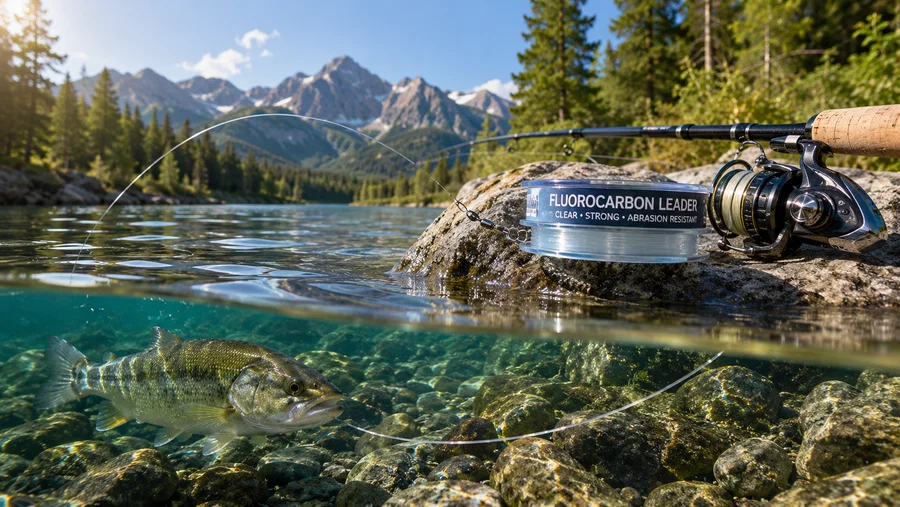
Using a fluorocarbon leader is a great way to tackle this issue. Fluorocarbon is known for its low visibility underwater. It bends light similarly to water, making it harder for fish to see. This can be especially beneficial when you’re targeting skittish species like trout or bass that are known to be line-shy.
Another factor to think about is the thickness of your leader. Thinner leaders are less visible, but they also need to be strong enough to handle the fish you’re after. Striking the right balance is essential. A good rule of thumb is to choose a leader that’s just strong enough for the fish species you’re targeting, but as thin as possible to reduce visibility.
Lastly, always remember the color of the water. In super clear conditions, a clear fluorocarbon leader works wonders. But if you find yourself in slightly stained water, you might opt for a leader with a hint of green or brown. These colors can help avoid detection without sacrificing the strength you need.
What Makes Fluorocarbon Leaders So Effective#
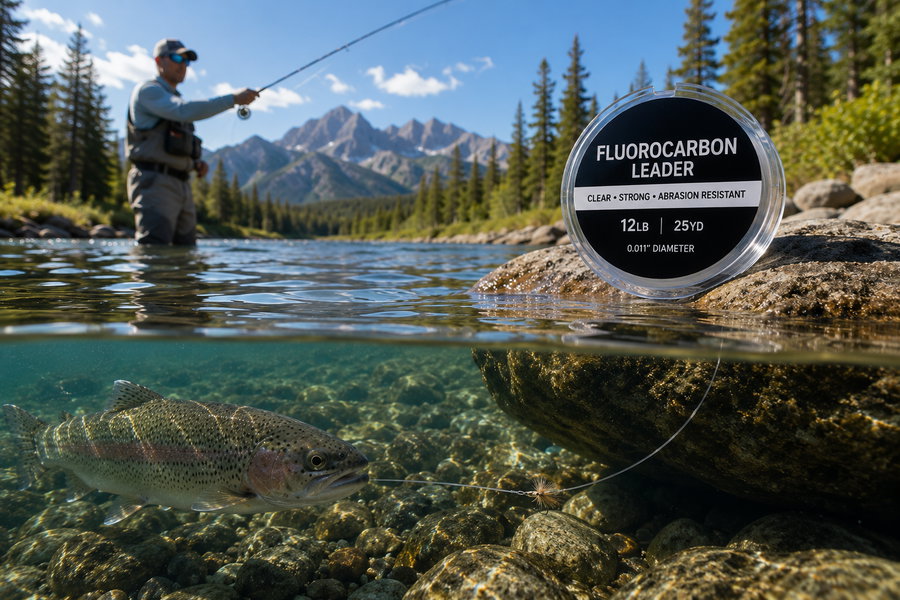
Fluorocarbon leaders have gained a reputation among anglers for their ability to blend seamlessly into clear water environments. Unlike traditional monofilament lines, fluorocarbon is nearly invisible underwater, which is a game-changer when targeting skittish fish. Its unique properties also include abrasion resistance and a low stretch factor, allowing for better sensitivity and a more direct connection to the fish. Understanding what makes fluorocarbon leaders so effective can help you choose the right gear and improve your chances of landing a catch in those crystal-clear waters.
Near-invisibility underwater#
One of the standout features of fluorocarbon leaders is their near-invisibility when submerged. This is a game-changer for anglers fishing in clear water conditions where fish can be easily spooked. Unlike traditional monofilament lines, fluorocarbon refracts light in a similar way to water, making it much less noticeable to fish.
When you’re casting into crystal-clear lakes or streams, using a fluorocarbon leader can give you a significant edge. Imagine you’re out on the water, and you spot a school of fish. If your line is visible, they might shy away. But with fluorocarbon, you increase your chances of getting that bite because the fish can’t see your leader as easily.
It’s not just about being less visible. Fluorocarbon is also quite dense, which means it sinks faster than other types of lines. This can help get your bait down to where the fish are lurking, especially if you’re targeting species that hang out near the bottom. The combination of low visibility and quick sinking properties makes fluorocarbon an excellent choice for a variety of fishing scenarios.
For beginners, it’s wise to use fluorocarbon leaders when targeting species like bass, trout, or any fish that can be skittish in clear water. Just remember to tie your fluorocarbon leader to your main line carefully, as getting a good knot is crucial for maintaining its strength. With a bit of practice, you’ll find that fluorocarbon leaders can truly enhance your fishing experience.
Abrasion resistance around structure#
When you’re fishing near rocks, logs, or any other underwater structure, having a leader line that can withstand abrasion is crucial. Fluorocarbon leaders shine in this area. They are much tougher against scrapes and nicks compared to monofilament or braid. This toughness means you’re less likely to lose your catch due to a frayed line.
Think about it: when your bait drifts near a submerged log or a rocky outcrop, the chances of your line rubbing against these surfaces are high. If you’re using a weaker line, it could easily get damaged, leading to break-offs at the worst times. With fluorocarbon, you’re giving yourself a better shot at reeling in that big fish.
Another benefit is that fluorocarbon sinks, which can help your bait get closer to the bottom, where many fish are lurking. When combined with its abrasion resistance, you can fish confidently in areas that would typically be risky for other line types.
For beginners, this means you can focus more on your technique and less on worrying about your line breaking. Just make sure to check your leader regularly for any signs of wear, especially after fishing in rough environments. A quick inspection can save you from losing a prized catch later on.
Choosing the Right Leader Strength#
When it comes to fishing in clear water, selecting the right leader strength can significantly impact your success. A leader that’s too heavy may scare away cautious fish, while one that’s too light might not withstand the stress of a hard fight. Understanding the balance between visibility, strength, and the type of fish you’re targeting is essential for making an informed choice. In this section, we’ll explore how to determine the best leader strength for your clear water adventures.
Light leaders for finesse presentations#
When it comes to fishing in clear water, using light leaders can make a significant difference in your success. In these conditions, fish can be easily spooked, so a thinner, more discreet leader can help you present your bait or lure without raising suspicion.
Light fluorocarbon leaders, typically ranging from 4 to 8-pound test, offer the invisibility that clear water demands. This is particularly useful when targeting species like trout, bass, or panfish that are more cautious in their feeding behavior. The low visibility of fluorocarbon allows your bait to look more natural, increasing your chances of a bite.
One key aspect to keep in mind is the type of presentation you’re using. For finesse techniques like drop shotting or using small jigs, a lighter leader helps maintain a more subtle action. A heavy leader can interfere with the way your bait moves in the water, making it look unnatural and potentially deterring fish.
When tying on a light leader, ensure that your knots are secure. A poorly tied knot can lead to break-offs, which can be frustrating, especially when you’re fishing for those elusive bites. Consider using smooth knots like the Palomar or the double uni knot, which are reliable and easy to tie, even for beginners.
Another tip is to match your leader to your main line and tackle. If you’re using a lightweight rod and reel setup, a light leader will complement your gear nicely. It’s all about creating a balanced system that feels natural in the water.
Lastly, remember that while a lighter leader can be beneficial, it also means you need to be more cautious when fighting fish. They can break off easily if you’re not careful, especially if they make a sudden dash. Keep your drag set appropriately and be ready to adjust your technique as you reel them in.
Medium leaders for all-around fishing#
When it comes to fishing in clear water, medium fluorocarbon leaders are a solid choice for most situations. Typically, these leaders range from 10 to 20-pound test strength. They offer a good balance between sensitivity, strength, and invisibility, making them versatile for various species.
One of the great things about medium leaders is their ability to handle a range of fish sizes. Whether you’re targeting bass, trout, or even light saltwater species, a medium leader can often do the job. They provide enough backbone to reel in a decent catch without being so heavy that they scare off the fish.
If you’re just starting out, consider a 12 or 15-pound test fluorocarbon leader. This size is forgiving for beginners, allowing you to manage fights with fish while still being light enough that it won’t spook them in clear water. Plus, it’s strong enough to handle the occasional snag or tangle, which is part of the learning process.
When tying your medium leader to the main line, make sure to use a strong knot, like the Palomar or improved clinch knot. This will ensure that your setup is reliable and ready to take on whatever bites.
Keep in mind that the clarity of the water can change throughout the day due to factors like weather and time. Having a medium leader on hand gives you flexibility, allowing you to adapt your tactics without needing to constantly change gear. It’s a simple, effective option that can enhance your fishing experience.
Heavy leaders for larger fish#
When you’re targeting bigger fish, having the right leader strength is essential. Larger species like pike, musky, or tarpon often have sharp teeth and powerful runs, which means you need a leader that can handle the stress. A heavy fluorocarbon leader, typically rated between 20 to 100 pounds, gives you the strength and durability needed for these tough fighters.
One of the key benefits of using a heavy fluorocarbon leader is its abrasion resistance. This is particularly important when fishing in areas with rocky bottoms, submerged logs, or other potential snags. The last thing you want is for a big fish to break off your line just because your leader couldn’t stand up to the environment it’s swimming through.
Additionally, heavy fluorocarbon leaders provide better knot strength. When you’re tying knots for larger lures or hooks, you want to ensure that everything holds together under pressure. A thicker leader often helps reduce the chance of a knot slipping or breaking, which can happen with lighter leaders.
It’s also worth noting that while heavier leaders are great for larger fish, they can be more visible in clear water. To counter this, try using a leader that’s not excessively heavy for the size of fish you’re targeting. For example, if you’re after 15-pound bass, a 20-pound leader might be adequate. This way, you can maintain the strength you need without sacrificing too much stealth.
Finally, consider the type of fishing you’re doing. If you’re casting lures, a slightly heavier leader may work better. If you’re using live bait, you might want to go a bit lighter to avoid spooking the fish. Finding that sweet spot will help you get the best results on the water.
Fluorocarbon vs Monofilament Leaders#
When it comes to choosing the right leader line for clear water fishing, the debate between fluorocarbon and monofilament is often at the forefront. Both types have their unique characteristics, which can greatly affect your success on the water. Fluorocarbon leaders are known for their low visibility and excellent abrasion resistance, making them a popular choice for skittish fish in crystal-clear environments. On the other hand, monofilament offers more stretch and buoyancy, which can be advantageous in certain situations. Understanding the strengths and weaknesses of each can help you make a more informed decision and enhance your fishing experience.
Visibility differences#
When it comes to fishing in clear water, the visibility of your line can make a big difference in how successful you are. Fluorocarbon leaders are often the go-to choice for anglers in these situations because they are nearly invisible underwater. This is due to their refractive index being similar to that of water, which helps them blend in seamlessly.
On the other hand, monofilament leaders can be more visible in clear conditions. They tend to have a slight sheen that can catch the light, making them easier for fish to spot. While there are times when monofilament can work well, especially in murkier waters or for certain species, clear water requires a stealthier approach.
If you’re targeting fish that are particularly line-shy, like certain trout or bass in ultra-clear lakes, fluorocarbon is often the better bet. It not only remains less visible to the fish but also withstands abrasion better than monofilament, which can be a game-changer when fishing around rocks, brush, or other snags.
Ultimately, if you’re fishing in clear water, choosing a fluorocarbon leader can help you present your bait more naturally and increase your chances of a bite.
Sensitivity and hooksets#
When you’re fishing in clear water, being able to detect subtle bites is crucial. This is where sensitivity comes into play. Fluorocarbon leaders are known for their superior sensitivity compared to monofilament. Because fluorocarbon has a higher density and less stretch, you can feel even the lightest nibble on your line. This means you can react quickly and set the hook more effectively.
In practical terms, when a fish picks up your bait, the immediate feedback through the line helps you know when to strike. If you’re using monofilament, you might miss these delicate bites because the line absorbs some of that energy, making it harder to feel what’s happening down there. For beginners, this can mean the difference between landing a fish or watching it swim away.
When it comes to hooksets, the sensitivity of fluorocarbon can also mean better performance. A solid hookset is all about timing and feel. With a fluorocarbon leader, you’re more likely to notice when a fish has fully taken the bait, allowing you to set the hook firmly and efficiently. This responsiveness can lead to more successful catches, especially in conditions where fish are less aggressive and more cautious.
So, if you’re fishing in clear water and want to maximize your chances, consider using fluorocarbon leaders. They enhance your ability to feel bites and improve your hook-setting success, which is key for any angler looking to up their game.
Durability in real-world conditions#
When it comes to fishing, durability is a major factor in choosing between fluorocarbon and monofilament leaders. You want a leader that can handle the rigors of the environment you’re fishing in - whether that’s rocky riverbeds, snag-filled lakes, or saltwater conditions.
Fluorocarbon leaders are known for their impressive abrasion resistance. This means they can withstand being scraped against rocks, branches, or other hard surfaces without easily breaking. If you’re fishing in areas where snags are common, fluorocarbon can give you an edge. It’s less likely to fray and is more capable of surviving those unexpected encounters.
On the other hand, monofilament leaders are generally more flexible and forgiving. They can stretch under pressure, which is beneficial if you’re battling a strong fish. However, this flexibility can sometimes come at the cost of durability. Monofilament can be more prone to nicks and cuts, especially in rough terrains or when fishing around sharp structures. So, if you’re casting in an environment where the leader might come into contact with abrasive surfaces, you might want to lean toward fluorocarbon.
Another aspect to consider is how well each type handles UV exposure. Monofilament can degrade over time when left exposed to sunlight, which can affect its strength and reliability. Fluorocarbon, on the other hand, is generally more resistant to UV rays, making it a better option for long-term use in sunny conditions.
In practical terms, if you’re planning a fishing trip where you expect to encounter harsh conditions, fluorocarbon might be the way to go. But if you’re fishing in open water with fewer obstacles, monofilament could serve you just fine. Always be mindful of the specific conditions you’ll face, and choose your leader accordingly.
Best Fluorocarbon Leaders for Different Species#
When it comes to fishing in clear water, having the right fluorocarbon leader can make all the difference in your success on the water. Different species of fish often have varying behaviors and preferences, which means you’ll want to tailor your leader choice to suit their needs. Whether you’re targeting finicky trout in a mountain stream or stealthy bass in a clear lake, understanding which fluorocarbon leader works best for each species will help you present your bait more effectively and increase your chances of landing that big catch.
Trout and panfish#
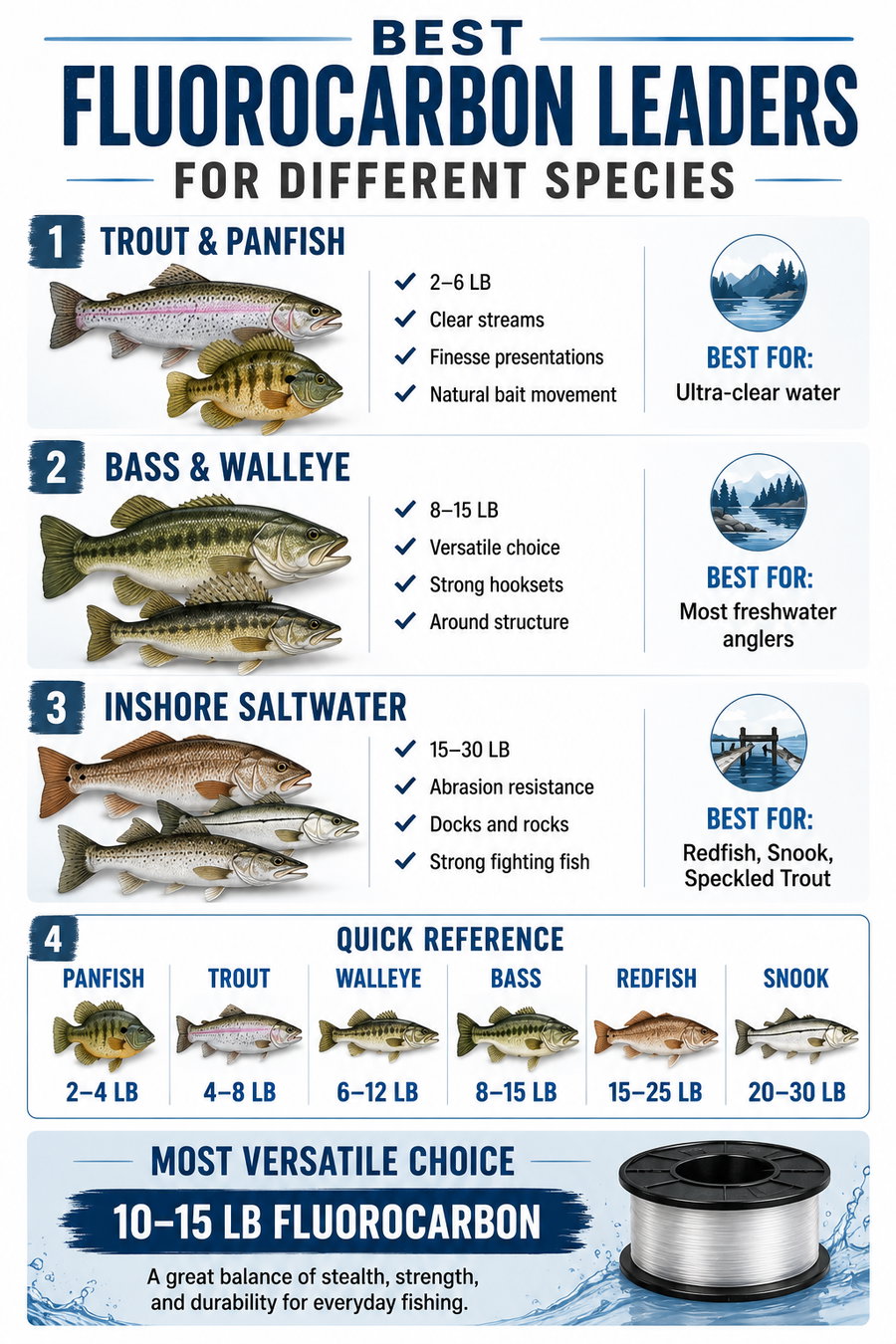
When targeting trout and panfish, choosing the right fluorocarbon leader can make a big difference, especially in clear water conditions. These fish are often skittish, and a leader that’s too visible can spook them away. Fluorocarbon is a solid choice because it’s nearly invisible underwater, giving you a better chance of enticing bites.
For trout, especially in streams and rivers, a leader between 4 to 6-pound test is usually ideal. This lighter line allows for more natural presentation of your bait or lures. If you’re fishing in still waters or larger lakes, you can bump that up to 6 to 8 pounds, particularly if you expect to hook into larger trout. Don’t forget to keep your leader length around 4 to 6 feet; this length provides a good balance between manageability and invisibility.
When it comes to panfish, like bluegills and crappies, you’ll want to go even lighter. A 2 to 4-pound test fluorocarbon leader is often perfect. Panfish are smaller and can be quite cautious, so using a very thin line will help you maintain a stealthy approach. A leader length of about 3 to 5 feet is usually sufficient to keep your bait looking natural.
In both cases, consider the type of bait or lures you’re using. For trout, spinners and small spoons work well, while panfish often prefer live bait like worms or small jigs. Pair your fluorocarbon leader with the right tackle, and you’ll increase your chances of a successful outing.
Bass and walleye#
When targeting bass and walleye, choosing the right fluorocarbon leader can make a big difference in your success. Clear water often requires a more stealthy approach, and fluorocarbon is perfect for this scenario. Its low visibility helps prevent fish from getting spooked, which is especially important when fishing in lakes or rivers with high clarity.
For bass, many anglers prefer a leader that is 10 to 20-pound test. This gives you enough strength to handle larger fish, while still being thin enough to maintain invisibility. A good length for your leader is around 12 to 24 inches. This length allows for some flexibility while still keeping your bait close to your main line. When using lures like jigs or crankbaits, a shorter leader can help ensure that your presentation is more natural, making it easier for bass to bite.
Walleye, on the other hand, can be a bit more finicky. A fluorocarbon leader in the 8 to 15-pound test range is often ideal. These fish have keen eyesight, especially in clear water, so a thinner leader will help you avoid detection. Similar to bass, a leader length of about 12 to 24 inches works well. If you’re using live bait like minnows or nightcrawlers, a slightly longer leader might help keep the bait more natural in the water.
When tying your leader to the main line, consider using a double uni knot or a Palomar knot. Both are strong and reliable options that are beginner-friendly. Just make sure to wet the line before tightening the knot to prevent abrasion.
Lastly, always keep an eye on your leader for signs of wear and tear. Abrasions can happen quickly, especially when fishing around structure like rocks or weeds. If you notice any nicks or frays, it’s best to re-tie your leader before making another cast.
Saltwater applications#
When it comes to saltwater fishing, having the right fluorocarbon leader can make all the difference. The clear water in many saltwater environments means fish can be easily spooked. A good fluorocarbon leader helps you avoid detection while offering strength and durability against sharp teeth and rough structures.
Start by considering the species you’re targeting. For lighter species like snapper or flounder, a 15 to 20-pound test fluorocarbon leader is usually adequate. It provides enough strength while remaining subtle in the water. When fishing for tougher fighters like mahi-mahi or tarpon, you’ll want to beef up to a 30 to 50-pound leader. The extra strength helps prevent break-offs when you’re battling these powerful fish.
Another key factor is the length of your leader. A longer leader, around 4 to 6 feet, can be beneficial in clear waters as it gives your bait more distance from the main line, reducing visibility. However, if you’re fishing around structure or in areas with strong currents, a shorter leader around 2 to 3 feet may be more effective.
Knot strength is also crucial in saltwater applications. Be sure to use reliable knots like the double uni knot or the FG knot when connecting your fluorocarbon to your main line. These knots are strong and will hold up against the strains of saltwater fishing.
Lastly, don’t forget to check your leader periodically for nicks or abrasions, especially after landing a fish. Saltwater can be harsh, and even a small flaw in your leader can lead to a break when you least expect it. Being proactive about leader maintenance will keep you fishing effectively for longer.
Common Fluorocarbon Leader Mistakes#
When it comes to fishing in clear water, fluorocarbon leaders can be a game changer, but using them effectively requires a few key considerations. Many beginners make simple mistakes that can lead to less success on the water. Whether it’s selecting the wrong strength, not tying proper knots, or failing to check for line wear, these missteps can hinder your chances of landing that elusive fish. Let’s take a closer look at some of these common pitfalls and how to avoid them to make your fishing experience more productive and enjoyable.
Using leaders that are too short#
One of the most common mistakes anglers make is using fluorocarbon leaders that are too short. It’s tempting to cut corners, especially when you’re in a hurry or if you’re trying to save on material. However, a leader that’s not long enough can significantly impact your success on the water.
A good rule of thumb is to use a leader that’s at least 3 to 6 feet long, depending on the conditions and the species you’re targeting. Short leaders can make your setup more visible to fish, especially in clear water where they can easily see your line. Additionally, a longer leader provides added stealth, which is crucial when you’re fishing in environments where fish are easily spooked.
Longer leaders also help in managing tackle. They allow for a smoother presentation of your bait or lure, reducing the chance of tangles or snags. If you’re using a spinning reel, a longer leader can decrease the amount of line twist you might encounter. This gives you a more natural presentation, which is often key to enticing fish to bite.
Remember, the right leader length can vary based on the type of fishing you’re doing. If you’re in shallow, clear water, a longer leader can help keep your line away from the fish. In deeper water or murky conditions, you might get away with a shorter leader. Experimenting with different lengths can help you find what works best for your specific situation. Always be ready to adjust!
Choosing the wrong pound test#
When it comes to fluorocarbon leaders, selecting the right pound test is crucial for success. Many beginners make the mistake of choosing a leader that’s either too light or too heavy for the fishing situation. This can lead to missed opportunities or lost fish.
First, consider the species you’re targeting. If you’re after bass in a weedy area, a leader with a higher pound test - say, 15 to 20 pounds - will help you pull them through cover without breaking off. On the flip side, if you’re fishing for trout in a clear stream, a lighter leader in the 4 to 6-pound range is often more effective. The goal is to balance strength with invisibility in the water.
Next, think about the type of bait and tackle you’re using. If you’re using a small lure or hook, a higher pound test might create more visibility, making it less appealing to fish. Conversely, using a leader that’s too light for your setup can lead to break-offs, especially when battling larger fish or when you’re in snag-prone areas.
It’s also important to factor in the conditions. Windy days or strong currents can put extra strain on your line, so a slightly heavier pound test might be necessary. Always remember, it’s better to err on the side of caution; you can always downsize your leader if needed, but going up in strength can save you a lot of headaches on the water.
Ultimately, knowing your target species and the specific conditions will help guide your choice of fluorocarbon leader pound test. Take the time to assess these factors, and you’ll set yourself up for a much more successful fishing trip.
Poor knot selection#
When it comes to fishing with fluorocarbon leaders, the knots you choose can make a big difference in your success. A weak or improperly tied knot can lead to broken lines and missed opportunities, which can be incredibly frustrating. Let’s break down a couple of common mistakes and how to avoid them.
Many beginners might reach for a knot they’ve heard of without considering if it’s suitable for fluorocarbon. For instance, some knots work fine with monofilament but can slip or weaken when used with fluorocarbon. The Palomar knot is a popular choice because it’s strong and easy to tie, but be cautious with it. If not tied properly, it can lose its effectiveness.
Another common pitfall is not wetting the knot before tightening it. Fluorocarbon is sensitive to heat, and pulling the knot tight without moisture can create friction, potentially weakening it. So, always moisten your knot before cinching it down.
Also, consider the size of your knot. If it’s bulky, it can catch on guides or cause drag, which might scare fish away. Opt for streamlined knots, like the double uni knot or the improved clinch knot, which are both reliable and less obtrusive.
Finally, practice tying your knots before you hit the water. Spend some time at home or on the porch, and make sure you’re comfortable with the knot you choose. This way, when you’re out fishing and the big one bites, you won’t be fumbling around. A little preparation goes a long way in improving your chances of landing that trophy fish!
How Long Should Your Fluorocarbon Leader Be#
When it comes to fishing in clear water, the length of your fluorocarbon leader can make a significant difference in your success. A longer leader can help reduce visibility, allowing for a more natural presentation of your bait or lure. However, it’s important to find a balance that suits your fishing style and the specific conditions you’re facing. Understanding how to choose the right length will not only enhance your stealth but also improve your chances of hooking that elusive catch.
Short leaders for power fishing#
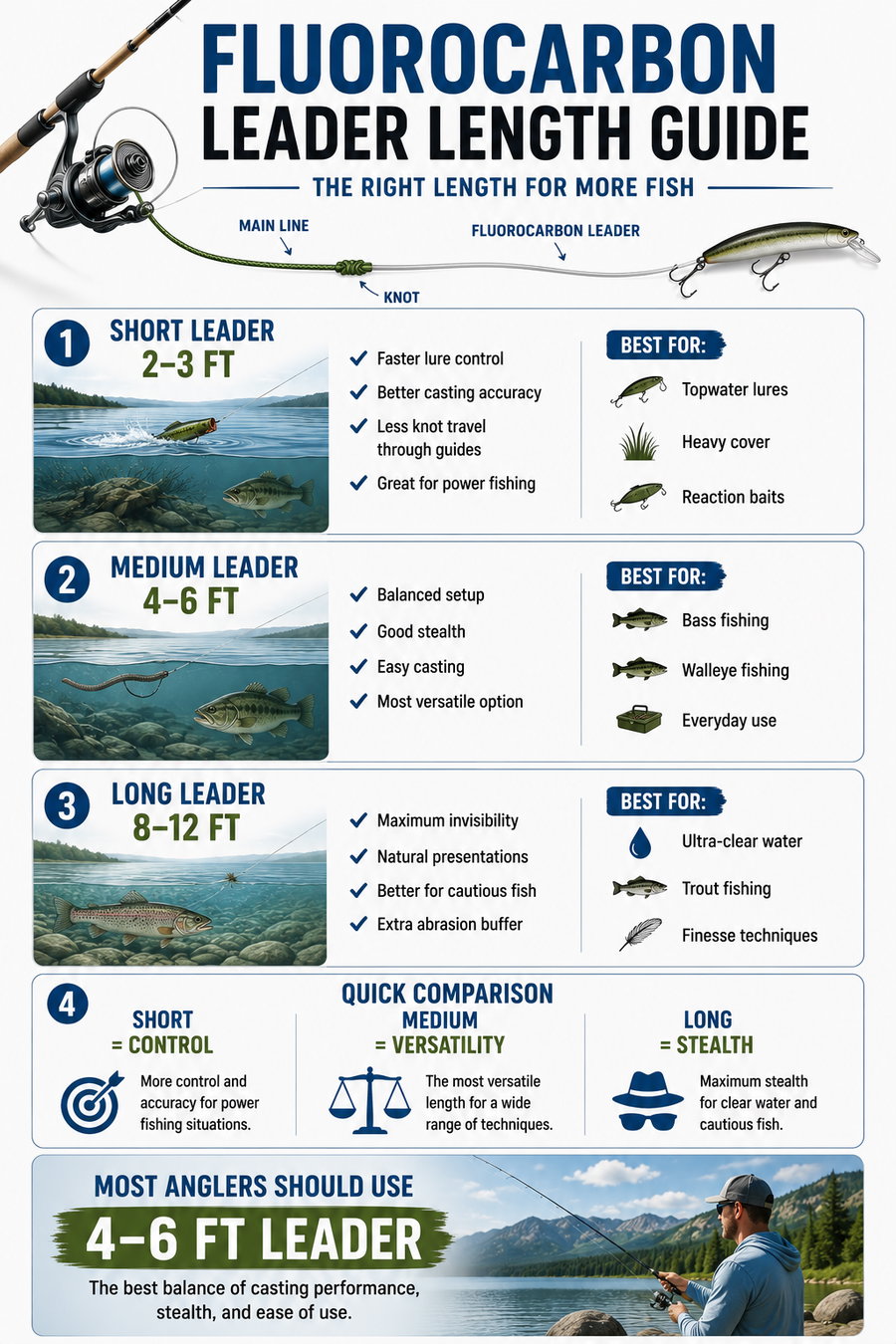
When you’re power fishing, you want to keep things simple and effective. A short fluorocarbon leader - usually around 2 to 4 feet - can be a great choice. Why? Because it allows you to maintain a strong connection between your line and your lure while minimizing any risk of snags.
Using a shorter leader helps to reduce the amount of line in the water that can cause drag or create visibility issues. In clearer waters, fish can be easily spooked, and a short leader keeps your presentation tight and streamlined. It allows for better control, especially when you’re working fast-moving techniques like flipping or pitching.
Another benefit of a shorter leader is that it enhances sensitivity. You’ll be able to feel even the lightest bites because there’s less line to absorb those subtle nibbles. This is particularly useful when you’re targeting species that are known to be more cautious, like bass or trout.
When you’re in the moment, adjusting your leader length can be as simple as cutting and tying on a new leader. If you find that fish are biting but not committing fully, try shortening your leader a bit more to see if that helps. Remember, in power fishing, your goal is quick action, so keep it efficient!
Long leaders for ultra-clear water#
When you’re fishing in ultra-clear water, the length of your fluorocarbon leader can make a big difference. Fish in these conditions are often more cautious and can easily spot your line if it’s too short or too visible. A longer leader helps keep your bait or lure at a distance from your main line, reducing the chances of spooking the fish.
For many situations, leaders ranging from 10 to 20 feet are ideal. This length allows you to present your bait more naturally, which is crucial when the water is crystal clear. The extra length not only helps avoid detection but also provides a smoother transition from the leader to the lure, making your presentation look more lifelike.
Using a longer leader also gives you more flexibility. If you’re fishing near structure, like rocks or submerged trees, a longer leader can help protect your main line from abrasion. If a fish decides to dive for cover, your leader can take the brunt of the fight, giving you a better chance of landing it.
Remember, the specific length can vary based on factors like the type of fish you’re targeting and the fishing technique you’re using. For instance, if you’re using finesse techniques like drop-shotting or light jigging, leaning toward the longer side can be beneficial. Experiment with different lengths until you find what works best in your local waters.
When Premium Fluorocarbon Is Worth the Cost#
Investing in premium fluorocarbon leaders can make a significant difference, especially when fishing in clear water conditions. These high-quality lines often come with enhanced sensitivity and improved invisibility underwater, which can be crucial for enticing finicky fish. While the price tag may be higher than standard options, understanding when and why to choose premium fluorocarbon can help you make the most of your fishing experience and increase your chances of landing that elusive catch.
Which Fluorocarbon Leader Should Most Anglers Buy#
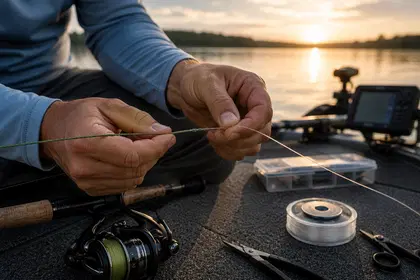
When it comes to fishing in clear water, choosing the right fluorocarbon leader can make a significant difference in your success. With so many options on the market, it can be overwhelming for beginners to know where to start. A good fluorocarbon leader not only offers invisibility beneath the surface but also provides the strength and sensitivity needed to detect bites. In this section, we’ll break down the key factors to consider, helping you find a leader that suits your fishing style and the specific conditions you’ll encounter.
In the world of clear water fishing, having the right fluorocarbon leader can be the difference between landing that trophy fish and going home empty-handed. By understanding the unique advantages of fluorocarbon, knowing how to choose the right strength, and avoiding common mistakes, you’ll be well-prepared for your next fishing adventure. Remember, it’s not just about the gear; it’s about how you use it. Whether you’re targeting bass, trout, or any species in between, selecting the right leader length and type can help you stay one step ahead of those wary fish. So, equip yourself with a good fluorocarbon leader, keep these tips in mind, and head out to enjoy the tranquility of fishing. Just don’t forget the sunscreen and maybe a snack or two - because a day on the water is always better with a little fuel!