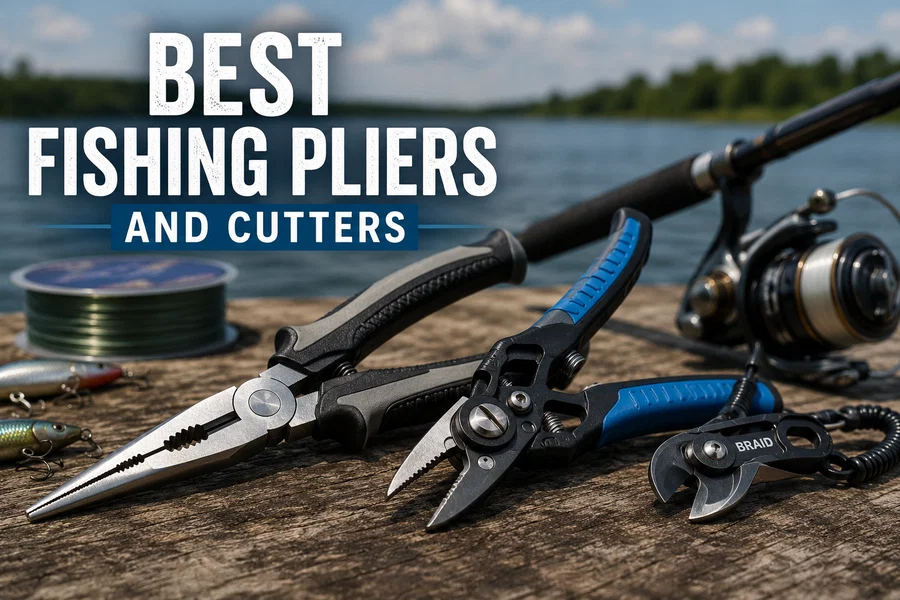

When it comes to fishing gear, it’s easy to feel like you’re drowning in a sea of options - especially if you’re just starting out. Among the essentials, fishing pliers and cutters might not seem like the most glamorous tools in your tackle box, but trust us, they’re worth their weight in gold. Whether you’re unhooking a feisty fish, crimping weights, or cutting line, having the right pliers and cutters can save you time and frustration on the water.
Imagine battling a slippery catch only to realize your tools are stuck at the bottom of your bag or, worse yet, not there at all! So, let’s cut through the confusion and explore what makes a great pair of fishing pliers and cutters. We’ll guide you through the features to look for, and highlight some of the best choices out there, ensuring you’re prepared for your next fishing adventure - without all the fuss. Grab your gear; it’s time to tackle this tackle box essential!
Why Fishing Pliers and Cutters Belong in Every Tackle Bag#
When you’re out on the water, having the right tools at your fingertips can make all the difference. Fishing pliers and cutters are essential for a variety of tasks - from removing hooks and adjusting rigs to cutting line and crimping weights. These handy tools not only streamline your fishing experience but also help ensure the safety of both you and the fish you catch. Whether you’re a seasoned angler or just starting out, keeping a reliable pair of pliers and cutters in your tackle bag is a smart move that can enhance your time spent fishing.
The problems they solve on the water#
Fishing pliers and cutters are must-have tools for any angler, whether you’re a weekend warrior or just starting out. They tackle a variety of common challenges that can pop up while you’re trying to enjoy a day on the water.
First and foremost, these tools help with hook removal. When you catch a fish, especially if it has swallowed the hook, getting it out can be tricky. Pliers provide the leverage and grip you need to safely remove the hook without causing harm to the fish or yourself. This is especially important for catch-and-release fishing, where you want to ensure the fish survives after being caught.
Next, let’s talk about line management. Knots happen, and sometimes you need to cut your line - maybe to retie a lure or remove a snagged hook. Fishing cutters make quick work of cutting through both monofilament and braided lines. Having a dedicated pair of cutters ensures you spend less time fumbling with your line and more time actually fishing.
Another key issue pliers help with is crimping. If you’re using leader lines or crimping sleeves for your rigs, having pliers handy will allow you to securely attach components without worrying about them coming apart. This adds a layer of reliability to your setup, so you can focus on the catch rather than the gear.
Lastly, many fishing pliers come equipped with additional features like split ring tools, which can help you easily change hooks or lures. This saves you time and frustration, especially when fish are biting and you want to keep your lines in the water.
In short, fishing pliers and cutters not only enhance your efficiency on the water but also contribute to a more enjoyable fishing experience. With these tools in your tackle bag, you’ll be better prepared to handle the unexpected and keep your fishing game strong.
Why cheap tools often fail when you need them most#
When you’re out on the water, the last thing you want is for your tools to let you down. Cheap fishing pliers and cutters might look like a good deal at first, but they often come with hidden costs. A flimsy set of pliers can bend, rust, or break right when you’re trying to remove a hook from a feisty fish. This not only wastes time but can also lead to missed opportunities and increased frustration.
Think about it: when you’re battling a fish, you need equipment that responds quickly and effectively. In the heat of the moment, a pair of pliers that slips or doesn’t grip well can mean the difference between landing a fish and watching it swim away. Quality tools are designed to hold up under pressure, ensuring you can focus on the catch rather than worrying about your gear.
Cheap tools are also often made from inferior materials. They might rust after just a few uses if they’re exposed to saltwater. This not only affects their performance but can also make them unsafe to use. A rusty blade or corroded grip can lead to accidents, and nobody wants that while they’re out fishing.
Durability is a key factor to consider. A well-made pair of pliers or cutters can withstand the wear and tear of regular use, providing you with the reliability you need. Investing in good tools means you’ll spend less time replacing broken items and more time enjoying your fishing trips. Plus, many high-quality pliers come with added features like built-in crimpers or split-ring tools, making them versatile additions to your tackle bag.
In the end, opting for cheap tools might save you a few bucks initially, but it could cost you more in the long run. Trust me, when you’re out there, you’ll appreciate having the right gear that works when it counts.
The Essential Features to Look For#
When it comes to choosing the right fishing pliers and cutters, understanding the key features can make all the difference in your fishing experience. Whether you’re a seasoned angler or just starting out, having the right tools on hand can save you time and effort on the water. In this section, we’ll explore the essential characteristics that will help you make an informed decision, ensuring you select a pair that meets your needs and enhances your fishing adventures.
Corrosion resistance for freshwater and saltwater use#
When you’re out fishing, your gear is going to face some tough conditions. If you’re planning to fish in both freshwater and saltwater, choosing pliers and cutters that resist corrosion is crucial. Saltwater, in particular, can be brutal on metal tools, causing them to rust and degrade quickly if they aren’t properly made.
Look for pliers and cutters that are labeled as rust-resistant or made from materials like stainless steel. Stainless steel is a popular choice because it provides a good balance between strength and resistance to corrosion. Some products even have special coatings that add an extra layer of protection against the elements, which can be beneficial if you frequently find yourself near saltwater.
It’s a good idea to rinse your tools with fresh water after each use, especially if you’ve been fishing in saltwater. This simple step can significantly extend the life of your gear. Additionally, consider storing your pliers in a dry place, away from damp conditions. Taking these extra precautions will help ensure your fishing tools are ready for your next outing, no matter the water type.
Grip, comfort, and one-handed operation#
When you’re out on the water, ease of use is everything. A good grip is essential for fishing pliers and cutters, especially when you’re dealing with slippery fish or wet hands. Look for pliers that have rubber or textured grips. This helps ensure they won’t slip from your hands when you need them the most. A solid grip can make the difference between landing that big catch or losing it at the last second.
Comfort is another key factor. If you’re going to be using your pliers for extended periods, you want something that feels good in your hands. Look for pliers that have ergonomic designs, which fit comfortably in your palms. The last thing you want is to be struggling with sore hands while you’re fishing. If possible, try them out in-store to see how they feel before making a purchase.
One-handed operation is a real game-changer, especially when you have a fish on the line. You want pliers that you can easily open and close with one hand. Some models have a spring-loaded mechanism, which can be particularly helpful. This feature allows you to grip and release quickly, making it easier to handle multiple tasks while keeping one hand free for reeling in your catch.
In summary, prioritize pliers that feel good to hold, allow for easy manipulation, and provide a secure grip. These features will enhance your fishing experience and make your time on the water much more enjoyable.
Line-cutting performance across different line types#
When you’re out fishing, having the right tools can make all the difference, especially when it comes to cutting your fishing line. The performance of your pliers or cutters can vary significantly depending on the type of line you’re using, so it’s crucial to choose wisely.
First, think about the different line types: monofilament, fluorocarbon, and braided lines. Each of these lines has its characteristics. Monofilament is flexible and easy to cut, while braided line is much tougher and requires a sharper edge. Fluorocarbon, on the other hand, sits somewhere in between - it’s strong like braid but can be a bit tricky to slice through cleanly.
When selecting fishing pliers or cutters, look for a model that boasts a sharp cutting edge designed specifically for the line types you’ll be using. Some pliers have replaceable cutting blades, which can be a great feature if you find yourself cutting tough lines frequently. This way, you can maintain optimal cutting performance without having to invest in a whole new pair of pliers.
Another important factor is the design of the cutting mechanism. Some cutters come with a scissor-like design, which can provide more leverage and make cutting through thicker lines feel easier. Others might have a more traditional blade approach. If you’re using a lot of braided line, consider pliers with a wider cutting surface to handle that extra thickness.
Keep in mind the overall size and weight of the tool as well. If you’re on a boat or hiking to your fishing spot, you want something that’s easy to carry and handle. Compact pliers with a good grip will allow you to make quick cuts without fussing around.
Finally, don’t forget about safety. Some pliers come with a built-in safety latch or sheath for the cutting edge, which can be handy if you’re storing them in your tackle box. Protecting yourself and your gear is just as important as having a reliable cutting tool.
Fishing Pliers vs Dedicated Line Cutters#
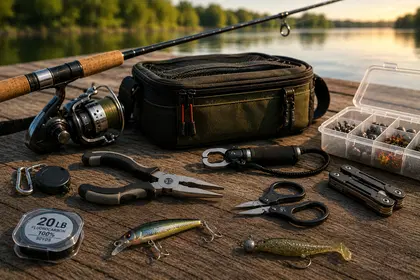
When it comes to fishing gear, having the right tools can make all the difference. While fishing pliers and dedicated line cutters might seem similar at first glance, they each serve distinct purposes that can enhance your fishing experience. Understanding the advantages of each can help you choose which tool is best suited for your needs, whether you’re tying knots, cutting line, or handling fish safely. Let’s dive into the key differences and see how each can benefit your time on the water.
When pliers are enough#
Fishing pliers are versatile tools that can handle a variety of tasks, making them a great choice for many anglers. If you’re just starting out, you might find that a good pair of pliers is all you need for most of your fishing adventures.
One of the primary functions of fishing pliers is to help you remove hooks from fish. Whether you’re dealing with a stubborn bass or a feisty trout, the long, pointed nose of the pliers allows you to grip the hook securely, minimizing stress on the fish and keeping your fingers safe from sharp hooks. This feature alone can save you time and hassle on the water.
Pliers are also handy for crimping split shot weights and making adjustments to your rigs. If you need to add or remove weights, a pair of pliers can do the job easily. Many fishing pliers come equipped with additional tools like line cutters, which can handle lighter monofilament or fluorocarbon lines without the need for a separate cutter.
Another benefit of using pliers is their ability to handle a variety of line types and materials. If you’re fishing with braided line, you might find a good pair of pliers works just as well as dedicated line cutters. Their sturdiness means they can tackle tough lines without fraying or causing damage.
For beginners, investing in a quality pair of fishing pliers is often more practical than purchasing multiple specialized tools. A reliable pair will usually have a built-in cutting edge, making them suitable for most tasks on the water. Look for pliers that are made from corrosion-resistant materials, especially if you’re fishing in saltwater, as they will last longer and perform better.
In short, if your fishing needs are basic and you prefer to keep your gear simple, a good pair of fishing pliers can cover many of the essential tasks. They’re lightweight, easy to carry, and can simplify your tackle box, which is perfect for those just getting into the sport.
Situations where separate cutters make sense#
While fishing pliers are versatile tools, sometimes having a dedicated line cutter can make your fishing experience smoother and more efficient. Here are a few situations where a separate cutter really shines.
First, consider the type of fishing you’re doing. If you’re in a situation where you’re using heavy braided line, those lines can be tough on regular plier cutters. A dedicated line cutter, especially one designed for braided line, can handle those tougher materials with ease. This means less effort and a cleaner cut, saving you time and frustration on the water.
Another situation is when you’re dealing with multiple types of line. For instance, if you’re switching between monofilament and fluorocarbon, having a dedicated cutter allows you to quickly switch without worrying about damaging your pliers. This is particularly handy if you’re fishing with different setups throughout the day.
If you’re fishing in colder weather, you might find that having a dedicated cutter can be a blessing. Pliers can get slippery with cold or wet hands, making it a bit tricky to handle them. A dedicated cutter often has a better grip and can be easier to use when conditions aren’t ideal.
Lastly, if you’re in a crowded fishing spot, a separate cutter can free up your hands. Instead of fumbling with pliers, you can quickly cut line with a cutter that’s easily accessible. This can help speed up your re-rigging process and keep you focused on fishing rather than wrestling with your tools.
So, while fishing pliers are great for many tasks, having a separate cutter can make specific situations much easier, ensuring you spend more time casting and less time dealing with equipment.
Best Fishing Pliers for Hook Removal#
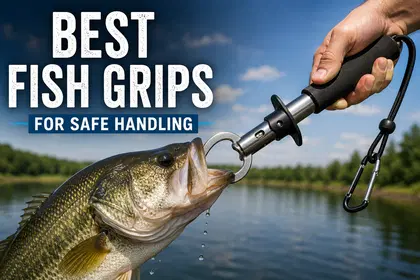
When you’re out on the water, the right tools can make all the difference, especially when it comes to safely removing hooks from your catch. Fishing pliers are essential for this task, as they provide the leverage and grip needed to handle a variety of hook types and sizes. Whether you’re dealing with a stubborn fish or trying to keep your hands safe from sharp hooks, having a reliable pair of fishing pliers can enhance your overall fishing experience. Let’s dive into some of the best options available to help you tackle hook removal with ease.
Long-nose pliers for deep-hooked fish#
When you’re out on the water, there’s a good chance you might encounter a fish that’s swallowed the hook deeper than you’d like. This is where long-nose pliers come into play. They’re specifically designed to reach into a fish’s throat without causing too much stress or injury, making them an essential tool for any angler.
The long, narrow jaws of these pliers allow you to get a firm grip on the hook, even when it’s lodged way down inside the fish’s mouth. Instead of fumbling around with your fingers, you can simply insert the pliers, grab the hook, and twist it out. This method not only saves the fish from unnecessary harm but also makes your catch-and-release efforts much more effective.
Look for pliers with a good grip and a comfortable handle. You’ll want something that feels solid in your hand, especially if you’re dealing with a feisty fish. Stainless steel or aluminum options are great because they resist rust and corrosion, ensuring your tools last longer, even if they get splashed with water.
Another handy feature to consider is a built-in cutter. Sometimes, you might find that the hook is just too deep or the fish is too stressed to continue the fight. In cases like this, you can clip the line and release the fish with minimal harm. It’s a quick and humane way to handle a tricky situation.
Remember, when using long-nose pliers, be gentle yet firm. If the hook doesn’t come out easily, don’t yank or pull aggressively. This could cause more damage to the fish. Instead, try to angle the pliers slightly or give it a little twist. Patience is key here, both for your sake and the fish’s.
Split-ring pliers for lure anglers#
If you’re into lure fishing, split-ring pliers can be a game changer. These specialized pliers are designed to help you easily open and close split rings, which are often used to attach hooks or lures to your line. While it might seem like a small detail, having the right tools can make your fishing experience smoother and more enjoyable.
Using split-ring pliers is straightforward. First, you’ll want to place a split ring on the pliers’ tip. The design of these pliers allows you to apply pressure on one side of the ring, making it simple to slide your hook or lure in or out. This way, you don’t struggle with your fingers, which can be especially helpful on the water when you’re dealing with fish and wet conditions.
When looking for split-ring pliers, consider the size and type of split rings you’ll be using. Smaller rings typically require lighter pliers, while larger ones may need something more robust. A good pair is usually made from stainless steel or aluminum, which helps prevent rusting over time - especially important for those who fish in saltwater.
Another handy feature to look for is a built-in cutter. This can save you time when you’re working with braided lines or heavier monofilament. Being able to snip a line quickly without reaching for another tool is a real advantage, especially when you’re in the middle of a catch.
Finally, think about the grip. You want pliers that feel comfortable in your hand, even when wet. A good rubberized handle can provide extra traction, ensuring you maintain control while you’re busy rigging up your lures or managing a catch. Remember, having the right tools in your tackle box can make a significant difference in your fishing outings.
Heavy-duty options for large species#
When you’re out fishing for larger species like pike, musky, or tarpon, having the right pliers is crucial. Heavy-duty fishing pliers are designed to handle the tough demands that come with these big catches. They not only help you remove hooks safely but also assist in dealing with the strong jaws and rough teeth of larger fish.
Look for pliers made from stainless steel or aluminum. These materials are durable and resistant to rust, which is important since you’ll be using them in wet environments. A good pair of heavy-duty pliers should also have a non-slip grip, so you can maintain control even when your hands are wet or slippery.
One feature to consider is the length of the pliers. Longer pliers give you extra reach, which is handy when you’re trying to remove a hook from a fish that has sharp teeth or is particularly feisty. Some models even have built-in cutters for heavy line, making it easier to cut through thicker materials when needed.
Another aspect to keep in mind is weight. While you want something sturdy, you also want pliers that are light enough to carry around all day. Look for options that balance durability with portability.
Lastly, consider whether you want pliers with additional features, like split ring tools or crimping abilities. These can be very useful when making your own rigs or when you’re in a pinch. The right heavy-duty fishing pliers will not only make your hook removals smoother but also enhance your overall fishing experience.
Choosing Cutters for Braid, Fluorocarbon, and Mono#
When it comes to fishing line, the right cutter can make all the difference in your experience on the water. Each type of line - braid, fluorocarbon, and monofilament - has its own characteristics that require specific cutting tools to handle them effectively. Understanding the nuances of these materials can help you choose cutters that not only make clean cuts but also enhance your overall fishing efficiency. Whether you’re setting up a new rig or making quick adjustments during a busy day on the boat, selecting the right tool is key to a successful outing.
Why braid requires different cutting edges#
When it comes to fishing lines, braid stands out for its strength and thinness. However, this unique structure means it needs special attention, especially when it comes to cutting. Standard line cutters may struggle with braid, leading to frayed edges or incomplete cuts.
The reason for this lies in the composition of braided line. Unlike monofilament or fluorocarbon, which are single strands, braid is made up of multiple strands woven together. This makes it incredibly durable but also means that the cutting edges of your tools need to be sharp and well-designed to handle the thickness and density of the material.
Look for cutters that feature serrated edges or are specifically labeled for braid. These types of blades are designed to grip the line better, allowing for a clean cut without slipping. Some anglers swear by scissors designed explicitly for braid, as they can provide precision and ease, especially in tight spots.
It’s also worth noting that cutting braid requires a bit more effort than other types of line. A straight cut is essential to avoid creating weak points in your line, which can cost you big fish later. So, when selecting your cutters, opt for tools that feel comfortable in your hand and give you the control you need to make those sharp, clean cuts.
Saltwater vs Freshwater Tool Requirements#
When it comes to fishing, the environment you’re in can greatly influence the tools you need. Saltwater and freshwater fishing each come with their unique challenges and demands. Understanding these differences will help you choose the right fishing pliers and cutters that will stand up to the specific conditions of your fishing adventures, whether you’re battling the corrosive elements of the ocean or navigating the clearer waters of a lake or river.
Materials that resist rust and corrosion#
When choosing fishing pliers and cutters, the material is incredibly important, especially if you plan to fish in saltwater. Salt can be brutal on metal tools, leading to rust and corrosion. To avoid this, look for tools made from stainless steel or aluminum.
Stainless steel is a popular choice, particularly the higher-grade varieties like 316 stainless. This type is more resistant to rust and corrosion than other metals, making it a solid option for saltwater environments. You’ll find that many pliers come with a coating, such as Teflon or ceramic, which adds an extra layer of protection against the elements.
Aluminum is another great option. It’s lightweight and typically has a corrosion-resistant coating, which makes it suitable for both saltwater and freshwater fishing. Just be aware that aluminum is not as strong as stainless steel, so if you’re planning to tackle larger fish, stainless steel might be the better bet.
Regardless of the material, always rinse your tools with fresh water after every fishing trip. This simple step can extend the life of your pliers and cutters significantly by washing away any salt or debris that could lead to wear and tear. Taking care of your equipment is just as crucial as choosing the right materials!
Maintenance habits that extend tool life#
Taking care of your fishing pliers and cutters is crucial, especially if you plan on using them in saltwater. Salt can be brutal on tools, leading to rust and corrosion. So, let’s talk about some straightforward maintenance habits that will help keep your gear in top shape.
First off, always rinse your tools with fresh water after each use, especially if you’ve been fishing in saltwater. A simple spray with a hose or a quick dip in a bucket can wash away that nasty salt residue. Make sure to get into any crevices, as salt can easily hide there.
Next, don’t skip the drying step. Once you’ve rinsed your tools, dry them thoroughly with a soft cloth. Leaving moisture on your pliers can lead to rust, so take that extra minute to ensure they’re completely dry.
Lubrication is another key part of maintenance. Using a bit of silicone spray or a light machine oil on the moving parts can help prevent corrosion and ensure smooth operation. Just a few drops on the pivot points will do the trick. Wipe off any excess to avoid attracting dirt.
Check for any signs of wear and tear regularly. Look for loose screws, bent parts, or any rust spots. If you spot something off, address it sooner rather than later. Tightening screws and removing rust with a fine abrasive pad can extend the life of your tools significantly.
Finally, store your pliers and cutters properly. Keeping them in a dry, cool place away from direct sunlight can make a big difference. Consider using a protective case or pouch to prevent damage when they’re not in use. It’s a small step that can really help keep your tools ready for action.
Common Mistakes When Buying Fishing Pliers and Cutters#
When it comes to selecting fishing pliers and cutters, beginners often overlook some key factors that can make a big difference in their effectiveness and ease of use. From choosing the right materials to considering the specific features that best suit your fishing style, skipping these details can lead to frustration on the water. Understanding these common pitfalls can help you make a more informed choice, ensuring that you invest in tools that will enhance your fishing experience.
Prioritizing price over durability#
When it comes to fishing pliers and cutters, it can be tempting to grab the cheapest option on the shelf. After all, fishing gear can add up quickly, and saving a few bucks here and there might seem like a good strategy. However, choosing price over durability can lead to more headaches than savings in the long run.
Fishing pliers and cutters are essential tools, whether you’re removing hooks or cutting lines. If you go for a budget model, you might find that they don’t hold up well under pressure. Cheap materials can corrode easily, especially if you’re fishing in saltwater, and flimsy construction can lead to snapping or breaking when you need them most. This means you might have to replace them more often, negating any savings you thought you were making.
Look for pliers made from stainless steel or other corrosion-resistant materials. They might cost a bit more upfront but can save you money and frustration later on. Additionally, consider the grip and comfort of the handles. A sturdy, well-designed grip can make a big difference when you’re dealing with slippery fish or tackling tough knots.
In short, don’t let the price tag be the only factor in your decision. Instead, think about how often you’ll use these tools and the conditions they’ll face. Investing in a durable pair of fishing pliers and cutters is a decision you’ll likely appreciate on your next fishing trip.
Ignoring replacement cutters and parts#
When you’re on the hunt for fishing pliers and cutters, it’s easy to get caught up in the shiny features or the brand name. However, one crucial aspect that many beginners overlook is the availability of replacement cutters and parts. Just like any tool, pliers and cutters can wear out over time, especially if you’re using them frequently.
Imagine you’re out on the water, and you need to make a quick cut. If your cutter is dull or damaged, it’s not just frustrating; it can ruin your day. That’s why it’s wise to check if the brand you’re considering offers replacement parts. A pair of pliers that seems great now might leave you in a bind later if you can’t easily find a new cutter or part.
Also, consider the cost of these replacements. Some brands offer affordable replacements, while others can leave you shelling out a good chunk of change. Look for brands that provide a good warranty or a solid support system for replacement parts. This way, you can keep your tools in working order without breaking the bank.
Lastly, think about the type of fishing you’ll be doing. If you’re planning on using your pliers for tougher tasks, like cutting heavy line or dealing with larger fish, you might want to invest in a more robust model that has readily available replacements. Knowing you can easily fix or replace your gear will give you peace of mind while you’re out enjoying your time on the water.
Choosing oversized tools for everyday fishing#
When you’re out on the water, having the right tools can make all the difference. One common mistake is opting for oversized fishing pliers and cutters. While it might seem like a good idea to have a heavy-duty tool, it can actually complicate your fishing experience.
Oversized tools can be cumbersome. They may not fit comfortably in your tackle box or your hand, making them difficult to handle, especially if you’re trying to unhook a fish or cut line quickly. Think about the tasks you’ll be performing. For everyday fishing, a pair of pliers that fits snugly in your hand is much more practical. You want something that feels balanced and easy to control, not a hefty tool that feels like a workout just to hold.
Another issue with larger tools is their weight. If you’re casting and reeling for hours, the last thing you want is to lug around bulky equipment. A compact pair of pliers or cutters can help you save energy and make those long fishing days more enjoyable. Plus, they’re easier to store and less likely to get in the way of your other gear.
In addition, consider the types of fish you’re targeting. If you’re fishing for smaller species, you don’t need industrial-strength pliers. A lightweight, smaller model will do just fine for tasks like removing hooks or cutting line. Focus on what you need rather than what looks impressive.
When shopping, aim for tools that are specifically designed for the kind of fishing you do most often. This will help ensure that you have the right size and functionality without the bulk. Remember, simplicity can lead to a smoother fishing experience.
Building a Simple Tool Kit for Most Fishing Situations#
When heading out for a day of fishing, having the right tools at your side can make all the difference. A simple tool kit tailored for various fishing scenarios not only enhances your efficiency but also ensures you’re prepared for whatever the day brings. Among the essentials, a good pair of fishing pliers and cutters stand out as must-haves, helping you tackle everything from removing hooks to cutting line with ease. Let’s explore how to build a basic toolkit that will serve you well, whether you’re a freshwater novice or saltwater veteran.
In conclusion, investing in a good pair of fishing pliers and cutters is one of the best decisions you can make as an angler. Whether you’re battling a feisty bass or untangling a stubborn line, having the right tools at your side makes all the difference. Remember to consider the essential features we discussed, and don’t shy away from selecting tools that suit your specific fishing needs - be it saltwater or freshwater. Avoid common pitfalls like overcomplicating your choices, and focus on building a simple, effective toolkit. With your tackle bag equipped with reliable pliers and cutters, you’ll feel more confident on the water and ready to reel in your next big catch. Happy fishing!