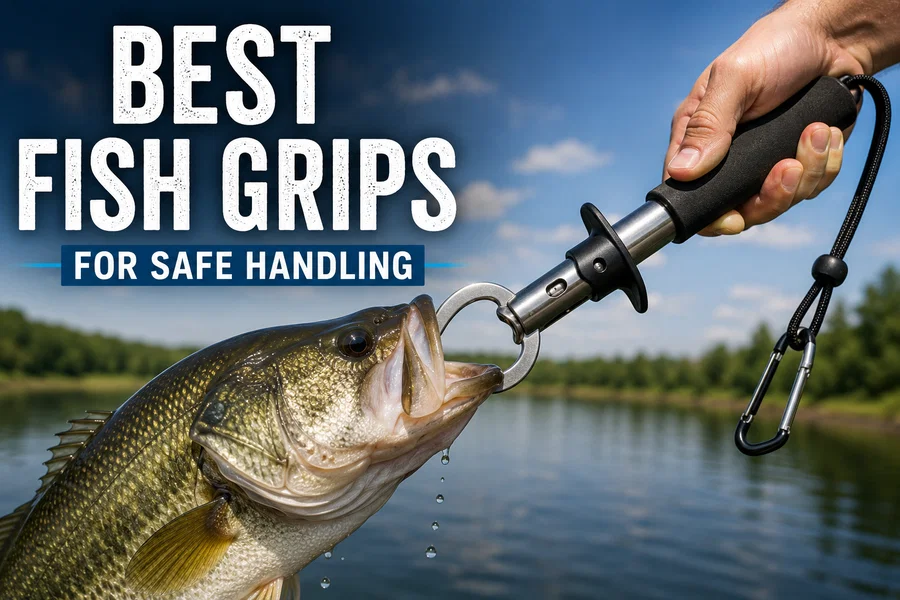

When you finally reel in that prized catch, the last thing you want is to fumble it and watch it slip away (or worse, get a nasty hook in your hand!). This is where fish grips come into play. These handy tools are your best friends when it comes to safely handling fish, whether you’re a first-time angler or a seasoned pro.
Fish grips keep the slippery critters secure while minimizing stress on them and preventing injury to you. With so many options out there, it’s easy to feel overwhelmed. But don’t worry! We’re here to break it down in a way that doesn’t require a degree in fishology. From basic features to what to look for, we’ll guide you through the essentials so you can focus on what really matters: enjoying your time on the water and catching more fish!
Why Fish Grips Have Become a Popular Tool for Modern Anglers#
Fish grips have gained traction among anglers due to their ability to enhance safety and efficiency during catch-and-release practices. These handy tools not only help prevent injury to both the fish and the angler, but they also make it easier to manage slippery catches. As more people embrace responsible fishing techniques, the appeal of fish grips continues to rise, offering a straightforward solution for handling fish with care and confidence. Whether you’re just starting out or looking to refine your skills, understanding the benefits of fish grips can enhance your fishing experience.
Safer handling for both anglers and fish#
Fish grips have become a game changer for anyone who enjoys fishing. These handy tools make it easier and safer to handle fish, which is great for both you and the fish itself. When you’re out on the water, you want to minimize stress on the fish and ensure your own safety. Fish grips can help with both.
Using fish grips allows you to hold a fish securely without having to grip it by the mouth. This is important because some fish have sharp teeth or spines that can easily cause injury. By using a fish grip, you reduce the risk of getting hurt while trying to land or release a fish. Plus, it keeps your hands free of slime and scales, making it a cleaner experience overall.
Another benefit is that fish grips help reduce the stress on fish during handling. Fish can easily become stressed when they’re out of the water, and the way they’re held can impact their well-being. When you use a fish grip, it allows you to hold the fish more comfortably and securely, which can help minimize their stress levels. This is crucial if you plan to release the fish back into the water.
For beginners, using a fish grip is straightforward. Simply open the grip, place it around the fish’s mouth, and squeeze to secure it. This allows you to lift the fish without putting too much pressure on its jaw. It’s a simple action that can make a huge difference in the overall fishing experience.
In summary, fish grips are more than just a handy tool; they’re an essential part of responsible fishing. By prioritizing safety for both you and the fish, you can enjoy your time on the water while contributing to the health of the fish population.
Situations where fish grips make the biggest difference#
Fish grips are a game-changer for anglers in various situations. Let’s dive into some specific scenarios where having a reliable fish grip can make your fishing experience smoother and safer.
First off, when you’re targeting species known for their sharp teeth or spiny fins, fish grips are invaluable. Species like pikes or catfish can be tricky to handle, and a good grip allows you to safely lift them without risking injury. Instead of fumbling around with your hands, you can securely hold the fish and avoid those sharp bites or painful pokes.
Secondly, if you’re fishing alone, fish grips can be a lifesaver. It’s tough to hold a fish and snap a photo at the same time, especially if it’s wriggling. With a fish grip, you can secure the catch while you reach for your camera or phone. This way, you can capture the moment without compromising your safety or the fish’s well-being.
Another situation where fish grips shine is during catch-and-release fishing. When you’re planning to return the fish to the water, minimizing stress is key. Fish grips allow you to handle the fish gently and keep it in the water as much as possible. This reduces the risk of injury to the fish and makes it easier for you to revive it before it swims away.
Lastly, when you’re dealing with larger fish, the leverage that fish grips provide can help you manage the weight. Large catches can be heavy and awkward to hold, making grips essential for a stable hold. This is especially true if you’re fishing from a boat or a rocky shoreline where keeping your balance is crucial.
In all these situations, fish grips enhance both safety and enjoyment while fishing. They give you confidence in handling your catch, ensuring you can focus on the thrill of the experience.
What to Look for in a Quality Fish Grip#
Choosing the right fish grip can make a significant difference in your fishing experience, ensuring both your safety and the well-being of the fish. When searching for a quality grip, consider factors such as material, ease of use, and the grip’s design. A well-made fish grip not only helps secure your catch but also minimizes stress on the fish, allowing for a more responsible catch-and-release practice. Understanding these key elements will help you pick the best tool for your adventures on the water.
Materials and corrosion resistance#
When you’re out fishing and finally land that big catch, having the right gear can make all the difference. One of the key aspects to consider in a fish grip is the materials it’s made from. You want something that’s not only sturdy but also resistant to the elements.
Most fish grips are made from either stainless steel or various types of plastics. Stainless steel is generally the gold standard due to its strength and durability. It can withstand rough handling and is less likely to bend or break during use. Plus, it’s resistant to rust, which is crucial since you’ll be using it around water. Just remember, even stainless steel can corrode if it’s not properly cared for, especially in saltwater conditions.
On the other hand, high-quality plastics can also be a great option. Look for grips made from materials like nylon or reinforced polymers. These can be lightweight and less prone to rust, making them suitable for freshwater fishing. However, not all plastics are created equal, so ensure you choose one that’s rated for strength and durability.
Another feature to consider is any coatings or finishes that might enhance corrosion resistance. Some grips come with special coatings that can provide an extra layer of protection against the harsh elements. This is particularly important if you plan to fish in saltwater or in areas with high humidity.
Ultimately, choosing a fish grip that is made of durable materials and offers good corrosion resistance will ensure that it stands up to the test of time and all your fishing adventures.
Jaw design and locking mechanisms#
When selecting a fish grip, the jaw design can make a significant difference in how easy and safe it is to handle your catch. Look for grips with a wide jaw opening. This feature allows you to secure a variety of fish sizes without struggling to get a good hold. A wider jaw can also help prevent injury to the fish, as it distributes pressure more evenly.
Another key aspect to consider is the locking mechanism. Some grips come with a simple squeeze-to-lock feature, while others have a more complex system. A reliable locking mechanism is crucial because it keeps the fish secure while you handle it. You don’t want to risk losing your catch or, worse, letting it flop back into the water unexpectedly. Test the locking mechanism before making a purchase - make sure it’s easy to engage and disengage, even with wet hands.
Additionally, some fish grips feature a spring-loaded jaw. This design can be handy for quick access, allowing you to grab and release fish efficiently. However, ensure that the spring isn’t too strong, or it might be challenging to operate. Finding a balance between ease of use and secure grip is essential for a pleasant fishing experience.
Pay attention to the materials used in the jaw construction as well. Stainless steel jaws are durable and resist rust, while plastic varieties can be lighter but may not hold up as well over time. Choose a material that fits your fishing environment. If you’re often fishing in saltwater, a stainless steel grip might be your best bet for longevity.
Weight ratings and fish size limits#
When you’re shopping for a fish grip, one of the first things to check is the weight rating. This tells you how much weight the grip can safely handle. If you plan on catching larger fish, like pike or catfish, you’ll want a grip that can manage at least 30 pounds or more. Always err on the side of caution; picking a grip with a higher weight rating than you think you’ll need is a smart move.
Next, consider the sizes of the fish you usually catch. A good fish grip should not only be able to hold the weight but also accommodate the size of the fish. If you’re often hooking into smaller species, like panfish or trout, you might not need a heavy-duty grip. However, make sure it can securely hold smaller fish without risking injury to them or slipping from your hands.
Look for grips that have a wide range of jaw openings. This feature allows you to handle different species comfortably. Fish come in all shapes and sizes, and having a grip that can adjust to that variety makes your fishing experience smoother and safer.
Lastly, check if the grip has a scale built-in. This is a handy feature that can help you weigh your catch right on the spot. Just keep in mind that if you’re fishing in a catch-and-release scenario, it’s essential that the grip you choose is gentle enough to handle the fish without causing harm.
Fish Grips vs Lip Grippers vs Bare-Hand Handling#
When it comes to handling fish, choosing the right method can make a big difference in both your safety and the fish’s well-being. Fish grips and lip grippers are popular tools that help secure your catch without causing harm, while some anglers prefer the direct approach of bare-hand handling. Each technique has its pros and cons, so understanding the differences can help you make informed decisions on the water, ensuring you land your catch effectively while minimizing stress for the fish.
When grips provide a clear advantage#
Using fish grips can make a significant difference in how you handle your catch, especially when it comes to safety. When you’re out on the water, you want to protect both the fish and yourself. Fish grips can help you do just that.
First off, they provide a secure hold. If you’re dealing with a particularly feisty fish, having a good grip means you’re less likely to drop it or get hooked. Many fish have sharp fins, spines, or teeth, and a grip tool keeps your hands away from these hazards. This can prevent injuries, making your fishing experience more enjoyable.
Another advantage is the reduced stress on the fish. When you use a fish grip, you can lift the fish without squeezing it too hard, which is especially important for catch-and-release fishing. Holding a fish by the lip with a grip tool allows for a more gentle handling process, giving the fish a better chance of recovery after being released.
Fish grips are also great for weighing and measuring your catch. Many models come with built-in scales or measuring tapes, making it easy to document your catch without the need for additional gear. This can be particularly useful in tournaments or when you’re trying to keep track of your personal bests.
In situations where the fish is slippery, a grip tool can be a lifesaver. Wet hands can make handling fish tricky, and you risk losing your catch if it slips away. Fish grips have textured surfaces that provide more friction, helping you maintain control even with wet or slimy hands.
For beginners, it’s an excellent idea to invest in a quality fish grip. They’re relatively inexpensive and can eliminate some common frustrations that arise when fishing. Plus, they’re easy to use, making them a perfect choice for those just starting out.
Best Fish Grips for Freshwater Fishing#
When it comes to landing and handling fish in freshwater, having the right tools can make all the difference. Fish grips are essential for safely holding your catch without causing harm, both to the fish and to yourself. Whether you’re targeting bass, trout, or catfish, choosing a reliable fish grip will not only enhance your fishing experience but also promote responsible catch-and-release practices. Let’s explore some of the best options available to help you reel in your prized catch with confidence.
Bass, pike, and other common freshwater species#
When it comes to freshwater fishing, handling your catch properly is crucial. Fish grips can make this process smoother and safer, especially for popular species like bass and pike. These tools not only help you hold the fish securely but also protect both you and the fish from injury.
For bass, which are often caught in the warmer months, a good fish grip is essential. They tend to thrash around, and you want to avoid getting hooked. Look for grips with a sturdy design that can handle the weight and struggle of a healthy bass. A model with a long handle can give you extra leverage, helping you land and release the fish without much hassle.
Pike are another story. They have sharp teeth and a tendency to be a bit more aggressive. A fish grip with a wider opening is ideal for pike, allowing you to secure their jaw comfortably while keeping your fingers clear of those teeth. Some grips also feature a locking mechanism, which can help you maintain control when dealing with a slippery fish.
For other common freshwater species like trout or catfish, a lighter grip might be sufficient. Trout are generally smaller and can be handled more gently, so a smaller grip will do the trick. Catfish, on the other hand, can be quite slimy. A grip with rubberized handles can help prevent slipping as you hoist them out of the water.
No matter what species you’re targeting, always keep your fish grips handy. They can save you from potential injuries and make your fishing experience more enjoyable. Remember to handle the fish with care, as proper release techniques can help maintain healthy populations in our lakes and rivers.
Lightweight options for kayak and bank anglers#
When you’re out on the water, whether in a kayak or casting from the bank, having the right tools can make a big difference. Lightweight fish grips are a must for anglers who want to handle their catch safely and comfortably without adding unnecessary weight to their gear.
One popular option is a simple plastic or aluminum grip. These materials are not only durable but also provide a good balance between strength and weight. Look for grips that feature a rubberized handle. This adds comfort and helps prevent slipping, especially when your hands are wet. You want something that feels secure in your grip, making it easier to manage fish without risking injury to yourself or the fish.
For kayak anglers, portability is key. A collapsible or foldable fish grip can save space in your limited storage. Many of these grips come with a clip or lanyard, so you can attach them to your kayak. This way, you won’t have to worry about losing it overboard when you’re trying to wrangle your catch.
If you’re fishing from the bank, consider a fish grip that has a built-in scale. This can be handy for recording your catch’s weight without having to juggle multiple tools. Just make sure it’s lightweight enough that you don’t feel weighed down during a long day of fishing.
Remember, the right grip should also have a jaw design that accommodates various fish sizes. A wider jaw can handle larger species, while a narrower one is great for smaller catches. Look for grips with a locking mechanism that keeps the jaws securely around the fish, providing you with peace of mind while you’re handling your catch.
In short, when shopping for lightweight fish grips, prioritize comfort, portability, and functionality. This way, you’ll be ready to safely handle whatever you reel in on your next adventure!
Choosing Fish Grips for Saltwater Species#
When you’re out on the water targeting saltwater species, having the right tools for handling your catch is essential. Fish grips not only help you hold onto slippery fish securely, but they also protect both you and the fish during the catch-and-release process. Whether you’re reeling in a feisty redfish or a hefty snapper, selecting the right fish grips can make all the difference in ensuring a safe and successful fishing experience. Let’s explore what to look for when choosing the best fish grips for your saltwater adventures.
Corrosion protection in harsh environments#
When you’re fishing in saltwater, corrosion is a real enemy. The salty air and ocean water can quickly wear down your gear if it’s not built to handle those tough conditions. That’s why picking the right fish grips is crucial for both your catch and your equipment.
Look for fish grips made from stainless steel or other corrosion-resistant materials. These types can withstand the salt without rusting or degrading over time. Some grips even come with special coatings that provide extra protection against the harsh elements. Be sure to check the product descriptions and see if the manufacturer mentions corrosion resistance.
Another handy feature to consider is rubberized or foam grips. These can help prevent slipping, which is especially useful when dealing with slippery fish. They’re often more comfortable to hold, too, making it easier to handle your catch without worrying about dropping it. Just remember, even with these features, it’s essential to rinse your fish grips with fresh water after each use. A quick clean can go a long way in extending their lifespan.
Lastly, think about the overall construction of the fish grips. A solid, sturdy design will not only resist corrosion but also provide better leverage and control when handling larger saltwater species. Look for grips that have a secure locking mechanism to ensure your fish stays in place while you’re unhooking or measuring it. These little details can make your time on the water much more enjoyable and stress-free.
Handling toothy and hard-fighting fish#
When you’re out on the water chasing saltwater species, you’ll likely encounter fish with sharp teeth and powerful bodies. These fish are not only thrilling to catch, but they can also pose some risks if handled improperly. That’s where having the right fish grips can make a big difference.
First things first, choose grips that are specifically designed for toothy fish like pike, barracuda, or tarpon. Look for models with a strong, secure jaw opening that can hold onto these slippery fish without slipping off. Many grips come with a rubberized coating on the jaws, which helps prevent damage to the fish and provides a better grip, especially when dealing with a feisty catch.
Another feature to consider is a long handle. A longer grip allows you to keep a safe distance from those sharp teeth while still maintaining control. This is crucial, especially if you’re trying to remove a hook or take a quick photo before release. Some grips even come with built-in scales, which can be a handy way to weigh your catch without having to handle it too much.
When using fish grips, it’s important to approach the fish from the side and gently clamp down on its jaw. Be sure not to squeeze too hard; you want to secure it without causing harm. Once you have a good hold, you can lift the fish straight out of the water, keeping it as horizontal as possible. This helps reduce stress on the fish and is safer for both of you.
Also, consider using a fish grip with a lanyard. This can prevent accidental drops - after all, a slippery fish can easily escape if you’re not careful. The lanyard keeps your grip within reach, making it easier to manage your catch safely.
Handling toothy and hard-fighting fish can be a thrilling experience, but it requires the right tools and techniques. With the right fish grips, you’ll be able to enjoy the catch while ensuring both your safety and the well-being of the fish.
Common Mistakes When Using Fish Grips#
Using fish grips can make handling your catch much safer, but there are some common mistakes beginners often make that can lead to mishaps. Whether it’s not positioning the grips correctly or applying too much pressure, these errors can affect both the fish and your fishing experience. Understanding these pitfalls is key to ensuring that you handle your catch responsibly and effectively while preserving its health.
Improper lifting techniques#
When it comes to using fish grips, the way you lift the fish is crucial. Many beginners make the mistake of lifting the fish straight up by the grip without considering the fish’s weight and body position. This can lead to stress on the fish and even injury if not done correctly.
To avoid this, always support the fish’s body. Instead of just grabbing the lip with the fish grips and hoisting it up, try to lift it gently while keeping your other hand underneath the fish’s belly. This helps distribute the weight more evenly and reduces the risk of dropping or harming the fish.
Additionally, maintain a stable stance while lifting. Plant your feet shoulder-width apart and keep your knees slightly bent. This will help you balance the weight and control the fish better. Remember, sudden movements can startle the fish and make it harder to manage.
Another common issue is lifting the fish too high off the ground. It might seem exciting to hold the fish up for a photo, but lifting it more than a few feet off the ground can cause injury. Instead, keep the fish close to your body or at a comfortable height for photos. This minimizes the risk of it slipping out of your grip or falling.
Always take a moment to assess the situation before lifting. Is the fish calm? Are your grips secure? Taking these small steps can make a big difference in how safely you handle your catch.
Using grips on fish that should be supported with two hands#
When it comes to using fish grips, one of the biggest mistakes beginners make is relying solely on them for larger fish. While fish grips are handy tools designed to hold a fish securely, they often aren’t enough for bigger species that require more support.
For instance, if you’re handling a hefty bass or a catfish, it’s crucial to support the fish with both hands. The grip might hold the fish’s jaw, but without additional support, the fish can still flop and potentially injure itself or even slip from your grasp. When you’re dealing with larger fish, think of it like lifting a small dog - you wouldn’t just grab it by the collar, right? You’d want to secure it properly to avoid any accidents.
To do this effectively, place one hand under the fish’s belly while using the grip with the other hand. This approach balances the weight and minimizes stress on the fish. Remember, fish are delicate, and any extra support you provide helps them recover quicker once released.
Additionally, be cautious with species that have sensitive skin or spines. Using grips on these fish without proper support can cause damage, making it difficult for them to survive after being released. Always take a moment to assess the size and species before deciding how to handle it. If it looks like it might be too much for the grips alone, don’t hesitate to give it a little extra care.
Ignoring fish care during catch and release#
When you’re out fishing, it’s important to remember that the way you handle your catch can significantly impact its survival. Many beginners make the mistake of focusing solely on the thrill of the catch, forgetting that proper fish care is essential, especially if you plan to release it back into the water.
First, consider the fish’s environment. Keeping it out of the water for too long can stress it and reduce its chances of survival. Aim to minimize air exposure by keeping the fish in the water as much as possible while you’re unhooking it. If you need to lift it out for a quick photo or to measure it, do so for just a moment and return it to the water promptly.
Using fish grips can help you handle the fish more safely without squeezing too hard, which can cause injury. Make sure to grip the fish gently but firmly, ensuring you’re not applying pressure to sensitive areas like the stomach or gills. A good fish grip tool will allow you to hold the fish securely without causing harm.
Also, wet your hands before touching the fish. Dry hands can strip away the protective slime coating on a fish, making it more susceptible to infections. If you have a net, use it to assist in landing the fish instead of trying to grab it directly. This helps reduce stress and minimizes the risk of injury.
Finally, if you’re releasing the fish, consider reviving it before letting it go. Hold it gently in the water facing upstream to allow water to flow over its gills. This helps ensure that it has the strength to swim away and thrive after your encounter. Remember, every time you catch a fish, you have a chance to respect its life and contribute to the health of your local fish population.
Features Worth Paying Extra For#
When it comes to choosing the best fish grips, it’s important to consider not just the basic functionality but also the extra features that can enhance your experience on the water. Investing a bit more can provide you with tools that offer better durability, improved grip, and added safety for both you and the fish. Understanding these features can make a big difference in handling your catch effectively and ensuring a smooth fishing outing.
Built-in scales and measuring systems#
When you’re out fishing, having a built-in scale or measuring system on your fish grip can really make a difference. These features save you the hassle of carrying extra gear, making it easier to keep track of your catch without any extra fuss.
Imagine you’ve just landed a nice trout or bass. A fish grip with a built-in scale means you can quickly weigh your catch right there on the spot. This is super handy for deciding whether to keep the fish or release it back into the water. Plus, if you’re fishing in a tournament or just want to brag a little, knowing the weight can really enhance the experience.
Measuring systems are equally useful. Some grips come with a ruler or measuring tape integrated into the design. This feature allows you to get an accurate length measurement without fumbling around for a separate tape measure. Just lay your catch next to the markings on the grip, and you’re set. It’s also a great way to ensure you’re following local fishing regulations regarding size limits.
Keep in mind, though, that while these features are convenient, they can add a bit of weight to your gear. If you’re someone who prefers lightweight equipment, weigh the benefits against the extra ounces. For many anglers, the trade-off is worth it for the ease these tools provide. Overall, a fish grip with built-in scales and measurement systems can simplify your fishing experience and help you make informed decisions about your catch.
Floating designs and safety lanyards#
When it comes to fishing, keeping your gear safe and accessible is crucial, especially when you’re out on the water. Floating fish grips are a smart choice for anyone who wants to ensure that they don’t lose their grip - literally! These designs are great because if you accidentally drop them, they won’t sink to the bottom of the lake or river. Instead, they’ll stay on the surface, making them easier to retrieve. If you find yourself fishing in a boat or kayak, this feature can save you a lot of hassle.
Equally important is a safety lanyard. A good lanyard connects your fish grip to your body or gear, which means you won’t have to worry about it slipping out of your hands while you’re trying to unhook a fish. It’s especially helpful if you’re working with slippery hands or if you’re in a situation where you need to quickly secure your catch or handle your gear.
When choosing fish grips, look for models that come with a lanyard included. It’s a small investment in peace of mind, allowing you to focus on the experience rather than worrying about your equipment. Plus, many lanyards have quick-release features, so if you need to drop the grip for any reason, you can do so easily.
In summary, opting for floating designs and adding a safety lanyard to your gear can make your fishing trips smoother and more enjoyable. These features enhance safety and convenience, letting you concentrate on what matters most: catching fish and enjoying the great outdoors.
Building a Simple Fish Handling Kit#
When you’re out on the water, having the right tools makes all the difference in ensuring a safe and enjoyable fishing experience. A simple fish handling kit can help you manage catches with care, minimizing stress for the fish and making it easier for you to handle them. In this section, we’ll explore the essential items you’ll want to include in your kit, so you can be prepared for any fishing adventure.
In wrapping up, investing in a good pair of fish grips isn’t just about landing the big catch; it’s also about ensuring the safety of both you and the fish. With the right grip, you can handle your catch with care, minimizing stress and injury to the fish while keeping your hands safe from sharp teeth and spines. Remember to consider your fishing environment - freshwater or saltwater - and choose grips that fit your specific needs. Also, don’t forget to build a simple fish handling kit to help streamline your fishing experience. As you venture into the great outdoors, a little preparation goes a long way. So, gear up, get out there, and enjoy the thrill of fishing, all while respecting the fish you’re fortunate enough to encounter!