
Affiliate disclosure: As an Amazon Associate, we may earn from qualifying purchases made via links on this page - at no extra cost to you. See our Affiliate Disclosure.
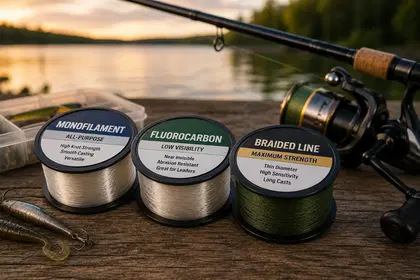
When it comes to fishing, casting distance can make a world of difference. Whether you’re trying to reach that elusive fish lounging at the far end of the lake or simply want to keep your bait out of snaggy territory, having the right line can help you cast farther and more accurately. Enter braided fishing lines - these modern marvels are thinner, stronger, and often easier to handle than their monofilament and fluorocarbon counterparts.
If you’re new to the fishing scene and feeling a bit overwhelmed by all the options, don’t fret! In this guide, we’ll break down the best braided lines for long casting in a way that won’t leave you scratching your head. We’ll cover what to look for, some top picks, and even sprinkle in a bit of humor along the way. So, grab your gear and let’s dive into the world of braided lines that will have you casting like a pro in no time!
Why Braided Line Is Often the First Choice for Long Casting#
When it comes to long casting, braided line is often the go-to choice for many anglers, and for good reason. Its thin diameter allows for less wind resistance and greater distance, while its incredible strength means you can confidently target larger fish without the worry of breakage. Additionally, braided lines offer minimal stretch, providing better sensitivity and helping you detect even the subtlest bites. For beginners looking to maximize their casting distance and enhance their fishing experience, understanding the advantages of braided line can make a significant difference on the water.
How braid reduces friction during a cast#
When it comes to casting, friction can be your worst enemy. It slows down your line and can even create unwanted tangles. This is where braided line shines. Made from multiple strands woven together, braided line has a smooth surface that glides through the guides on your rod with ease.
Unlike monofilament or fluorocarbon lines, which can have a thicker diameter and a bit of stretch, braided line is thinner yet incredibly strong. This means you can cast farther without fighting against any drag. The reduced friction helps your lure travel through the air more efficiently, giving you those long casts that can make a big difference in your fishing success.
Another aspect to consider is how braided line behaves when it hits the water. Because it sinks faster than some other lines, it allows for quicker depth penetration. This characteristic is particularly useful when you’re trying to reach fish that hang out deeper or are hiding in structure.
When you’re in the field, you might notice that using a braided line can also help you feel bites better. That’s due to its lack of stretch - when you get a nibble, the line transmits those subtle movements straight to your rod. This allows you to react quickly and make the most of those long casts.
So, if you’re looking to maximize your casting distance and improve your overall fishing experience, switching to braided line could be a game-changer. It’s all about reducing that friction and enhancing your performance on the water.
Why thinner diameter matters#
When it comes to long casting, the diameter of your fishing line plays a crucial role. Thinner lines slice through the air more easily than thicker ones, which helps you achieve greater distances with less effort. Think of it like throwing a dart versus tossing a baseball; the dart is more streamlined and can travel farther with less force.
A thinner diameter also means less wind resistance. On breezy days, a thicker line can catch the wind, making it harder to cast accurately. This is particularly important for anglers who fish in open water or on windy shores. By choosing a braided line with a smaller diameter, you can minimize this issue and improve your chances of hitting your target spot.
Moreover, thinner lines allow for more line to fit on your reel. This is significant when fishing in deeper waters or when targeting species that require a lot of line to reach. You want to maximize your casting distance without running out of line, and a thinner braid can help you achieve that.
Another advantage of a thinner diameter is sensitivity. Braided lines are already known for their low stretch, but when you combine that with a thinner profile, you can feel bites and subtle movements better. This sensitivity can make a real difference, especially when fishing for species that nibble lightly or when you’re using finesse techniques.
In real-world scenarios, many anglers have found that using a thinner braided line enhances both their casting distance and overall fishing experience. It’s this blend of performance and responsiveness that makes braided lines a favorite among those looking to cast far and catch more.
What Makes a Braided Line Cast Farther#
When it comes to casting distance, the type of fishing line you use can make a significant difference. Braided lines, known for their thin diameter and high strength, allow for longer casts with less friction. This combination not only helps you reach those hard-to-access spots but also enhances your overall fishing experience. Understanding the properties of braided lines and how they behave in the water can help you make informed choices that lead to more successful outings.
Line diameter vs breaking strength#
When it comes to braided lines, understanding the relationship between line diameter and breaking strength is key to maximizing your casting distance. Braided lines are known for their thin diameter compared to monofilament or fluorocarbon lines. This thinner profile helps reduce drag in the water, allowing your lure to travel farther with less resistance.
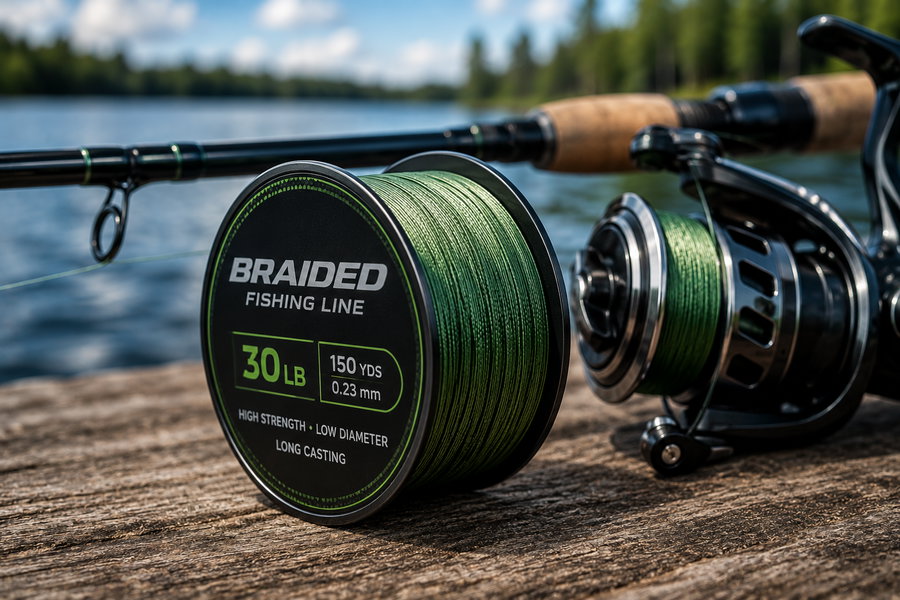
Breaking strength refers to the maximum weight a line can handle before it snaps. With braided lines, you often get a higher breaking strength relative to their diameter. For example, a 30-pound test braided line can be much thinner than a 10-pound test monofilament line. This means you can cast further without the added bulk that might hinder your distance.
When choosing a braided line, consider what you’ll be fishing for. If you’re targeting larger species, opt for a line with higher breaking strength, but keep in mind the diameter. A thinner line can allow you to cast farther, even while still being strong enough to handle big fish.
Also, think about your reel and rod setup. A lighter, thinner braided line can help your reel cast farther, as it allows for smoother flow through the guides. Just make sure your rod is rated to handle the line’s breaking strength, so you don’t risk losing a catch due to equipment failure.
In practice, many anglers find that using a braided line with a high breaking strength yet small diameter not only enhances casting distance but also improves sensitivity. This means you’ll feel bites better, which is crucial when you’re trying to reel in that big catch.
The role of spool management#
When it comes to long casting with braided line, spool management is key. This is all about how the line is wound on your reel and how it behaves when you cast. If your line isn’t properly managed, you might find yourself dealing with tangles and wind knots, which can seriously cut into your casting distance.
First off, make sure your braided line is spooled correctly. It should sit evenly on the reel without any loose loops or tight spots. If you notice that the line is piled up on one side of the spool, it could lead to uneven casting. A good rule of thumb is to fill your reel to about 1/8 inch below the spool lip. This allows for smooth line release during casts.
When you’re loading your reel, consider using a backing line. This is especially useful if you’re using a smaller reel. By putting down a layer of monofilament or fluorocarbon first, you can create a better base for your braided line. This helps prevent the braid from slipping on the spool and provides a solid foundation for casting.
During your casts, it’s important to pay attention to how the line leaves the reel. If it’s coming off in a messy manner, that can lead to issues down the line. Using a proper casting technique can help with this. Try to keep your wrist firm and your movements smooth. A smooth cast allows the line to come off the spool cleanly, which can significantly increase your distance.
Lastly, consider the braid itself. Some braided lines are designed for long casting, with smooth finishes that allow for easier flow off the spool. Experiment with different brands and types to find what works best for you. Remember, the right line can make a noticeable difference in your casting distance.
How line coating affects performance#
When it comes to casting distance, the coating on your braided line can make a noticeable difference. Most braided lines come with a protective coating that helps minimize friction. This is important because less friction means your line can glide through the guides on your rod more easily.
A smooth coating allows the line to flow off the spool without snagging, which can help you achieve longer casts. Some coatings are designed to be slick, while others may offer added durability. Depending on your fishing style, you might prefer one over the other. For instance, if you’re fishing in dense cover, a more durable coating can help resist abrasions from rocks or brush.
Keep an eye out for lines labeled as “low-friction” or those that mention special coatings. These can enhance your casting performance, especially if you’re using lighter lures that require extra distance. Just remember, while a good coating can help, it’s also essential to pair it with the right rod and reel setup to really maximize your casting capabilities.
Additionally, over time, the coating on your line may wear off or become damaged. Regularly inspect your line for nicks or rough spots. If you notice any issues, it might be time to replace it. A fresh line not only helps with casting distance but also improves sensitivity, allowing you to feel those subtle bites more easily.
Key Features to Look for in a Long-Casting Braid#
When it comes to selecting the right braided line for long casting, there are several key features to consider that can make a significant difference in your fishing experience. From sensitivity and strength to diameter and color, each element plays a role in how well the braid performs on the water. Understanding these features will help you choose a line that not only casts farther but also enhances your overall fishing effectiveness.
Round profile and smooth construction#
When choosing a braided line for long casting, the shape and texture of the line play a crucial role. A round profile helps the line flow smoothly off the spool, which is essential for achieving those impressive distances. Unlike flat lines, which can create drag and cause wind knots, round braids cut through the air more efficiently, allowing for longer casts with less effort.
Smooth construction is just as important. A line that’s braided tightly and uniformly will glide through the guides on your rod without snagging. Look for lines that are described as “smooth” or “slick,” as they typically have a coating that reduces friction and enhances casting distance. You want a line that feels good in your hands and doesn’t have any rough spots that might catch on guides or create unwanted noise during casting.
When you’re out on the water, you’ll notice the difference a well-constructed braided line makes. It can help you cast further and more accurately, which is especially beneficial when fishing in open water or trying to reach a specific spot. So, pay attention to the profile and construction of the braid you choose - it’s one of the keys to casting success.
Color retention and durability#
When choosing a braided line for long casting, color retention and durability are two key features to keep in mind. Braided lines are often available in a variety of colors, from bright neon shades to more subdued natural tones. While aesthetics might not seem crucial, color can play a significant role in your fishing success.
Bright colors are great for visibility during the day, helping you monitor your line and detect bites. However, if you’re fishing in clear waters or under bright sunlight, more natural hues might help you blend in with the surroundings, making it less likely that fish will be spooked. Think about the environment where you’ll be fishing and choose a color that suits those conditions.
Durability is equally important since braided lines are put to the test in various environments. You want a line that can handle abrasion from rocks, weeds, and other underwater obstacles. A durable braid will resist fraying and maintain its strength over time, ensuring you don’t lose that trophy catch due to a line failure. Look for lines that mention high tensile strength and resistance to wear, as these features will give you confidence during your fishing trip.
Remember, a line that retains its color and stands up to the elements will not only improve your chances of a successful day on the water but also save you money in the long run. Investing in a quality braided line means you can spend more time fishing and less time worrying about gear that can’t keep up.
Four-Strand vs Eight-Strand Braid#
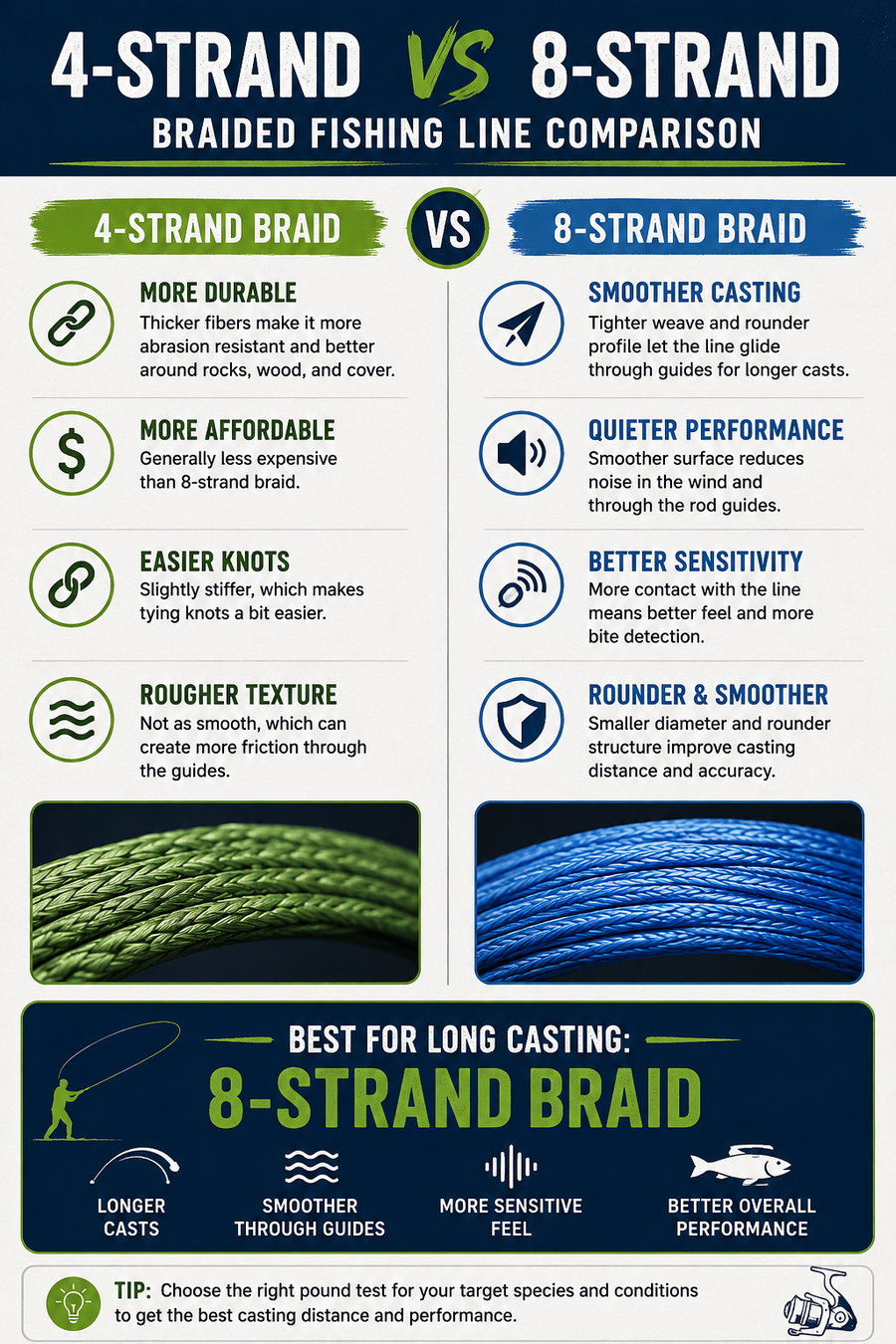
When it comes to choosing the right braided line for long casting, understanding the difference between four-strand and eight-strand braids is crucial. Each type has its own set of advantages that can affect your casting distance, strength, and overall fishing experience. While four-strand braid is often praised for its thin profile and sensitivity, eight-strand braid typically offers enhanced smoothness and durability. Knowing how these characteristics affect your setup can help you make an informed decision that fits your fishing style and needs.
When four-strand braid makes sense#
Four-strand braid can be a great choice for anglers who prioritize toughness and durability. This type of braid tends to be thicker than its eight-strand counterpart, which means it can hold up well against abrasive surfaces like rocks and barnacles. If you’re fishing in areas with a lot of structure, four-strand braid may give you the edge you need to avoid losing fish to snags.
Another benefit of four-strand braid is its price point. Generally, it’s more affordable than eight-strand options. For beginners just getting into braided lines, starting with a four-strand braid can be a smart choice, allowing you to save some money while still getting solid performance on the water.
When you’re targeting larger species, the extra diameter of four-strand braid can come in handy. It has a higher breaking strength relative to its diameter, meaning it can handle heavier loads without snapping. If you’re casting for big game fish, this added strength can be reassuring.
However, keep in mind that the thicker line can create more wind resistance. If you’re fishing from shore and need to cast long distances, this could impact your casting distance a bit. But for many anglers, the trade-off in durability can be worth it, especially when fishing in rugged conditions.
In summary, four-strand braid is a practical option when you’re looking for strength and durability, especially in tough environments. It’s a reliable choice for beginners who want to keep things simple while still being effective on the water.
Why many anglers prefer eight-strand braid#
When it comes to choosing braid for long casting, many anglers lean toward eight-strand braid for a few solid reasons. First off, the construction of eight-strand braid typically results in a smoother, rounder profile. This shape helps the line glide through guides effortlessly, which can significantly improve casting distance. If you’ve ever struggled with wind knots or tangles, you might find that eight-strand braid helps minimize those frustrating issues.
Another advantage of eight-strand braid is its overall strength. While four-strand braid is certainly strong, eight-strand lines often provide a higher strength-to-diameter ratio. This means you can use a thinner line without sacrificing power, which is a game-changer when you’re trying to get your lure out there as far as possible. Thinner lines also mean less drag in the water, allowing for better lure action and improved bite detection.
Many anglers also appreciate the added sensitivity that comes with eight-strand braids. Because of the way they are constructed, these lines can transmit vibrations more effectively. Whether you’re feeling for the subtle nibble of a fish or the structure of the bottom, the enhanced sensitivity can make a significant difference in your catch rate.
Lastly, durability is a key factor. Eight-strand braids tend to be more abrasion-resistant, which is particularly useful when fishing in rocky or snaggy environments. If you’ve ever lost a big fish due to line wear, you understand how important it is to have a line that can stand up to the challenges of the water.
So, while both four-strand and eight-strand braids have their place in the tackle box, eight-strand braid often wins out for those looking to maximize casting distance, strength, sensitivity, and durability.
Best Braided Lines for Shore Fishing#
When it comes to shore fishing, having the right braided line can make all the difference in your success on the water. Braided lines are known for their strength, sensitivity, and thin diameter, allowing you to cast further and feel even the slightest nibble. Whether you’re targeting freshwater species or saltwater game fish, choosing a high-quality braided line tailored for shore fishing will enhance your overall experience and improve your chances of landing that big catch. Let’s dive into some of the best options available for anglers looking to reel in their next trophy.
Surf fishing applications#
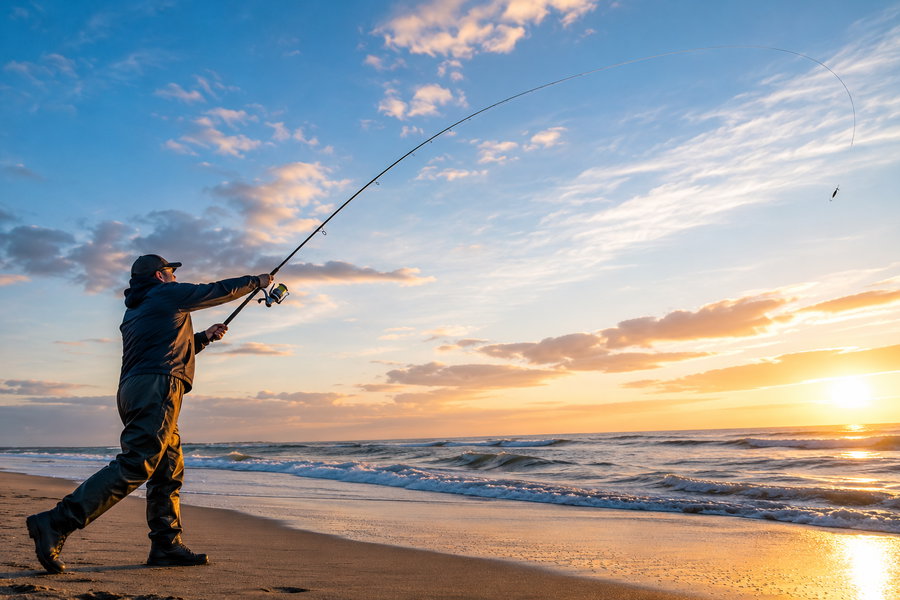
When it comes to surf fishing, having the right braided line can make all the difference. Braided lines are known for their strength and thin diameter, which is perfect for casting long distances over the waves. This allows you to reach fish that are farther out, where many anglers struggle to get their baits.
A key factor to consider is the line’s breaking strength. Look for a braided line with a higher pound test, typically in the range of 30 to 65 pounds. This strength is crucial when you’re battling larger species like striped bass or bluefish, which are common targets in surf fishing. Remember, while it’s tempting to go for the heaviest line possible, you also want to maintain a balance for good casting distance and sensitivity.
Another important feature of braided lines is their low stretch. This characteristic helps you feel even the slightest nibbles, allowing for quicker hook sets. When casting from the shore, you want to be able to react quickly, especially when fish are actively feeding. A low-stretch line enhances your overall sensitivity and control, making it easier to detect bites.
When choosing a braided line, consider the color as well. Many anglers prefer bright or high-visibility colors for surf fishing. This makes it easier to see your line against the water and helps you monitor your casts and retrieves. However, keep in mind that the fish can see these colors too, so you might want to use a fluorocarbon leader to make your setup less visible underwater.
Lastly, don’t overlook the importance of tying strong knots. Braided lines can be slick and slippery, which means using the right knots is crucial. The Palomar knot and the double uni knot are popular choices among surf anglers. These knots ensure your line stays secure, minimizing the risk of losing that big catch due to a knot failure.
In summary, when surf fishing, opt for a strong, low-stretch braided line in a visible color, and be sure to practice your knot-tying skills. This will help you make the most of your time on the beach, increasing your chances of landing that trophy fish.
Reservoir and lake fishing#
When it comes to fishing in reservoirs and lakes, having the right braided line can make a significant difference. These bodies of water can vary in size and depth, so understanding how to choose and use your line effectively is crucial.
First off, think about the type of fish you’re targeting. If you’re after bass or pike, a 30 to 50-pound test braided line is a solid choice. It offers strength and sensitivity, which is essential when you’re trying to feel those subtle bites. For smaller species like trout or panfish, you might want to go lighter - 10 to 20 pounds - so you don’t scare them away.
Braided lines are known for their thin diameter compared to monofilament or fluorocarbon lines, which means you can spool more line onto your reel. This is particularly beneficial when fishing in deep reservoirs where you might need to cast far or drop your bait into deeper waters. A thinner line also helps reduce wind resistance while casting, leading to longer, more accurate casts.
Pay attention to the water conditions as well. If you’re fishing in clear water, consider using a fluorocarbon leader. This helps with stealth and can make your bait look more natural. In murky waters, the visibility of the braided line isn’t as much of an issue, and you can stick with your main line.
When it comes to knots, you’ll want to use a strong one that can handle the slick texture of braided line. The Palomar knot is a great option because it’s simple and very reliable. Just remember to wet the line before tightening to avoid any damage.
Lastly, keep in mind that braided line has little to no stretch, which can be a double-edged sword. While it allows for better sensitivity and hook sets, it can also lead to broken lines if you’re not careful. Make sure to play the fish gently, especially if you’re using a heavier line.
By choosing the right braided line and taking these factors into account, you’ll be well on your way to successful fishing in reservoirs and lakes.
Common Mistakes That Reduce Casting Distance#
When it comes to long casting, even small missteps can significantly impact your distance and accuracy. Many beginners may not realize that factors such as line choice, rod technique, and even their grip can play a crucial role in their casting performance. By identifying and correcting these common mistakes, you can enhance your casting skills and make the most of your braided line’s potential.
Overfilling the spool#
One common mistake many anglers make is overfilling their reel spool. It might seem harmless, but packing too much line can lead to a few frustrating problems when you’re trying to cast. When the spool is too full, the line spills over the edges, creating what’s called “line overflow.” This can result in tangles, knots, and a messy fishing experience.
To avoid this, ensure that your spool has the right amount of line. A good rule of thumb is to fill it to about an eighth of an inch below the spool’s edge. This ensures that your line can lay flat and smooth without any chance of spilling over. If you’re unsure, take a look at your reel’s instructions - most will provide guidance on the optimal line capacity.
Another benefit of not overfilling is that it allows your line to flow smoothly off the spool during a cast. This can improve both distance and accuracy, making your efforts more successful. So, be mindful of how much line you’re putting on. Less is often more when it comes to spooling your reel correctly.
Using line that is too heavy#
When it comes to casting distance, the weight of your braided line plays a significant role. If you’re using a line that’s heavier than necessary for your setup, it can really hold you back. A heavier line can create more drag in the air and on the water, which translates to shorter casts.
Think of it this way: if you’re tying a thick rope to a light object and trying to throw it, it’s going to weigh you down. The same principle applies when fishing. If your line is too heavy, it can cause your lure or bait to fall short of where you want it to go.
For beginners, it’s essential to match your line weight to the type of fishing you’re doing. For instance, if you’re targeting smaller species like panfish, you probably don’t need a heavy braided line. A lighter line can help you achieve longer casts and present your bait more naturally.
Check the specifications on your rod and reel as they often recommend a specific line weight range. Sticking to that range will not only improve your casting distance but also enhance your overall fishing experience. If you’re unsure, starting with a medium-weight braided line is usually a safe bet for most situations.
Ignoring wind conditions#
When it comes to casting distance, the wind can be your best friend or your worst enemy. Beginners often overlook how wind can affect their casts, but understanding this can make a huge difference in your fishing experience.
First, pay attention to the direction the wind is blowing. If it’s coming from behind you, it can help push your line further out. You might find that even a light breeze can add a few extra yards to your cast. However, if the wind is blowing towards you, it can create a lot of resistance, making it harder to get your line out there.
Next, consider the strength of the wind. On calm days, you have more control and can focus on your technique. But on windy days, you might need to adjust your casting style. For example, try casting with a bit more force to overcome the wind’s push against your line. Also, aim slightly off to the side of your target, allowing the wind to carry your bait towards it.
Lastly, be mindful of how the wind affects your braided line. Braided lines are thinner and more sensitive than monofilament, which means they can be more influenced by wind. If you feel like your line is whipping around too much, consider using a heavier lure to help it cut through the air better.
By keeping an eye on the wind and adjusting your casting technique accordingly, you’ll find it much easier to maximize your casting distance.
Choosing the Right Pound Test for Long Casting#
When it comes to long casting, selecting the right pound test for your braided line is crucial. A higher pound test can give you more strength and durability against bigger fish, while a lower test can enhance casting distance and sensitivity. Understanding how these factors play into your fishing conditions and target species will help you make the best choice. Let’s break down what you need to consider so you can maximize your casting performance out on the water.
Light setups for finesse fishing#
When it comes to finesse fishing, choosing a light setup can make a world of difference. Light setups typically involve rods that are rated for lighter line and lures, making them perfect for targeting finicky fish. They allow for more sensitivity, meaning you’ll feel the lightest bites, which is crucial when fish are being cautious.
For light setups, a braid with a pound test between 10 to 20 is generally a good choice. A lower pound test means you can cast lighter lures further without the weight of the line holding you back. For example, if you’re using a 1/16-ounce jig for bass, a 10-pound braided line will give you the casting distance you want while still providing enough strength to handle any fish that bites.
Another benefit of using lighter braided lines is their smaller diameter compared to mono lines of the same strength. This smaller profile cuts through the wind better when casting, allowing you to reach those distant spots where fish may be hiding. Plus, the low stretch of braid helps with sensitivity, letting you detect bites more easily.
Don’t forget to pair your braided line with an appropriate leader. A fluorocarbon leader can be a great addition, as it’s virtually invisible underwater and provides some abrasion resistance. This combo allows you to enjoy the benefits of braid’s strength and sensitivity while maintaining stealth and finesse in your presentation.
Overall, if you’re looking to finesse fish, opt for a light setup with a suitable braided line. It’ll enhance your casting distance and improve your catch rate, making your time on the water even more enjoyable.
Medium setups for general freshwater fishing#
When you’re getting into freshwater fishing, a medium setup is often the sweet spot. It gives you a good balance between sensitivity and strength, making it versatile for various fish species. Typically, you’ll find medium action rods paired with a braided line that has a pound test rating between 20 to 30 pounds. This range is robust enough to handle larger fish while still providing the finesse needed for lighter bites.
Choosing the right braided line can make a significant difference. A line with a lower diameter but higher strength will allow you to cast farther and feel more bites. For instance, a 30-pound test braided line often has a diameter similar to a 10-pound monofilament line, which means you can pack more line onto your reel and still achieve those long casts.
When you’re out there, remember that the type of lure or bait you’re using also influences your choice. For medium setups, jigs, soft plastics, or spinnerbaits work well. These lures can benefit from the sensitivity of a medium rod and the strength of braided line, helping you detect subtle bites and set the hook effectively.
If you’re fishing in areas with a lot of cover - like weeds or submerged logs - opt for the higher end of the pound test. This extra strength will help prevent break-offs when you get snagged or need to muscle a fish out of tough spots. That said, if you’re targeting more delicate species like panfish or smaller bass, you might feel more comfortable sticking to the lower end of that range.
Ultimately, the right medium setup with the right pound test braided line can enhance your overall fishing experience, making it easier to enjoy those long casts while still being prepared for whatever might bite.
Heavier setups for larger species#
When you’re targeting larger fish, using a heavier braided line is essential. Heavier setups, typically rated from 50 to 80-pound test, provide the strength needed to handle big fish like tarpon, tuna, or pike. These fish can put up a real fight, and having a robust line helps ensure you can reel them in without worrying about your gear failing.
A thicker line doesn’t just add strength; it also increases your casting distance. While heavier lines may have more resistance in the water, they can cut through wind better, which is a big plus when you’re trying to cast far. If you’re fishing in areas with heavy cover or structure, a heavier line also offers better abrasion resistance, which can save you from losing fish to snags.
When setting up your gear, pair your heavier braided line with a sturdy rod and reel that can handle the strain. Look for a reel with a strong drag system; this will help you manage the fight without risking breakage. While heavier lines may not be as stealthy as lighter options, they give you the confidence to go after those big catches.
Keep in mind that when you switch to a heavier line, you might need to adjust your techniques. Heavier lines can be stiffer, so you might have to work a bit harder to feel subtle bites. Practice makes perfect, though, and soon you’ll find your rhythm.
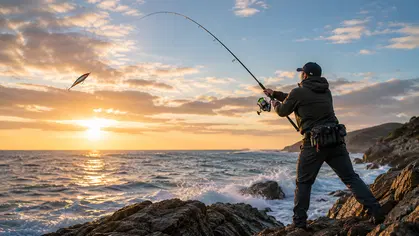
Is Premium Braid Worth the Extra Cost#
When it comes to choosing a braided line for long casting, you might wonder if investing in a premium option is truly necessary. While there are plenty of budget-friendly braids that can get the job done, premium lines often offer enhanced performance, durability, and sensitivity. This section will explore the benefits of paying a little extra for high-quality braided lines, helping you make an informed decision that suits your fishing style and budget.
In conclusion, selecting the right braided line for long casting doesn’t have to feel like deciphering hieroglyphics. With a bit of understanding about your fishing style, the specific features of braided lines, and a few common pitfalls to avoid, you can set yourself up for success on the water. Whether you opt for a four-strand or eight-strand braid, remember that the right pound test can make all the difference. Investing in a quality braided line might stretch your budget, but the improved performance can be worth it in the long run. So, gear up, practice your casting, and enjoy the thrill of reaching those far-off fish. Happy casting!