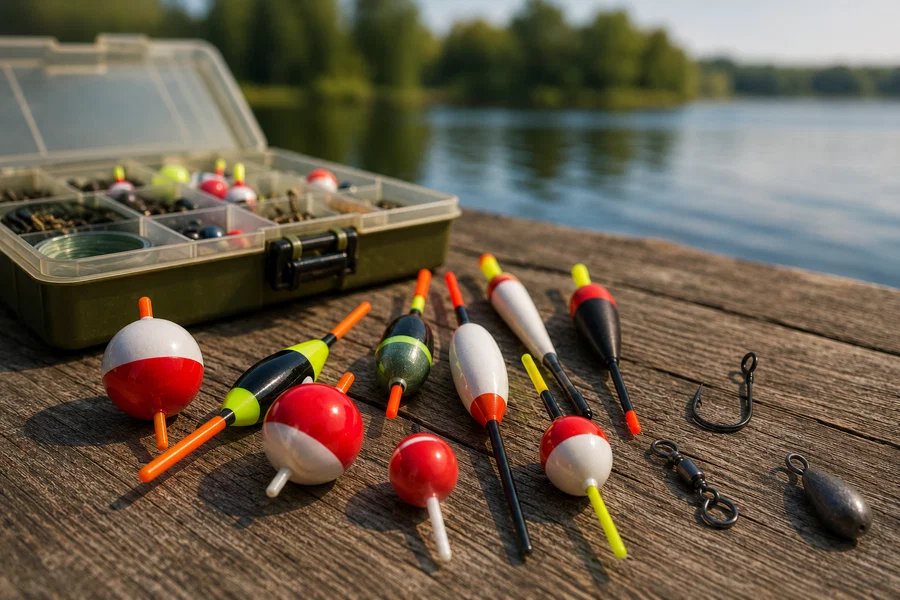

If you’re new to fishing, the world of gear can feel a bit like stepping into a wild jungle - exciting but also a tad overwhelming. Among the many tools you’ll encounter, bobbers and floats are two essentials that can help you reel in that elusive catch. Think of them as your trusty sidekicks, keeping an eye on your bait while you sip your drink and enjoy the great outdoors.
In this guide, we’ll break down the basics of bobbers and floats in a way that won’t require a fishing degree to understand. We’ll cover what they are, how to use them, and why they can make your fishing experience more fun and effective. So grab your tackle box and let’s dive into the colorful, buoyant world of bobbers and floats - because every great angler started somewhere, and today is your day to cast off!
Why Bobbers and Floats Are Often the First Fishing Tool Beginners Learn#
When you’re just starting out in fishing, bobbers and floats are often your trusty companions. These simple tools not only make it easier to see when you have a bite, but they also help you understand the basics of depth and where fish might be lurking. Their bright colors and simple mechanics provide a great way to build confidence and enjoy the thrill of waiting for that tug on the line. Plus, they can be used in various types of fishing, making them versatile tools for any beginner eager to dive into this rewarding hobby.
How Floats Help Anglers Detect Bites#
Floats, or bobbers, are fantastic tools for beginners because they serve as a visual cue that something is happening beneath the surface. When you’re out fishing, it can be tough to know if a fish is nibbling on your bait. This is where floats come in handy.
When you cast your line, the float sits on the water’s surface, keeping your bait at the right depth. If a fish bites, it often causes the float to bob, dip, or even disappear completely. This action signals to you that it’s time to reel in and see if you’ve caught something. It’s much easier to notice these changes with a float than by simply watching your line or feeling for bites on the rod.
Using a float can also help you determine the size and behavior of the fish you’re after. For instance, if you notice that your float is getting pulled under consistently, it could mean that smaller fish are pecking at your bait. On the other hand, a sudden dip may indicate that a larger fish is interested.
For beginners, it’s all about learning how to read these signals. It might take some practice to recognize the difference between a fish biting and the current moving your line, but that’s all part of the fun. Pay attention to the float’s movements and adjust your technique as needed. Soon enough, you’ll become more in tune with what’s happening on the other end of your line.
Why they make fishing easier for beginners#
Bobbers and floats are like training wheels for fishing. They simplify the process, making it more approachable for those just starting out. When you’re new to fishing, the idea of casting a line can be a bit overwhelming. Bobbers help take some of that stress away by providing a clear visual cue for when a fish is biting.
One of the biggest advantages of using a bobber is that it keeps your bait suspended at a certain depth. This is particularly helpful because fish are often found at specific depths, depending on the time of day and water temperature. With a bobber, you don’t have to worry about your bait sinking to the bottom or getting tangled in weeds, making it easier to find where the fish are hanging out.
When you see the bobber dip or move, it’s a sign that something is happening below the surface. This immediate feedback allows beginners to react quickly, whether it’s setting the hook or simply checking to see if they still have bait. It’s a more interactive experience that builds confidence as you learn to read the water and understand fish behavior.
Another benefit is the simplicity of setup. Most bobbers just need to be clipped onto your line, and you’re ready to go. This straightforward approach means you can spend less time fiddling with equipment and more time focusing on the actual fishing. Plus, they come in various sizes and colors, which can make the experience more fun and engaging for beginners.
Ultimately, bobbers and floats help demystify fishing. They make it less about the technicalities and more about enjoying the outdoors. For those who may feel intimidated by the complexities of fishing, starting with a bobber can make the whole process feel more manageable and enjoyable.
Bobbers vs Floats: Is There a Difference?#
When you’re starting out in fishing, the terms “bobbers” and “floats” can be a bit confusing. While many anglers use them interchangeably, there are subtle differences that can impact your fishing strategy. Understanding these distinctions will help you choose the right tool for your setup, making your fishing experience more effective and enjoyable. Let’s dive into what sets them apart and how each can benefit your fishing adventures.
Common terminology explained#
When you’re starting out, it’s easy to feel overwhelmed by all the fishing jargon. Terms like “bobber” and “float” often pop up, and they might seem interchangeable at first glance. However, understanding the subtle differences can help you pick the right gear for your fishing needs.
A bobber typically refers to a specific type of float that’s designed to keep your bait suspended at a certain depth. It’s often round or oval and features a spring-loaded clip that attaches to your fishing line. Bobbers are great for beginners because they signal when a fish bites. If the bobber dips or disappears, it’s time to reel in!
On the other hand, a float is a broader term that encompasses various styles of buoyant devices used in fishing. Floats can be more specialized, like slip floats or pencil floats, each serving different purposes. For instance, a slip float allows you to adjust the depth of your bait easily, which can be particularly useful when targeting fish that are feeding at different levels.
In practice, you’ll find that many anglers casually refer to bobbers as floats. While this isn’t wrong, it’s handy to know the specifics when you’re gearing up for a fishing trip. Understanding the difference can help you choose the right tool for the job and improve your chances of success on the water.
The Most Popular Types of Bobbers and Floats#
When you’re just starting out in fishing, understanding the different types of bobbers and floats can make a significant difference in your experience. Each type serves a unique purpose, helping you determine where your bait is in the water and whether you’ve got a bite. Let’s explore some of the most popular options, so you can choose the right ones for your next fishing adventure.
Round clip-on bobbers#
Round clip-on bobbers are among the most popular choices for anglers, especially beginners. Their simple design makes them easy to use, and they come in various sizes to suit different fishing conditions.
To get started, you’ll want to attach the bobber to your fishing line. This type typically has a small clip that allows you to secure it at your desired depth. Just pinch the clip open, slide the bobber onto the line, and release it to lock it in place. It’s as straightforward as that!
One of the main benefits of round clip-on bobbers is their visibility. They come in bright colors, making it easy to spot them on the water. This is crucial because you’ll want to see when a fish bites. When the bobber dips under the water or moves erratically, that’s your cue to reel in your line.
When choosing the right size, consider the weight of your bait. A larger bobber can help float heavier baits, while smaller ones work better for lighter setups. If you’re unsure, start with a medium-sized bobber. It’s versatile enough for various situations and will help you learn how different weights affect your setup.
These bobbers also work well in various fishing environments, whether you’re casting into a lake, river, or pond. They can be used for both still fishing and when you’re trying to catch fish that are swimming near the surface.
Using round clip-on bobbers can enhance your fishing experience. They help you maintain the right depth for bait, improve your chances of catching fish, and make the whole process a bit more enjoyable. Remember, practice makes perfect, and the more you use them, the more comfortable you’ll become in recognizing the signs of a bite.
Slip bobbers#
Slip bobbers are a versatile tool for anglers, making them a favorite for many beginners. Unlike traditional stationary bobbers, slip bobbers slide up and down your line. This feature allows you to adjust your depth easily, which can be a game changer when fish are hanging at various levels in the water.
To set up a slip bobber, you’ll need to thread the bobber onto your fishing line. Start by tying a small bobber stop above the bobber. This stop can be a rubber or braided piece that prevents the bobber from sliding too far up the line. Next, tie on your hook or lure below the bobber, along with a weight if needed. The spacing between your bobber stop and your hook will determine how deep your bait sits in the water.
One of the best things about slip bobbers is their adaptability. They work well in lakes, rivers, and ponds, whether you’re fishing for panfish, bass, or even catfish. When casting, you’ll find that they create less resistance in the water, allowing for a smoother presentation of your bait.
When using slip bobbers, pay attention to your line and the bobber’s movement. If the bobber disappears or tilts, it often means a fish is nibbling. This is when you’ll want to set the hook - just a quick upward motion to catch the fish off guard.
For beginners, slip bobbers offer a straightforward way to learn about fish behavior and depth. As you gain confidence, you can start experimenting with different weights, bobber sizes, and rigging techniques to see what works best for your local waters.
Pencil and stick floats#
Pencil and stick floats are simple yet effective tools for many anglers, especially beginners. These floats are typically long and slender, resembling a pencil or stick, which is where they get their name. They are great for a variety of fishing situations and work well in both still and moving water.
One of the biggest advantages of pencil and stick floats is their sensitivity. Because they are narrow, even a light nibble from a fish can cause them to dip or bob, signaling that it’s time to reel in. This sensitivity helps you quickly detect bites, which is especially useful when targeting species like panfish or trout.
Setting up a pencil or stick float is straightforward. Just attach the float to your fishing line at the desired depth, using a small bobber stop if needed to keep it in place. You can then adjust the depth by moving the float up or down the line. A good rule of thumb is to set the float so that your bait rests just above the bottom, where fish tend to be lurking.
When it comes to choosing the right size, it’s important to consider the weight of your bait and the conditions you’re fishing in. Lighter baits work best with smaller floats, while heavier jigs or bait may require larger floats to stay buoyant. If you’re fishing in windy conditions, go for a more substantial float to help stabilize your setup.
Using pencil and stick floats can also enhance your overall fishing experience. They allow for versatility in your approach, letting you experiment with different depths and presentations. Plus, they’re generally easy to cast, which makes them a great choice for beginners still mastering their casting technique.
Overall, pencil and stick floats are reliable options that can help you become more successful on the water. With a little practice and observation, you’ll quickly learn how to read their movements and improve your fishing skills.
Weighted floats#
Weighted floats are a fantastic tool for anglers, especially beginners looking to improve their fishing game. These floats come with a bit of added weight at the bottom, which helps them stay upright and stable on the water’s surface. This stability is crucial for detecting bites, as it allows the float to respond more accurately to fish pulling on the bait.
When using a weighted float, you’ll typically find that it’s easier to cast longer distances. The extra weight helps the float cut through the wind and land smoothly on the water, which is particularly helpful when fishing in windy conditions. This makes them a favorite for many anglers who often fish in lakes or rivers where a steady cast is essential.
Setting up a weighted float is straightforward. Start by attaching the float to your line, usually around 2-3 feet above your hook, depending on the depth you want to fish. You can adjust the depth by sliding the float up or down the line. It’s often best to experiment a little; sometimes, fish are holding at specific depths, and this adjustment can make all the difference.
One of the great aspects of weighted floats is their versatility. They can be used effectively with a variety of baits, from live minnows to worms or jigs. When you cast your line, the float will bob gently on the surface, and when a fish takes the bait, you’ll see the float dip or move. This action gives you a clear indication of a bite, making it easier to react quickly.
For beginners, a common mistake is to set the float too close to the hook or to use too much weight. Keep in mind that the bait needs to be able to move freely in the water. A good rule of thumb is to keep the bait just off the bottom or suspended at a depth where fish are likely to be feeding. With a little practice, you’ll develop a feel for how to balance everything just right.
In summary, weighted floats are user-friendly and effective for anglers of all skill levels. They enhance your ability to detect bites and make casting easier, even in challenging conditions. Whether you’re fishing from shore or a boat, you’ll find that a weighted float can make your experience more productive and enjoyable.
How to Set Up a Basic Bobber Rig#
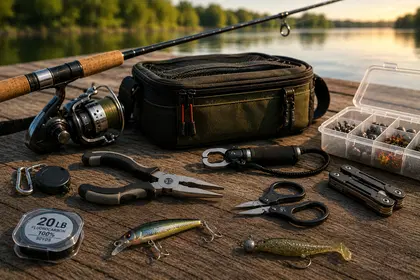
Setting up a basic bobber rig is a straightforward task that can greatly enhance your fishing experience, especially for beginners. Bobbers, or floats, help you keep your bait suspended at the right depth and make it easy to spot when a fish bites. In this section, we’ll walk through the steps to create your own bobber rig, ensuring you’re well-equipped for a successful day on the water.
Choosing the right hook and bait#
When setting up your bobber rig, selecting the right hook and bait is crucial for attracting fish. Let’s break this down to keep things simple.
Choosing the Hook
Start with the size of the hook. For beginners, a good rule of thumb is to go with a hook size between 6 and 10. Smaller hooks are ideal for catching panfish like bluegill or perch, while larger hooks (around size 4 or 6) work better for bigger species like bass. The key is to match your hook size to the type of fish you’re targeting.
When attaching your hook to the line, use a simple knot like the improved clinch knot. It’s easy to tie and reliable enough to keep your catch secure.
Selecting the Bait
Now, let’s talk bait. Live bait is often the easiest and most effective choice for beginners. Worms are a classic option - easy to find and irresistible to many fish. You can also try minnows or crickets, depending on what’s available and what fish you want to catch.
If you prefer artificial bait, consider using small jigs or soft plastics. Look for colors that mimic the local forage, like a shad or crayfish. A bobber rig allows you to suspend this bait at the right depth, making it more appealing to fish swimming below.
Combining Hook and Bait
When you put it all together, make sure the bait is securely fastened on the hook. If you’re using worms, thread it onto the hook so it covers the point and the shank. For jigs or soft plastics, simply slide the bait onto the hook until it’s snug.
By selecting the right hook and bait, you’re setting yourself up for a successful day on the water. Just remember, experimentation is part of the fun, so don’t hesitate to try different combinations until you find what works best for you!
Adjusting Fishing Depth#
When you’re using a bobber, the depth at which your bait hangs is crucial. If your bait is too deep or too shallow, you might miss out on a bite. Here’s how to get it just right.
Start by determining where the fish are likely to be. If you know the species you’re targeting, do a little research. Some fish prefer shallow water, while others hang out deeper. If you’re unsure, a good rule of thumb is to start around three to four feet below the surface.
To adjust the depth, you’ll need to move the bobber stop up or down the fishing line. If you’re using a sliding bobber, it’s as easy as pulling the bobber knot to your desired depth. If you have a fixed bobber, you can simply slide the bobber up or down the line. Make sure to keep the bobber above the bait so it floats correctly.
Once you’ve set the depth, cast your line into the water. Keep an eye on the bobber. If it’s not moving at all, try adjusting the depth again. Sometimes fish are just a bit picky, and a few inches can make a big difference. If the bobber starts moving or disappears, you might have a fish on the line!
Experimenting is part of the fun. Don’t hesitate to change the depth throughout your fishing trip based on what you observe. The more you practice, the better you’ll become at finding that sweet spot where the fish are biting.
When Bobbers Work Better Than Bottom Fishing#
Understanding when to use bobbers instead of bottom fishing can significantly enhance your fishing experience. Bobbers, or floats, keep your bait suspended above the bottom, making them ideal for targeting fish that are feeding at various depths. This technique is especially effective in situations where fish are actively rising to the surface or when you’re fishing in weedy areas where bottom hooks can easily snag. By learning the right circumstances to employ bobbers, you can increase your chances of landing your next catch.
Fishing around weeds and structure#
Fishing near weeds and structures can be a bit tricky, but using a bobber can make it much easier. When you cast your line close to these areas, a bobber helps keep your bait above the snags and entanglements. This is crucial because weeds and structures often house fish, but they can also snag your line if you’re not careful.
When you’re targeting areas with heavy vegetation or submerged structures like rocks and logs, a bobber allows you to present your bait at the right depth. Adjust the bobber to set your bait just above the weeds. This way, you entice fish without getting your line caught. For instance, if you’re fishing for bluegills or crappies, they often hang out right at the edge of weed beds. A bobber can help you keep your bait in the strike zone without being swallowed up by the weeds.
It’s also important to choose the right type of bobber for this situation. A fixed bobber is usually best when dealing with snags, as it won’t slide down your line. This keeps your bait stable and reduces the chance of getting snagged. If you’re using a slip bobber, make sure the slip stop is set properly so it doesn’t slide too far down when you’re reeling in.
When you spot a promising area, cast beyond the weeds or structure and let the bobber drift into the target zone. This technique often draws fish out from their hiding spots. Just keep an eye on the bobber; if it dips or moves unexpectedly, it’s likely a fish taking the bait. Being patient and watching closely can pay off big time.
So, next time you’re out fishing, don’t shy away from those weedy spots. With the right bobber setup, you can improve your chances of landing some great catches while keeping your line safe from snags.
Targeting Suspended Fish#
When you’re out on the water, one of the most effective ways to catch suspended fish is by using a bobber. These handy little tools let you present your bait at just the right depth, making them perfect for fish that aren’t hanging out near the bottom.
Suspended fish can be found in various bodies of water, often hovering somewhere between the surface and the bottom. This can include species like crappie, bluegill, and even some bass. The key is knowing where these fish are likely to be. You might find them around structures like submerged logs, weed beds, or drop-offs, especially during certain times of the day or year.
To start, set your bobber to the appropriate depth. If you know the fish are suspended about five feet down, adjust your bobber so that your bait hangs just a little below the surface. A simple way to do this is to measure the line from the bobber to your hook. This positioning keeps your bait in the strike zone where the fish are most likely to bite.
Another smart tip is to keep an eye on your bobber. If it bobs or dips, it could mean a fish is taking the bait. Be ready to reel in quickly, but don’t jerk the rod; a smooth, steady pull is usually more effective. If you’re unsure about how deep to set your bobber, start shallow and gradually increase the depth until you find where the fish are biting.
Also, consider the time of day. Early morning and late evening are often the best times for targeting suspended fish as they come closer to the surface to feed. Wind and weather conditions can also affect fish behavior, so don’t be afraid to adjust your strategy based on what you observe.
Using bobbers to target suspended fish can be a game changer. It simplifies the process of keeping your bait at the right depth and allows you to watch for bites easily. So, next time you’re out fishing, grab a bobber and experiment with your depth settings - who knows, you might just reel in a big one!
How to Read Bobber Movements Correctly#
Understanding how to read bobber movements is a key skill for any angler, especially beginners. Bobbers are designed to give you visual cues about what’s happening beneath the water’s surface, so paying attention to their movements can significantly improve your fishing success. Whether it’s a subtle bob or a complete dip, learning to interpret these signals will help you know when it’s time to reel in your catch or adjust your technique. Let’s break down the common bobber movements and what they mean for your fishing game.
Sudden disappearance#
When you’re fishing with a bobber, one of the most exciting moments is when it suddenly disappears beneath the water. This can happen for a few reasons, but often, it means a fish is biting. Instead of panicking, take a moment to assess the situation.
First, watch closely. If the bobber sinks quickly and disappears, it’s likely that a fish has taken your bait. In this case, resist the urge to yank your rod immediately. Give it a second or two to ensure the fish has fully taken the bait. Fish often nibble before committing, so a little patience goes a long way.
If your bobber disappears slowly or tilts at an angle, this could indicate a smaller fish is nibbling at your bait. Here, you might want to wait a bit longer to see if it takes the bait deeply enough.
Once you feel confident that the fish has taken the bait, it’s time to set the hook. This is typically done by giving your fishing rod a quick upward jerk. The goal is to drive the hook into the fish’s mouth to secure your catch. Just remember, a gentle but firm motion is best - too hard, and you might lose the fish; too soft, and you might miss hooking it altogether.
By learning to interpret the bobber’s movements, you’ll become more attuned to what’s happening beneath the surface. With practice, you’ll develop a feel for the rhythm of fishing and the behavior of the fish you’re targeting.
Sideways movement#
When you notice your bobber moving sideways, it can mean a few things. This movement is often a sign that a fish is investigating your bait. The fish might be swimming parallel to the line, which can cause the bobber to drift side to side.
Pay attention to how the bobber moves. If it’s a gentle swaying, it could just be a curious fish. But if the bobber suddenly jerks or bobs more aggressively, that’s a stronger indication that the fish is trying to grab your bait. In both cases, you want to be ready to react.
Here’s a practical tip: don’t immediately set the hook when you see that sideways movement. Instead, give the fish a moment to fully take the bait. If the bobber dips down or moves erratically after that sideways shuffle, it’s time to reel in and set your hook.
Always remember to keep your line taut but not overly tight. This way, you can feel any movements and get a good sense of what’s happening below the surface. With a bit of practice, you’ll start to recognize these subtle signals and improve your chances of a catch.
Small repeated twitches#
When you’re out fishing and you notice your bobber making small, repeated twitches, pay close attention. This movement often indicates that a fish is nibbling at your bait. It’s not a big splash or a dramatic pull; instead, it’s more like a gentle dance on the water’s surface.
Start by watching how the bobber moves. If it’s just bobbing slightly, the fish might be curious or just testing the bait. In this case, it’s a good idea to hold off on setting the hook immediately. You want to give the fish a moment to take the bait properly.
If the twitches turn into a more pronounced dip or if the bobber starts to lean to one side, that’s your cue to act. This means the fish has likely taken the bait deeper. Depending on your setup and the type of fish you’re targeting, you can give a gentle tug to set the hook. Just remember to be smooth; a sudden jerk might scare the fish away.
In windy conditions, small twitches can be hard to distinguish from waves, so try to keep your eyes focused on your bobber. If it’s a calm day, you’ll have a much clearer view of those subtle movements.
Lastly, practice makes perfect. The more you fish, the better you’ll become at interpreting what those small twitches mean. Keep your senses sharp and enjoy the process!
Common Bobber Fishing Mistakes Beginners Make#
When you’re just starting out with bobber fishing, it’s easy to overlook some key details that can make a big difference in your success on the water. Many beginners fall into common traps - like choosing the wrong bobber size or not adjusting their depth properly - that can lead to frustration and missed opportunities. By identifying these pitfalls early on, you can improve your technique and increase your chances of landing that first fish. Let’s dive into some of these common mistakes so you can fish with confidence.
Setting the hook too early#
One of the most common mistakes beginners make when bobber fishing is setting the hook too early. It’s an easy mistake to fall into, especially when you’re excited about the nibble on your line. But patience is key here.
When a fish bites, it often takes a moment to fully take the bait into its mouth. If you yank the rod too soon, you might miss the opportunity to hook the fish altogether. Instead, give it a second or two after you see the bobber go under. This allows the fish to swallow the bait properly.
You can also watch the bobber closely. If you see it bobbing up and down or moving sideways, that’s often a sign that a fish is trying to eat your bait. Wait for a steady dip down before you set the hook. This usually means the fish has taken the bait fully.
When you’re ready to set the hook, do it with a quick but gentle motion. A sharp yank can tear the hook out of the fish’s mouth, especially if it’s a smaller fish. Instead, think of it as a swift upward flick of your wrist. This technique helps ensure the hook finds its way into the fish’s mouth securely.
In short, patience and timing are your best friends when bobber fishing. Wait for the right moment, and you’ll improve your chances of a successful catch.
Using the wrong float size#
Choosing the right float size is crucial for successful bobber fishing. If your bobber is too large, it might scare off fish or create too much drag in the water. Conversely, a float that’s too small may not be visible or could sink under the weight of your bait.
Start by considering the type of fish you’re targeting. For smaller species like panfish, a smaller bobber is often more effective. A tiny bobber can be just the ticket to catch those finicky fish. On the other hand, if you’re after larger fish like bass or catfish, you’ll need a sturdier bobber that can handle heavier weights and bigger baits.
When you’re rigging up, pay attention to the weight of your bait. A general rule of thumb is to match your bobber to the weight of your bait. If you’re using a lightweight lure, go with a smaller bobber. If your rig is heavier, a larger bobber will help keep everything afloat.
Don’t hesitate to experiment with different sizes. If you’re not getting bites, try adjusting the float size. You might be surprised at how a simple change can lead to more action. And remember, visibility is key - make sure your bobber stands out against the water so you can spot any bites easily.
Fishing at the wrong depth#
One of the most common mistakes beginners make when using bobbers is fishing at the wrong depth. It might seem a bit tricky at first, but getting your bobber set at the right depth can make all the difference in your success on the water.
First, think about where the fish you’re targeting like to hang out. Some species prefer shallow water, while others might be deeper. It’s essential to adjust the depth of your bobber to match where the fish are swimming. A good starting point is to consider the average depth of the water you’re fishing in. If you’re unsure, a general rule is to set your bait about one to two feet off the bottom.
To figure this out, you can use a simple method: lower your bobber and bait into the water until you feel it hit the bottom. Then, slowly reel it back up, counting how deep you go. This will help you gauge the right depth for your bobber.
If you’re still not having any luck, it’s okay to make adjustments. Raise or lower the bobber a little at a time. If you’re not getting bites at one depth, try going deeper or shallower. Fish can be finicky, and their feeding habits change throughout the day, so don’t hesitate to experiment until you find that sweet spot.
Also, keep in mind that water conditions can affect how deep you need to fish. In murky water, for instance, fish might be closer to the surface looking for food, while in clear water, they might be deeper. Observing the water and adjusting accordingly can lead to a more successful fishing trip.
Choosing the Right Bobber for Different Conditions#
When it comes to fishing, selecting the right bobber can make all the difference in your experience and success on the water. Various conditions, such as water depth, current strength, and the type of fish you’re targeting, all play a role in determining which bobber will work best for you. Understanding these factors will help you make an informed choice, ensuring your bait stays at the right depth and is visible to the fish. Let’s dive into how to pick a bobber that suits the unique circumstances you’ll encounter.
A Simple Bobber Setup Most Beginners Can Start With#
When you’re just starting out in fishing, using a bobber is one of the easiest ways to get the hang of things. A simple bobber setup can help you visualize when a fish is biting and make the whole experience more engaging. In this section, we’ll walk through a straightforward bobber setup that will have you ready to hit the water with confidence, ensuring you can focus on enjoying the tranquility of your surroundings and the thrill of the catch.
In conclusion, mastering the art of bobber fishing can be a rewarding experience for beginners. Bobbers and floats not only simplify the fishing process but also enhance your understanding of fish behavior. By choosing the right type of bobber, setting up your rig correctly, and learning to read those subtle movements, you’ll be well on your way to reeling in your first catch. Remember, every angler makes mistakes along the way - it’s all part of the learning curve. So, don’t be discouraged if things don’t go perfectly at first. Grab your gear, head to your favorite spot, and enjoy the great outdoors. After all, fishing is as much about the journey as it is about the catch!