

Affiliate disclosure: As an Amazon Associate, we may earn from qualifying purchases made via links on this page - at no extra cost to you. See our Affiliate Disclosure.
When it comes to fishing gear, the world of baitcasting reels can feel a bit like trying to decipher a foreign language. Don’t worry, though - we’re here to help you understand the basics without the fishing jargon that usually sends beginners running for the nearest spinning reel. If you’ve ever watched a seasoned angler effortlessly whip their line into the perfect spot and wondered how they did it, you’re in the right place.
In this guide, we’ll break down baitcasting reels in a straightforward way, covering what they are, how they work, and why you might want to consider one for your fishing adventures. Whether you’re dreaming of snagging that trophy bass or just enjoying a day on the water, we’ll make sure you’re equipped with the knowledge you need to make baitcasting work for you. Grab your tackle box and let’s reel in some clarity!
Why Baitcasting Reels Seem Intimidating at First#
When you first encounter a baitcasting reel, it can feel like you’re looking at a complex puzzle. With all the knobs, dials, and the way it sits differently on the rod compared to spinning reels, it’s easy to feel overwhelmed. Many beginners worry about backlash, adjusting brakes, and mastering the technique, which can all add to the intimidation factor. However, once you break it down, you’ll find that understanding baitcasting reels is less about wrestling with mechanics and more about getting comfortable with the gear and improving your casting skills.
The reputation that scares many beginners away#
Baitcasting reels often come with a reputation that can be a bit intimidating for newcomers. Many anglers see them as complicated tools that require a steep learning curve. This perception can make beginners hesitant to give them a try.
One of the main reasons for this fear is the potential for backlash. For those unfamiliar, backlash occurs when the spool spins faster than the line can be pulled off, resulting in a tangled mess. It sounds daunting, but with practice, it’s a hurdle that most anglers can overcome. Just like learning to ride a bike, it might be tricky at first, but it gets easier with time.
Another factor is the mechanical nature of baitcasting reels. They’re often seen as more complex than spinning reels, which have a simpler design and are generally easier to use. Baitcasting reels have multiple settings for casting distance, brake adjustments, and gear ratios. While all these features can seem overwhelming, they also offer a level of precision that many anglers appreciate.
Many beginners also believe that baitcasting reels are primarily for experienced anglers. This isn’t entirely true. While it’s common to see seasoned fishermen using them, plenty of beginners start with baitcasting setups and find great success. The key is to start slowly and focus on mastering the basics.
Don’t let the reputation of baitcasting reels hold you back. With a little patience and practice, you might find that they open up new possibilities for your fishing experience.
Why experienced anglers still prefer them#
Experienced anglers often gravitate towards baitcasting reels because they offer a level of control and precision that’s hard to beat. When you’re out on the water, having the ability to cast accurately can make all the difference, especially when you’re trying to hit specific spots where fish are lurking. Whether it’s under overhanging branches or into tight pockets of water, baitcasting reels can help you place your lure exactly where you want it.
Another key advantage is the power they provide. Baitcasting reels are designed to handle heavier lines and bigger lures, which is particularly useful when targeting larger species. If you’re aiming for bass, pike, or even saltwater fish, a baitcasting setup allows you to fish with confidence, knowing your gear can withstand those hard pulls and sudden runs.
The drag systems on baitcasting reels are also more refined. This means you can adjust the resistance the fish feels when it pulls on your line. Such precision helps in managing fights with fish and ultimately landing them without losing your catch due to line breakage or poor handling.
Moreover, seasoned anglers appreciate the learning curve. While it might seem complex at first, mastering a baitcasting reel can lead to greater satisfaction and a stronger connection with the sport. The skill involved in learning to cast smoothly and manage backlash can make for a more engaging fishing experience.
Finally, many experienced anglers enjoy the challenge that comes with baitcasting. It’s not just about catching fish; it’s also about honing your skills and improving your technique. For them, the joy of fishing is as much about the journey and the learning as it is about the catch itself.
How a Baitcasting Reel Actually Works#
Understanding how a baitcasting reel operates is key to unlocking its potential on the water. Unlike spinning reels, baitcasters use a revolving spool that offers greater control and accuracy when casting. This mechanism allows for more precise lure placement, which is especially useful when targeting specific spots. In this section, we’ll break down the components and mechanics of a baitcasting reel, making it easier for you to grasp how to use one effectively.
Understanding spool rotation and line control#
At the heart of a baitcasting reel lies the spool, which is a cylindrical component that holds your fishing line. When you cast, the spool rotates, releasing line as your lure flies through the air. This rotation is crucial for achieving distance and accuracy, but it also requires some finesse to get it right.
When you press the thumb bar to release the line, the spool starts spinning. Your line unwinds, and that’s where control comes into play. If the spool spins too fast, you could end up with a messy backlash - a tangled mess of line that could ruin your day on the water. To prevent this, you need to manage the spool’s speed with your thumb.
Using your thumb to control the spool is key. As you cast, lightly press your thumb against the spool. This helps slow its rotation, allowing you to control how much line is released. The more pressure you apply, the slower the spool spins. This technique takes practice, but it’s essential for making accurate casts without creating tangles.
It’s also worth noting the braking system on your reel. Most baitcasting reels come with either a centrifugal or magnetic braking system. These brakes help slow down the spool’s rotation during your cast. If you find that you’re still getting backlashes, try adjusting the brakes. A little more tension can help manage those wild casts until you’re more comfortable with your technique.
Finally, remember to always check your line before you start. Make sure it’s properly spooled and there are no knots or twists. A well-managed line will make your casting experience much smoother and more enjoyable, allowing you to focus on what matters most - catching fish.
The role of the thumb during a cast#
When you’re using a baitcasting reel, your thumb becomes one of your most important tools. It might seem simple, but mastering thumb control can significantly improve your casting distance and accuracy.
As you prepare to cast, your thumb should lightly rest on the spool. This isn’t just for comfort; it’s crucial for controlling how much line is released. When you start your cast, you want to let the line flow freely, but you’ll also need to apply pressure with your thumb at the right moment.
As you swing your rod back and then forward, keep your thumb engaged. The key is to release your thumb pressure just as you reach the peak of your cast. This will allow the bait to fly out smoothly. If you hold your thumb down too long, you risk creating a backlash, which is that frustrating tangle of line.
Once your bait hits the water, it’s time to apply some pressure again. This helps stop the spool from spinning and prevents any extra line from unwinding. Keeping your thumb in control throughout the cast helps maintain a steady line and keeps things tidy.
It might take a bit of practice to find the right balance between pressure and release, but don’t worry - everyone goes through it. Spend some time on the water, experimenting with different casts, and soon you’ll feel more comfortable and confident with your thumb guiding the line.
Spinning Reels vs Baitcasting Reels#
When it comes to choosing the right fishing reel, understanding the differences between spinning reels and baitcasting reels is essential for any beginner. Each type has its own strengths and weaknesses, which can significantly affect your fishing experience. In this section, we’ll break down the key characteristics of both reels, helping you decide which one might be the best fit for your fishing style and the situations you encounter on the water.
Where spinning reels have the advantage#
When it comes to fishing gear, spinning reels hold a few advantages that make them a go-to choice for many anglers, especially beginners. One of the biggest benefits is their ease of use. Spinning reels are straightforward to operate, which means you can spend less time fiddling with your gear and more time actually fishing.
Casting with a spinning reel is generally more forgiving. If you’ve ever found yourself frustrated by a baitcasting reel that keeps backlashing, you’ll appreciate how simple a spinning setup can be. You can cast with one hand while holding the line with your finger, which helps you control your distance and accuracy without worrying about tangles.
Another advantage is versatility. Spinning reels can handle a wide variety of lures and baits, making them suitable for different fishing techniques. Whether you’re using light jigs, small spoons, or bigger plastics, a spinning reel can accommodate them comfortably. This adaptability is particularly useful if you’re just starting and still figuring out what types of fishing you enjoy.
Weight is also a factor. Spinning reels tend to be lighter than baitcasting reels, which can make a big difference during a long day on the water. A lighter setup can reduce fatigue, allowing you to fish longer and enjoy the experience more.
Lastly, spinning reels are often more affordable, especially for beginners who may not want to make a big investment right away. There are plenty of budget-friendly options that still perform well, so you can get started without breaking the bank.
In summary, spinning reels offer user-friendly features, versatility, and comfort that can help beginners feel more confident and successful on their fishing adventures.
Situations where baitcasters perform better#
Baitcasting reels shine in several fishing situations, making them a favorite among many anglers. One of the key advantages is their ability to handle heavier lines and lures. If you’re targeting larger fish, such as bass or pike, baitcasters give you the strength and control you need to reel them in effectively.
When you’re fishing in heavy cover, like thick weeds or submerged structures, baitcasting reels can really make a difference. Their precision allows for accurate casting, letting you place your lure exactly where it needs to go. This can be crucial when trying to entice fish hiding in tight spots.
Baitcasters also excel in situations requiring quick, controlled retrieves. When you’re using techniques like flipping or pitching, where you need to drop your lure into precise areas and pull it back quickly, a baitcaster can help you do just that. The braking system on these reels allows you to adjust your casting speed and distance, giving you more control over your presentation.
Windy days? No problem. Baitcasting reels generally handle wind better than spinning reels, allowing for more stable and accurate casts. This means less time spent untangling backlashes and more time fishing.
Lastly, if you’re interested in techniques like cranking or using heavy jigs, baitcasting reels are designed to handle the demands of these methods. They provide the necessary torque and gear ratios to keep your lure in the strike zone longer, increasing your chances of a catch.
Which style is easier to learn#
When you’re just starting out with fishing, the choice between spinning reels and baitcasting reels can feel a bit overwhelming. Both have their merits, but if you’re looking for something easier to pick up, spinning reels often take the lead.
Spinning reels are generally more user-friendly for beginners. Their design allows for straightforward operation. You open the bail, let your line out, and when you’re ready to cast, a simple flick of the wrist gets your bait where you want it. Plus, the learning curve is gentler, making it easier to master the basics of casting and reeling in your catch.
On the other hand, baitcasting reels require a bit more finesse. They offer greater control and accuracy once you get the hang of them, but that comes with a steeper learning curve. Beginners often struggle with backlash, which is when the line tangles on the spool during a cast. While it can be frustrating, practice can help, but you might find that spinning reels allow you to focus more on the actual fishing instead of untangling lines.
Ultimately, if you want to get started quickly and feel confident on the water, spinning reels are your best bet. They let you enjoy the experience without getting bogged down by technicalities. Once you’re comfortable and ready for a challenge, you can always explore baitcasting reels down the line.
When It Makes Sense to Switch to a Baitcaster#
Deciding to switch from a spinning reel to a baitcasting reel is a significant step in your fishing journey. While spinning reels are great for beginners, baitcasters offer advantages that can enhance your fishing experience, especially as you become more comfortable with your skills. Understanding when it makes sense to make this switch can help you target specific species more effectively and improve your casting accuracy. Let’s explore the scenarios that might signal it’s time to give a baitcaster a try.
Target species and fishing techniques that benefit most#
When considering a switch to a baitcaster, it helps to think about the types of fish you want to catch and how you plan to fish for them. Baitcasting reels excel in certain scenarios, particularly when you’re going after larger species like bass, pike, or muskie. These fish often require heavier lines and lures, which a baitcaster handles well.
If you’re casting heavy lures or working in thick cover, a baitcaster can give you better control and accuracy. For example, when fishing in dense weed beds or around submerged structures, being able to place your lure exactly where you want it can mean the difference between a successful day on the water and going home empty-handed.
Techniques like flipping, pitching, and frogging are where baitcasting shines. These methods require precision and finesse, and a baitcaster allows for quick, subtle movements. If you’re into topwater fishing, a baitcaster can help you make those delicate casts without spooking the fish.
Additionally, if you plan to use heavier tackle, like for trolling or throwing big swimbaits, a baitcaster can handle the strain better than most spinning reels. The gear ratios available in baitcasters also allow for faster retrieval speeds, which is great when you’re trying to keep up with aggressive fish.
So, if your fishing style leans toward targeting larger fish with heavy lures in tricky environments, a baitcaster could be a game changer for you.
Understanding Brakes, Tension Knobs, and Drag#
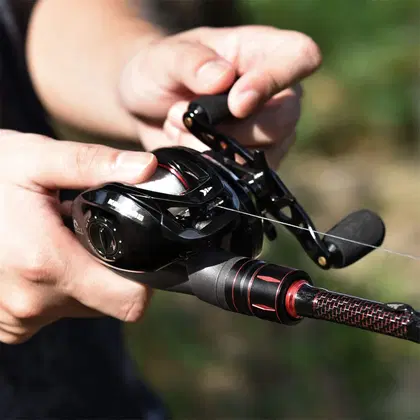
When it comes to mastering baitcasting reels, getting a grip on the mechanics of brakes, tension knobs, and drag is essential. These features not only help you cast more effectively but also allow you to control how your line behaves when a fish takes the bait. Understanding how each component works together will enhance your overall fishing experience, making your time on the water more enjoyable and successful. Let’s break down these elements in a way that’s easy to grasp, even for those just starting out.
What each adjustment actually does#
When you first pick up a baitcasting reel, the array of knobs and dials might seem overwhelming. But each adjustment serves a specific purpose that can significantly impact your fishing experience. Let’s break down what each one does in a way that’s easy to grasp.
Brakes Baitcasting reels typically have two types of brakes: centrifugal and magnetic. The primary role of brakes is to control the speed of the spool as you cast. If you’re new to casting, start with more brake engagement. This will help prevent backlashes, those frustrating tangles that can ruin your day on the water. As you gain confidence, you can dial back the brakes for longer, more controlled casts.
Tension Knob The tension knob is often located on the side of the reel. It adjusts the tightness of the spool, which affects how freely it spins when you cast. To get started, loosen the knob until the lure falls slowly when you hold the rod at a 45-degree angle. This ensures that the spool will release line smoothly as you cast, while still providing enough resistance to keep the line from overrunning.
Drag Drag is crucial when you hook a fish. It allows the line to slip off the reel when a fish is pulling hard, preventing it from breaking. Set the drag based on the size of the line and the fish you’re targeting. A good rule of thumb is to set the drag at about one-third of the line’s breaking strength. For example, if you’re using a 10-pound test line, set your drag around 3 to 4 pounds. Adjust it as needed during the fight; if the fish is taking too much line, tighten it slightly.
By understanding these core adjustments, you’ll have a better handle on how to use your baitcasting reel effectively. It’s all about finding the right balance for your setup and the conditions you’re fishing in.
Beginner settings that reduce frustration#
When you’re starting with baitcasting reels, getting the settings right can feel a bit overwhelming. But don’t worry; with a few simple adjustments, you can minimize those pesky backlashes and make your fishing experience much more enjoyable.
First, let’s talk about the tension knob. This is usually located on the side of the reel. To adjust it, hold your rod at a 45-degree angle and press the button to disengage the spool. Let your lure drop to the ground. You want to set the tension so that the lure falls slowly without causing the spool to spin too freely. If it hits the ground with a thud and the spool keeps spinning, tighten the knob a bit. This will give you better control and help prevent tangles.
Next up is the brake system. Most baitcasters come with either a centrifugal or magnetic braking system. If you’re new to baitcasting, start with a higher brake setting. This will help slow down the spool when you cast, reducing the chance of a backlash. Once you feel more comfortable, you can gradually lower the brake setting for longer casts. Just remember, it’s easier to adjust down than it is to fix a backlash!
Lastly, consider your drag settings. Drag helps control the tension on the line when a fish pulls on it. For beginners, set your drag to about 25% of your line’s breaking strength. This way, if a fish takes off, the line won’t snap. You can always fine-tune it based on the type of fish you’re targeting.
Remember, practice makes perfect. Spend some time casting in your backyard or at a local park. Play with these settings until you find what feels right for you. With a little patience, you’ll soon be casting like a pro!
The Truth About Backlashes and Bird’s Nests#
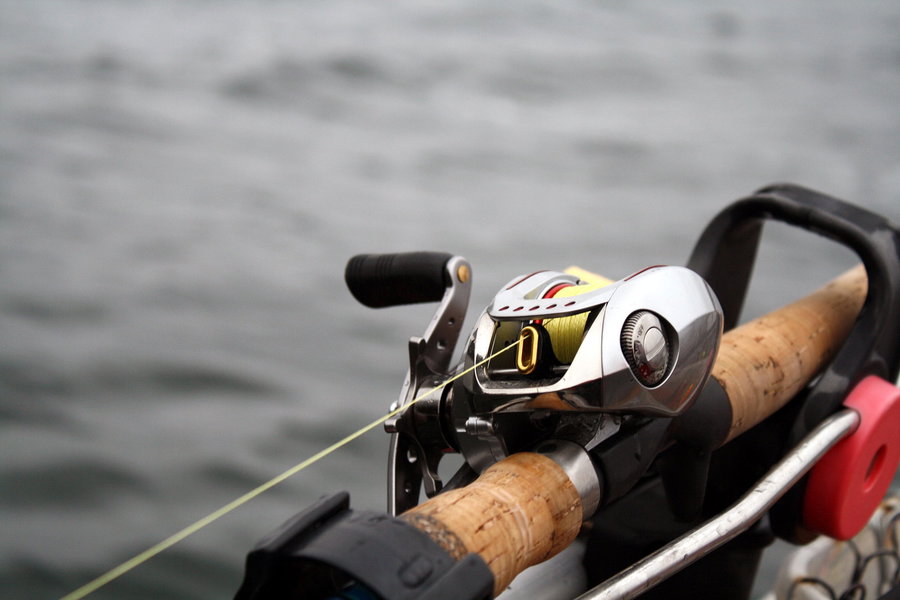
When you first start using a baitcasting reel, one of the most common challenges you’ll encounter is dealing with backlashes and bird’s nests. These frustrating tangles can happen to even the most seasoned anglers, but understanding their causes and learning how to prevent them is key to mastering your technique. In this section, we’ll break down what these issues are, why they occur, and how you can minimize their impact on your fishing experience.
Why they happen#
Backlashes and bird’s nests are terms every new baitcaster encounters sooner or later. But what exactly causes these frustrating tangles? Understanding the basics can help you avoid them and improve your casting technique.
First off, backlashes usually happen when the spool of your reel spins faster than your line can come off. This often occurs if you’re casting into the wind or if you release the line too late. Imagine trying to throw a ball while someone else is pulling it back at the same time; it just doesn’t work well. The key here is to match your cast with the speed of the line leaving the reel.
Another common scenario is when you try to cast too far without adjusting your reel’s braking system. If you’re new to baitcasting, the brakes help control the spool’s speed. If they’re set too loose, the line can spool out uncontrollably, leading to a bird’s nest. Think of it as driving a car with the pedal to the metal and no brakes - things can get out of hand quickly!
Also, keep an eye on your line. If it’s old, frayed, or tangled, it can contribute to backlashes. New line tends to perform better and will help you get those smooth casts you’re aiming for.
Lastly, practice is your best friend. The more you become familiar with your reel and its settings, the better you’ll get at managing your casts. So don’t get discouraged if you encounter a few backlashes at first; they’re a normal part of the learning curve.
How to prevent them#
Preventing backlashes and bird’s nests when using a baitcasting reel is all about technique and a few simple adjustments. Here are some practical tips to help you fish confidently without the frustration of tangled lines.
1. Adjust the brake system. Most baitcasting reels come with a built-in braking system. This can be either magnetic or centrifugal. Start by setting the brakes to a higher level, especially if you’re new to casting. This will help slow down the spool during the cast, reducing the chance of a backlash. As you get more comfortable, you can gradually decrease the braking strength.
2. Fine-tune the spool tension. The spool tension knob is your friend. Before casting, hold the rod at a 10 o’clock position and loosen the spool tension until the bait just begins to drop. If the lure falls too fast, tighten it slightly. This simple adjustment helps maintain control while casting, making it easier to avoid tangles.
3. Practice your casting technique. Your casting motion matters. Focus on using a smooth, fluid motion rather than a jerky, forceful flick. Keep your wrist firm but relaxed, and follow through with your cast. Remember, it’s not about how hard you can cast but how accurately and smoothly you can do it.
4. Use the right lure weight. Make sure the lure you’re using is appropriate for your setup. Too light a lure can cause the line to overrun, leading to backlashes. Check your reel’s specifications for the recommended lure weight range and try to stay within it.
5. Keep your line in good condition. Frayed or worn-out fishing line can contribute to backlashes. Regularly check your line for any signs of wear and replace it as needed. A clean, well-maintained line casts better and is less prone to tangling.
6. Practice regularly. Like any skill, casting takes practice. Spend some time in an open area where you can practice your casts without the worry of snagging anything. The more you practice, the more comfortable you’ll become, and the fewer backlashes you’ll experience.
By making these adjustments and focusing on your technique, you’ll be well on your way to enjoying the advantages of baitcasting without the headaches of backlashes or bird’s nests.
Quick ways to fix common tangles#
Backlashes and bird’s nests can be frustrating, especially for beginners. But don’t worry; they’re fixable with a little patience and practice. Here are some quick tips to help you untangle those pesky knots.
1. Stay Calm First things first, take a deep breath. Getting frustrated will only make it harder to fix the tangle. Approach the situation with a relaxed mindset, and you’ll be more effective.
2. Identify the Problem Look closely at where the tangles are occurring. Is the line tangled around the spool, or is it knotted in the guides? Understanding where the issue is will help you tackle it more efficiently.
3. Use Your Fingers For minor tangles, using your fingers can often do the trick. Gently pull the line apart where it’s tangled. Avoid yanking on the line, as this can tighten the knots and make things worse.
4. Loosen the Spool If the line is tightly wound around the spool, try loosening the tension. Flip open the reel’s bail and gently pull on the line. This can provide some slack, making it easier to untangle.
5. Cut the Line if Necessary Sometimes, a tangle is too knotted to fix without cutting. If you encounter a stubborn bird’s nest, don’t hesitate to cut the line. It’s better to start fresh than to waste time struggling with a mess.
6. Re-spool if Needed If you had to cut the line, it might be a good idea to re-spool your reel. This will ensure you’re starting with a clean slate and can help prevent future tangles.
7. Practice Preventative Measures Once you’ve fixed the problem, take note of what caused it in the first place. Adjust your casting technique, check your reel settings, or ensure your line is properly spooled to minimize the risk of backlashes in the future.
Remember, everyone experiences tangles at some point. It’s all part of the learning process!
Common Beginner Baitcaster Mistakes#
When you’re just starting with baitcasting reels, it’s easy to feel overwhelmed by all the settings and techniques involved. Many beginners make a few common mistakes that can lead to frustration, such as backlash and poor casting distance. Understanding these pitfalls early on can help you avoid them and make your fishing experience much more enjoyable. Let’s dive into some of the typical missteps and how to sidestep them for a smoother introduction to baitcasting.
Using lures that are too light#
One of the most common mistakes beginners make with baitcasting reels is using lures that are simply too light. Baitcasters are designed to handle a certain weight range, and if you go below that, you might find yourself struggling more than necessary.
When you cast a lighter lure, your baitcaster can have a tough time propelling it effectively. It might not even reach your desired distance, and you could end up with a lot of backlash - those annoying tangles in your line that can really test your patience. The mechanics of a baitcaster work best when there’s enough weight to help control the spool during the cast.
To find the right lure weight, check the specifications on your baitcaster. Most reels will have a recommended lure weight range. If you’re unsure, a good rule of thumb is to start with lures that are at the mid-point of that range, then gradually experiment with heavier and lighter lures as you get more comfortable.
Also, consider the type of fishing you’re doing. If you’re targeting larger fish, you’ll need lures that are heavier to get their attention. On the other hand, if you’re after smaller species, you might still want to stay within the recommended range but can play around with lighter options that won’t cause issues.
Start with lures like spinnerbaits or crankbaits that fit well within the recommended range. These are not only effective but also forgiving for beginners. As you gain confidence, you’ll be able to fine-tune your lure selection and casting technique, making your baitcasting experience much more enjoyable.
Trying to cast too hard#
One of the most common mistakes beginners make with baitcasting reels is trying to cast too hard. It’s easy to think that more power means longer casts, but that’s not how baitcasters work. In fact, casting with too much force can lead to backlash, which is when the line tangles up on the spool. Not only is this frustrating, but it can also ruin your fishing experience.
Instead of muscling your cast, focus on smooth, controlled motions. Start by using your wrist to flick the rod rather than using your whole arm. This way, you can generate enough speed without overdoing it. Think of it like throwing a paper airplane. A gentle, well-aimed toss usually works better than a full-on heave.
Also, pay attention to your timing. As you release the line, try to let go of the spool at the right moment. This will help the lure travel farther while keeping everything under control. Practicing in an open area, away from trees and other obstacles, can help you get a feel for this timing without the pressure of catching fish right away.
Finally, remember that baitcasting reels are designed for precision. A gentle touch will help you place your lure where you want it, whether that’s under a dock or near some rocks. With practice, you’ll find that less really is more when it comes to casting with a baitcaster.
Ignoring reel adjustments#
One of the most common mistakes beginners make with baitcasting reels is ignoring the various adjustments available. These settings can make a significant difference in your casting performance and overall experience on the water.
First, let’s talk about the brake system. Baitcasters typically come with either magnetic or centrifugal brakes, which help control the spool’s rotation when you cast. If you set these brakes too low, you’ll likely experience backlashes, which can be frustrating. Start with a higher brake setting until you get the hang of your casting technique, then gradually adjust it down as you become more comfortable.
Another important adjustment is the spool tension knob. This knob regulates how freely the spool spins when you cast. If it’s too loose, the spool may spin uncontrollably, leading to those pesky tangles. If it’s too tight, you might struggle to cast at all. A good rule of thumb is to tighten it until there’s just a slight bit of resistance when you press the thumb bar. You should be able to get a smooth release without any issues.
Also, don’t forget about the casting distance. Many beginners think that a longer cast is always better. However, if your reel isn’t properly adjusted, your distance can suffer. Take the time to fine-tune your settings based on the weight of the lure you’re using. Heavier baits might need less brake, while lighter baits require more.
Taking a few moments to familiarize yourself with these adjustments can set you up for a much more enjoyable day of fishing. Experimenting with your settings while practicing casting will help build your confidence and reduce the chances of mishaps on the water.
Choosing Your First Baitcasting Reel#
When stepping into the world of baitcasting reels, the options can feel overwhelming. However, selecting your first reel doesn’t have to be a daunting task. Understanding the key features and what to look for can help you find a reel that fits your fishing style and needs. Whether you’re aiming to cast farther, gain better control, or simply want to enhance your overall fishing experience, choosing the right baitcasting reel is an essential first step on your angling journey.
Budget-friendly features worth prioritizing#
When you’re just starting out with baitcasting reels, it’s tempting to go for the flashiest options, but there are key features that can really make a difference without breaking the bank. Here are some budget-friendly features to look for that will enhance your fishing experience.
First up, consider the gear ratio. This refers to how many times the spool rotates with one turn of the handle. A gear ratio between 6:1 and 7:1 is a good starting point for beginners. It allows for a balance between speed and control, making it versatile for various fishing techniques.
Next, pay attention to the braking system. A good baitcasting reel should have an adjustable braking system that helps control the spool’s speed. Look for reels with both centrifugal and magnetic brakes. They’re user-friendly and can help reduce backlashes, which is especially helpful when you’re still mastering your casting technique.
Weight is another important factor. A lighter reel will be easier to handle during long days on the water. Many budget-friendly options come in under 8 ounces, which is manageable for most anglers. Just remember, comfort matters, especially if you’re planning on reeling in a big catch.
Don’t overlook the drag system either. Smooth and reliable drag is crucial for fighting fish. Look for reels with a drag setting that can easily be adjusted while you’re fishing. A good rule of thumb is to choose a reel that offers at least 10 to 15 pounds of drag pressure, which is sufficient for most freshwater species.
Lastly, check the materials. While you don’t need the most expensive materials, durable construction is key. Look for reels with a graphite or aluminum body. They offer a good balance of weight and strength and are typically more affordable than high-end materials like carbon fiber.
By focusing on these budget-friendly features, you’ll be better equipped to choose a baitcasting reel that not only meets your needs but also builds your confidence as you start your fishing journey.
What can safely be ignored at first#
When you’re just starting with baitcasting reels, it’s easy to feel overwhelmed by the features and specs. But here’s the good news: not everything is crucial for beginners. You can focus on the basics and skip some of the more advanced options until you get a feel for the gear.
First off, don’t stress too much about the gear ratio. While it’s important for experienced anglers to match the gear ratio to specific techniques, as a beginner, you’ll be just fine with a mid-range ratio between 6.0:1 and 7.0:1. This range gives you versatility for various fishing styles without complicating things at the start.
Another aspect you can overlook is the drag system. Many baitcasting reels come with sophisticated drag settings, but as a newcomer, you’ll mainly want a reliable drag that holds up during fights with fish. A basic star drag or a simple lever drag will work well for you. Focus on ensuring it’s smooth and adjustable enough to handle the types of fish you’ll be targeting.
The weight of the reel might also feel like a big deal, but most baitcasting reels are designed to be comfortable for general use. As a beginner, just make sure it’s manageable for you and pairs well with your fishing rod. If the reel feels good in your hand, it’s likely a good choice for now.
Lastly, don’t get too caught up in fancy materials or high-end finishes. While premium materials can enhance performance, they often come with a hefty price tag. Look for a reel that feels sturdy and reliable without worrying about whether it’s made from the latest space-age composite.
By keeping your focus on these essential features, you’ll be able to select a baitcasting reel that serves you well without getting bogged down by the details. Enjoy the learning process and let your experiences guide your understanding of what really matters in fishing gear.
Are Baitcasting Reels Worth Learning#
If you’re new to fishing, you might be wondering whether investing time in learning to use a baitcasting reel is worth it. While spinning reels are often recommended for beginners due to their simplicity, baitcasting reels can offer advantages that are hard to ignore. They allow for greater accuracy and control when casting, making them a favorite among many seasoned anglers. So, before you decide to stick with the easier option, let’s explore what makes baitcasting reels a worthwhile skill to develop.
In conclusion, while baitcasting reels may seem daunting at first glance, they can open up a whole new world of fishing possibilities once you get the hang of them. Remember, every expert was once a beginner, so don’t be discouraged by a few miscasts or pesky backlashes. With practice and a little patience, you’ll find that the precision and control a baitcaster offers can greatly enhance your fishing experience. Take the time to understand the mechanics, learn from your mistakes, and choose a reel that feels comfortable in your hands. Before you know it, you’ll be casting like a pro and enjoying those quiet moments on the water even more. So grab your baitcaster, head out to your favorite spot, and enjoy the journey - every cast is a chance to improve!